
After barely 24 hours in Singapore (I’ll be back in a few weeks to explore properly), I took the short flight over to Jakarta, on the island of Java in Indonesia. Having managed to pay for my e-visa online in advance after filling out the online arrival card prior to departure, it was a straightforward entry into the country through the e-gates, though sadly no stamp in my passport! It’s also possible to get a visa on arrival at the airport for 500,000 rupiah (£22).
My arrival transfer to the hotel in Jakarta was a little hairy. I was fairly sure the driver was nodding off on the way, a well timed cough on my part seemed to wake him up!
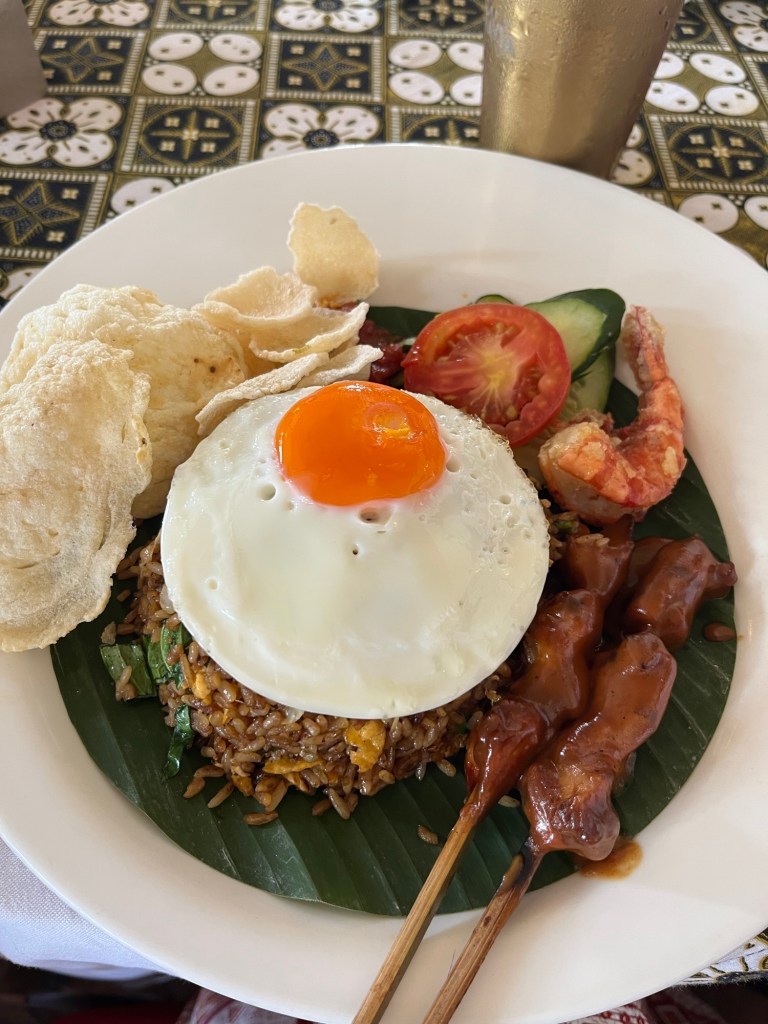
This trip, through both Java and Bali, is also with Intrepid Travel. We started that evening with the usual welcome spiel and then dinner at a restaurant next door. I went straight in with the Nasi Goreng (fried rice), one of the dishes Indonesia is known for.
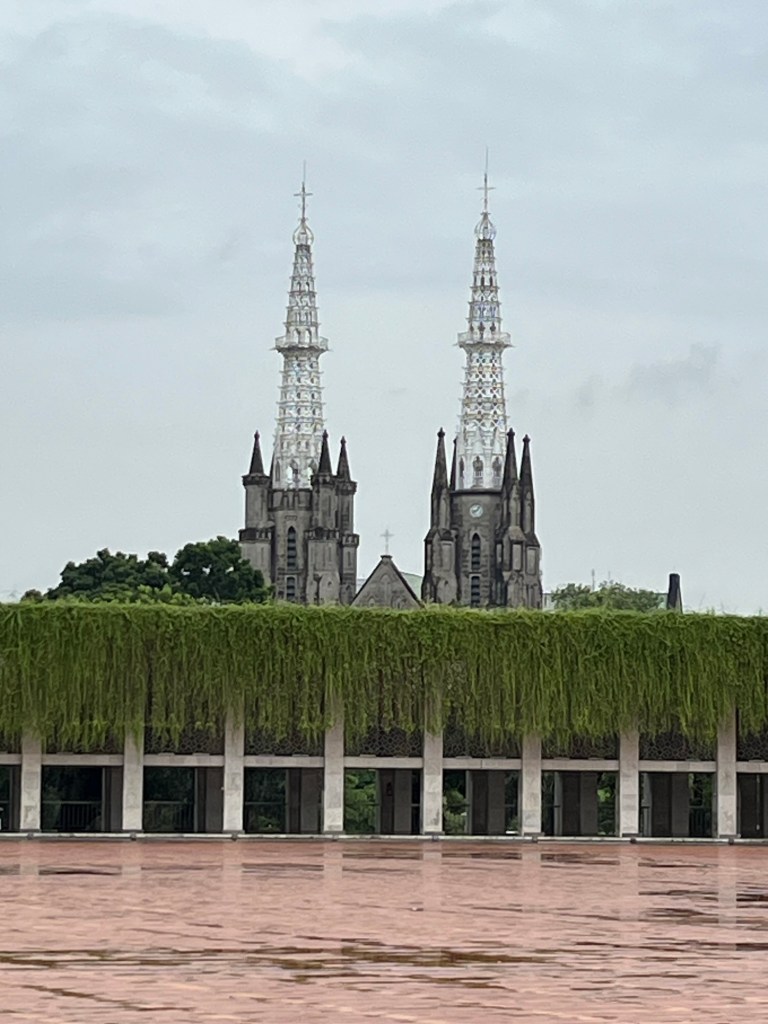
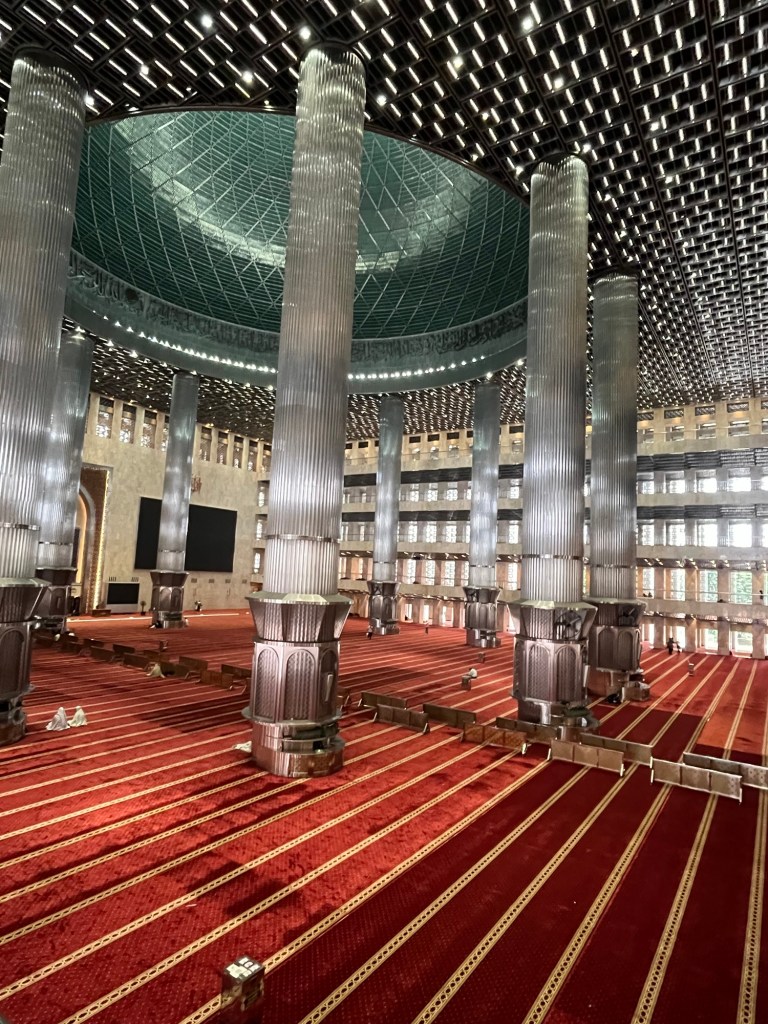
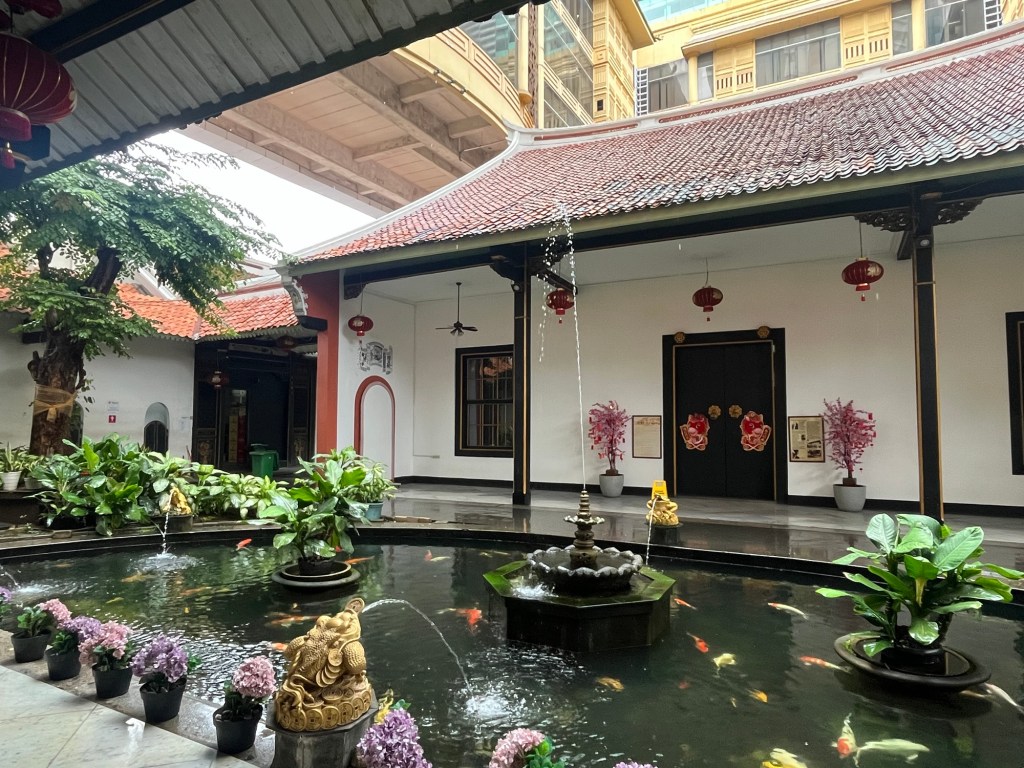
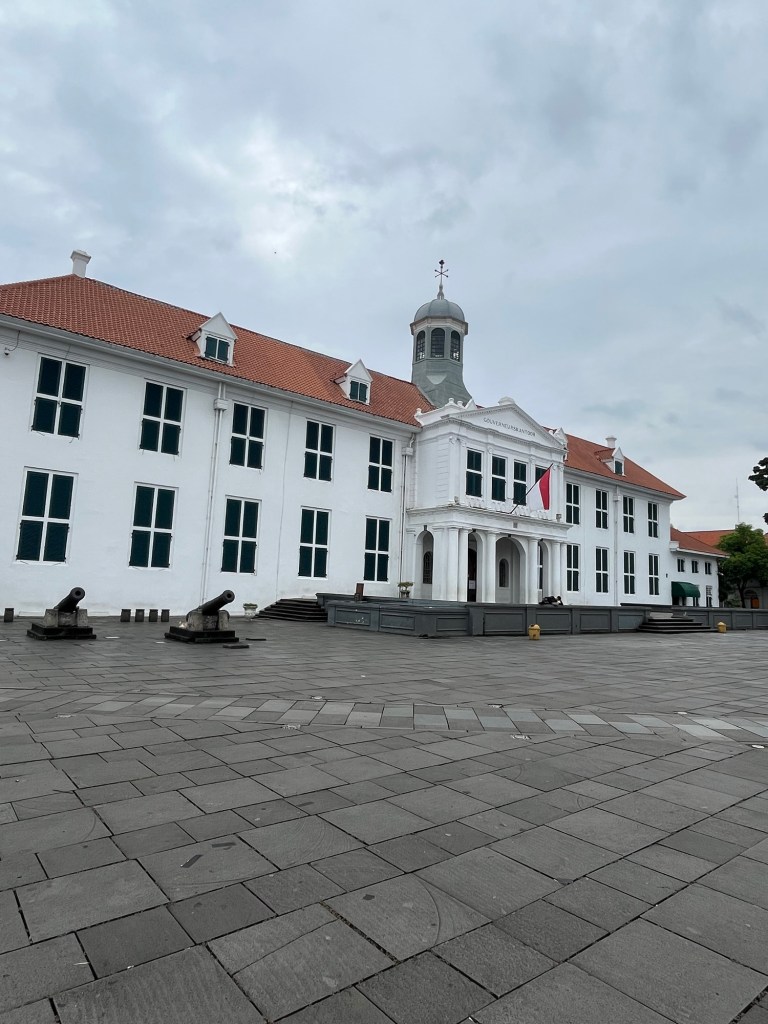
The next day we had a tour around some sights in Jakarta, including the Istiqlal Mosque which can hold 200,000 people, and is also across the road from Jakarta’s cathedral; an old Chinese Mansion House, a wander around Chinatown, the port area and finally in Fatahillah Square before lunch (more nasi goreng) at Cafe Batavia. You could certainly see the Dutch influence in the architecture here.
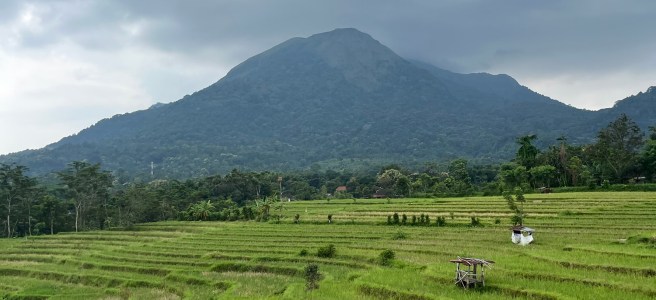
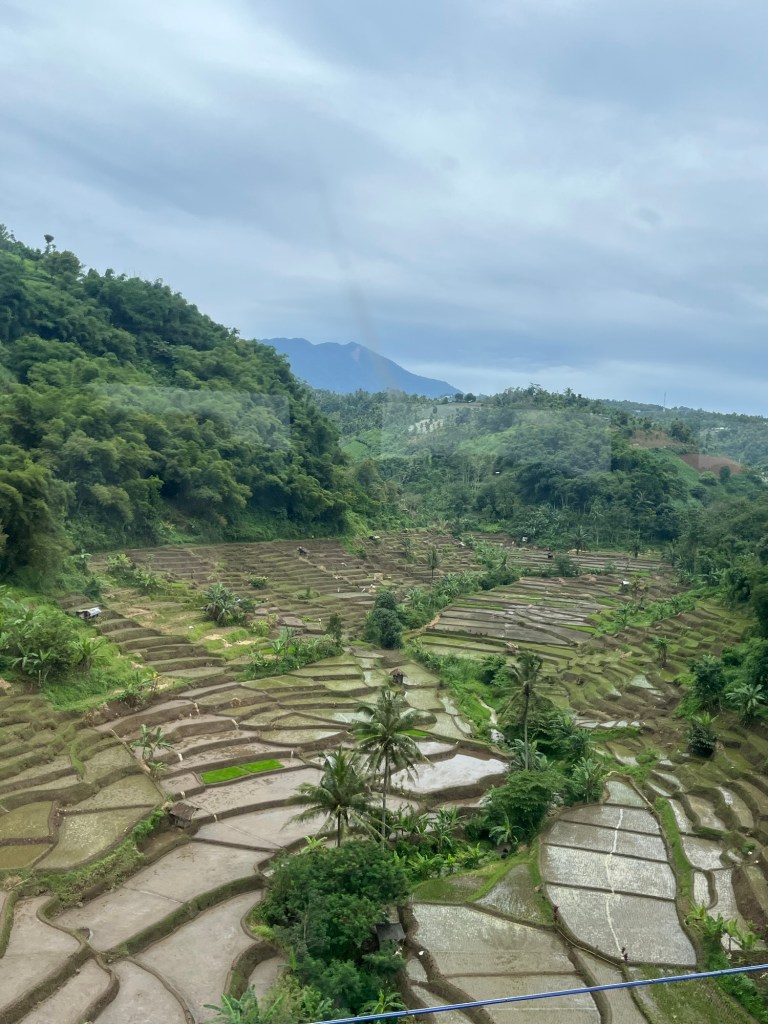
The following day we started our journey across Java with a very comfortable train journey, approximately 4 hours to Bandung. The scenery was spectacular once we got out of Jakarta, with lush green fields, rice terraces and soaring volcanic peaks.
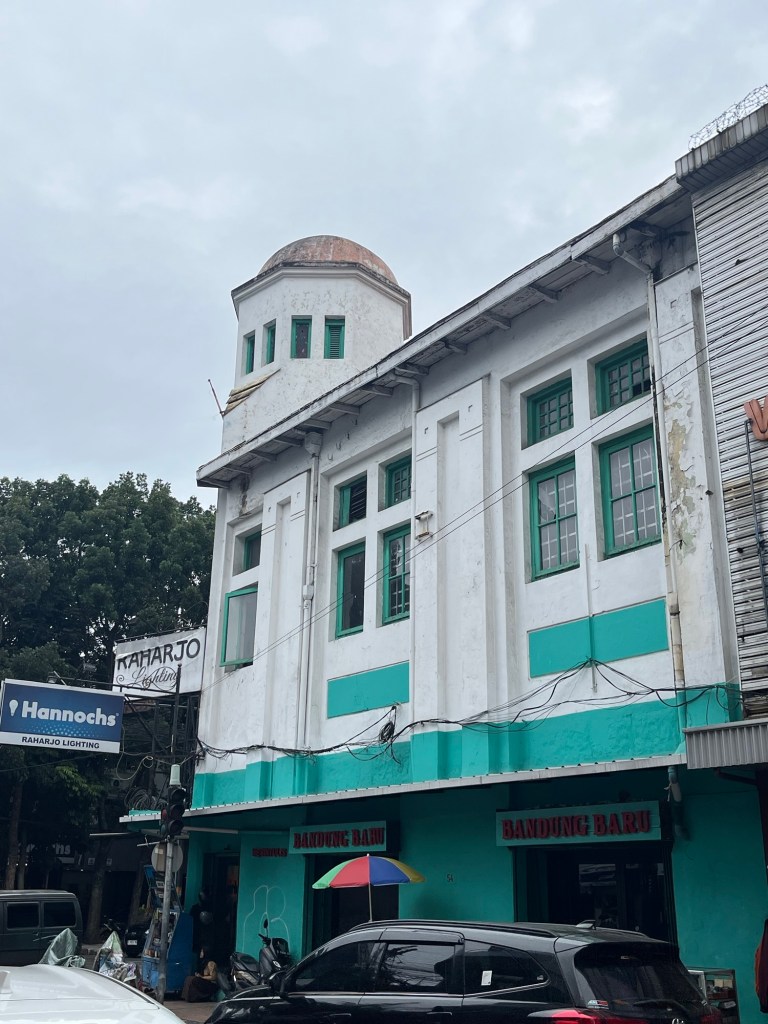
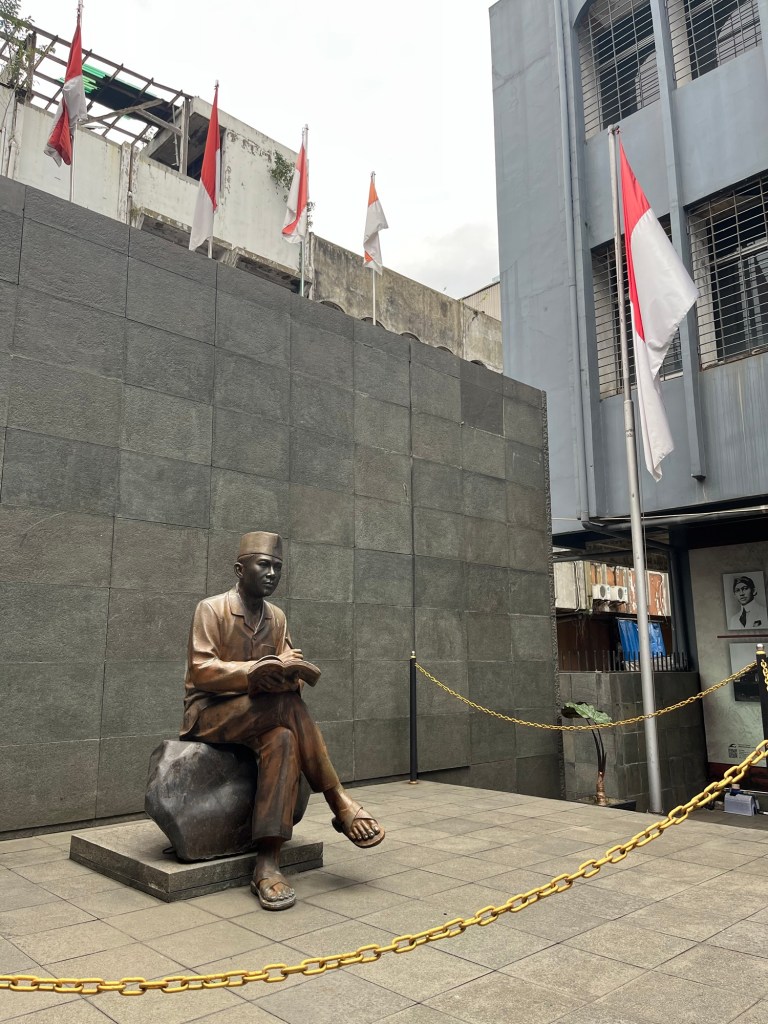
When we arrived in Bandung, we went to a local restaurant for lunch – I am travelling during Ramadan, a lot of restaurants are closed during the day – before having a walking tour of Bandung. Quite a lot of art deco buildings here.
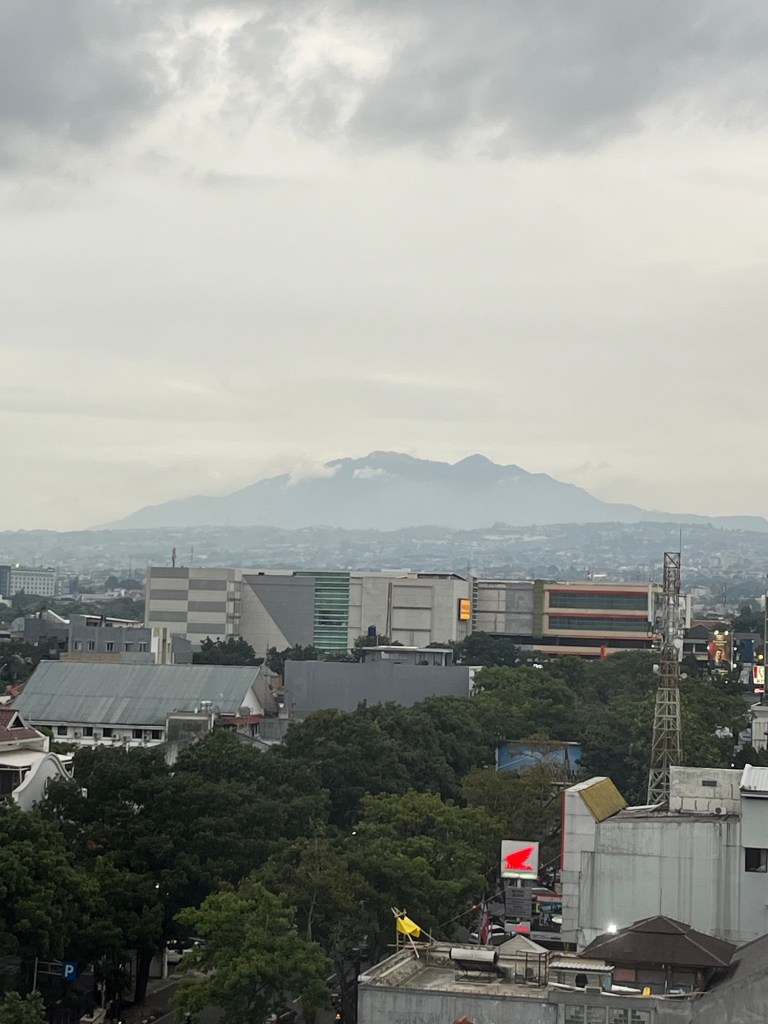
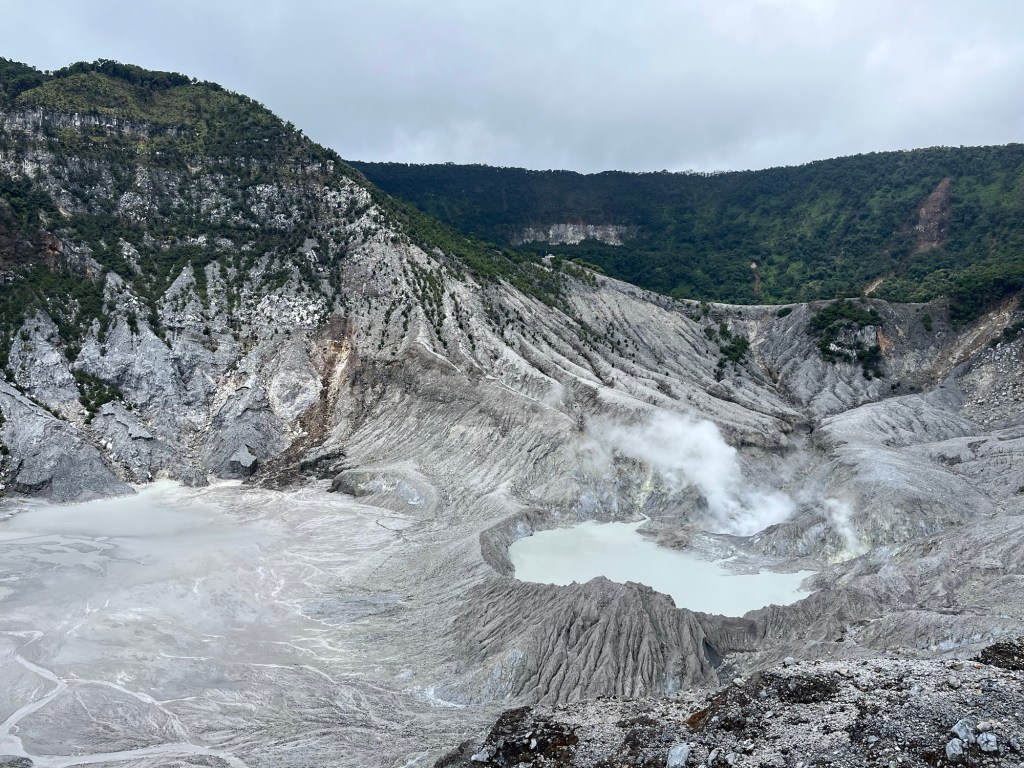
The next day we went to Tangkuban Perahu, the largest volcano in West Java which also has the great advantage of being able to drive right up to the rim! Some pockets in the crater were gently bubbling away as a reminder that we are on the Ring of Fire. Long time readers may recall my love of plate tectonics and volcanoes from prior travels and I really enjoyed this excursion.
We also visited a tea plantation and some hot springs, both of which were deserted through a combination of Ramadan and it being low season.
We went for dinner on Braga Street in downtown Bandung in the evening where we were served our alcohol in teapots, nominally due to Ramadan, though this hasn’t happened anywhere else in Indonesia.
The next day we were back on the train and heading to Yogyakarta. The travel took most of the day with the train journey being 7 hours through more beautiful scenery. Not as many volcanoes in Central Java but still plenty of rice terraces, and more lush greenery.
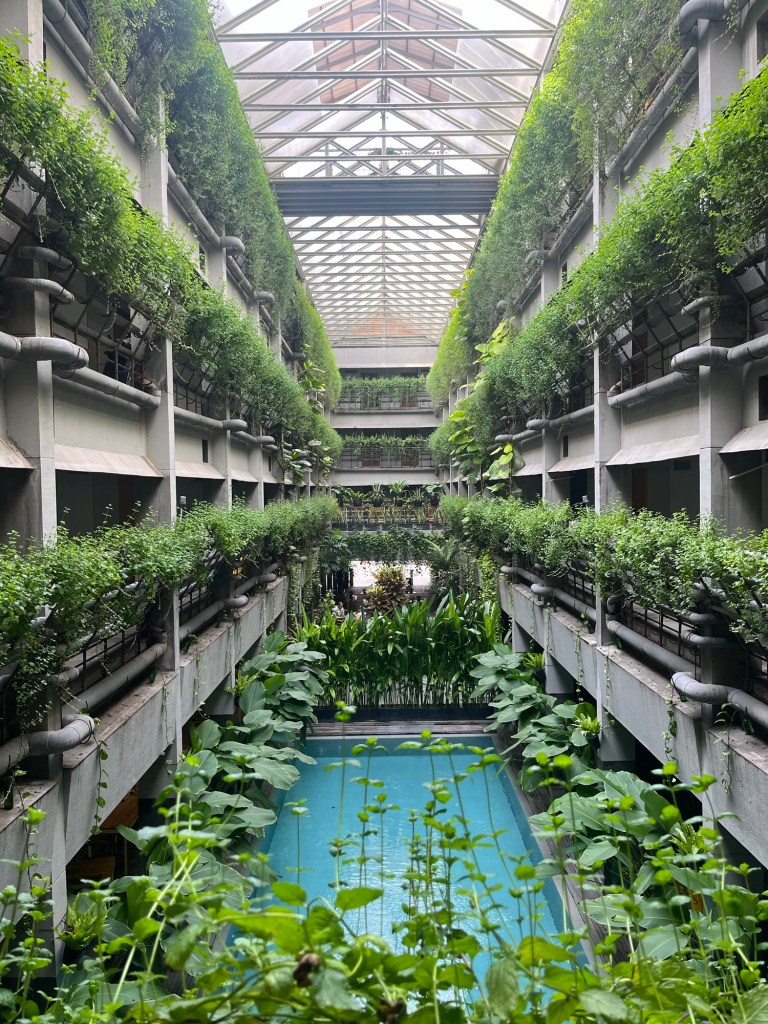
Yogyakarta was the first place in Indonesia that I’d seen Westerners. Definitely a sign of low season. We stayed in a lush (both literally and in the Welsh sense of the word) hotel which was covered in greenery, very close to Prawirotaman Street where there are lots of restaurants and bars. This area of Jogja (as the locals call it) also has lots of street art in the narrow alleyways.
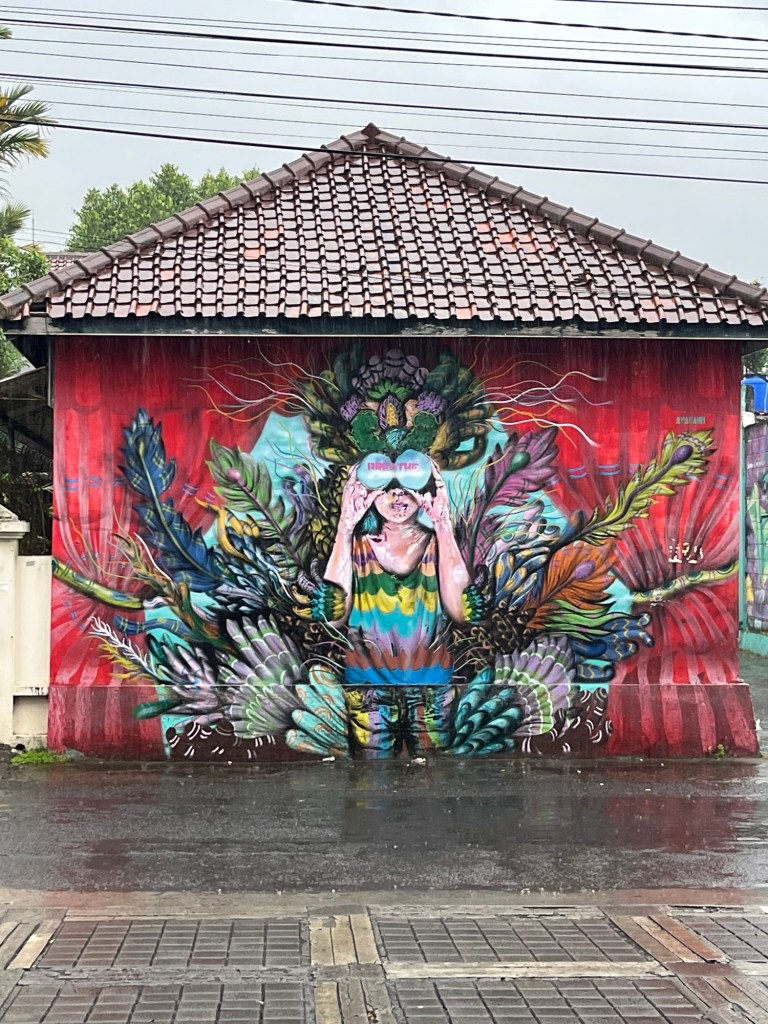
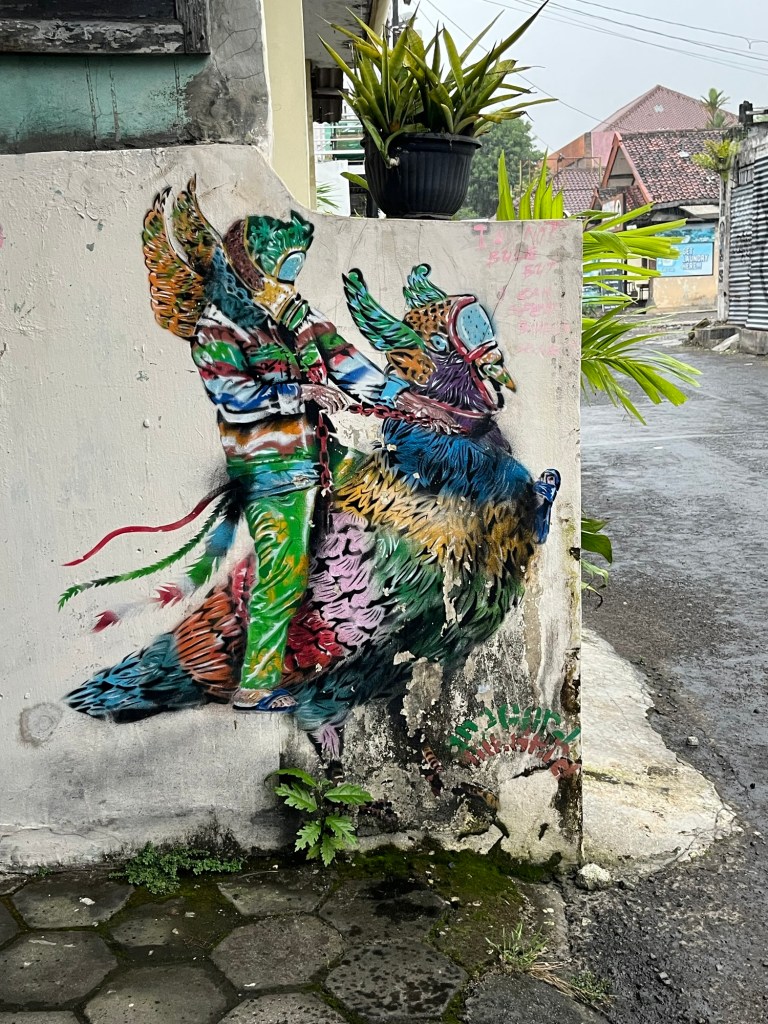
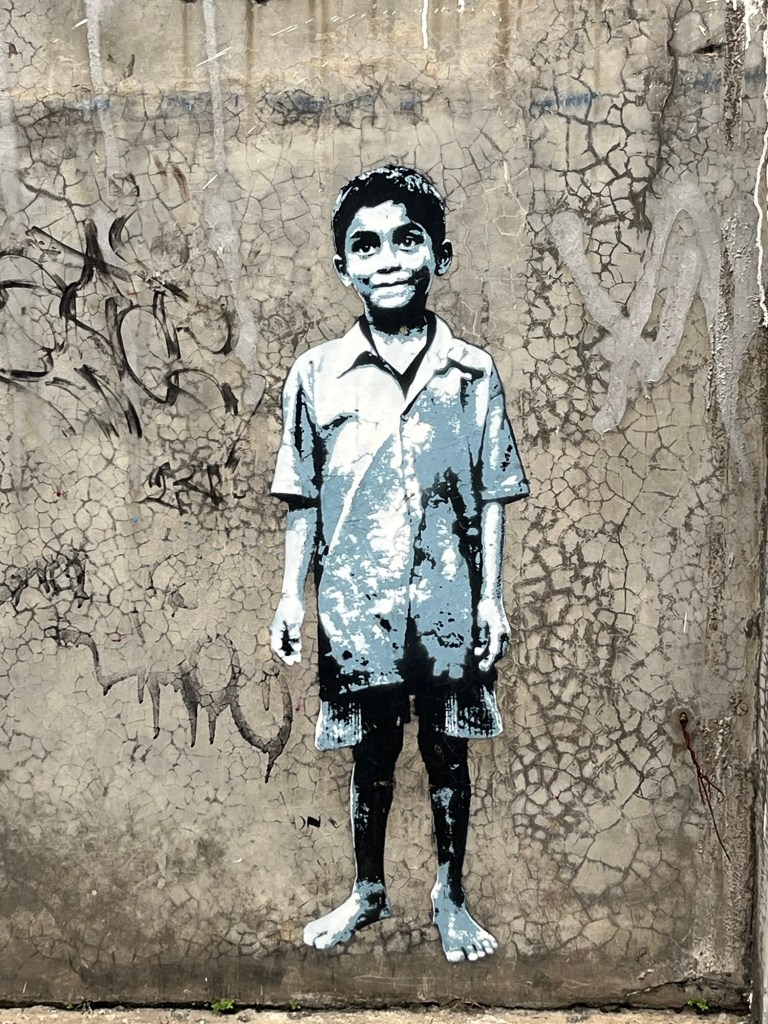
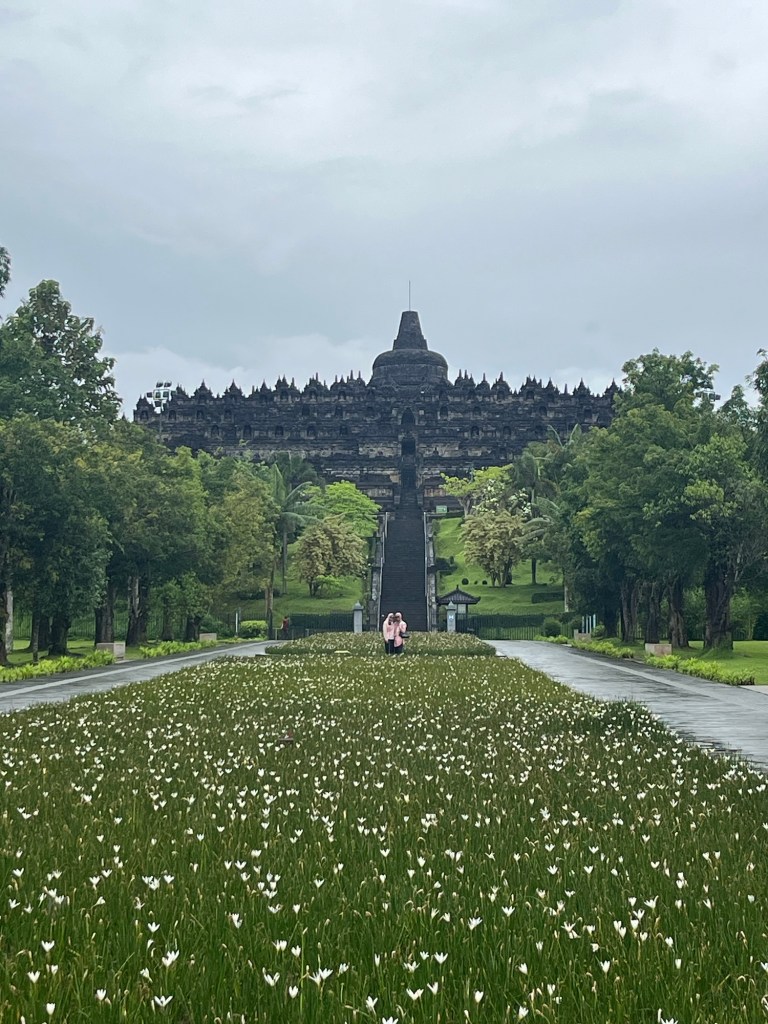
We were staying 3 nights in Jogja and on the first full day we had a trip out to Borobudur temple, the largest Buddhist structure on earth (I do feel I’ve heard variants on this at various temples throughout Southeast Asia…). A very interesting-looking structure and different to other temples I’ve seen recently. It poured it down throughout this trip but it did mean I finally got to use the plastic poncho I brought with me!!
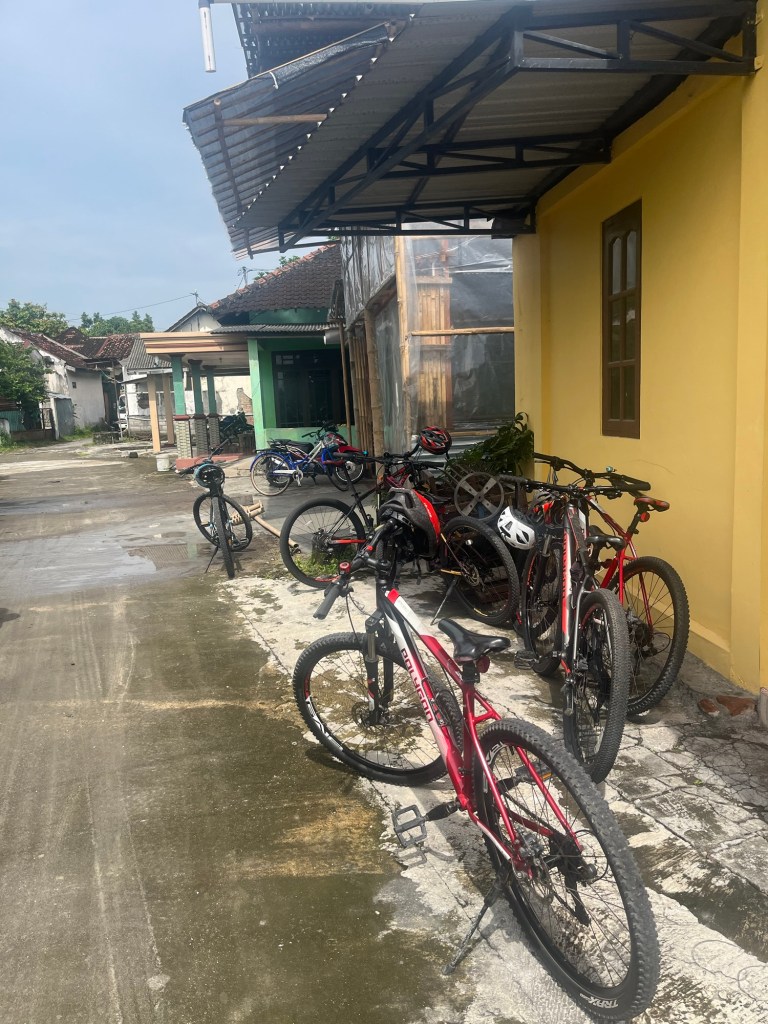
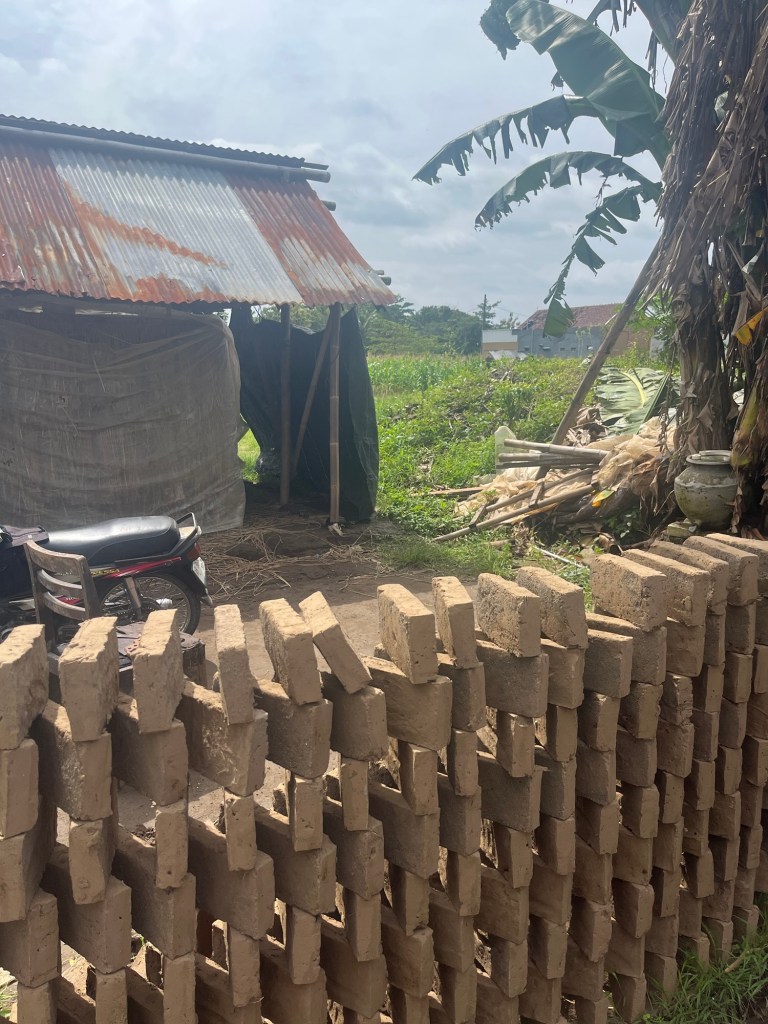
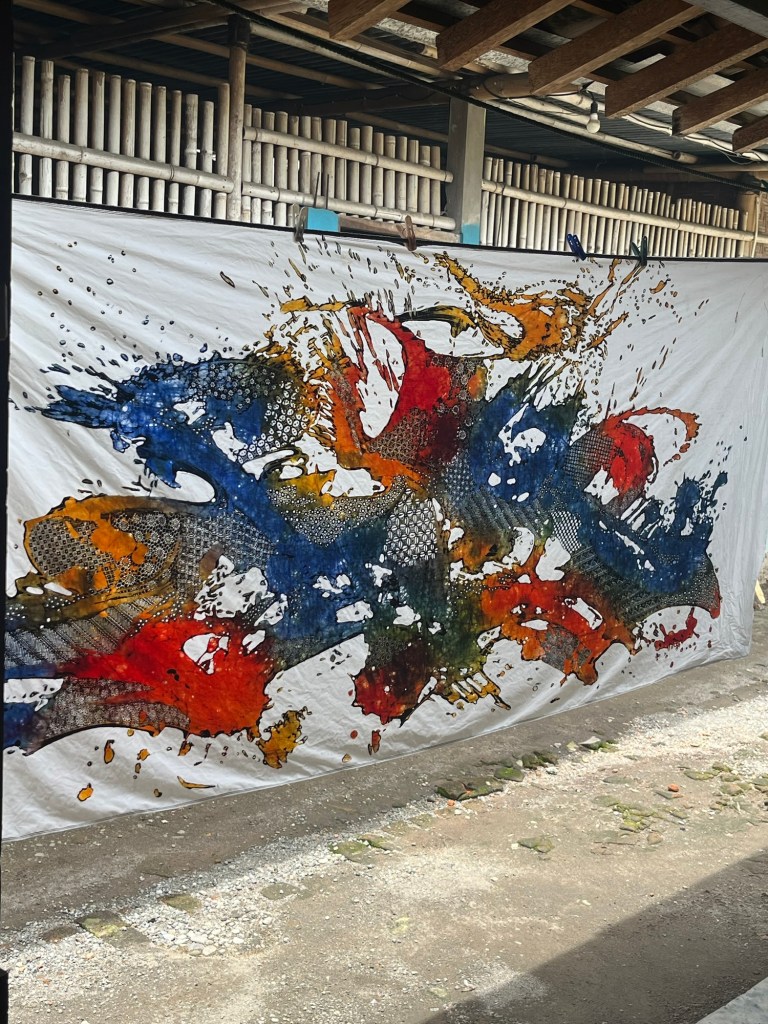
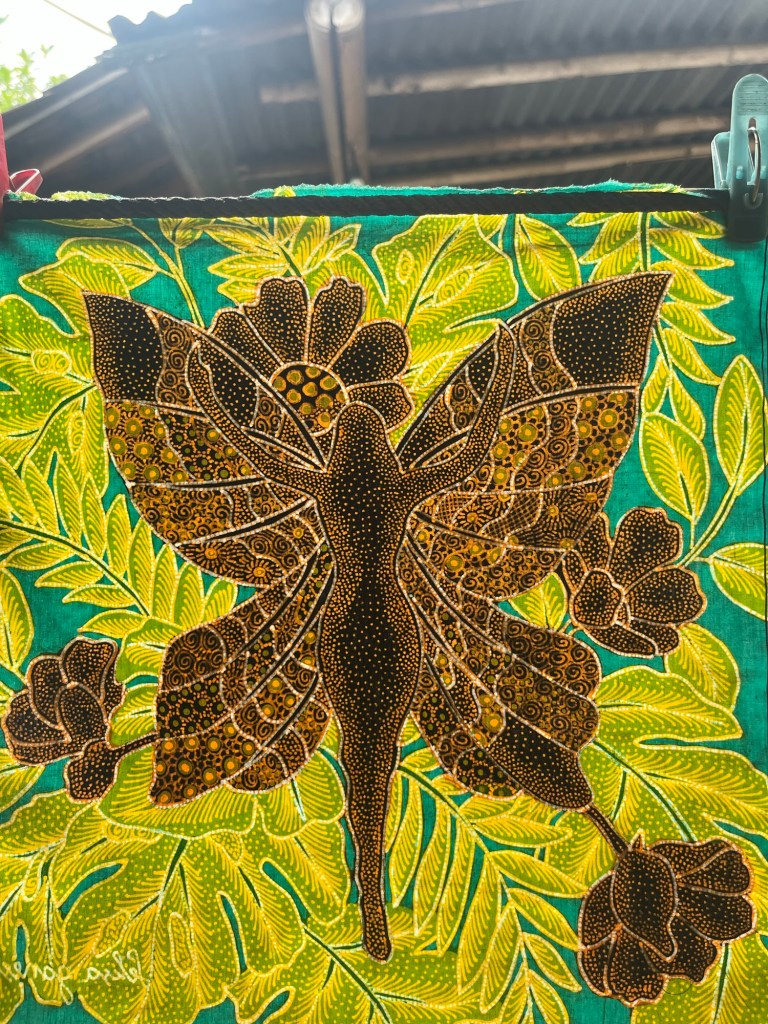
The following morning we had a bike ride out into the countryside, learning about local activities including making tempeh and brick-making from mud, pigeon racing, and batik printing. We all agreed that this was one of the highlights of the trip so far.
A chilled afternoon for me as the heavens opened again.
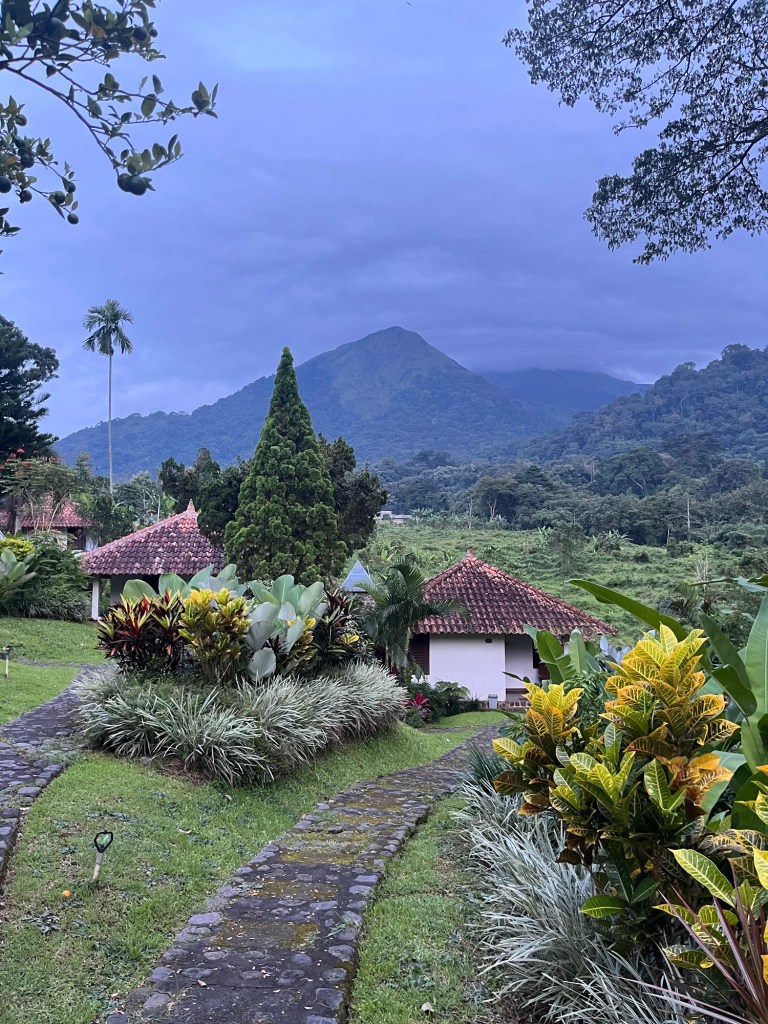
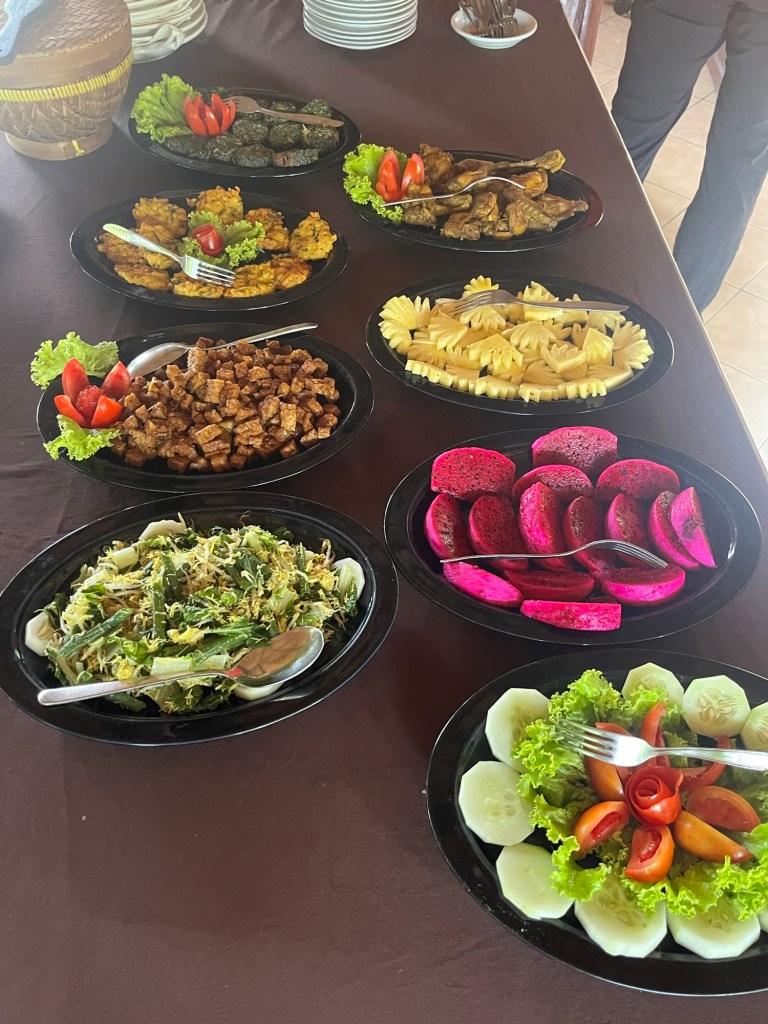
We left the following morning to continue our journey eastwards, again on the train. We stayed this evening at Seloliman Nature Reserve. It’s an educational centre which teaches the locals about plants and nature, and they grow a lot of their own food. We had a delicious dinner and a peaceful evening.
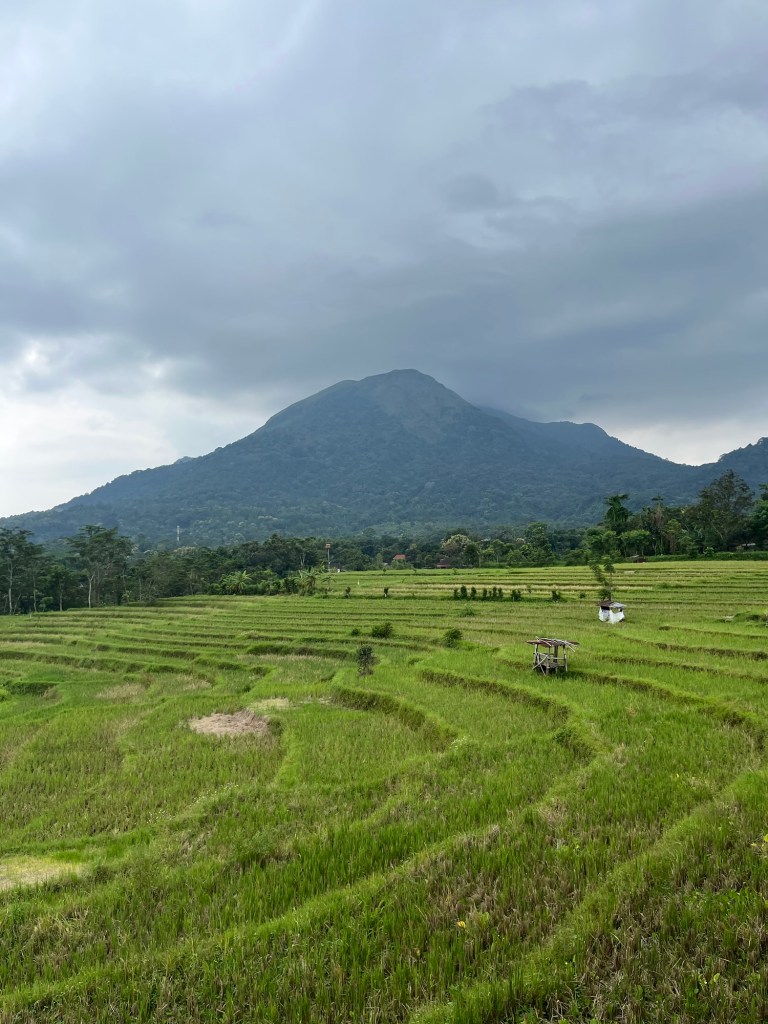
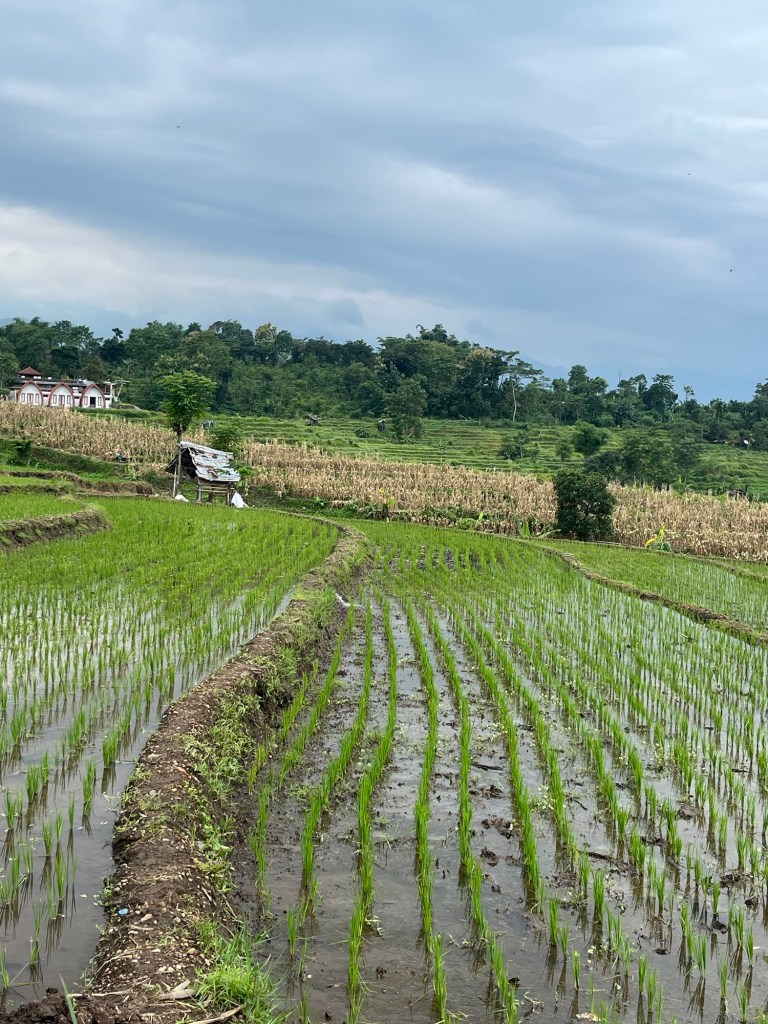
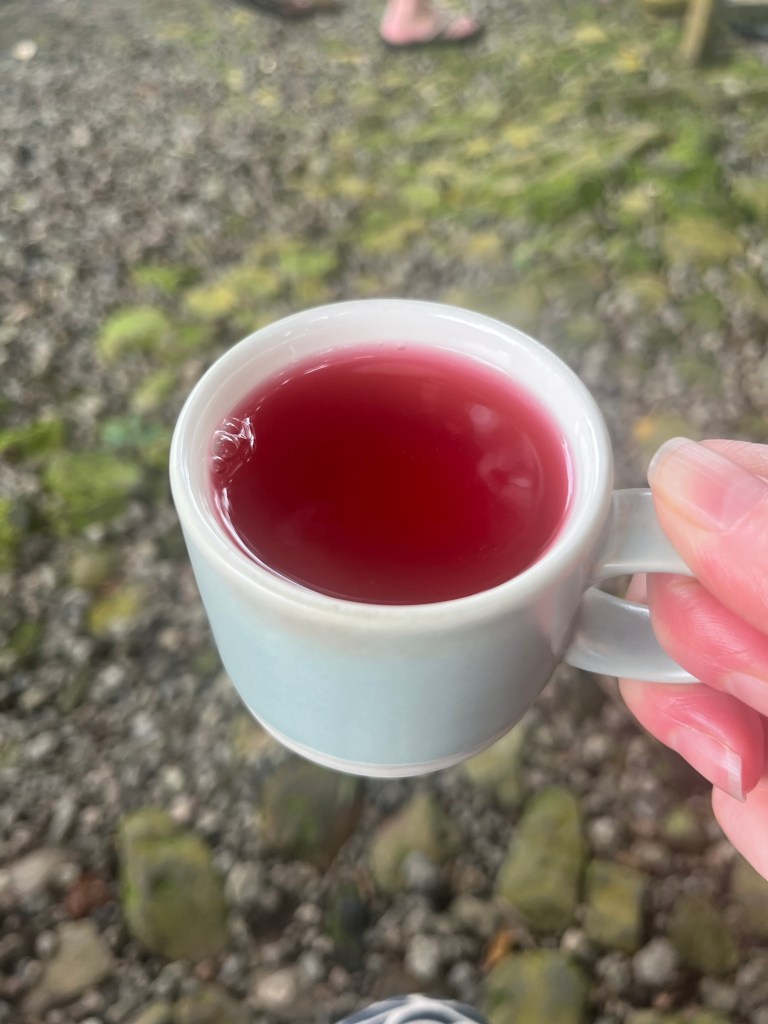
We enjoyed a walk around the nature reserve and local village in the morning. The village sits at the slopes of a volcano, and the fertile soil means that rice terraces are abundant. We had lunch at the reserve and a delicious herbal tea made with herbs and spices from their gardens. At the last moment, secang wood is added which turned the tea a vibrant red colour.
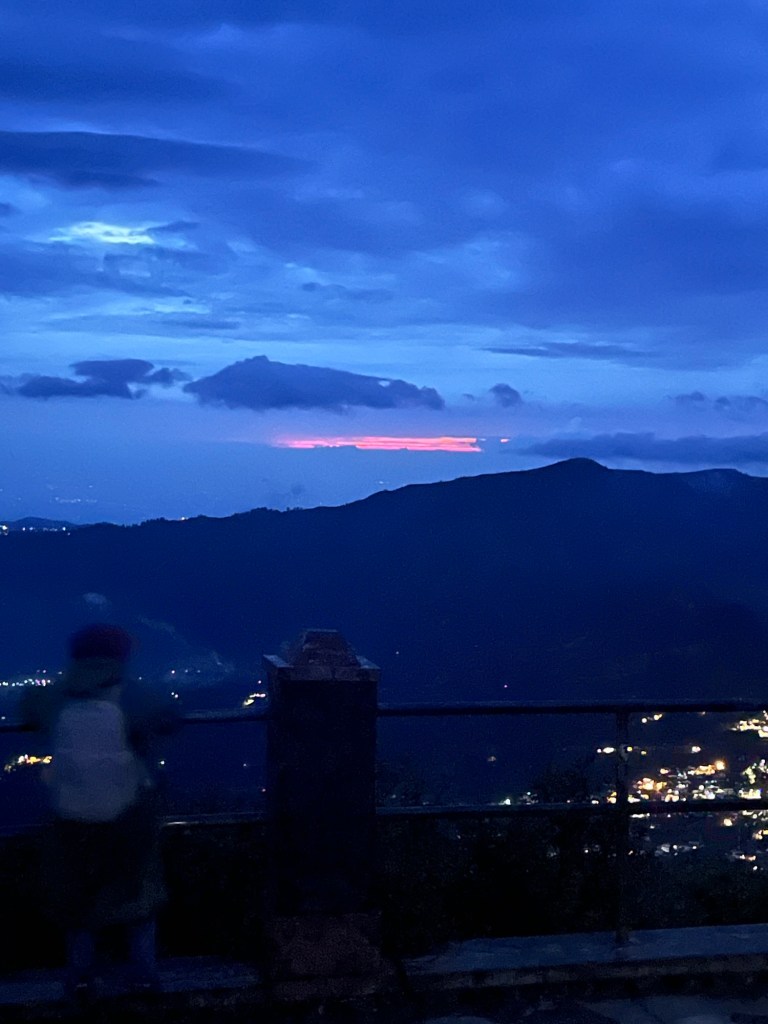
In the afternoon we headed towards our next stop close to Mount Bromo, as we would have a very early start the next day. Mount Bromo is the most active volcano in East Java, and it seems that tourists generally get up in the middle of the night (2.30am in our case) to drive up to a viewpoint in time for sunrise. As we were at altitude (around 7,000 feet), it was much cooler – the coldest I’ve been since I left the UK nearly 4 months since – and I can finally say I’ve worn everything I’ve brought with me!! We were in 4 wheel drive jeeps which were very necessary up the winding mountain roads and across the sand in the caldera.
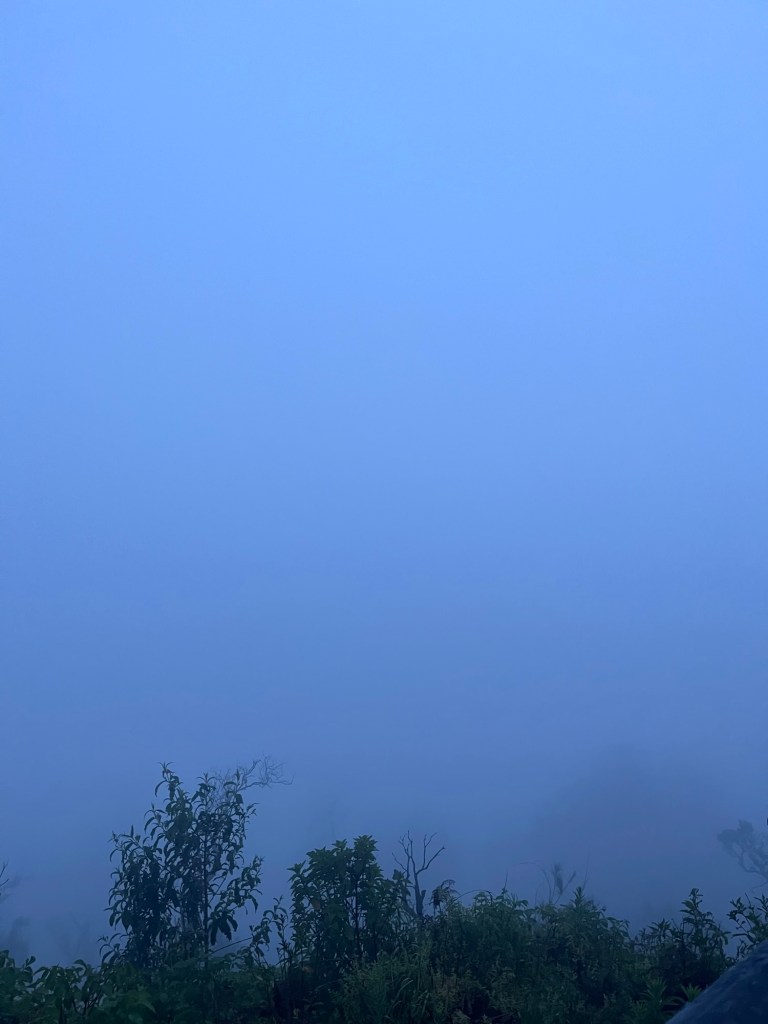
We arrived at the viewpoint in plenty of time and there was already a sliver of red sky in between the clouds. However, about 10 minutes before sunrise, we were cloaked in cloud, so sunrise was sadly something of a non-event…
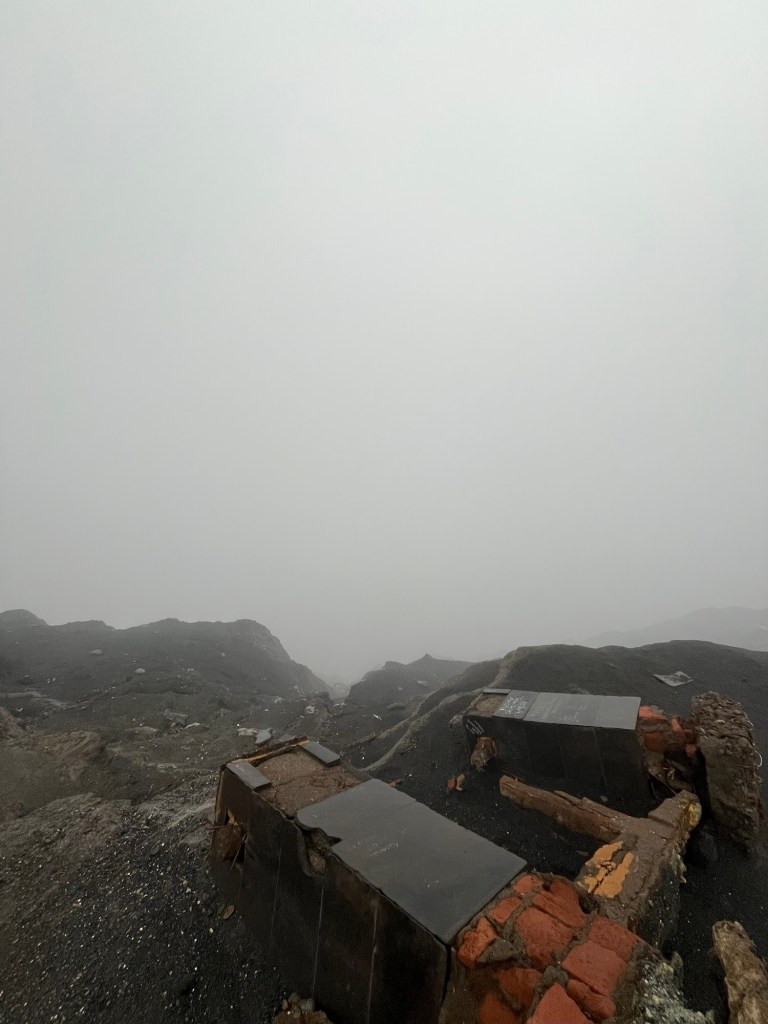
Afterwards a few of us took the opportunity to do the 30 minute or so climb up to the rim of Mount Bromo, which remained shrouded in a combination of cloud and steam from the volcano itself. It’s a bit of a scramble up some loose volcanic soil to start with but then there is a staircase of around 200 steps up to the crater. I didn’t hang around too long as the cloud was a bit wet, and a got a couple of burning lungfuls of sulphur.
By the time we’d climbed back down, the cloud over its neighbour, Mount Batok, was clearing. This volcano last erupted over 400 years ago so its slopes are covered in green vegetation, unlike Bromo which erupted 10 years ago and so its slopes are covered in the lava flow. The visual contrast between Batok and Bromo is cool to see.
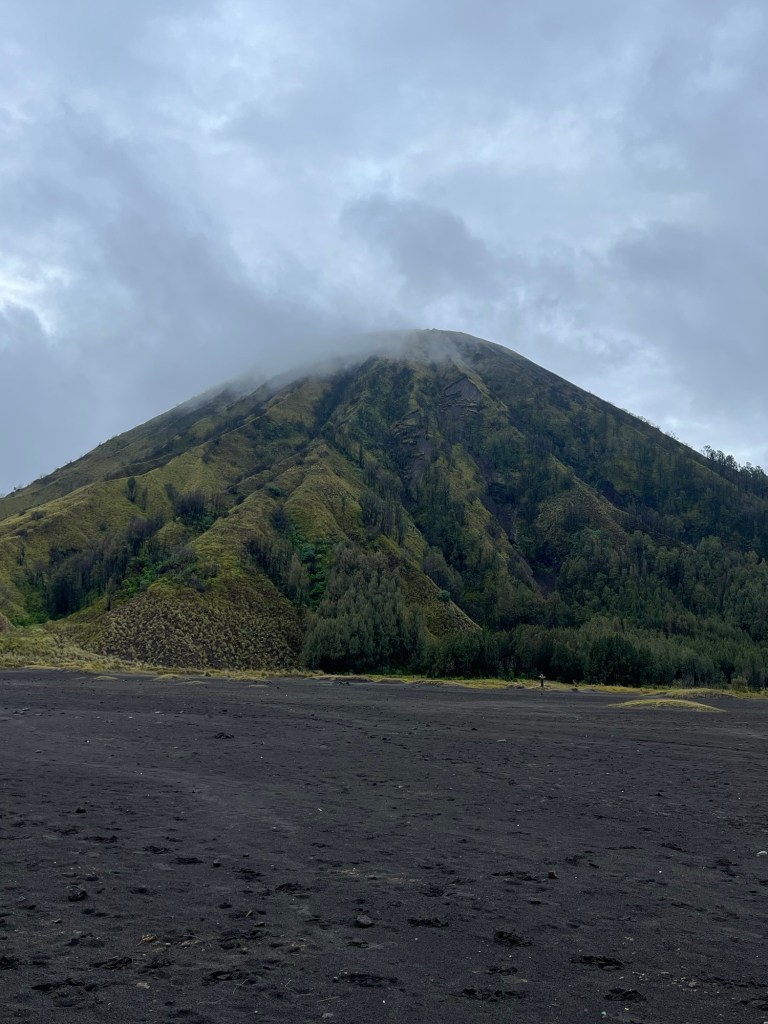
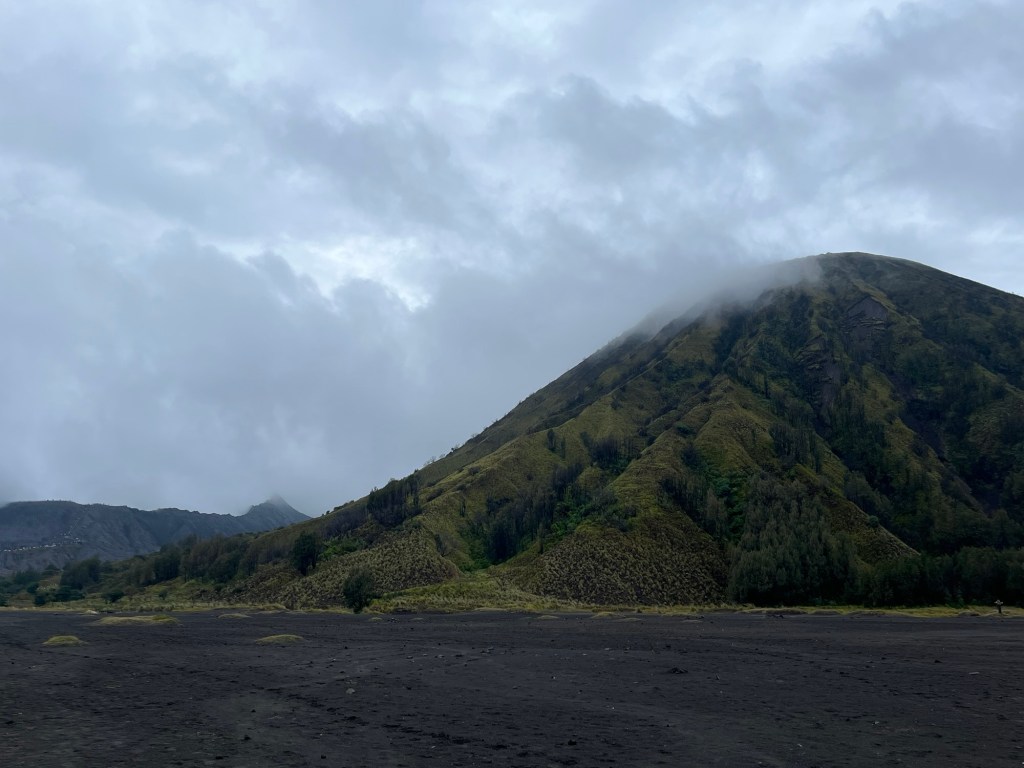
We then drove back to the hotel for breakfast. On the way back, we could see what we couldn’t see on our way to the volcano in the morning…all the terraces for rice and vegetable growing. Some of the terraces were so steep into the hillsides that it was quite incredible to me that they could be farmed at all! Whilst they are clearly important agriculturally to this area, they are also so beautiful to look at. I have become a little bit obsessed with the terraces as we’ve travelled across Java.
After breakfast we got on our last train of this trip, further east to Kalibaru, which puts us in a good position for the ferry to Bali the next day.
After a slightly shaky start (I didn’t love Jakarta, it’s a massive city and where we stayed wasn’t great for wandering around), I’ve really enjoyed Java. I think the scenery here, with all the lush green vegetation, rice terraces and volcanoes, is my favourite from my winter of travelling. The Javanese people are all very friendly and welcoming, and despite the rain (it is the rainy season after all), it has been a very enjoyable place to visit.
Now onto Bali…



 catsgreatadventure