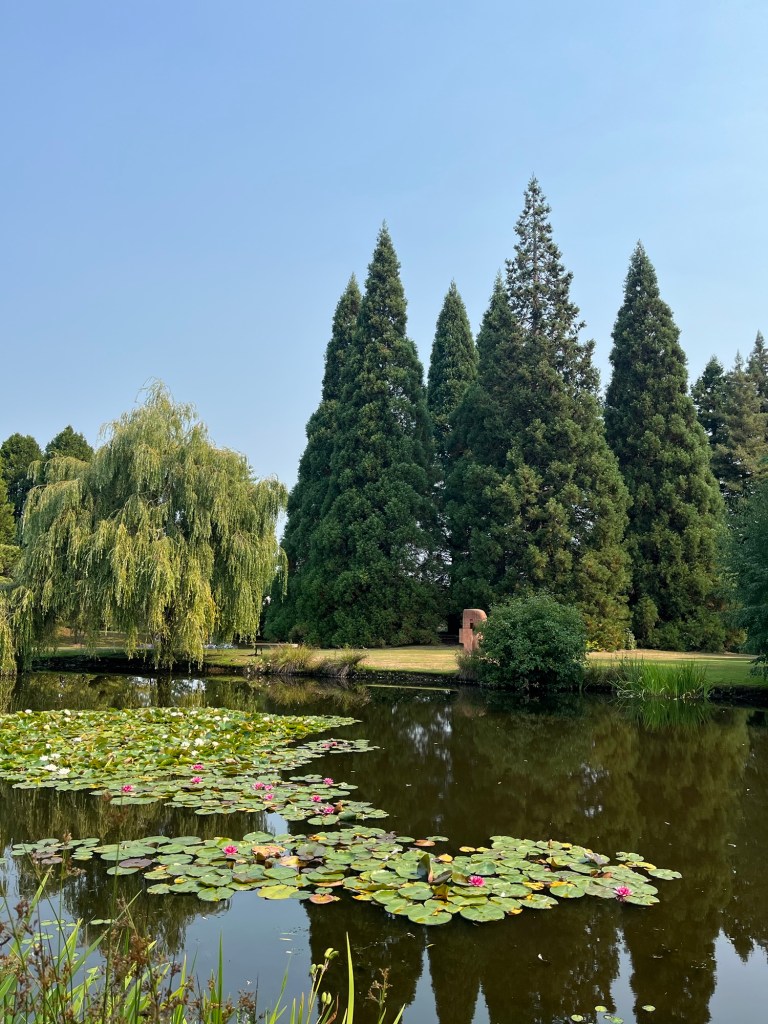
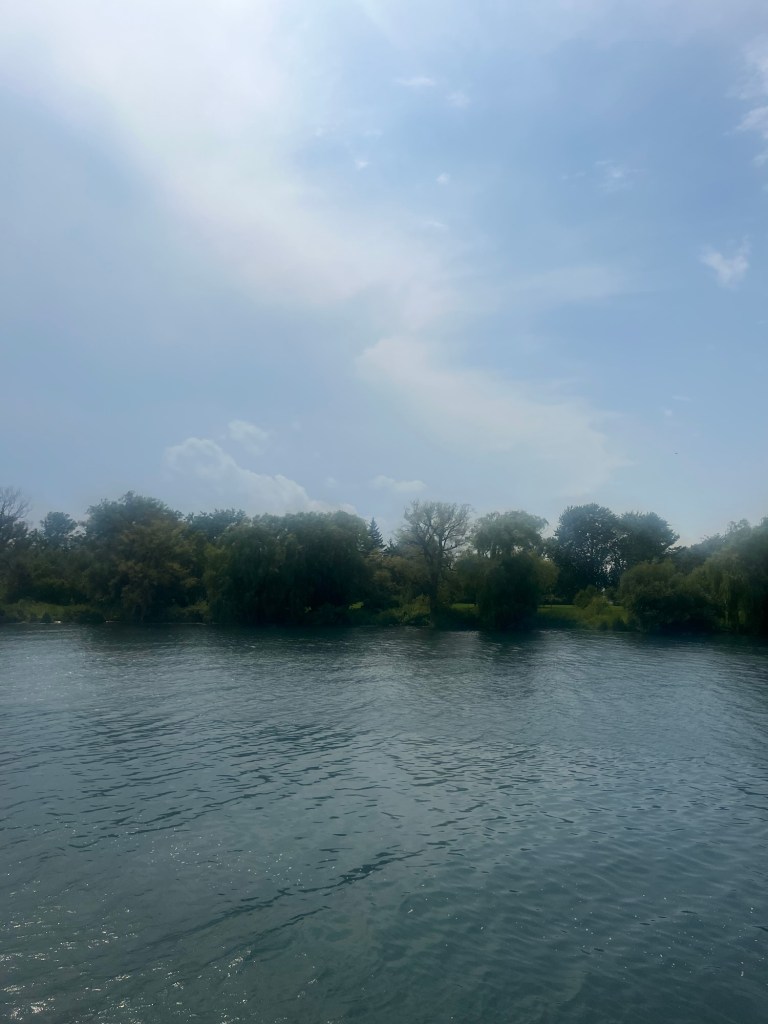
I’d arrived on the train nice and early so basically ended up with 4 days to explore Vancouver. After dropping my bags at the hotel (far too early for check in), I had some breakfast and then headed off to the VanDusen botanical gardens for a very nice wander. And a bargain at $16!
VanDusen Botanical Gardens
By the time I’d finished wandering, my room was ready (a much appreciated early check in) so after freshening up after being booted off the train too early for a shower, I then went in search of lunch before going to the Art Gallery in the afternoon. Still preferred the one in Ottawa!
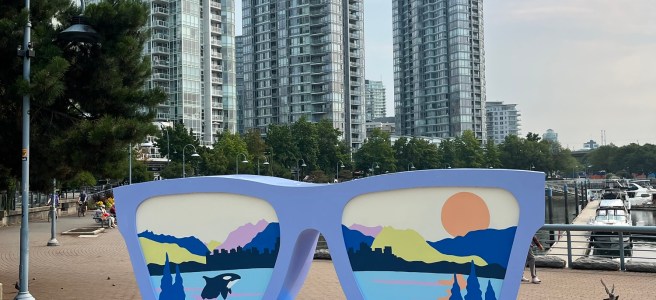
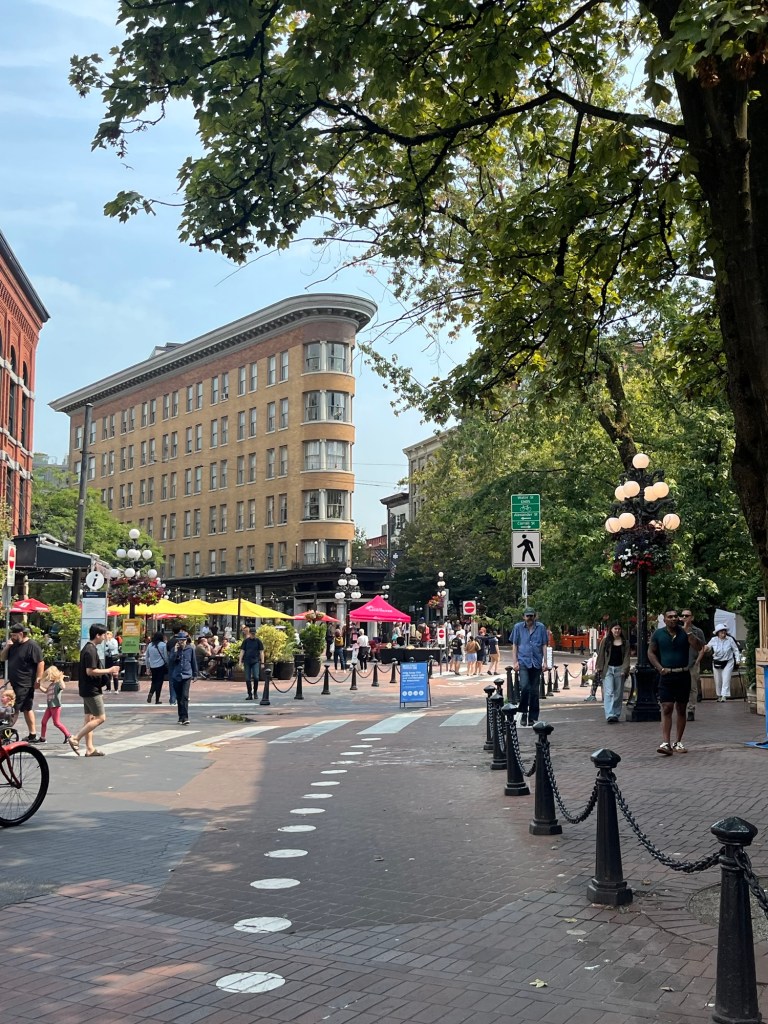
I then headed to the waterfront and wandered through Gastown which seemed a very lively area before meeting some friends for dinner in Yaletown. There is so much amazing Asian food in Vancouver and so we went for sushi – delicious!
Gastown
The next day I had a long walk around the seawall from Yaletown to Granville Island. It probably took about 90 minutes. One thing I’ve noticed in Vancouver is that on paths like this, pedestrians and cyclists are fully segregated which makes for a much more pleasant walk as I’m not having to keep and eye or ear out for cyclists coming past. The same is true in Stanley Park as well. And moreover, people respect it.
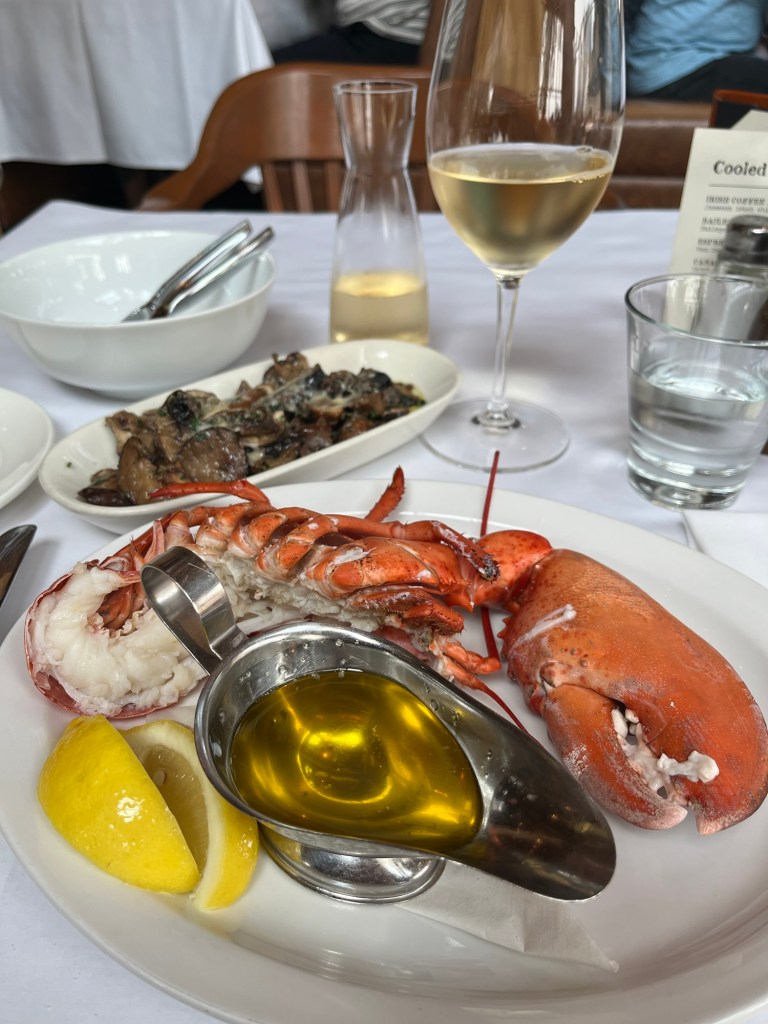
I arrived at Granville Island in time for lunch and went to Sandbar for some seafood which had been recommended to me. It was delicious and definitely a good recommendation. Coming out of the restaurant I bumped into some folks from the train – small world!
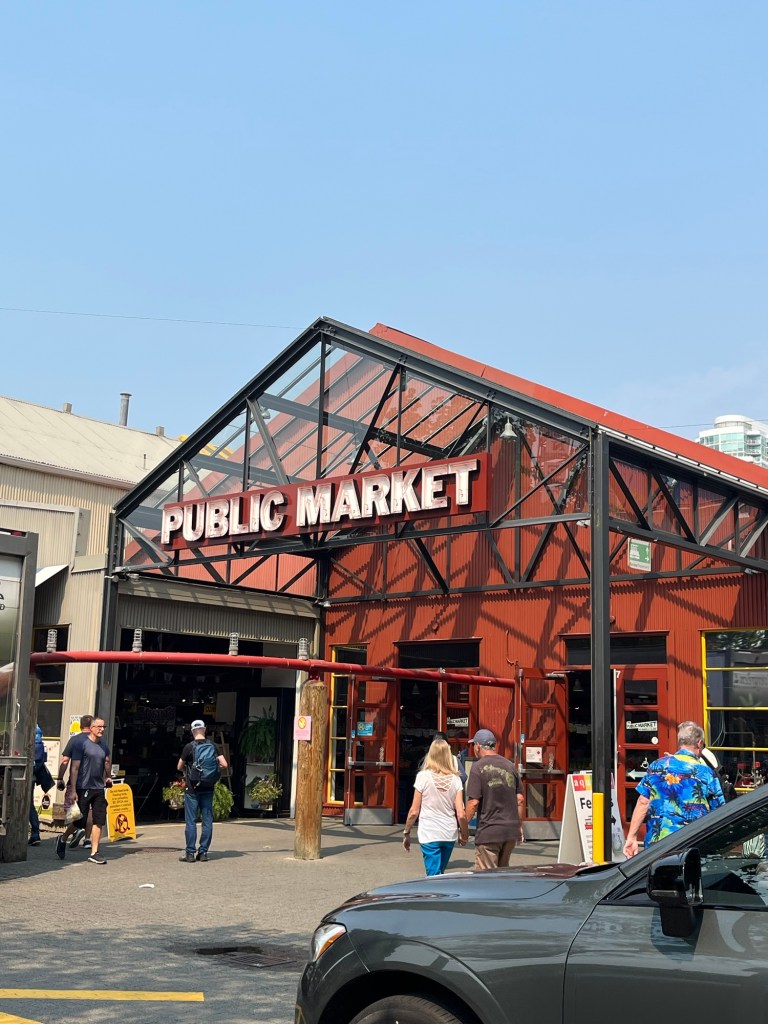
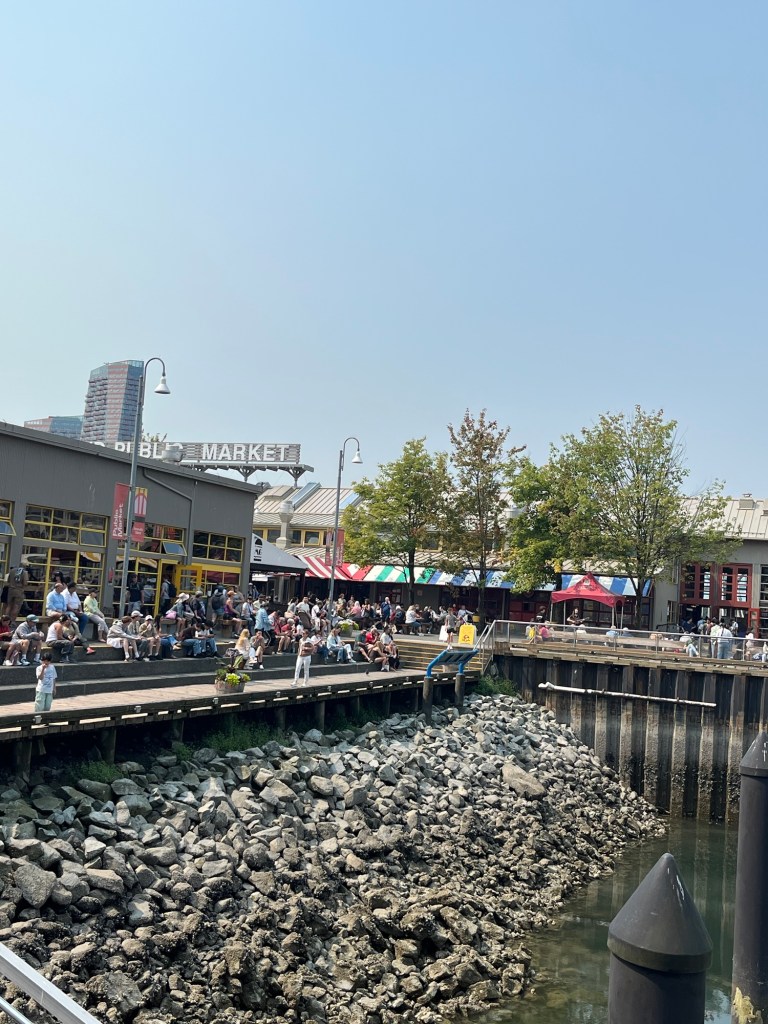
Granville Island
After a wander through the market, I headed back to Yaletown on the aquabus ferry which crosses the harbour to various stops every few minutes.
I went back to the hotel for what was meant to be a short rest but ended up being over 2 hours as I had a long nap!
I’d made a friend on the train and we met for dinner that evening which was nice. I don’t mind eating by myself, especially when I’m travelling but it is nice to have a dining companion.
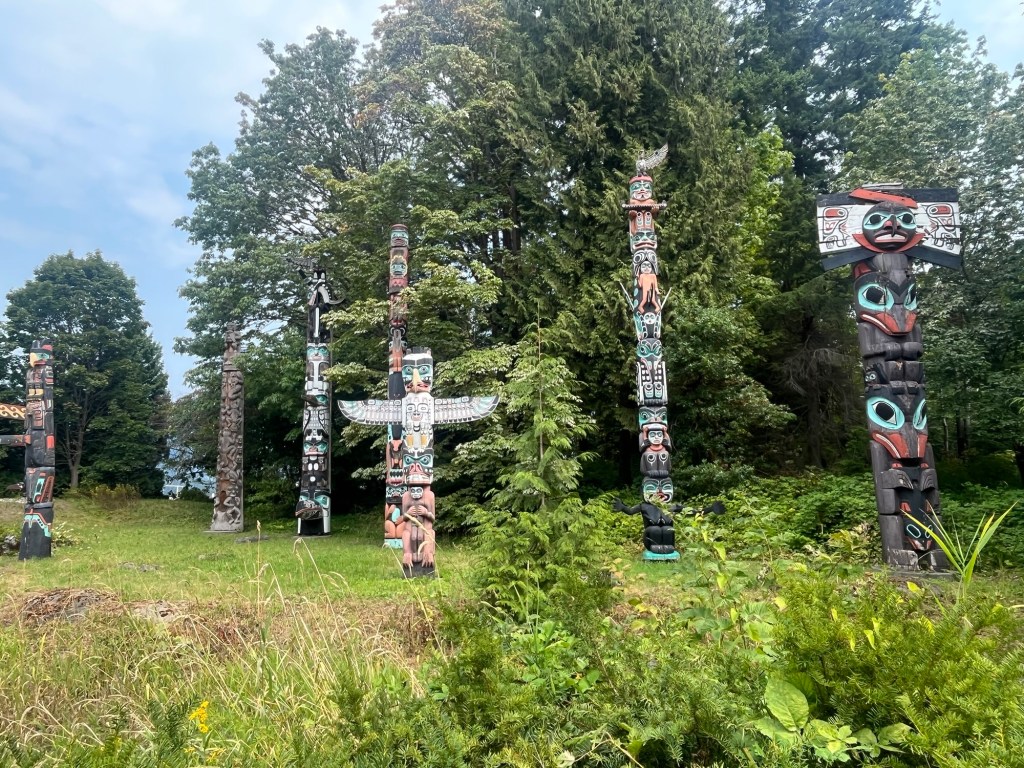
The next morning started with laundry, only $9 again, a relative bargain I would say! Afterwards I went to the Bill Reid Gallery of Indigenous Art on my way to Stanley Park. Stanley Park is absolutely massive so I only explored a small part, on the eastern side to the Totem Poles and then around the seawall and back to the city.
Totem Poles in Stanley Park
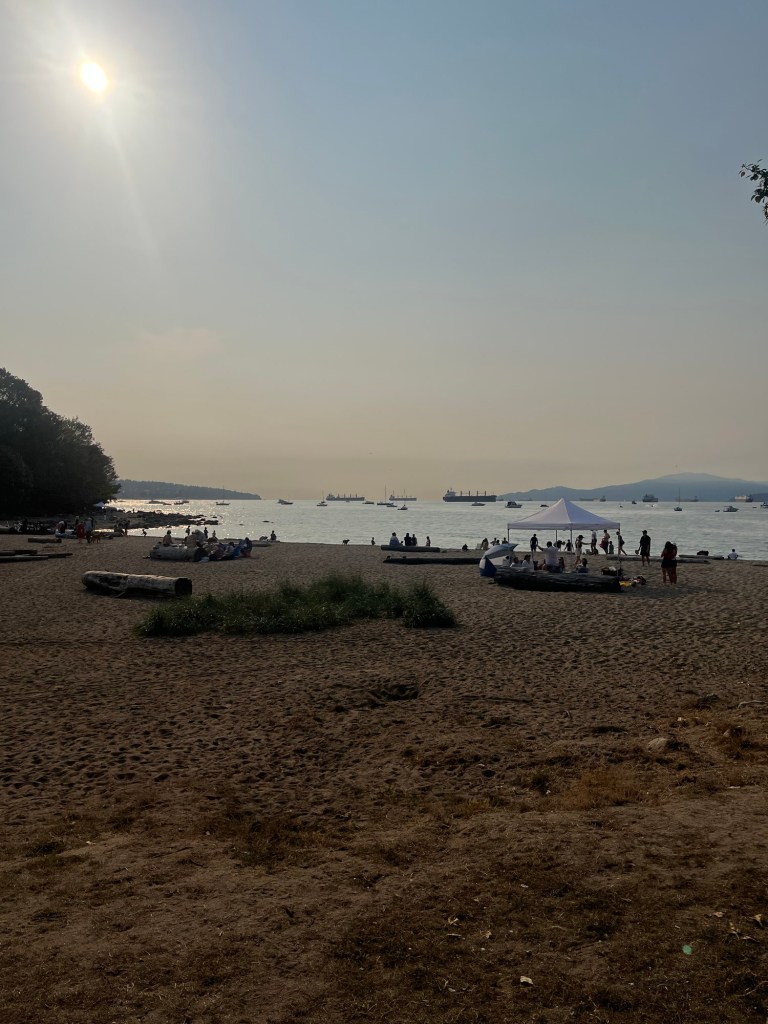
Later that afternoon I went over to Kitsilano, to the Museum of Vancouver which was pretty interesting, and then meeting my train buddy for dinner and a slightly random evening watching an open air variety show put on by the local Chinese community. Certainly an interesting evening! And accompanied by a beautiful, if hazy sunset over the water.
Kitsilano Beach
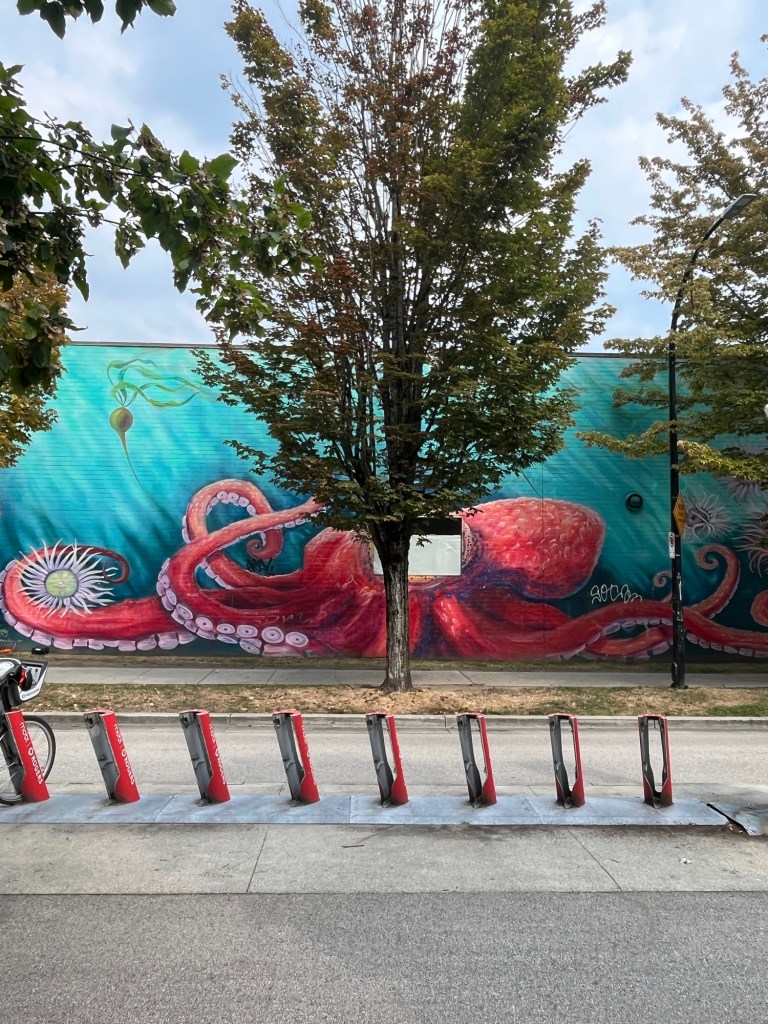
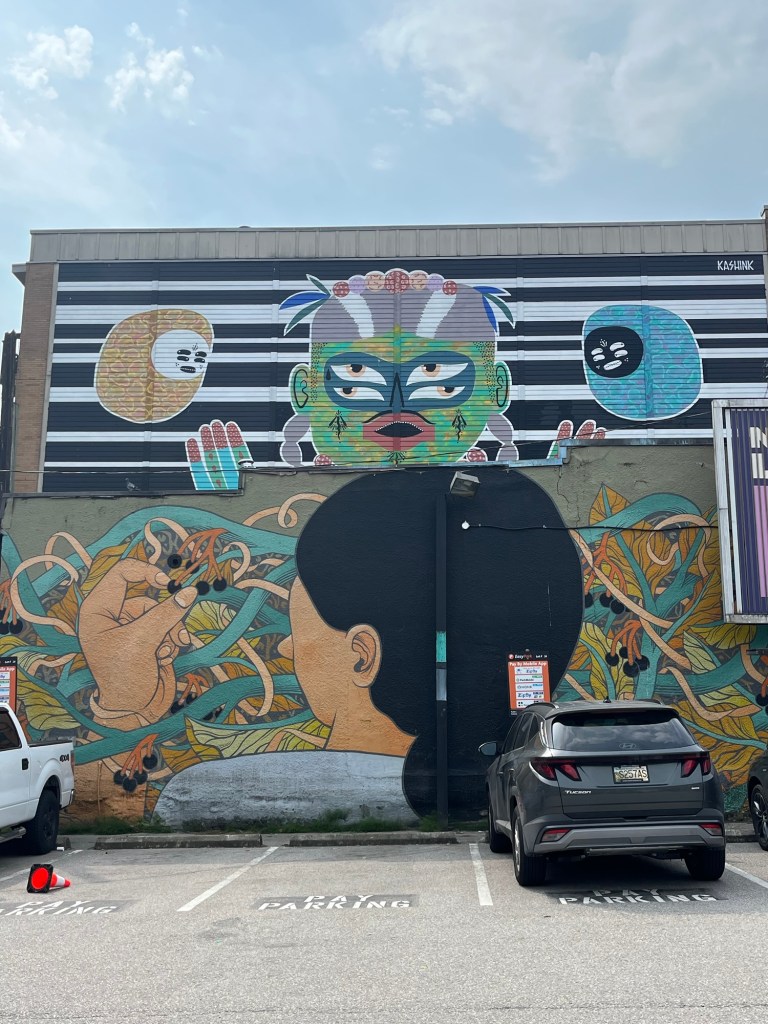
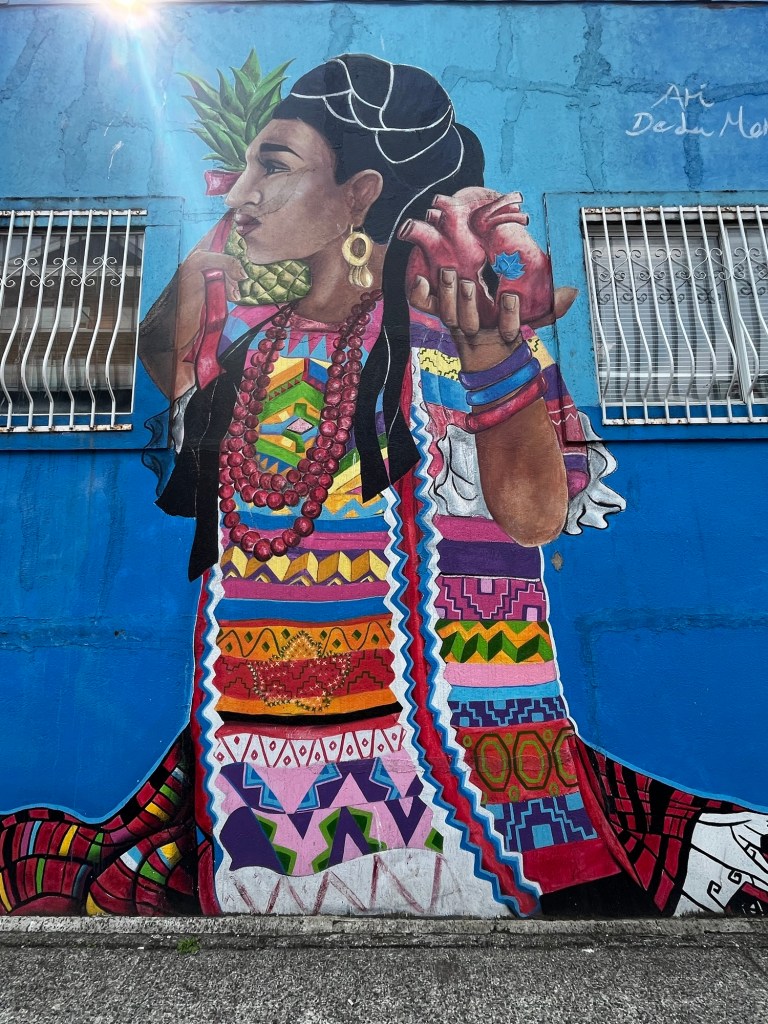
My final day in Vancouver the next day and a change of hotel in time to start a group trip through the Rockies. Before the meet up in the evening, I spent the morning wandering around the Main Street area which seemed a pretty cool neighbourhood with lots of murals, coffee shops and eateries.
Murals in and around Main Street
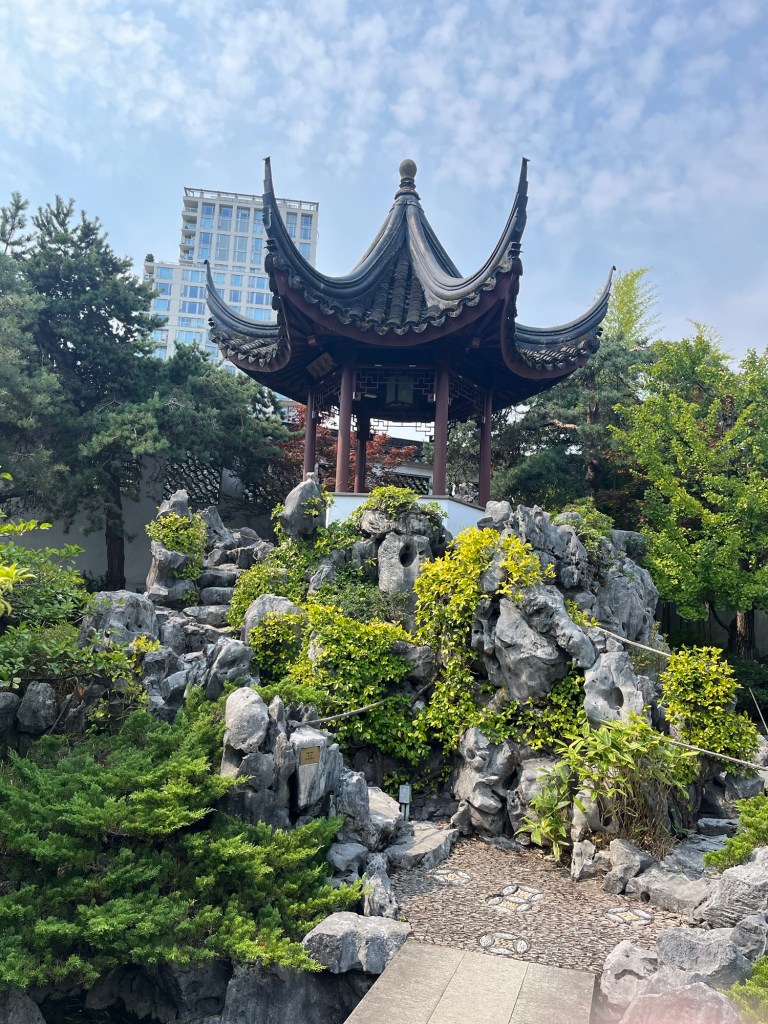
After a lovely sushi lunch, I headed towards Chinatown and the Dr Sun Yat-Sen Classical Chinese Garden which was a surprisingly tranquil space amidst the hubbub of the city.
Chinese gardens
That evening I met up with the group who I’d be spending the next week travelling through the Rockies with. We had dinner at a restaurant on the waterfront as we got to know each other before the week ahead.
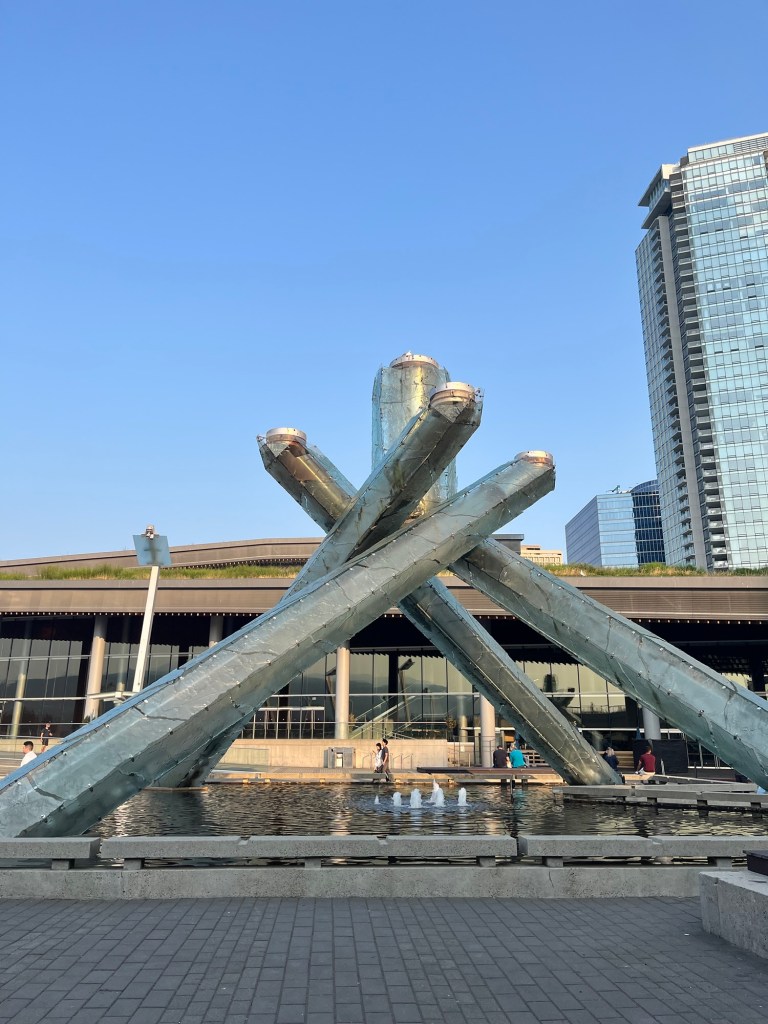
Vancouver Olympic torch
Overall I really liked Vancouver. I did a lot of walking, it’s a very easy city to walk around, there’s lots to do and there’s so much good food here. Next up, Whistler.
I’ve wanted to take the train across Canada for a long time. I’ve met Canadians on my travels over the years who have suggested it’s a bit dull especially in the middle, but more recently I’ve met Canadians who have been enthused about my trip.
There are various different types of sleeping arrangements at various different costs on the train. I booked a cabin for 1, which are in high demand, and as I was travelling during August, I’d actually booked this trip a year ago as soon as the tickets for the departure date had been released. So it had been a long time coming.
I arrived at Toronto’s Union Station at about 8.30am on a Sunday morning, ready for a 9.55am departure. After checking in my main luggage (only carry-on size can be with you on the train, big bags have to be checked in), it was off to the business lounge to be checked in for the train and to select my meal sittings for the day – early/mid/late, with each sitting lasting around an hour and a quarter. I opted for mid which is the most popular with lunch served around 12.30pm and dinner at around 6.45pm.
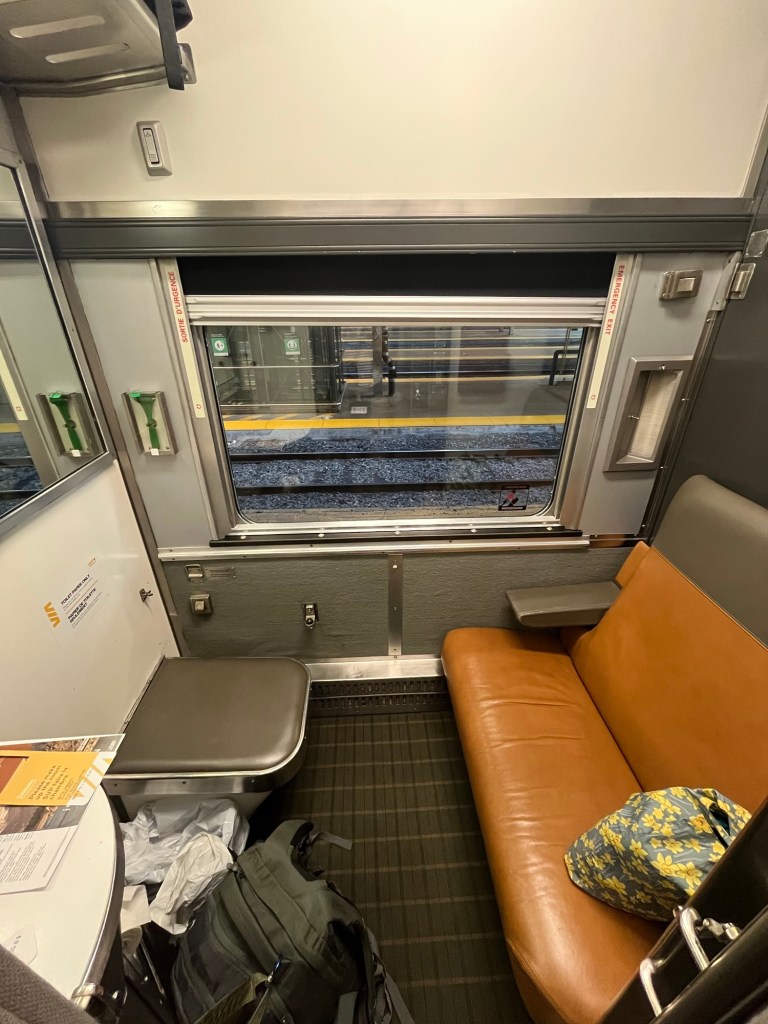
Boarding started about 30 minutes before departure and after being shown to my cosy cabinette, the attendant for the carriage came round to explain various things in the cabin and on the train including how sensitive the toilets were (and this was reiterated several times a day!!). After a short safety briefing I was free to roam around the train.
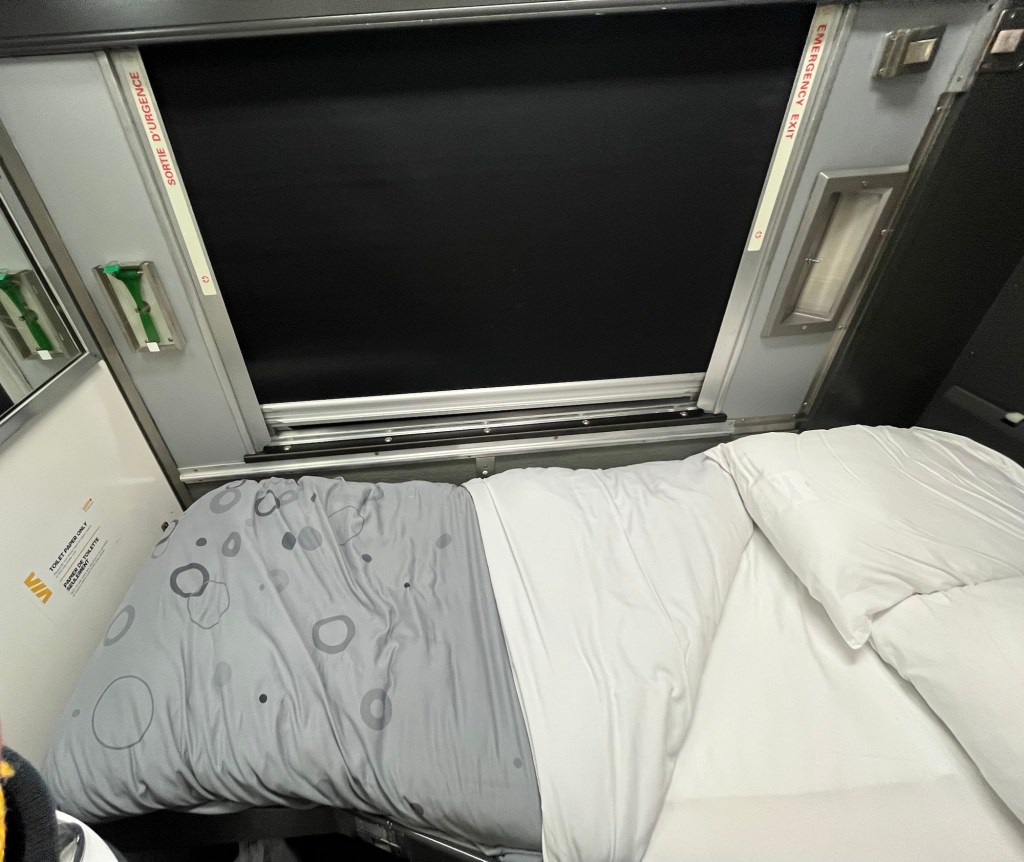
My cabin. Spot the loo!
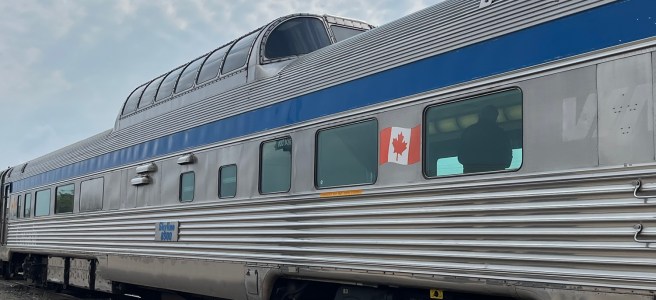
First up, I went to the dome viewing car to watch us depart out of Toronto for the approx. 2700 mile / 4400 km journey to Vancouver. This was accompanied by a complementary glass of fizz – cheers!
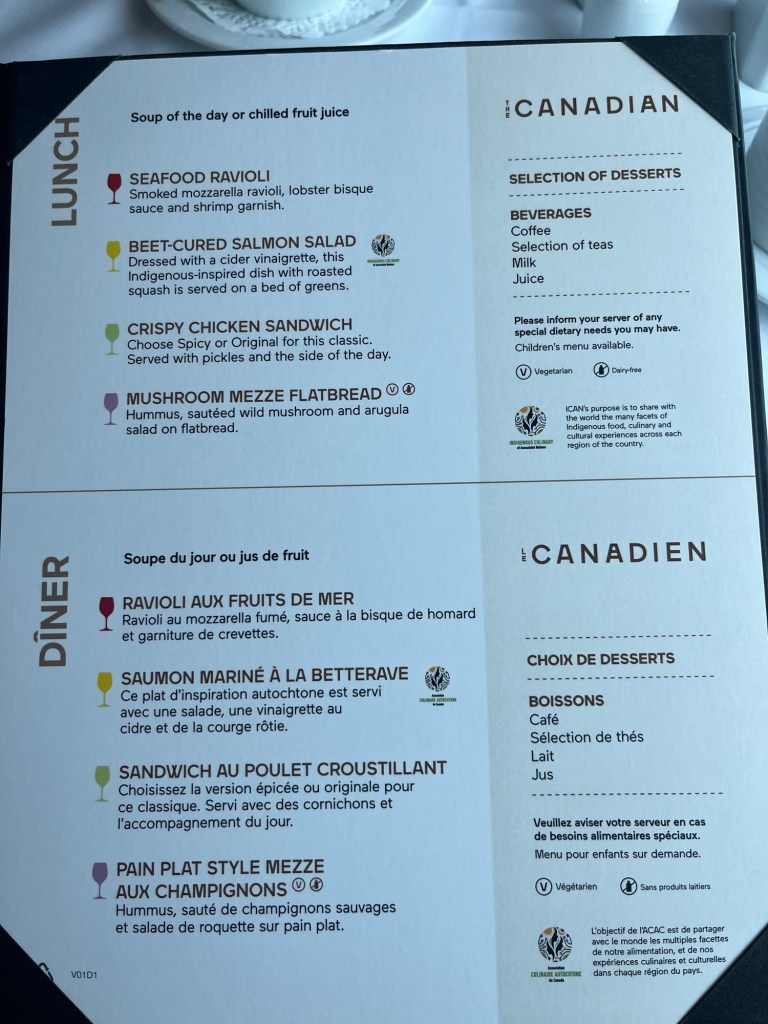
After settling into the journey it was time for lunch. Every day it was a 3 course affair with soup of the day, a different choice of 4 mains every day and a choice of 2 desserts. Soft drinks, tea and coffee was included in the price I paid, alcohol was extra. The food was great and you certainly don’t go hungry!
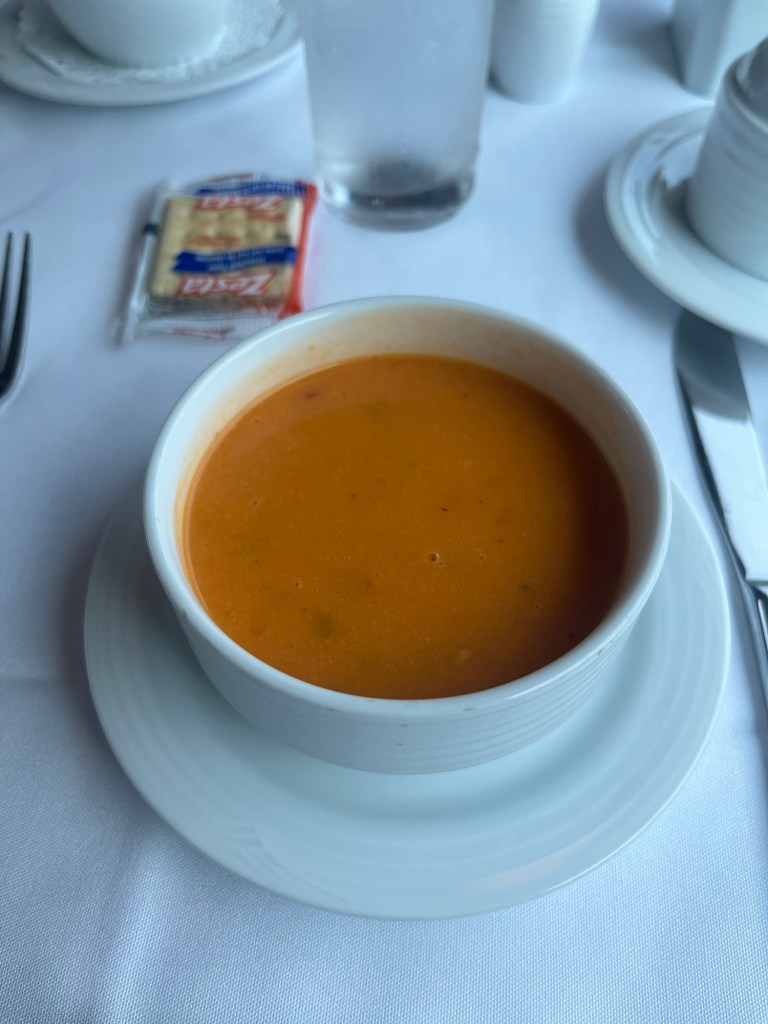
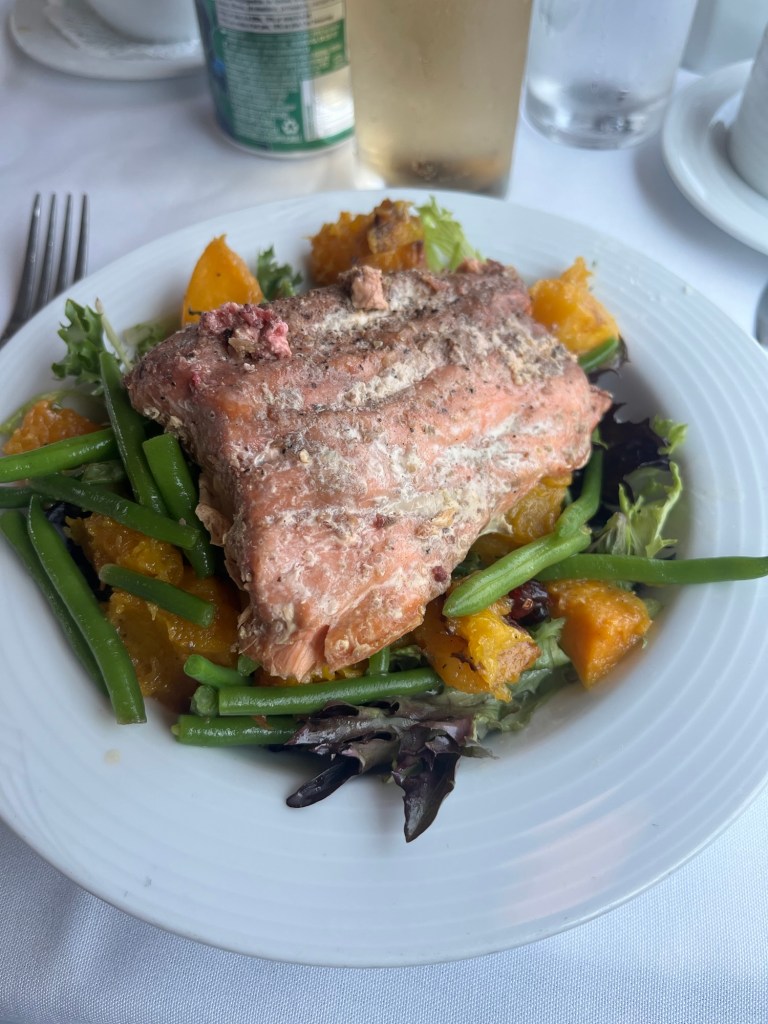
Lunch on day 1, tomato soup and salmon salad
In the afternoon I headed back to my cabin, which had a big (and crucially clean) picture window so spent the afternoon watching the Ontario scenery go by. After we got out of the city, it was mostly forests either side of the train, as well as lakes, as we headed north around Lake Huron.
We had a ‘fresh air’ break in the evening for around 20 minutes in Capreol. A good opportunity to stretch the legs too as there’s only so many times I can walk from my cabin to the activity car for a cup of tea!
Dinner was another 3 course affair with choice of soup or salad to start, choice of 4 mains (which changed every day) and choice of 2 desserts. The quality of the food and the way the meal services were organised was very impressive.
I was rocked to sleep that evening by the movement of the train. I’ve previously not slept at all well on various trains in Australia and South East Asia but I did get a much better sleep here, thankfully, as I have 4 nights to sleep through!
My cabin in it’s nighttime arrangement
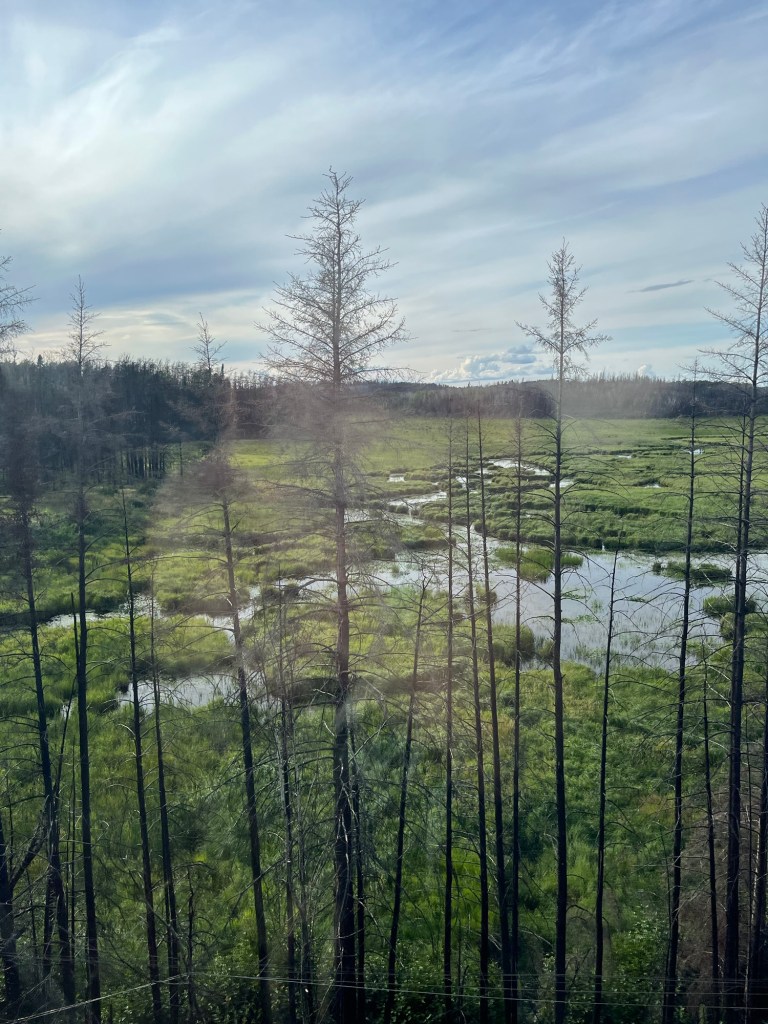
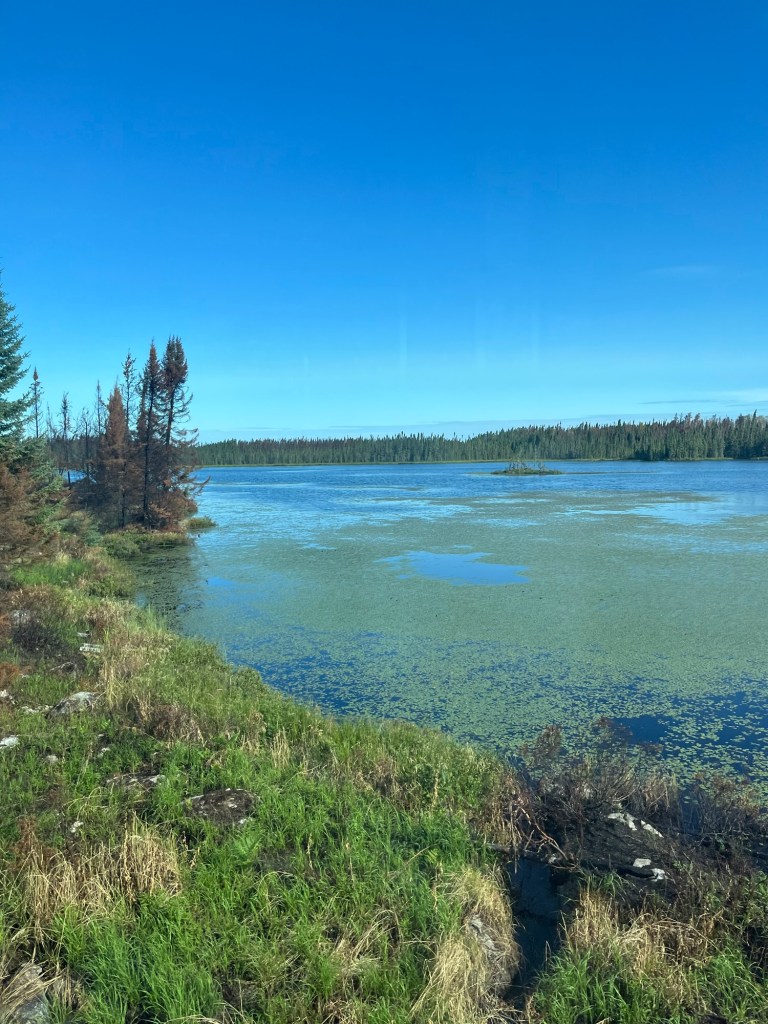
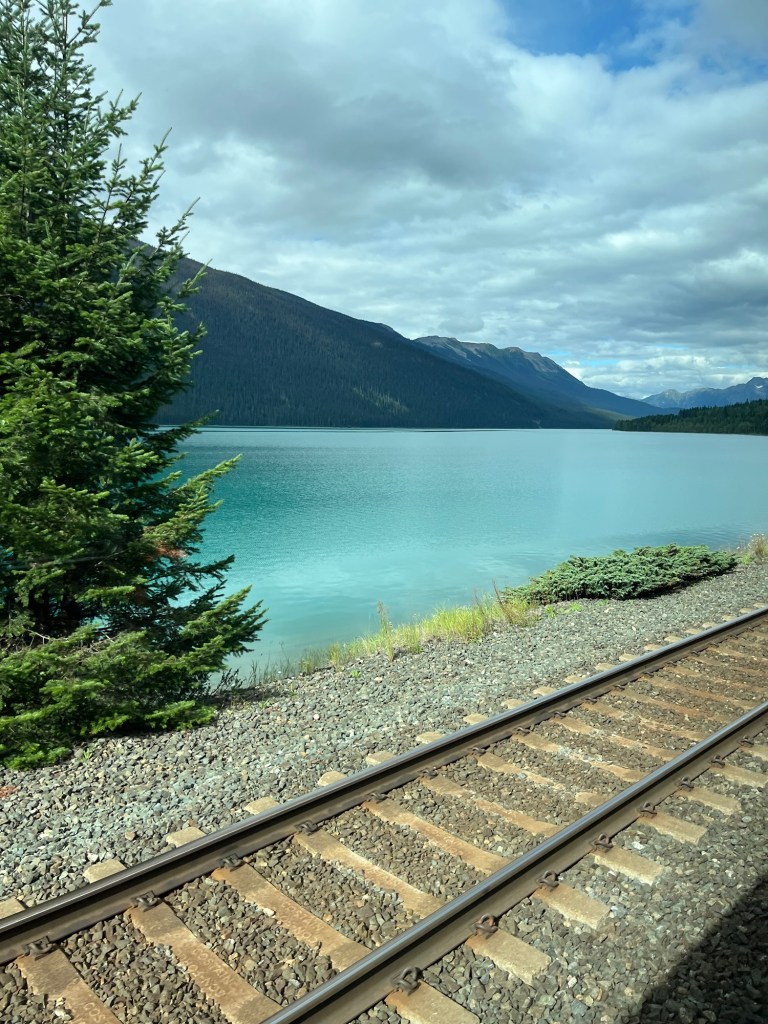
The next morning we woke to a continuation of the trees, tall pines and firs, and then passing beautiful blue lakes.
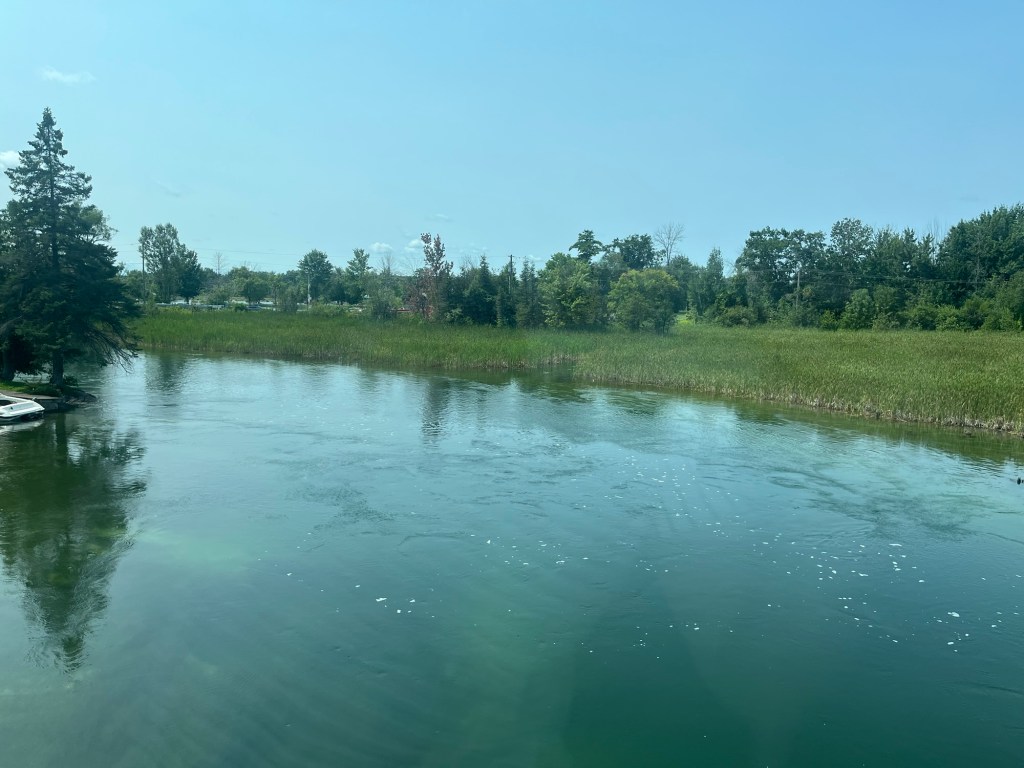
Some fire-damaged trees from recent wildfiresBeautiful lake in western Ontario
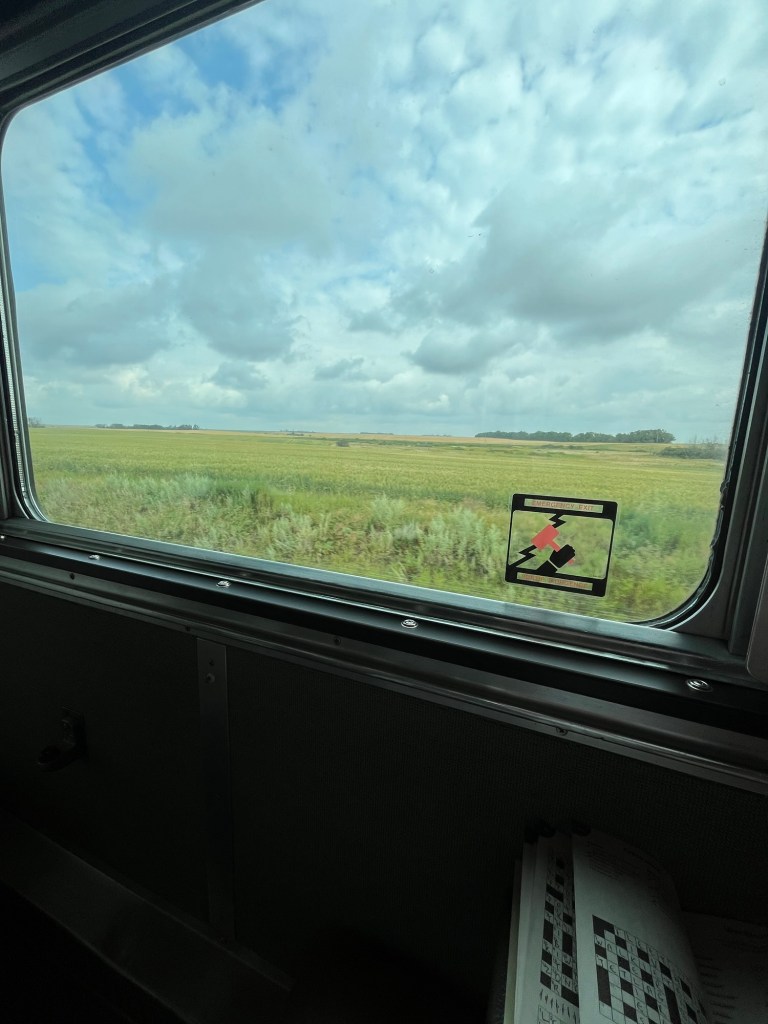
Breakfast is on a first-come-first-served basis between 6.30am-8.30am with a choice of breakfast options plus juice, tea and coffee. Mornings aren’t my forte so I opted for a post-8am breakfast, which coincided with a quieter dining car. After that it was back to the daily life on board. Activities are put on through the day including talks about the train and the provinces we pass through, bingo, quizzes and beer and wine tasting. There are also jigsaws and other games in the activity car to keep us entertained. I’d downloaded some books and movies and also brought a puzzle book with me to keep me entertained when I wasn’t looking out of the window.
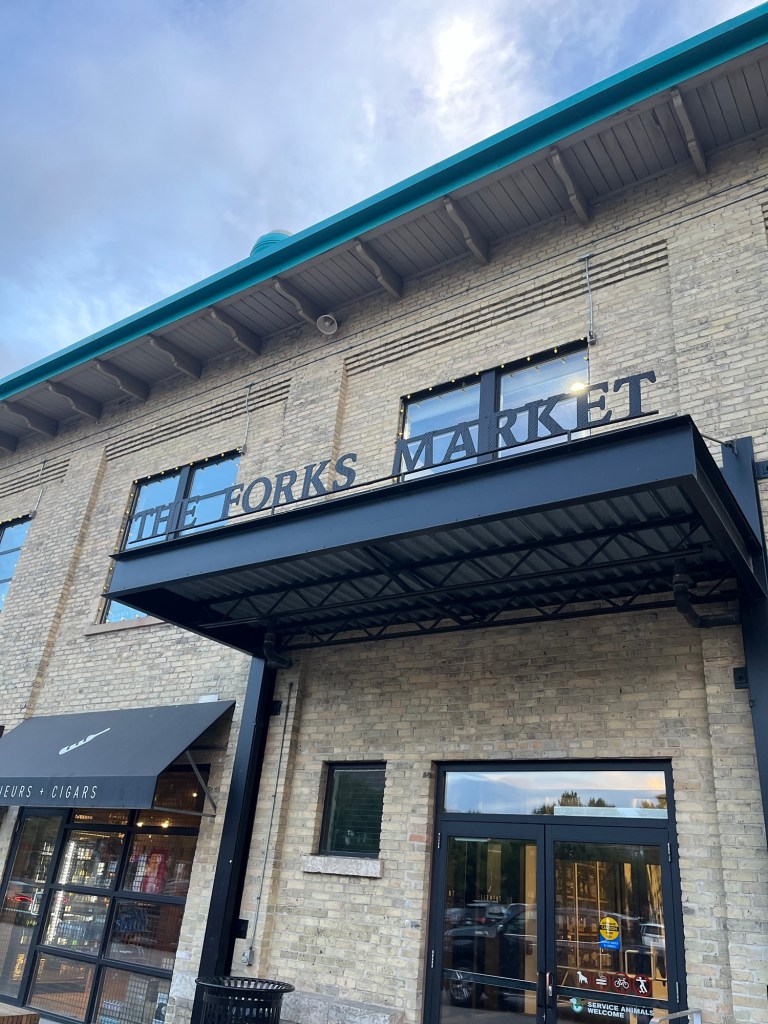
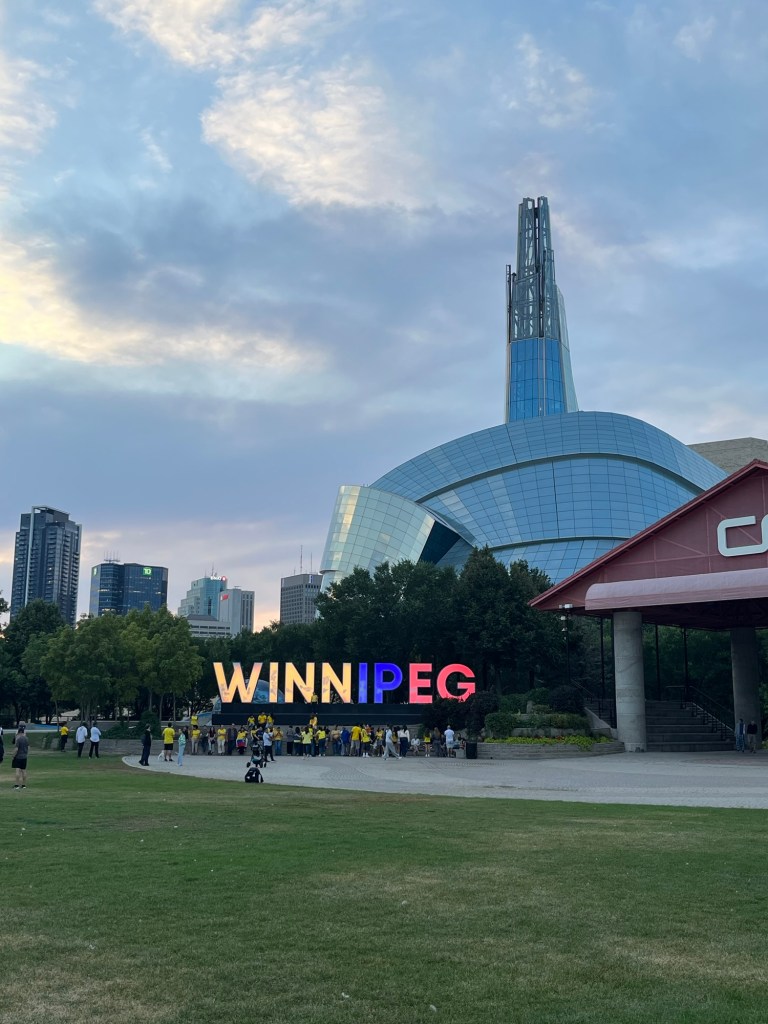
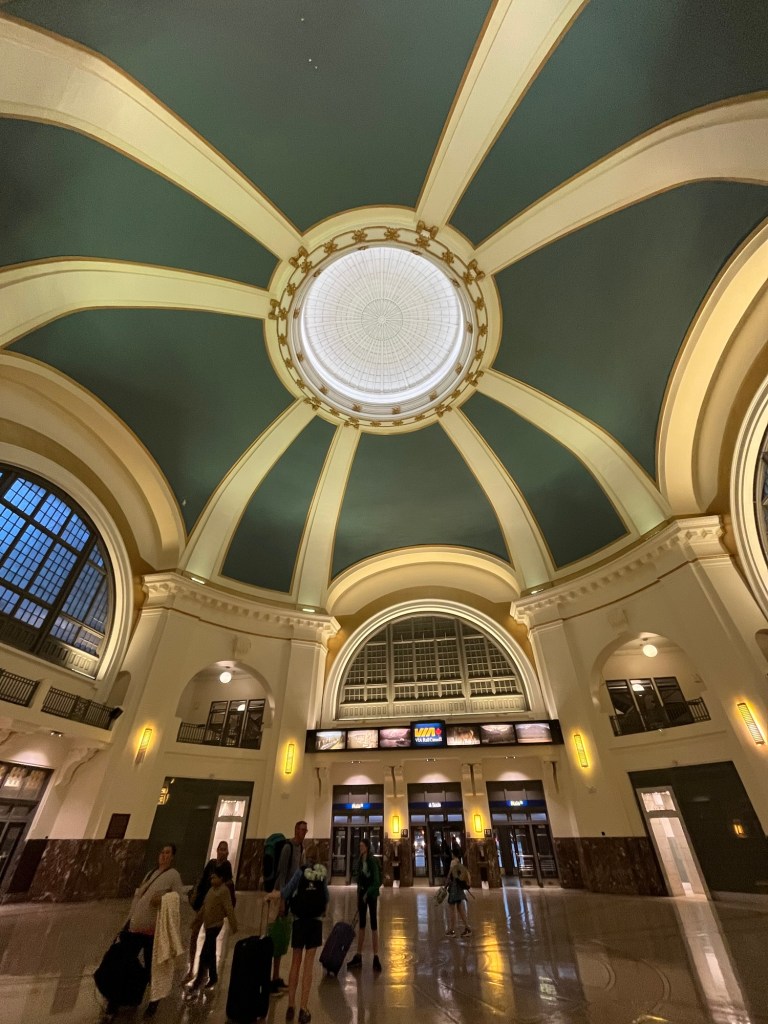
I don’t think I’d ever appreciated how big Ontario is. We were still in Ontario in early evening on the second day! By 8.30pm we had arrived into Winnipeg, Manitoba for a slightly longer leg stretch – 45 minutes. This was enough time for a very quick walk around The Forks park and market, and also to admire the beautiful domed ceiling of the railway station.
Brief highlights of Winnipeg
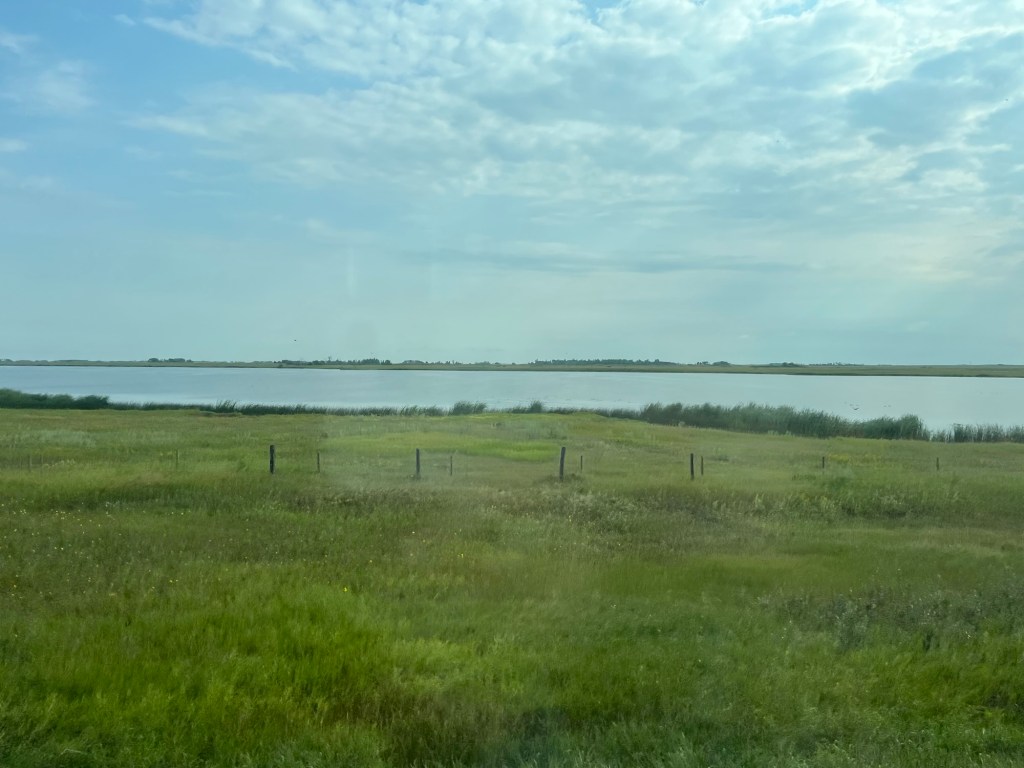
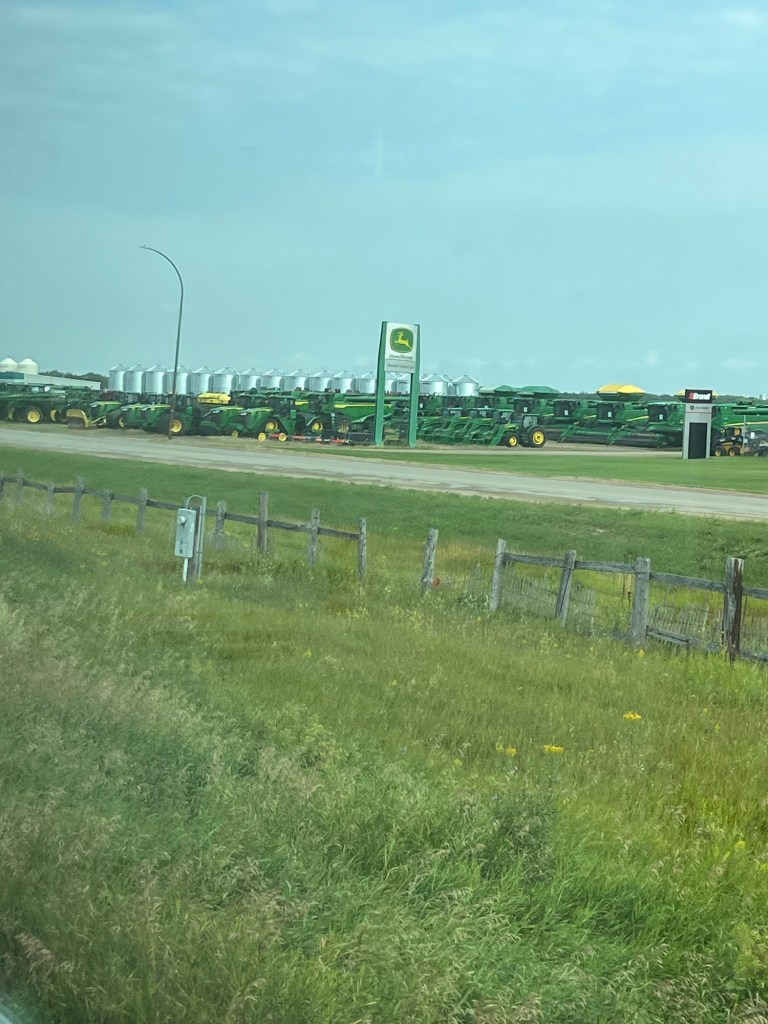
Back on board and off to sleep. Manitoba passed by overnight and in the morning I awoke to the open farmland in Saskatchewan. Lots of neat bales of hay dotted across the fields. I was a bit surprised by the landscape here, not as flat as I’d imagined the prairies to be. Rolling hills and very green.
Sights across Saskatchewan
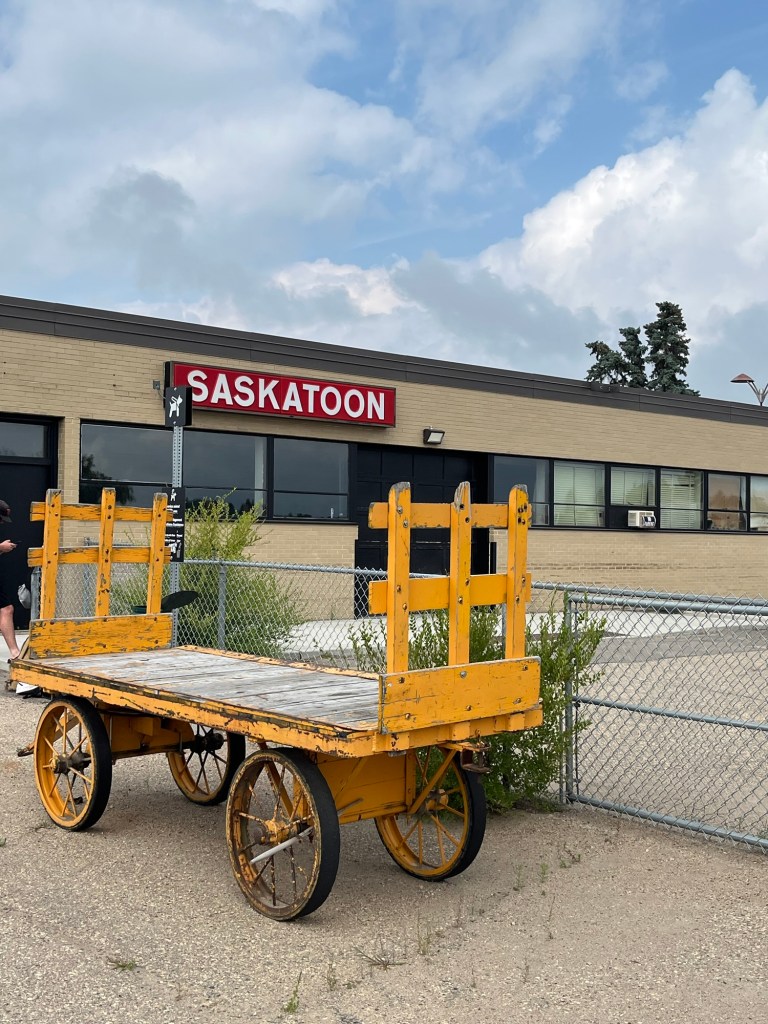
Another fresh air break at Saskatoon in the early afternoon. And then more puzzles, reading and scenery for the rest of the day. We arrived into Edmonton at around 10pm for a longer break but given the time of night, and that the station was not close to the centre of Edmonton, I just had a walk up and down the platform to stretch my legs.
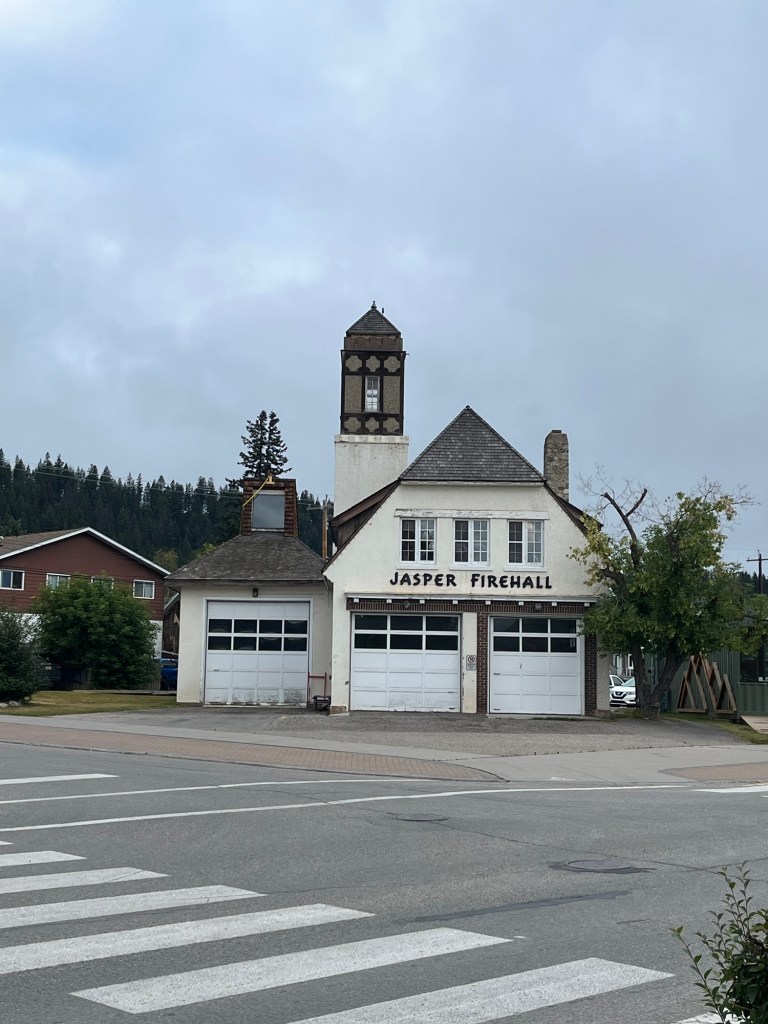
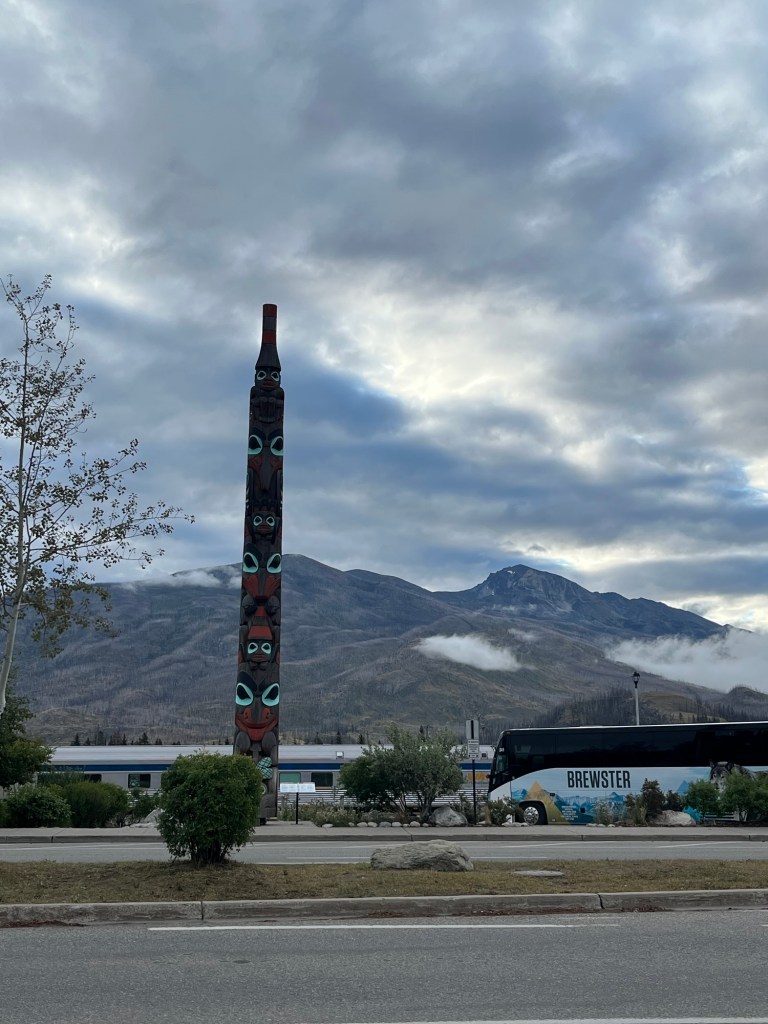
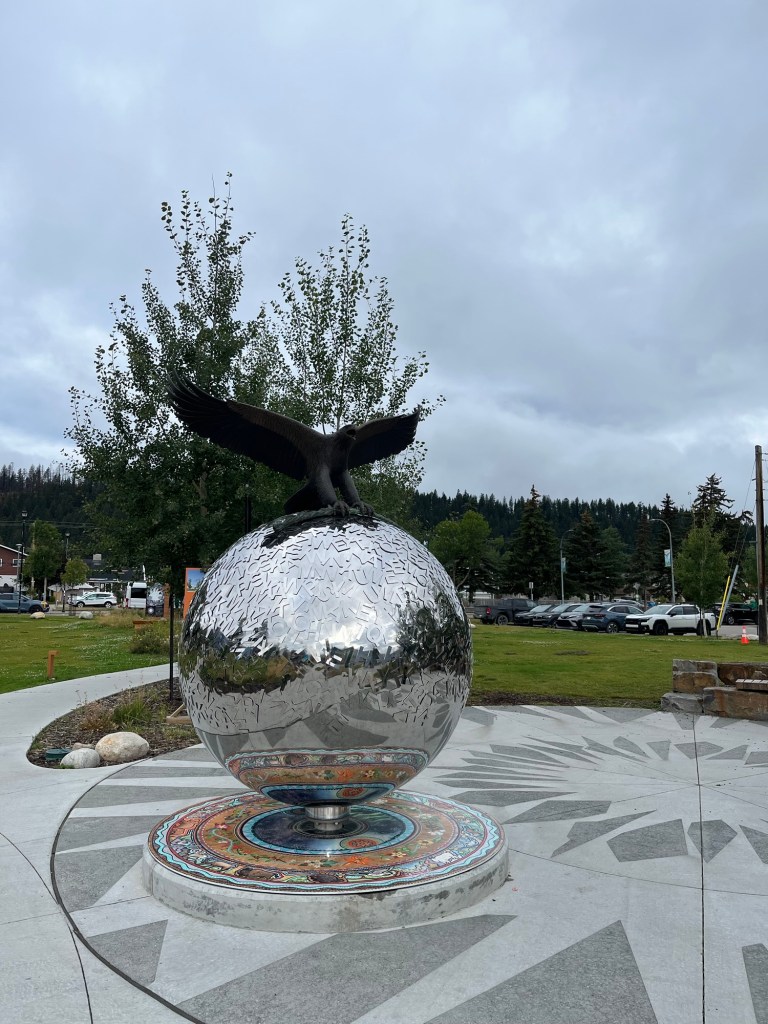
The next morning I awoke early to find we’d already arrived in Jasper. This was another long stop so I was up and dressed before 8am for a wander around the small town. Not much open at this time in the morning, and it was a little cloudy so I didn’t get the best view of the surroundings. It very much reminded me a small towns in national parks in the US. A very particular style of buildings. Back on the train by 9.30am and off for what everyone says is the most scenic part of this journey, through the Rockies.
Jasper
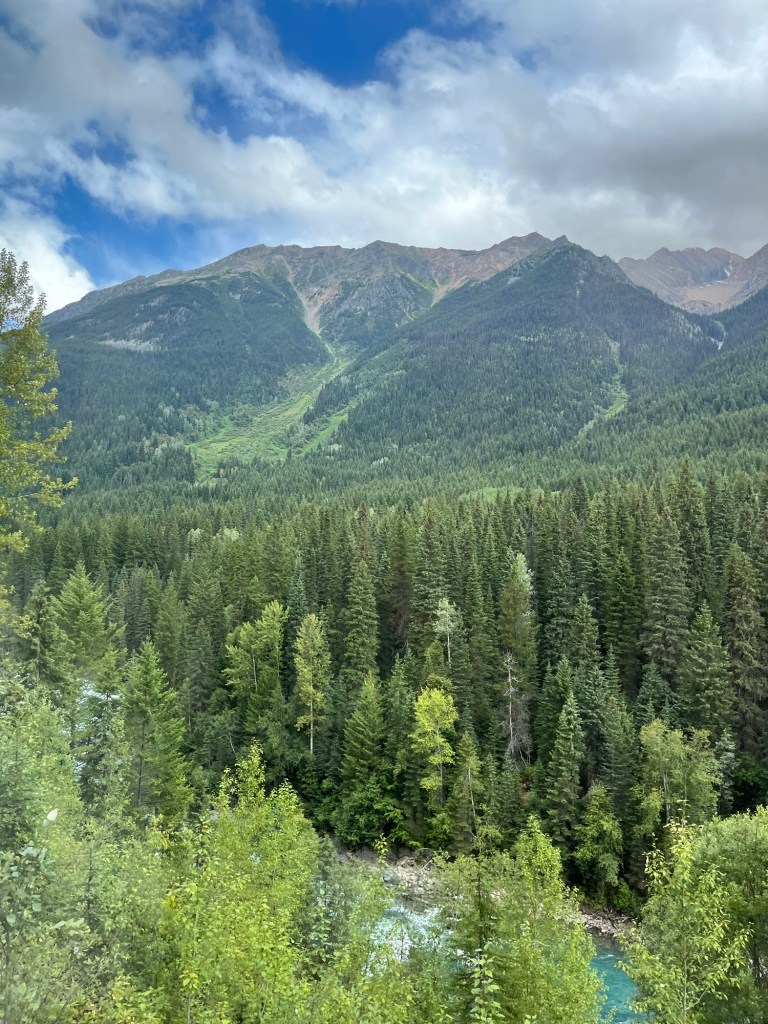
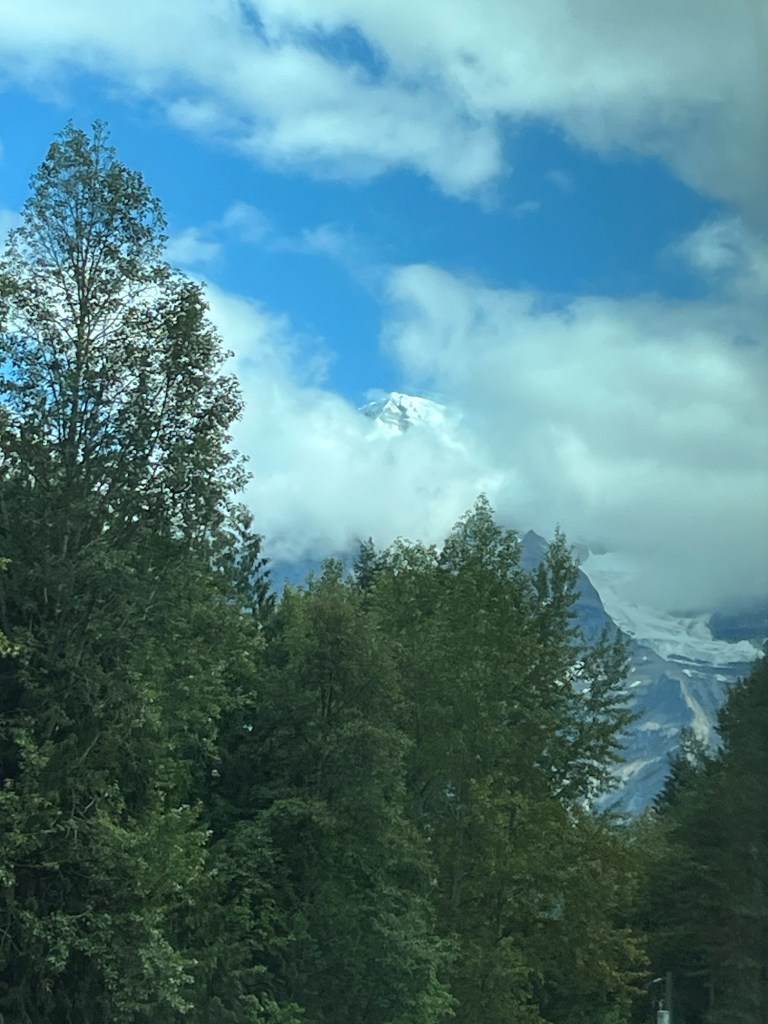
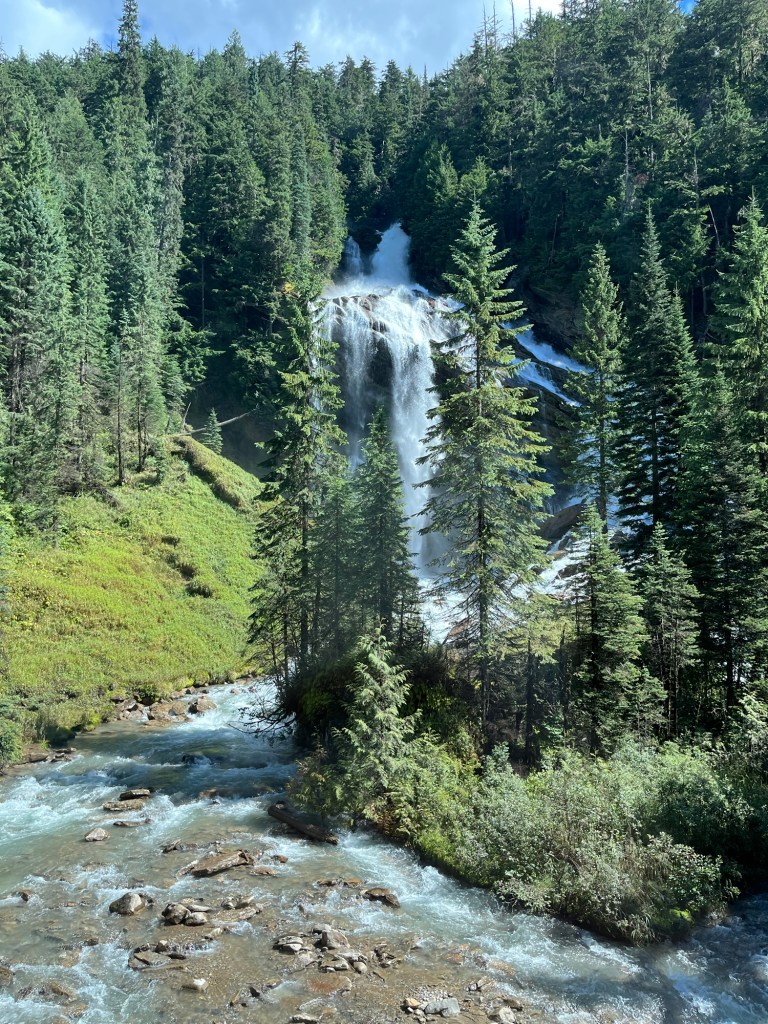
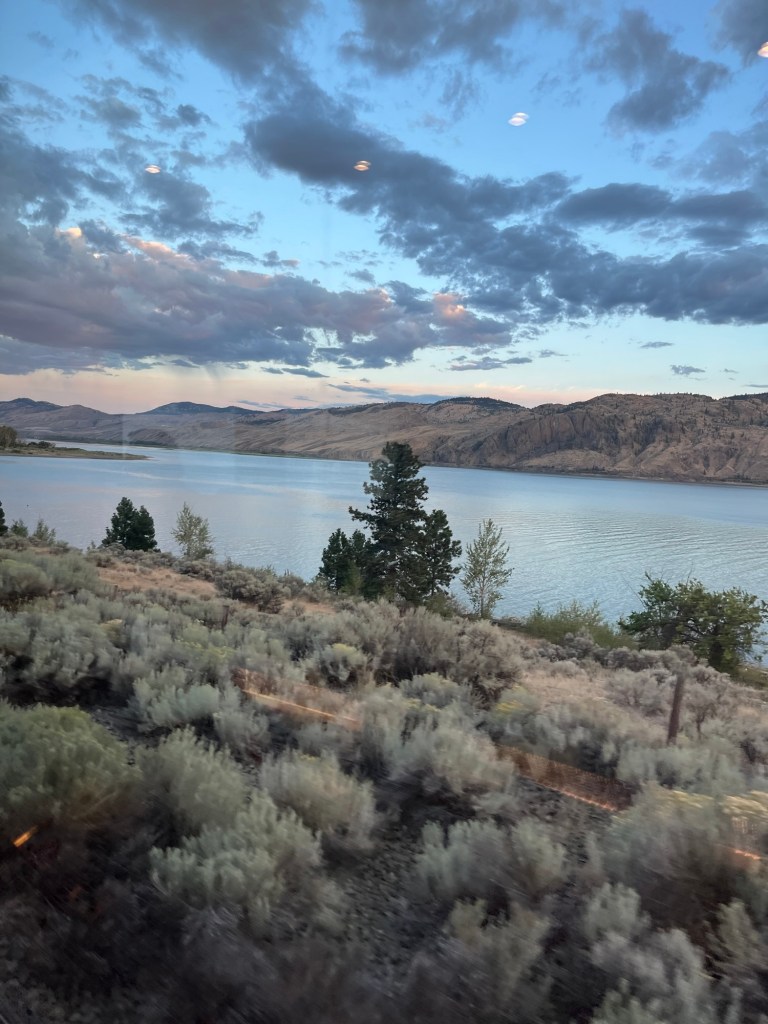
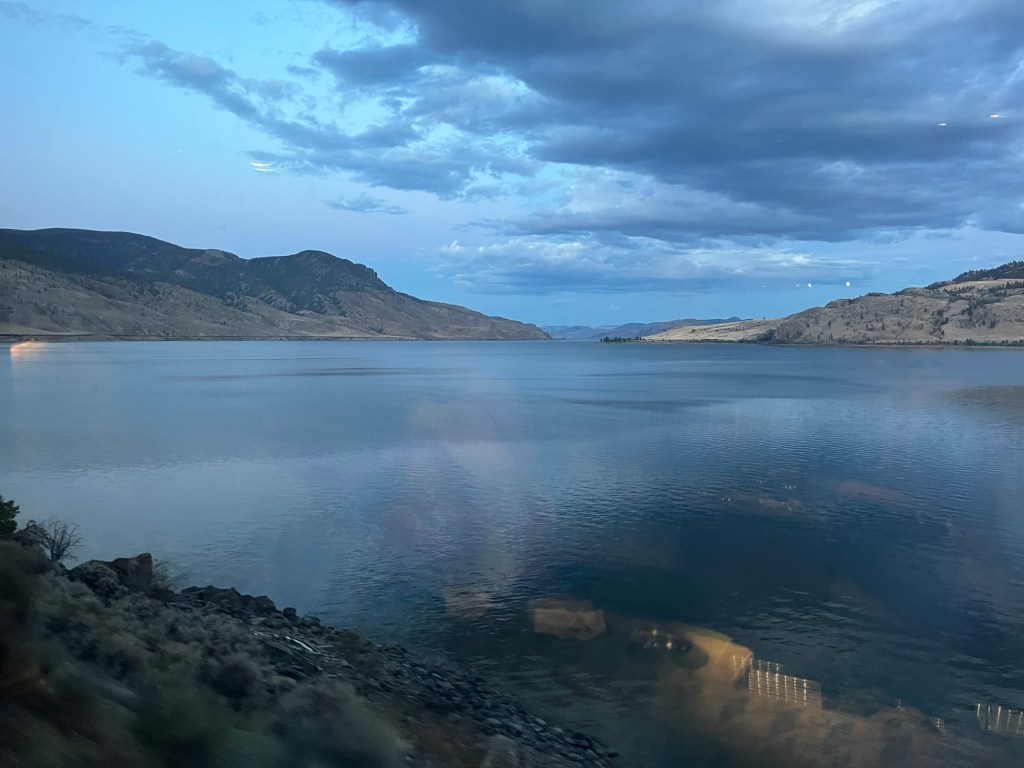
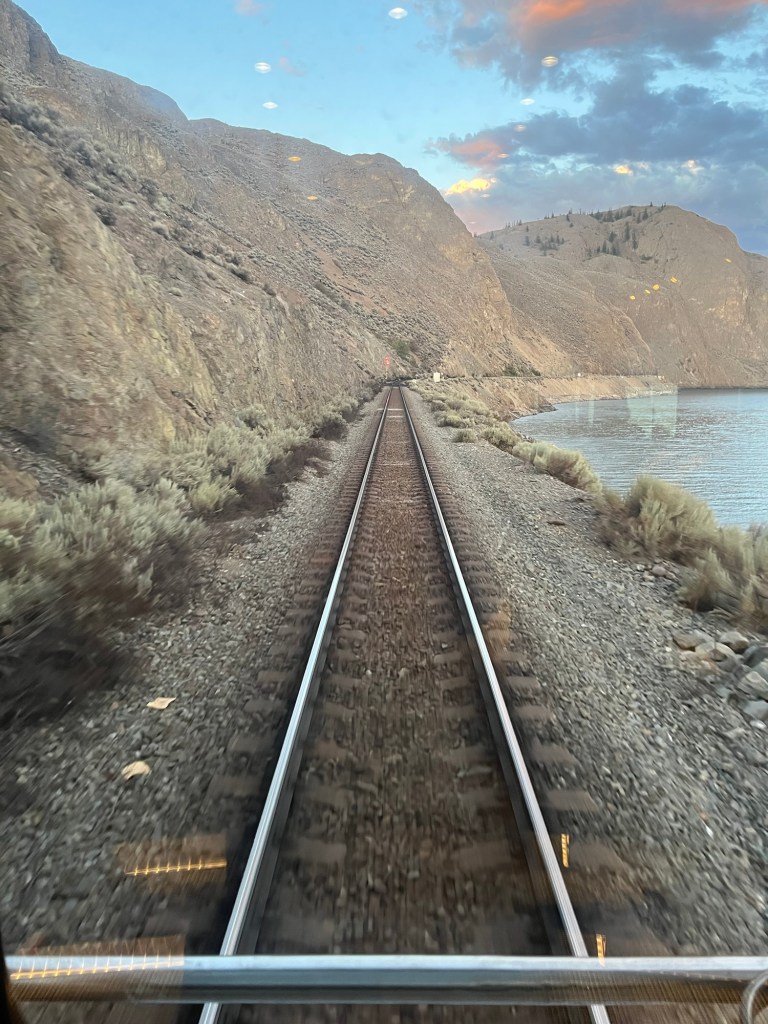
I’ve been fortunate to see some very impressive mountain scenery over the years, in New Zealand, the US and Norway to name a few. I was a bit worried that I’d find the Rockies underwhelming. But I’m happy to say I was completely wrong. The weather had also perked up after the cloud in Jasper and we followed rivers, and beautiful, perfectly vertical (cedar?) trees through the valleys and mountains. My phone is absolutely full of photos and videos. I was trying to appreciate it with my own eyes but every time I thought I’d taken enough videos, another beautiful view presented itself.
Highlights from the final day through the Rockies
This evening’s fresh air stop at Kamloops coincided with dinner so I only had 5 minutes for a leg stretch. But the rest of the evening was great fun as I enjoyed the scenery in the Prestige car bar at the very rear of the train (usually reversed for those who’ve paid the most money, non-Prestige sleeper passengers – like me – are allowed in after 5pm) with a number of my fellow travellers. It’s such a social experience, even if you are on your own. You get seated with others at mealtimes and everyone is happy to strike up a conversation, hear about travel plans and admire the scenery.
We arrived into Vancouver at 5.20am the next morning though thankfully we did not have to be off the train until 8am. At various points on the journey we were 2-3 hours behind schedule as freight trains have priority on the tracks, but we arrived over an hour early into Vancouver.
I was quite sad to say goodbye to my little cabin and the daily life on the train. It was a really fabulous journey, watching the scenery change from the forests and lakes in Ontario, through the Prairies of Manitoba, Saskatchewan and Alberta and finally to the Rockies in British Columbia. An experience I will never forget.
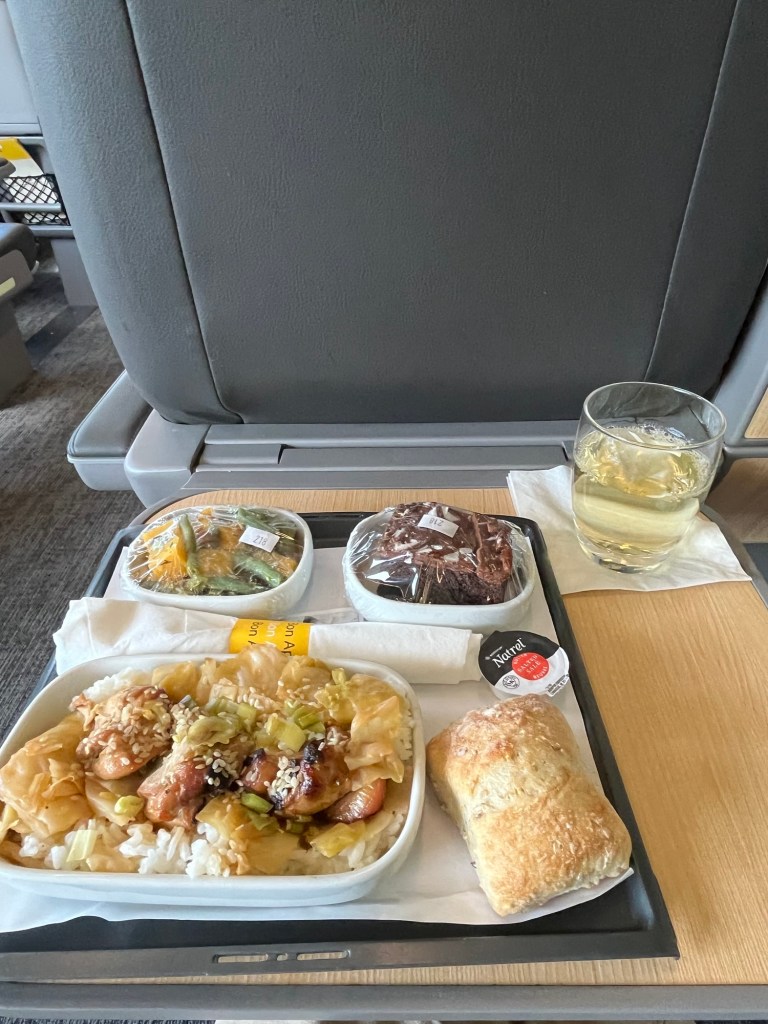
Back on the train, this time for about 5 hours from Ottawa to Toronto. Another very pleasant experience in Viarail business class with lunch and drinks provided.
I arrived into Toronto’s Union Station in time for the evening rush hour so I walked the 20 minutes to the hostel I was staying at. After checking in and dropping my bags I headed out for an evening wander which was cut short by rain. I’d left my brolly at the hostel so ended up diving into a restaurant for dinner whilst I waited for the rain to pass.
It was still doing a bit after dinner so I retreated back to the hostel for the evening.
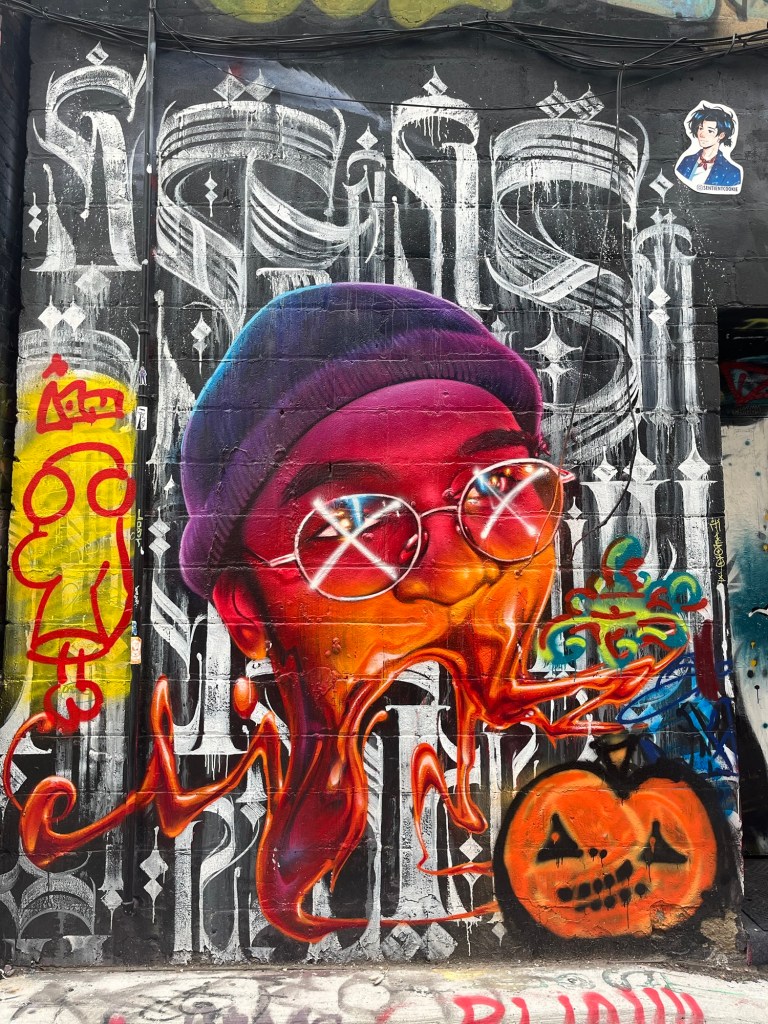
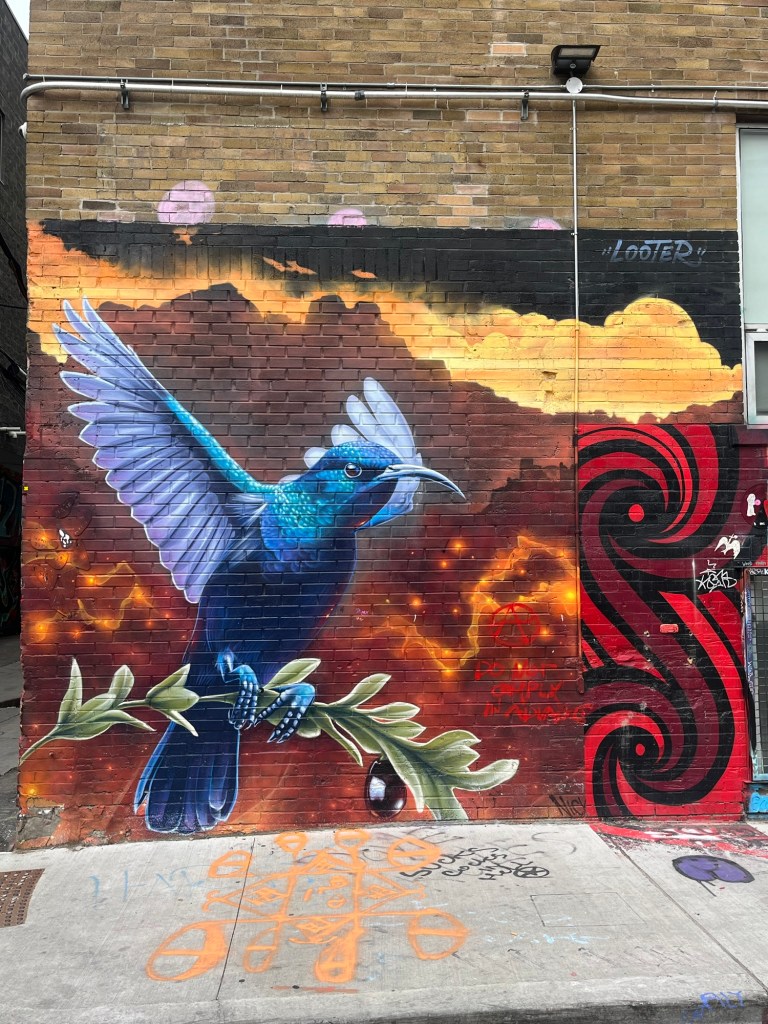
I’d devised myself a bit of an itinerary for downtown so I started the next morning at Graffiti Alley before heading to the Kensington Market area, which for some reason reminded me of Haight Ashbury in San Francisco.
Graffiti Alley
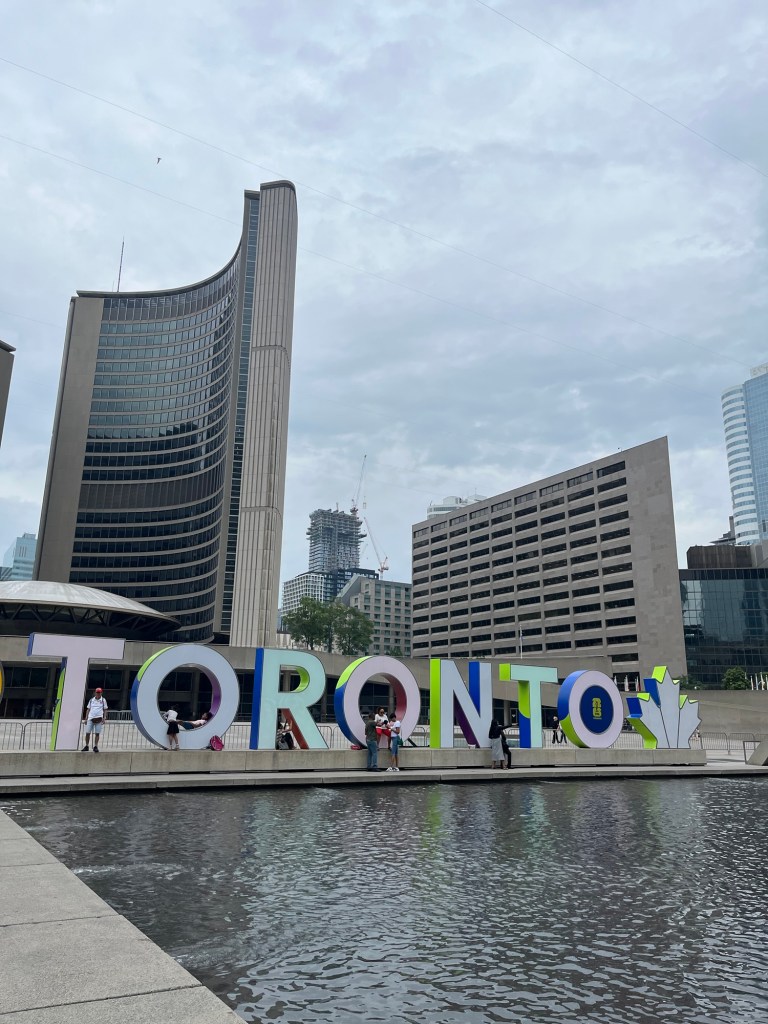
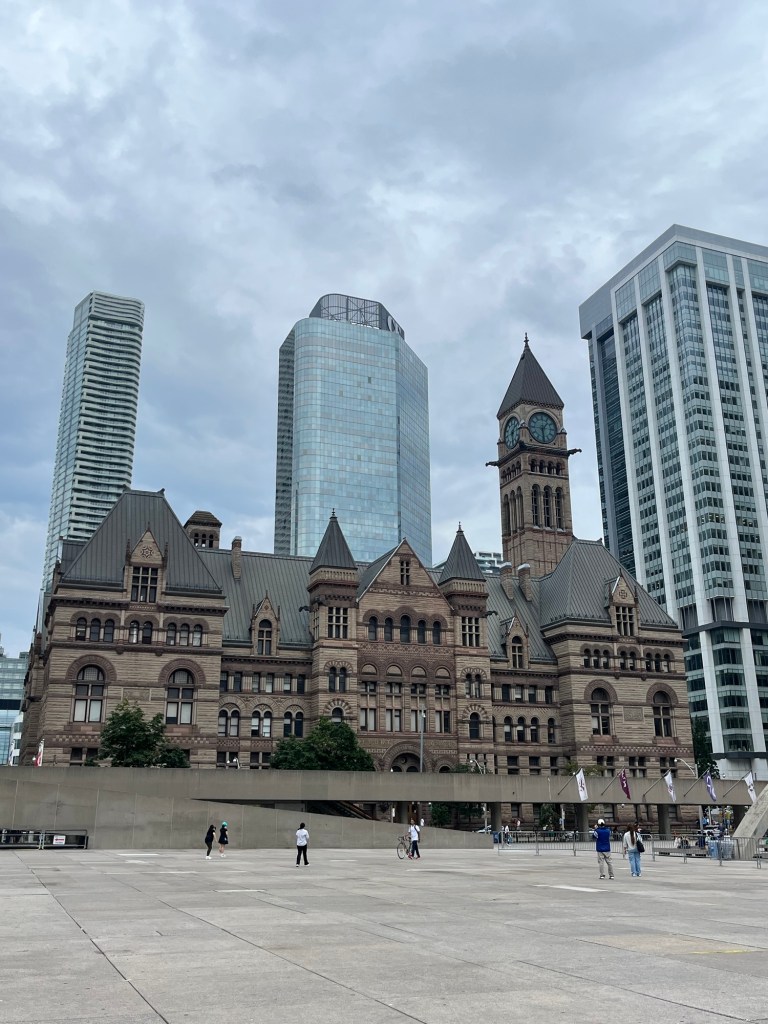
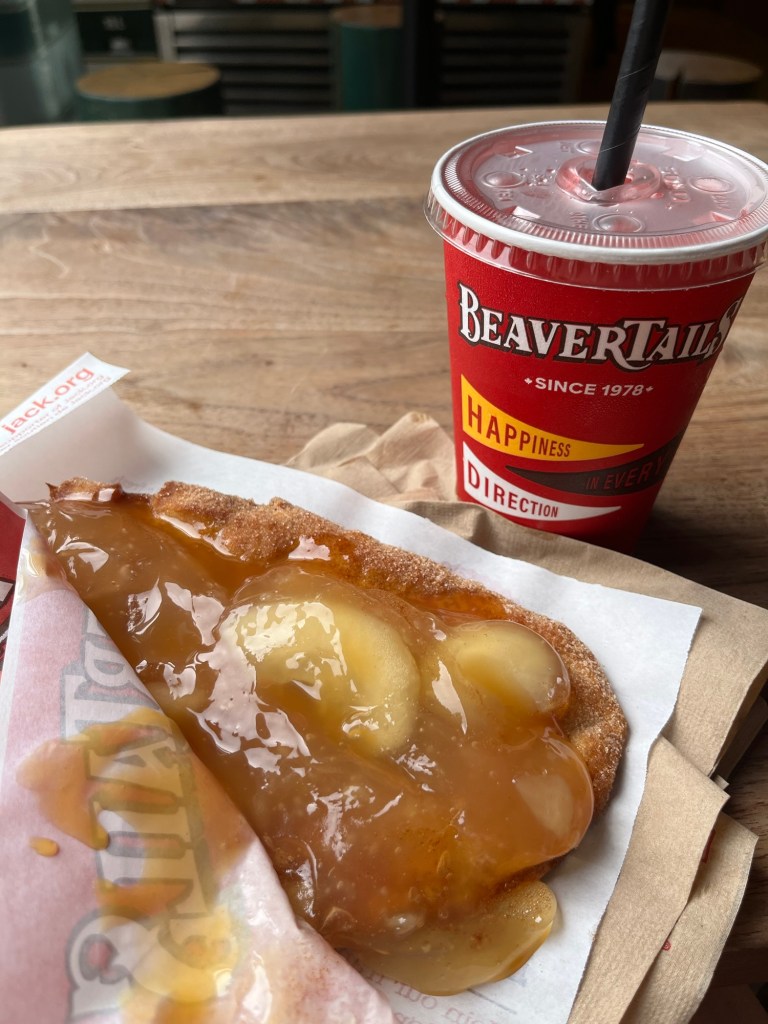
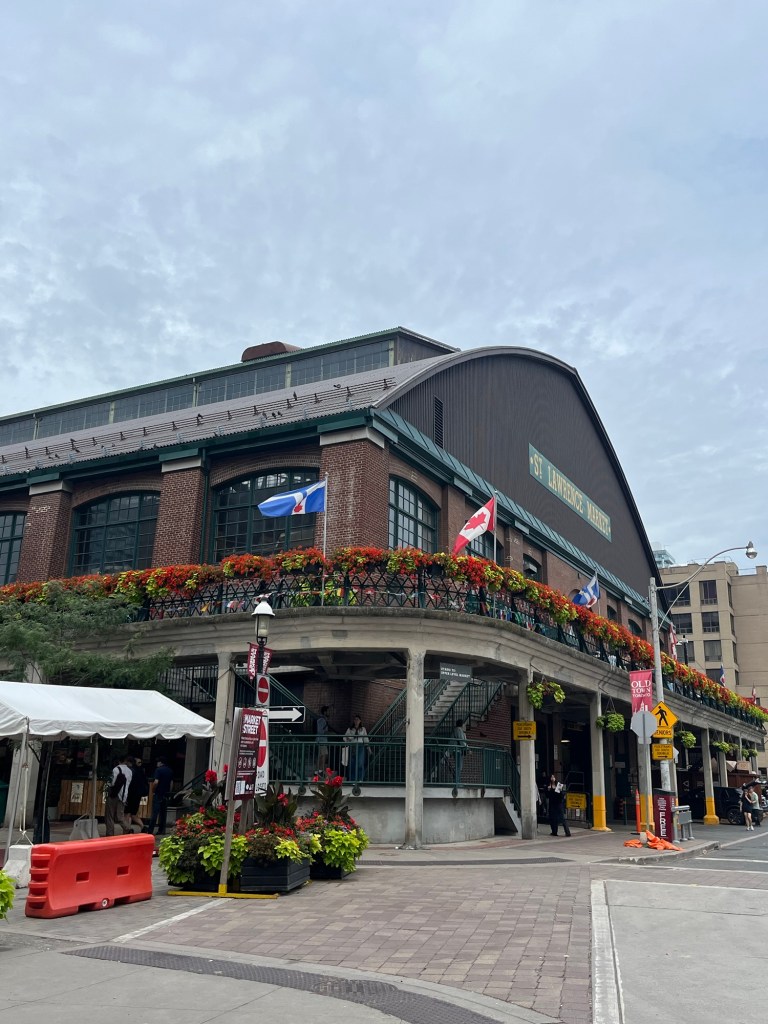
After that it was the art gallery (I preferred the one I went to in Ottawa), a walk past City Hall and down to the waterfront, where I had a Beavertail – deep-fried dough with sugar and cinnamon and then in this instance with apple and caramel on top, very messy to eat!! I rounded off my long walk at St Lawrence Market before meandering slowly back to the hostel via a supermarket for some takeaway dinner.
The next morning started with laundry, unavoidable when travelling for more than a couple of weeks. But I’d found a reasonably priced laundrette a short walk from the hostel (the hostel wanted $20 for laundry, it cost me $9.50 at the laundrette) so I got there reasonably early and was done in just over an hour.
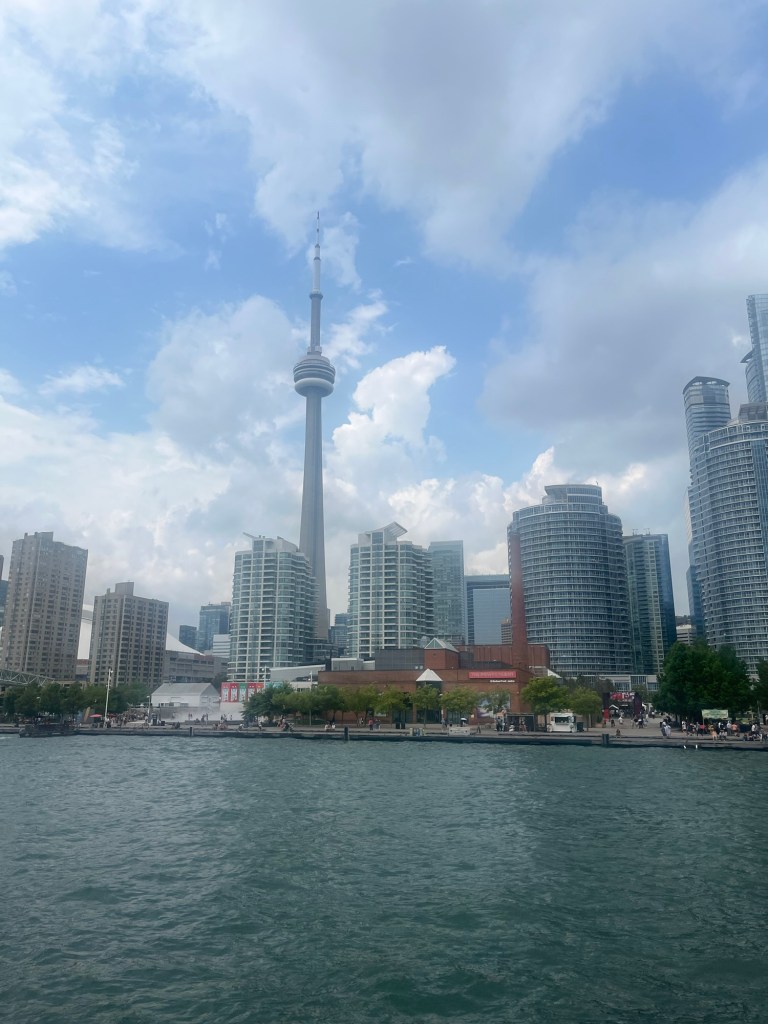
I’d booked myself a 60 minute cruise on the harbour in the afternoon so made my way to the waterfront for some lunch and people watching before the cruise. Just as I got on board, some very threatening clouds loomed large but thankfully they held off.
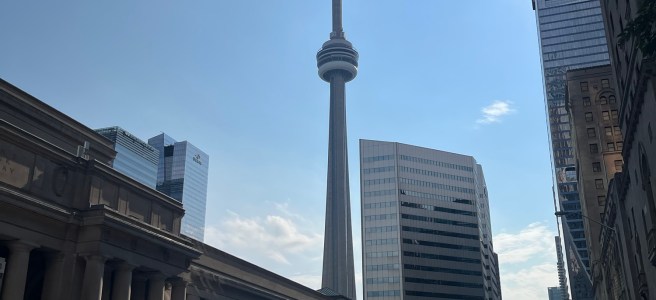
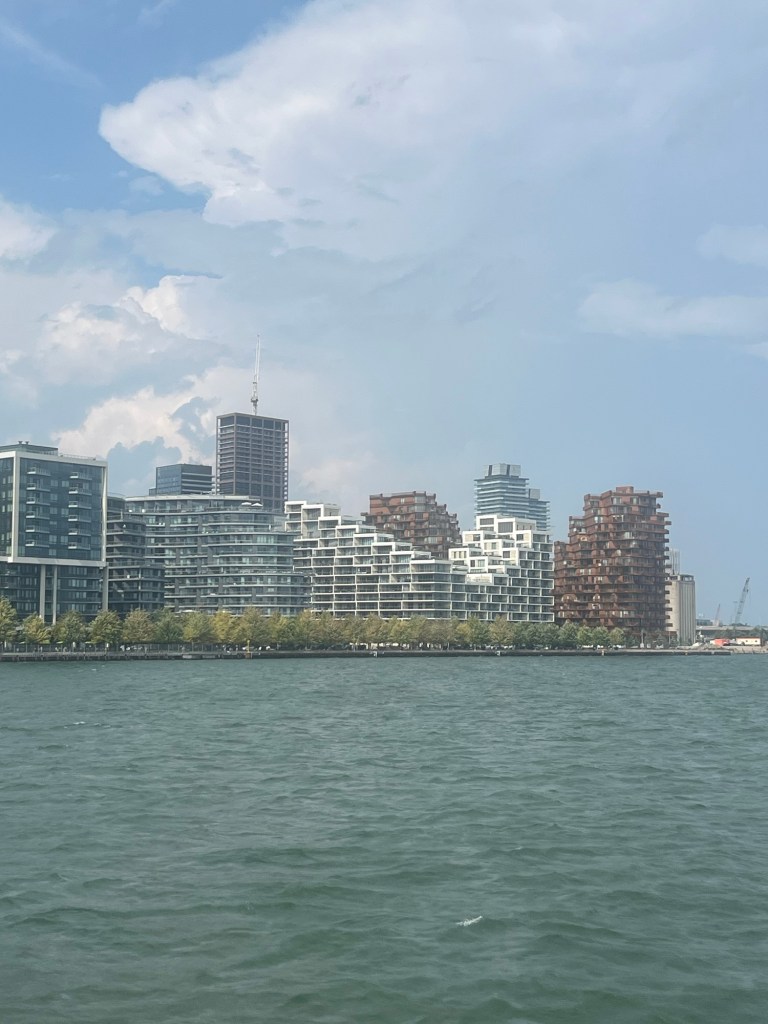
You get a fantastic view of downtown Toronto from the water, including the CN Tower which is in danger of being completely overshadowed by numerous taller skyscrapers being constructed all around it.
The cruise also went over towards the Toronto islands, and is also in the flight path of the Toronto City Airport so there were numerous small planes coming in to land over our heads.
Overall a very pleasant way to spend an hour on a Saturday afternoon.
A long stroll back to the hostel via the enormous Eaton Center Mall and I called it a day after a lot of walking in Toronto.
Toronto felt like the most American city so far in Canada. Particularly with all the skyscrapers in downtown, you absolutely could be in New York. Lots to do, and with a few extra days I may have made it out onto the islands. Niagara Falls is also pretty close by, but I’ve seen them on a previous trip and didn’t feel the need to see them again this time round.
I spent the evening doing a full rearranging of my bags as, next up, is 4 days on a train with only my hand luggage for company…
Rather excitingly I can now fly to Canada directly from Cardiff. WestJet fly 4 times a week between May and September. So off I went on a Saturday morning to the easiest airport in the world to get through. The only downside is there is very little to do at Cardiff airport, and the flight was delayed by an hour.
But anyway, we eventually left on an 8 hour flight to Toronto on a narrowbody (1 aisle and only 2 toilets for the 150+ of us in economy), and no seat back entertainment screens. But, free WiFi which worked! Worked so well in fact that about 2 hours before landing, I discovered that my connecting flight to Montreal had been cancelled (WestJet cabin crew were having a labour dispute) so I spent the time looking at my options. I knew the train was an option as I would be making my way back from Montreal to Toronto on the train over the next week, but the last train that day had already departed. All other flights from Toronto to Montreal were over $1000 CAD (about £500). The last option was the bus. And there was a Megabus leaving Union Station at 6pm that would get to Montreal at 1.30am. Not absolutely ideal but my original flight was due into Montreal at 12.30am so if this worked, I’d be at the hotel at probably the same time I would have been had everything gone to the original plan.
I was prepped and ready when I got off the plane, my bag was there on the belt and I hot-footed it on the UP train from the airport to Union Station, buying my bus ticket online on the way. I arrived at the Union Station Bus Terminal at about 5.30pm and was very glad to see the bus turn up slightly after 6pm. My body clock was at 11pm at this point and I did my best to try and get some sleep on the bus. Not entirely sure it was successful, and I was so pleased to see us pulling into the bus terminal in Montreal shortly after 1am. After checking into the hotel, I collapsed into bed at 1.40am, slightly over 24 hours after I’d woken up at home in Cardiff.
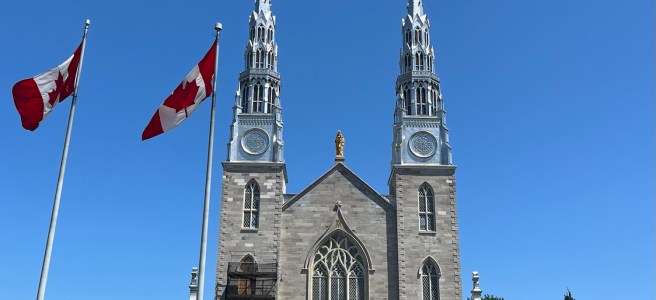
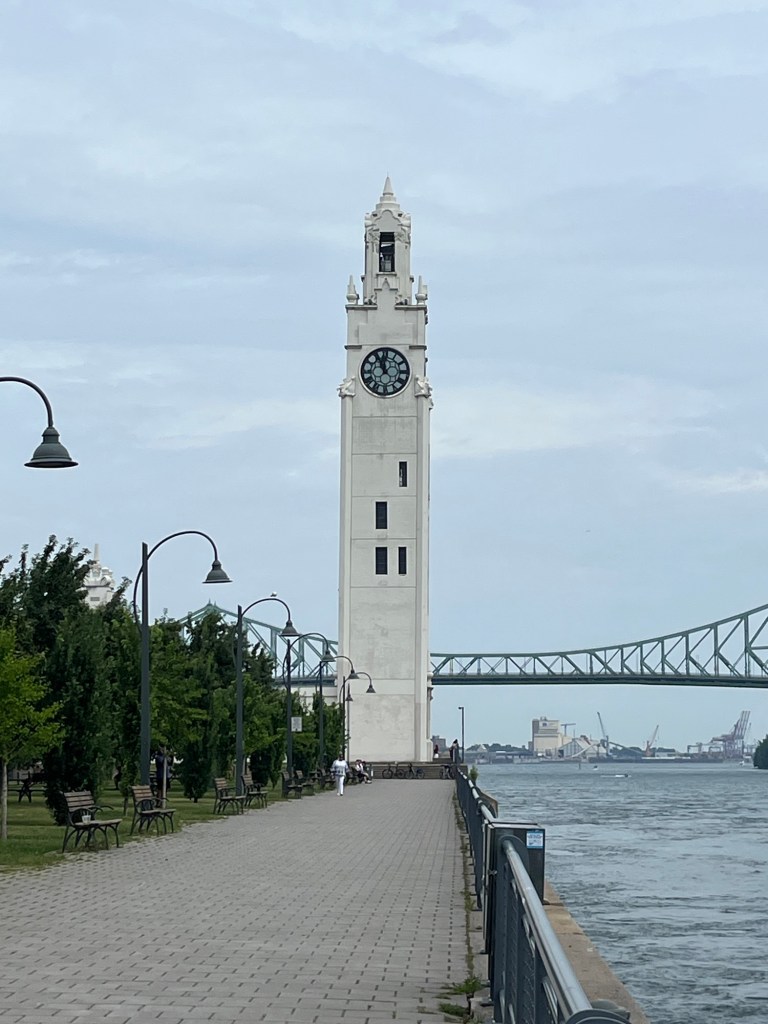
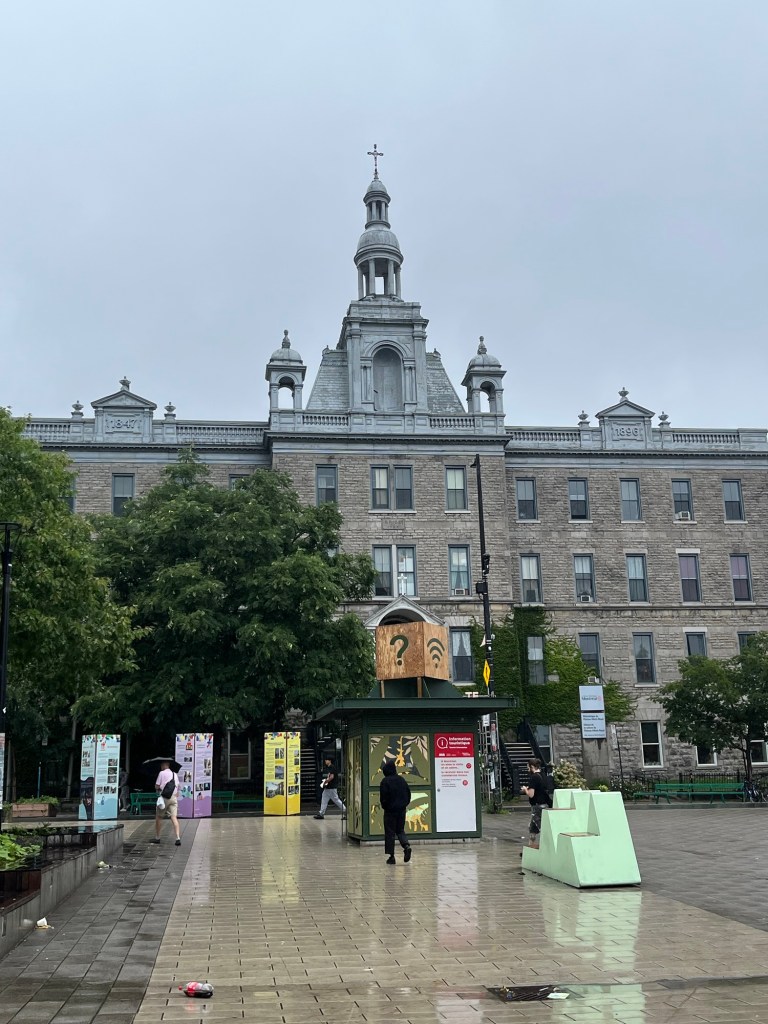
After a pretty decent sleep, I was up and ready to explore Montreal. I was staying on the edge of Chinatown, close to the Vieux-Port (Old Port). I had a leisurely wander around including to the Notre Dame cathedral, along the waterfront of the old port, and to the clock tower before going in search of some lunch. This search coincided with a downpour so I jumped into the nearest bar and had the Québécois classic, poutine. Basically chips, gravy and cheese curds. All washed down in this instance with some Canada Dry ginger ale. Not sure I could get more Canadian!!
Notre Dame catherdralThe clock towerPoutine and Canada Dry
It was still raining when I’d finished so after quite a lot of walking in the morning, I headed back to the hotel for a rest before a second wander in the late afternoon after it had kinda stopped the worst of the rain. I headed through Chinatown and towards the financial district which was relatively quiet on this Sunday.
An early night with the jet lag catching up with me, so I was up and at it relatively early the next day though sadly the weather was even worse, so I was looking for indoor activities. I headed out on the metro to the Olympic Park, to the Biodome. Unfortunately a lot of other people had the same idea and it was very crowded, and in hindsight probably not worth visiting if I was here again, but it did keep me dry for an hour. I’d also hoped to go to the Jardin botanique but the weather was not playing ball at all.
The Biodome and Montreal Tower at the Olympic Park
I got back on the metro and stopped off at Plateau Mont Royal, and then to the Jean Talon market which wasn’t super-busy on a wet Monday. I do enjoy wandering around local markets wherever I go, I think it really helps to get a sense of the places you’re visiting.
Montreal has an Underground City, which makes sense when you consider how cold it gets in the winter. It was a glorified shopping mall though, I much preferred Sapporo’s version.
After that it was back to the hotel for dinner and a rest after clocking up a whole lot of steps over the last couple of days.
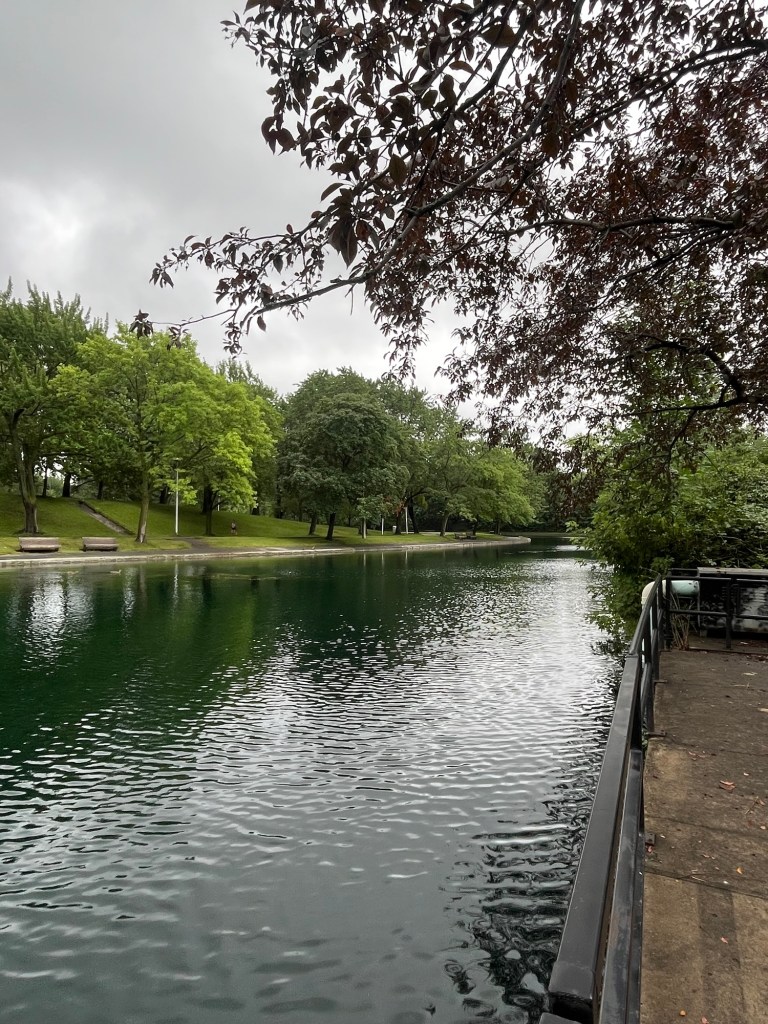
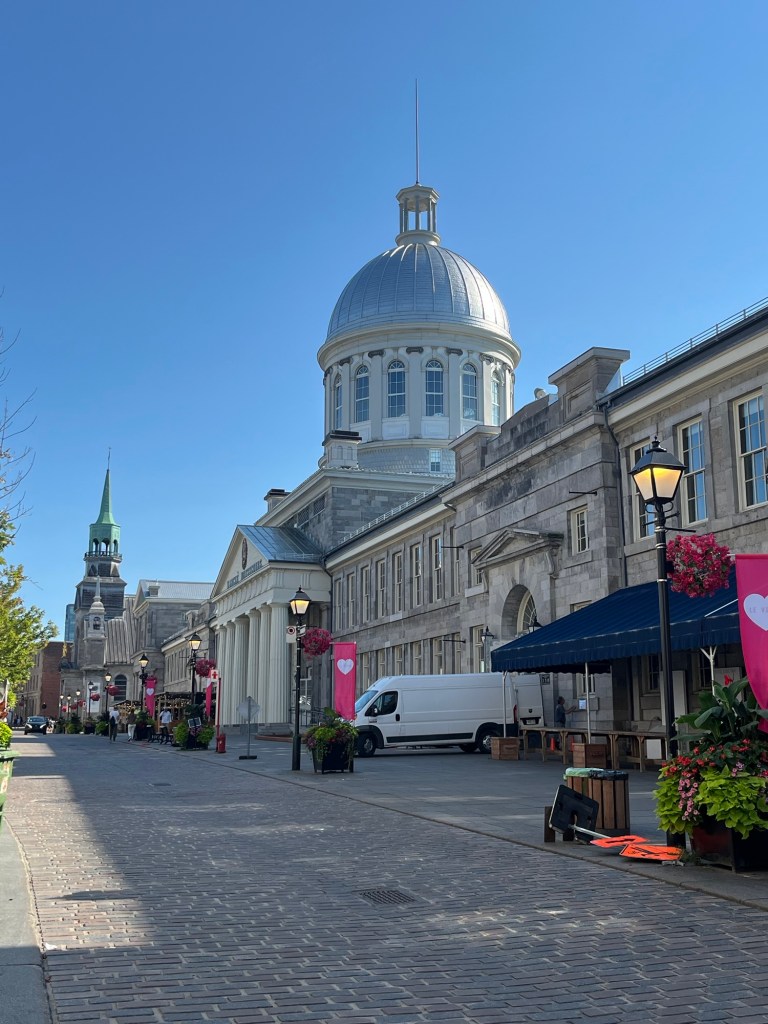
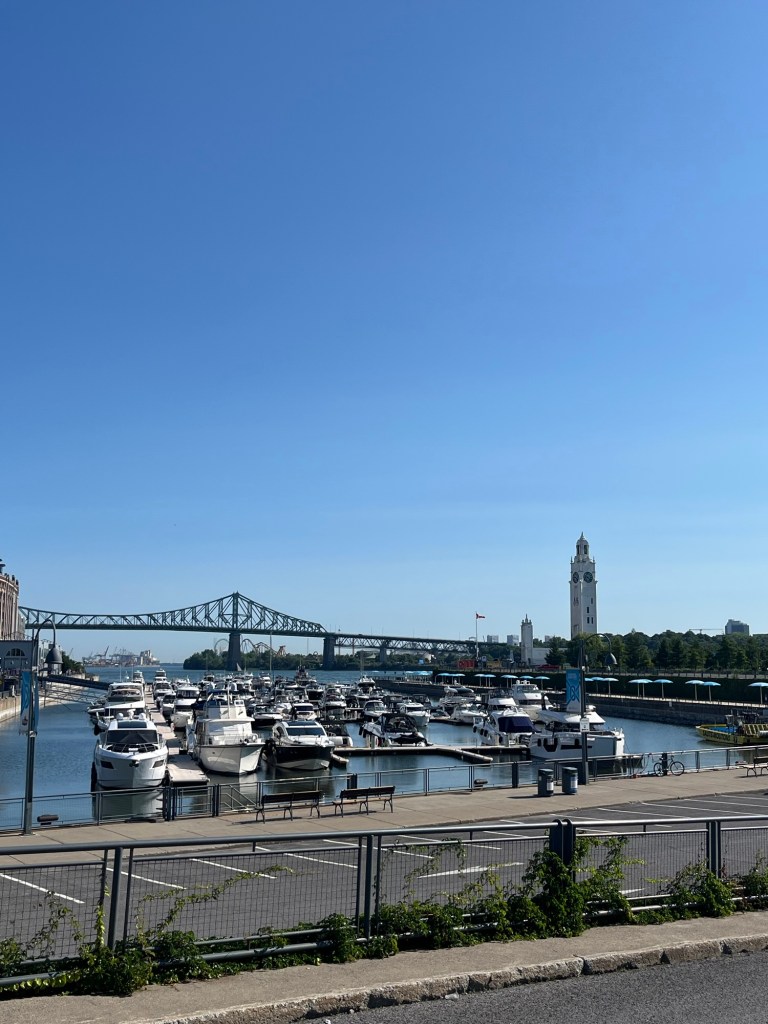
Up early again the following day (still jet lagged). The weather was so much nicer so after breakfast and before my train to Ottawa, I retraced some of my steps around the Old Port and Waterfront, for some blue sky pictures.
By mid morning I was off to the Gare Centrale for my train to Ottawa. I’ve written a few times about the trains I’ve taken on my travels this year, all of which put trains in the UK to shame. And Viarail in Canada is no different. I’ve booked a business class ticket for the slightly over 2 hour journey to Ottawa, for £78, which includes a nice seat, 3 course lunch and drinks including wine. And the WiFi works on the train! The equivalent train in the UK would be well over £200, you might get some snacks thrown at you and the WiFi certainly doesn’t work!
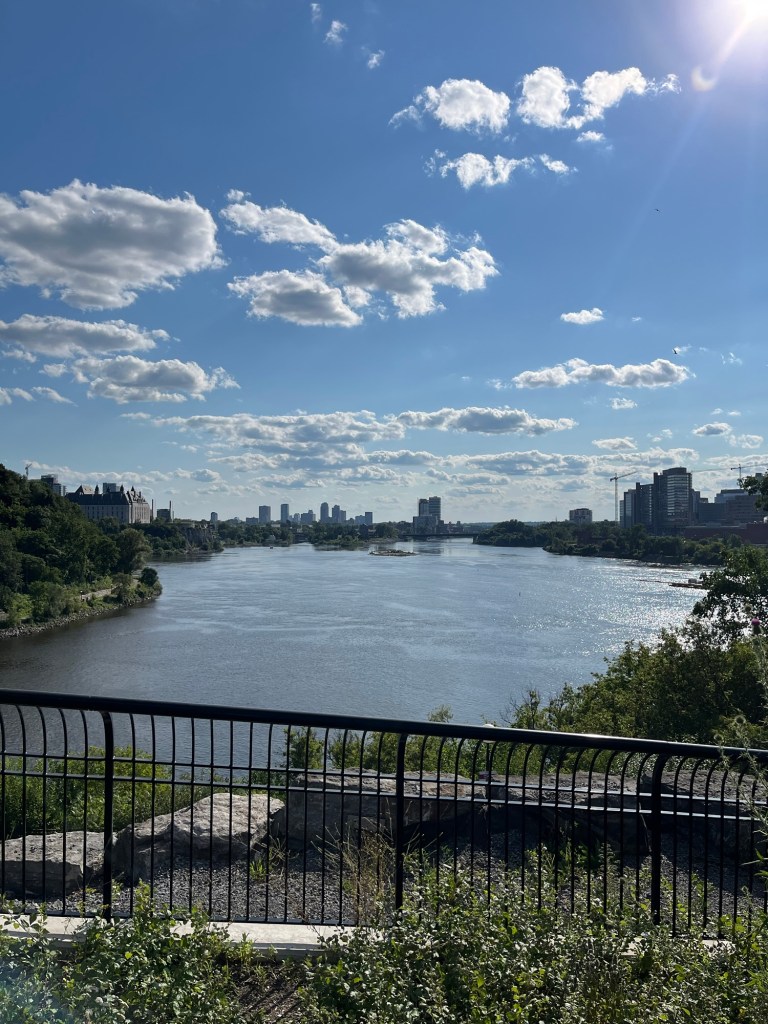
I arrived into a hot and sunny Ottawa by mid afternoon, though we were about 30 minutes late. This did mean that I was able to check in straight away when I arrived at the hotel in downtown Ottawa. I had a bit of a wander and then in the evening I met up with my roommate from my Thailand and Malaysia trip from earlier this year, who lives here in Ottawa. We went for a cold dip in the river at NCC River House, a free outdoor swimming area on the Ottawa River. We weren’t in the water too long (it was cold!!), but the air temperature was lovely so we sat out and chatted for ages before deciding we should go and find some food for dinner.
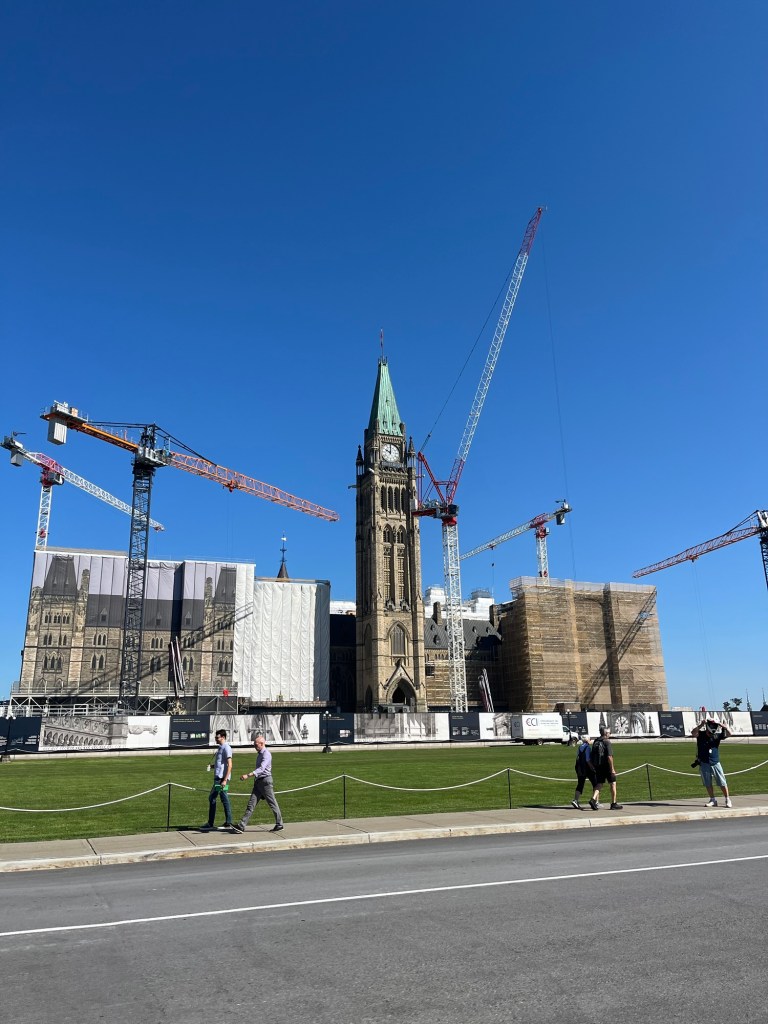
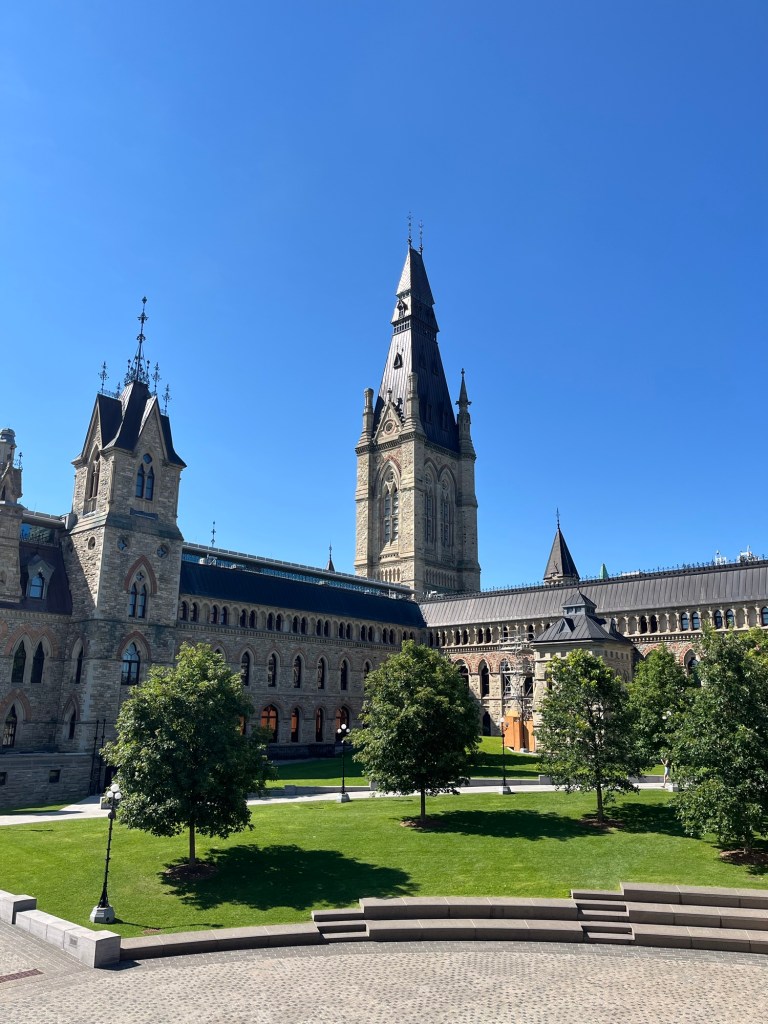
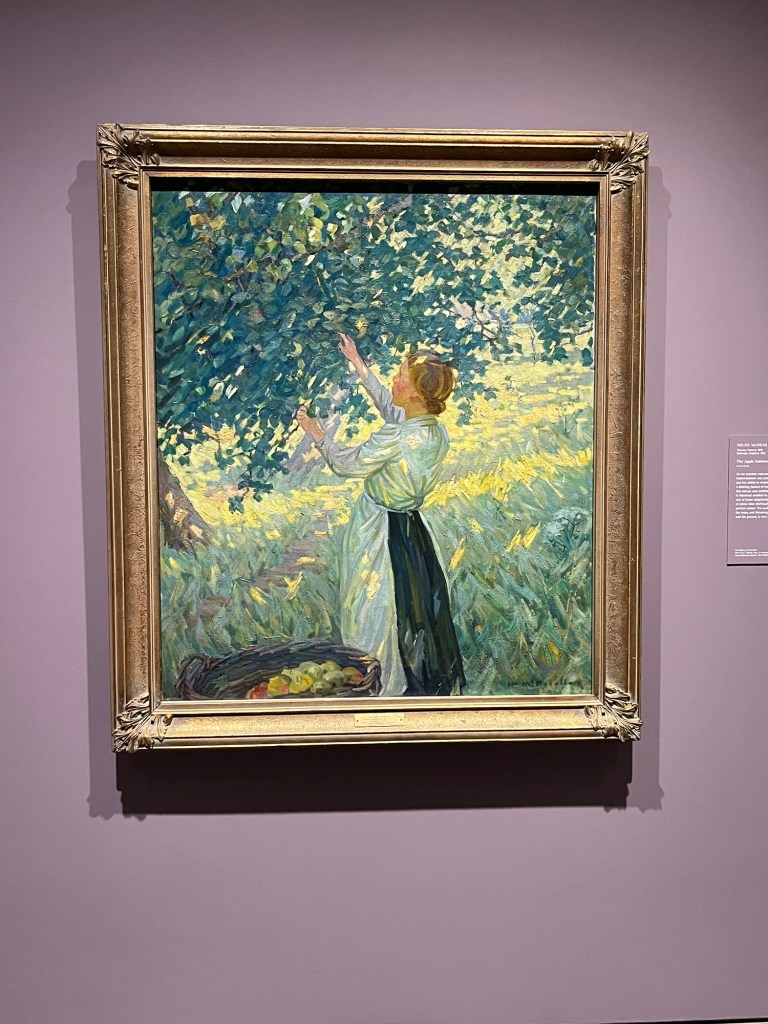
The next morning I started with a walk to the nearby Parliament buildings where at 10am every morning during the summer, the Changing of the Guard happens. As a Brit, this was all very familiar, as were the surroundings as the buildings certainly appear to be modelled on the UK Houses of Parliament (I’m sure someone will correct me here!). I didn’t stay for the whole ceremony as it was very warm, and so after a wander around the parliament buildings, I headed for some air conditioning in the form of the National Gallery of Canada. As I’ve got older, I’ve decided a quite enjoy wandering around an art gallery. This one had some interesting indigenous art, as well as other European and North American art. It also had an exhibition of Canadian artist Helen McNicoll, an impressionist, which I really enjoyed.
Familiar-looking buildings Parliament Another Notre DameHelen McNicoll painting
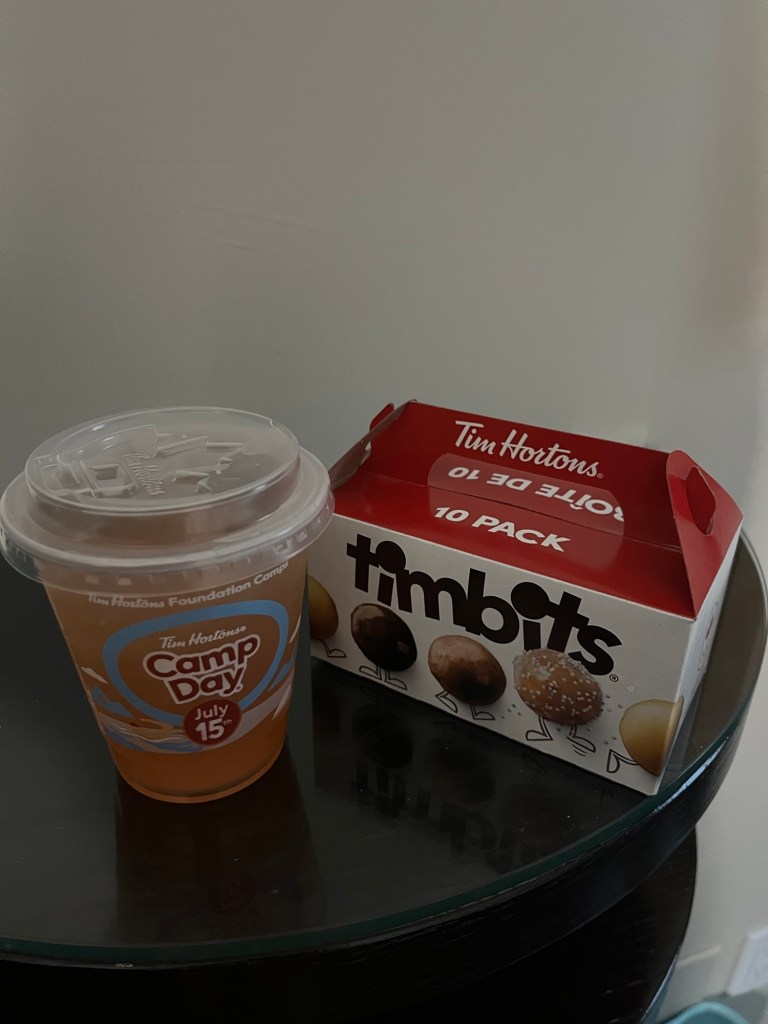
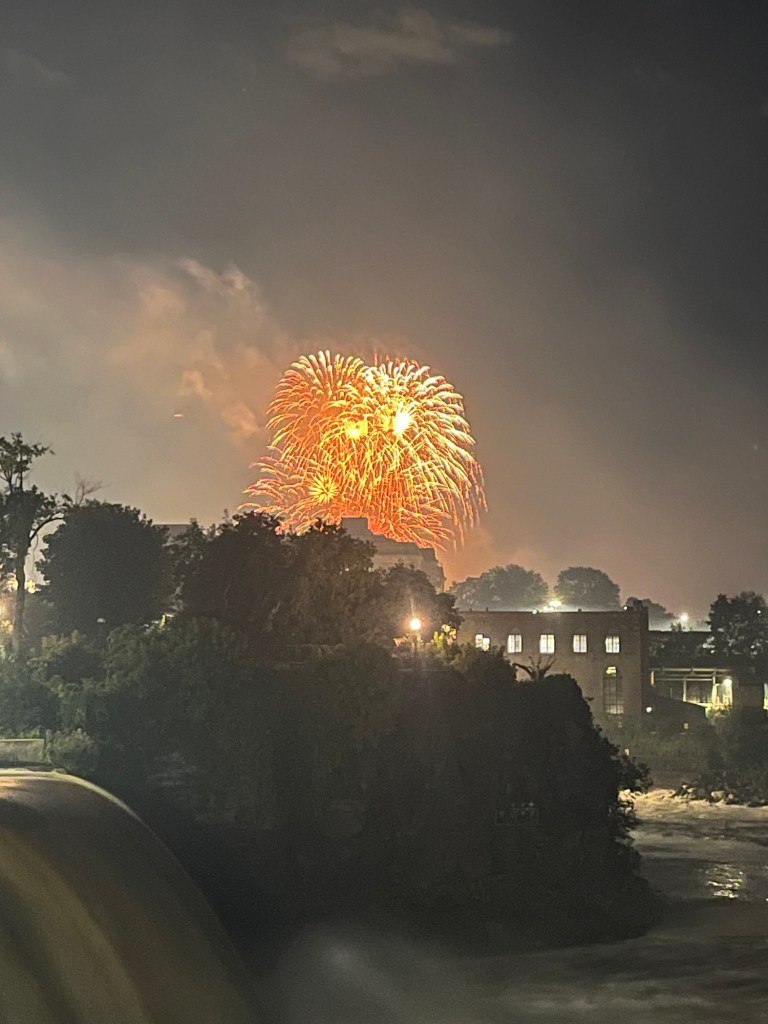
After that, I walked to the Byward Market for a little browsing and a late lunch followed by a Tim Hortons. In the evening I met up with my friend again, and some of her friends, as we enjoyed fireworks as part of a competition from a pub on the water. All very relaxing.
Byward MarketTimbits!On the riverFireworks
So, my first impressions of Canada. Montreal was unfortunately a bit damp and I’m not sure I saw the best of it. It is certainly a French-first city and I did manage to dredge up some of my schoolkid French to bumble through. When it was sunny on the final morning, it felt like a place I’d like to stay longer if it was dry. Ottawa had the benefit of being gloriously sunny (in fact a bit too hot at times) while I was there. It is officially bilingual, so my haltering French was less called for here. I really liked the vibe in Ottawa, a calmer city I think, very walkable. And the biggest plus of all to catch up with my friend.
We got the ferry early in the morning from Dar Es Salaam to Zanzibar. The entrance to the ferry terminal is quite small and it was a little frenetic getting through the security and into the departure area.
The ferry journey was about 2 hours, and the sea was thankfully reasonably calm as I had forgotten to bring any seasickness tablets with me.
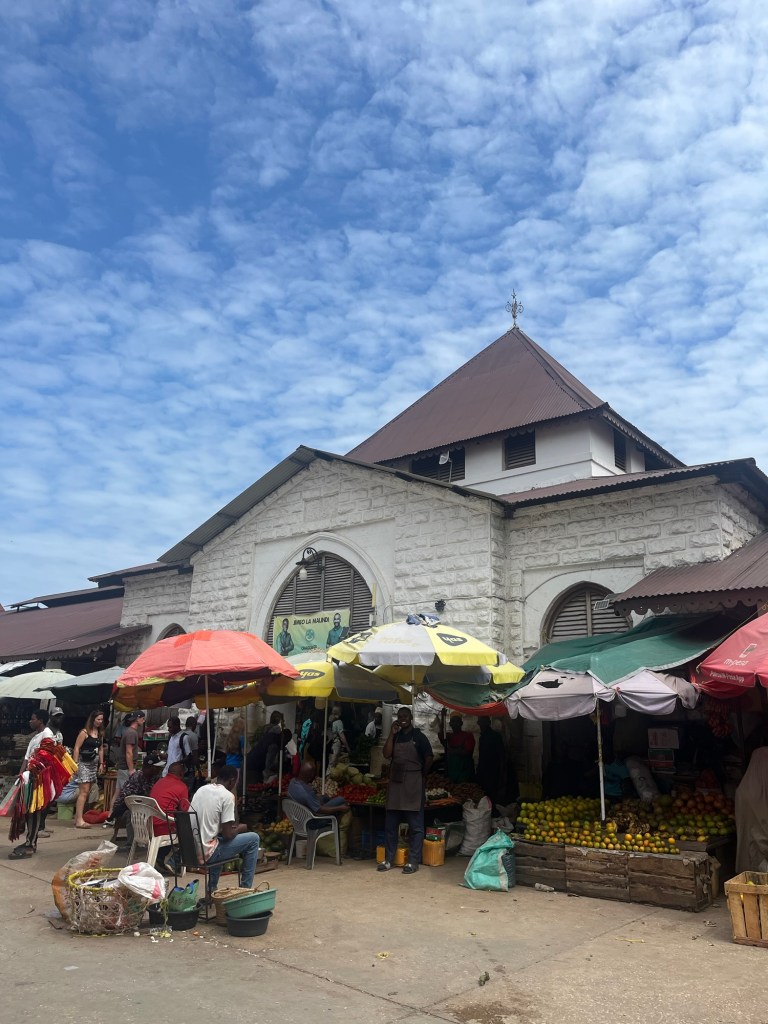
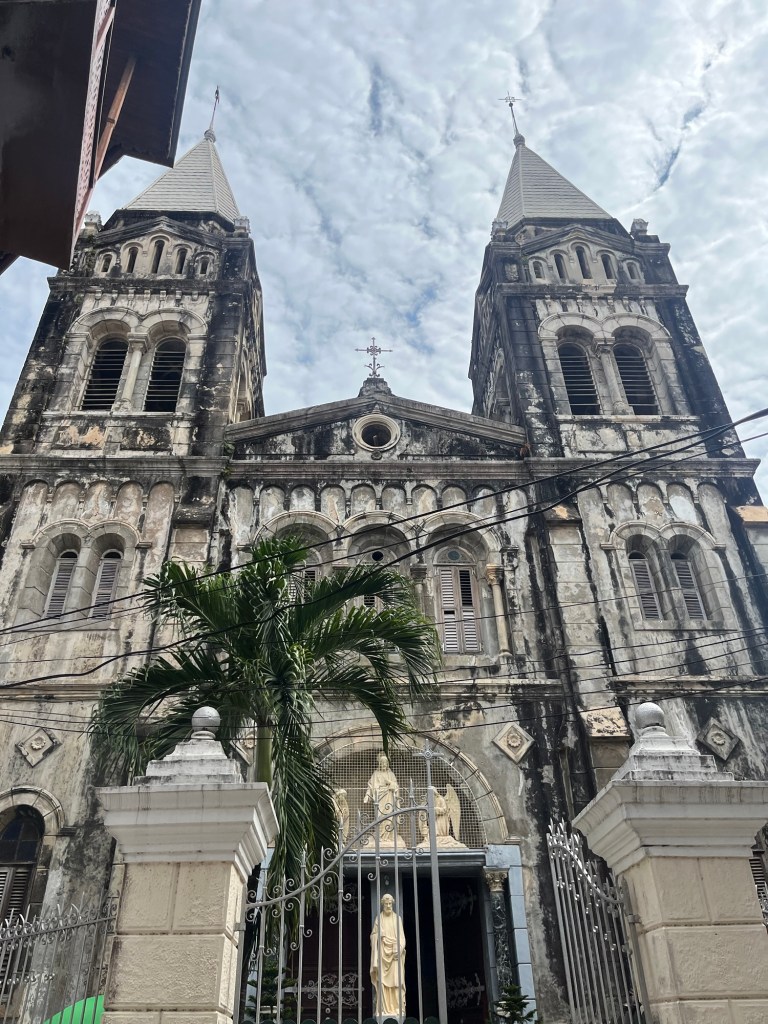
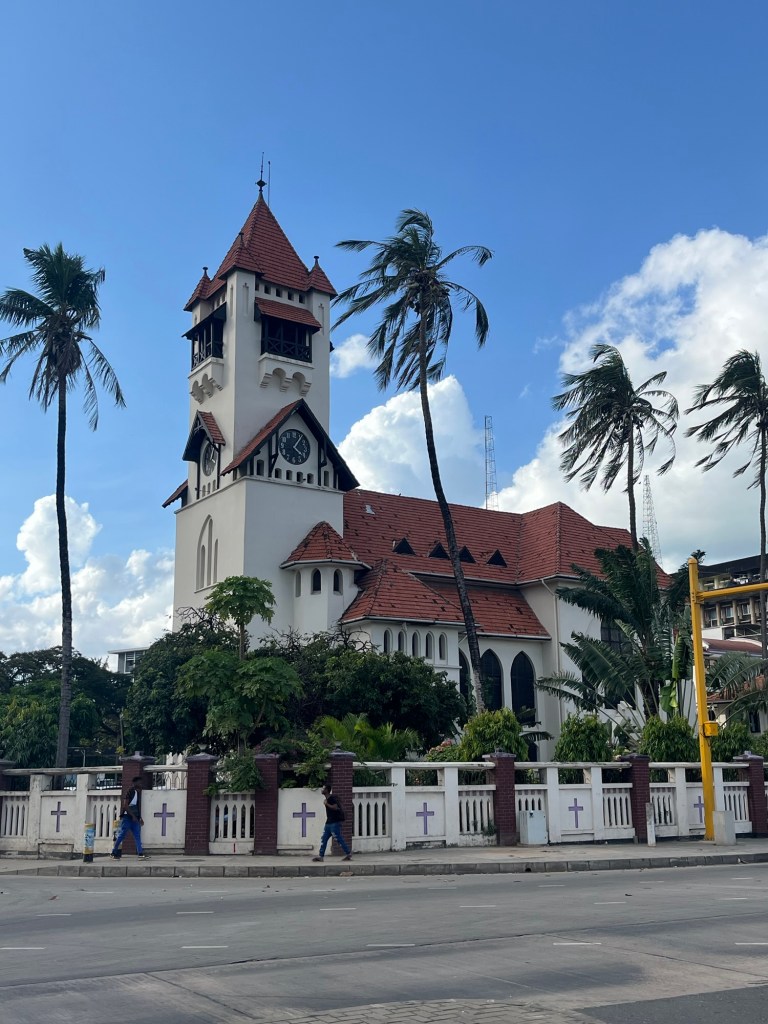
We arrived into Stone Town in the late morning and started with a walking tour of the old colonial town. Through the market, to the slave museum (which was very interesting, I didn’t previously know much about the slave trade in East Africa, so it was very illuminating), churches, the narrow streets, and finally to Freddie Mercury’s house.
Sights in Stone Town, Zanzibar
We stayed in a gorgeous hotel in Stone Town, called Maru Maru. It had the best shower I’d had on my entire Africa trip. I was also apparently in the presidential suite as there was a photograph on the wall in the room telling me that Bill Clinton had stayed in this room some years ago…
A free afternoon so I took the opportunity for a bit of downtime before a wander around the town which was curtailed by some over-eager locals, which was a shame.
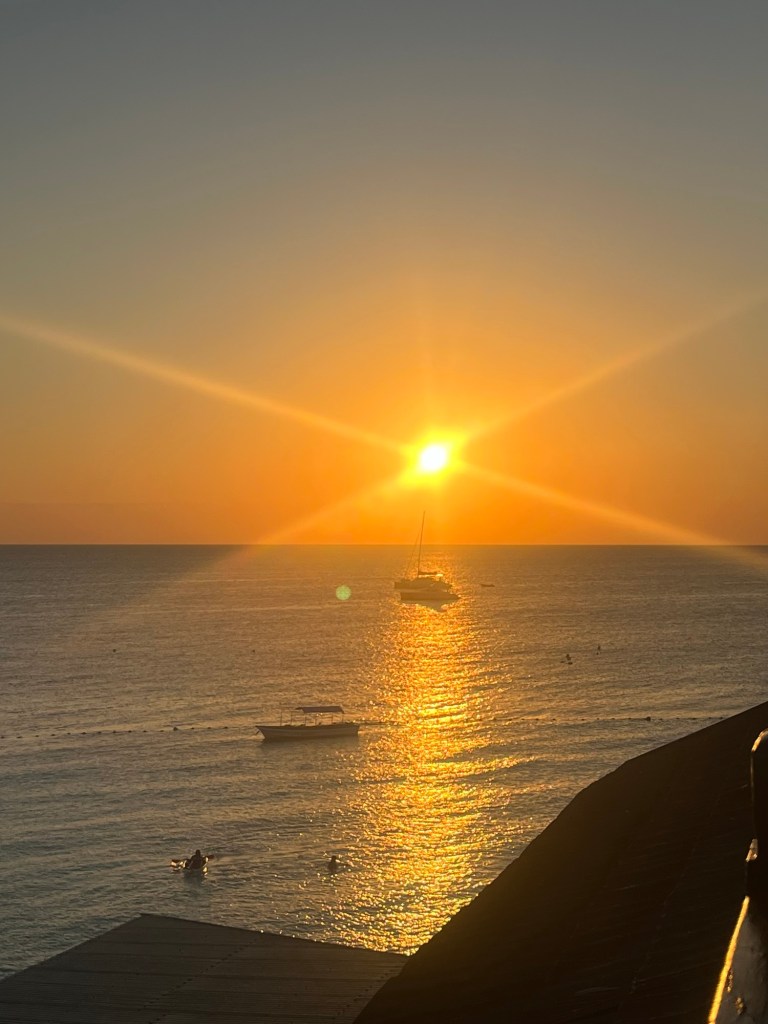
The next day we headed to north Zanzibar for a couple of days, to Nungwi Beach. It was so nice to have a couple of days downtime after the travelling so far. At this point it was 34 days since I left Cape Town and this was only the 8th time we were staying somewhere for more than 1 night.
The beach at NungwiSunset at Nungwi
After a relaxing couple of days we were up early to get back to Stone Town in time for the 9.30am ferry. Again a fairly chaotic check in experience, and this time the sea was quite rough so it felt like a long journey back to the mainland.
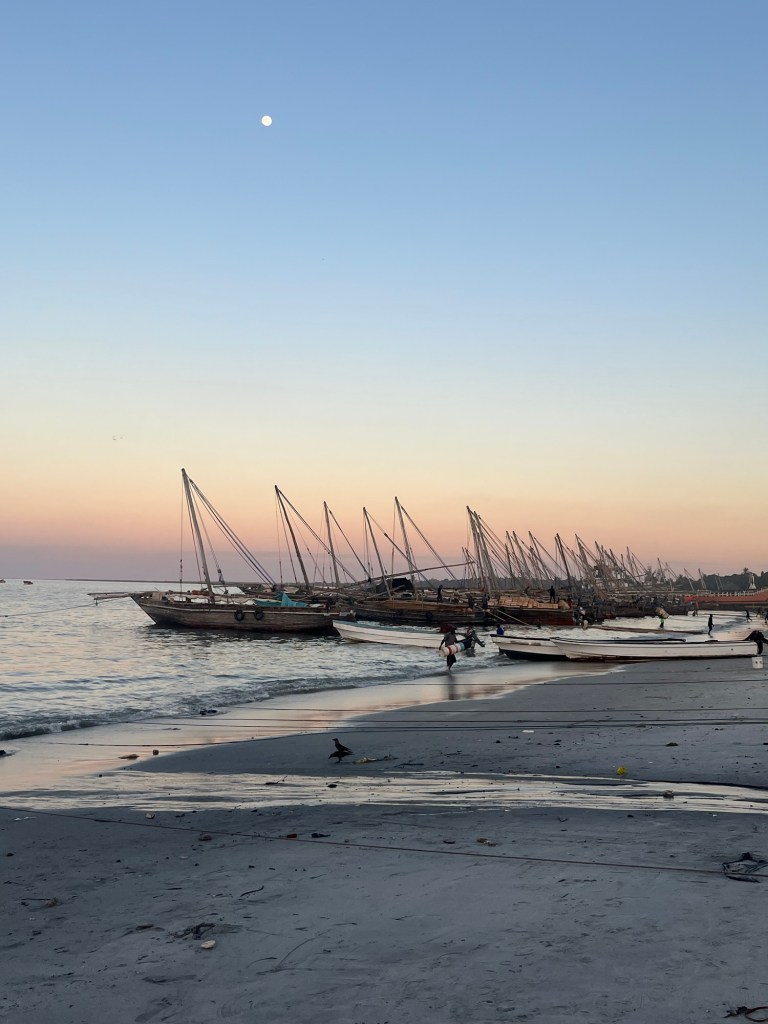
After being reunited with our truck back at the hotel in Dar, we hit the road north towards the coastal town of Bagamoyo. We arrived in the late afternoon and had a bit of a stroll along the beach where there were lots of dhows being loaded with goods, which we assumed were heading for Zanzibar.
Dhows at Bagamoyo, plus a nearly full moon
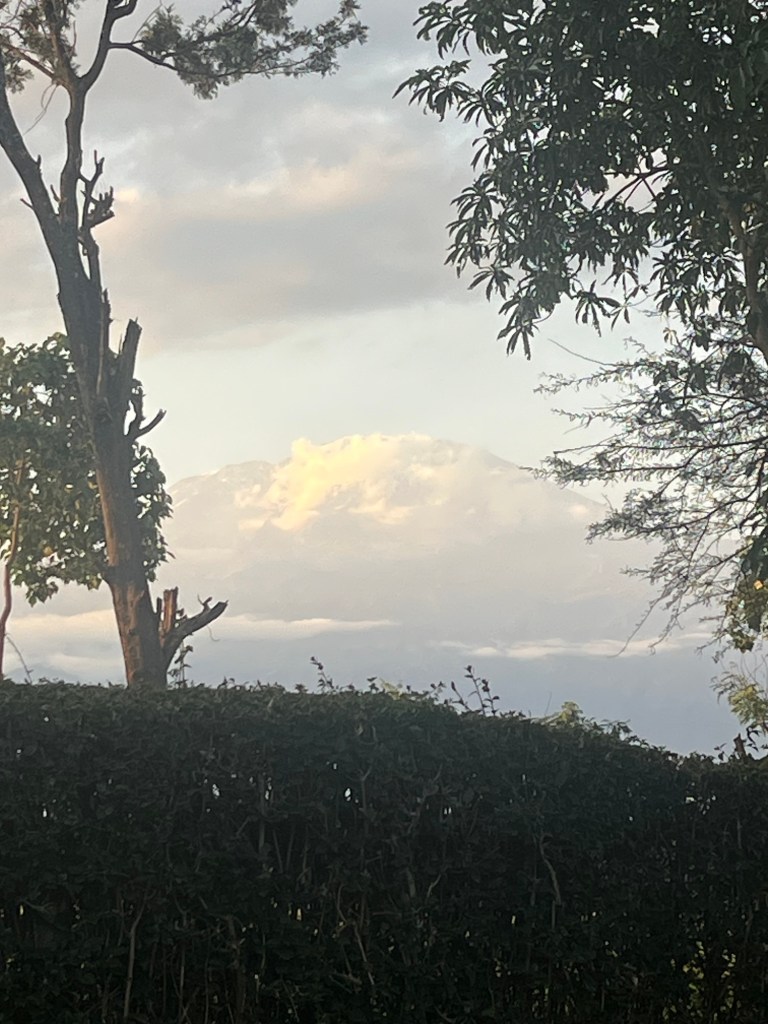
Another long drive the next day, to Moshi, which is the gateway town to Mt Kilimanjaro. It was an early start and I was surprised to see the local church full at 6.15am! We were all kept interested for the last hour or so by trying to spot Kilimanjaro peeking out from behind the clouds. It just about appeared when we’d arrived at the accommodation in the late afternoon.
Kilimanjaro peeking out from the clouds
A shorter drive the next day, to Karatu in preparation for a couple of days in Ngorongoro Crater and the Serengeti.
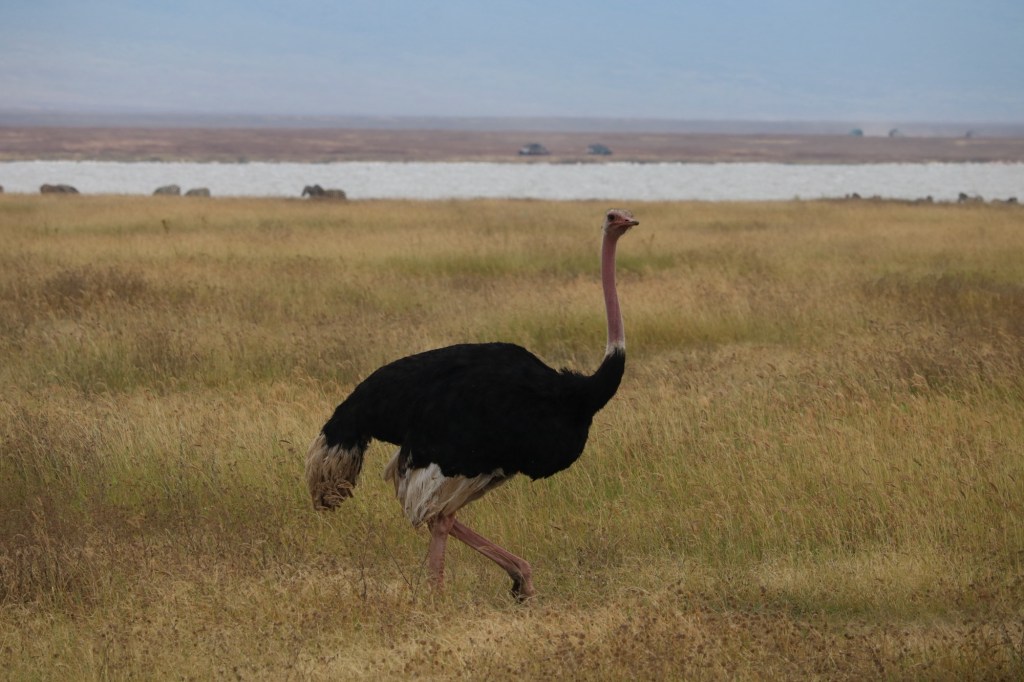
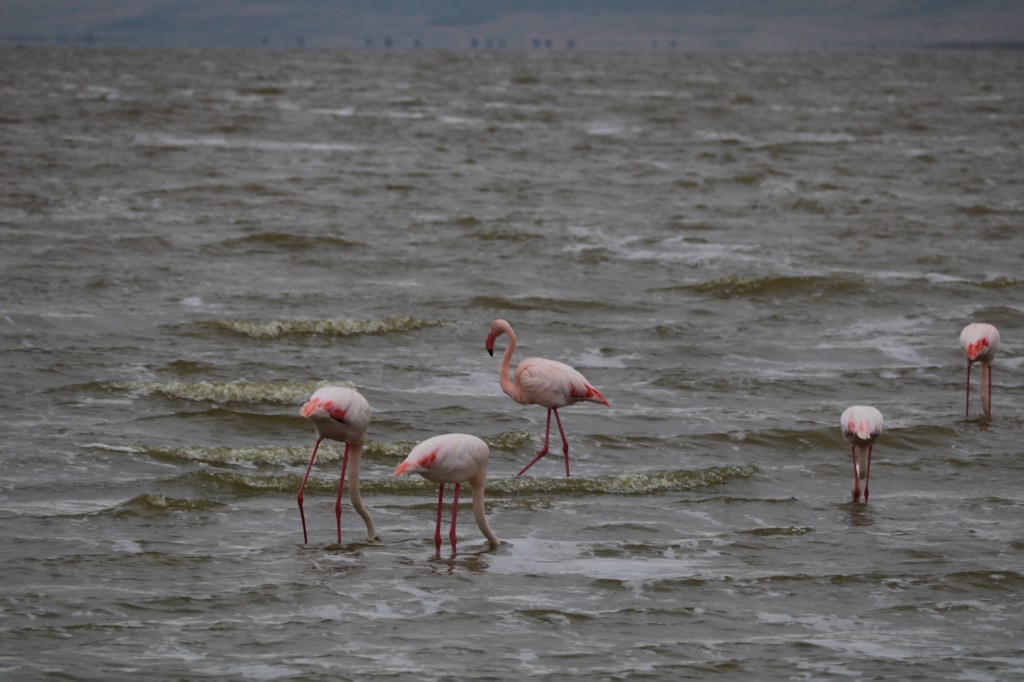
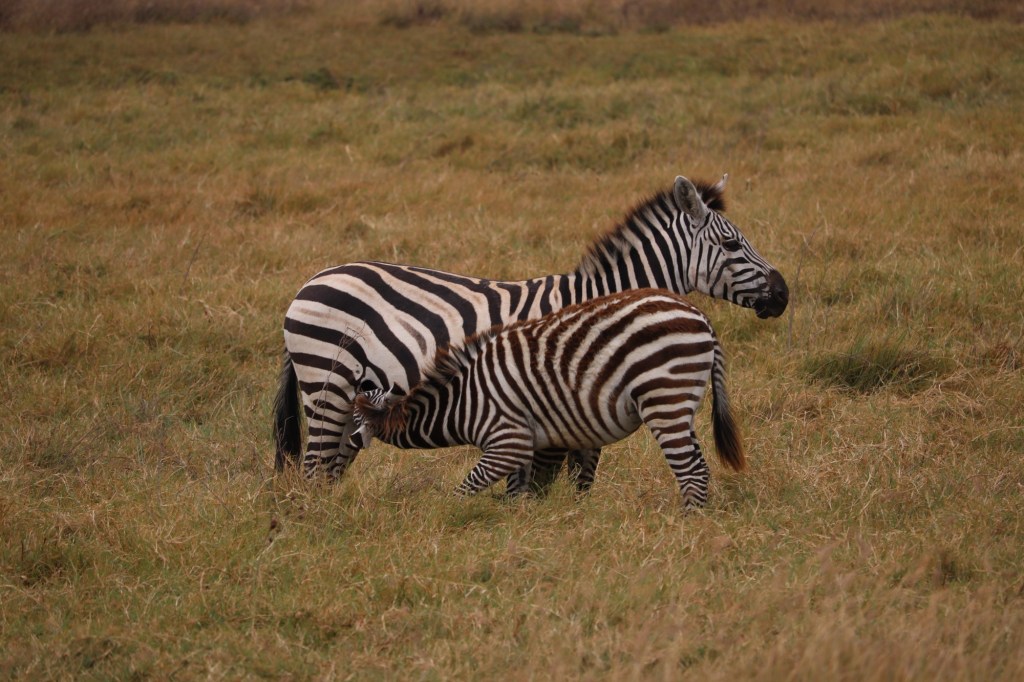
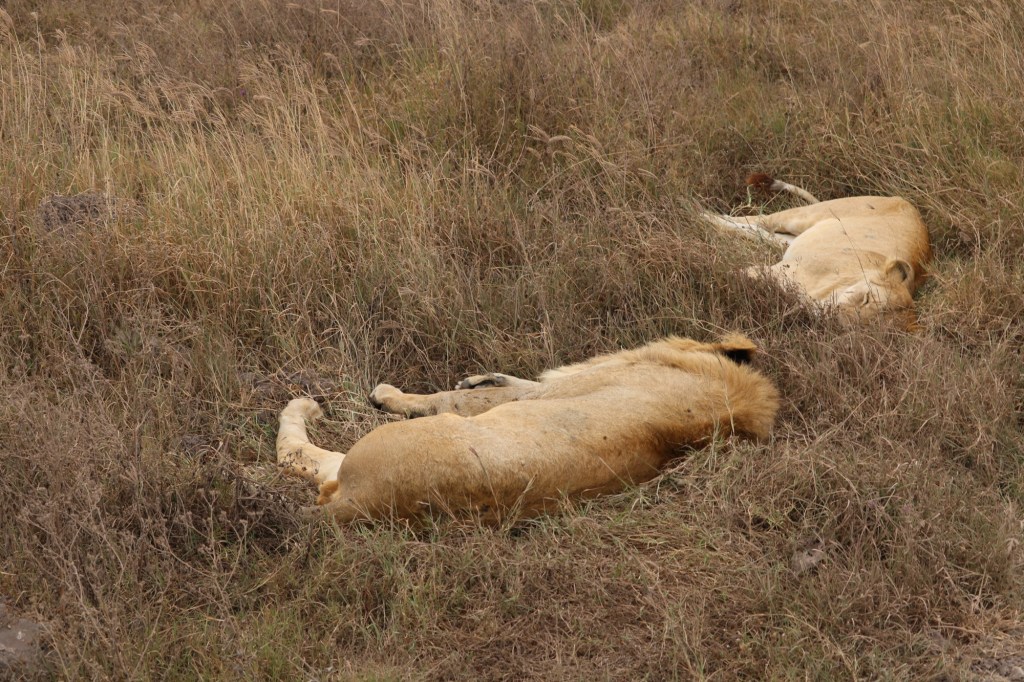
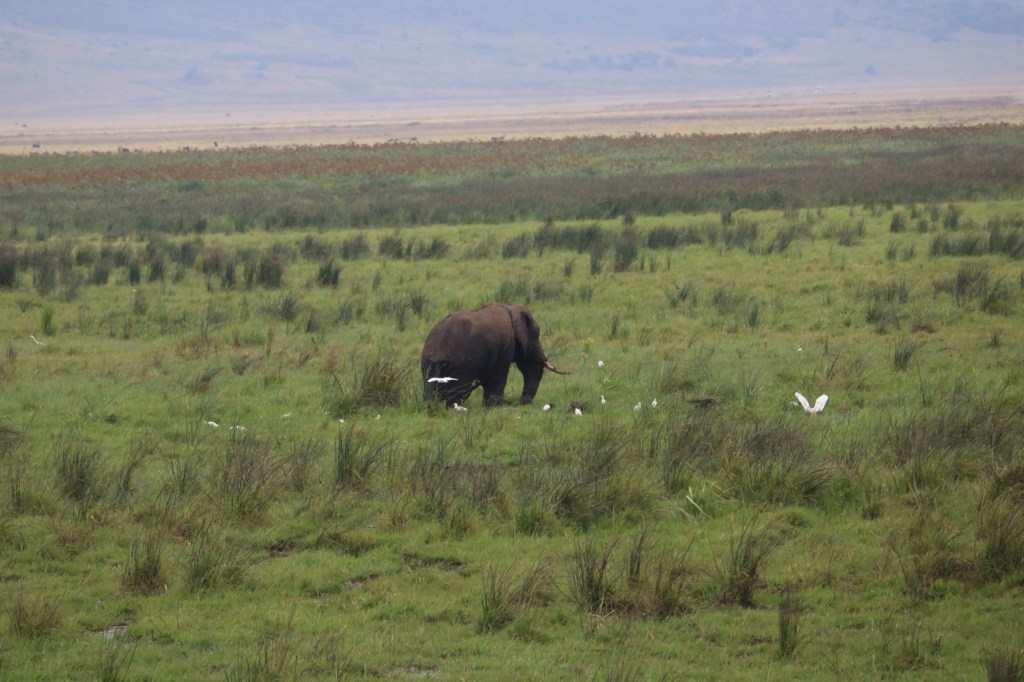
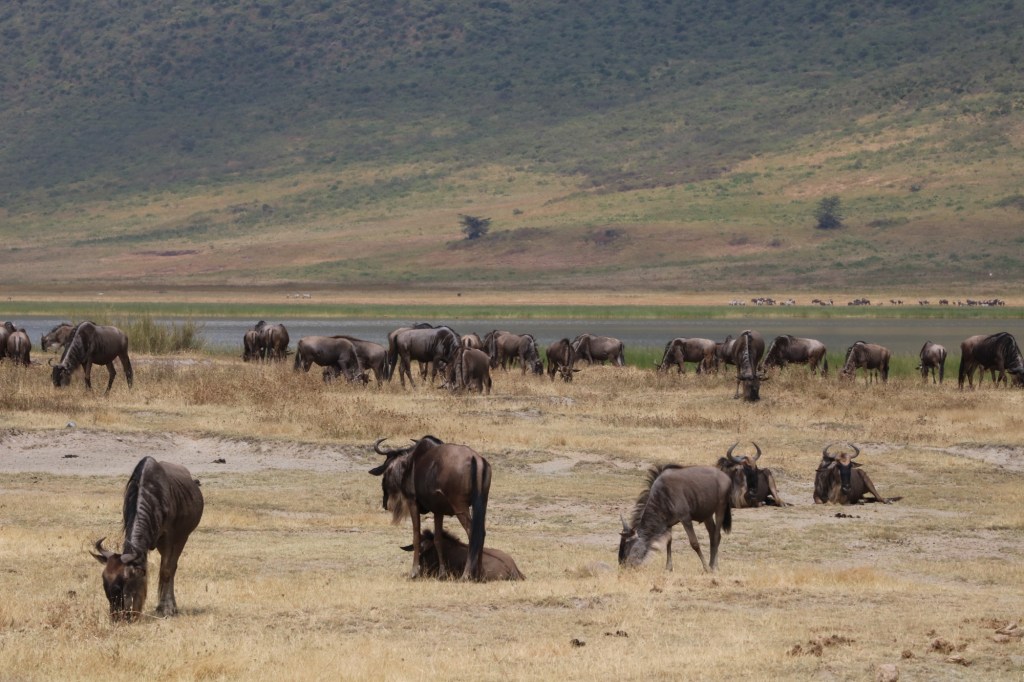
We started early (again!) and got in our jeeps to drive to the Ngorongoro Crater. It was very cloudy and misty, and as we drove along the crater rim, we could barely see where we were going. I was a little worried at what we would be able to see in the crater but as we descended below the cloud, my fears vanished. The Ngorongoro Crater might be the easiest place to view animals that I’ve been to. There are just so many of them everywhere. Lions, zebras, ostriches, warthogs, so many birds, flamingos, elephants, buffalo, serval cats, leopards, herds of wildebeest, I could go on.
OstrichFlamingosServal catZebras feedingLions chillingElephant and their bird friendsSo many wildebeest
After an exciting morning and packed lunch at a watering hole, we then headed to the Serengeti and our camp in the park. It took such a long time to get there, we got lost at one point and arrived in the dark. But we did have a delicious dinner waiting for us, and the most glamorous tent I’ve ever stayed in!
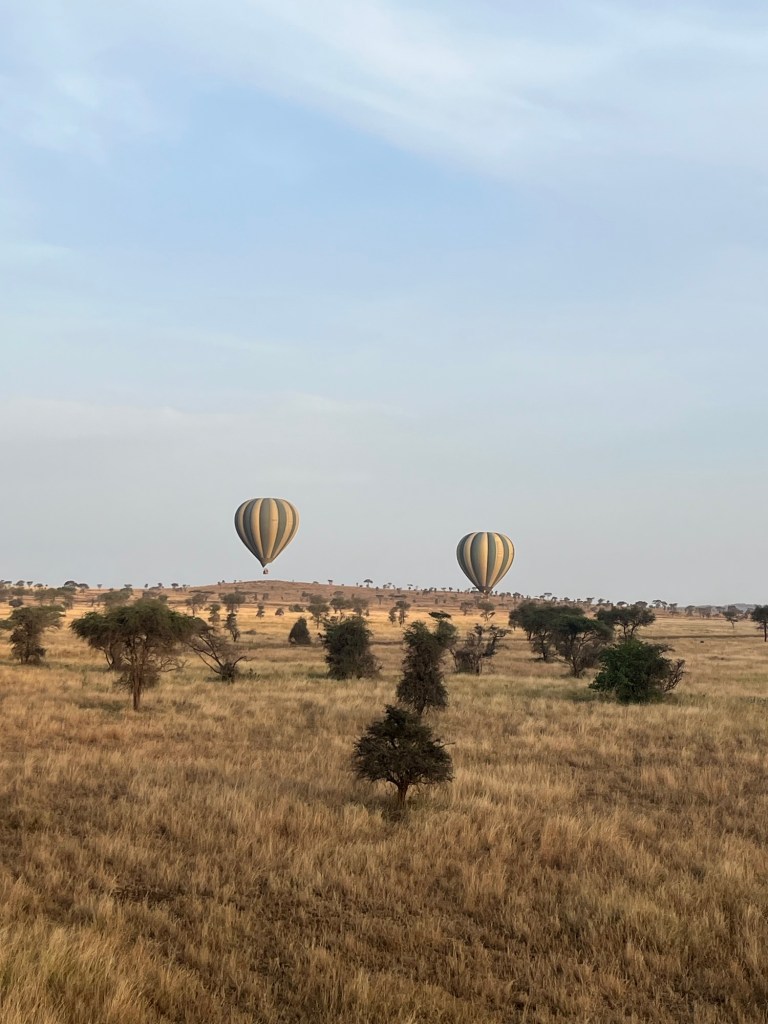
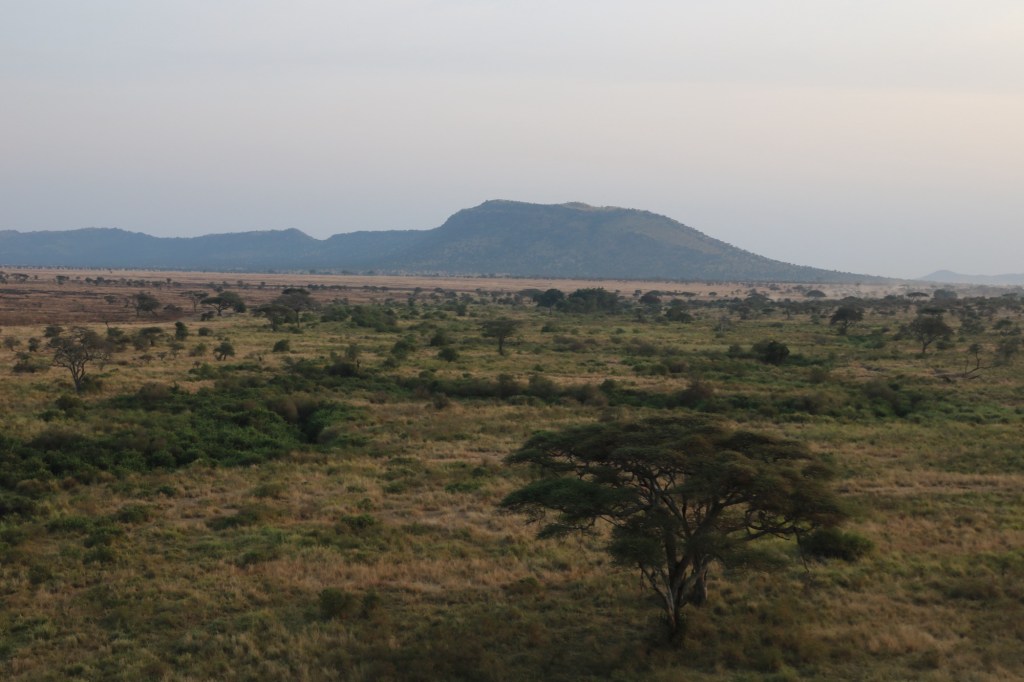
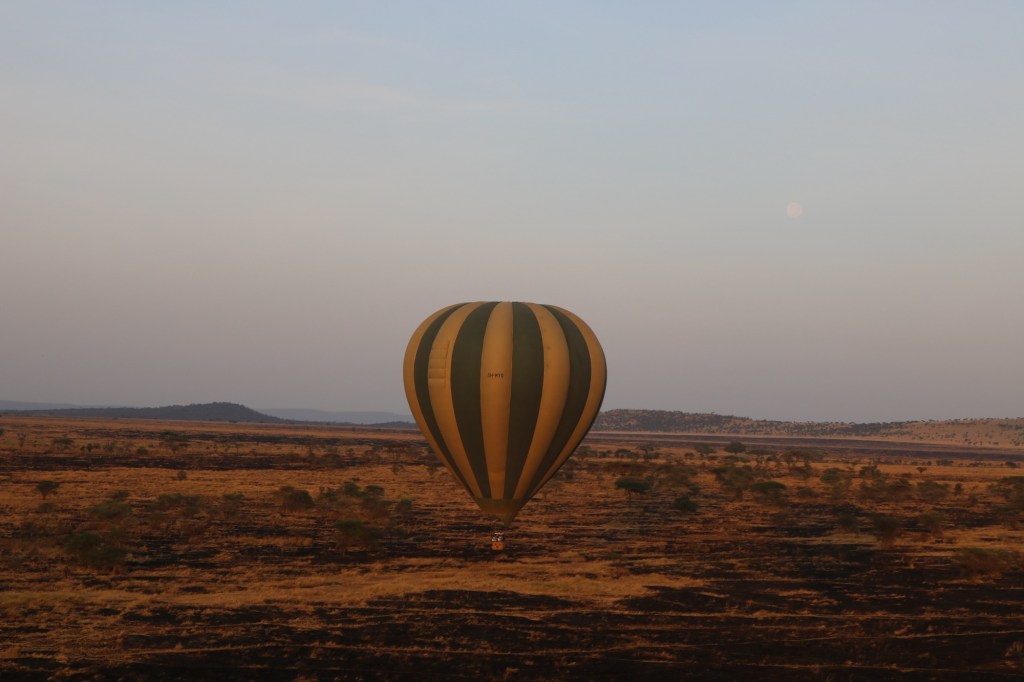
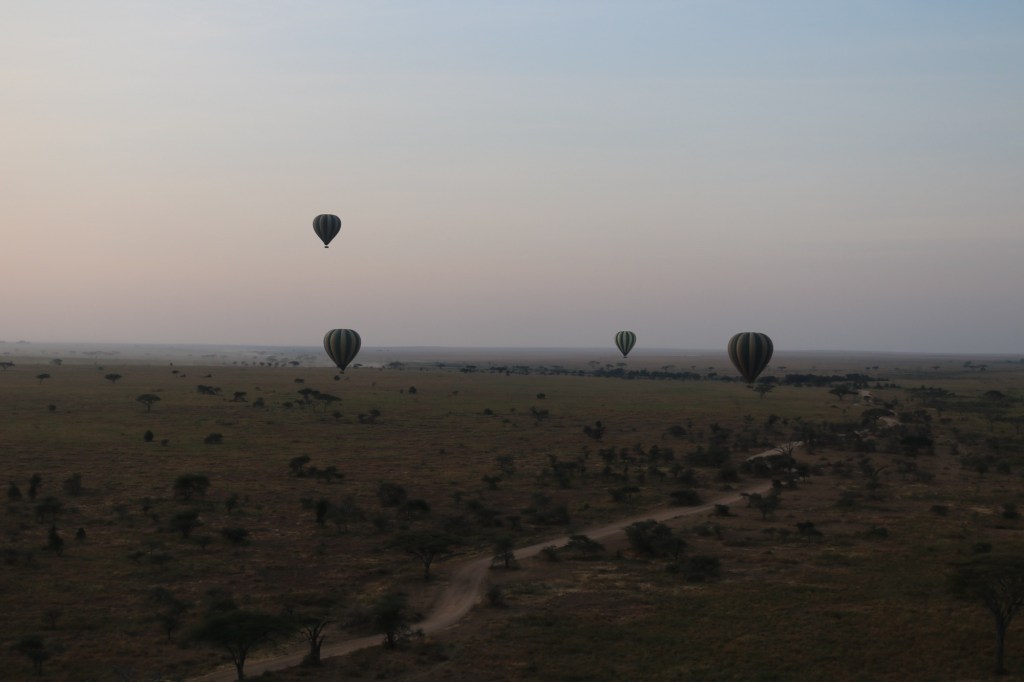
Another extremely early start the next morning, for my big splurge on this trip. A hot air balloon ride over the Serengeti at sunrise. I’ve never been in one before and I doubt I will go again, not because it was scary, it was actually very serene, but I figure I’m once and done with hot air balloons!
It was such a smooth ride, and incredibly peaceful, rising up and down over the plains, and only occasionally hitting the tops of the trees! I was pleasantly surprised at how many animals we could see. Hippos running, elephants, crocodiles, zebras. The light as the sun rose was incredible. And to see the sunrise from above, with the full 360 view was something I’ll never forget.
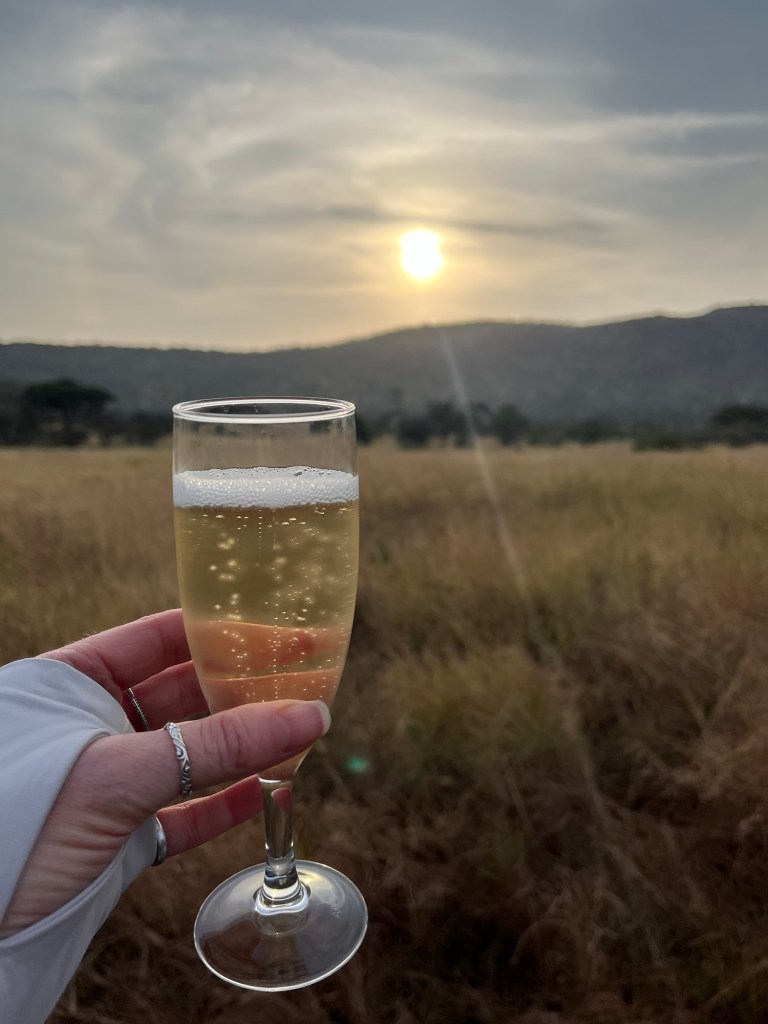
The landing was a little bumpy, but we did end up upright! And afterwards we had champagne and a cooked breakfast in the Serengeti, certainly a once in a lifetime experience!
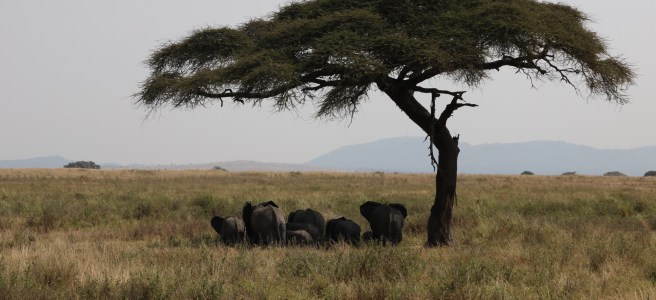
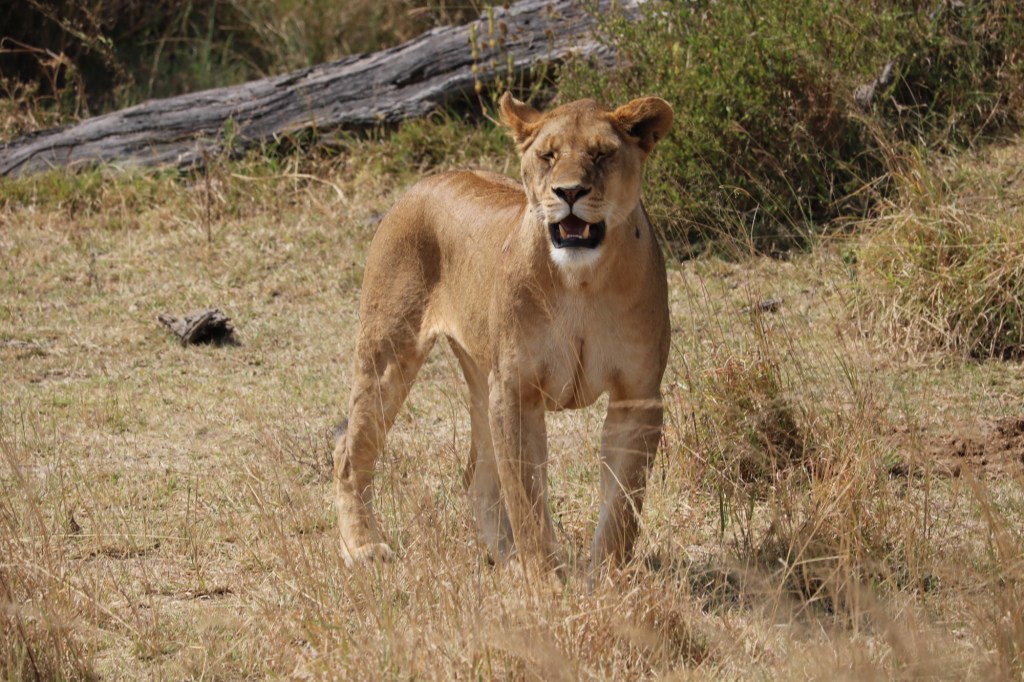
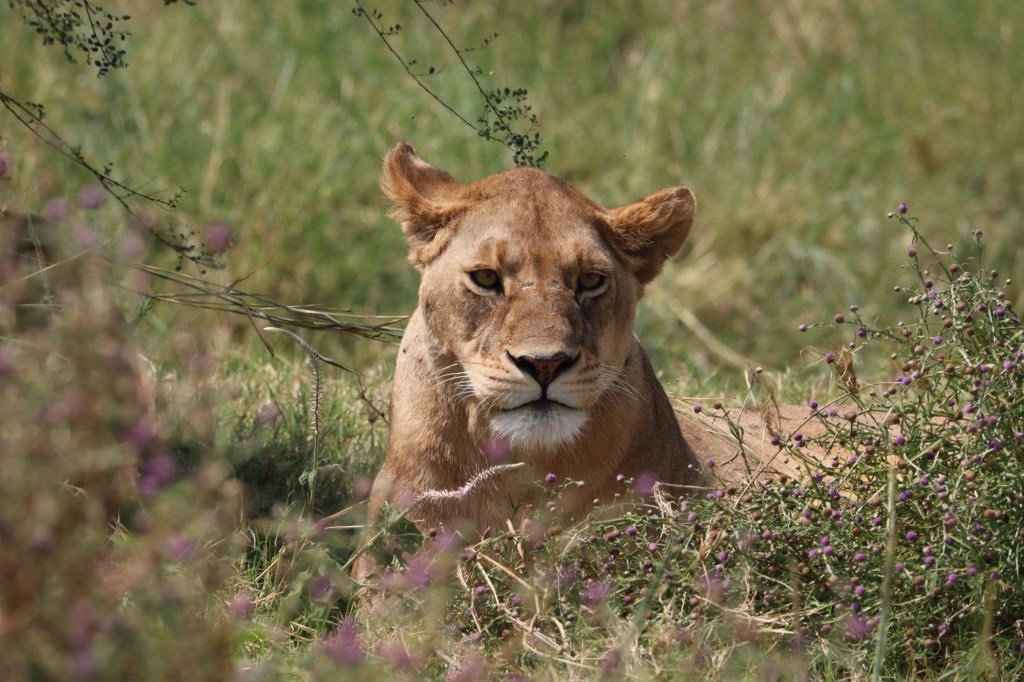
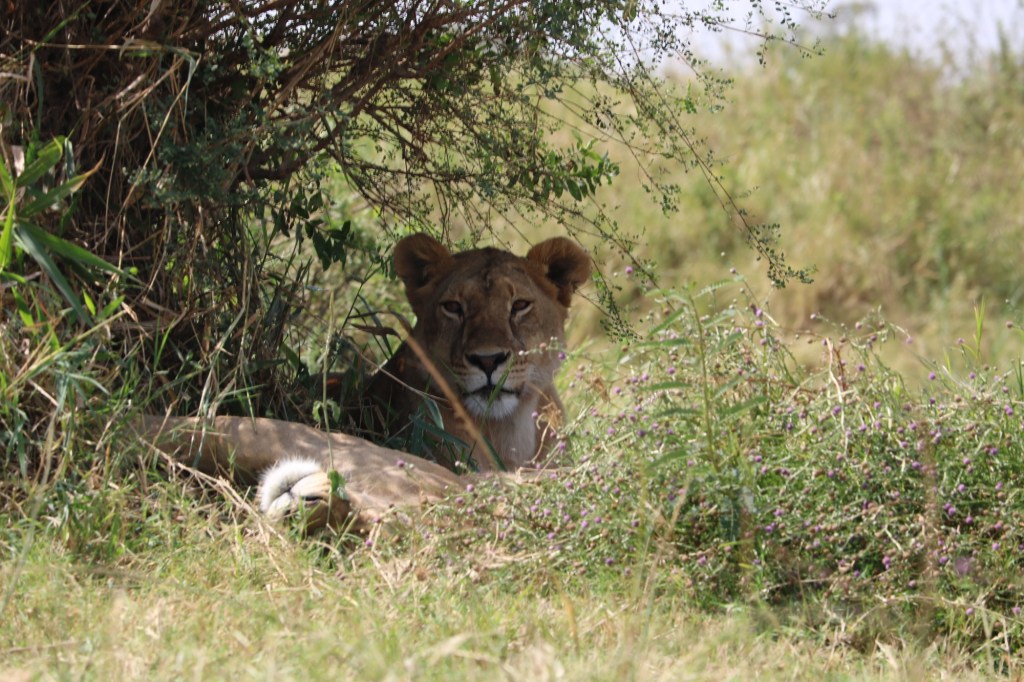
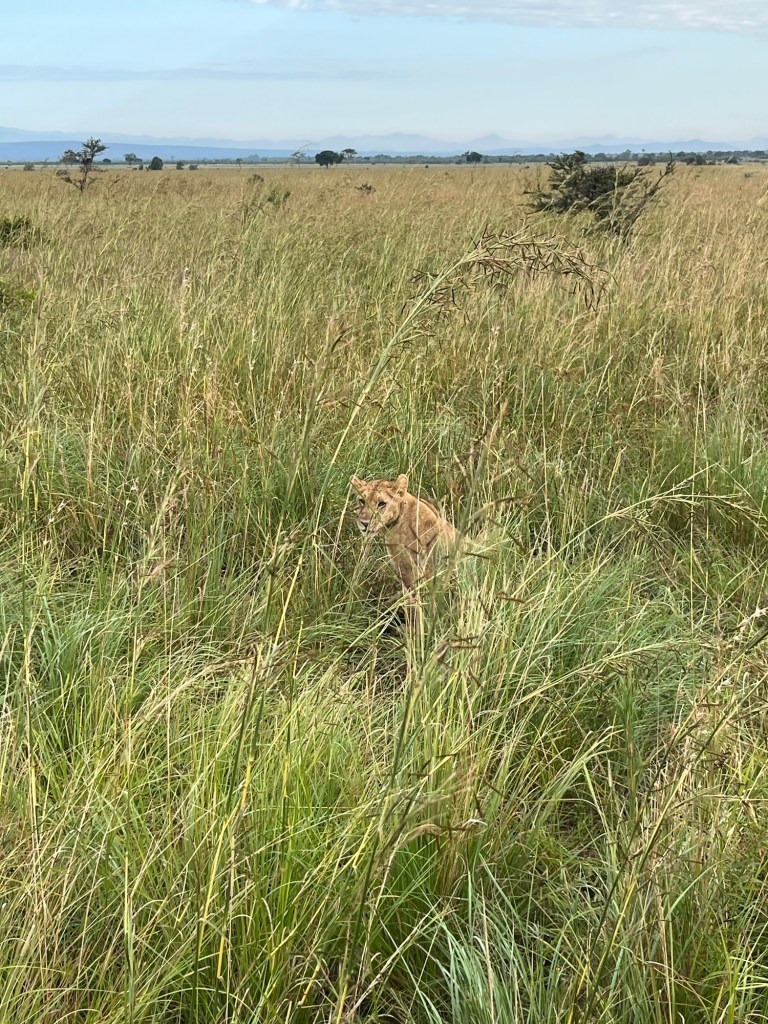
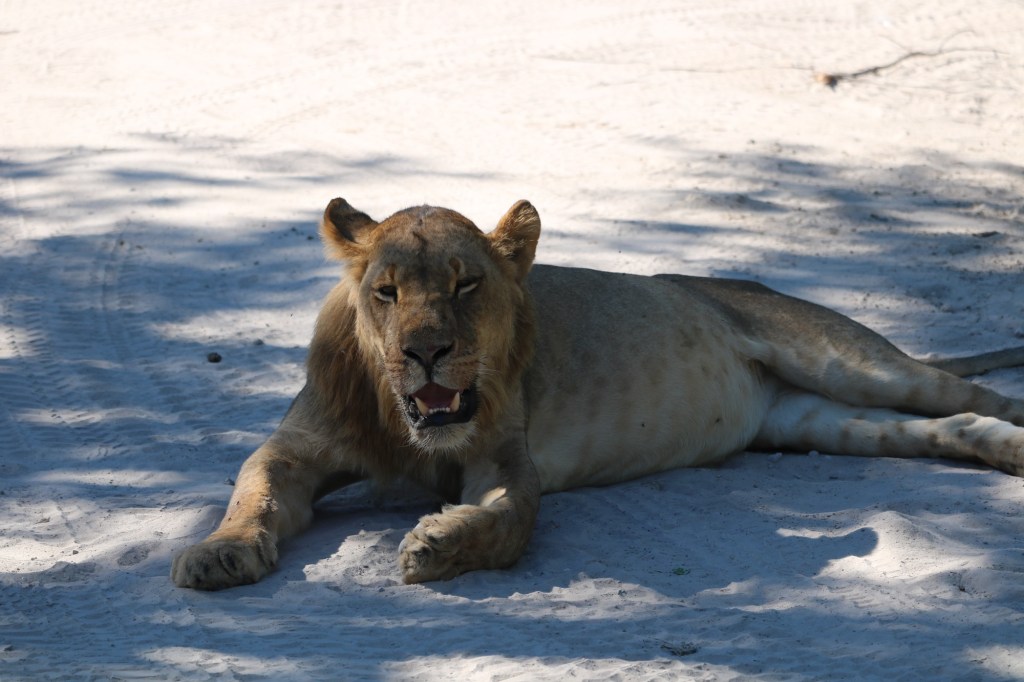
After breakfast I joined back up with the rest of the group and we then spent the rest of the day on a safari drive around the Serengeti. Aside from the hot air balloon in the morning, the highlight was seeing 2 lions roaming around, jumping across a small stream and then settling into the shade under the bush. Despite all the animals I’ve seen in Africa, it remains incredible to see the animals in this environment.
Surveying the audienceWeighing up the surroundings before leaping across the waterStraight down the barrelSheltering from the heat
We finished up and were back at camp at about 4pm. It was so nice to be back early (ish) and I enjoyed a bucket shower and then a relaxing glass of vino in the lounge tent. Another delicious dinner followed, to round off a truly excellent day.
We finished our Serengeti adventure the next day as we drove out of the park and back along the Ngorongoro rim, and eventually arriving at our final hotel in Tanzania, at Arusha. This was the final night of the trip as it would conclude when we got to Nairobi (a fairly short 4-5 hour drive, plus the Kenyan border) the next day. It’s always bittersweet when a trip ends, and this one more so as I’d had to cancel my original plans to carry on to the Maasai Mara and into Uganda to see the chimps and gorillas. I’m hoping I’ll be able to return one day in the not too distant future to complete this final leg, but, for now, it’s farewell to Africa.
As soon as we crossed the border from Malawi into Tanzania, there was an immediate improvement in the quality of the road. Unfortunately the roads in Malawi had broken something on the truck so, along with the 50kph speed limit, we limped to our first overnight stop in Tanzania, at Utengule Coffee Lodge, just before sunset. A lovely location just outside the bustling city of Mbeya, which was much more like what I’d imagined an Eastern African city to be like…noisy, busy, lots going on.
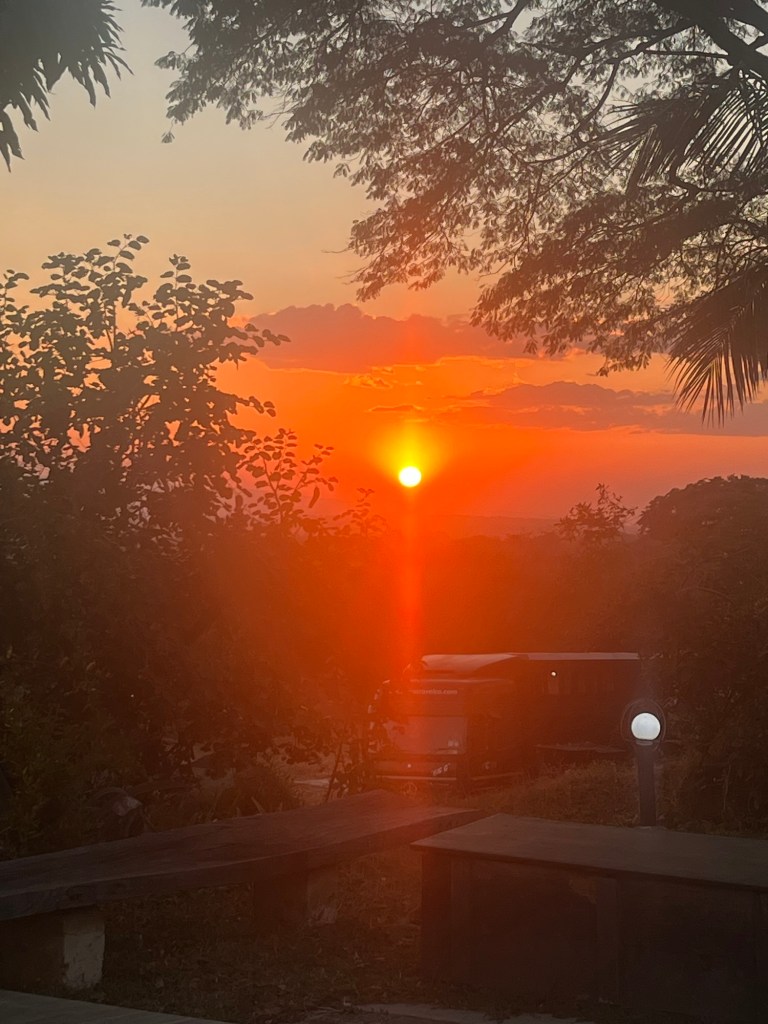
Transport in MbeyaSunset at Utengule
We started the next day with a tour of the coffee plantation attached to the lodge. Afterwards we hit the road towards Iringa. It was a long and slow drive as we followed the Great East Road which would eventually get us (in a few days time) to the port city of Dar Es Salaam. This road is the main route for trucks going to and from Dar, taking goods into and out of Tanzania, Malawi and Zambia. I don’t think I’ve ever seen so many trucks and, as it was a single carriageway road, it continued to be a slow journey.
Beautiful scenery despite the slow journey
This was another long day and we got to the next accommodation about 20kms outside Iringa in the dark. We left before sunrise the following morning and it was a real shame not to be able to enjoy the accommodation (or even see it in daylight) as it looked nice and quirky.
After 2 long driving days, we had a shorter drive the next day to Mikumi, where we would be staying 2 nights – woo!
On the way to Mikumi, we stopped off at the Baobab Valley where there are avenues of baobab trees. I first saw a baobab tree when I was in Zimbabwe 3 or so years ago and I find them fascinating and quite alien (to this Brit at least) with their fat trunks.
We arrived at the lodge just outside of Mikumi National Park in time for a late lunch. I then had a relaxing afternoon at the lodge and did my handwashing where I was able to wash enough to get me through to the end of the trip. Fortunately my room was big enough for me to drape a weeks’ worth of clothes around to dry!!
Another early start the next day but this time it was for a half day safari drive into Mikumi National Park. The first thing we saw were some impalas with their heads up and alert for danger. Hiding nearby in a tree was a leopard. At first I thought it was sleeping on a branch, but it soon stirred, and dragged the remains of its prey from its hiding place in the tree. The leopard deftly climbed down the trunk of the tree, clinging on to the remains of an impala before getting about a yard from the bottom of the tree where it then flopped into the long grass. Such an incredible sight to see.
A leopard with its breakfast
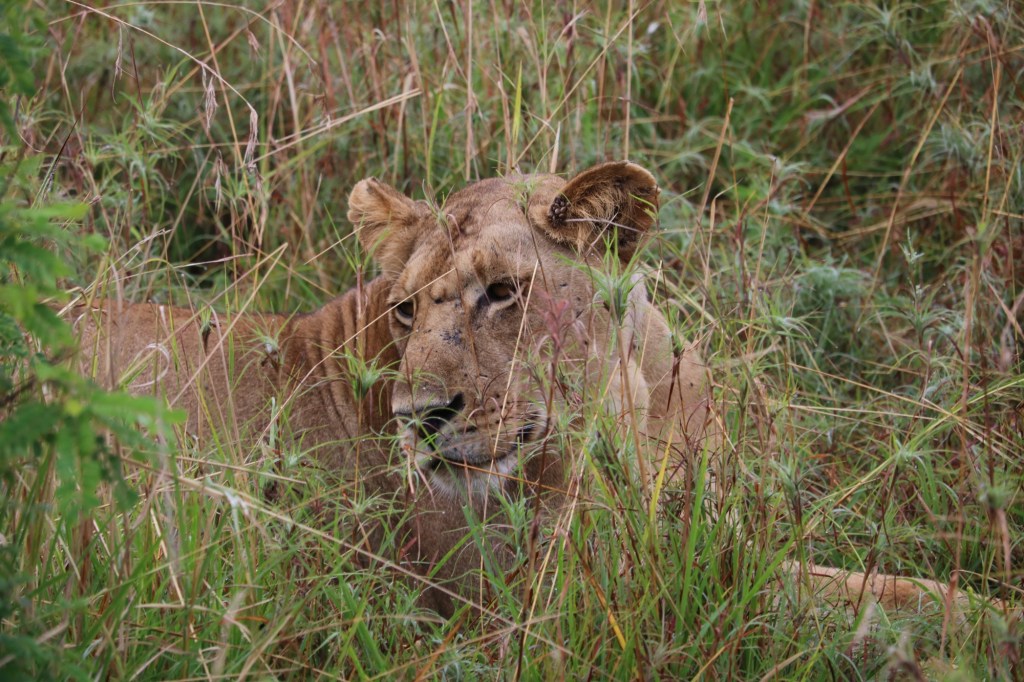
Not long afterwards we came across probably 8 or 9 lions lying in the long grass. At first I though there was only 1 or 2 but then as we continued driving they all revealed themselves just chilling in the grass.
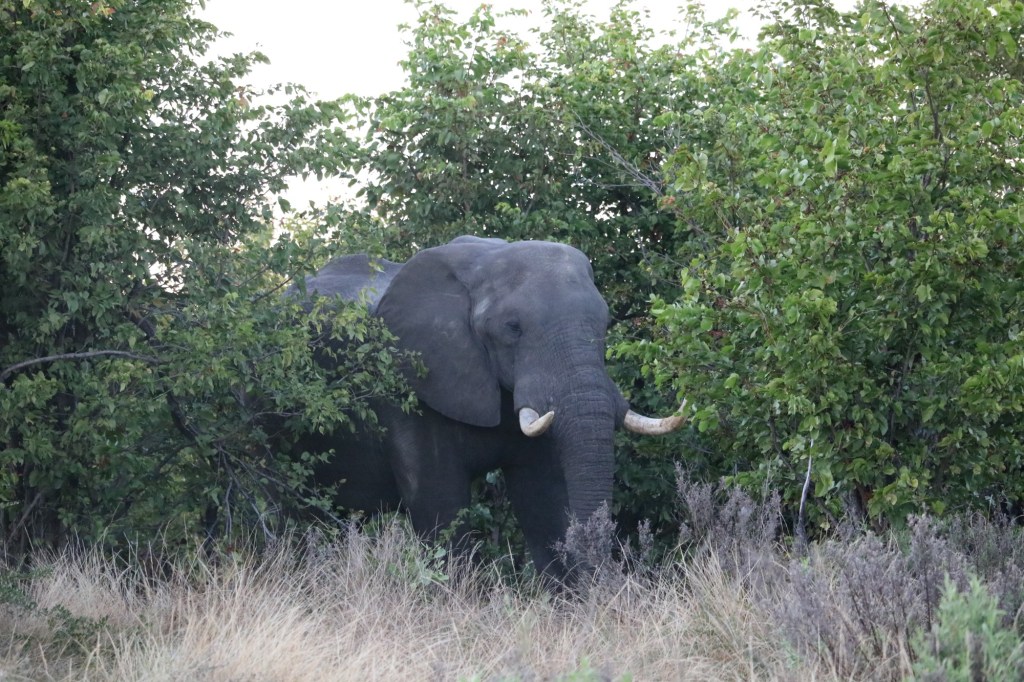
And then not long afterwards we came across a family of elephants again very close to the road. We stopped and watched for quite a while. Just such an amazing experience to witness these animals in this environment.
The sightings became a bit more sporadic after this as the day heated up and the animals were taking shelter. The grass was also pretty long which made spotting anything lurking in it quite difficult.
As we finished up in time for a late lunch, we did get another lion and some monkeys as we headed out of the park.
I enjoyed another relaxing afternoon at the lodge before we headed off early the next morning to Dar Es Salaam, the biggest city in Tanzania. A city of over 5 million people and easily the largest city since I left Cape Town over a month ago.
We arrived in Dar in the early afternoon. It was quite a change of pace from the last few weeks. A busy city, lots of traffic and lots of people. After a brief walk along the front near the ferry terminal, we escaped into the air-conditioning in the Hyatt for a cold beverage.
Crossing the border from Namibia into Botswana was relatively straightforward – unlike most of the countries I’m visiting on this trip, I don’t need a visa.
We had quite a long driving day on a fairly terrible road to the town of Maun which is a gateway town for the Okavango Delta.
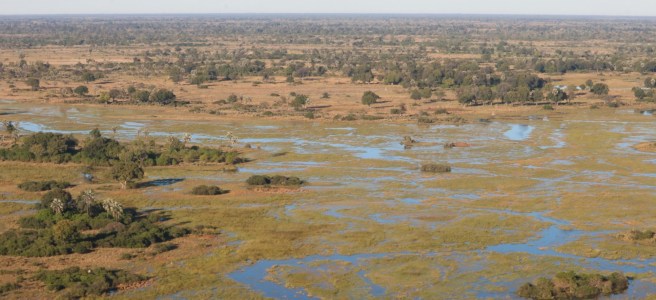
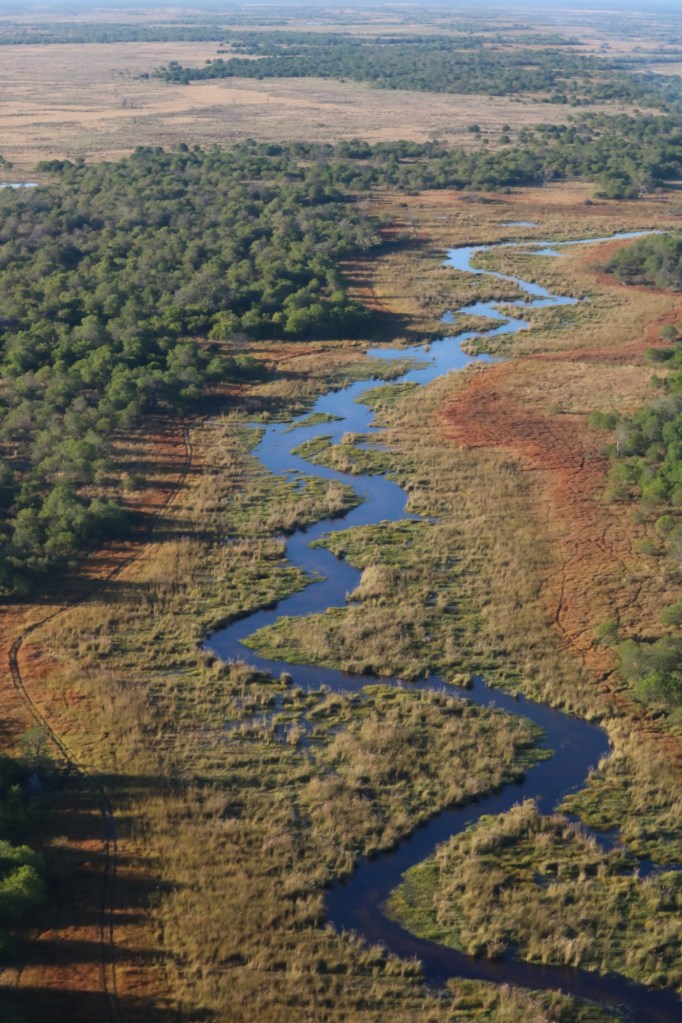
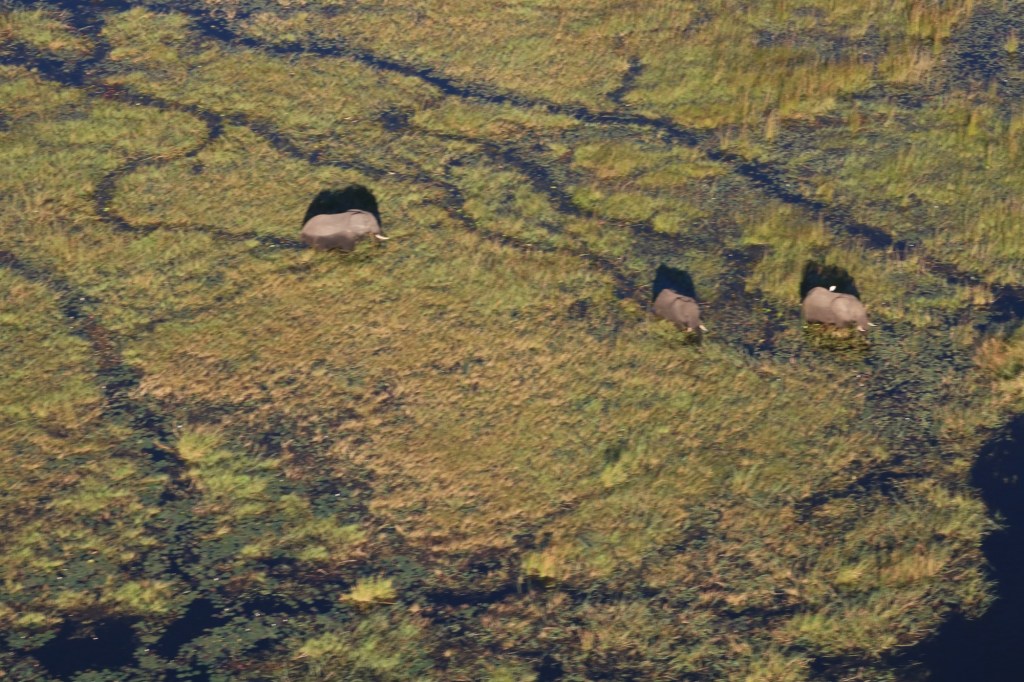
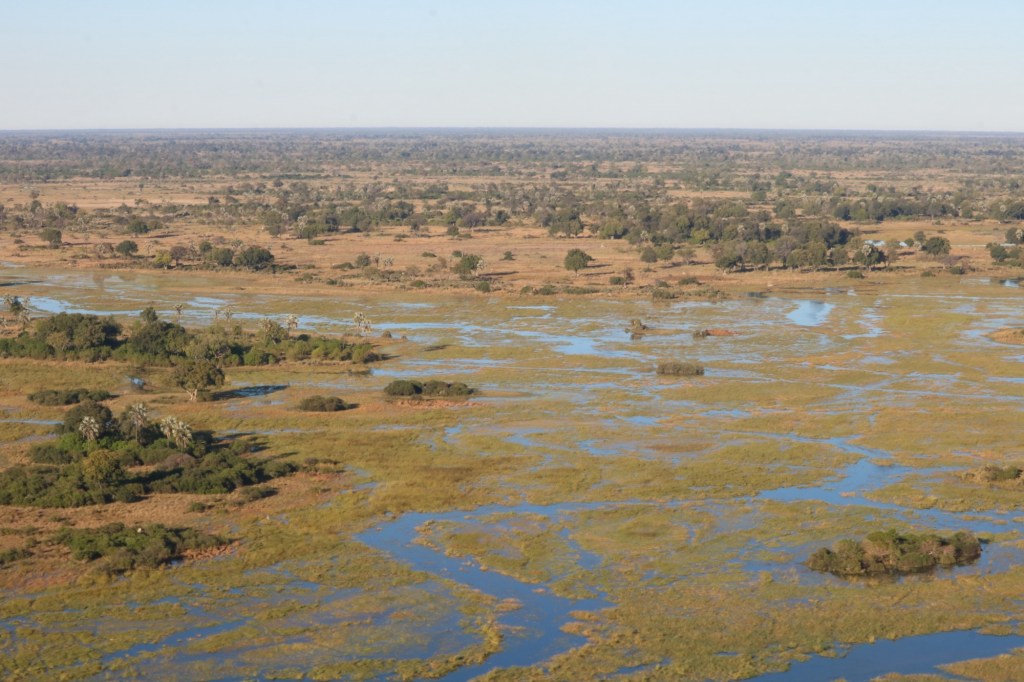
An early start the next morning for a scenic flight over the delta which was very picturesque, even if it was quite difficult to spot the animals!
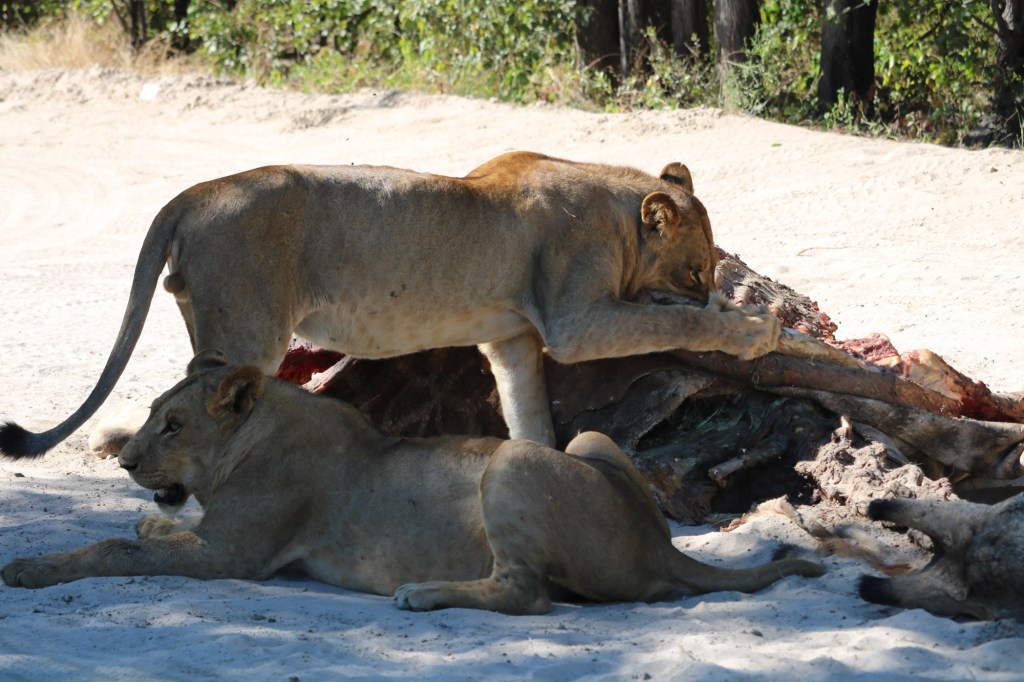
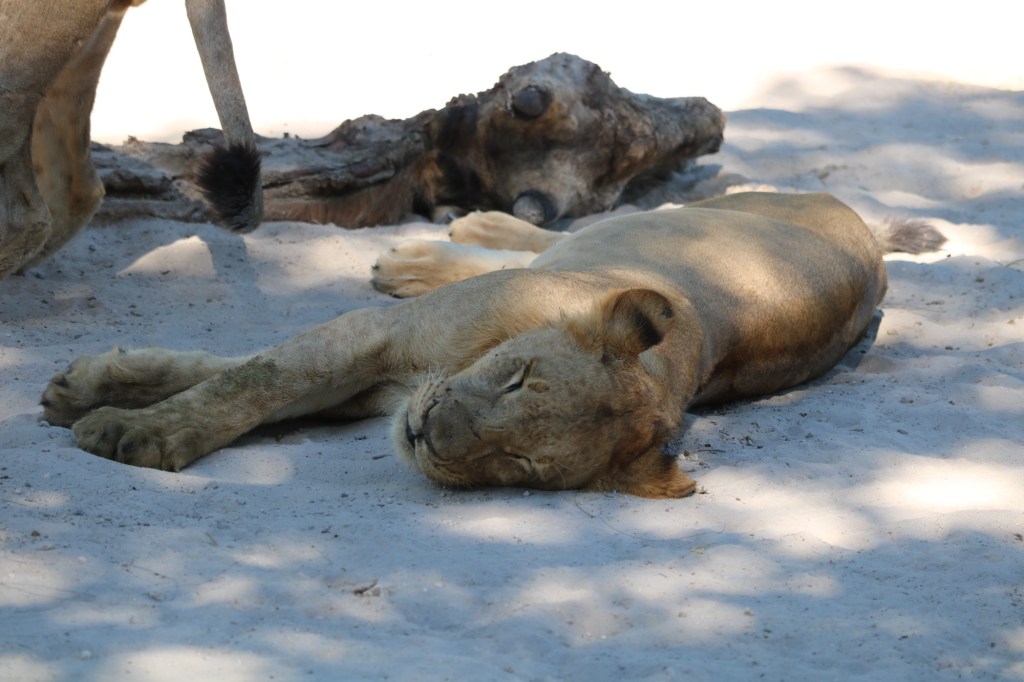
In the late morning we then set off into the delta in an open 4×4 down a long, dusty and bumpy dirt road. After a couple of hours, our driver slowed down a bit as he had spotted lion footprints in the sand on the road. And then just a little further up, we saw 2 lions feasting on a very dead giraffe. At once both the most incredible and gruesome sight I’ve seen.
It felt like it was staring right into my soul
We continued into the delta and after a short game drive we arrived at our tented accommodation for the next 2 nights. I am not much of a camper but I could get on board with these tents, very roomy with actual beds and en suite facilities consisting of a chemical toilet and a bucket shower.
After a delicious dinner and warming up around the campfire (I have misjudged the evening and night time temperatures – it is cold!!) it was an early night before a 5.30am wake up call for a full day of activities the following day. We all got bush babies (hot water bottles) to take to bed which were definitely needed!!
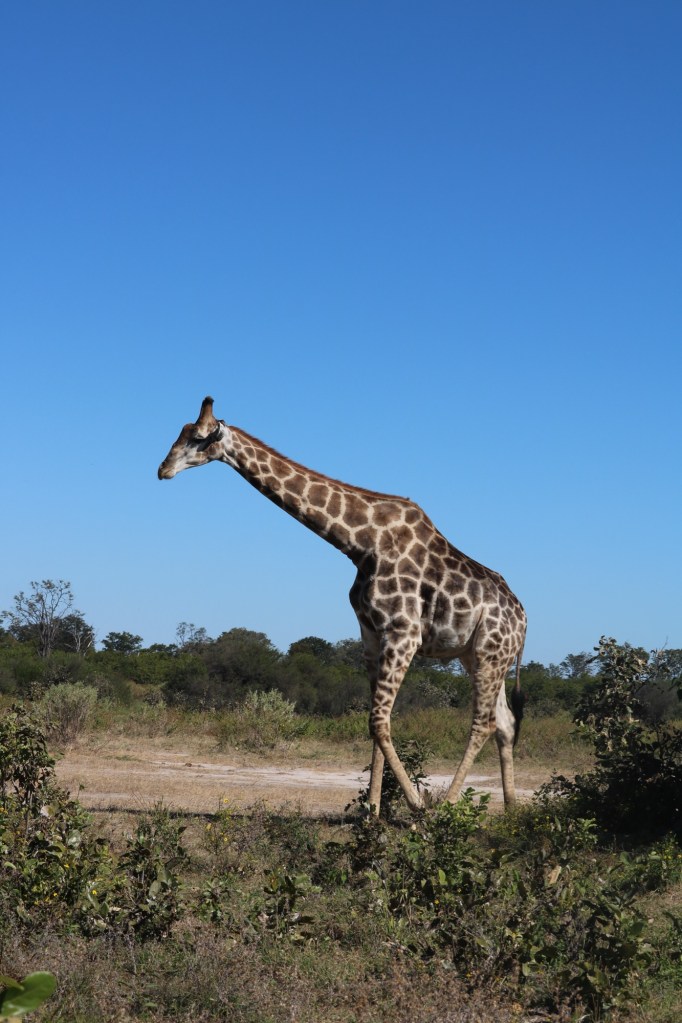
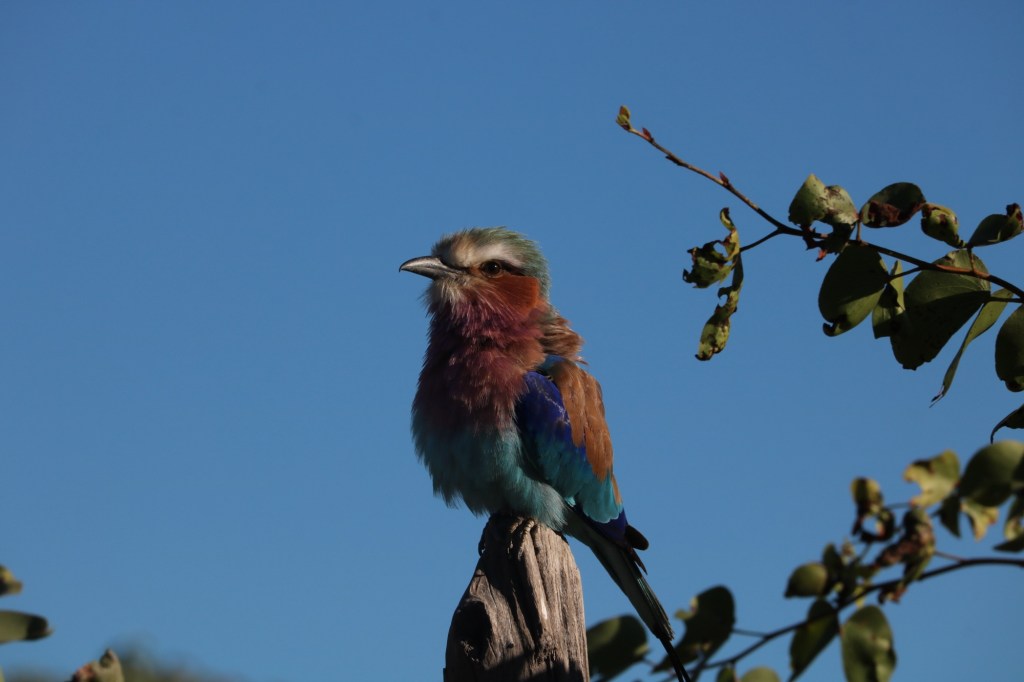
We had a morning game drive the next day, lots of elephants, giraffes, impalas, zebras, and fluffy and colourful birds. We also had 2 flat tyres in the space of 10 minutes which was quite exciting considering you’re not meant to get out of the vehicle when on game drives!! Thankfully no animals nearby and our driver was very adept at changing the tyre.
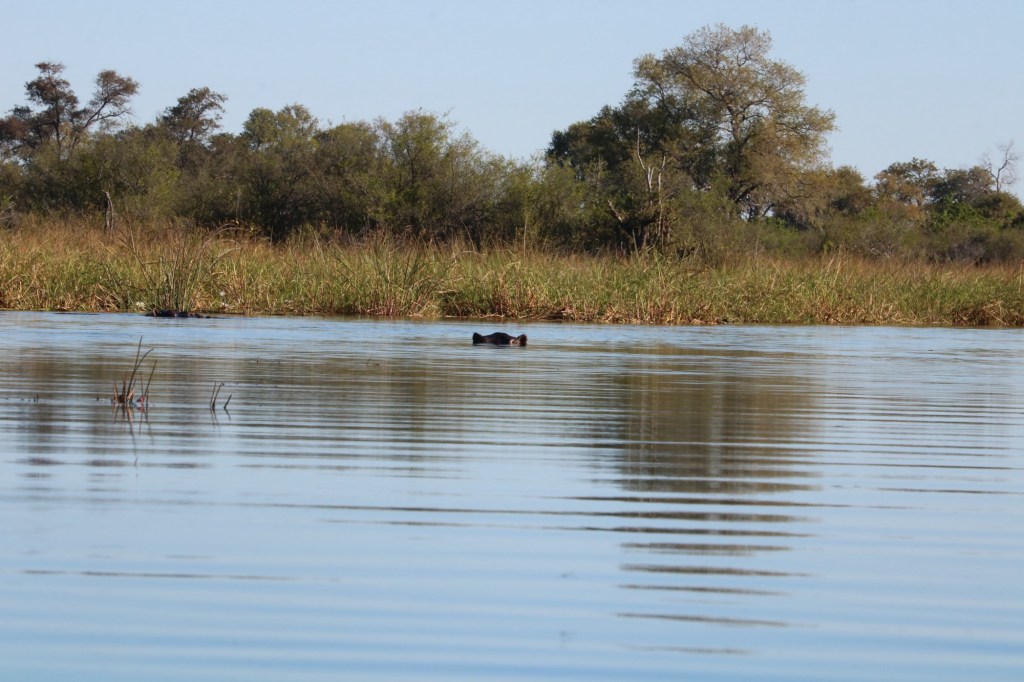
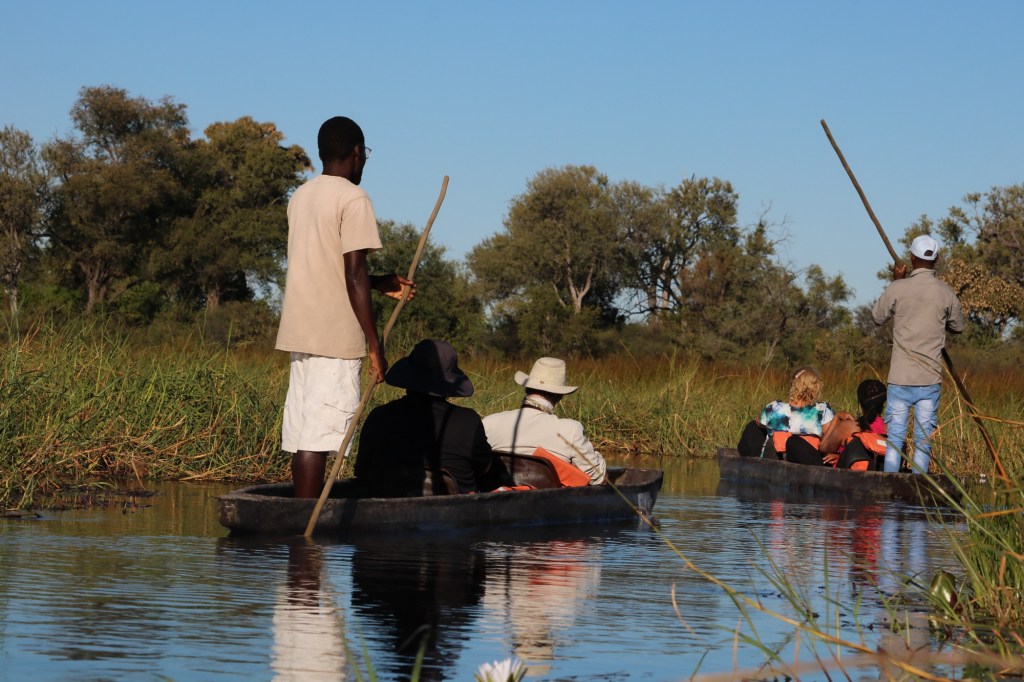
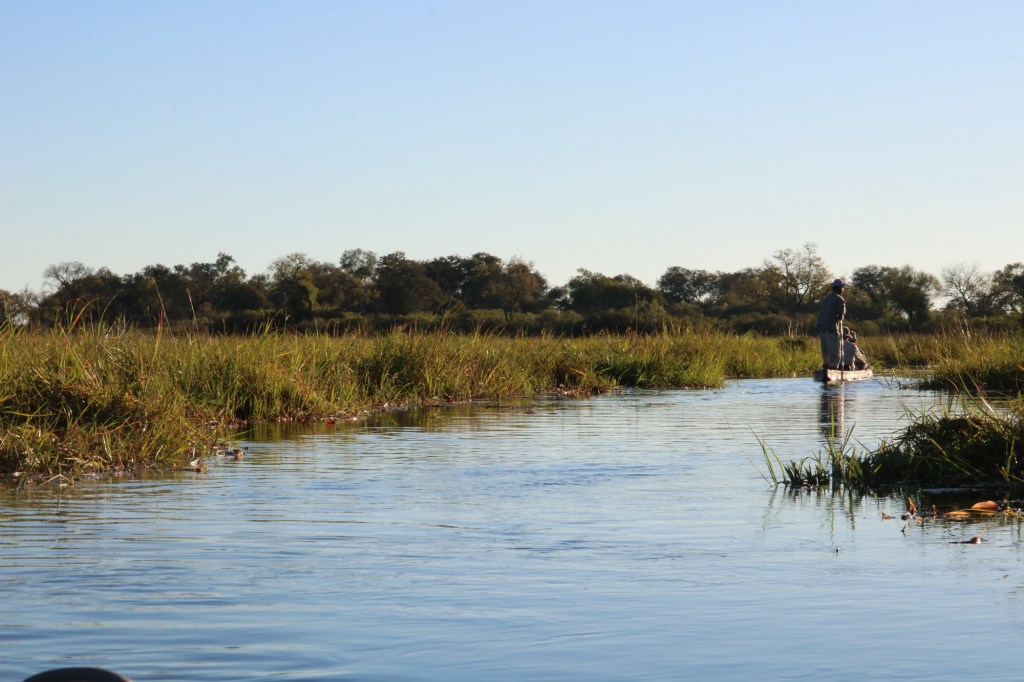
After lunch and a short rest back at the camp, we embarked on a mokoro trip along the waterways. Mokoros are traditional canoes which were carved out of wood, though the ones we used were made from fibreglass. They are propelled by one guy with a long pole, almost like gondolas. It was a supremely peaceful way to spend a couple of hours, meandering up and down the river, watching the flies and insects darting in and out of the water, a few hippos and the occasional bird in a distant tree.
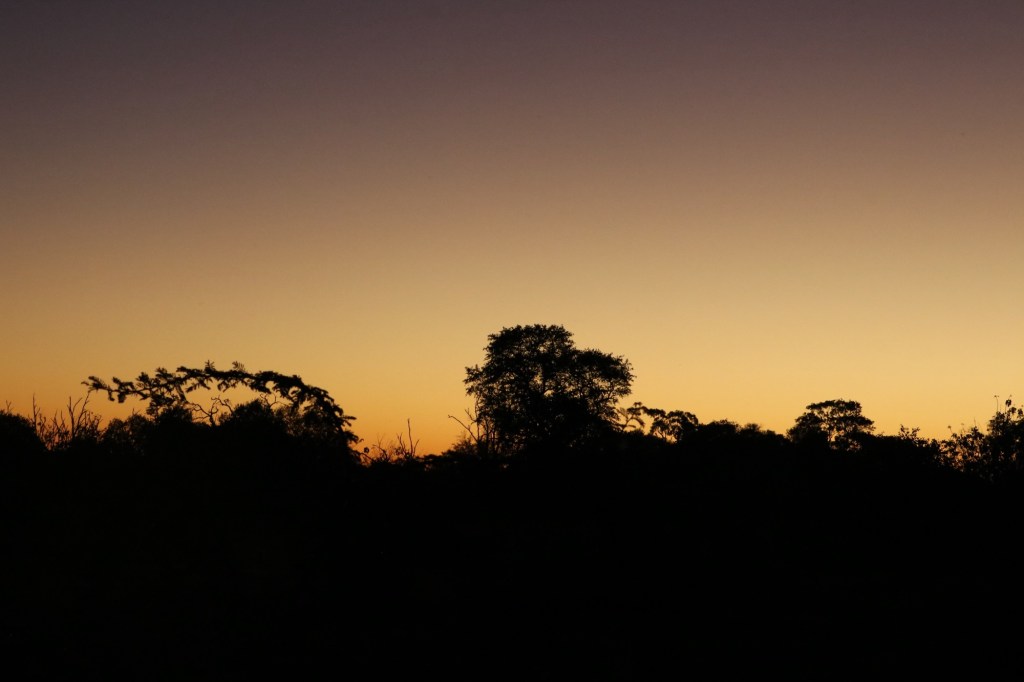
On the way back we saw an awesome sunset, with all the trees silhouetted against the orangey pink sky, just stunning.
Dinner that evening followed by another bush baby. I’d also doubled up on the duvet and blankets and was, frankly, a bit too warm that night!!
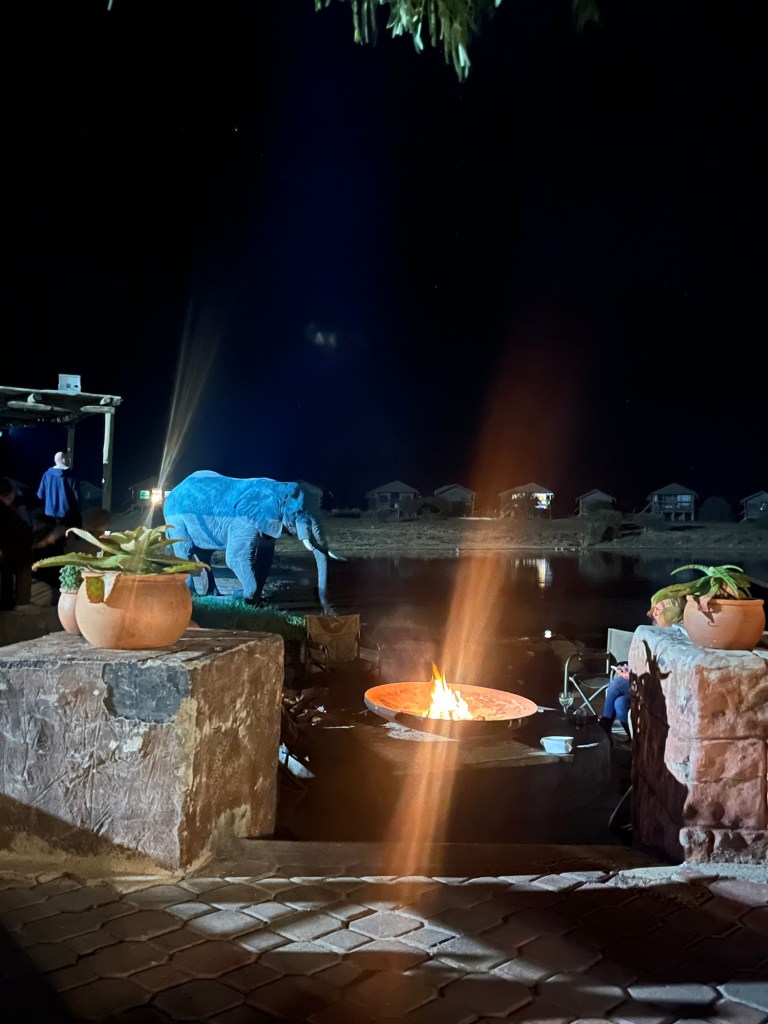
Another early start the next day to drive the 5 hours back to Maun to be reunited with our overland truck before continuing on for another nearly 7 hours to our next lodge near Nata. Such a long day. This lodge was called Elephant Sands and had a watering hole. As we were eating dinner in the evening, an elephant came for a drink which was so cool to see.
Back on the road early the next morning as we headed to our last stop on this brief visit to Botswana, in Chobe. This was a relatively short driving day and we were at our accommodation in Kasane by lunchtime.
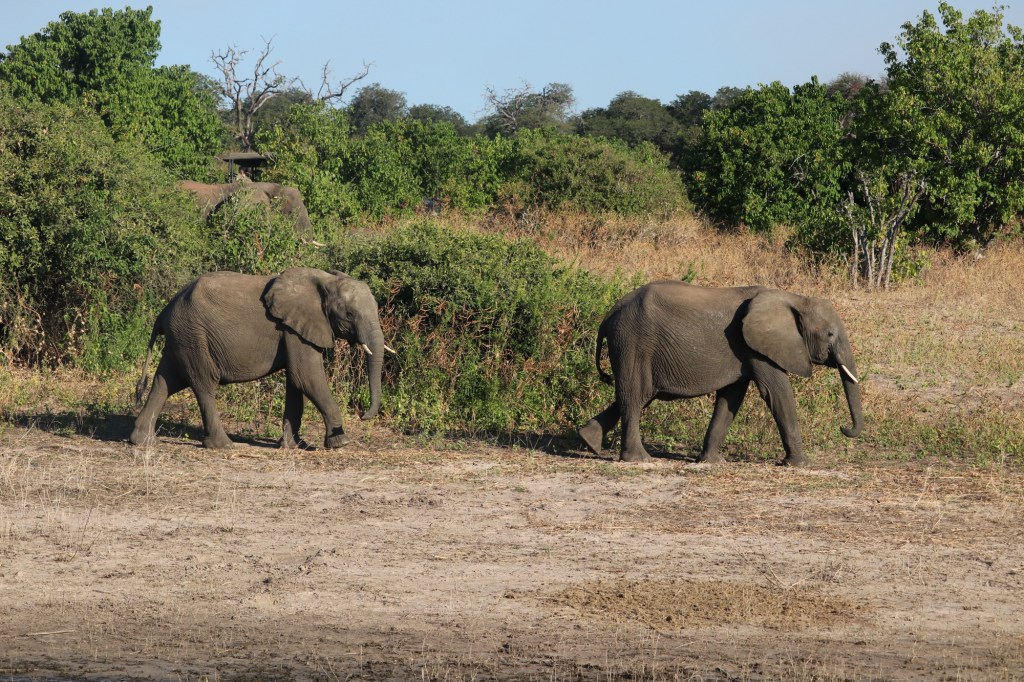
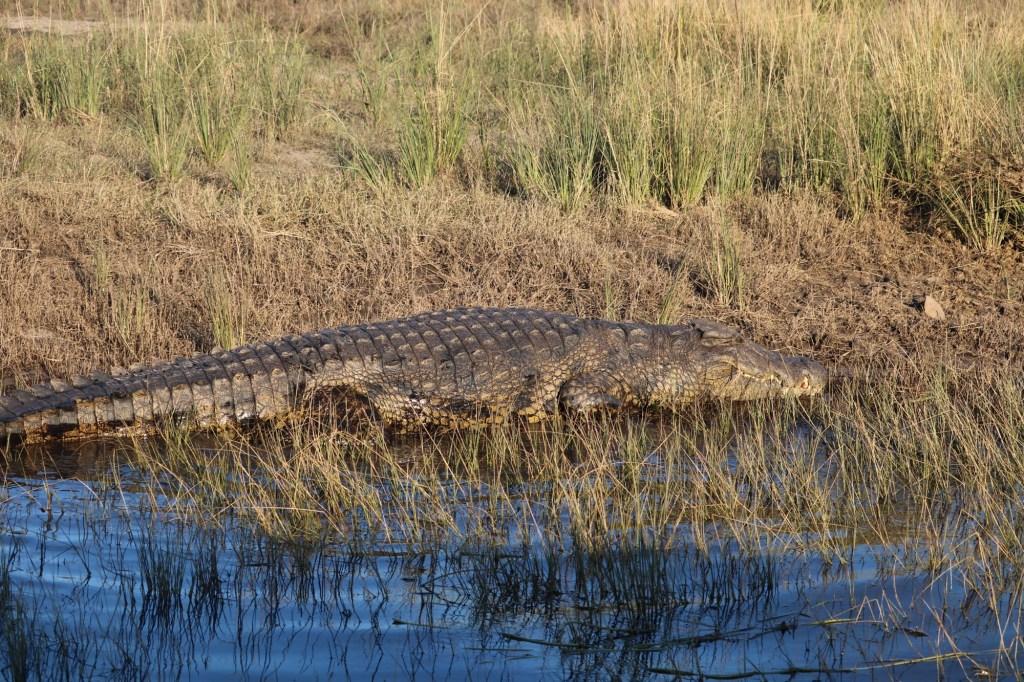
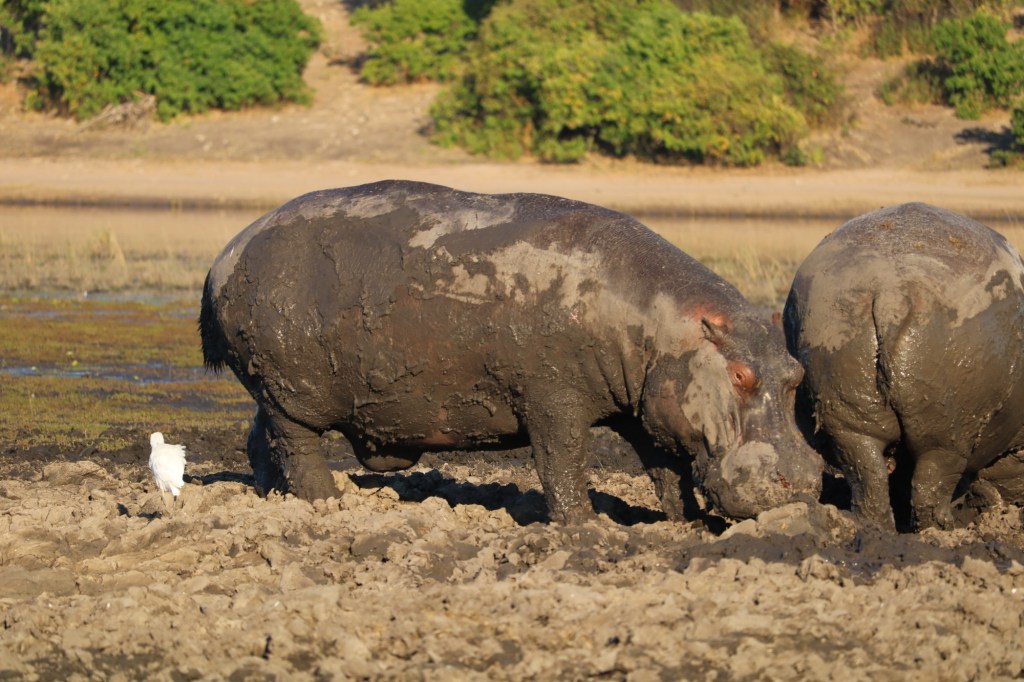
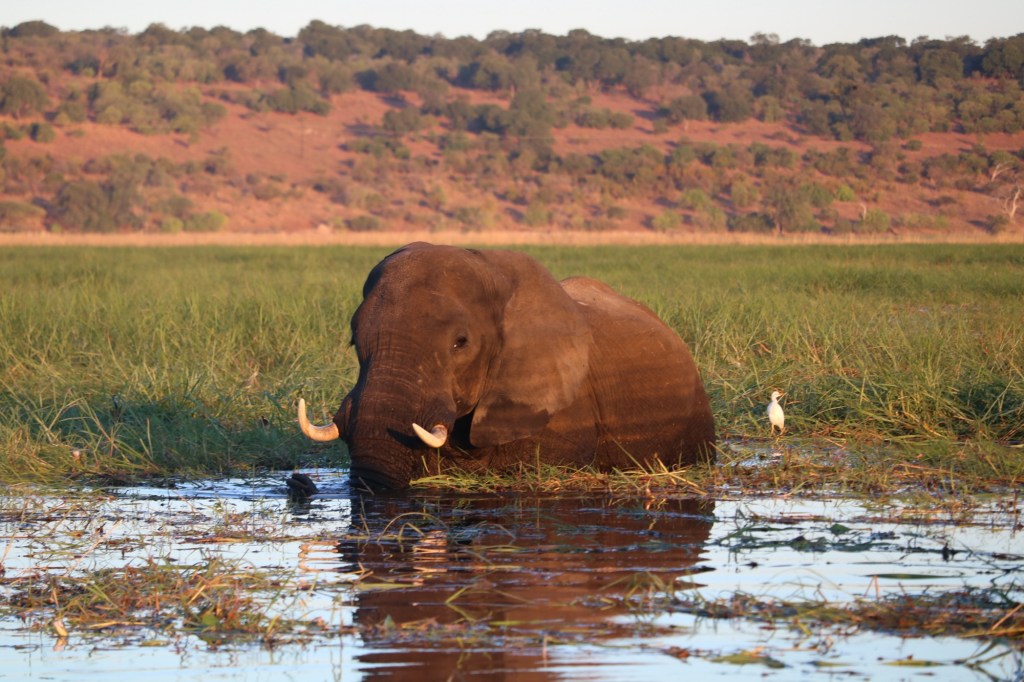
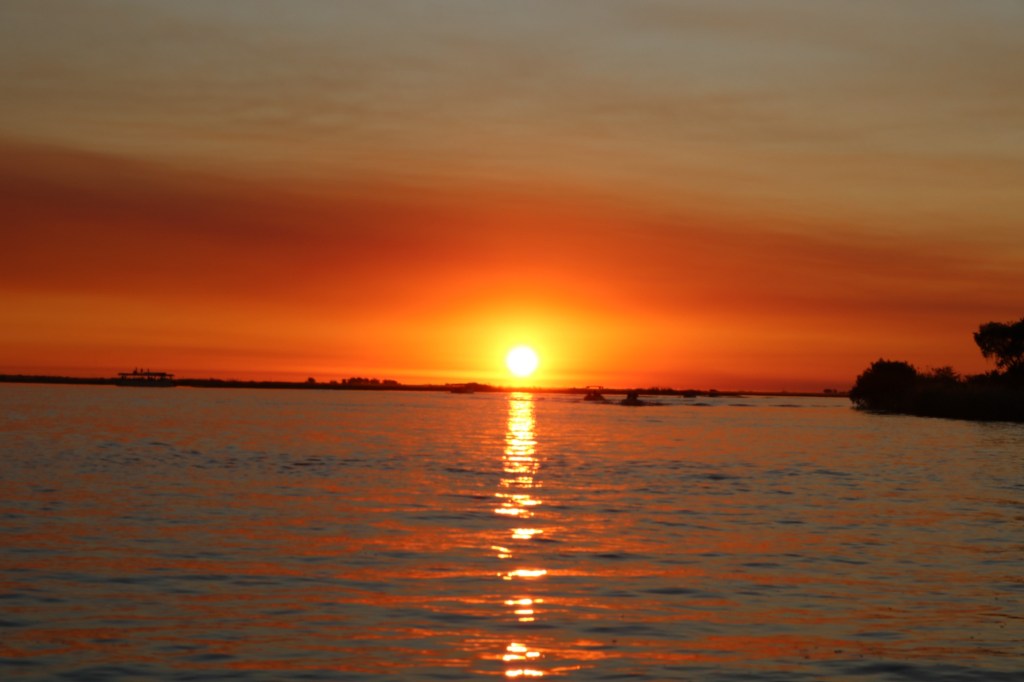
In the afternoon we enjoyed a river cruise where we saw lots of elephants walking and bathing along the river, a few crocodiles and hippos. This was the first time I’d seen the hippos out of the water. Lots more bird life and we also caught an awesome sunset before returning to shore.
This was such a brief visit to Botswana, only 5 nights in total but so much great wildlife viewing, and some incredible sunsets.
Next up, an overnight in Victoria Falls, Zimbabwe before onwards to Zambia.
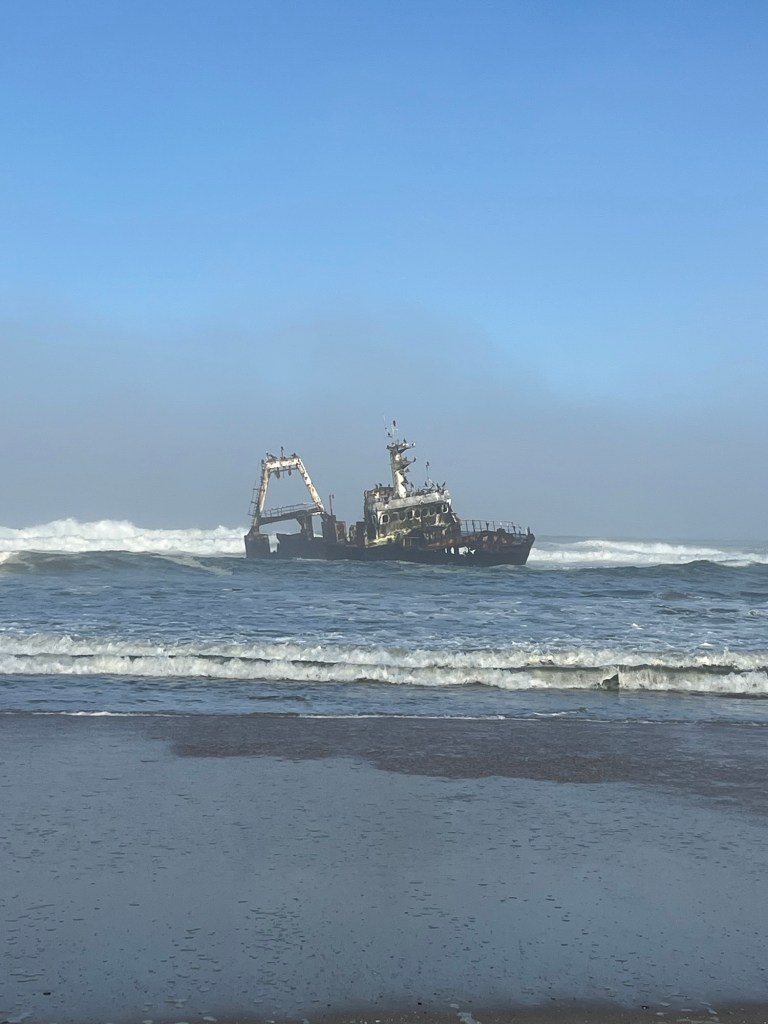
We left a misty and foggy Swakopmund after breakfast and drove up the coast. Not that we could see anything… We did stop at a shipwreck which this stretch of coastline in notorious for. The ship was wrecked in 2008 and is still bobbing away just off the shore.
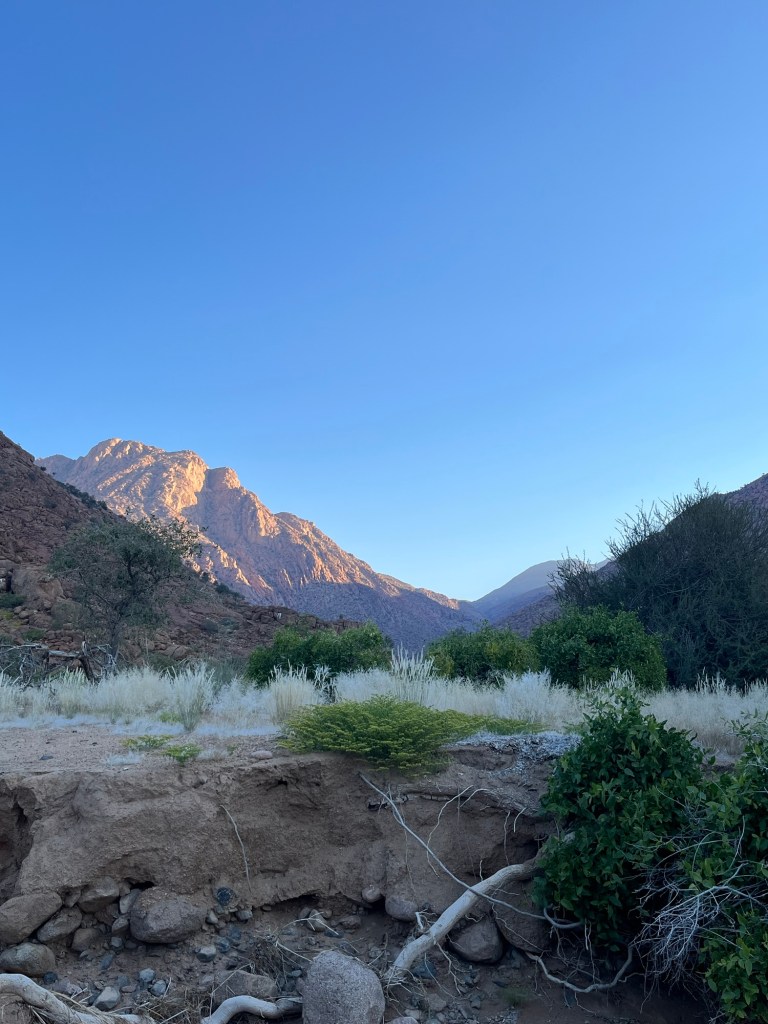
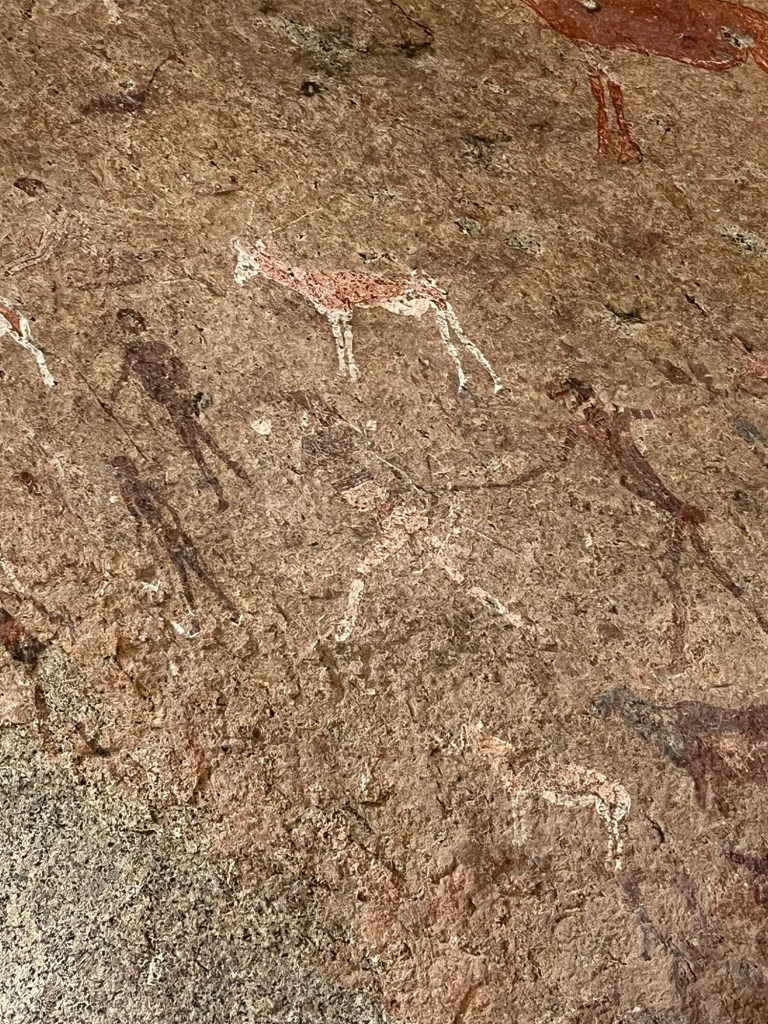
We then turned inland and arrived at our next accommodation at Daureb Isib in time for lunch. This accommodation is very near to the Brandberg mountain and in the afternoon we drove to the mountain and had a 3 mile round hike along the riverbed to see some cave paintings, the most famous of which is the White Lady. It’s really incredible to think of the age of these paintings. They reminded me of some similar ones I saw in Matobo in Zimbabwe.
Brandberg mountainThe White Lady in the centre
After dinner that evening, I attempted some night sky photography but we’re approaching a full moon so it wasn’t super-successful…
A 9am departure (such a luxury on this trip, it’s often been pre 8am and earlier), for a bit of a drive day to our next stop just outside of Etosha National Park.
We made a couple of stops along the way, and I bought a small local artwork to go with my increasing collection of local paintings from my travels. The bonus is that flat things are easy to carry!
We arrived at some very nice lodges about 20 minutes from Etosha in the late afternoon. I’ve generally been impressed with the quality of accommodation on this trip. In southern Namibia we stayed in a couple of basic motels in places where there wasn’t much going on but, in the Namib desert, the previous night at Brandberg mountain and at Etosha, they have been quirky and interesting and very comfortable. More upgraded than G Adventures or Intrepid in my experience.
We had a full day game drive in Etosha National Park the next day. The park opens at sunrise (about 7.30am) so we were up early and ready to go.
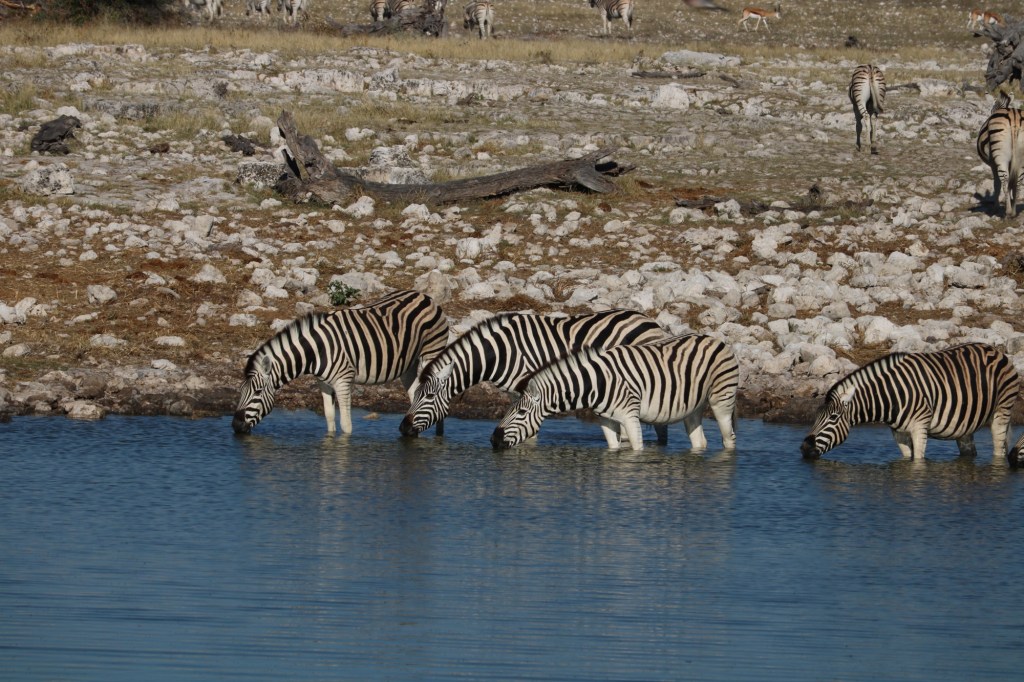
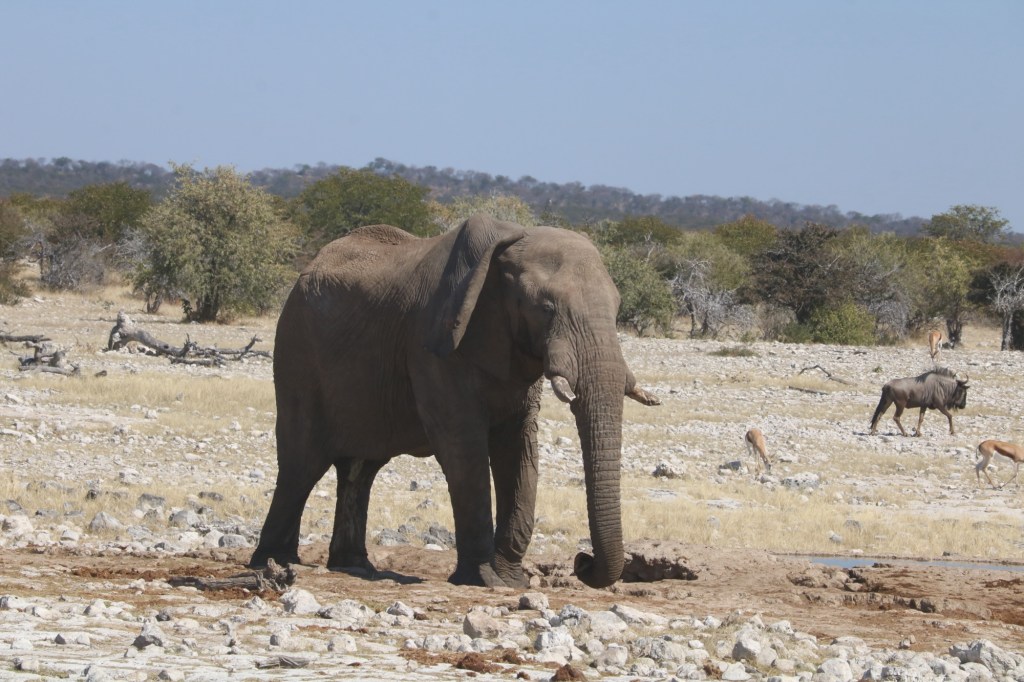
We stopped at a couple of watering holes to start with which had quite a few animals getting their morning drinks before heading out for a day in the bush and savannah.
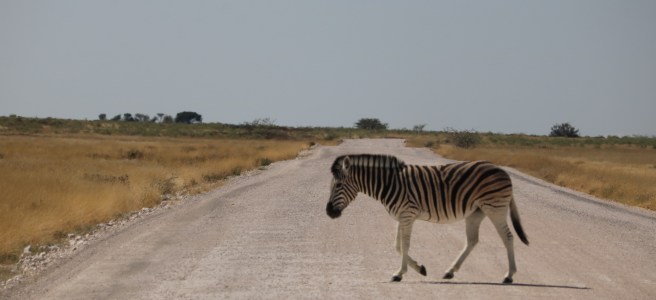
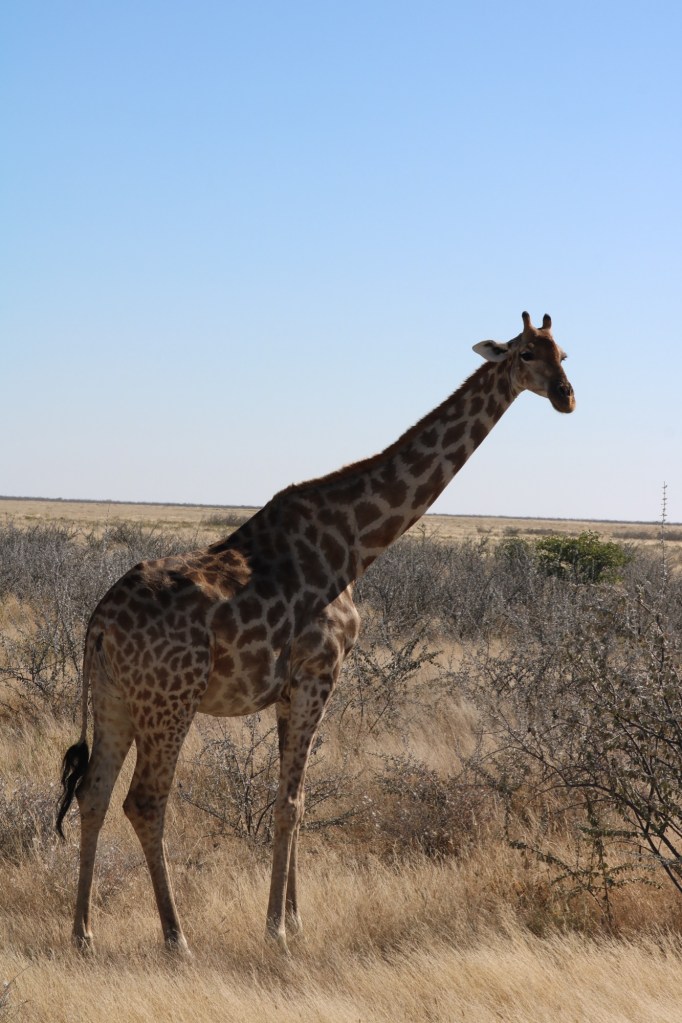
Springboks seemed to be the most abundant animals in the morning but there were also plenty of zebras and a few giraffes.
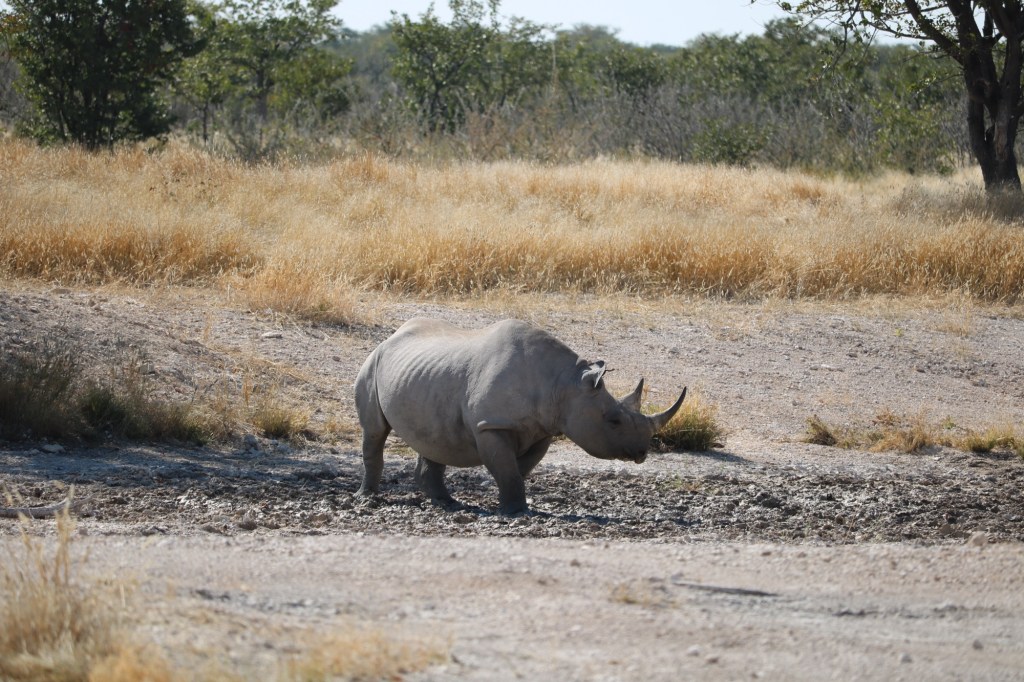
The highlight of the morning was a black rhino having a drink and finding some food in a muddy patch. I’ve been fortunate to see a lot of different animals on my previous trip to South Africa and Zimbabwe but this was my first black rhino which was really cool to see.
We carried on deeper into the park, to the salt pans which are currently dry. Not much wildlife to be spotted there. After lunch at the Halali rest stop we headed back the way we’d driven in the morning.
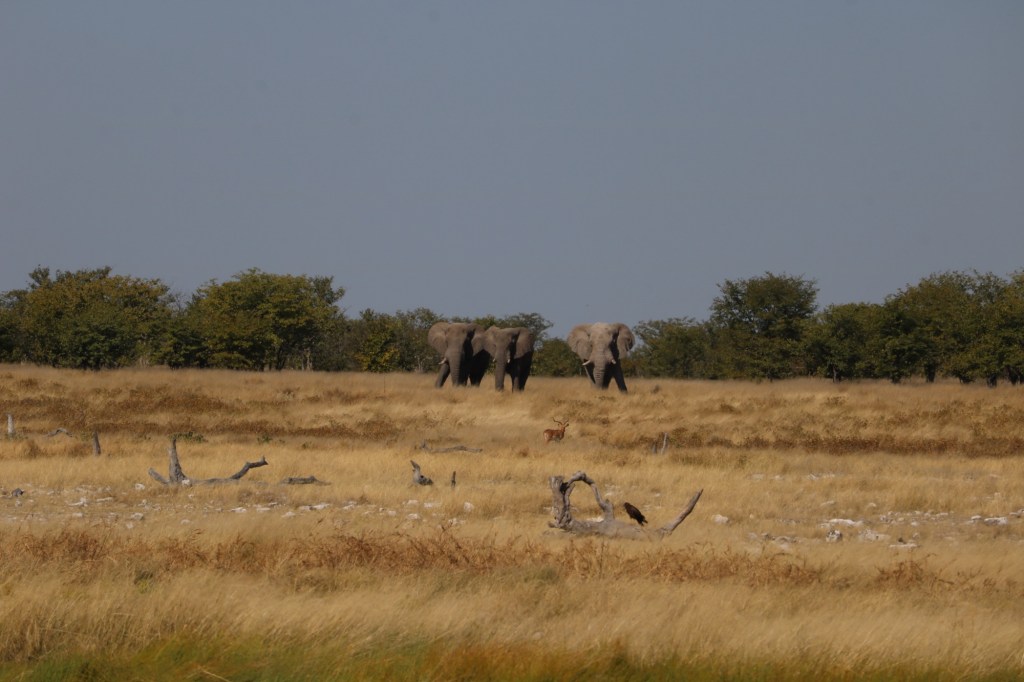
It seemed like there were much fewer animals about at this time, perhaps from the heat of the sun. We stopped at another watering hole for a while, there were giraffes, zebras, kudus, impalas and springbok all waiting their turn at the watering hole. And then, far in the distance, 3 bull elephants very, very slowly emerged. We must have waited a good 30 minutes to see if they would come down closer to the watering hole. They eventually started moving, slowly, but we had to leave in order to make sure we’d be out of the park before sunset.
Elephants emerging from the distance
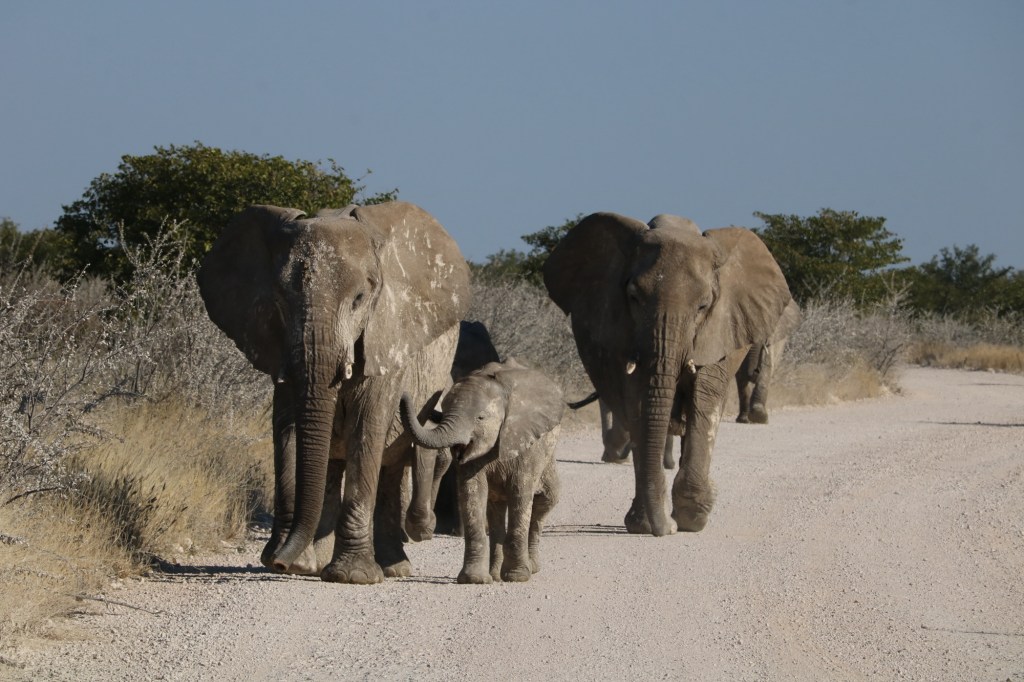
I was feeling a bit disappointed that we hadn’t seen many elephants, especially as Etosha has a lot of them. And then, again when we had driven for quite some time without seeing anything, suddenly in the middle of the road was a family of elephants. We had to stop as they were blocking the road! Really special to see, and they got quite close to our 4×4 which was exciting and nerve-wracking at the same time!
After that it was time to head back to the lodges for dinner and a rest as it had been a long, but exciting, day.
The next day we had a leisurely start as, for some people, this was a changeover day in the trip. We were waiting for some new people to join us, who were being driven the 4ish hours from Windhoek, and then the people leaving us would be driven back to Windhoek. After we’d all had lunch together it was time to say farewell to our new friends who would be leaving us. It’s always amazing to me on these trips how soon you become a family and develop friendships with people from all over the world who I only met a few days ago. And it’s always bittersweet to say goodbye. My trip in Africa is 8 weeks so I think I’m going to have a few more of these hellos and goodbyes before I leave.
After lunch, those of us continuing the journey headed back to the park for a drive through and out through the eastern end. Having seen relatively few elephants the previous day, the park seemed to be teeming with them on this afternoon. Again we were on a deadline to be out of the park before sunset so there wasn’t quite the same opportunity to sit and watch the animals as the previous day but it was still very cool to see the animals, even briefly.
We exited the park with about 20 minutes to spare and still had another hour or so to go to our next accommodation in Tsumeb. This stop was just a quick overnighter as we arrived late and left early for another long drive day. We were heading to our final stop in Namibia, at Divundu on the Kavango River, and fairly close to the Botswana border. Namibia is a vast country and, as you’d expect on a long overland trip, there have been a few long drive days to get between highlights. This day was one of those. Thankfully a tarred road the entire way (not always the case, especially on our way to Fish River Canyon and the Namib desert), but it was late afternoon by the time we arrived at our accommodation on the banks of the river.
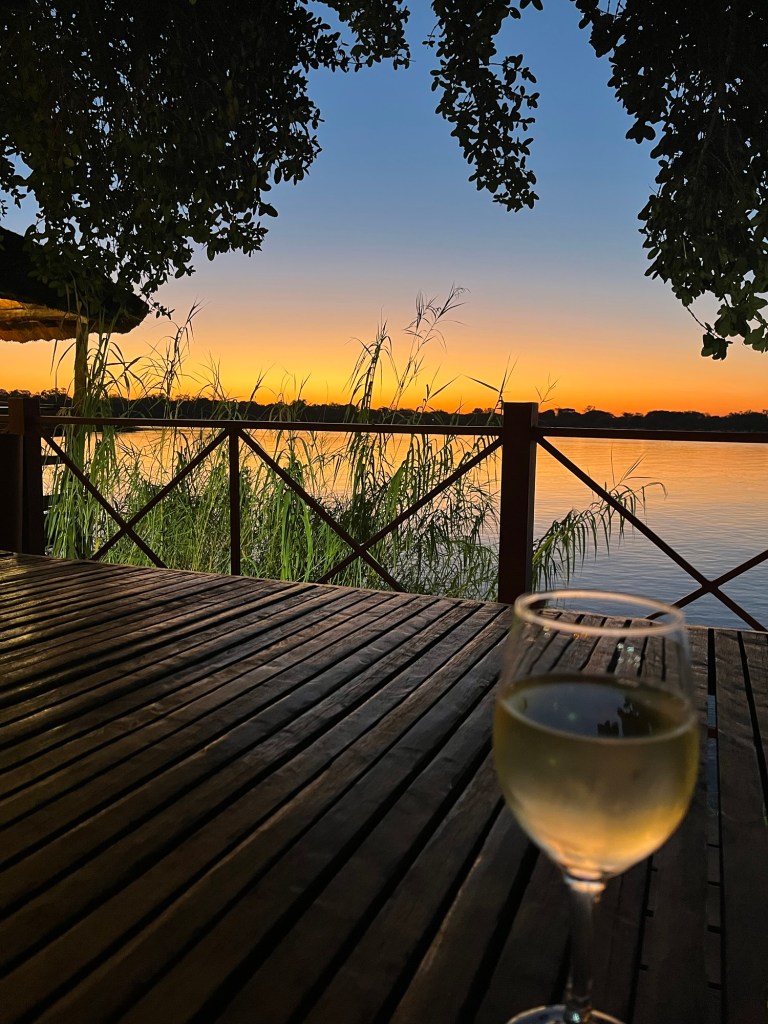
We enjoyed the evening watching the glowing orange sky as the sun set over the far bank of the river. The sunsets in Africa really do seem to hit differently. Brilliant orange and bright red skies. Beautiful.
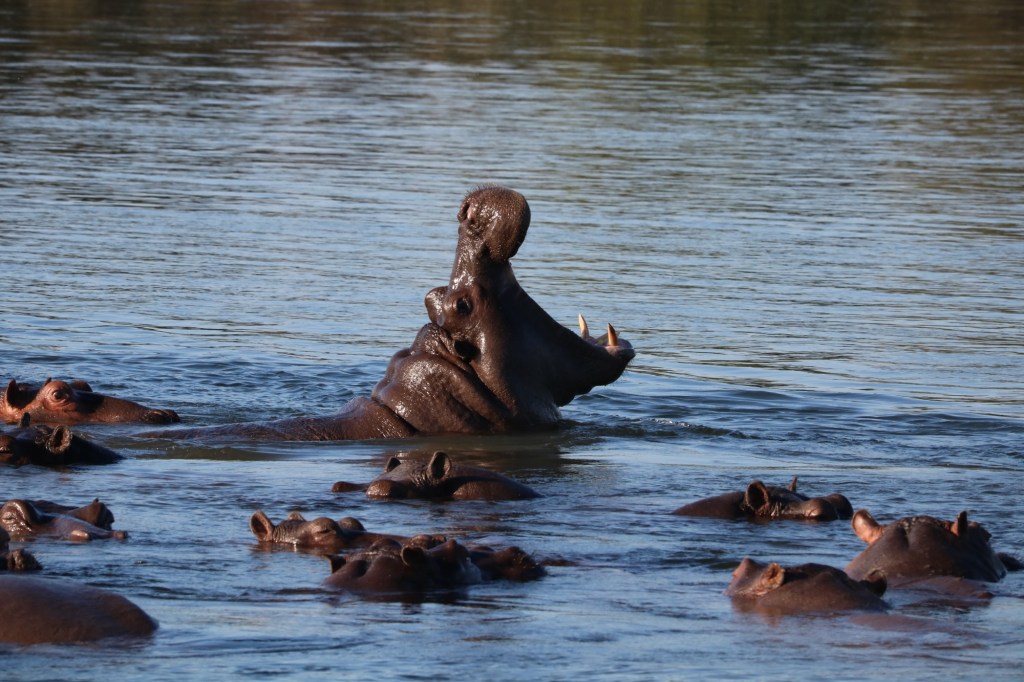
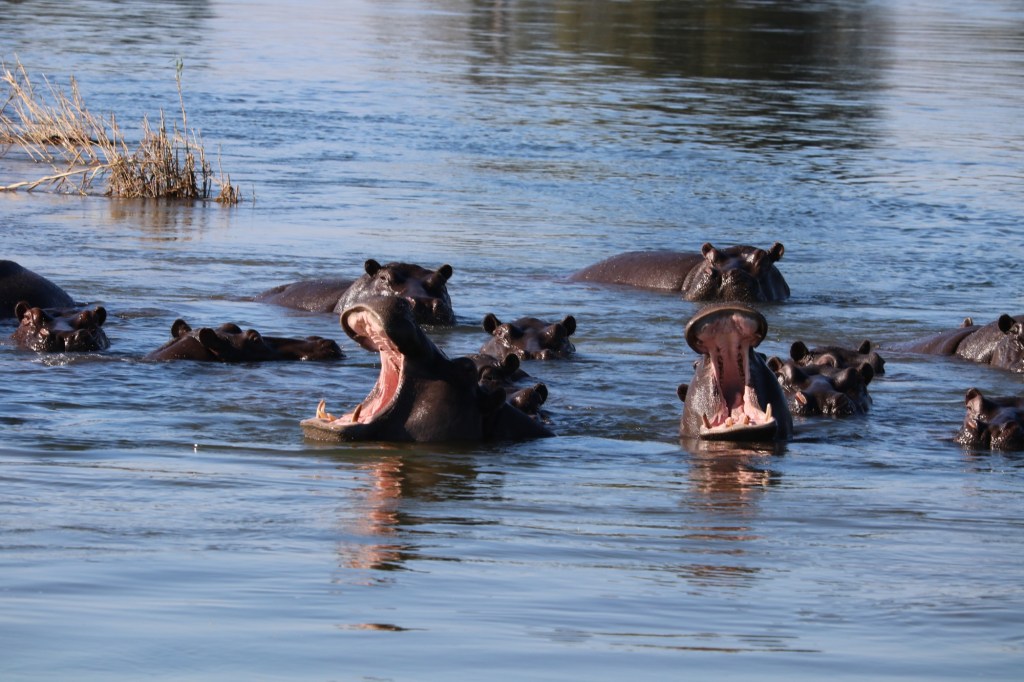
We started our last full day in Namibia with a breakfast cruise along the river, looking for hippos and crocodiles. And we were successful! We could actually hear the hippos through the night and they sounded incredibly close, though we convinced ourselves that it was just the sound travelling in the quiet surroundings.
I love how hippos just hang about partly submerged in the waters, peacefully bobbing underwater from time to time. Seems like an idyllic existence.
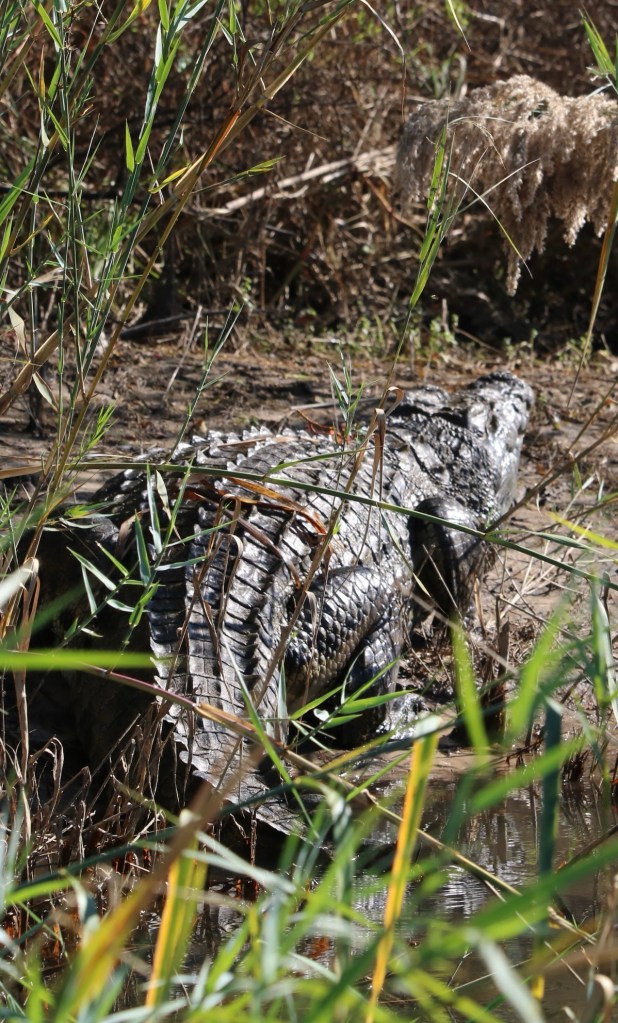
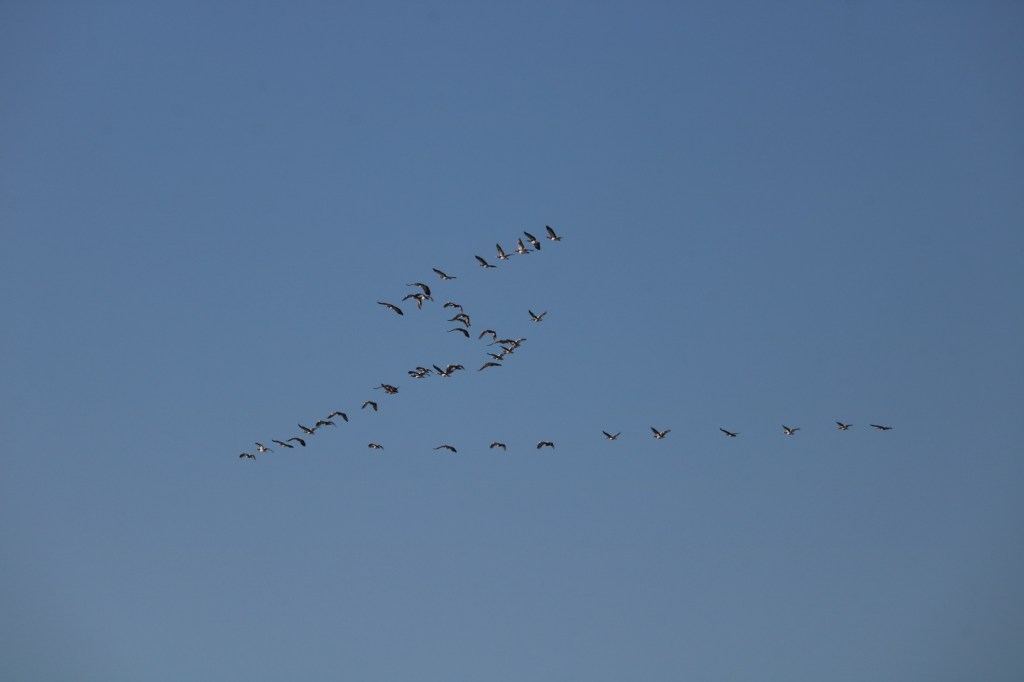
On our way back to the river bank we spotted a crocodile hiding on a small island behind some reeds. It seemed to just be resting and didn’t move at all despite the sound of the boat’s engines. There were also loads and loads of birds flying over us in formation, which looked spectacular against the perfectly blue sky.
I spent the rest of the day relaxing at the lodge whilst some others in the group did an afternoon game drive to nearby Mahango area. I’ve decided that as I have many more opportunities to see wildlife in the coming weeks, I could miss out on this one and enjoy a bit of downtime and relaxation.
I am back underway on the next part of my sabbatical travels. I arrived in Cape Town late morning after a long flight via Istanbul from Manchester, and was greeted by Table Mountain in all her glory. It was such a beautiful, clear day and as I assumed the next couple of days would be the same, I didn’t bother taking a photo…
I spent the first day napping and relaxing after the journey. I’ve been to Cape Town before (in a post which has been sitting in my drafts for about 2 years!! I may yet get round to finishing and posting it), so I didn’t feel in too much of a hurry to be out and about seeing things.
I had booked a full day wine tour to Stellenbosch, Franshhoek and Paarl the following day. There were only 2 others on the trip so we managed to squeeze in an extra stop in the colourful Bo-Kaap neighbourhood in Cape Town at the start of the day. This had been on my list to do so I was glad to be able to see it.
It was a very cloudy day with lots of low cloud hanging over the mountains. As we drove out towards Stellenbosch, our driver bemoaned the weather as apparently we should have been able to see some lovely scenery…
We were at our first tasting at 9am, 2 whites and 2 reds plus some biltong. Not a bad way to start the day!! The weather had lifted and after stops in the pretty towns of Stellenbosch and Franshhoek, both of which reminded me of other towns in wine producing areas elsewhere in the world, we had a short ride on the Franshhoek wine tram before stopping at the next winery for lunch and 3 more wines. The final stop was in Paarl for 4 more wines to round off the day.
On my final day before the tour started, I took the hotel shuttle bus to the V&A Waterfront, in the pouring rain. After wandering around the shopping mall, I ventured out in the rain towards the contemporary art museum, which I had been to on my previous visit.
After lunch and a further wander (it had just about stopped raining at this point but still no sign of Table Mountain), I headed back to the hotel in time for the evening meet up prior to the tour starting in the morning.
I am travelling on this trip with Nomad Africa. Overall it’s 8 weeks but it’s split into 3 sections, the first of which is Cape Town to Victoria Falls.
We left Cape Town bright (well, still cloudy) and early the next morning, and started with a brief stroll at Blouberg Beach where you’re meant to be able to see a lovely view of Table Mountain from across the bay. We could barely see the sea, let alone anything else! We continued to head north, with a stop off for supplies at a supermarket before stopping for lunch at a gas station on the Cape Namibia highway. Thankfully by this time we had escaped the clouds and it was a warm and sunny day.
As we continued to head north, I was struck by the landscape with these wide open vistas, huge skies and then later, craggy mountains as we headed slightly inland.
We are in rooibos country and we stopped at a place that sold rooibos tea, had wine tasting and was growing citrus! I quite like rooibos, and after an hour or so in the sun chatting with my group, we were then on our way to our overnight stop just outside of Citrusdal, in the Cederberg region. There are lots of citrus trees growing in this region, and the place we stayed produces 1500 tonnes of fruit per year for export, alongside its camping and accommodation business.
The next day it was a long driving day to the Namibian border. I was glad I’d arranged my e-visa online beforehand (though the website was fairly temperamental) as it took us all quite a long time to get through the border. Namibia is my 50th country, and I’m sure it will be a good one.
We arrived at our accommodation on the banks of the Orange River just as the sun was setting in a glorious red sky.
We started our exploration of Namibia the next day with a drive to Fish River Canyon, a vast canyon, definitely on a par visually with the Grand Canyon with the added bonus of significantly fewer people! We had a short walk along the edge of the canyon, which meandered sufficiently to get lots of different views of the canyon. You can never quite capture in a photo what you can see with your eyes, it really was spectacular. We then had lunch before continuing our journey north to our overnight stop at Keetmanshoop.
Onwards the next day, towards the Namib Naukluft national park. On our way, we stopped at Quiver Tree Forest where all these trees are apparently growing out of the rocks. We also stopped at Giants Playground where all these boulders appear to have been very carefully placed in various formations, but it’s all completely natural weathering of the stone.
The landscapes on the driving so far have been vast, and surprisingly green. There were rains at the end of April which have caused grasses and other bushes to spring forth which means Namibia doesn’t quite look as I’d imagined. There was more grassland as we headed west towards the Namib desert, and then suddenly there were flowering bushes, mostly yellow flowers interspersed with orange-coloured bushes. It’s so interesting to see not only the landscape here but the flora and fauna too, which is adapted to survive in some harsh desert conditions.
We stayed overnight in Hammerstein before a very early, pre sunrise, start the next day to explore the national park. The park gates open at sunrise, and we joined a long queue to get into the park. We then drove the 45kms to Dune 45 for an early morning hike up an enormous sand dune with a bunch of other tourists. The colours at this time really took my breath away. Extraordinarily red sand dunes with the backdrop of a beautiful clear blue sky. I couldn’t stop myself from just staring at the dunes and the colours and trying to take it all in.
Hiking up a sand dune is quite hard work. The firmest sand is on the ridge, which is fairly narrow, and this dune rises more than 100 metres. It was also surprisingly windy, and I lost my nerve at a flat section about two-thirds of the way up and called it a day.
After that it was time for breakfast before continuing on to the Sossusvlei pan, with yet more red dunes, and Deadvlei, where trees in the pan appear to be petrified, which makes a very striking photo with the red dunes and blue sky. I am certain there is a very similar image which pops up on Windows desktop backgrounds…
After a final stop at Sesriem canyon, we headed to our next overnight stop in the desert. I have to say the rooms we stayed in at this place were stunning, and the nicest accommodation so far.
The next morning started with a super-interesting desert drive and talk about animals and insects that live in the desert, as well as the bushmen, or san, peoples who live off the land here. We had not nearly enough time but everyone in the group found it to be enormously enjoyable.
We were heading northwest towards Swakopmund, and passed through the Tropic of Capricorn along the way, as well as the Moon Landscape, which certainly looked different to what we’ve seen so far in Namibia. It was a long and very bumpy drive to Walvis Bay for a breezy lunch by the sea before we rolled into Swakopmund in the mid afternoon. We are here for 2 nights and have a free day for an assortment of optional activities but I am taking the chance to have a quiet day strolling around the very German-feeling town, doing my laundry and catching up on some admin.
I’ve hugely enjoyed Namibia so far, the scenery has been absolutely spectacular, we have seen some awesome things, and I’m sure this will continue as we head north towards the wildlife…
Asahikawa is the second largest city in Hokkaido, but doesn’t even get a mention in my Lonely Planet guidebook, which didn’t fill me with the greatest confidence about the city!! We arrived too early to check in so had a wander around the massive Aeon mall that is attached to the JR Station at Asahikawa.
We had a free afternoon after check in. It was cold with a bracing wind, I wandered up and down the main pedestrianised street, past shops, izakayas which were already busy, and a surprising number of statues of women in various states of undress…
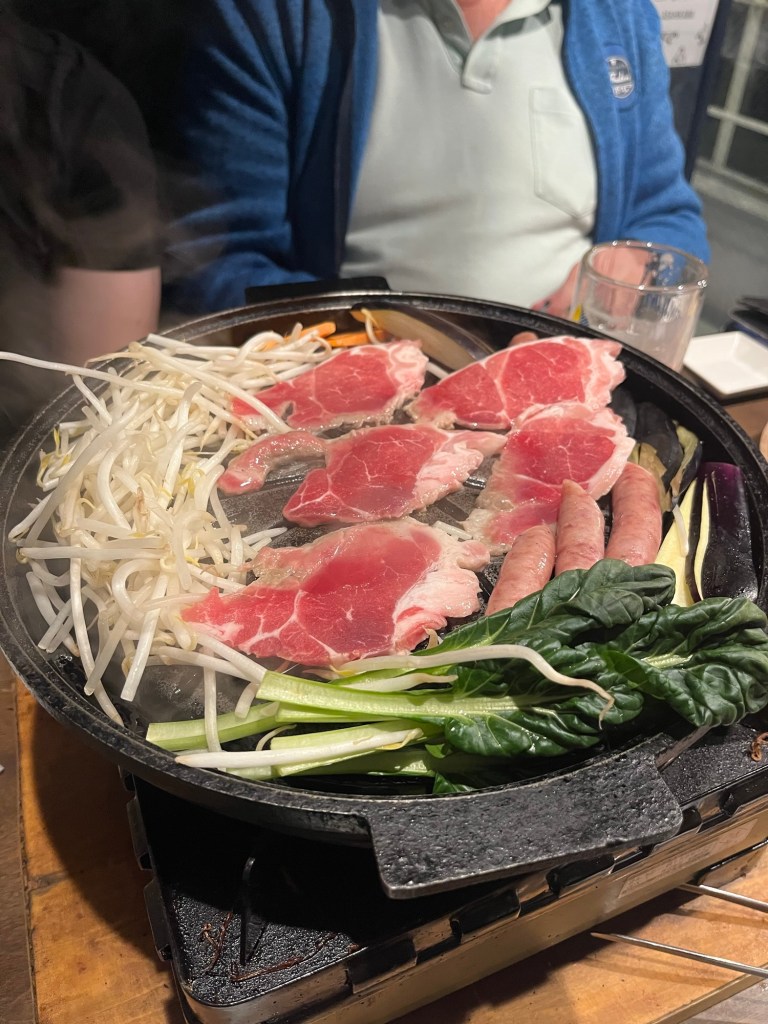
We went to a small jingisukan restaurant in the evening. Jingisukan is essentially a do-it-yourself lamb barbecue which originated in Hokkaido, and is a Japanese translation of Genghis Khan.
Lamb barbecue with bean sprouts, greens and other veggies
The following day we started with a visit to an Ainu museum to learn about the indigenous Ainu peoples who have been in Hokkaido for thousands of years. They have only very recently been formally recognised as indigenous peoples in Japan so it was really interesting to hear about how the museum is helping to preserve their culture and educate others on their history and traditions. We had a delicious lunch of salmon, soup, and grape jelly for dessert from our Ainu hosts.
After lunch it was off to another sake museum, and for some more tastings. Still not sure I like sake…
We also visited a wood working centre, which is a key industry in and around Asahikawa. Lots of very cool, and very expensive, furniture designs.
Ramen for dinner that evening, followed by karaoke, which is ubiquitous in Japan. Now, I can’t sing, but there’s something about singing in a booth in Japan with some people I’ve only met a few days ago which makes it pretty enjoyable. Probably because if I make a fool of myself, I’m likely to never see them again anyway!!
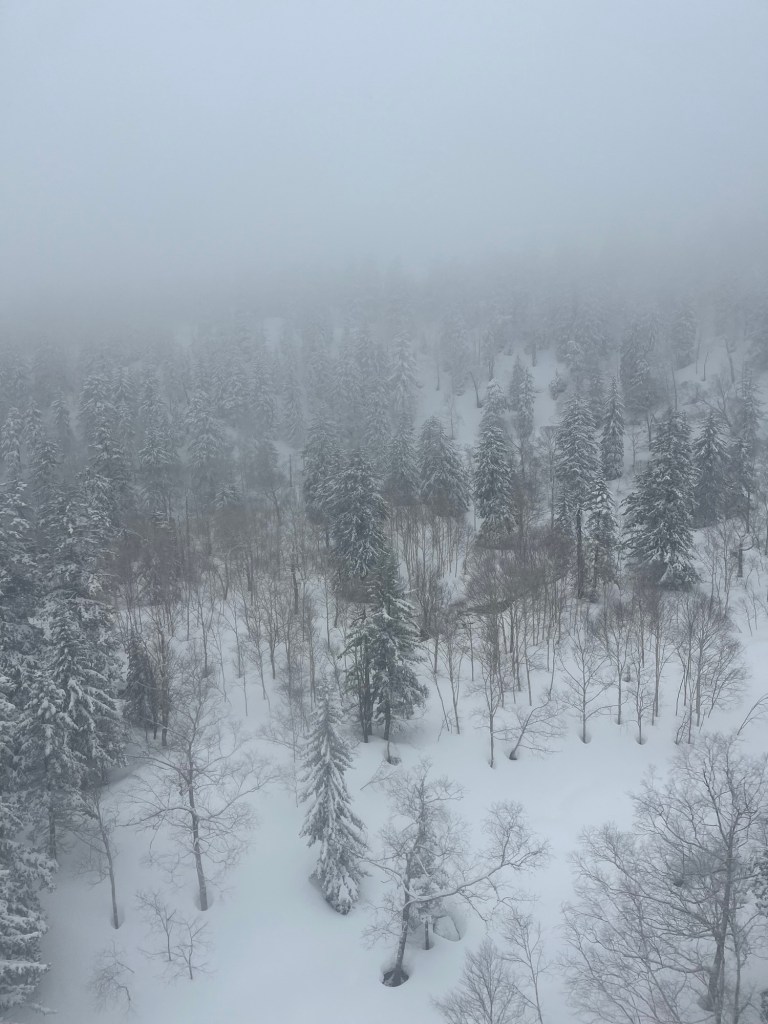
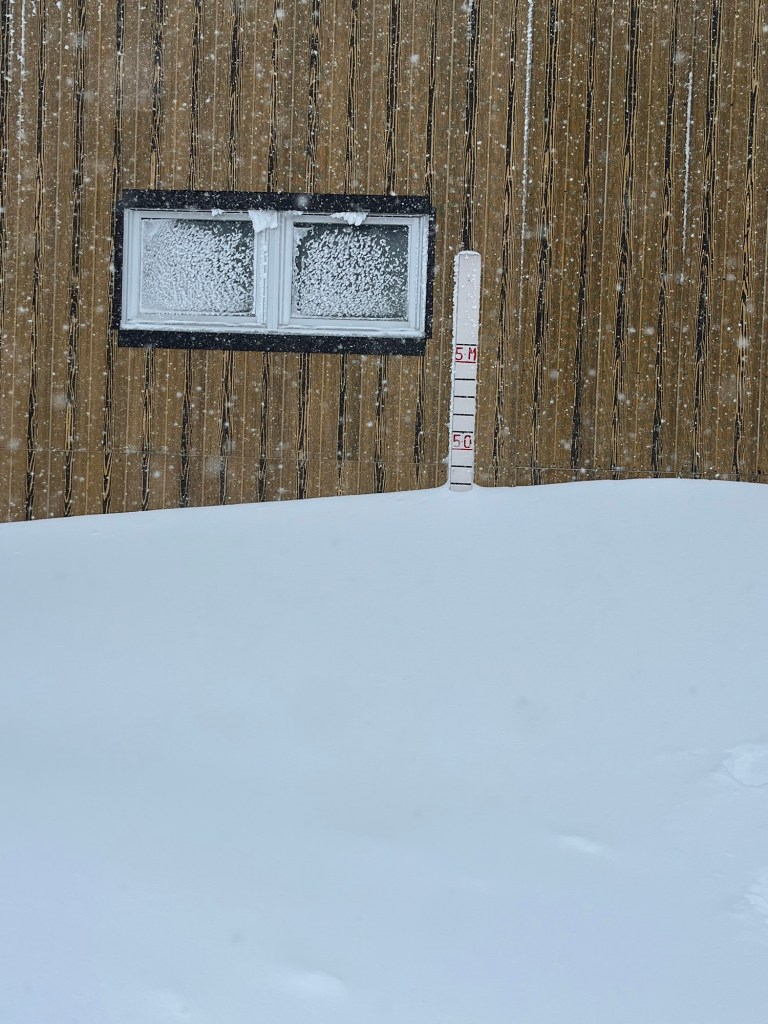
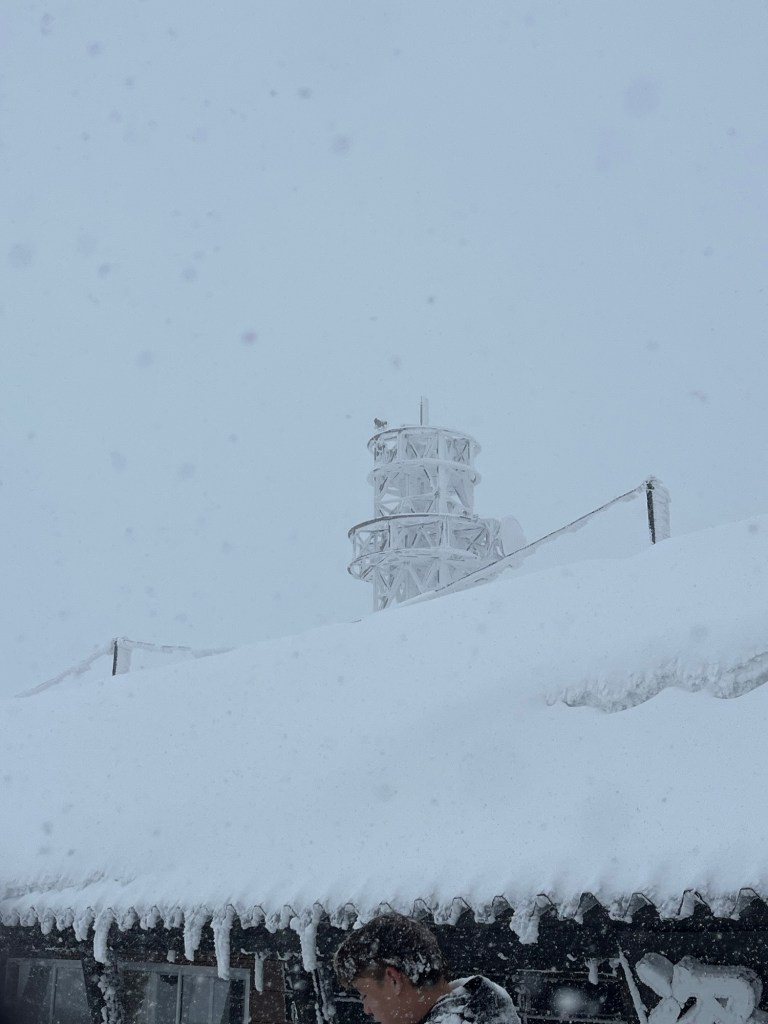
The next day we headed out of Asahikawa, to Mount Asahi and the Asahidake Ropeway (cable car). As we headed out of Asahikawa, it started to snow. And as we drove up towards the ropeway station, the snow got heavier and the road got whiter and whiter until you could barely see where the road was. We did take the cable car up the mountain but instead of the glorious vistas, we got heaps of snow, a blizzard and a bit of a white out! I’m actually not sure I’ve ever seen this much snow in person so despite not seeing the views, it was still pretty awesome to be in a bit of a snowstorm.
Snowing on Mt Asahi
I was quite cold at this point, and very glad of the coat and thermal trousers I’d bought earlier on in Japan! We went to a small restaurant for lunch, a lovely warming bowl of beef stew, which reminded me of home!
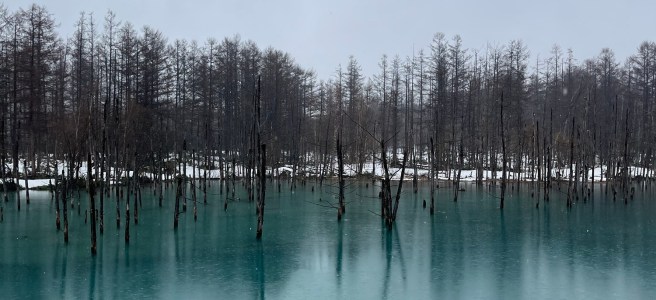
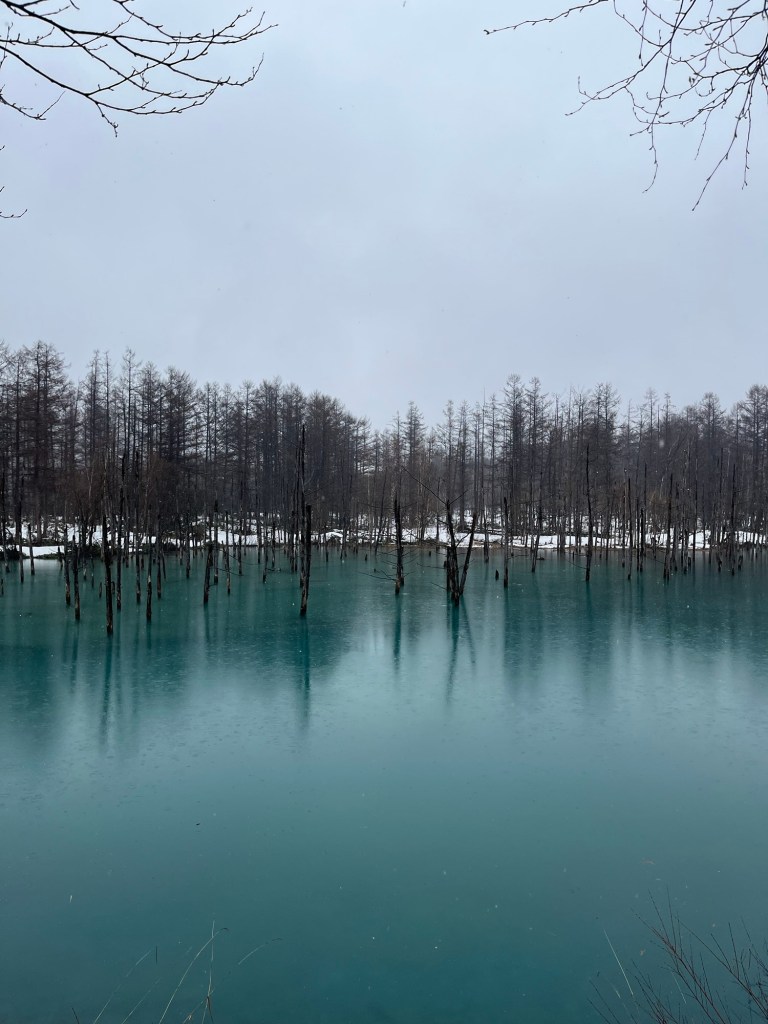
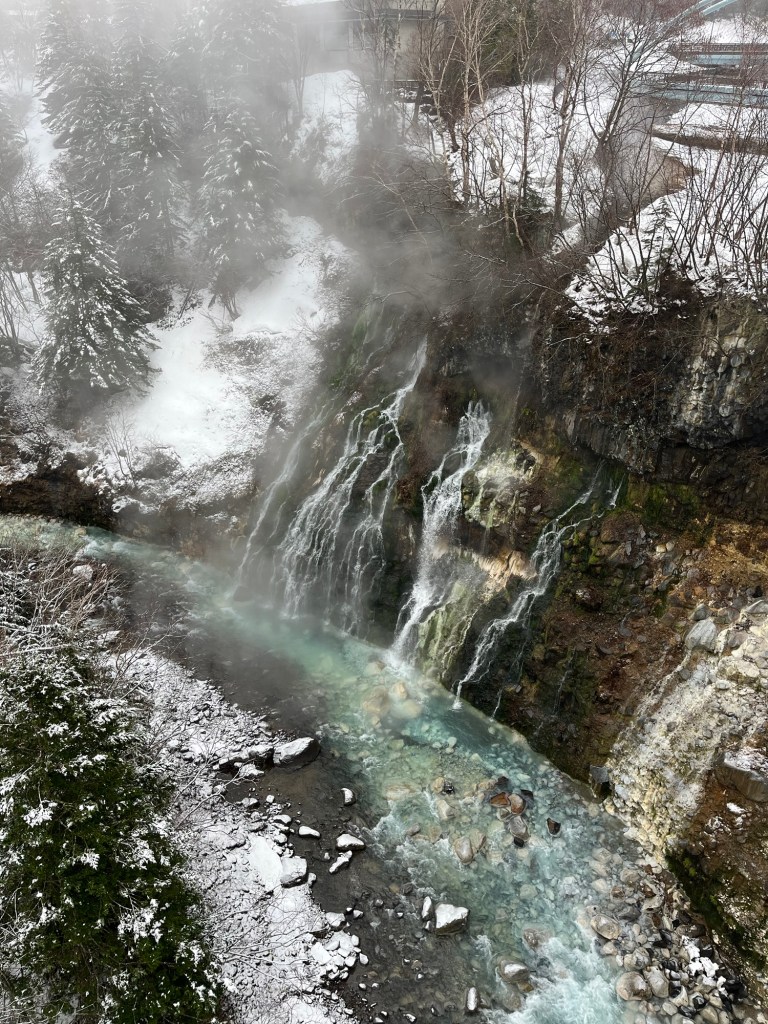
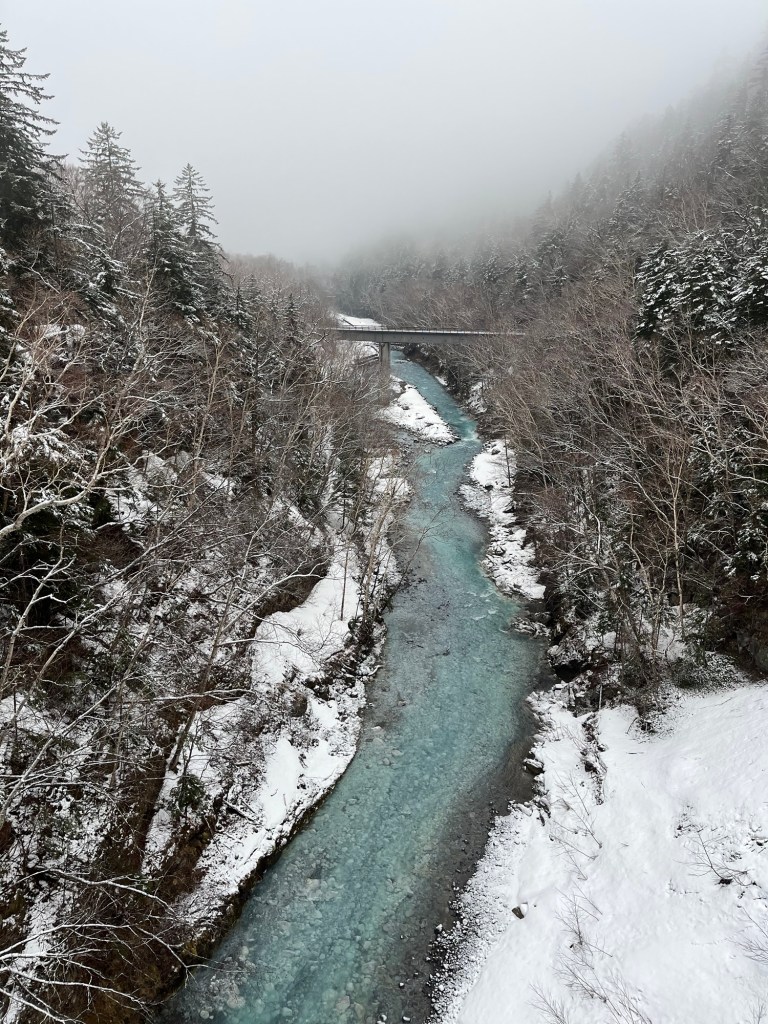
After lunch we visited the Blue Pond, which despite the snow and clouds, was surprisingly blue. We also went to a nearby waterfall at Shirogane, again with some unexpectedly blue colours given the weather.
Blue pond and waterfall
We then headed to Furano, which is an area known for cheese and wine production. We made our own mascarpone which we then had for dinner at the hotel along with some biscuits, local strawberries and local wine. The hotel we stayed in at Furano had an onsen so later in the evening I squeezed in a final soak on my Japan trip as I suspected the hotel for the final couple of nights in Sapporo wouldn’t have any baths. I’ve really enjoyed the onsens on this trip. An extremely relaxing and peaceful way to spend time.
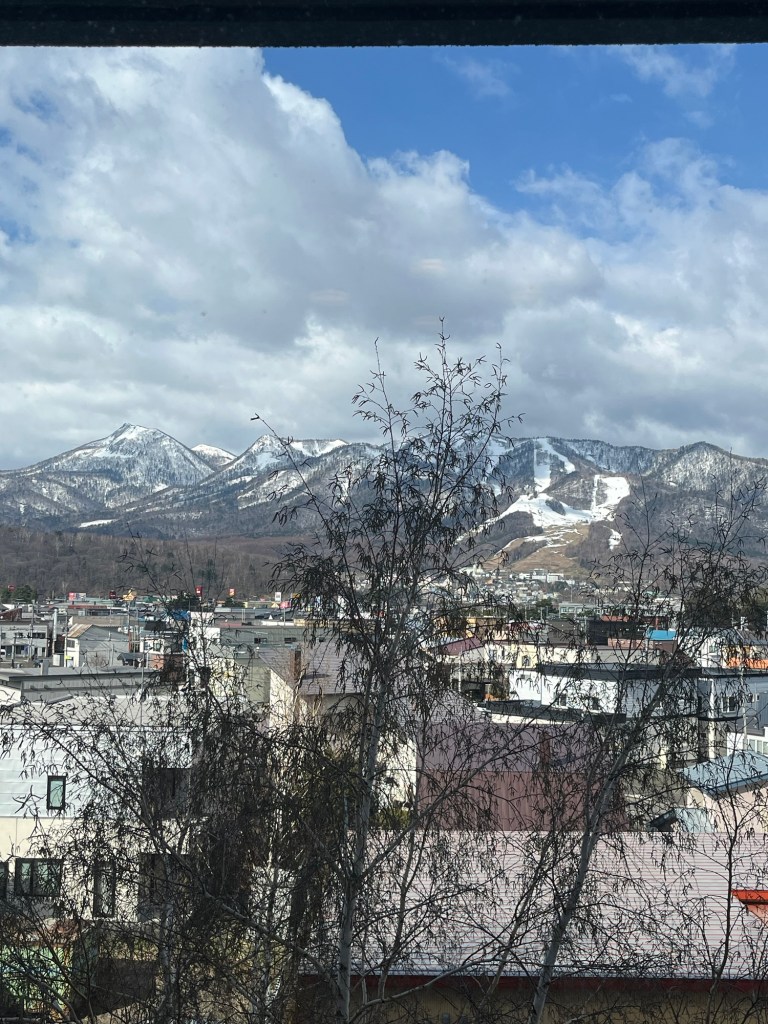
The next day we headed to Sapporo on the train. The weather was such a contrast to the previous day – lovely blue sky, and very spring-like, though still quite chilly. When we got to Sapporo, we had lunch at a cafe at Hokkaido university and then spent some time in the university museum which was extensive and had lots of interesting exhibits. Not all of it in a language I could understand so Google Translate came in very handy!
En route to Sapporo
We had a free afternoon so I walked around Sapporo – an easy city to navigate due to its grid street pattern. It also has underground walking subways which must be very useful in the depths of winter when it’s very cold. As we walked into the subway for the first time, it did look a little dystopian as it is very quiet, and with everyone walking in an orderly fashion on the left. But I thought it was really ingenious, as it connects directly with all the buildings above at street level, and there are even shops and restaurants at the subway level too. Almost like an underground city.
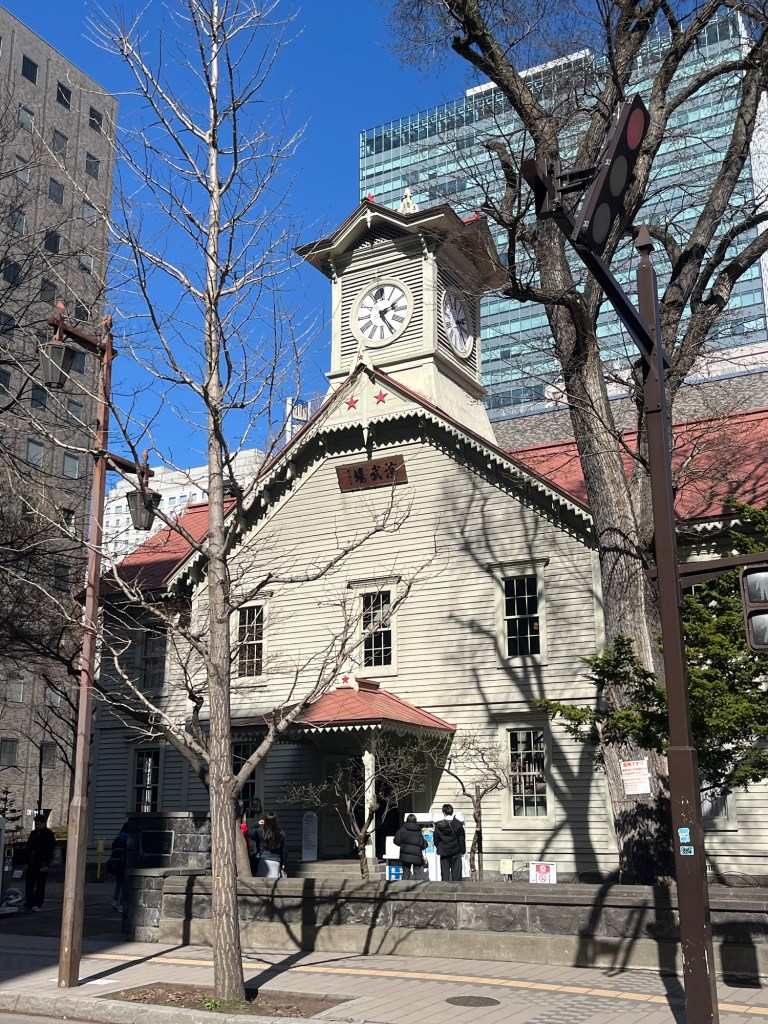
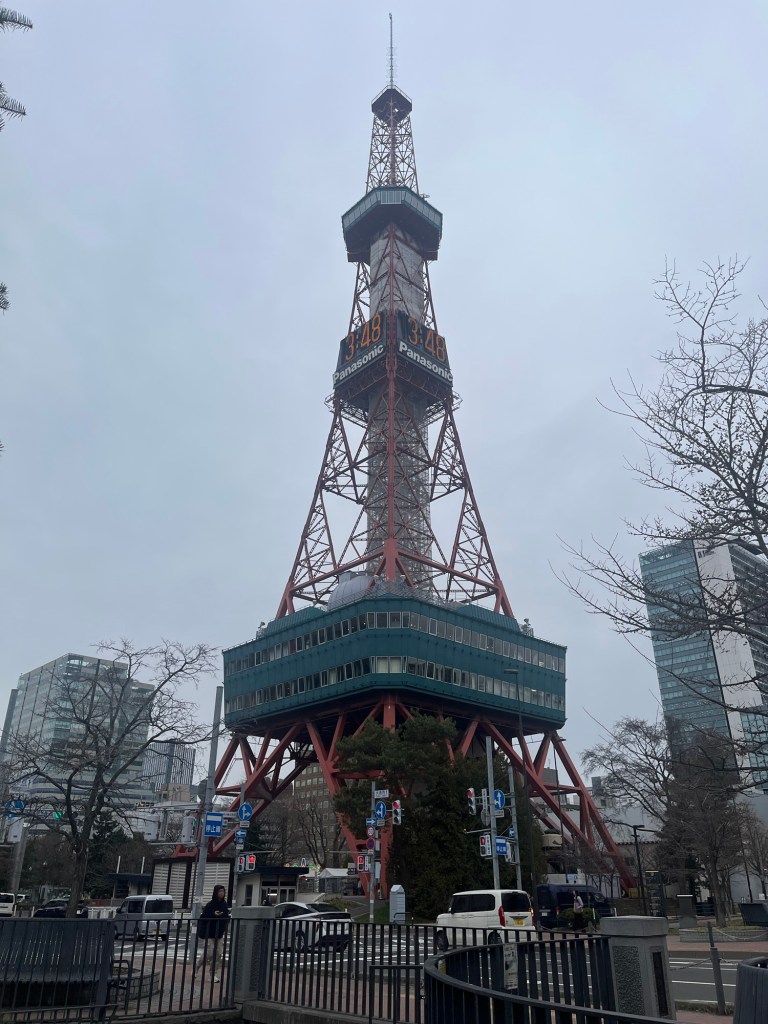
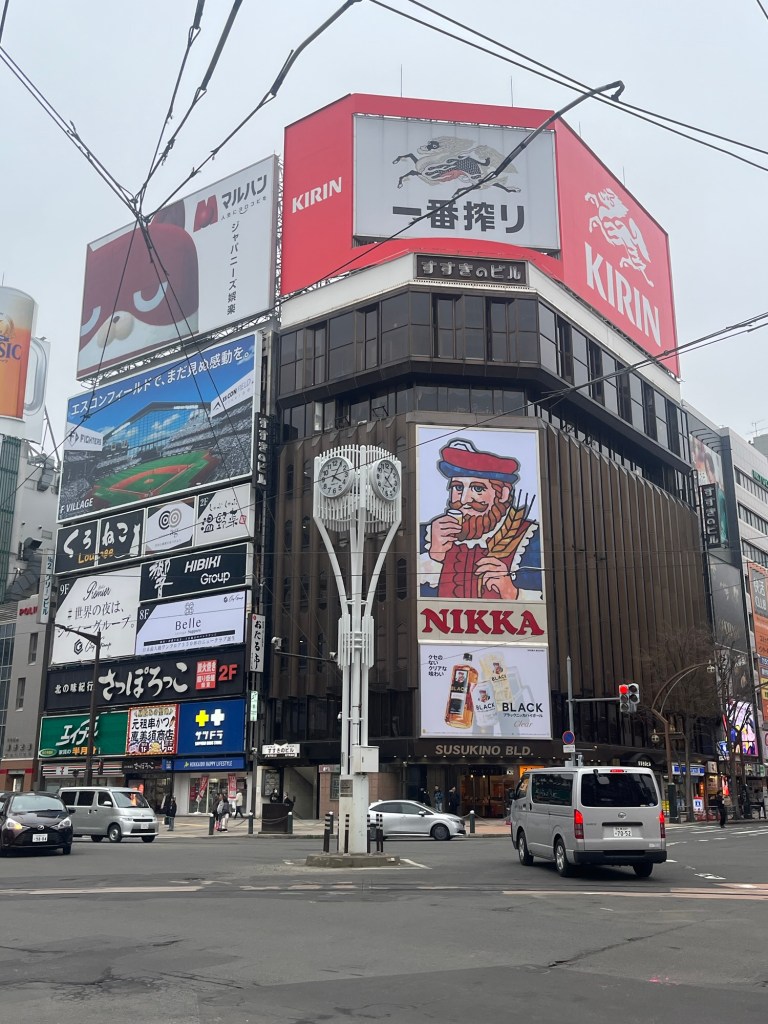
I used the subway to walk about half an hour downtown towards the Susukino area, stopping along the way at the Clock Tower, the TV Tower, and Nijō Ichiba market. Sapporo is quite a nice city for a wander, though in the late afternoon it was getting increasingly cold so I headed back to the hotel.
Clock towerSapporo TV TowerSusukino
We went to an izakaya (a Japanese pub) for dinner. There was an extensive menu of small dishes that we had including yakitori, sushi, ramen and rice. The izakaya was small and full of people, which made for a bustling environment, I’m really glad I experienced one during my trip.
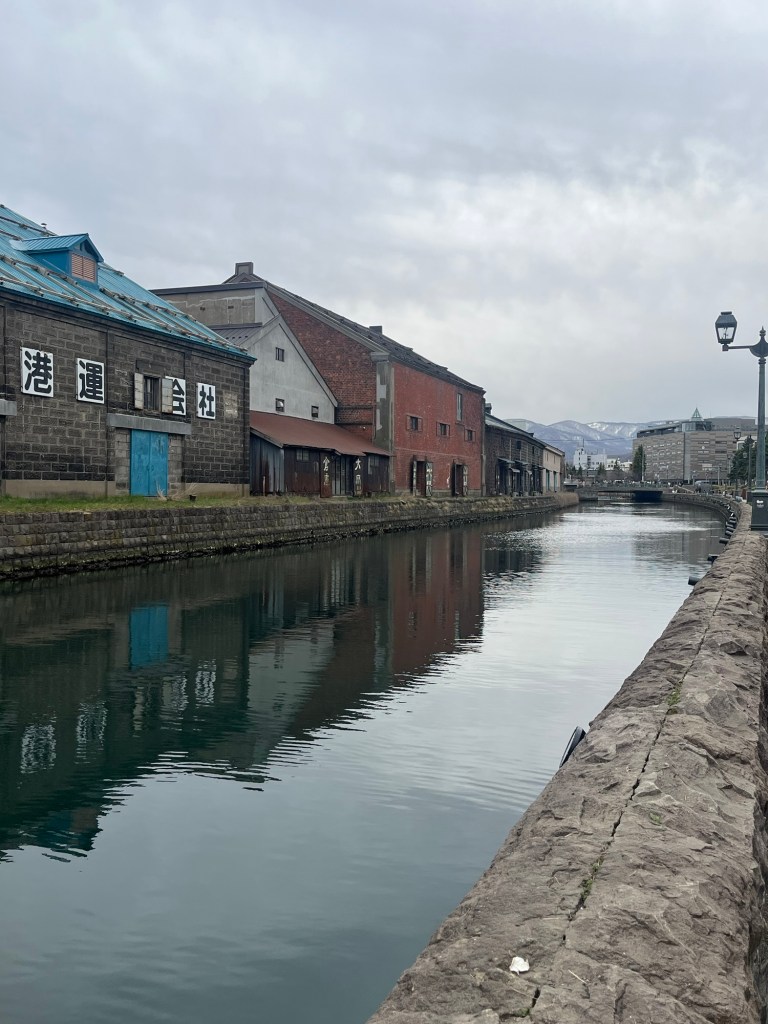
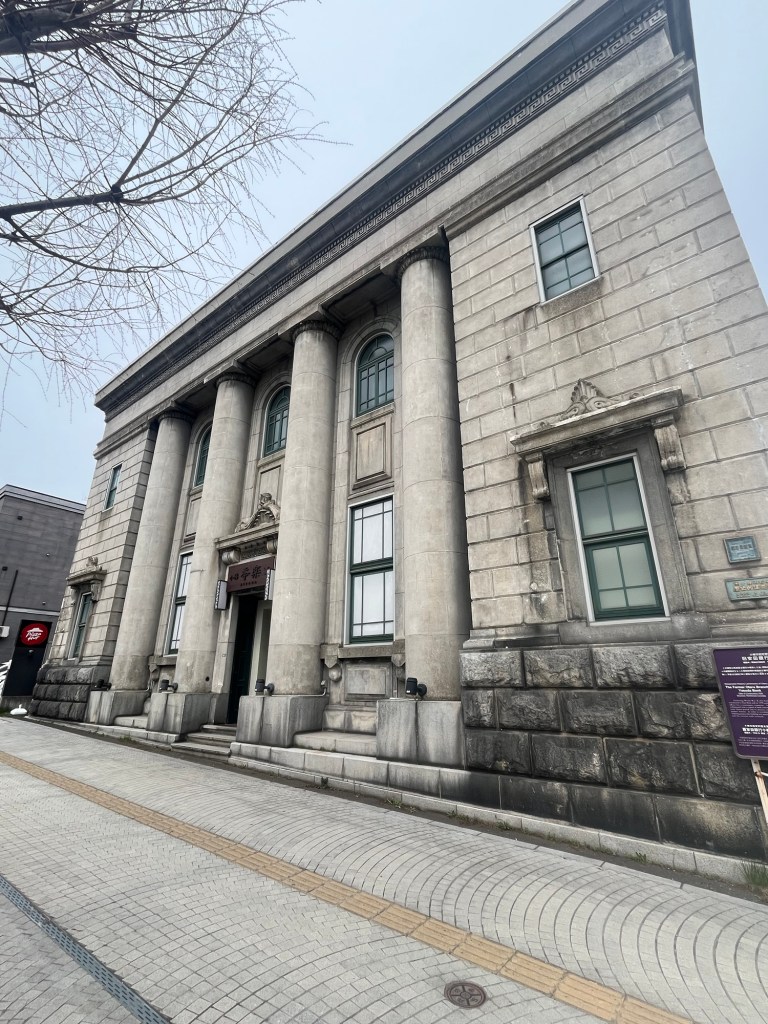
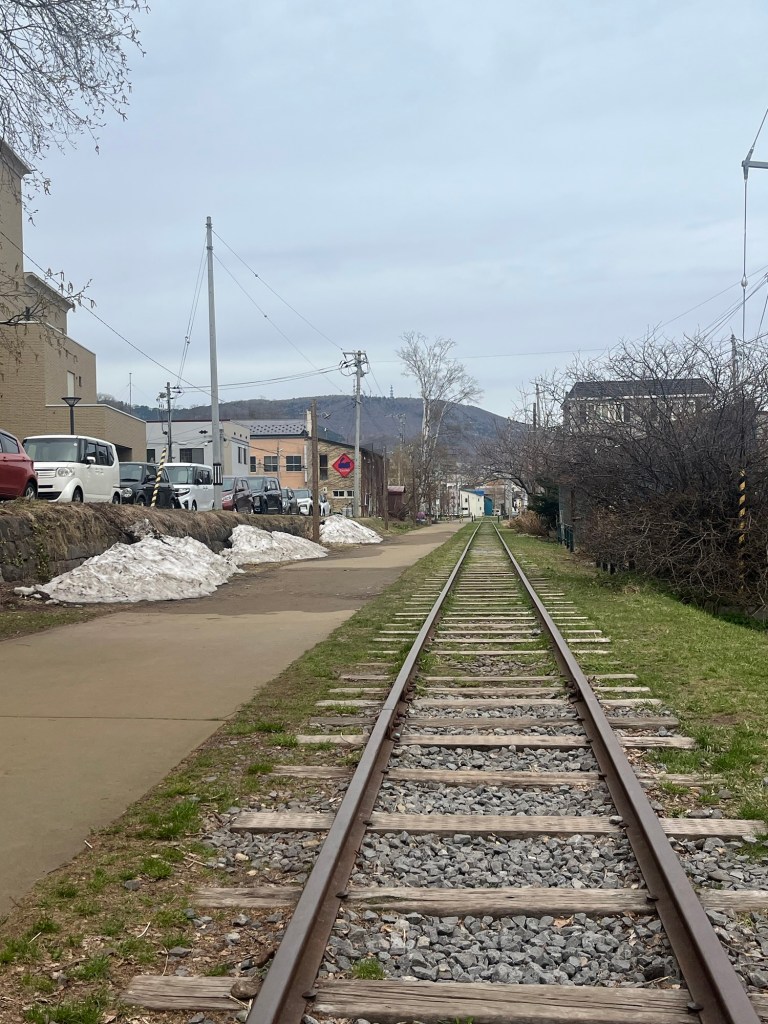
The next day we headed out on the train to the nearby port city of Otaru. Formerly, Otaru was a financial capital of Hokkaido, due to the port and the coal that was exported from here. There are some very impressive buildings here that were all previous banks and financial institutions which grew up around the port. Nowadays, most have been repurposed into shops and eateries. The canal has also been restored and because of the coal history and the redevelopment, it did slightly remind me of Cardiff.
In Otaru
We returned to Sapporo in the afternoon and had our final dinner of the trip that evening. Another jingisukan, this time on a bigger scale at the Sapporo Bier Garten. We rounded off the evening with another karaoke session.
This was the final day of the Intrepid trip, and the following day I had a travel day back to Tokyo in readiness for my flight home the next day. Sapporo New Chitose Airport is about a 40 minute train ride outside of the city, but is very straightforward to get to. There wasn’t heaps to do once through security though…
I was flying to Tokyo’s Haneda airport and needed to get to Narita airport for my flight out the next day. The road distance between the 2 airports is about 55 miles (88km). Whilst it is possible to get trains (with changes) between the 2, I opted for a limousine bus (aka a coach) which leaves regularly from all terminals at Haneda to all terminals at Narita. You can buy a ticket from the machines in the arrivals hall which helpfully have an English language option. Transport in Japan can be a little overwhelming but I was honestly pleasantly surprised by how much was available in English. And the internet, particularly Google Maps and Reddit, were extremely useful tools in helping me figure stuff out when I was on my own.
Overall I’ve really loved Japan, I’m so pleased that I headed north in addition to the more well-trodden route through southern Honshu, and I’m fairly certain I will go back one day.