Bangkok again and Northern Thailand

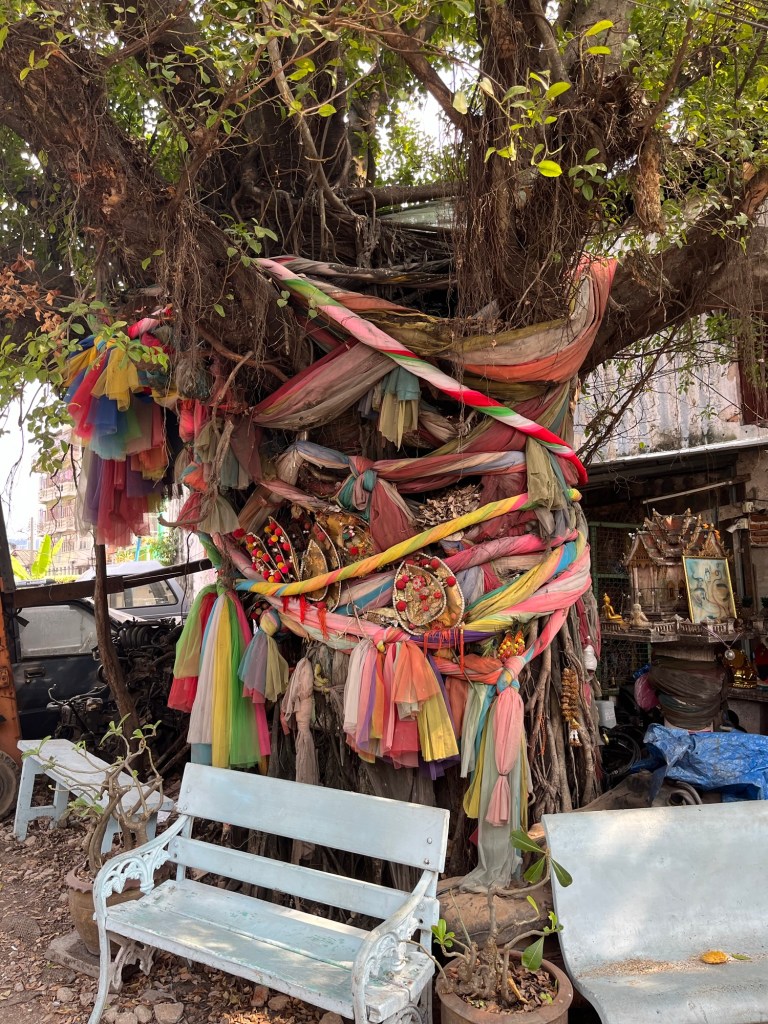
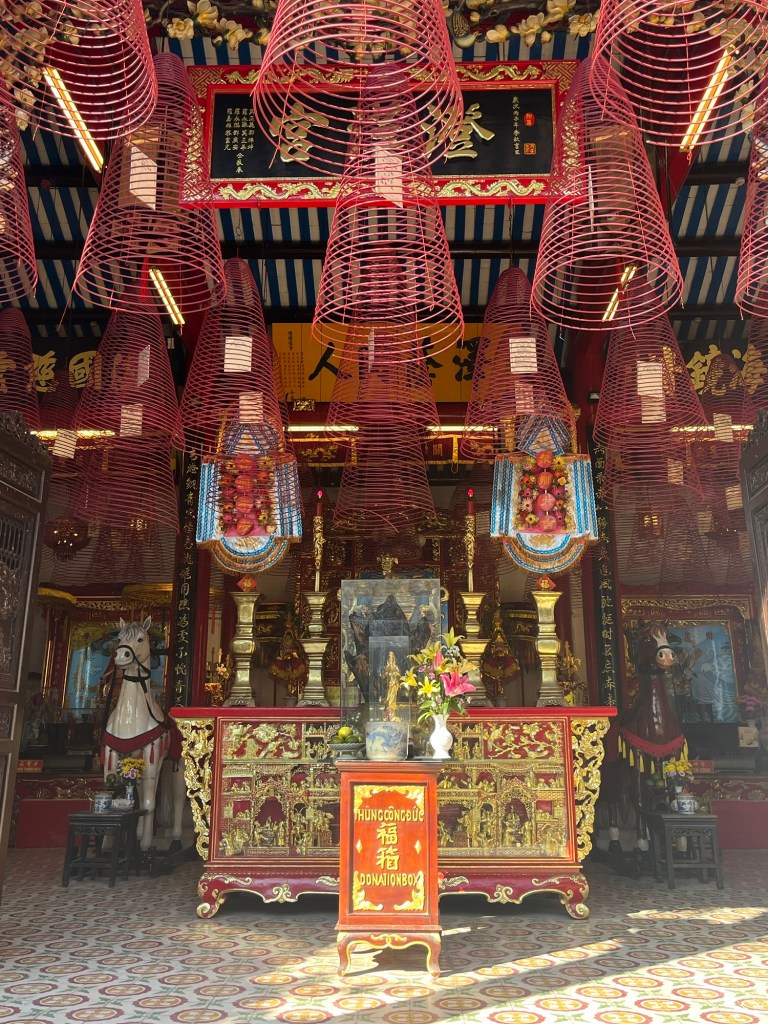
Back to where I started a month ago, in a nice hotel with a rooftop bar and pool in the heart of Bangkok’s Chinatown. I had 4 nights here which is the longest I’d been in one place since the cricket in Adelaide before Christmas, almost 6 weeks ago. I didn’t have many plans here as I’d already been to the Grand Palace and Wat Pho on my previous visit (and I’ll get to go to Wat Pho again when I join my next trip heading south).

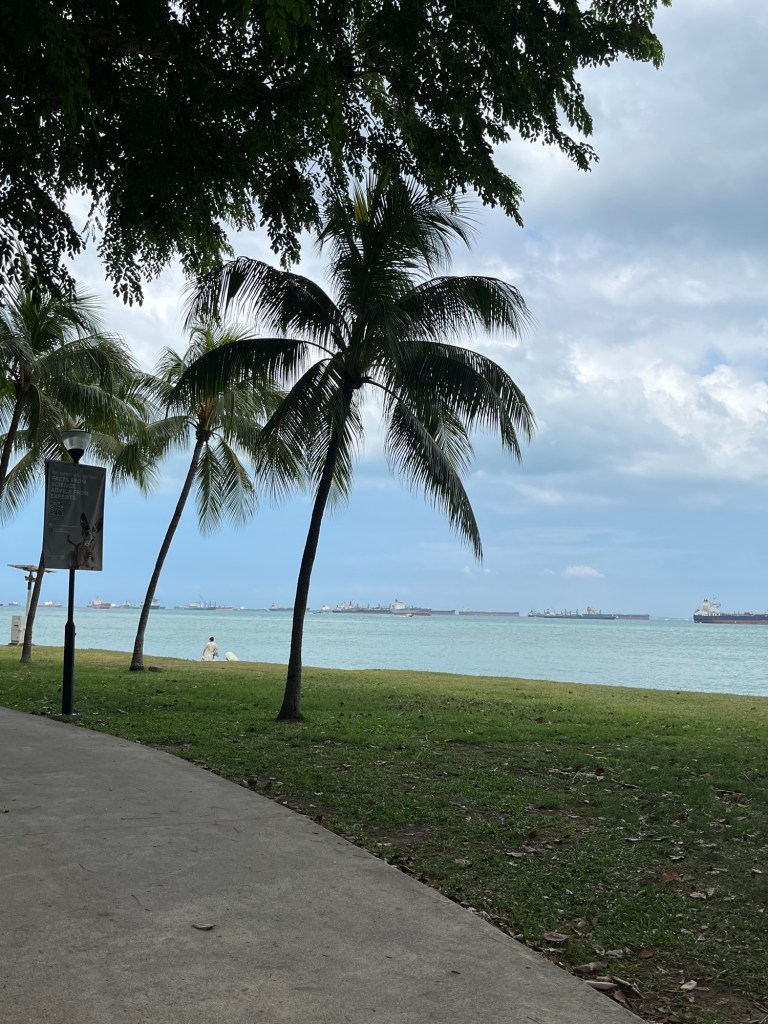
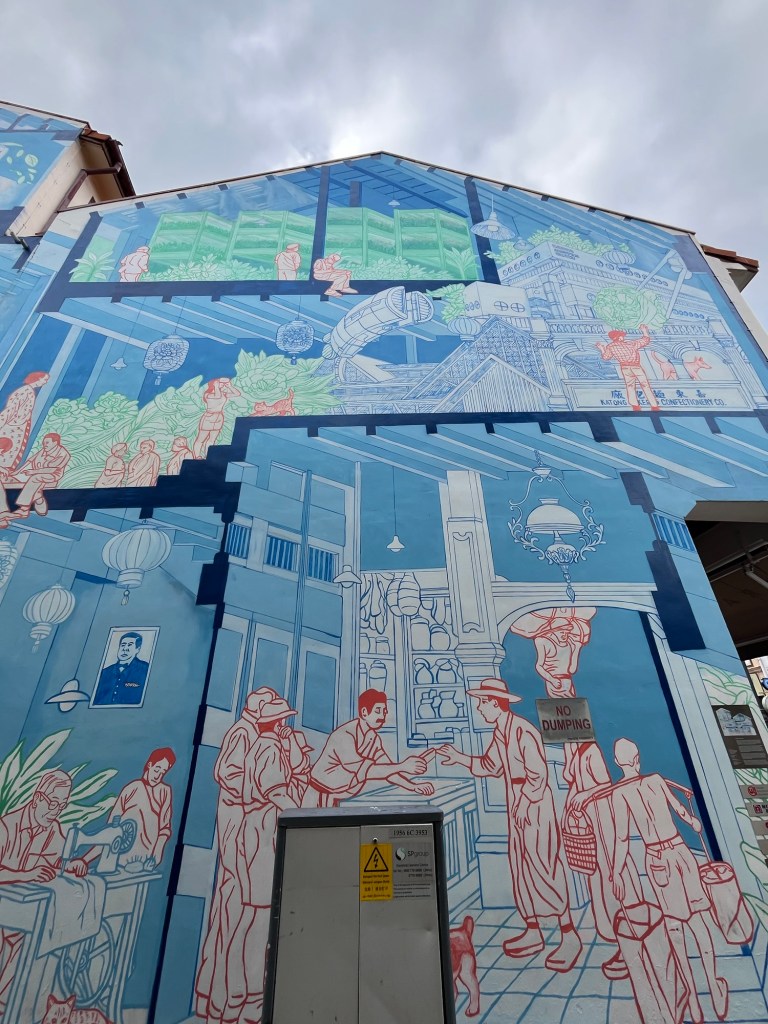
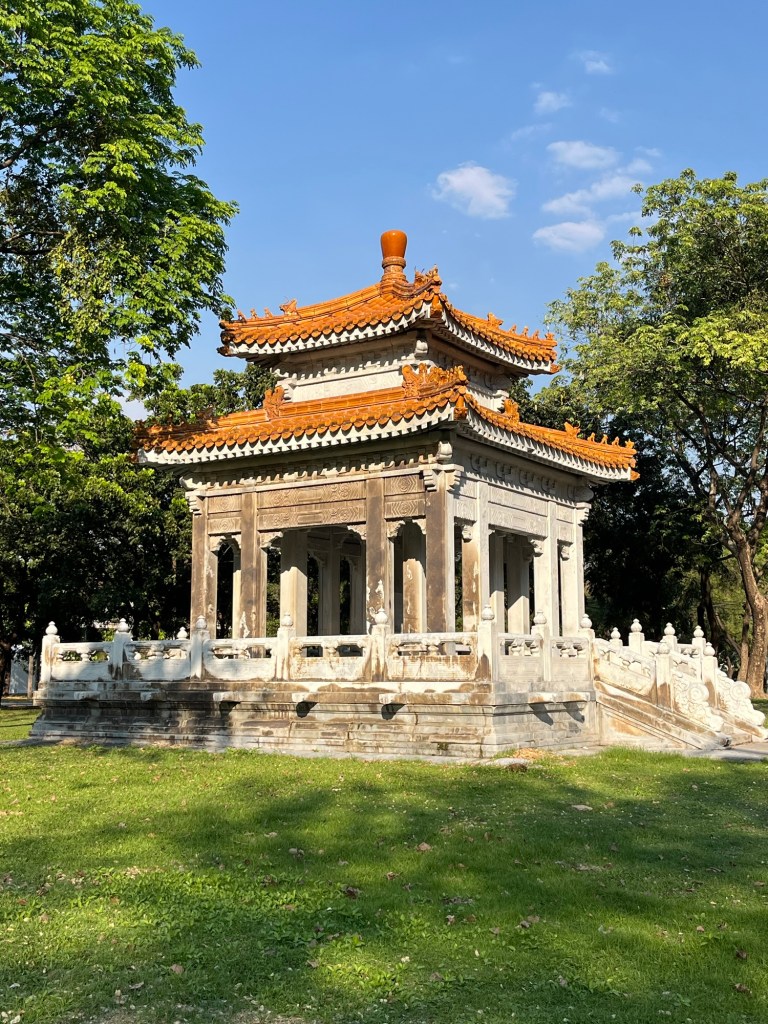
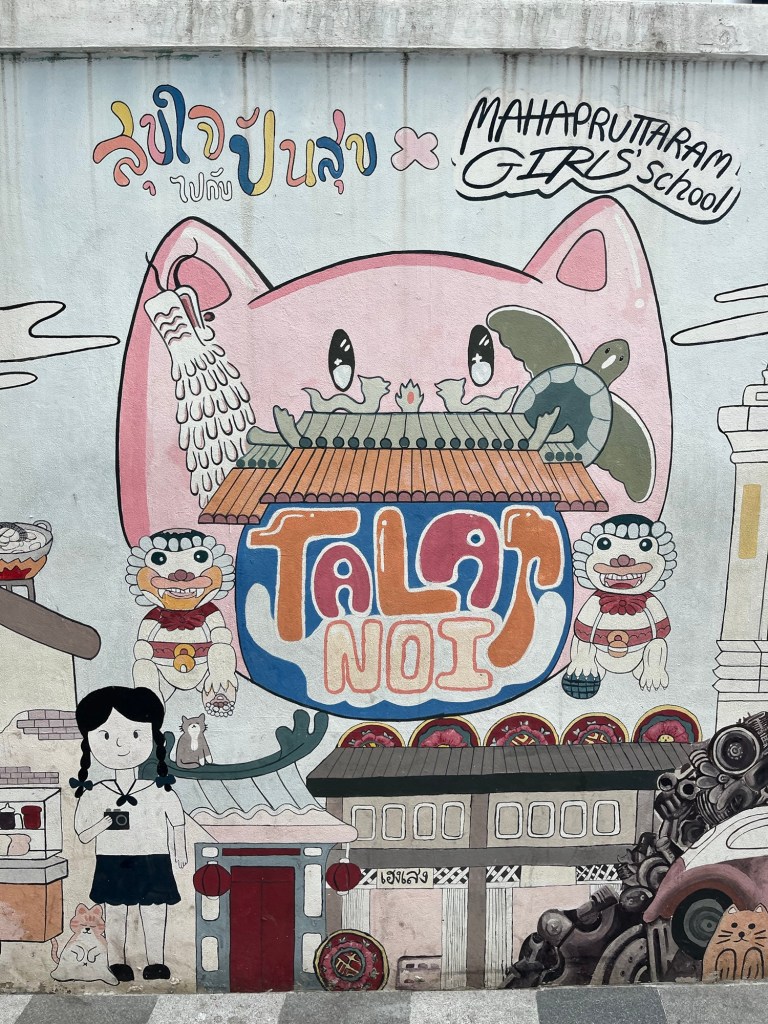
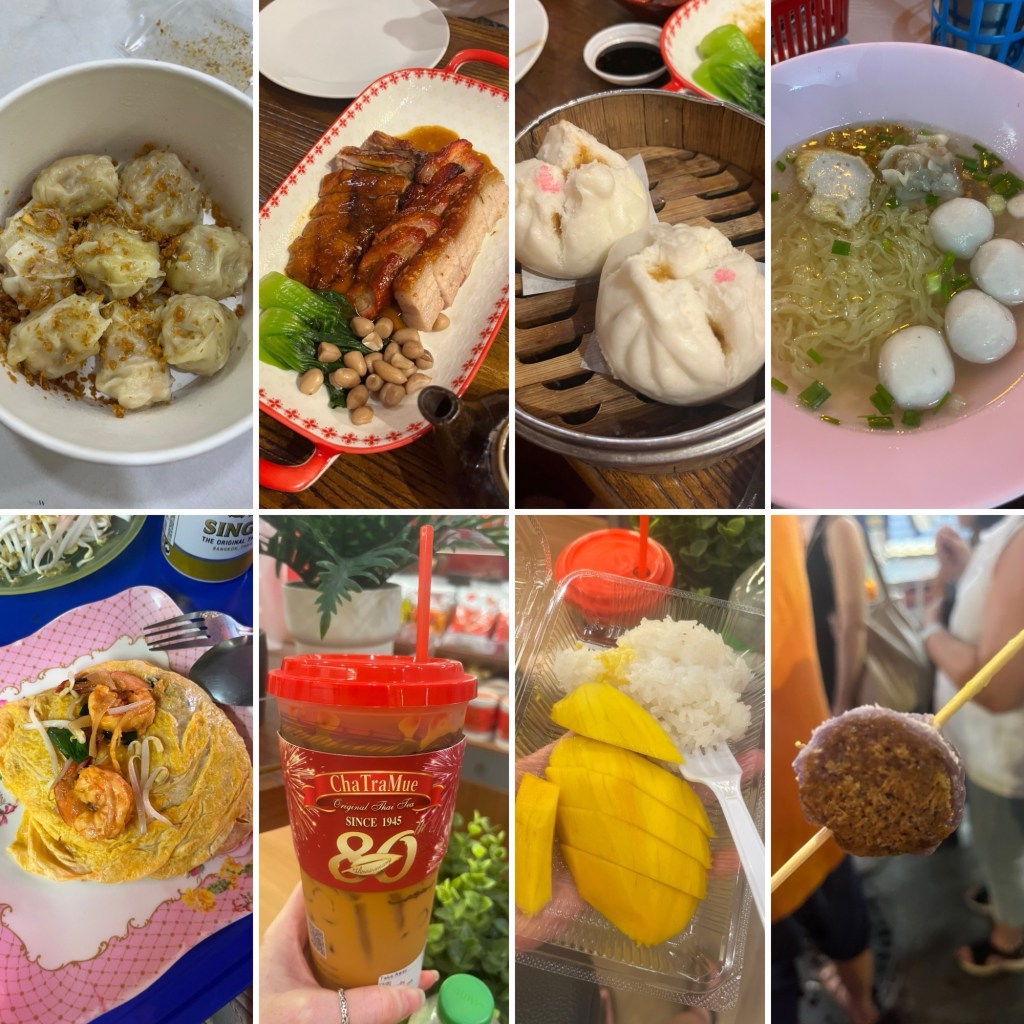
I made it to Lumphini Park (using the metro) and spent time wandering around the streets of Chinatown. I particularly enjoyed meandering through the arty neighbourhood of Talat Noi. I also went to an enormous mall at Siam Center and despite not being in the market for anything being sold there (mostly designer stores and, for some reason, cars), it filled a couple of hours wandering round. I also did another street food tour, this time in the evening, which was a different experience as Chinatown was much busier.

We’ve reached the part of the trip which I hadn’t actually booked when I left the UK. I’d left a couple of weeks here and a couple of weeks in the middle of March for a bit of flexibility. In the run up to Christmas I started looking at options and knowing that on the G Adventure trip we were going straight from Bangkok to Chiang Mai on the train, I thought it would be interesting to take a slower route north so I found this trip on TourRadar which helpfully started at the same hotel that the G Adventures trip finished at.

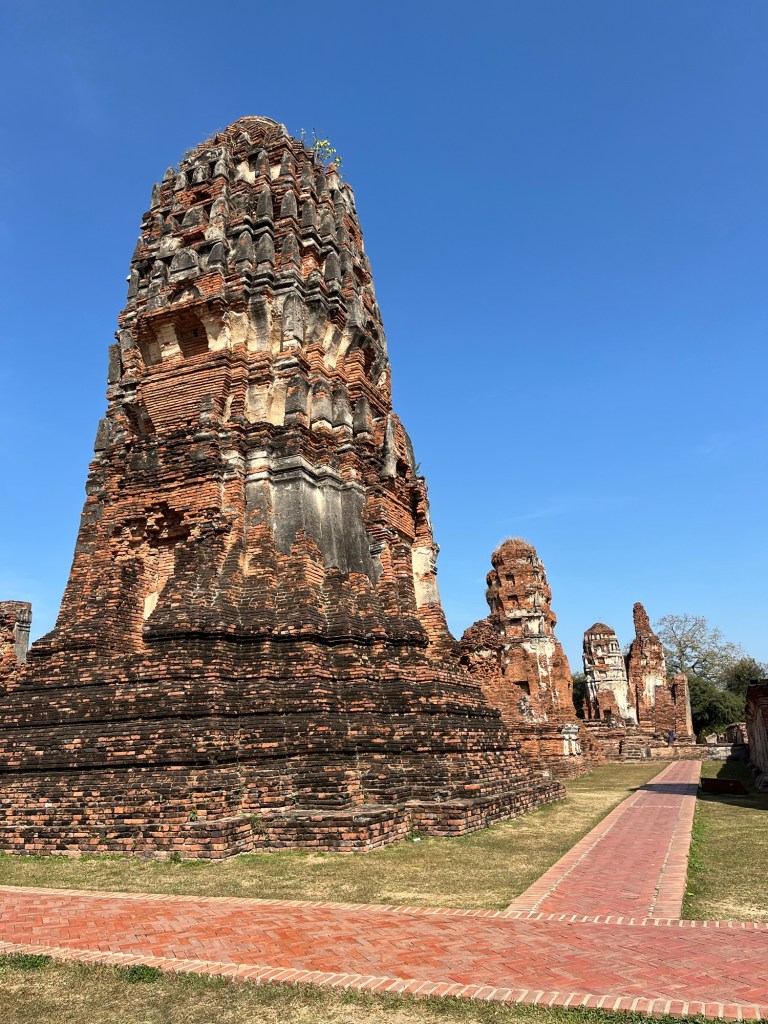
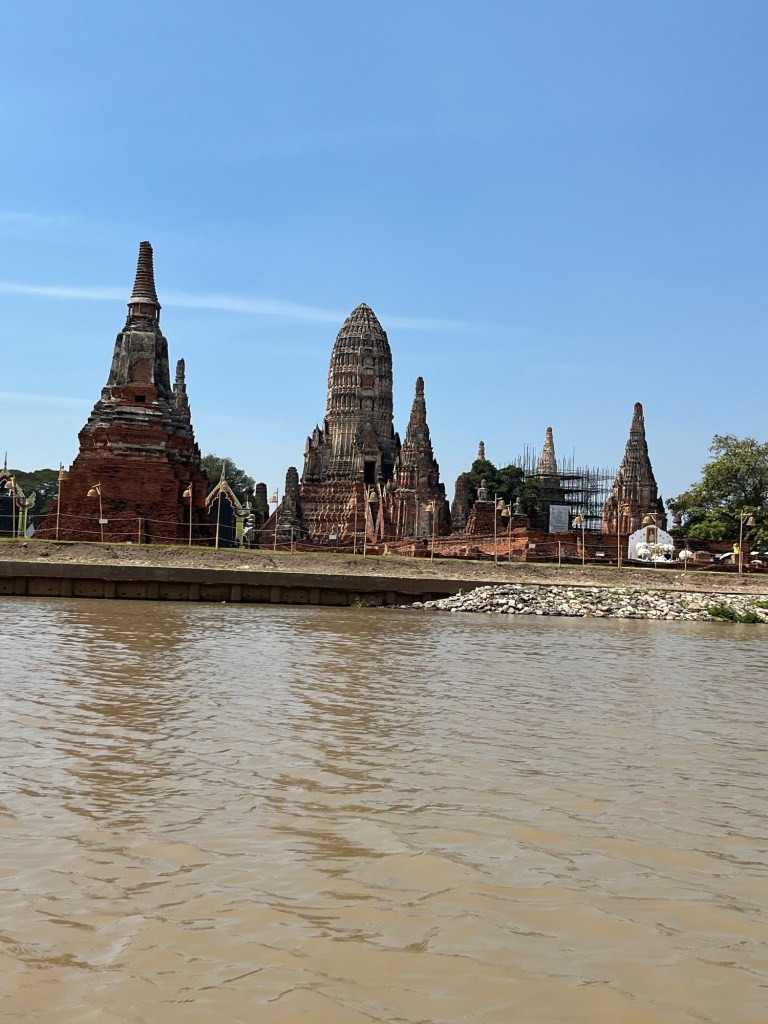
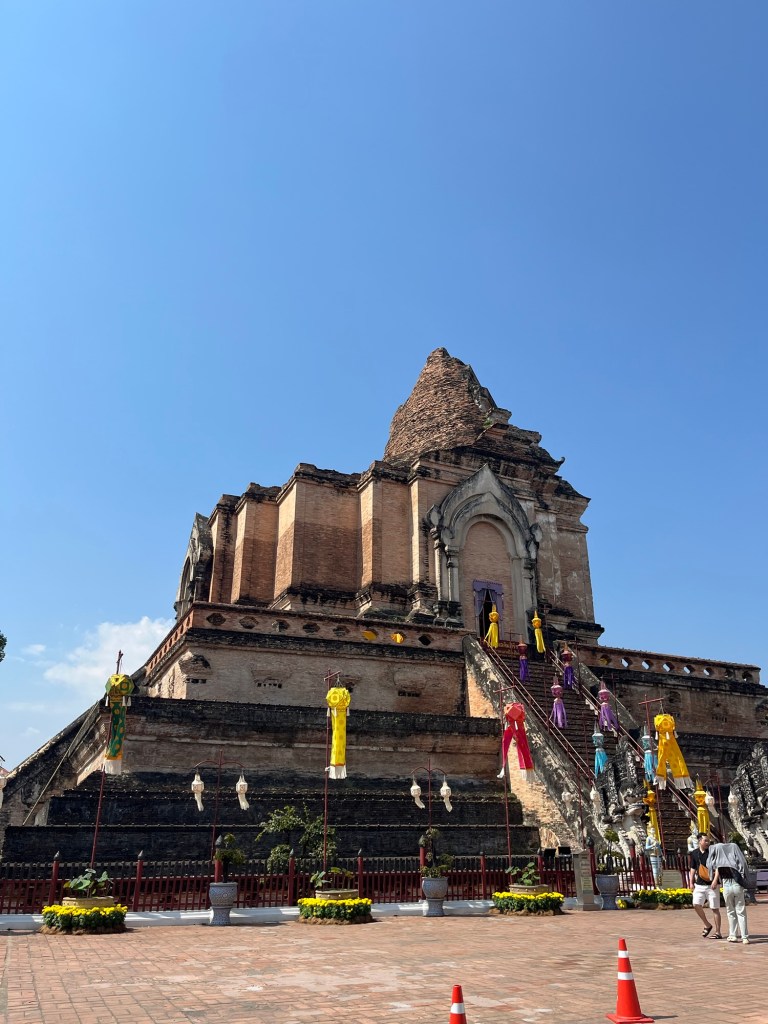
The guided part of the trip started on day 3, bright and early as we left Bangkok at 7am to travel north to Ayutthaya, at one time the capital of Thailand. It is essentially an island surrounded by rivers and we saw 3 temples and had a boat cruise on the river.
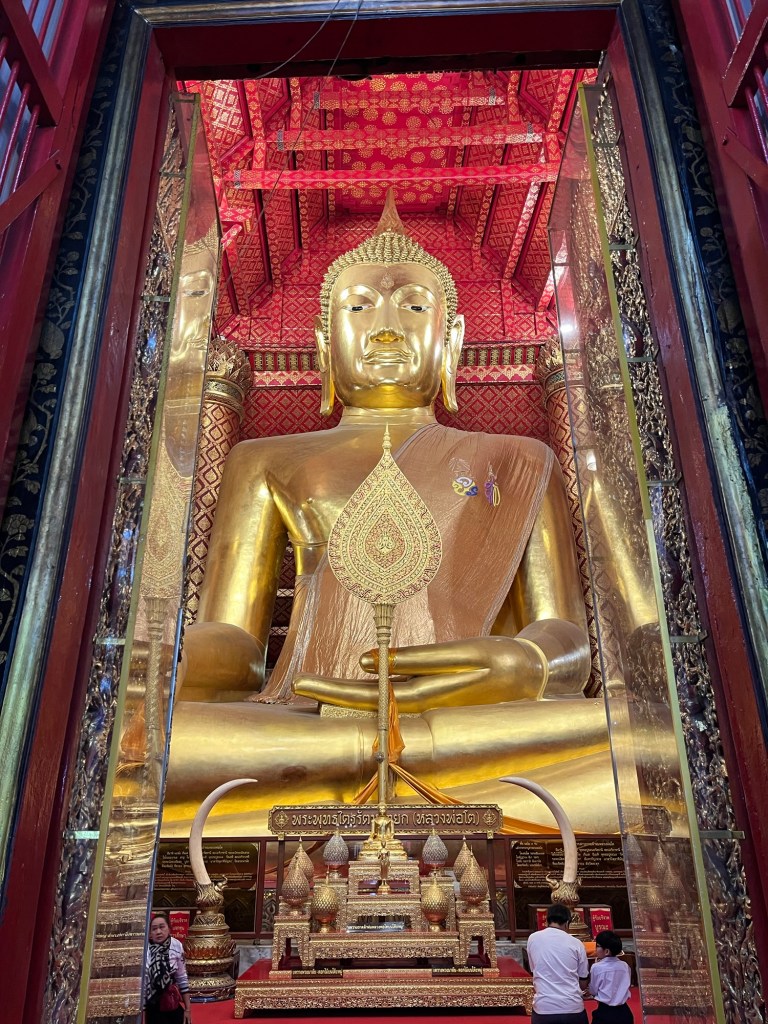
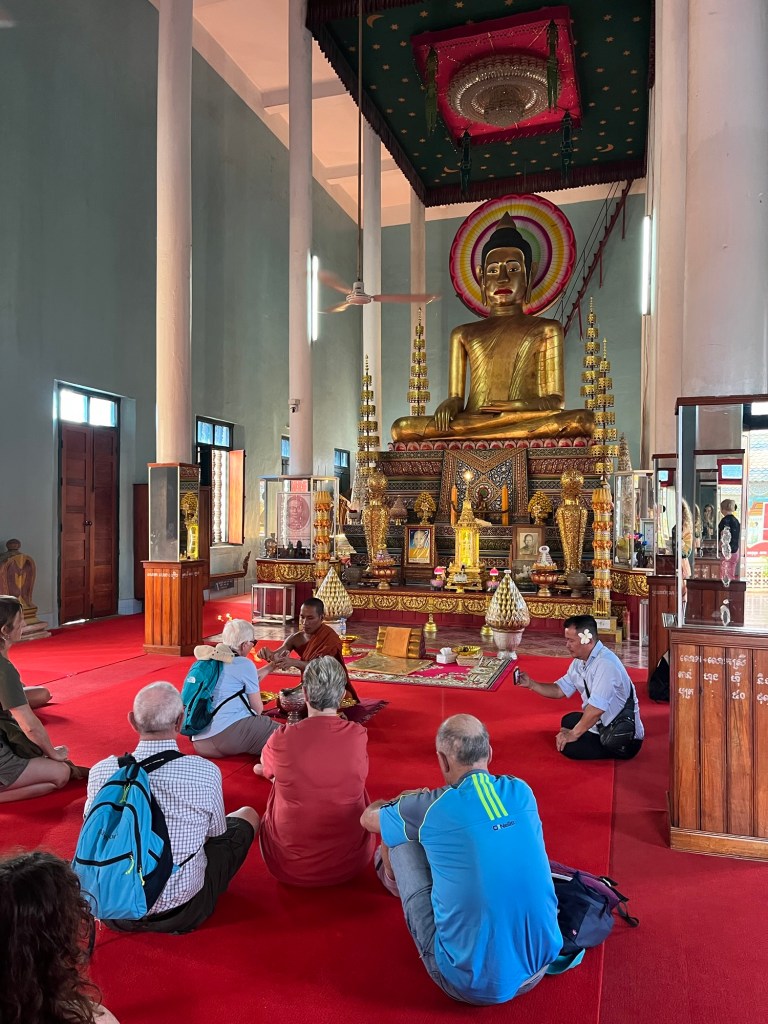
The first temple, Wat Phananchoeng, contained the biggest Buddha I have ever seen indoors, it was so big it actually caused me to gasp when I saw it.

People included for size context, at Wat Phananchoeng, Ayutthaya

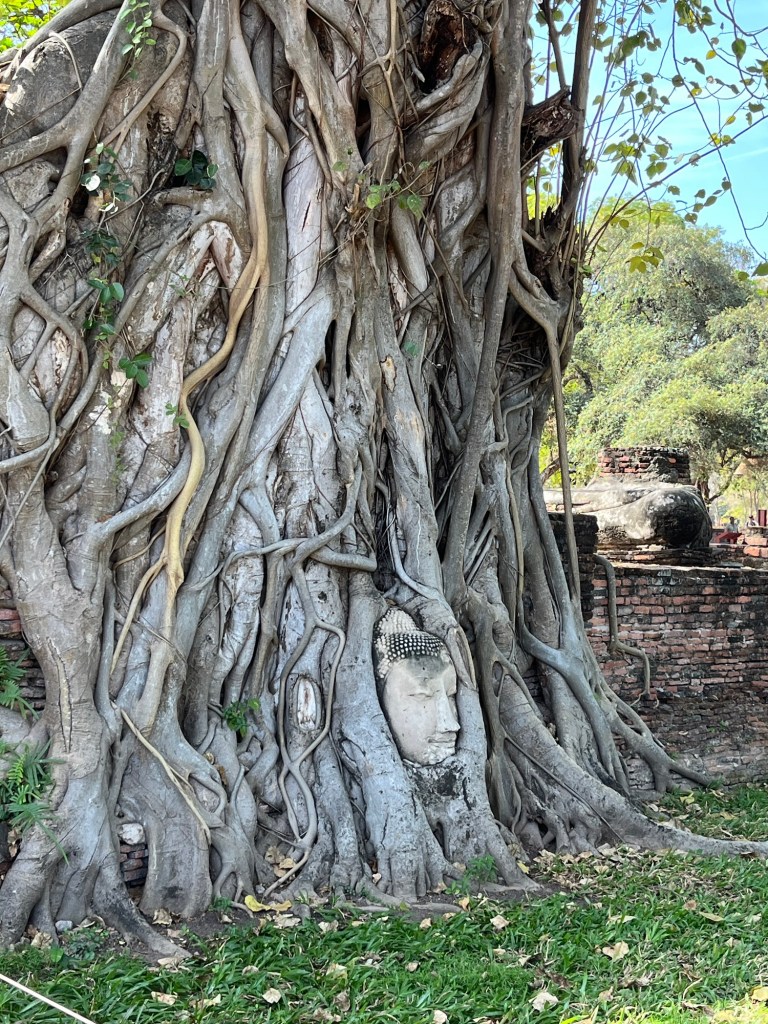
We also went to Wat Yai Chaimongkhol which has a Buddha head embedded into a tree and finally to Wat Mahathat before getting on the boat for about an hour’s cruise around the city.

We continued to head north and ended the day in Kamphaeng Phet. This was a nice riverside location but felt fairly off the beaten track and not sure there were many other westerners apart from me and the 2 French ladies on my trip. Their English was as good as my French so we were all very thankful for Google Translate as we enjoyed a drink together in the evening.

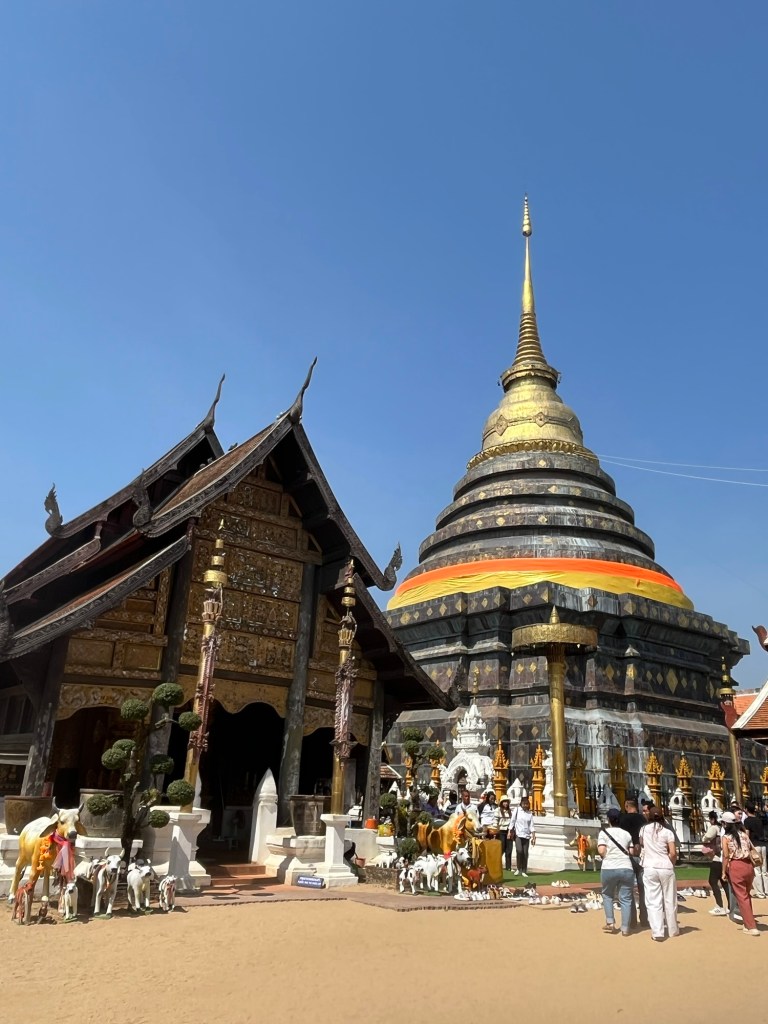
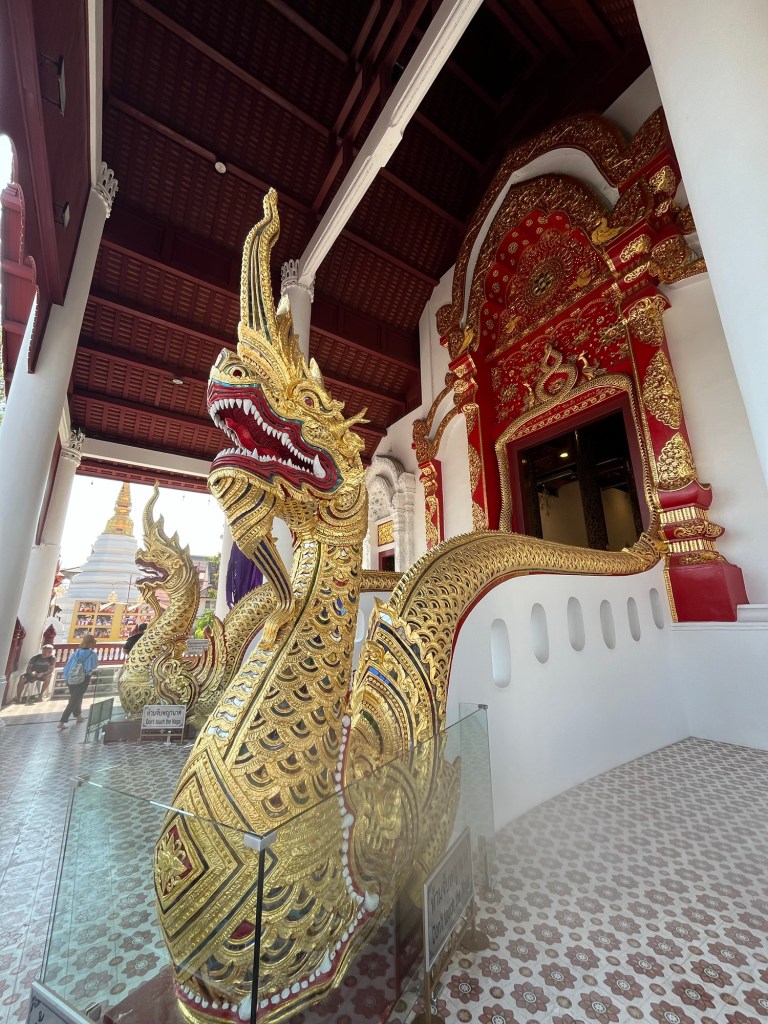
The next day we went to Lampang, visiting Wat Phra That Lampang Luang, with another glistening pagoda and naga staircase. After lunch we visited San Kamphaeng Road, outside of Chiang Mai, which is home to a number of shops selling various locally produced wares including gems and jewellery, lacquerware and silk. All of the places we stopped were receiving bus loads of tourists.

Wat Phra That Lampang Luang

We then arrived in Chiang Mai for a 2 night stay. I headed off to the night markets for food and a bit of shopping – a replacement skirt and a fan!

The following morning we had an early start (7.30am) to head out to Doi Suthep, which we visited on my previous visit. As this was early on a Saturday morning rather than the afternoon of New Year’s Eve, it was a much quieter experience, and there was a slight chill in the air which I found very pleasant but the locals all had their jumpers and coats on!

It was so peaceful walking around with hardly anyone else there. We were back at the hotel by mid morning and had the rest of the day free. As we didn’t have much free time in Chiang Mai on my last visit, I headed into the old city and to some of the Wats that had been recommended. It had become quite a hot day by this point so it was a fairly slow meander punctuated by lunch.

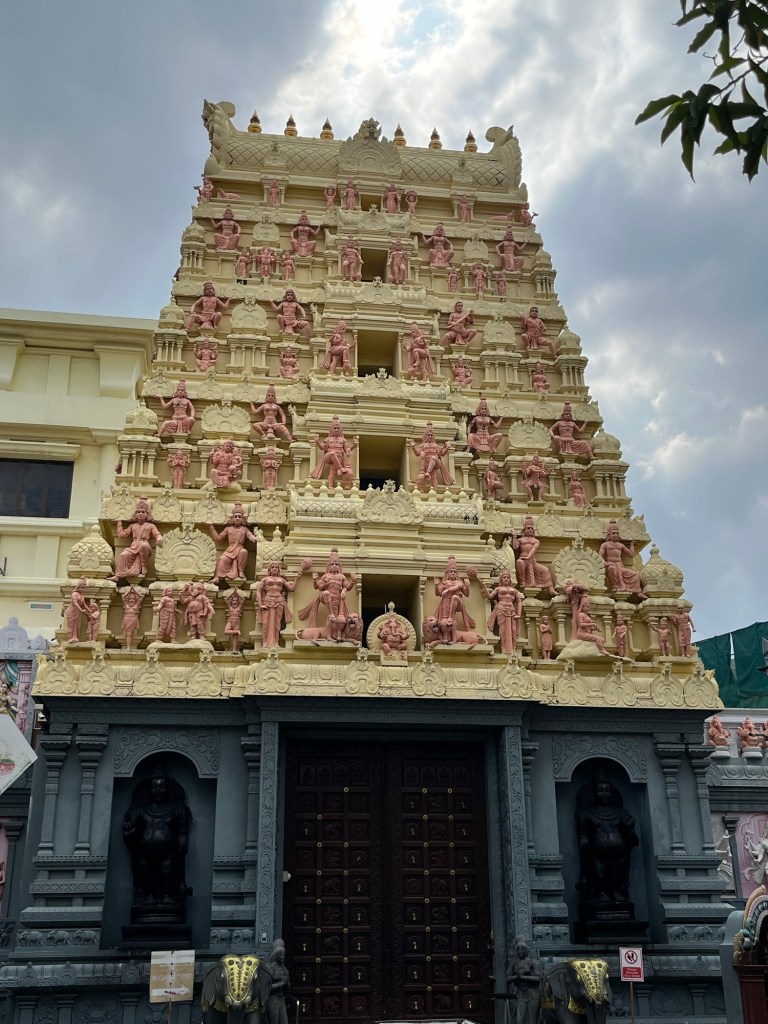
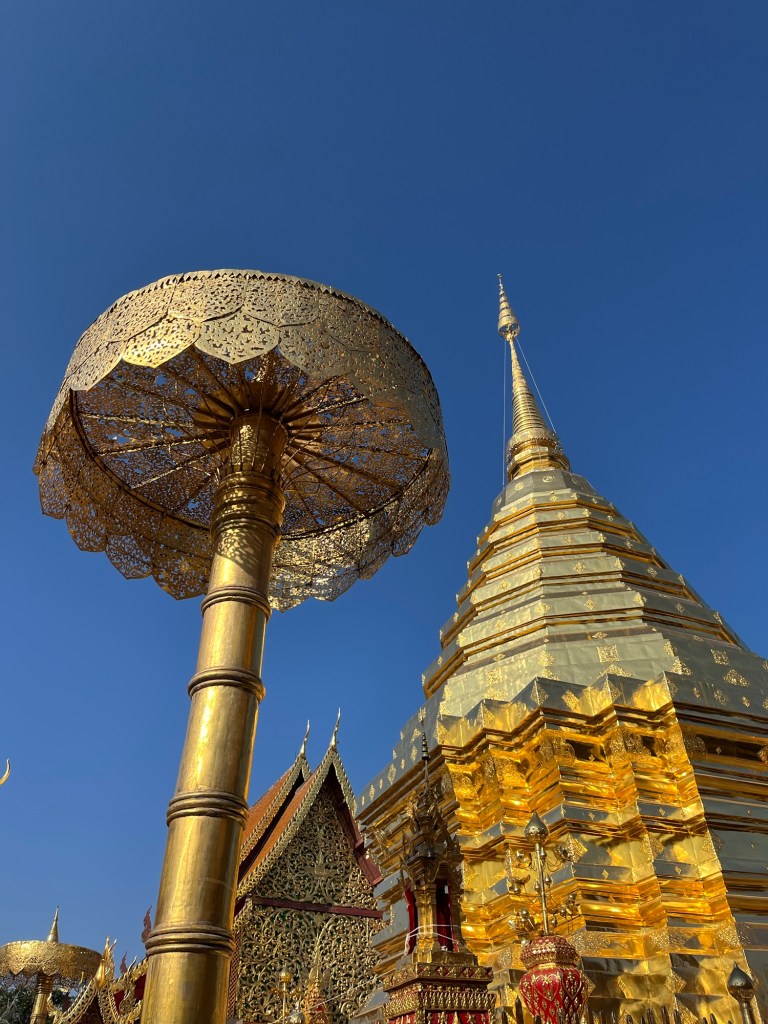
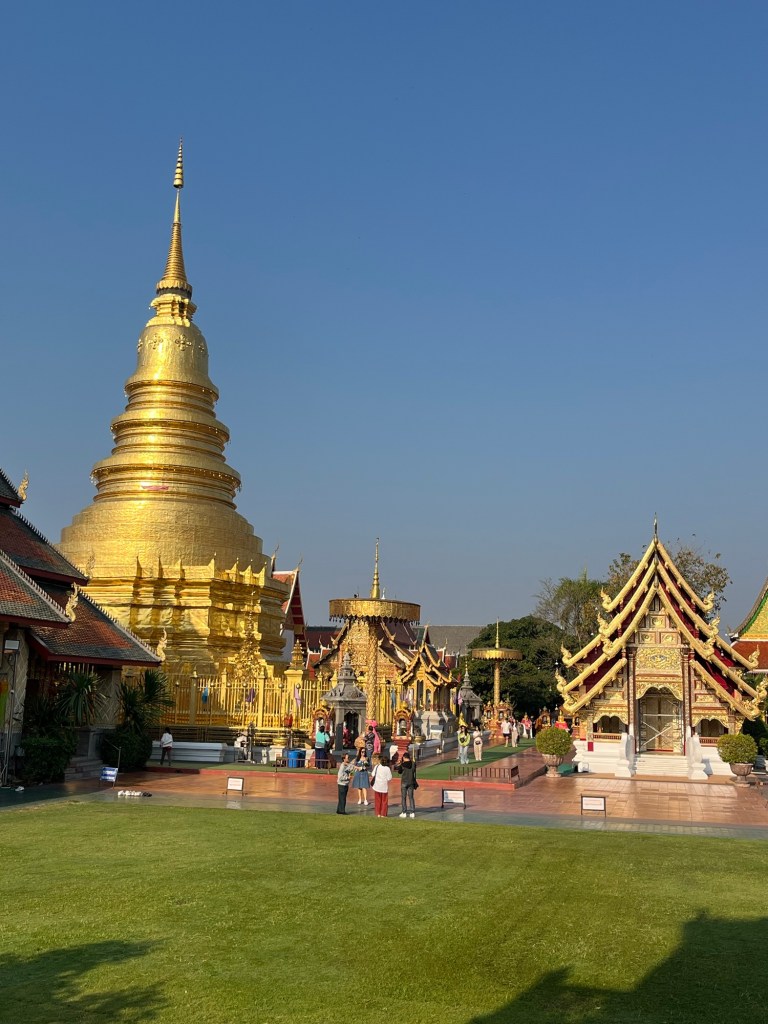
Another trip to the night market for dinner and a relaxing evening before heading off early the next morning back south to Sukhothai. On the way we stopped in Lamphun, to visit Wat Phra That Hariphunchai, another gleaming gold structure which is a thousand years old.

Wat Phra That Hariphunchai, Lamphun

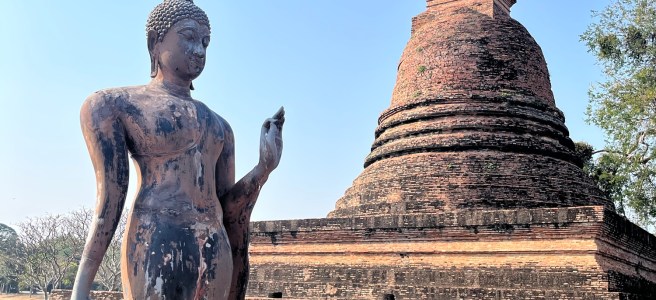
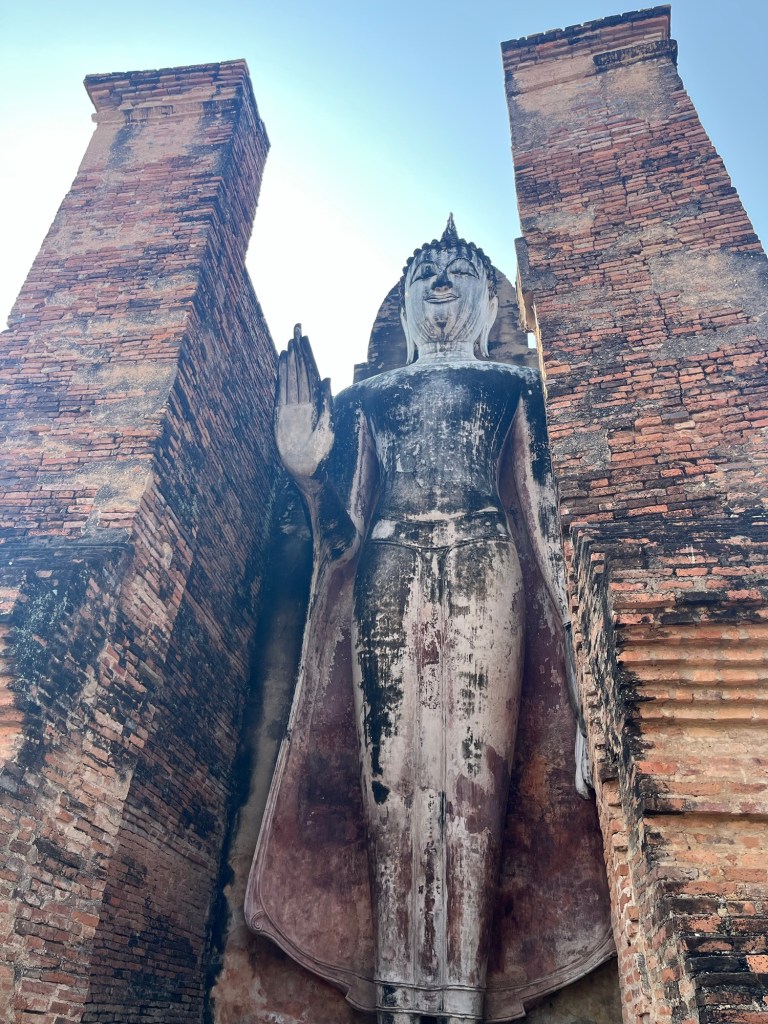
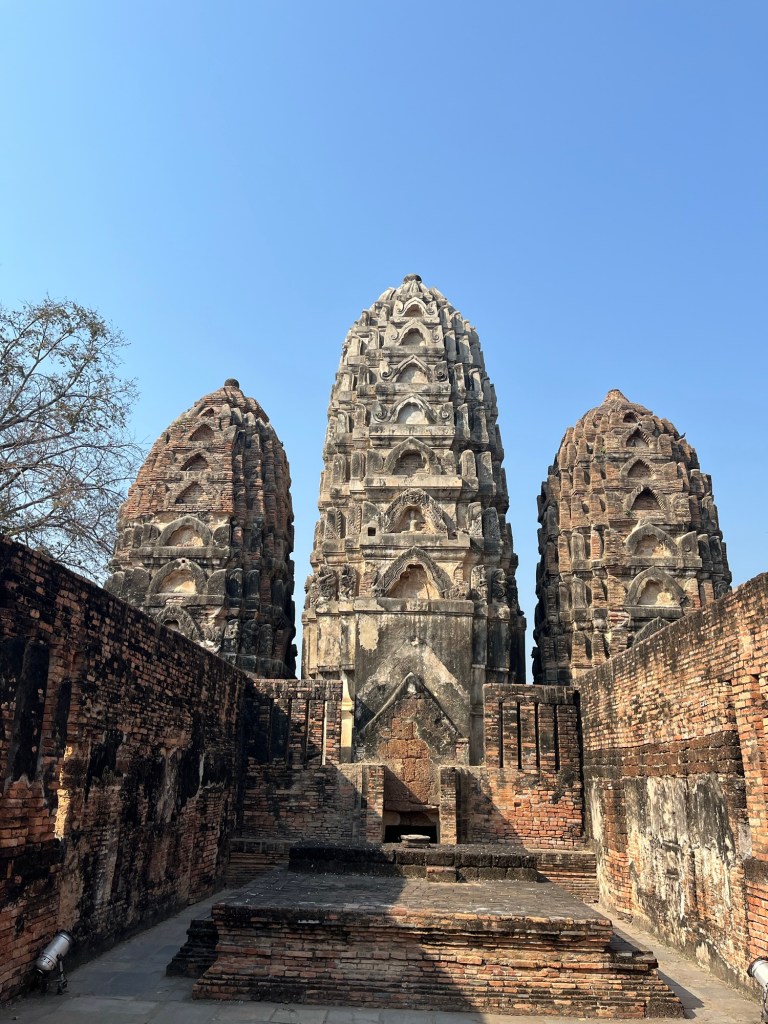
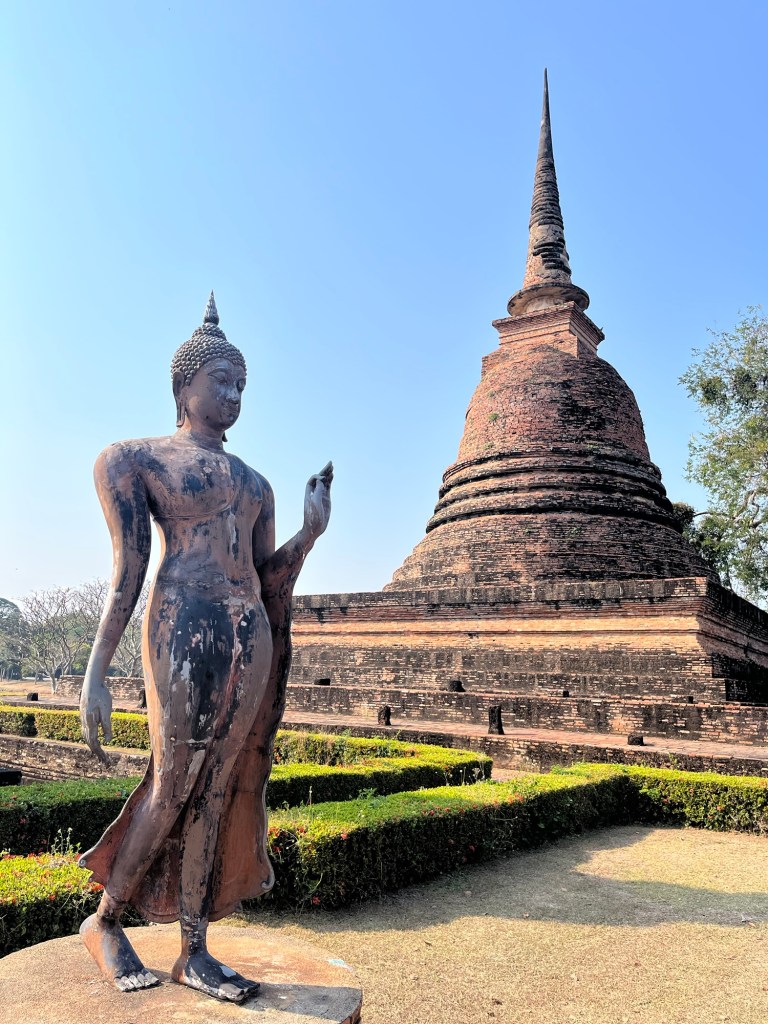
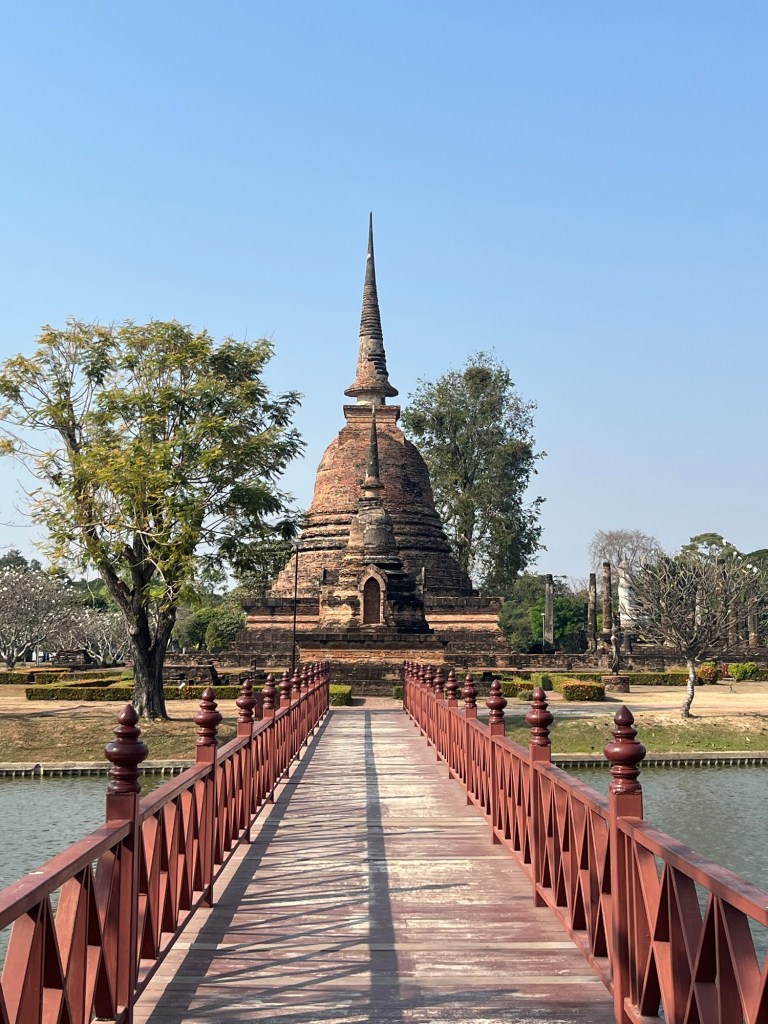
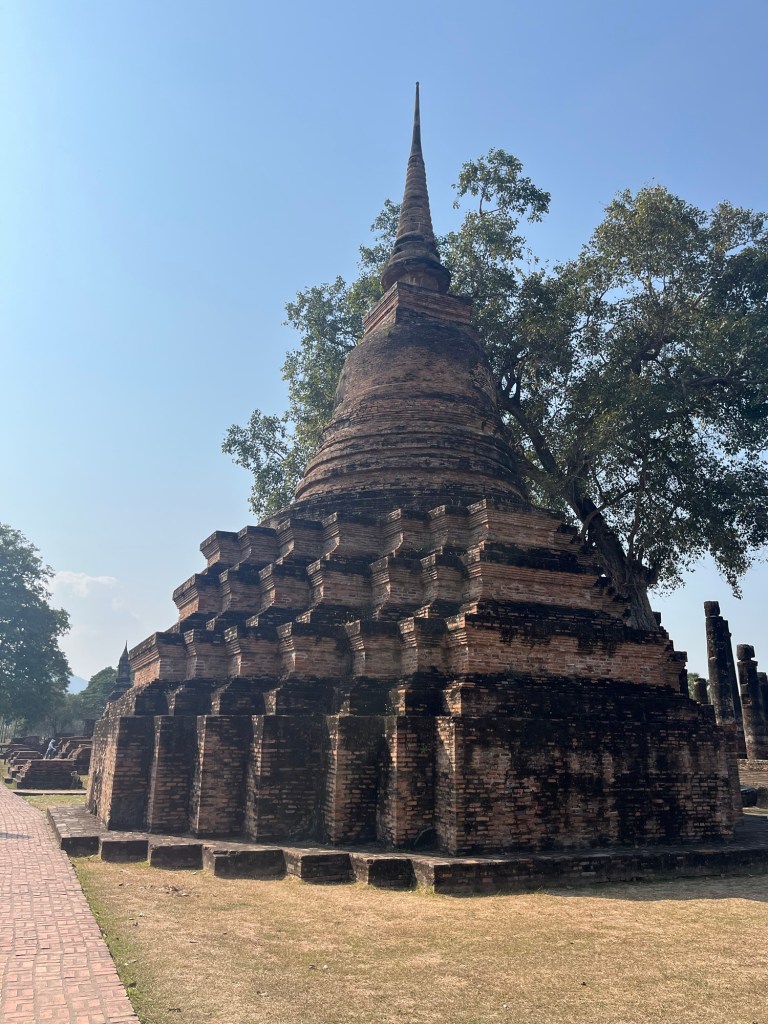
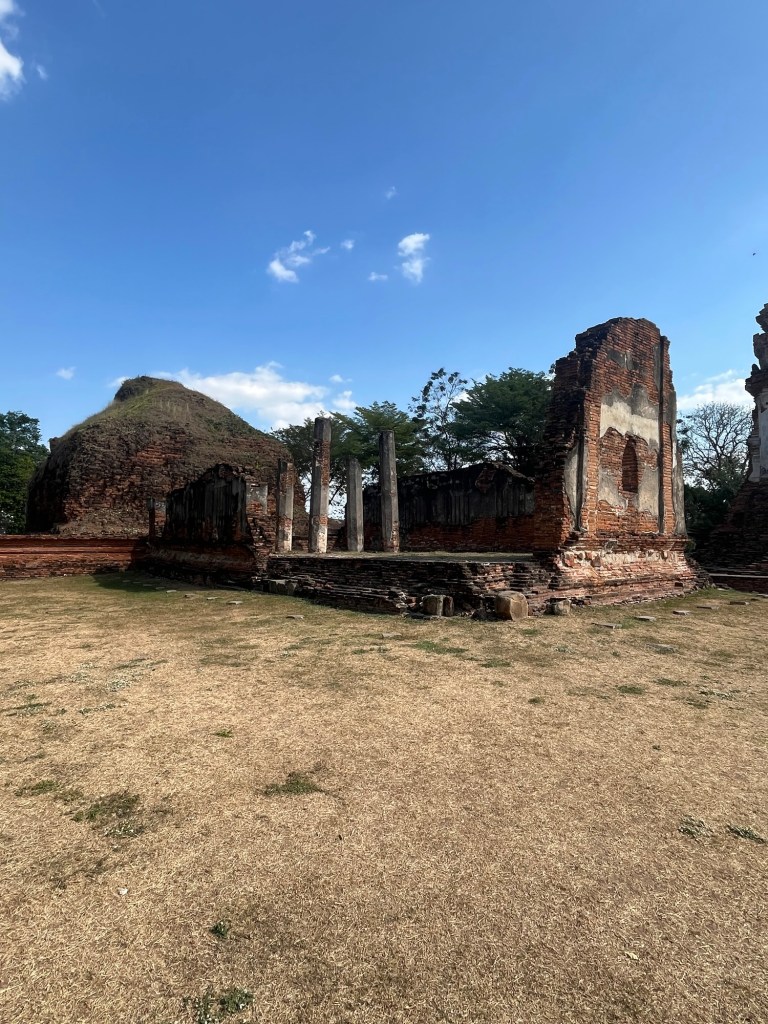
We continued south and arrived in Sukhothai in the mid afternoon. Sukhothai was the first capital of Siam, and is now a historical park with the ruins of hundreds of temples. It’s possible to cycle between the ruins (motor vehicles are not allowed within the park) but I was not quite dressed for cycling (I had a long skirt on suitable for the temple in Lamphun) so took a golf buggy instead, definitely a better option in the heat! The temples here, some ruined, some having been restored, are in the Khmer style and again I could see some similarities to Angkor.

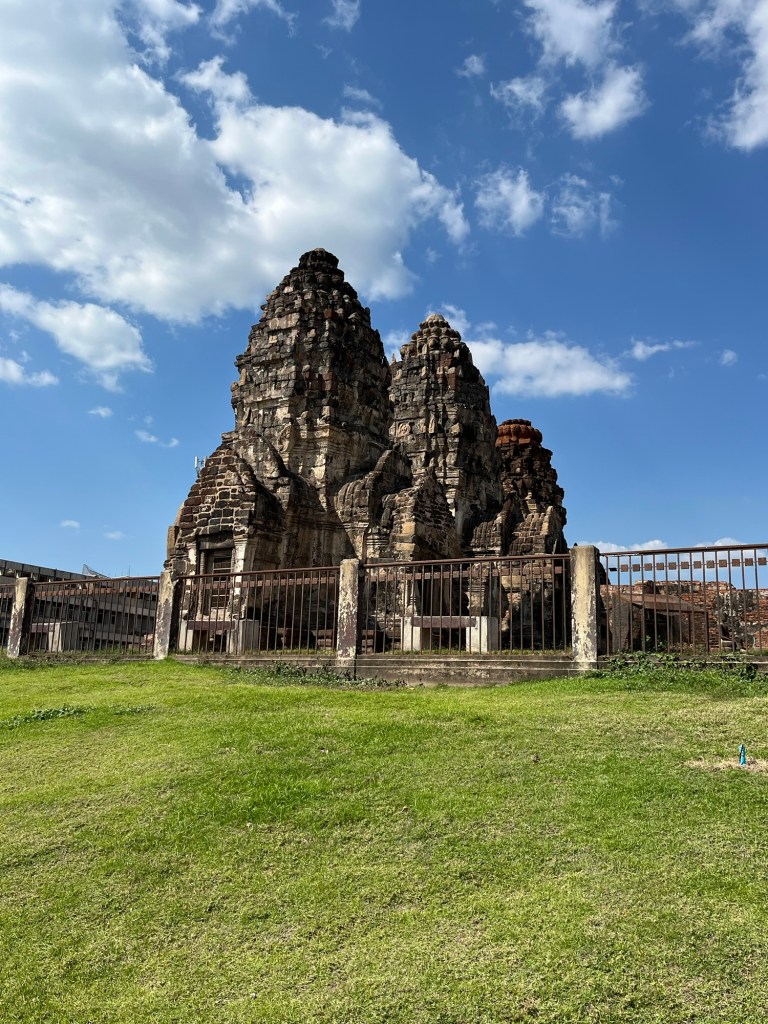
After overnighting in Sukhothai, we had a long drive back to Bangkok the following day, broken up with a visit to Lopburi, previously famous for the macaques roaming the streets, they’ve now been rehoused just outside the city. We also saw a couple more temples to round off the trip.

We arrived back in Bangkok in the early evening. I’m really glad I decided to this short trip. Whilst I am now a little templed-out, it was very interesting to visit these historic places, which had far fewer tourists at them than the temples in Bangkok. I enjoyed Sukhothai in particular and would recommend anyone coming to northern Thailand to include it in your itinerary.

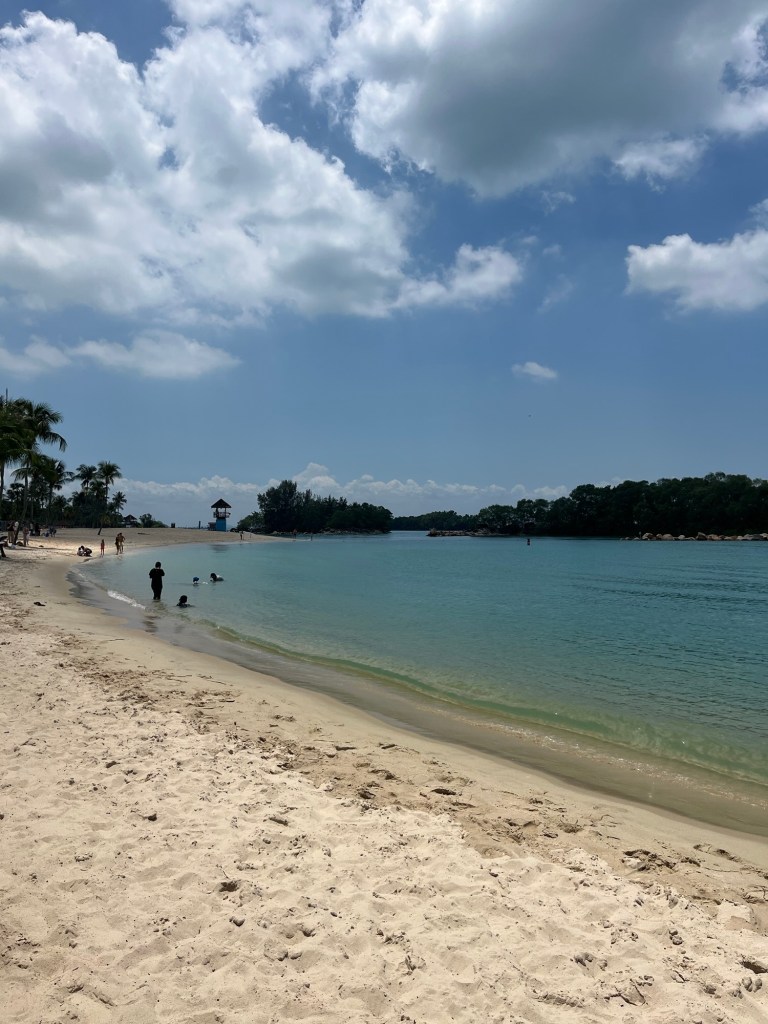
Now for a few days R&R on Koh Samet before the next trip starts…

Cambodia

My second new country of this trip. We left Ho Chi Minh City early in the morning to try and get to the border at Bavet before the rush. This proved a success and there was no queue as we were stamped out of Vietnam. We walked with all our belongings perhaps a couple of hundred metres to the Cambodia border. As with Laos, I was getting a visa on arrival (it is possible to get an e-visa in advance but you had to print out the confirmation and as I have been travelling since early November and wasn’t sure if I’d have access to a printer, I decided to go with the VOA). I was the only one of the 16 of us needing a visa on arrival (30 USD plus 5 USD stamping fee in cash, no passport photo needed despite what the UK FCO travel advice suggests, could be different at an airport), and as with Laos, I was through the border before most of the rest of the group. And another lovely full page visa in my passport!

We then walked a short distance to pick up our bus in Cambodia and started driving towards Phnom Penh. There is essentially one road from this border post to the capital, and for the most part it seemed lined with shops, stalls and small businesses. The noticeable thing for me was the amount of plastic littering the roadside which made me a little apprehensive as to what state Cambodia would be in.

We stopped for lunch after a couple of hours at a roadside diner, and I had pho (after somehow completely missing it in Vietnam). Pretty tasty.

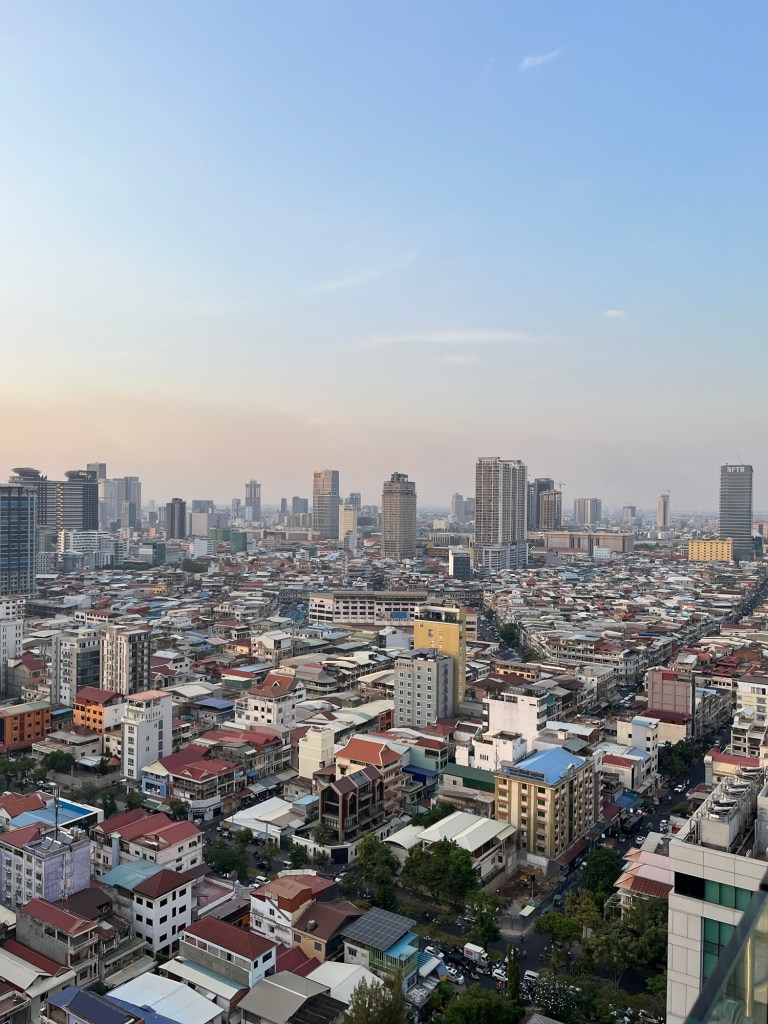
We drove another couple of hours and arrived in Phnom Penh in the middle of the afternoon. I’m not entirely sure what I was expecting in Phnom Penh but it greatly exceeded any expectations I might have had. It sits on the Mekong and as we crossed the bridge into the city, we were greeted by lots of modern, tall buildings, well-maintained streets and public areas and it was very clean with no real sign of the plastic that had littered the roadside most of the way.

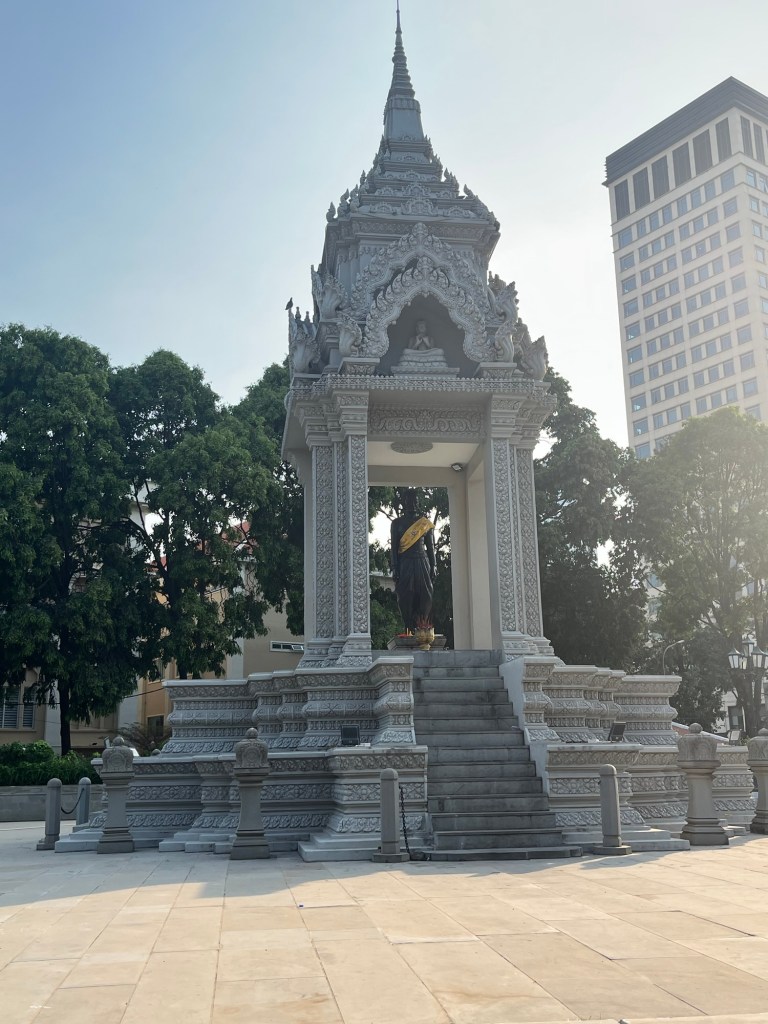
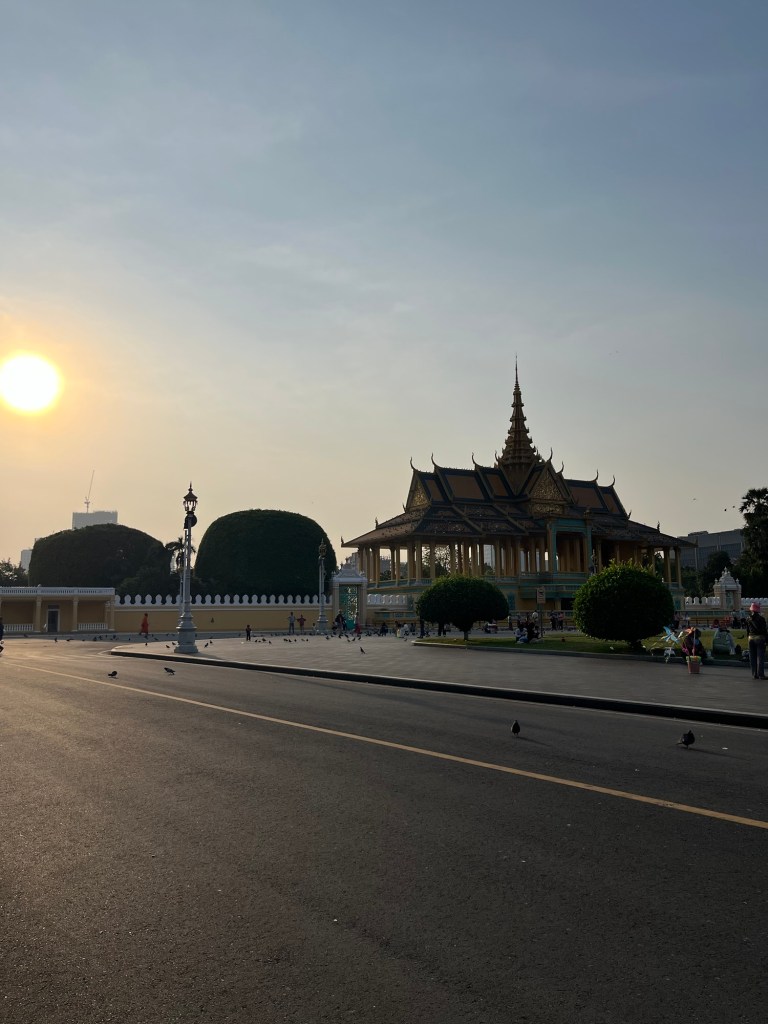
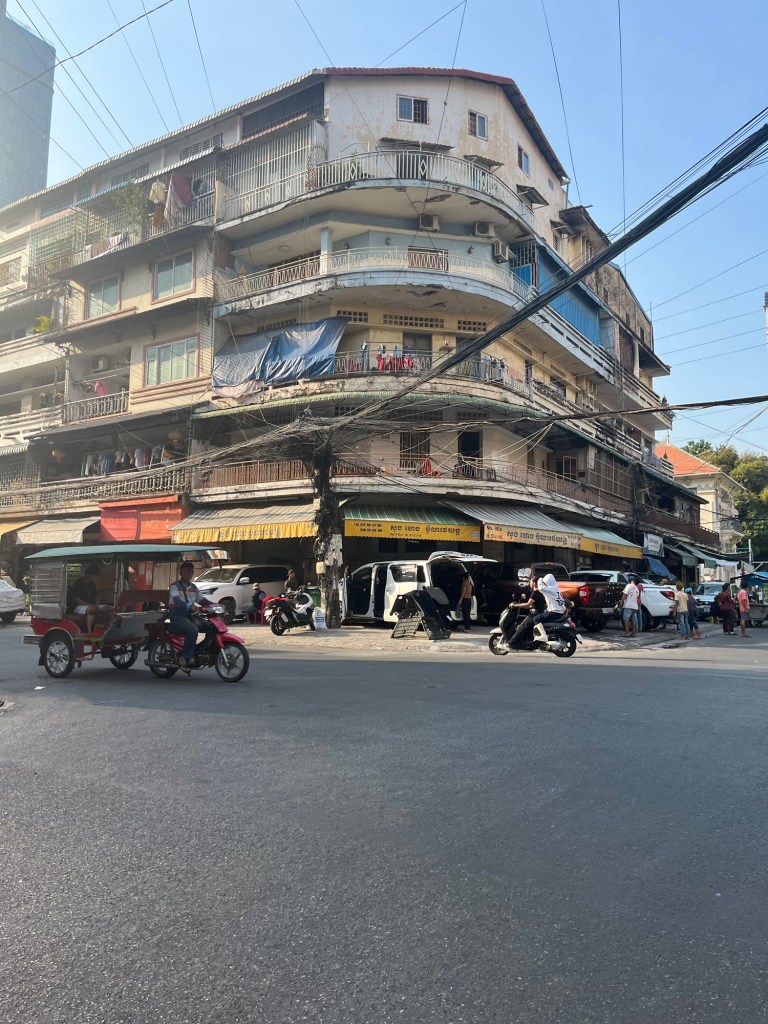
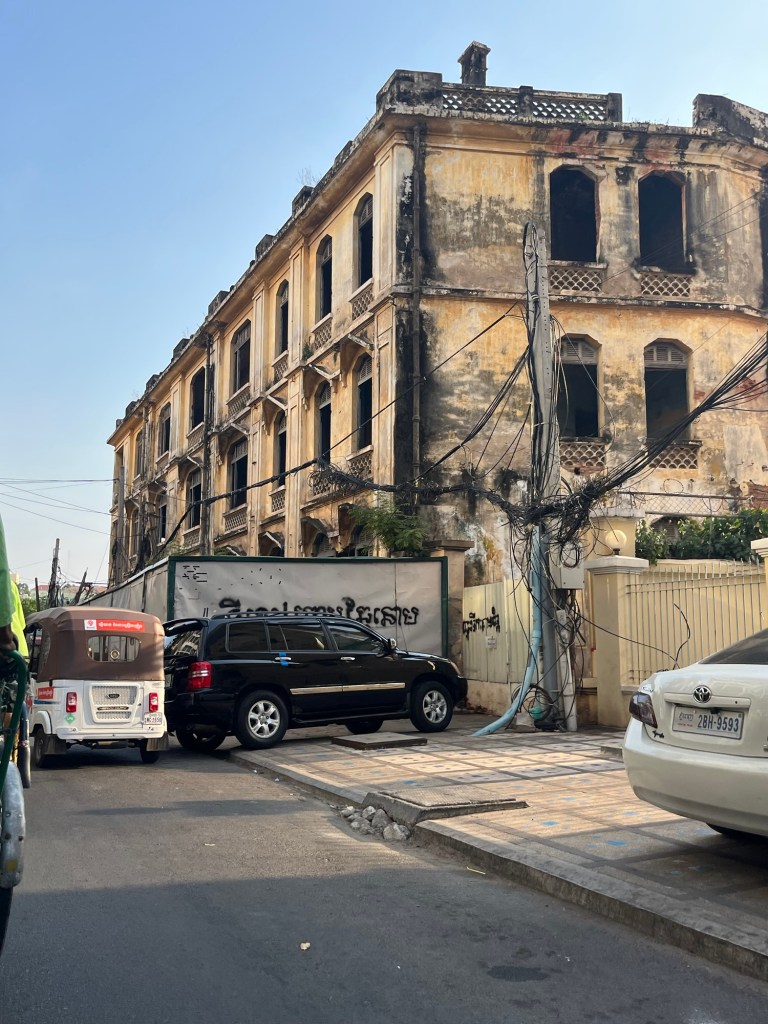
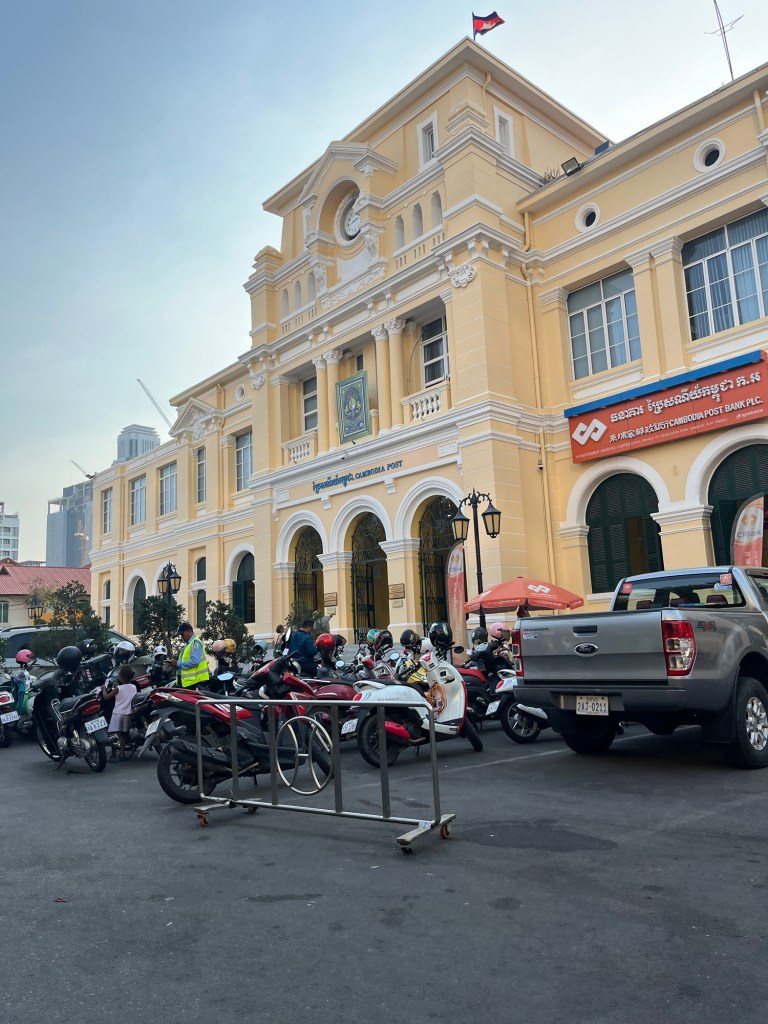
After checking into the hotel we had a cyclo tour of the city. Cyclos are 3 wheeled bicycles with a large seat up front for the passenger, which gives you a headlight-level view of the city. We were taken to Wat Phnom, the palace and then dropped off along the river in time for a sunset cruise. It was really interesting to see the city from this angle and I enjoyed the mixture of architecture styles.

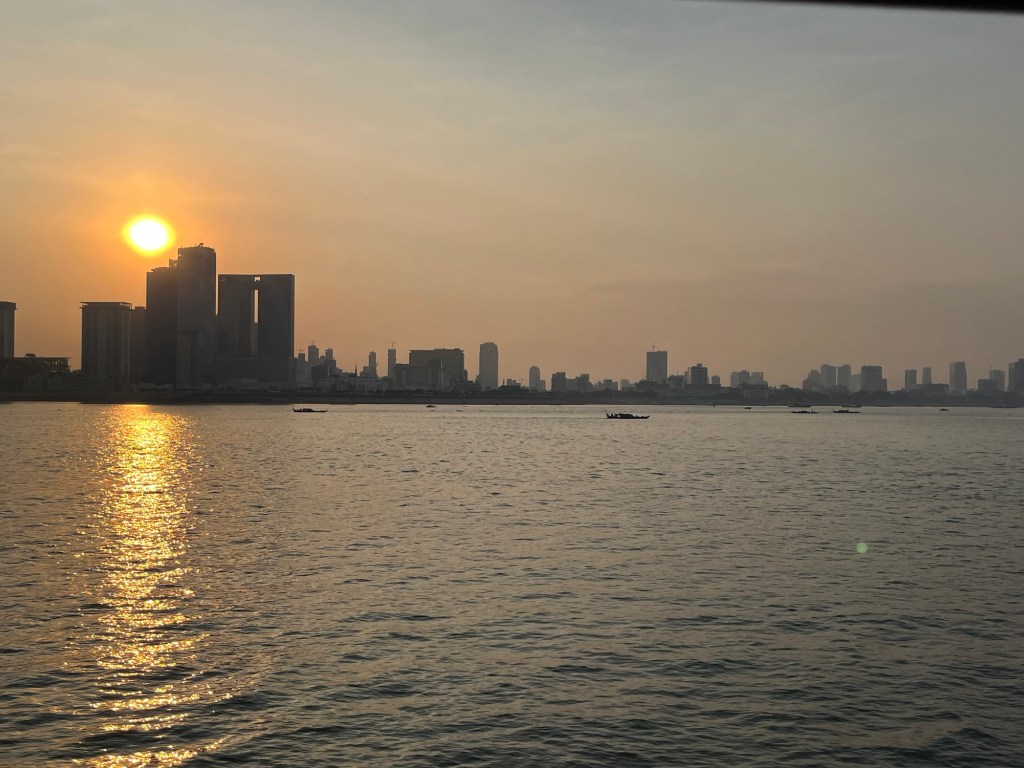
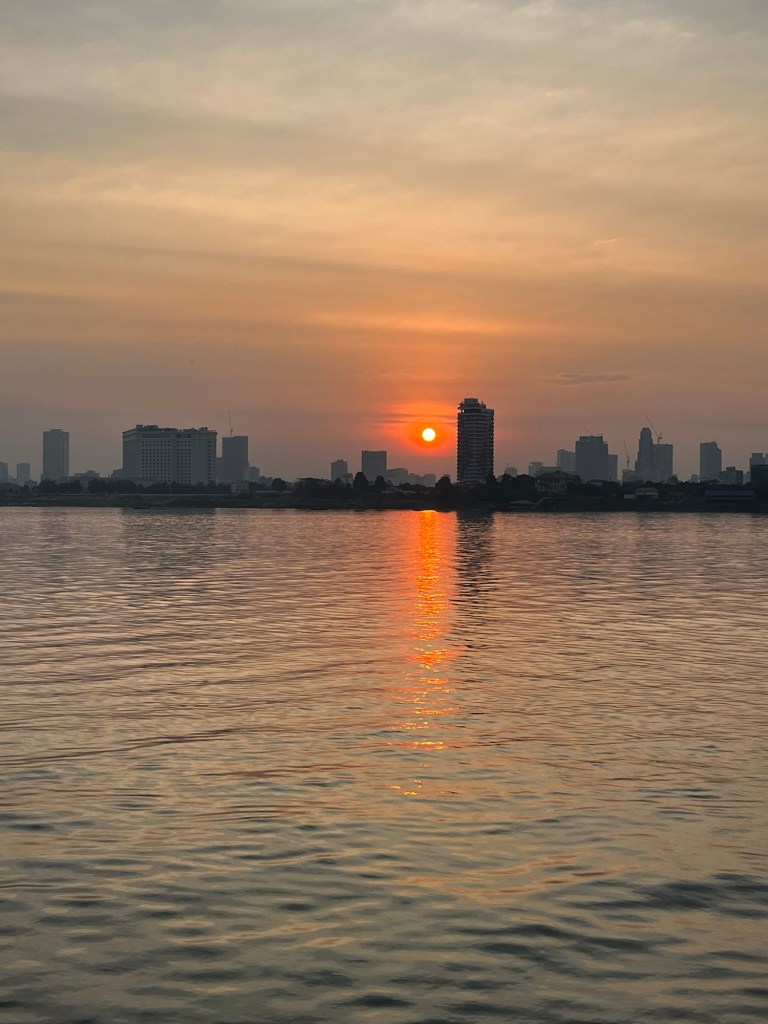
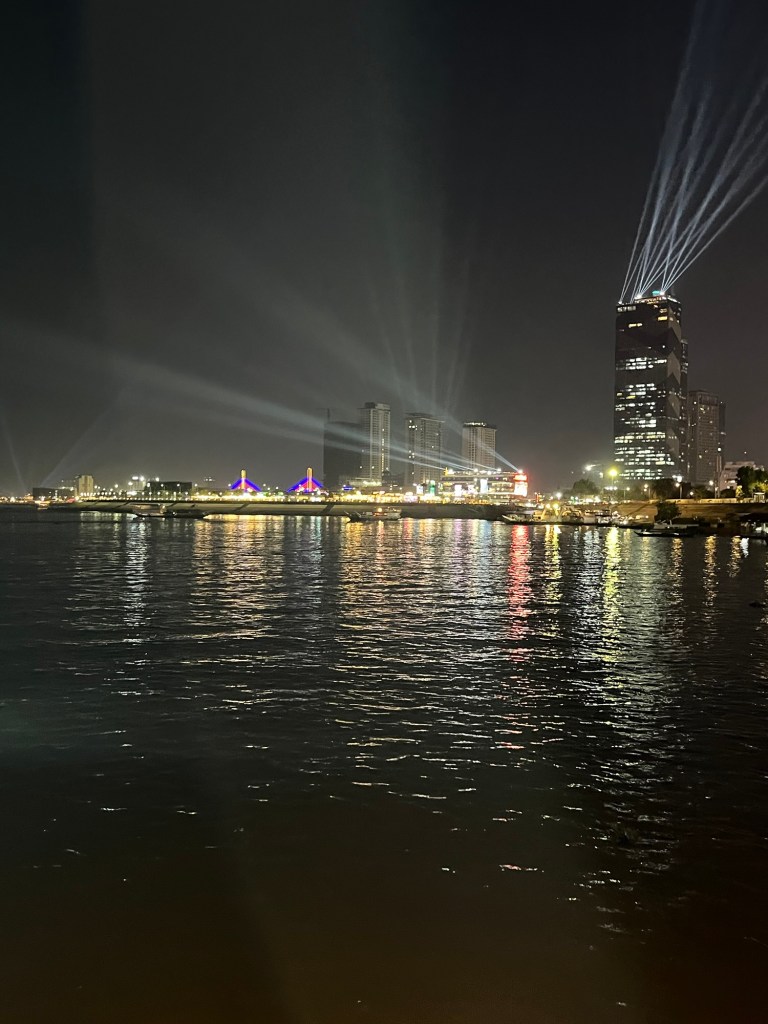
We then had about 90 minutes sailing along the Mekong and admiring the views of the city as the sun set. It was pretty glorious to be honest. The Mekong has featured heavily through my journey through Indochina, starting at the Thai-Laos border and sailing for 2 days to Luang Prabang, seeing it again in Vientiane and then again at the delta in Ho Chi Minh City, and finally here in Cambodia. It is so important to life in this part of the world and seeing it through several countries affirms that.

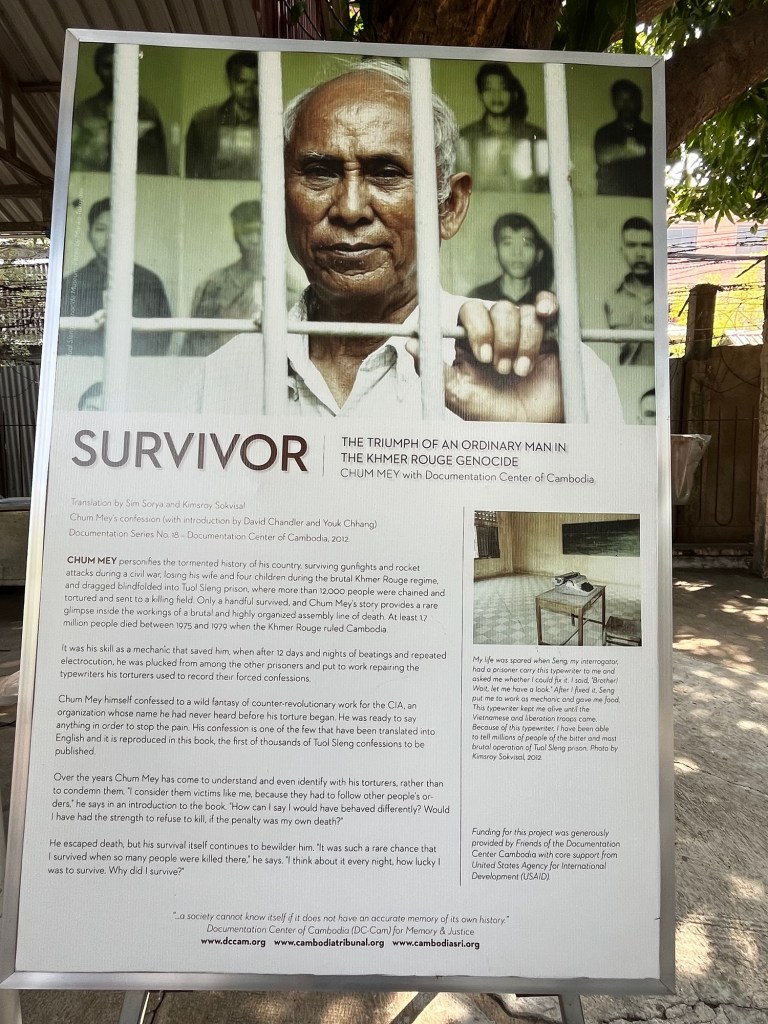
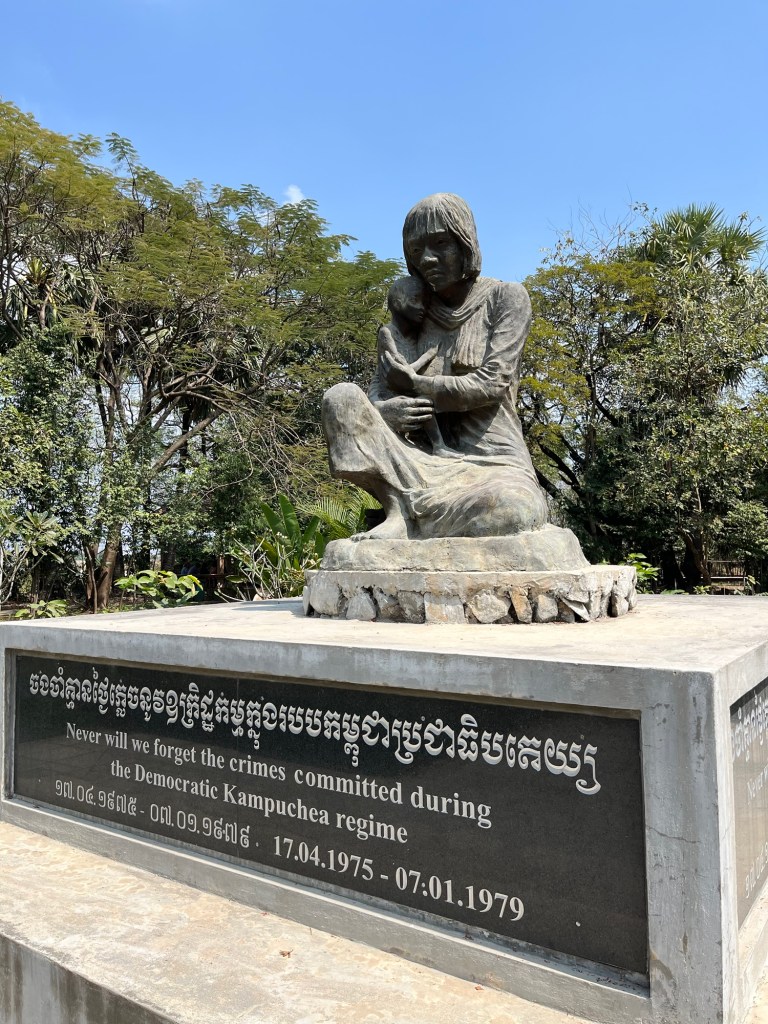
The next day we went to the S-21 Prison in Phnom Penh, and to the Killing Fields a short drive outside of the city. We had a local guide with us who spoke to us about the atrocities that the Khmer Rouge had committed, and told us of his own experiences during these times, which was incredibly powerful and emotional to hear.
Only a handful of people survived S-21 prison and one of those still alive today was in the grounds of the now museum, sharing his story. It was incredible to be able to meet this gentleman, Chum Mey, who is in his mid 90s.
Whilst learning about the murderous atrocities of an horrific regime isn’t perhaps on many people’s holiday/travel agendas, I think it is an important and necessary visit to make, and many parts of that morning will stay with me for a very long time.

I needed some time to decompress in the afternoon. I probably should have consulted the itinerary a little more closely when I booked this trip as this day was also the anniversary of my husband’s death. Always a difficult day and certainly compounded by what we heard about in the morning.

We ended the day, and our short visit to Phnom Penh, on a happier note on a rooftop bar to watch the sunset. I think I’m losing count of the number of amazing sunsets I’ve seen on this trip, and I’m sure there are many more to come yet.

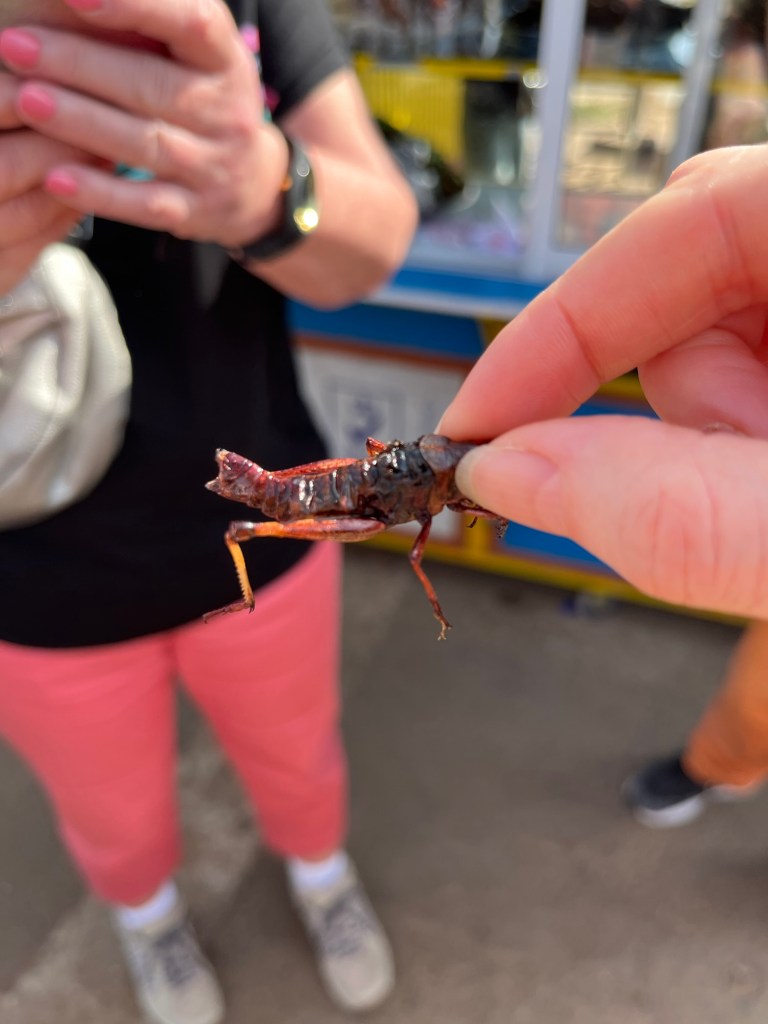
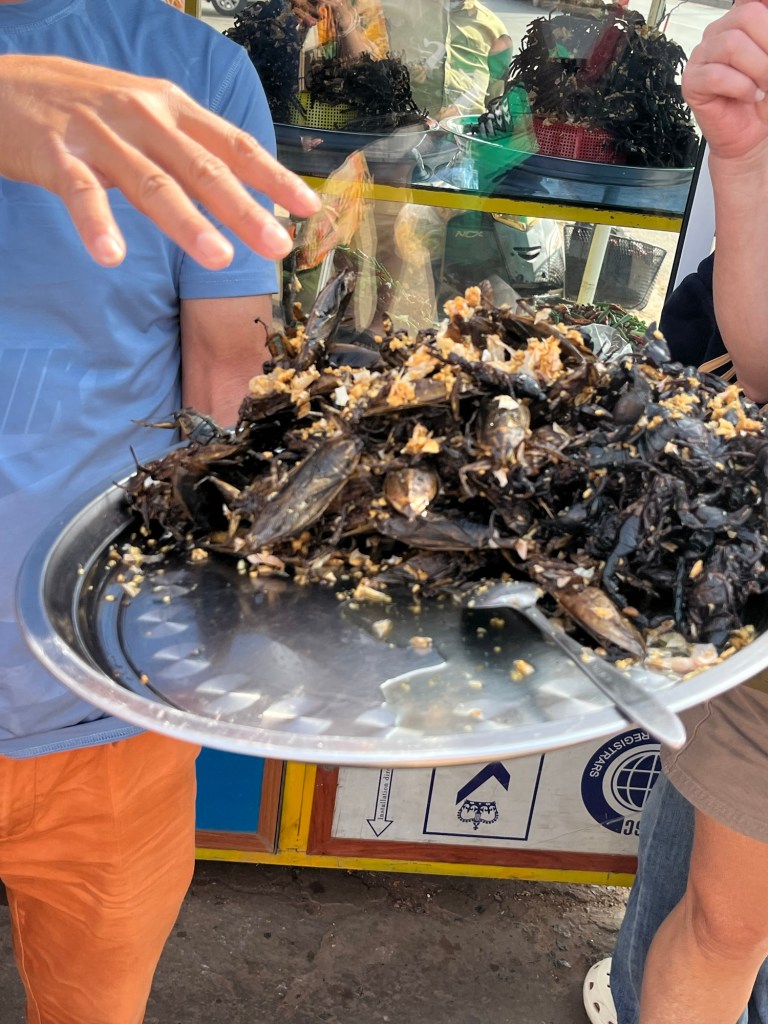
The next day we headed off to Siem Reap. We had a stop off in the morning at a service station which aside from the usual service station affairs, also had a stall selling various fried critters. I did have a go at some of them (mostly crunchy and fried with garlic and soy) but some were a little too large…

We stopped later for lunch at a lovely restaurant overlooking a lake. I had chicken and veg in a lotus leaf which was very good.

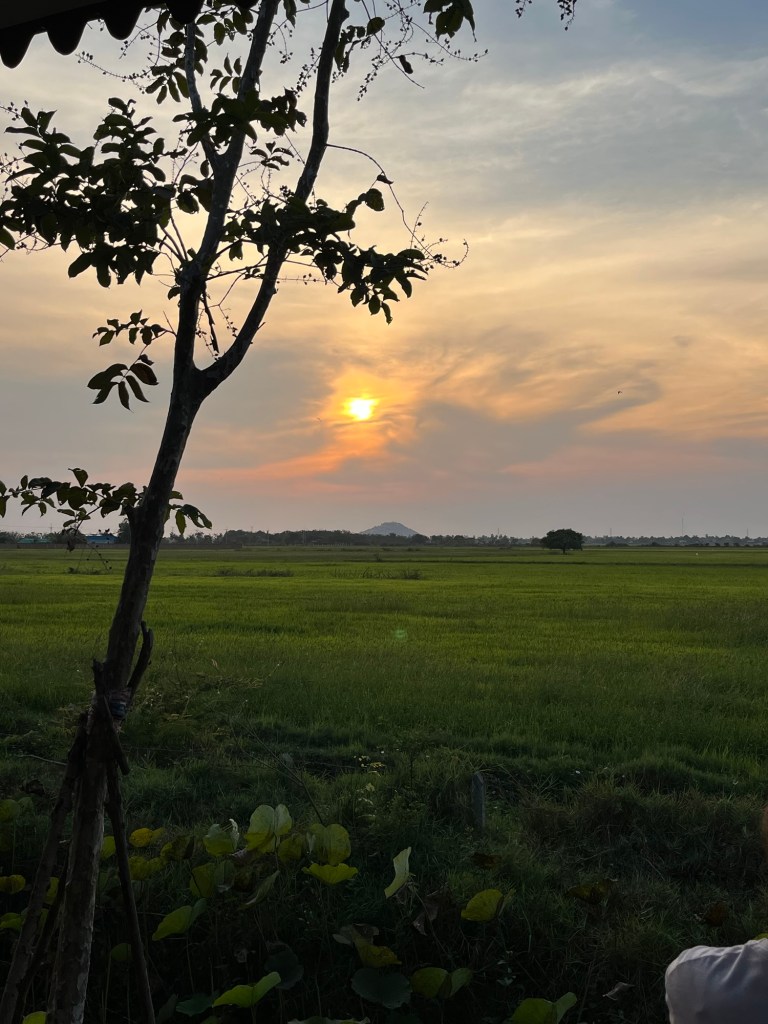
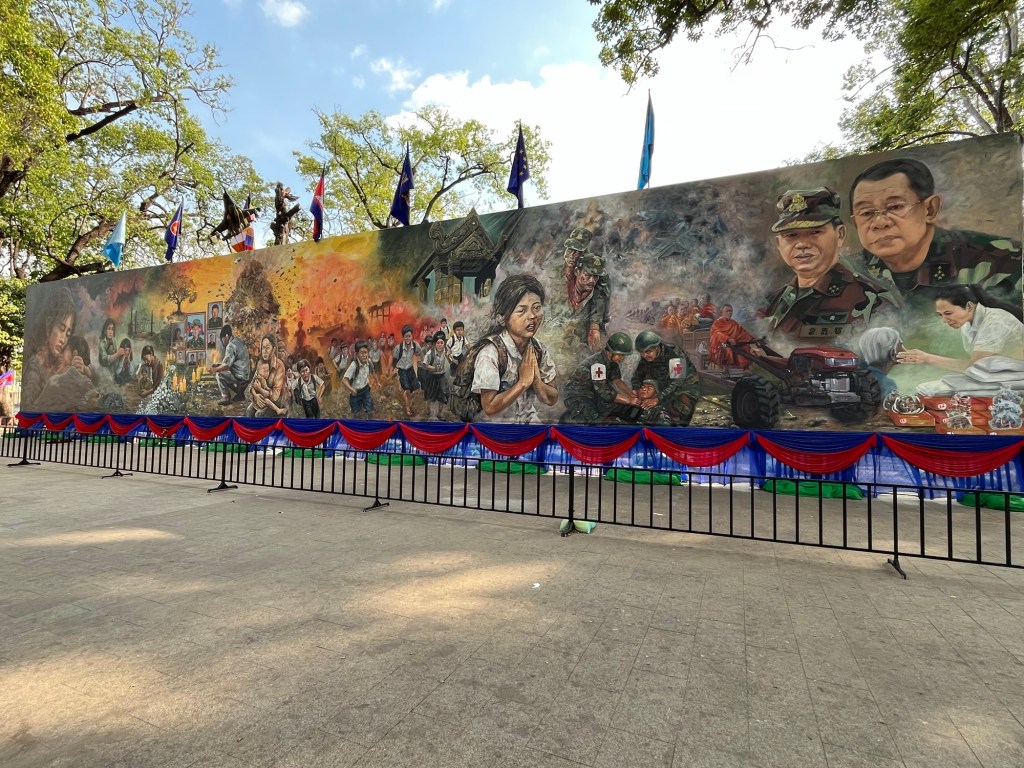
We arrived in Siem Reap around mid afternoon, and headed out on a tuk tuk tour of the city and countryside. We saw a large mural in the city which has been painted to reflect the experiences of the recent conflicts between Cambodia and Thailand, as well as receiving a blessing from a monk in a local temple before driving out to the countryside for some street snacks and yet another awesome sunset. The tuk tuks were all driven by ladies and it felt good to be supporting the ladies in building jobs for themselves.

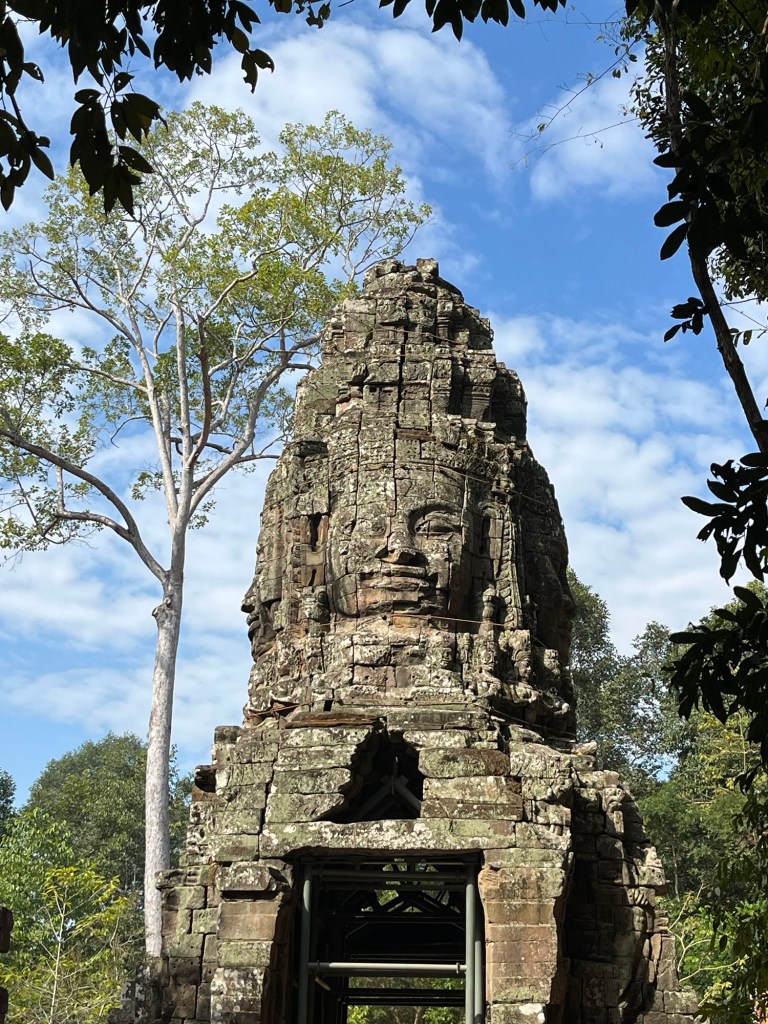
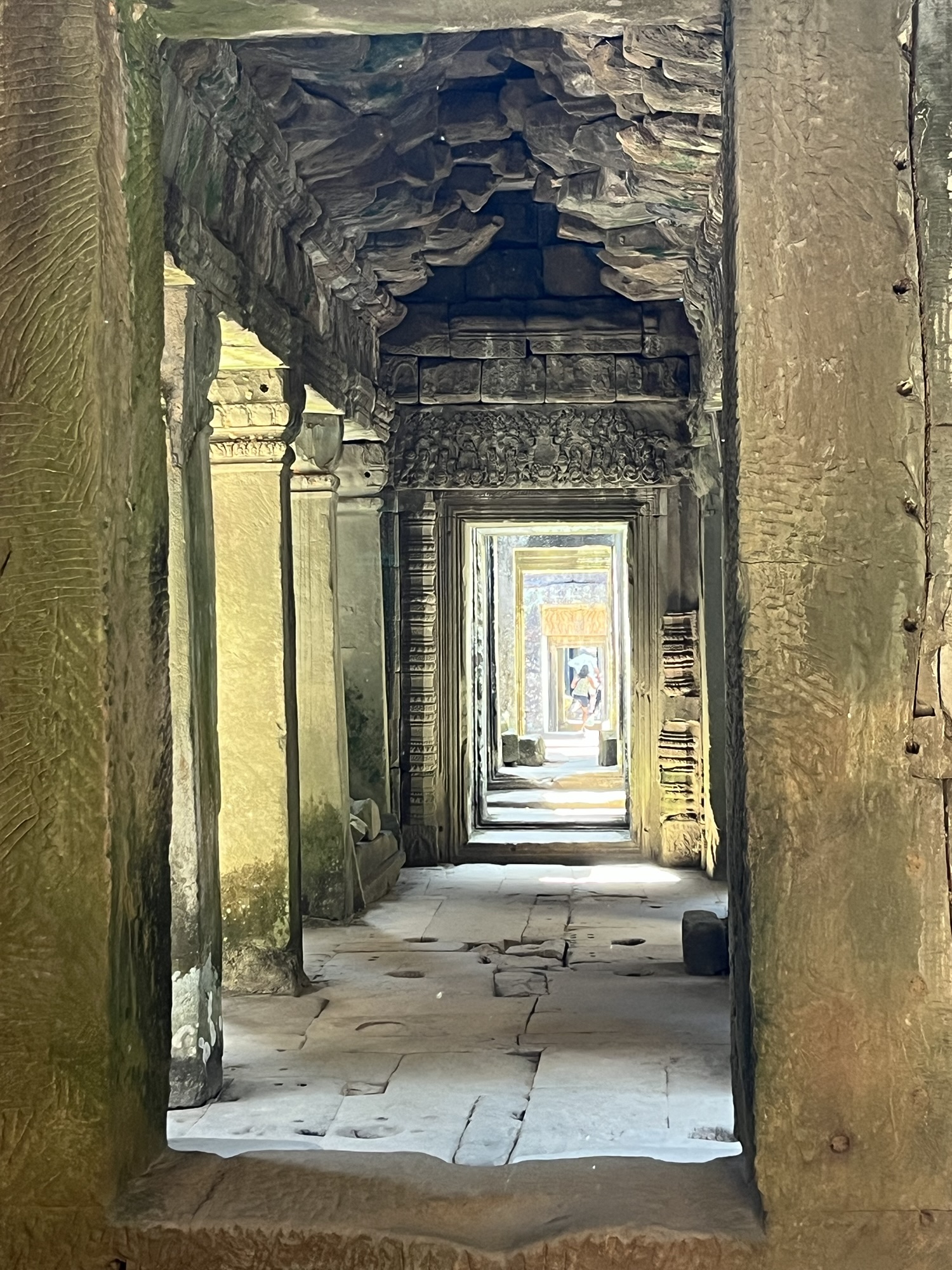
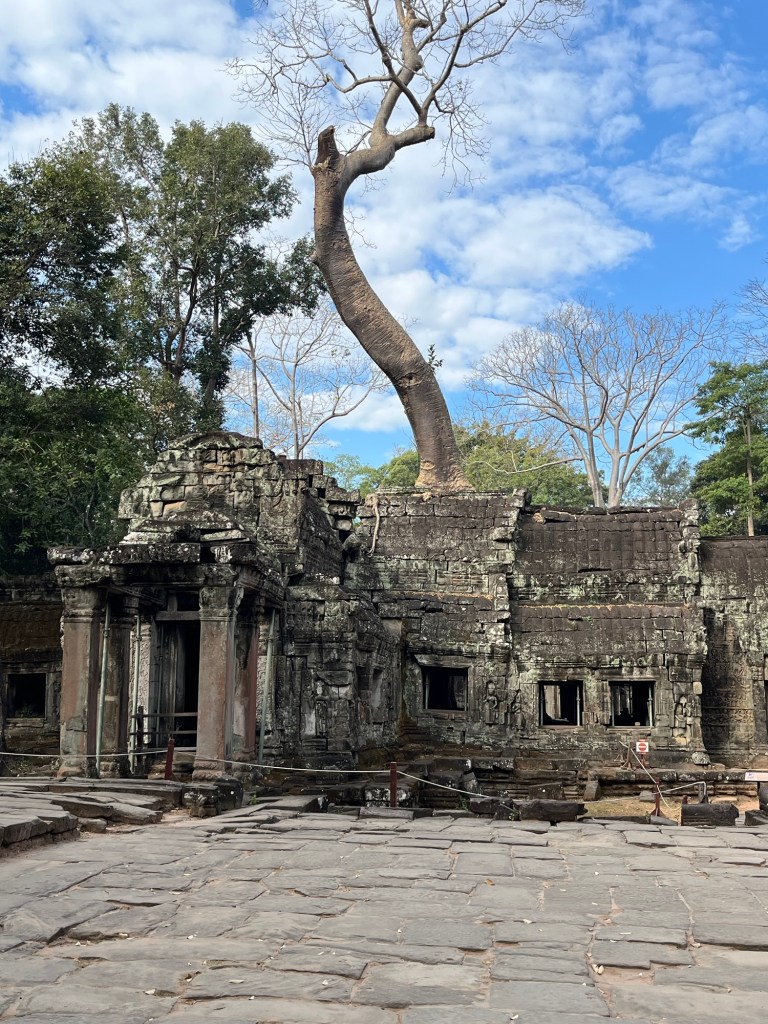
The next day was the first of 2 days spent in the Angkor complex. On the first day we visited the Bayon temple, Preah Khan and Ta Prohm.

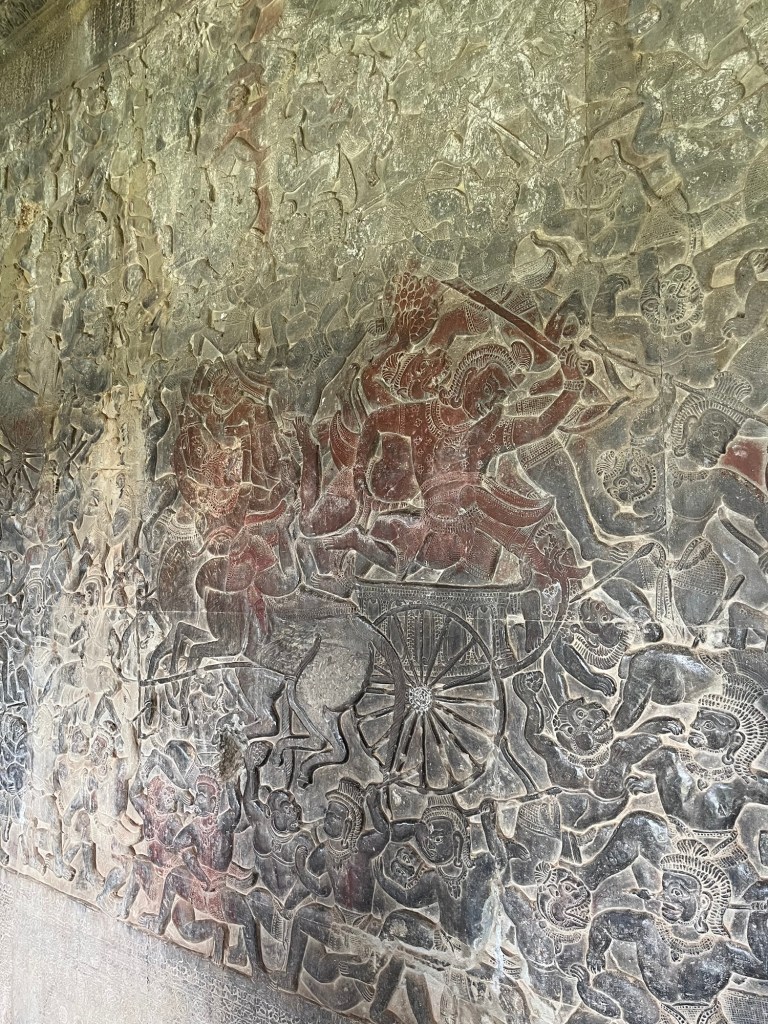
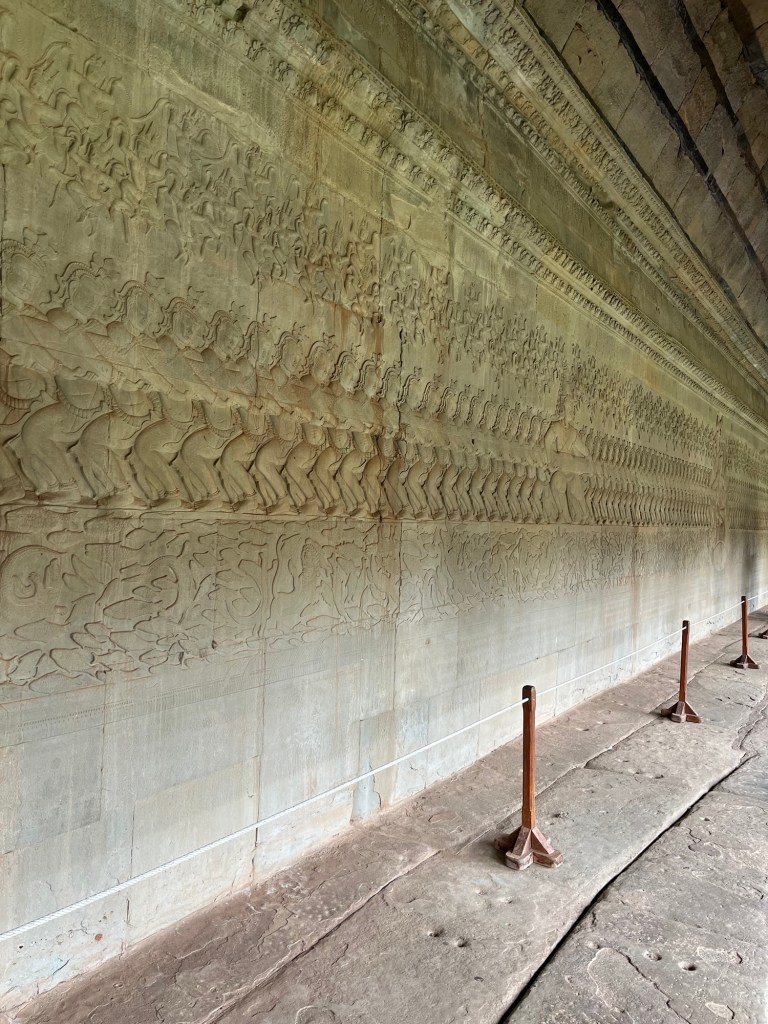
There is a lot of restoration work going on but it is amazing to see these structures, a lot of which date from the 12th century. The detail in the stonework in the galleries is truly incredible.

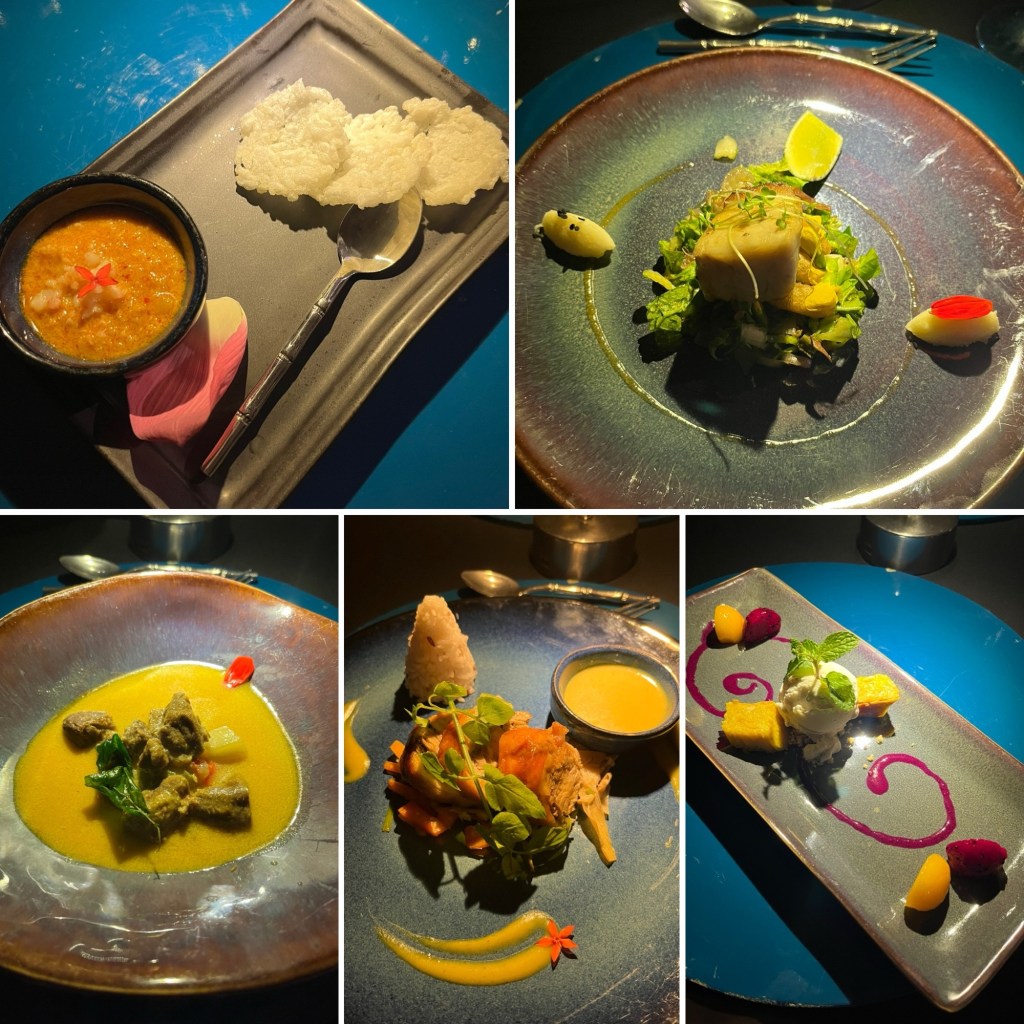
We had a free afternoon and I spent the time relaxing before we went to an Apsara dance show and dinner in the evening. Certainly aimed at tourists, the food was a 5 course tasting menu of Khmer food which was delicious. The dinner was accompanied by various traditional Apsara dances and some martial arts. All in all a very enjoyable evening.

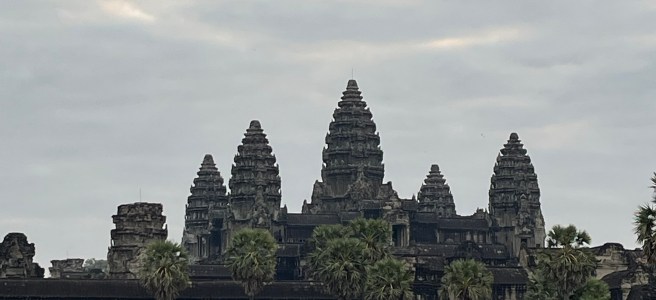
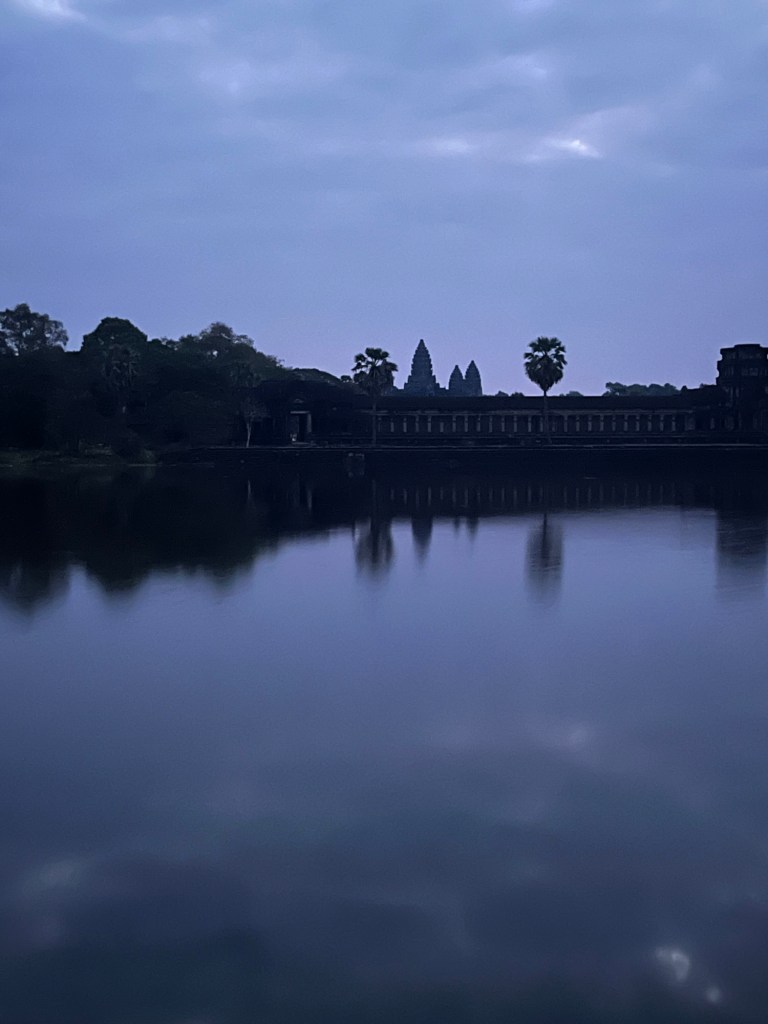
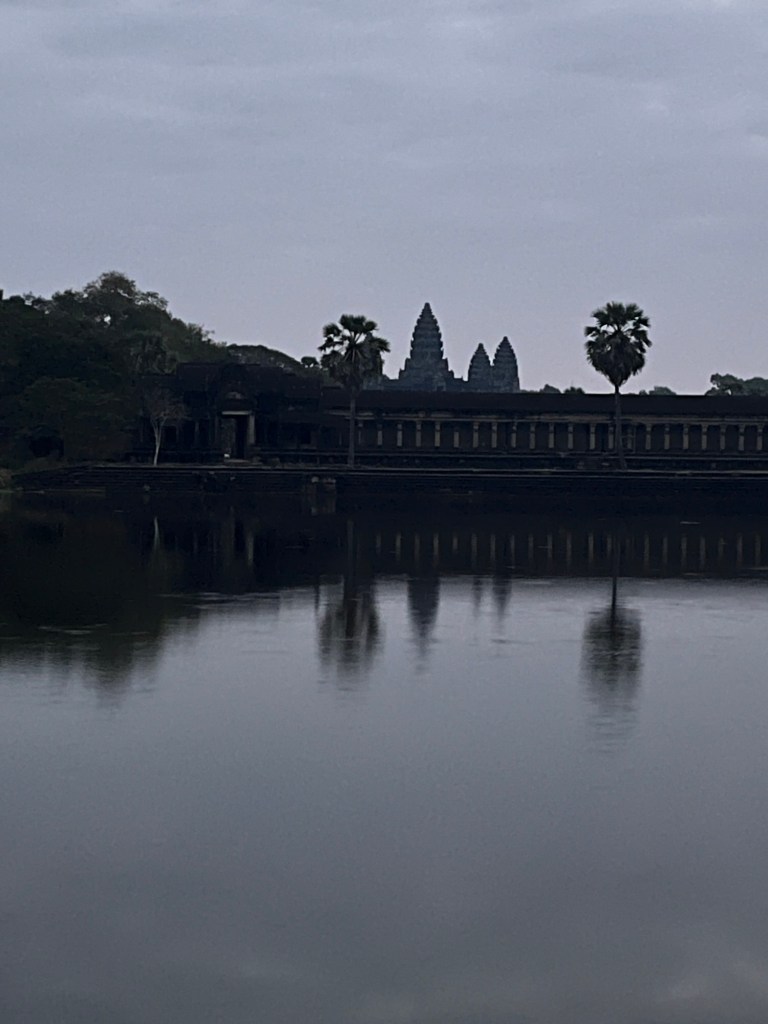
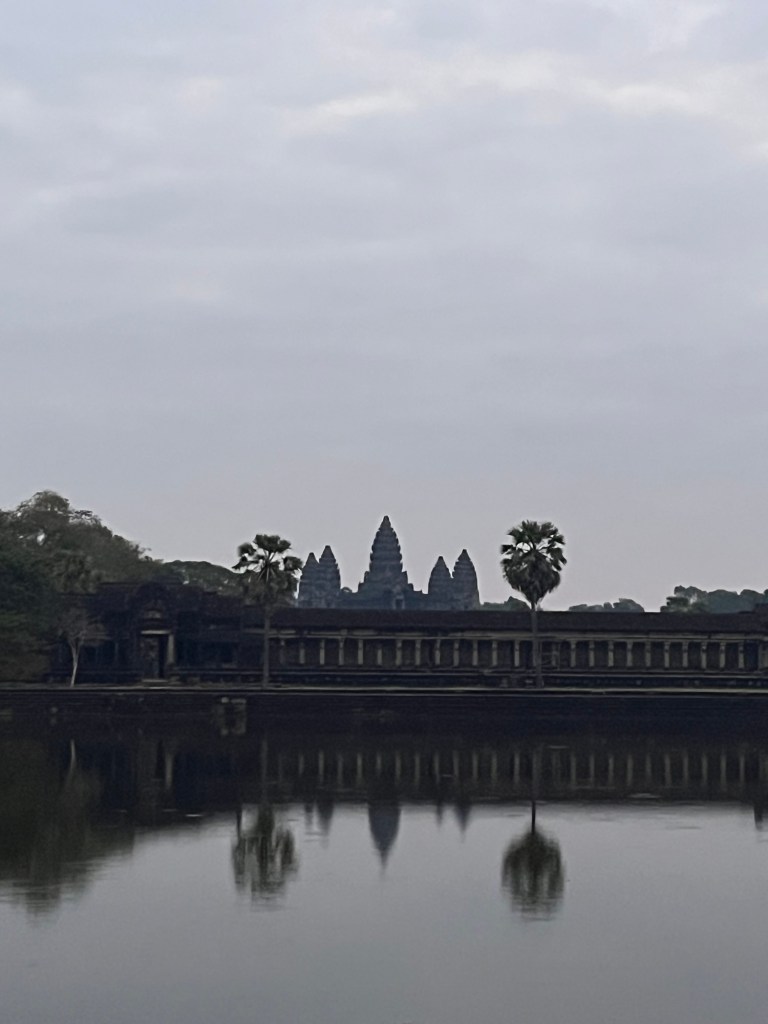
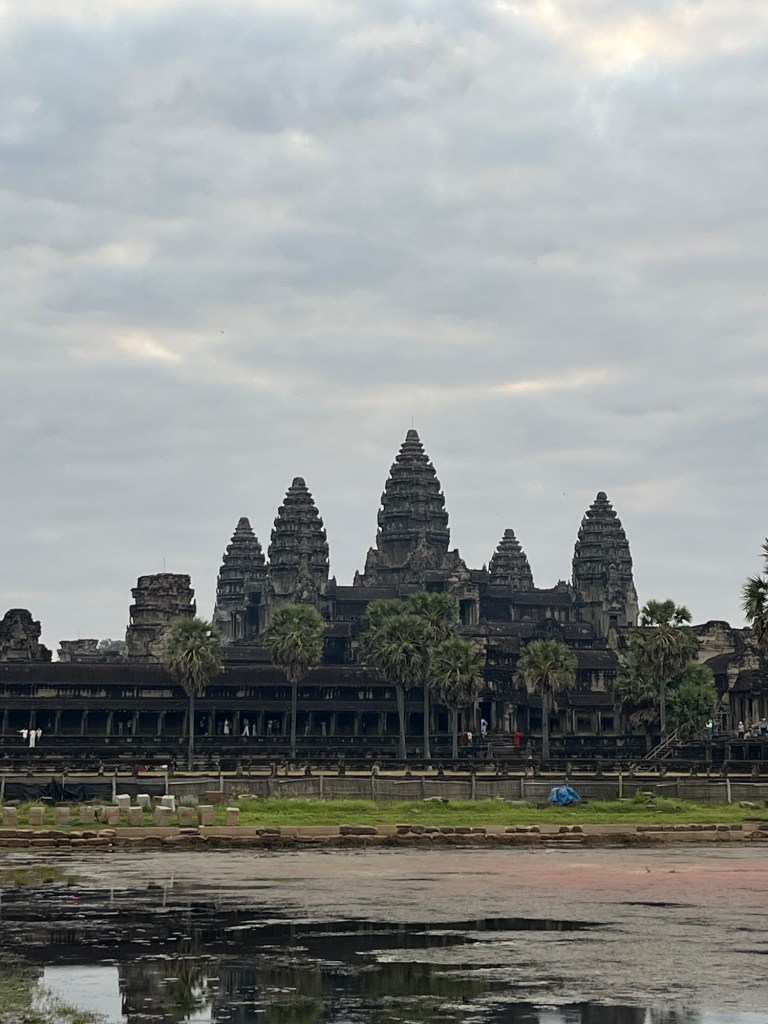
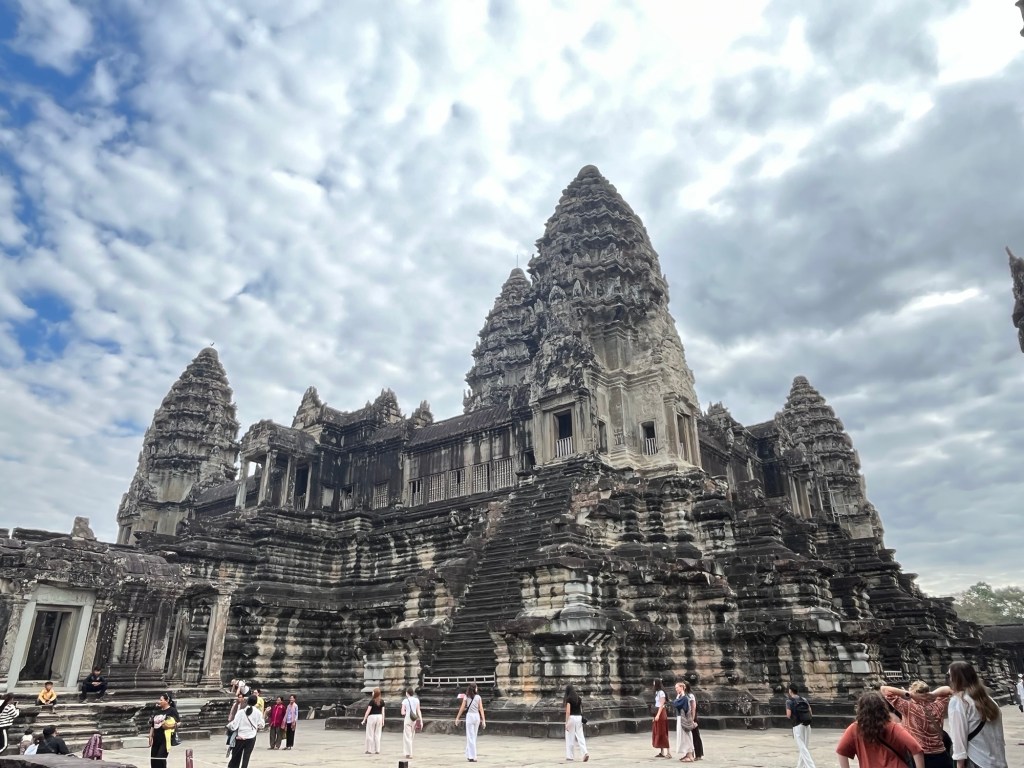
I was up early the next morning as this was my one chance to see sunrise at Angkor Wat. We left the hotel at 5am and drove out about 20 minutes to the temple complex. It was still pitch black when we arrived and sat ourselves by the moat. Whilst the sunrise itself was disappointing due to it being cloudy, it was pretty incredible to see Angkor Wat emerge out of the darkness.

After breakfast which the hotel had kindly packed for us, we had a tour around the Angkor Wat complex which was very impressive to see up close. At this time in the morning it also wasn’t too busy and the temperature was reasonable too.

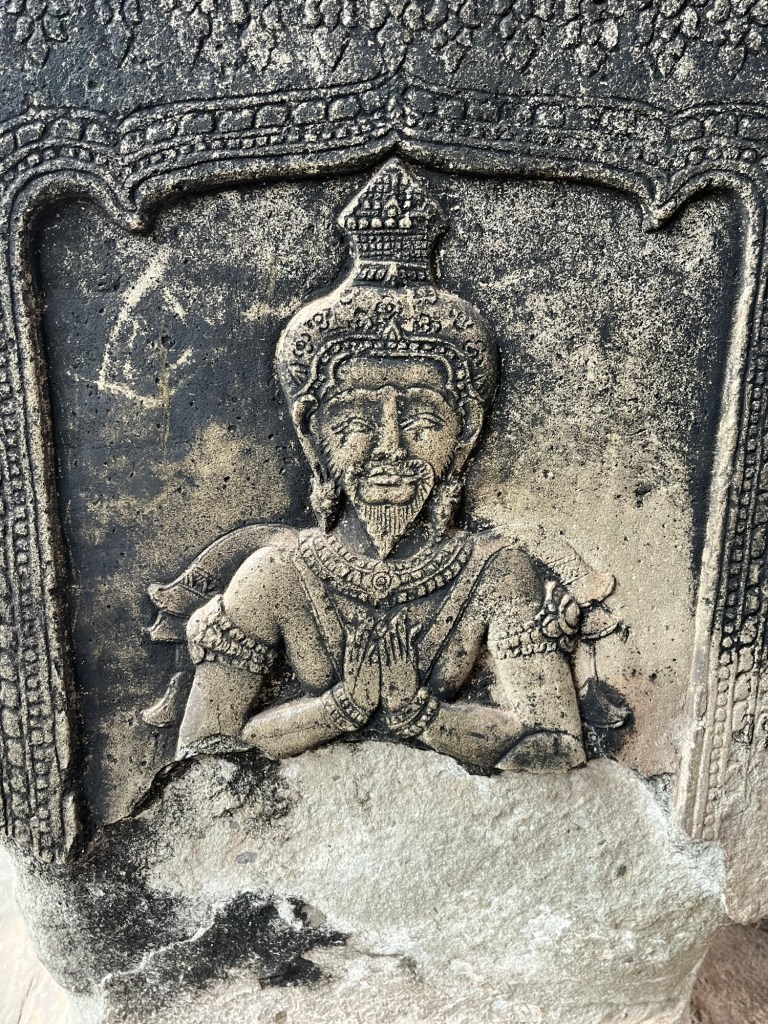
Again, some renovations ongoing, but to see the craftsmanship in the stone work and the galleries was really special. It is absolutely worth seeing in person and if you get the chance to come to Cambodia, you should certainly spend a few days here.

After a final evening in Siem Reap, my short time in Cambodia had come to an end and we flew back to Bangkok the next day, back to where I’d started my Indochina journey almost a month earlier. It’s been an amazing journey through 4 countries and I’m grateful to have had the time to be able to do this trip. One of the things I’m trying to do in my extended break from work is to do trips that I can’t fit into a couple of weeks’ holiday, and this certainly ticked that box!!
Now for a few days downtime in Bangkok before heading back to see a bit more of northern Thailand…

Hue and Hoi An

We arrived on the overnight train in Hue on time but I’d be lying if I said I’d had a restful night. The train was newer than last time (all toilets were western rather than squats) but the mattresses were still as solid and it was still a very jiggly journey not massively conducive to sleep…

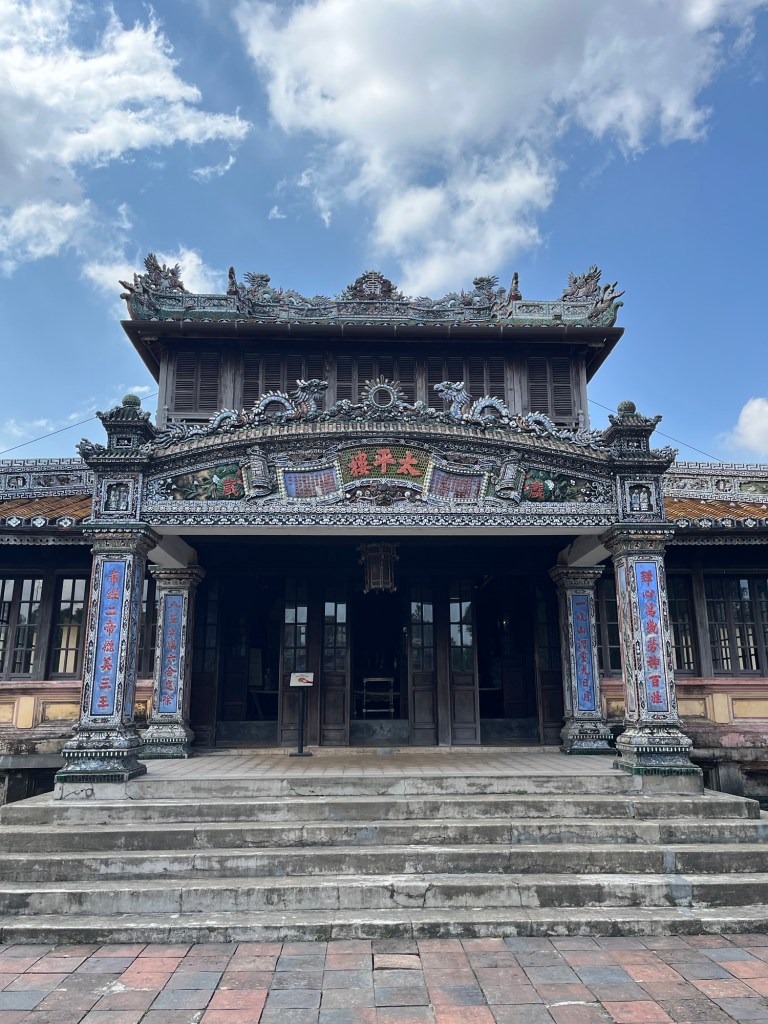
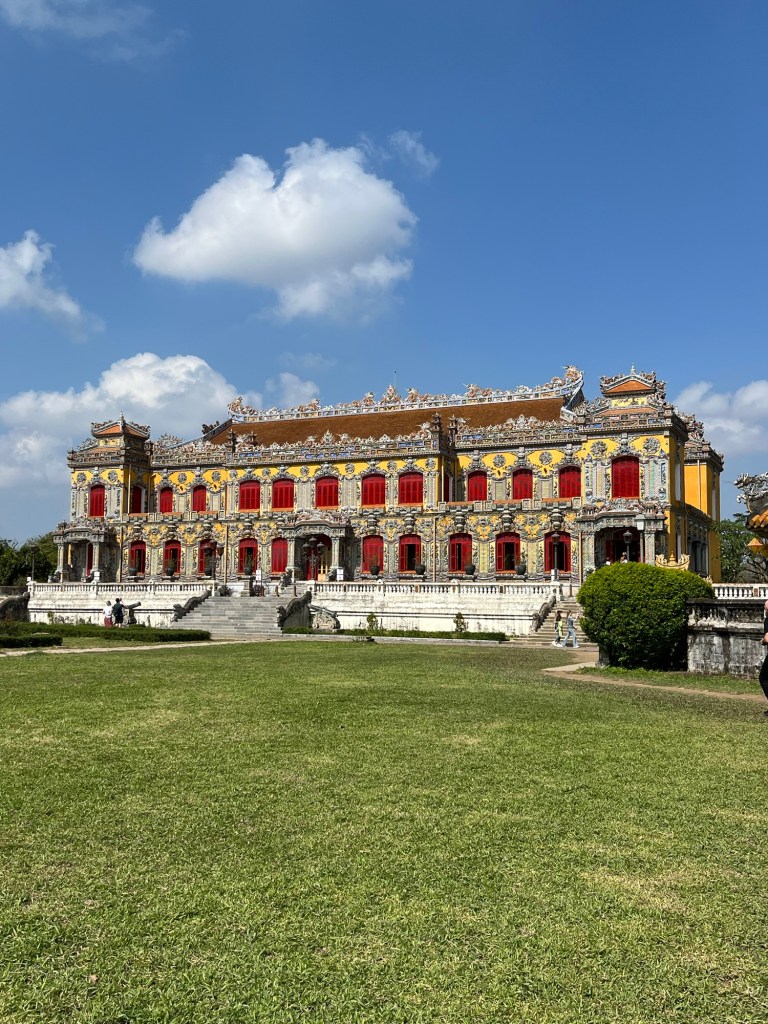
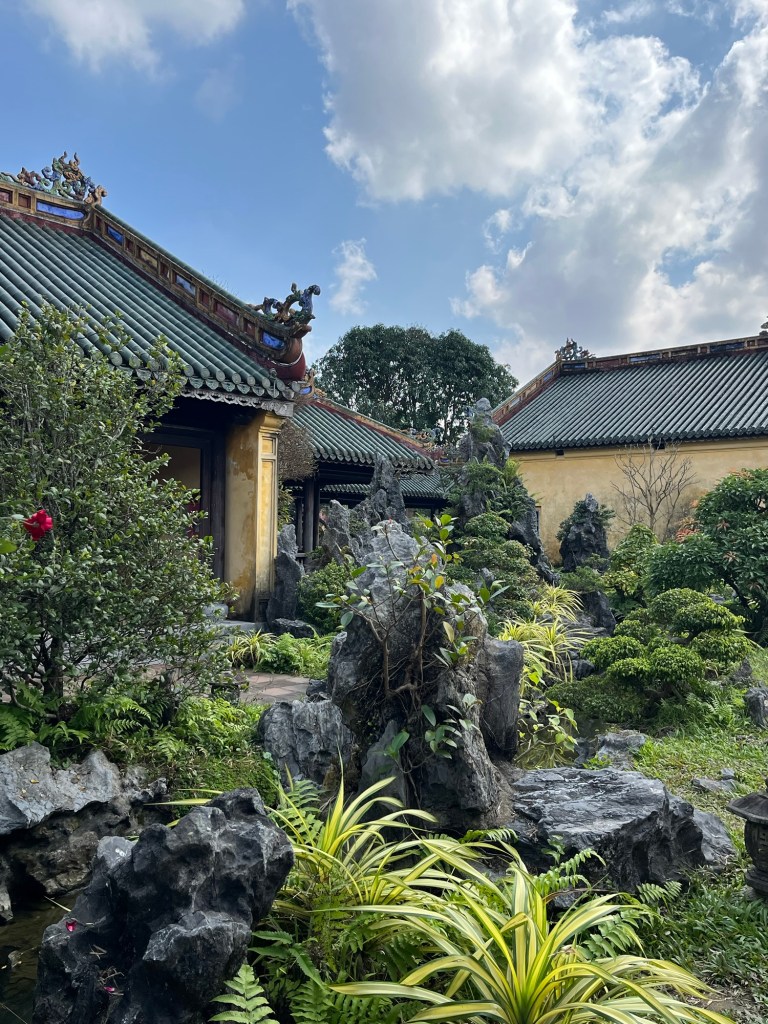
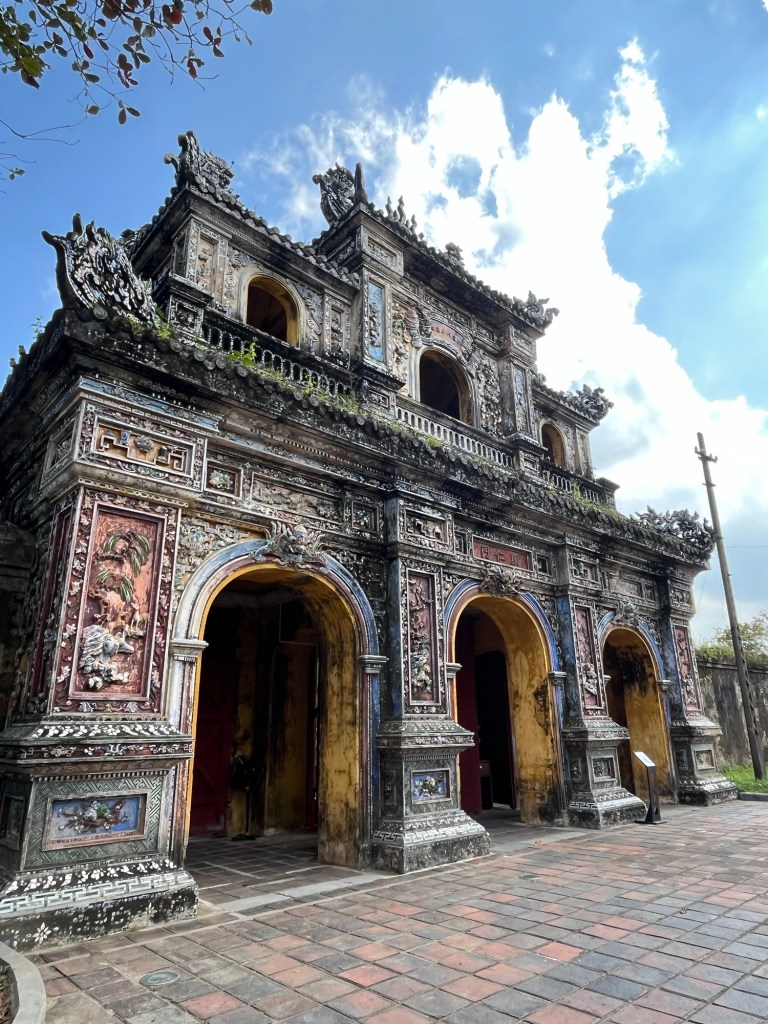
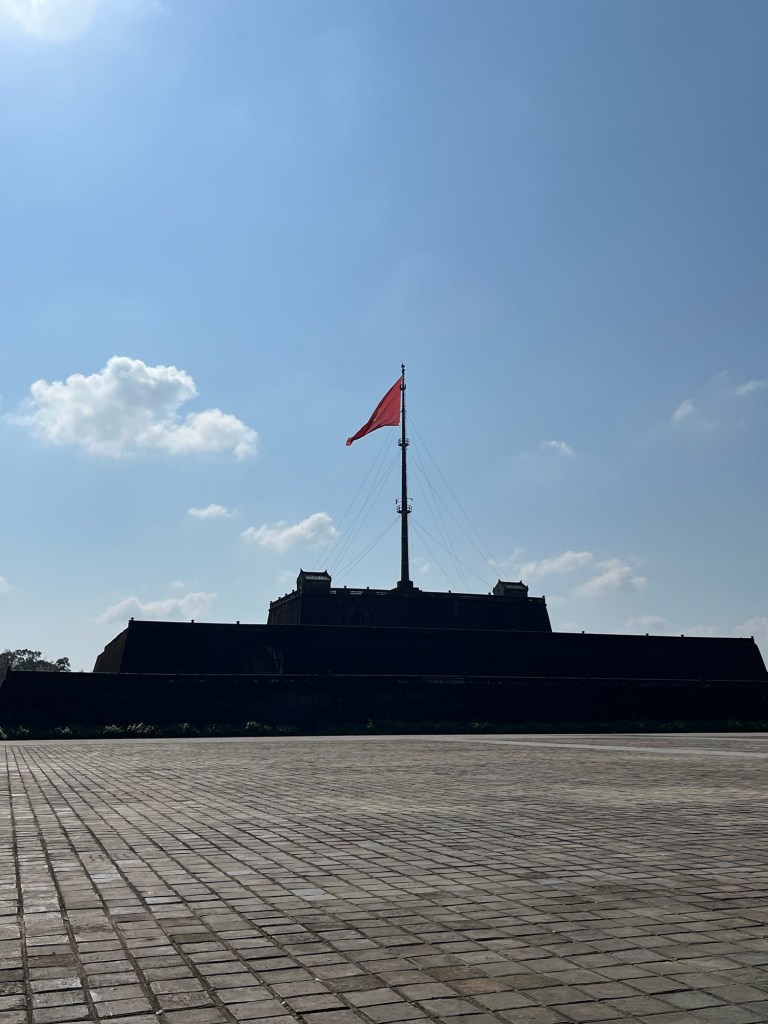
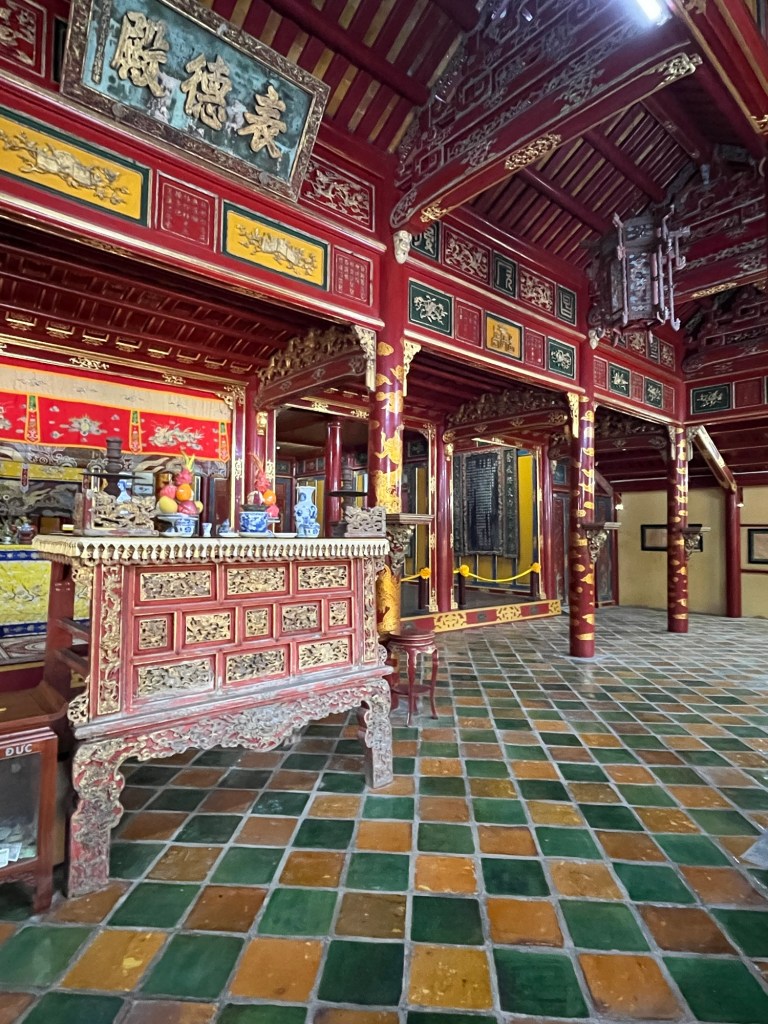
We arrived at the hotel too early for check in but early enough for breakfast. After breakfast we headed off to see the main sites in Hue, starting with the Citadel, a huge fortified imperial city built in the early 1800s. Large parts were destroyed during the Vietnam War and there was restoration work ongoing around the site. Indeed I didn’t remember some of the buildings we saw this time from my previous visit and the tour guide said that some of the restorations had been completed quite recently.

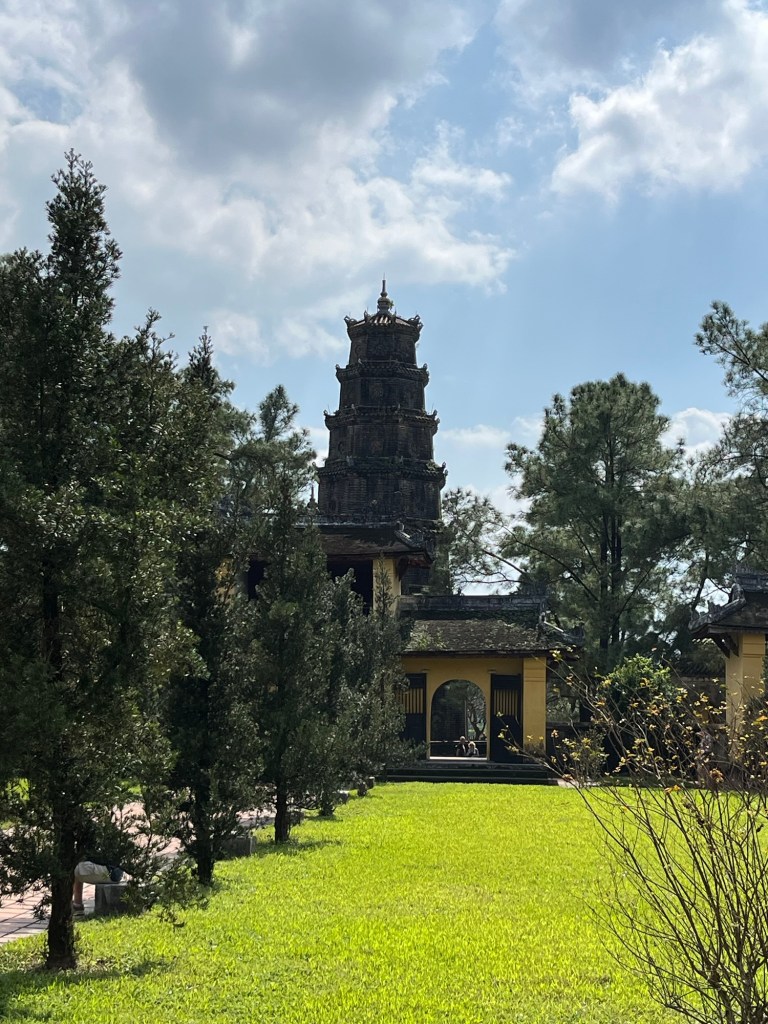
We then headed out to the Thien Mu Pagoda, a short journey south of the city. I did remember this from last time! I think the photos I took last time kept it in my mind. By this point the morning was warming up, and getting more humid.

Thien Mu Pagoda

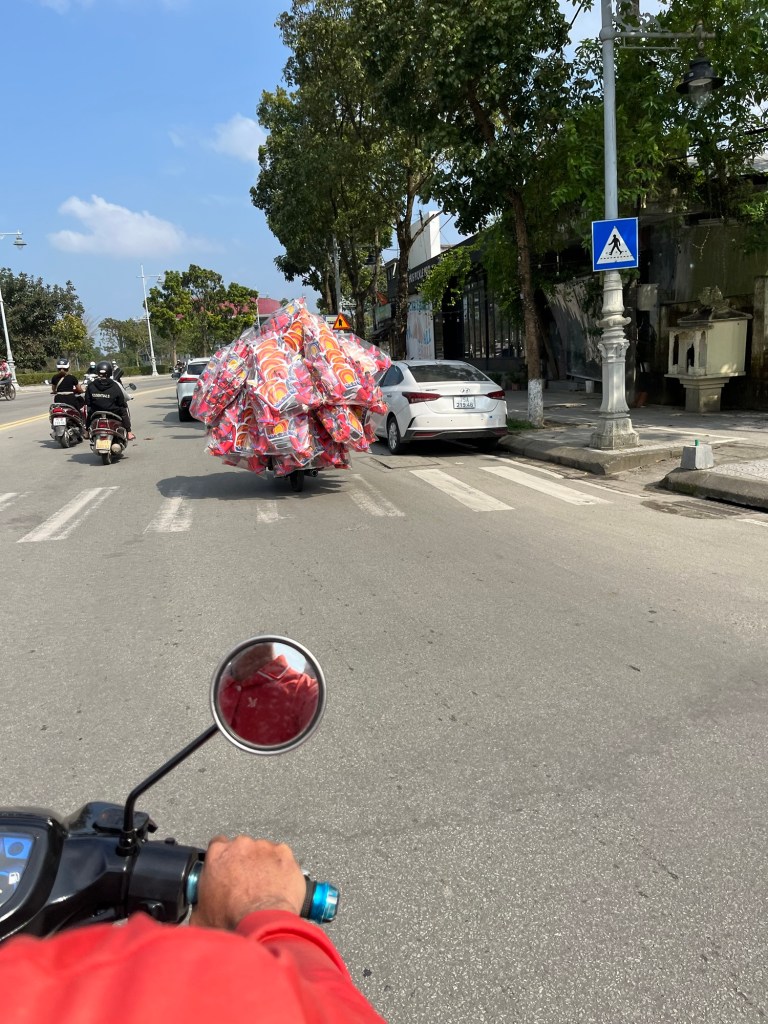
Some of us had then opted for a motorbike tour (as a passenger I hasten to add!!), which included visiting the Royal Tombs (also under renovation and we didn’t see them all), an ancient arena previously used for elephant and tiger fighting, driving into the countryside and past rice fields, and learning about growing and harvesting rice which an absolute staple with every meal.

We were back at the hotel by mid afternoon and had the rest of the day free before dinner. I think Hue has gotten more lively since my previous visit. There was quite a bustling restaurant and bar area and after dinner a few of us spent the rest of the evening sat on the roadside on the tiny chairs drinking beer and people watching.
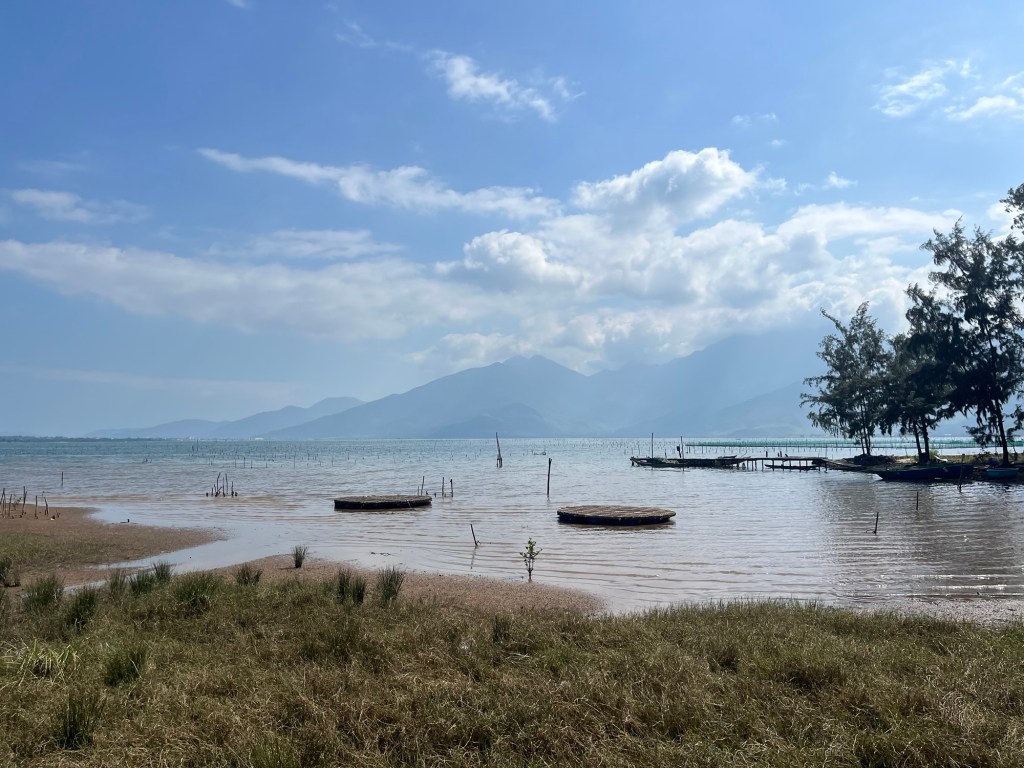
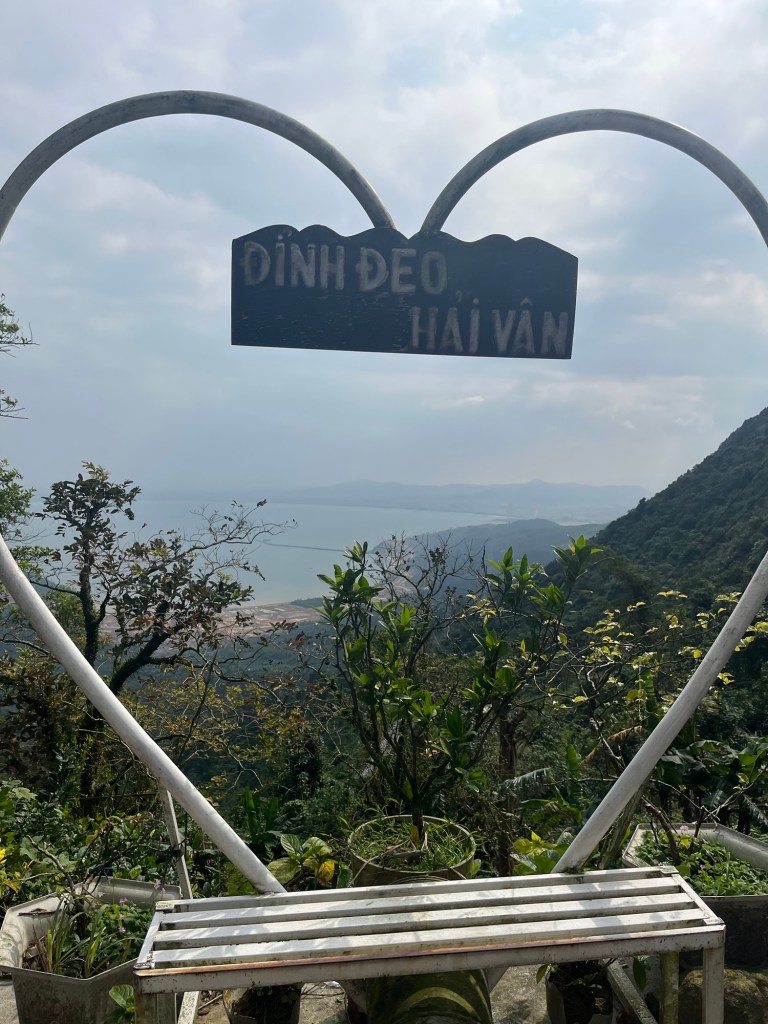
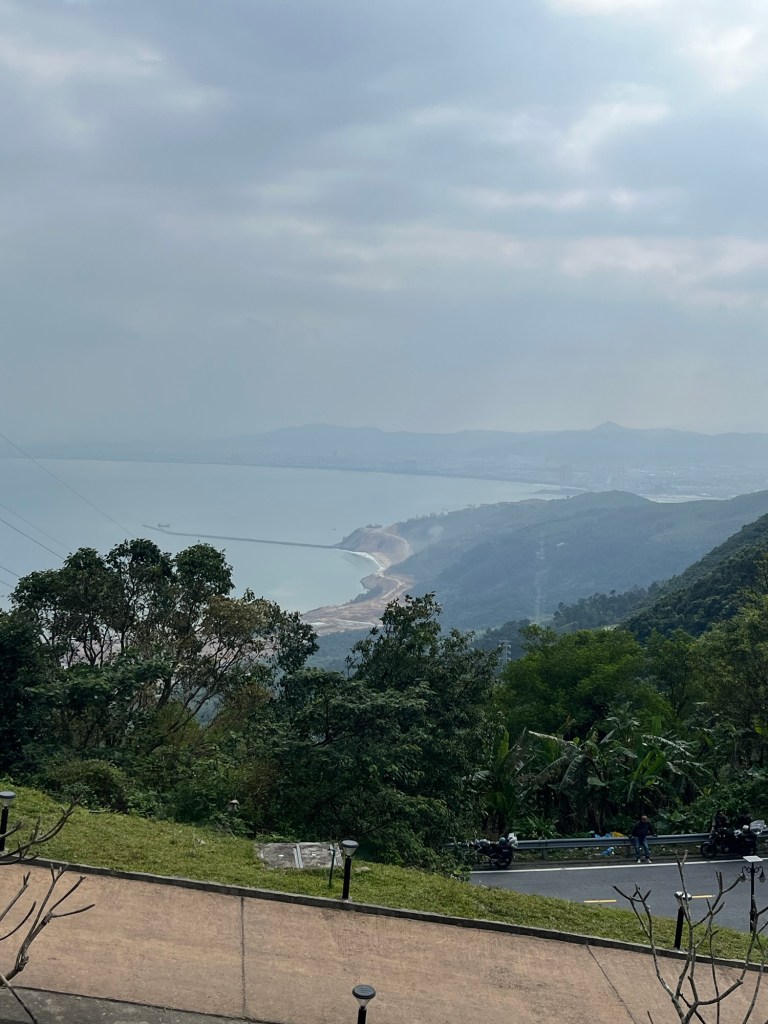
We set off the next morning, driving south over the Hai Van Pass on our way to Hoi An. It’s a pretty spectacular drive climbing up over the hills (mountains?) and if anyone has seen the Vietnam episode of Top Gear, you might remember this part. We were blessed with some pretty good weather to see up and down the coast.

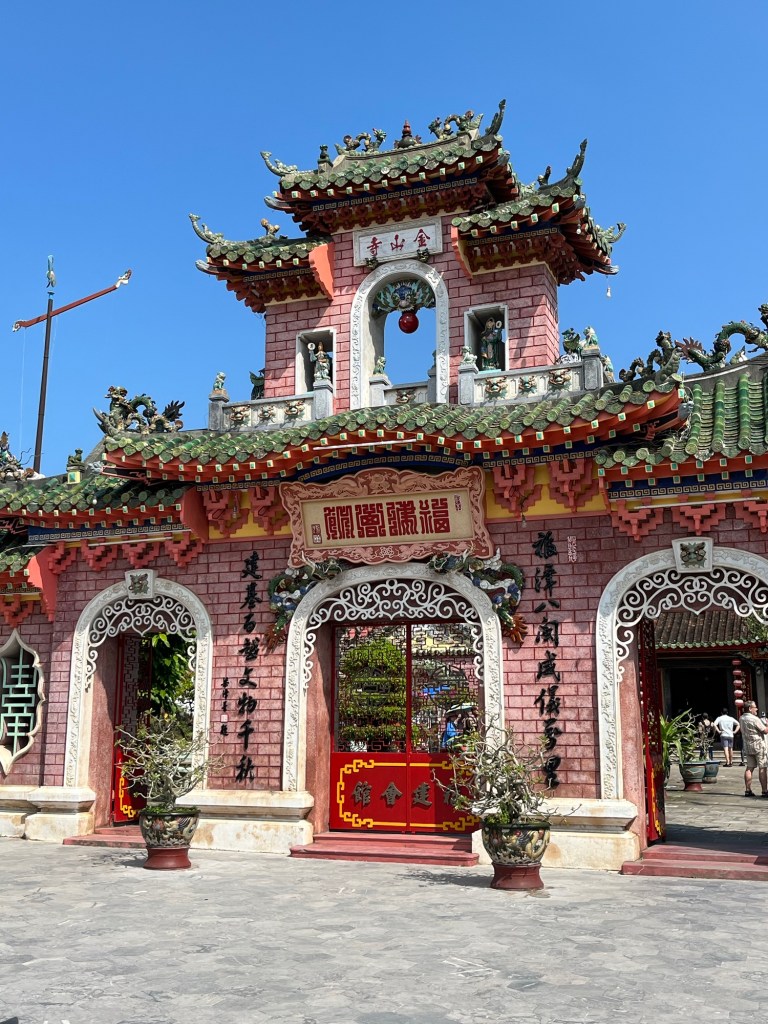
We arrived into Hoi An in the late afternoon. I’ve said elsewhere before that Hoi An is the prettiest place I’ve ever been and I still think that is the case despite the hoards of tourists making it less peaceful and relaxing than last time…

The old town is a UNESCO world heritage site and you need to buy a ticket to enter (120,000 Vietnamese Dong / c£3.50) which lasted for the duration of our stay in Hoi An. The ticket also includes entrance to up to 5 specific monuments/temples/museums/cultural experiences out of more than 30 in the old town.

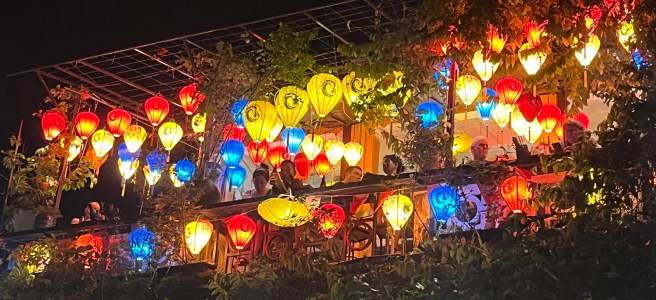
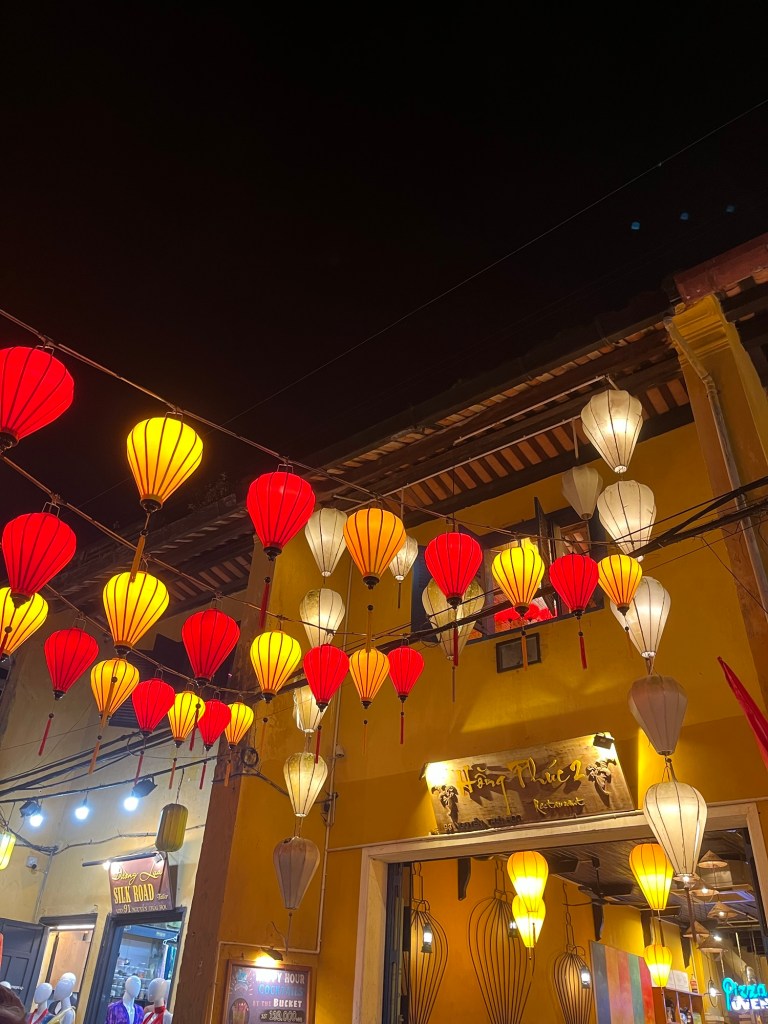
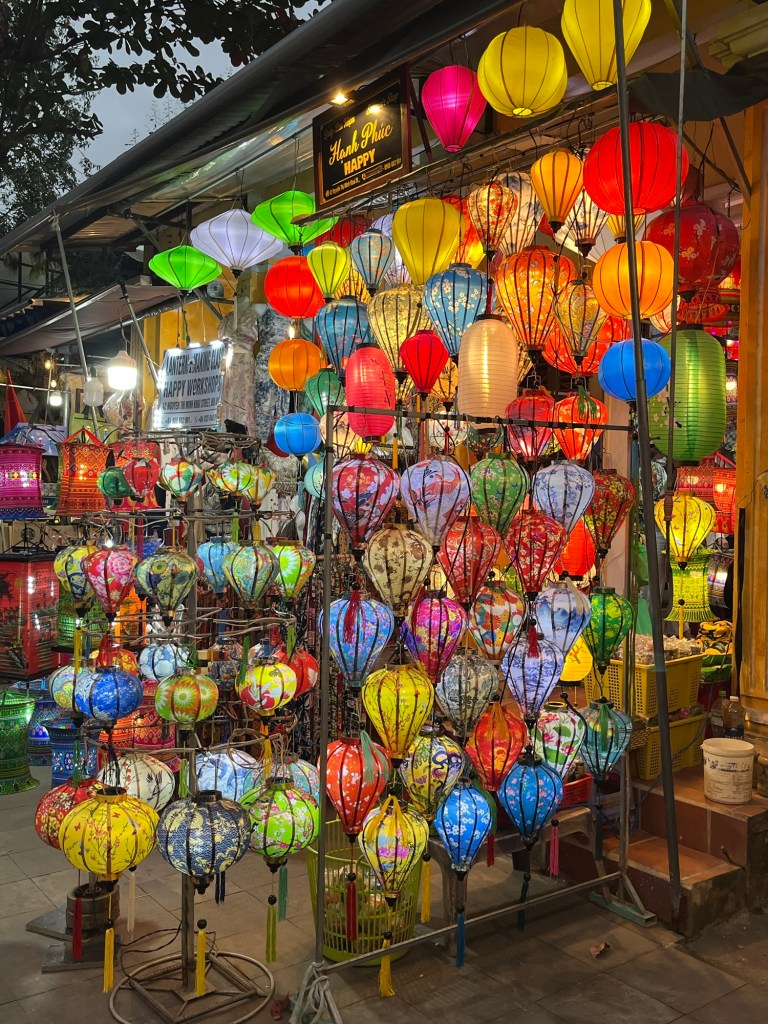
In the evenings, Hoi An really comes to life with all the colourful lanterns and riverboats, as well as the night market and the many bars and restaurants up and down the riverfront. We had dinner at a restaurant overlooking the river and then spent the evening listening to live music in an Irish bar.

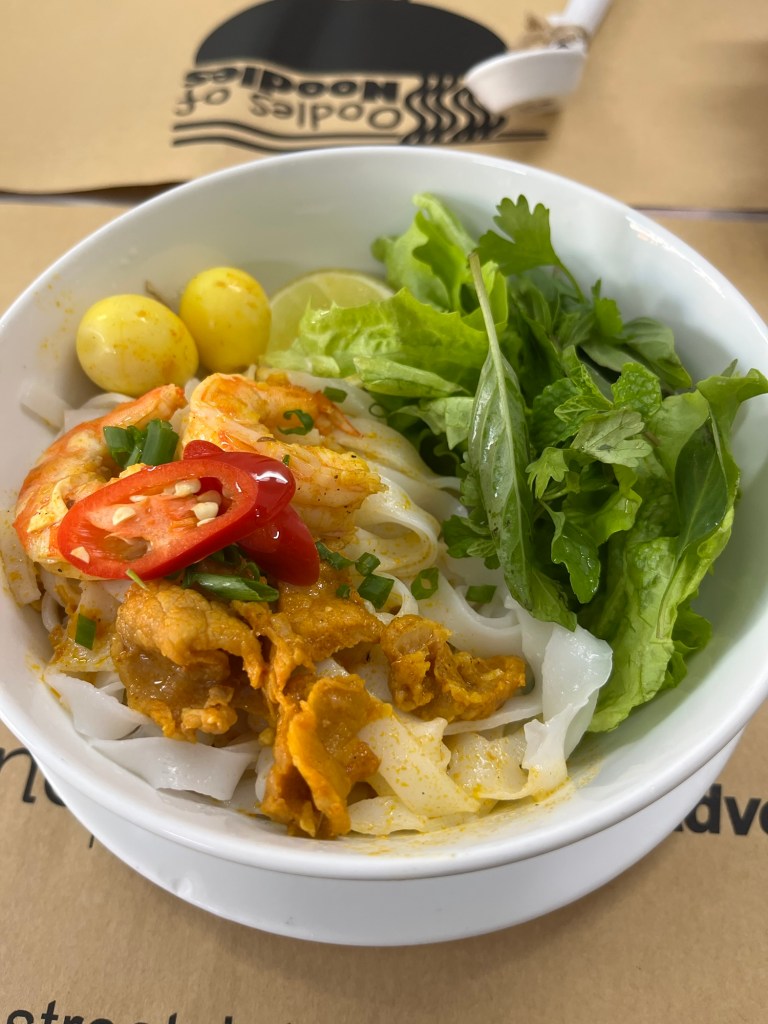
We had 2 full days in Hoi An. I visited one of the cultural performances in the old town in the morning – one of the 5 specific entries with the old town ticket. It was interesting to see the traditional costumes and dancing during the 30 minute show. We then had an included lunch at Oodles Of Noodles, a project supported by G Adventures which helps children living on the streets by giving them hospitality training, English lessons and providing accommodation in order to help them create a life and future for themselves. We also visited this restaurant last time and it’s such a good initiative that really makes a difference. The food was delicious too!

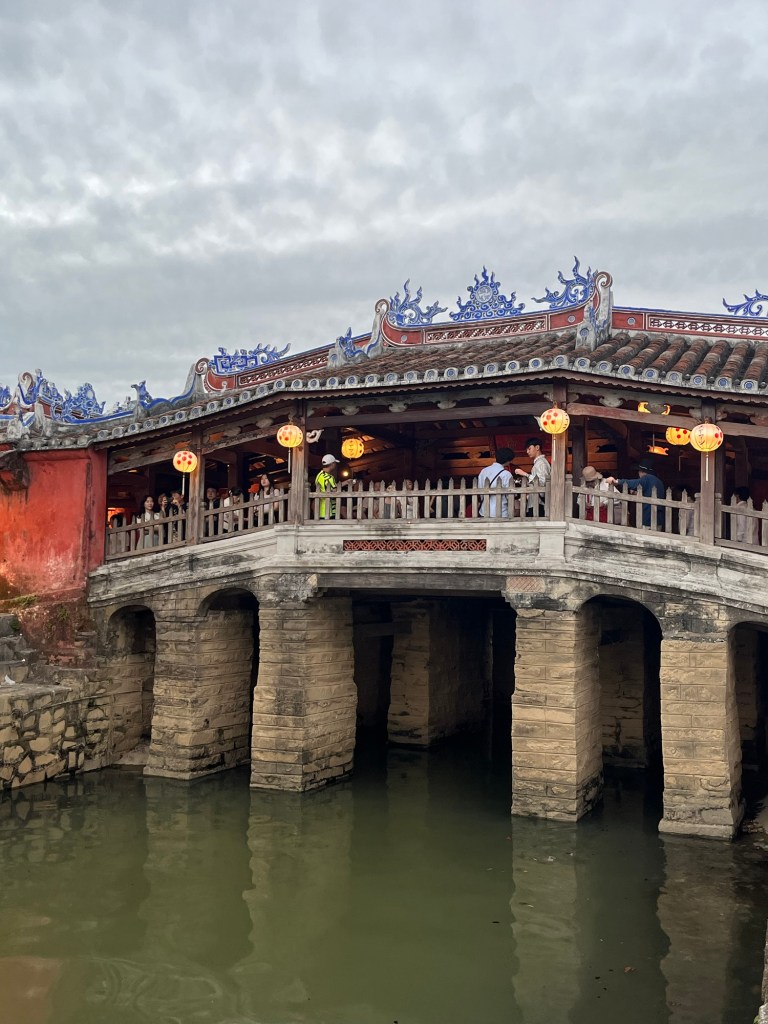
I spent the rest of the day wandering around the old town, in some of the temples, over the Japanese bridge, and up and down the pretty lanes. Hoi An was impacted by heavy flooding as recently as last October but you’d never know as everything was clean and tidy.

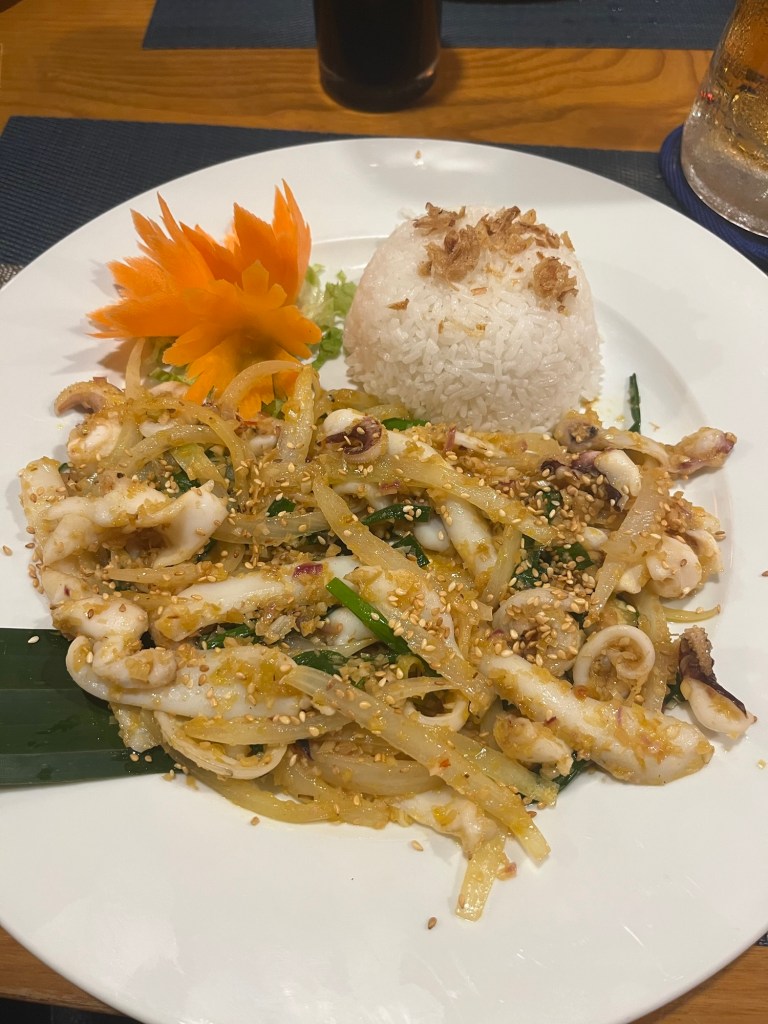
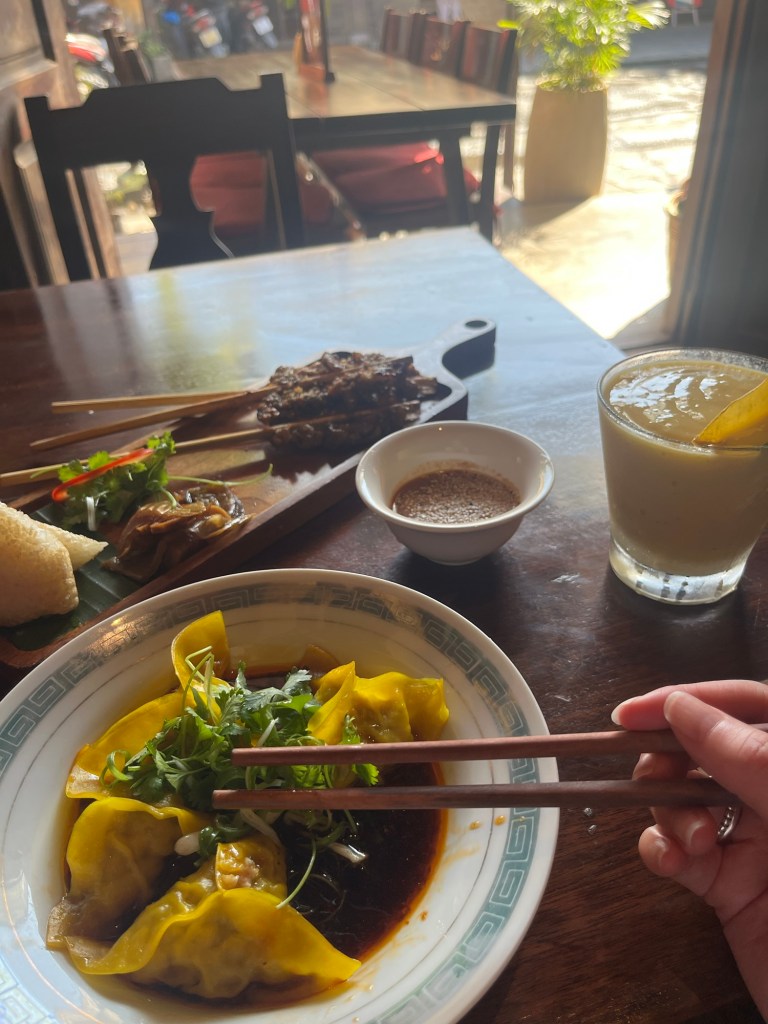
On the final day in Hoi An I treated myself to a 90 minute hot stone massage for the bargain price of £12!! If you ever come to Hoi An, you should be treating yourselves to multiple massages at these prices! I also had some fantastic Vietnamese food in a local restaurant. I really think Vietnamese food might be my favourite cuisine I’ve had whilst travelling.

I really enjoyed revisiting these parts of Vietnam. Hue was more lively and fun than I’d remembered, and Hoi An is just so pretty, despite there being too many tourists now (of which, I do realise, I am one of those!!)

Next stop is a flight south to Saigon…

Hanoi and Halong Bay

We arrived into the airport in Hanoi in the late afternoon after a 45 minute flight from Vientiane during which time we were thrown a fairly decent sandwich. On the descent, you could see the smog hanging low over the city, and the air quality was ‘very unhealthy’. After inhaling quite a lot of dust and pollution in Laos, my throat and lungs were not very happy…

I’ve been to Vietnam before, in 2017, and in fact I am doing the exact same route with the same company. It has been interesting to see how things have changed in the last 9 years. The first noticeable difference was the number of cars on the roads. Last time they really were few and far between (due to high import taxes and lack of access to credit), with almost everyone driving scooters or motorbikes. There are so many more cars now (due to easier access to credit) and a lot of large EVs too. This makes crossing the road even more tricky as, while the scooters can weave around you, cars aren’t quite so nimble. I also felt that they are less willing to stop for pedestrians. Not that the traffic actually stops, you very much do just have to walk into the road with a sense of purpose and don’t stop until you get to the other side!!

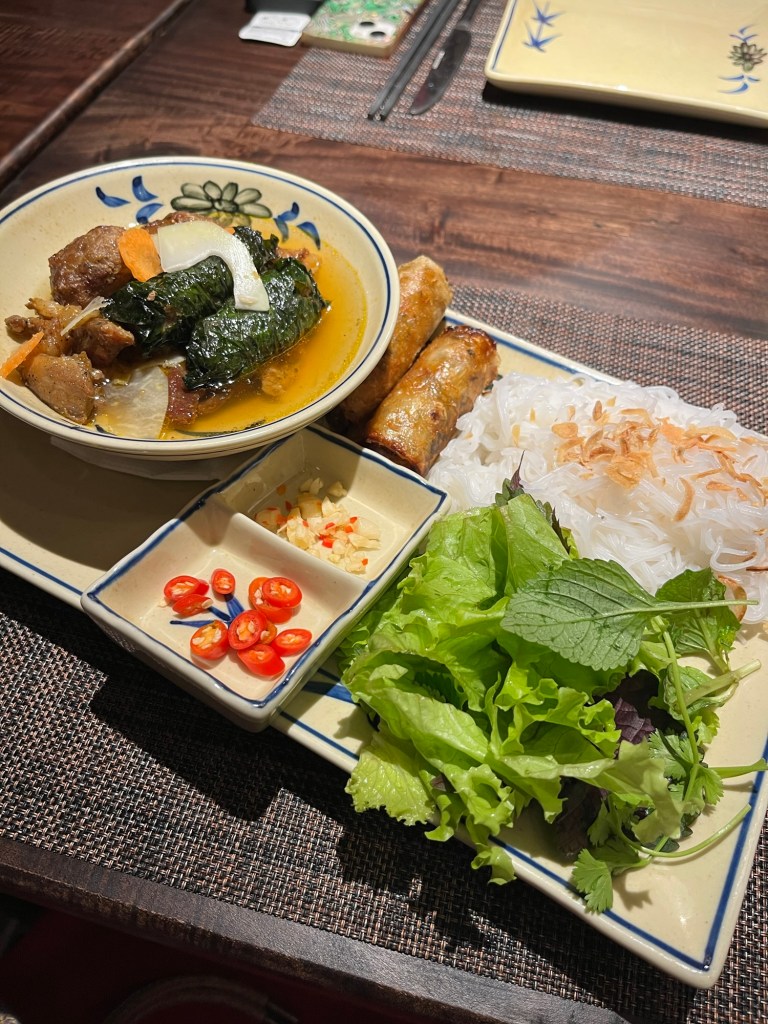
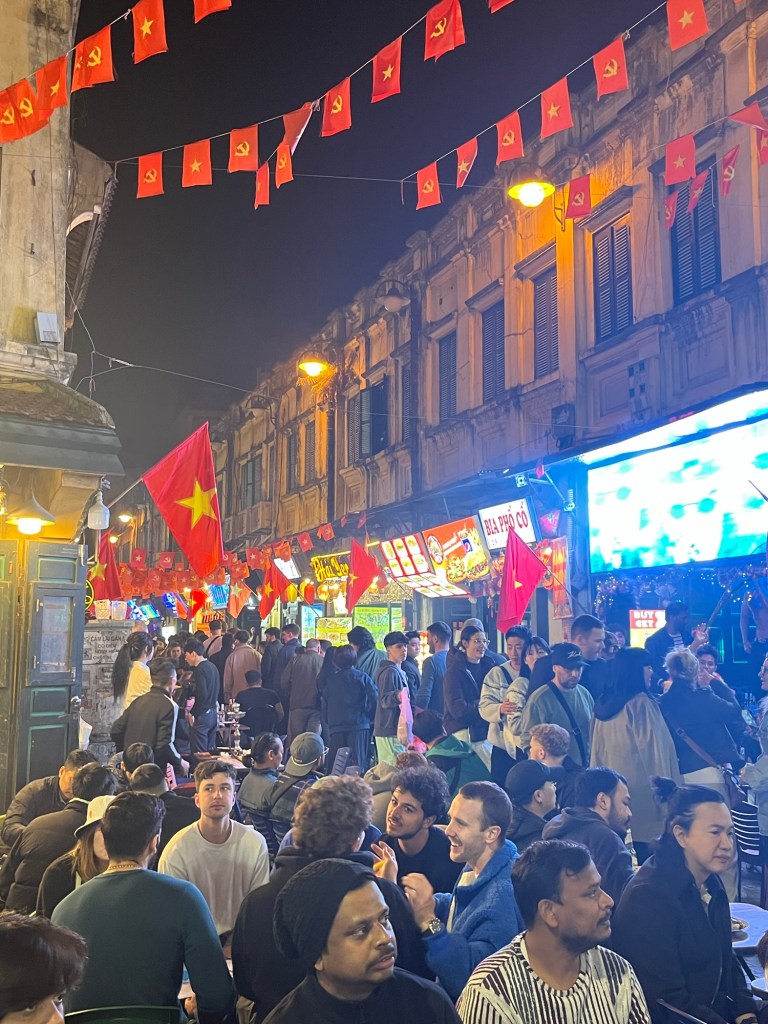
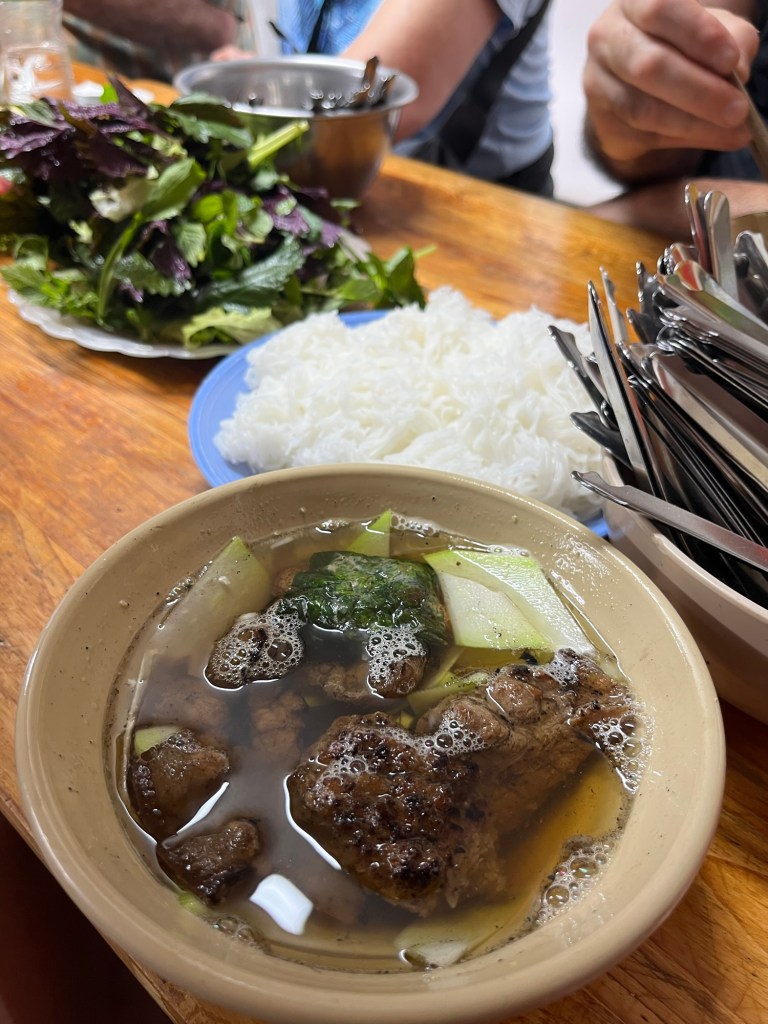
After checking into the hotel, we went for dinner (Bun Cha for me) and then for drinks on Hanoi’s Beer Street

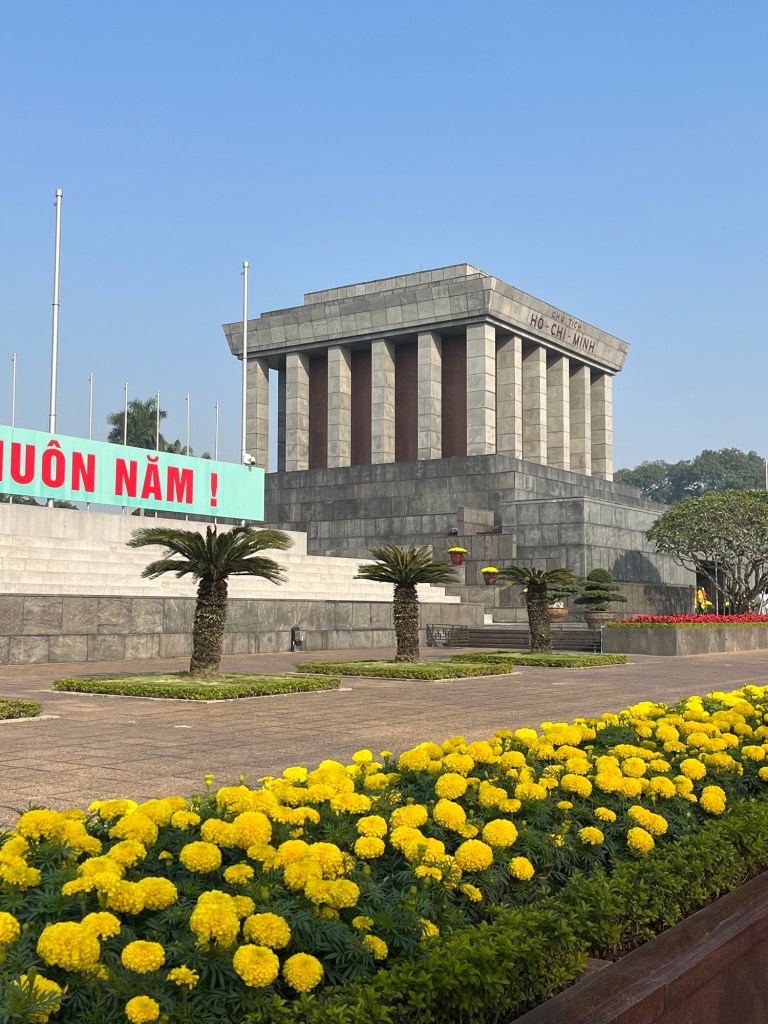
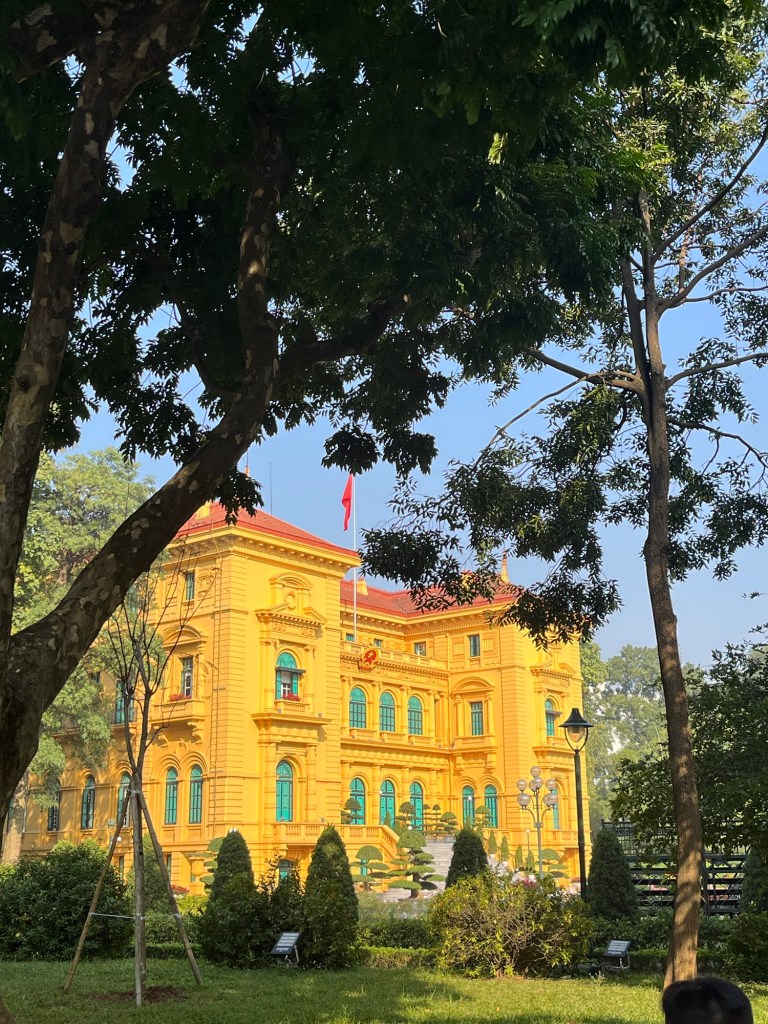
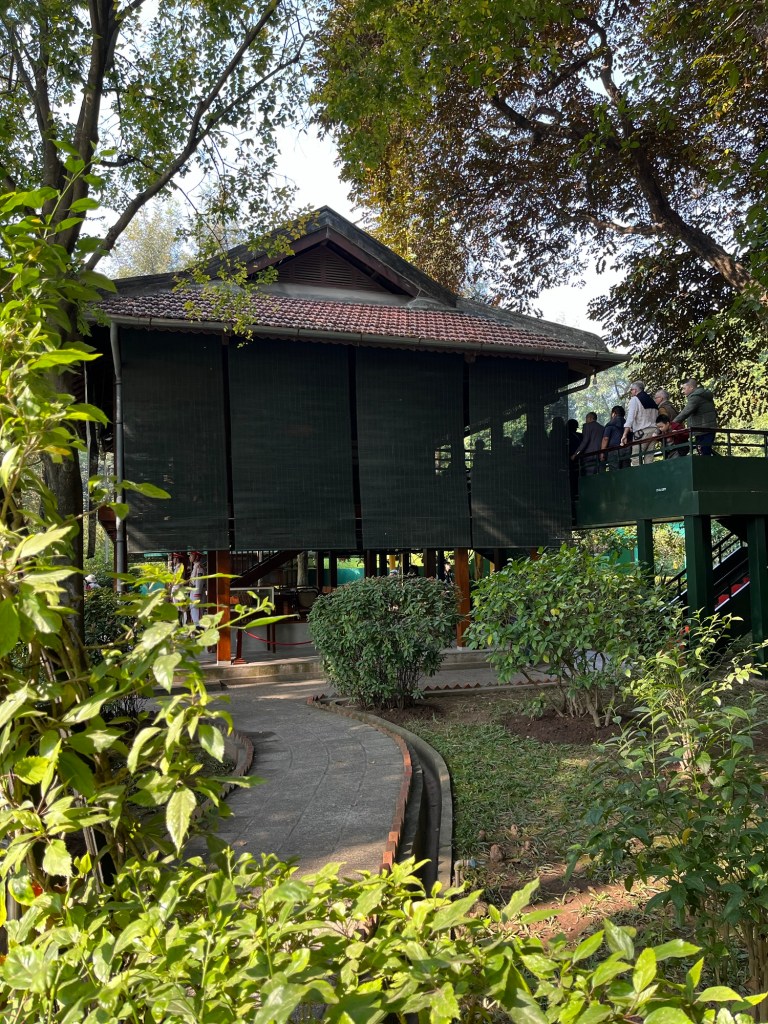
The next day started with a trip to the Ho Chi Minh Mausoleum. Despite his wishes to be cremated and scattered around Vietnam, he was embalmed for people to proceed past him every day. A bit of an odd experience if I’m perfectly honest. We also went to the palace which is alongside the mausoleum and saw the stilt house that was built for Ho Chi Minh as he preferred this than the grander presidential palace.

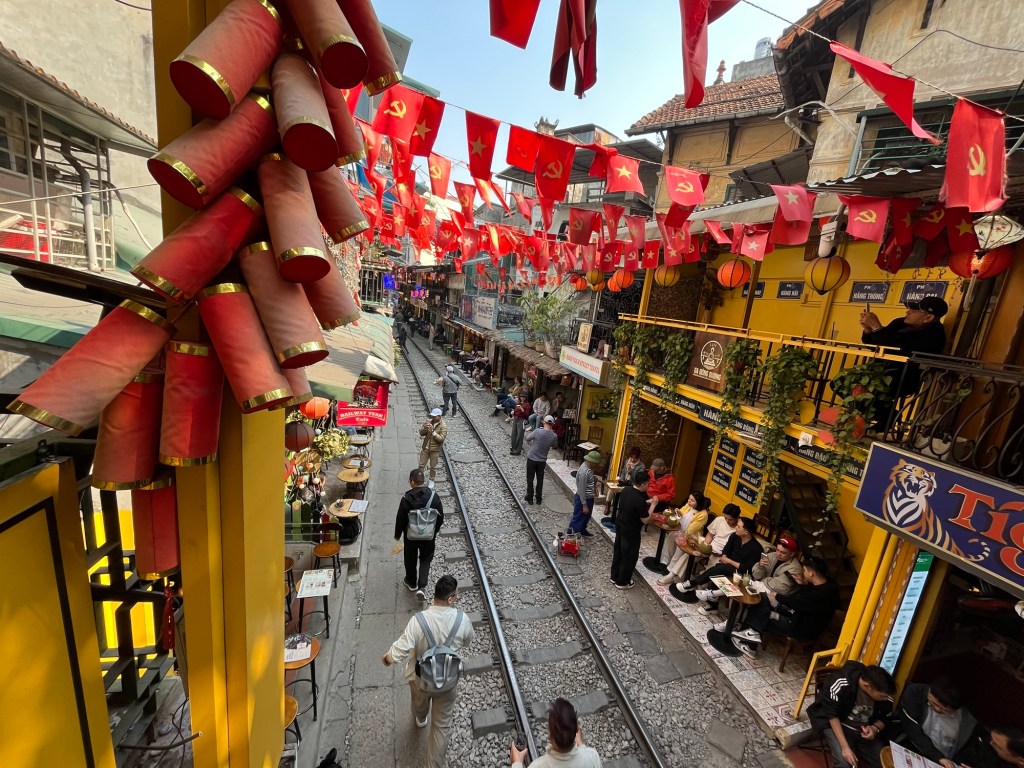
Afterwards we went to possibly one of the newer ‘sights’ in Hanoi, Train Street. This is a narrow street which the trains from Ga Ha Noi pass through on their way out of the city. It’s lined with cafes and coffee shops and has definitely become something for the ‘gram.

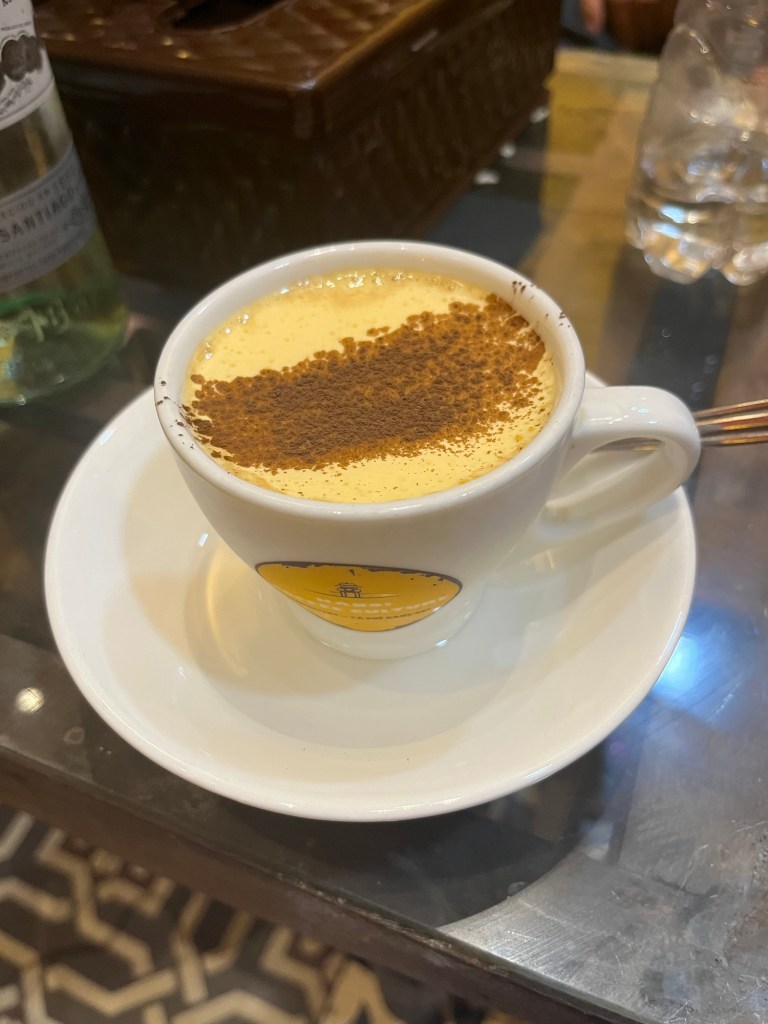
We had an egg coffee, a Hanoi specialty, whilst we waited for the train to come through. When it’s on its way, the ladies come out of all the cafes and blow their whistles to clear all the tourists off the tracks (as it’s sort of a regular street when the trains aren’t there) and then the train chugs slowly past.

Train Street, Hanoi

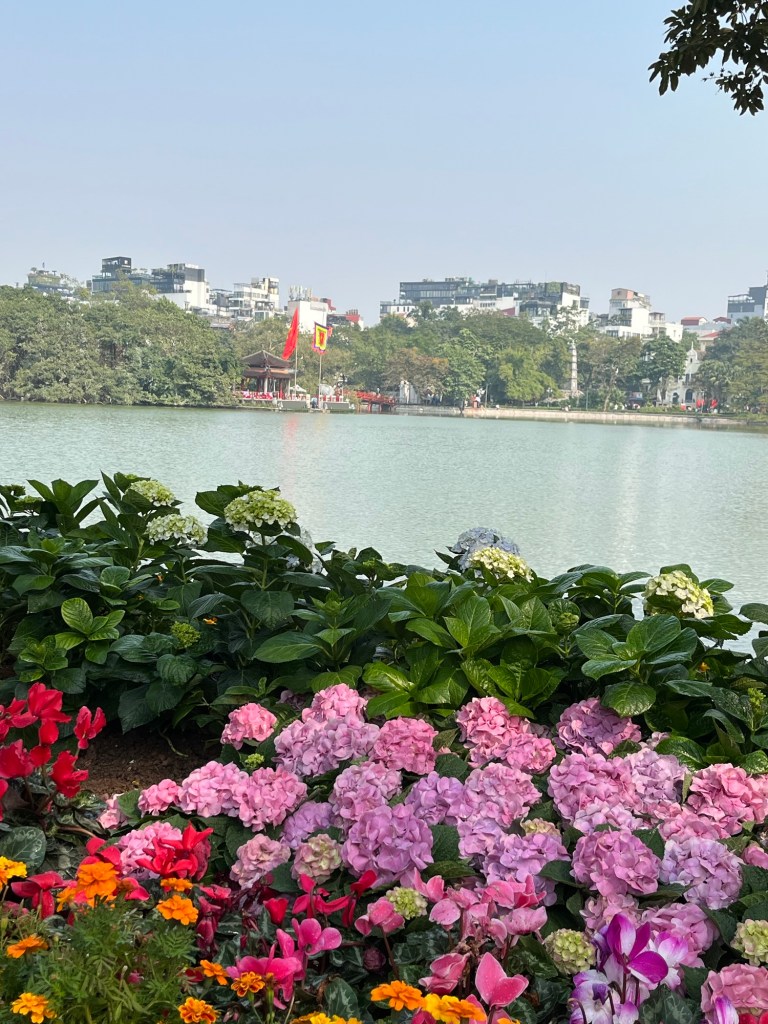
A free afternoon meant I retraced some of the things I remembered from my last trip, including a walk around Hoan Kiam lake, which had lots of beautiful plants and flowers in bloom, as well as a lunch stop at Banh Mi 25 which has become significantly more popular since my previous visit. Great banh mi though!!

Hoan Kiam Lake

In the evening we went to a Water Puppet Theatre show. Water puppets are particular to Vietnam and the puppetry was very interesting to watch even if I couldn’t really follow what was going on as it was all in Vietnamese!

This evening marked the final night of the trip for most of the group who had booked a 2 week trip from Bangkok to Hanoi (I am on nearly a month’s loop back to Bangkok), and we also met a number of new travellers who would be joining for the Vietnam leg of the trip. After dinner in a local restaurant, the Thailand and Laos crew enjoyed a final night on Beer Street to say our goodbyes.

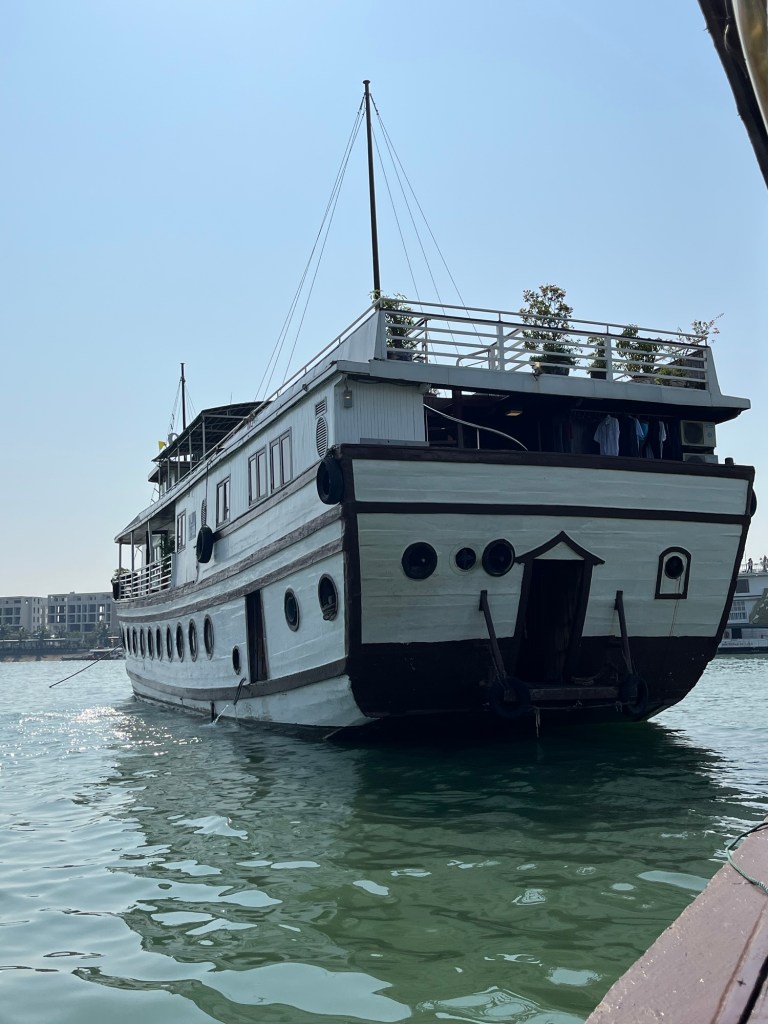
It was a relatively early start with the new group the following morning as we headed the 4 or so hours out to Halong Bay for an overnight junk boat stay.

As we did last time, we had a stop at a workshop for disabled people, mostly women, where they are taught to sew and embroider. The artwork they produce is fantastic but as I’m not going home for 3 more months, I didn’t purchase anything.

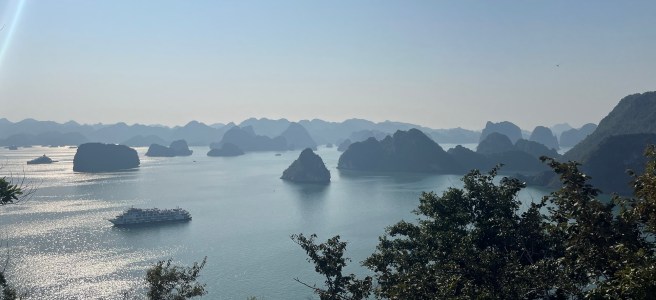
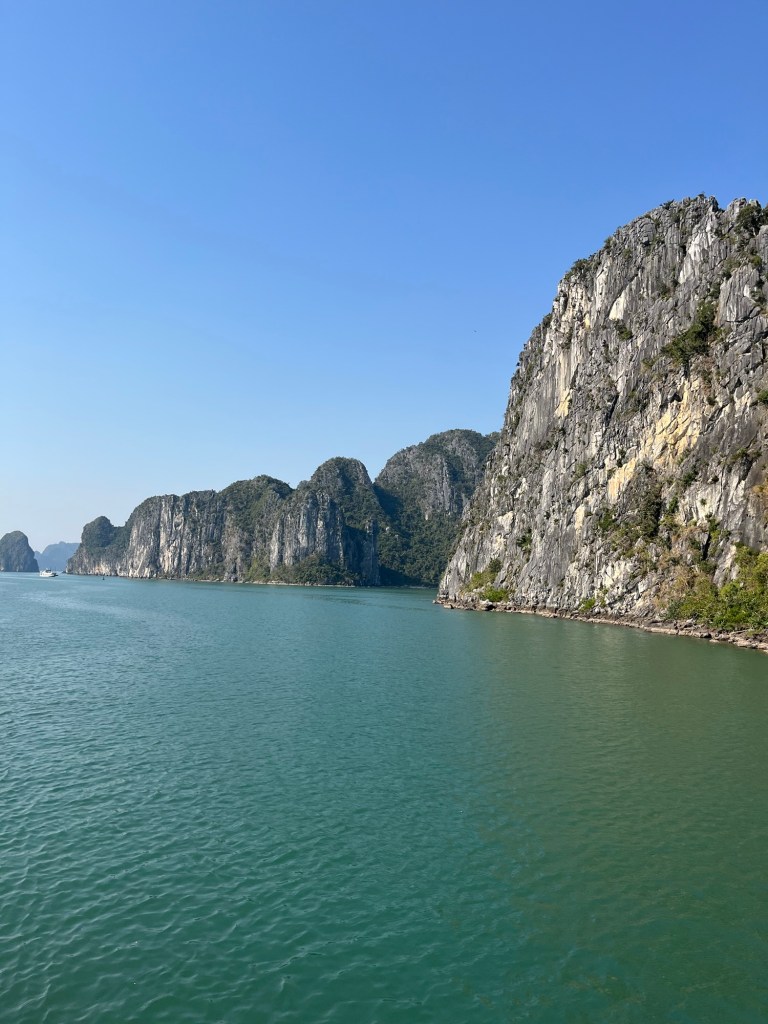
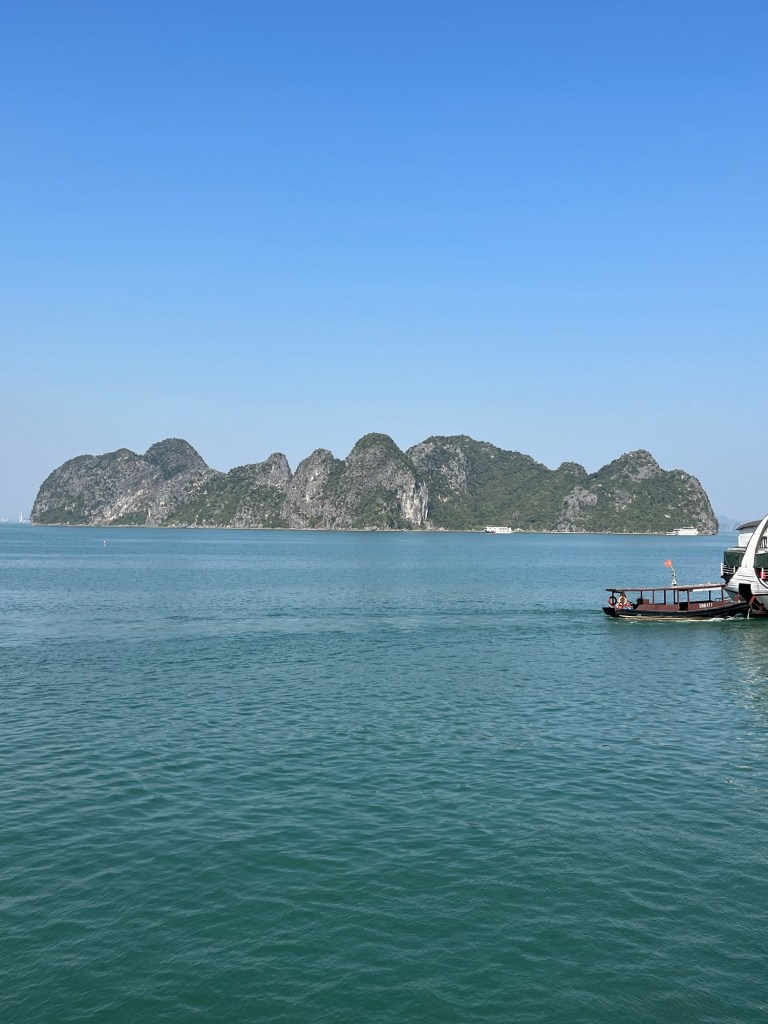
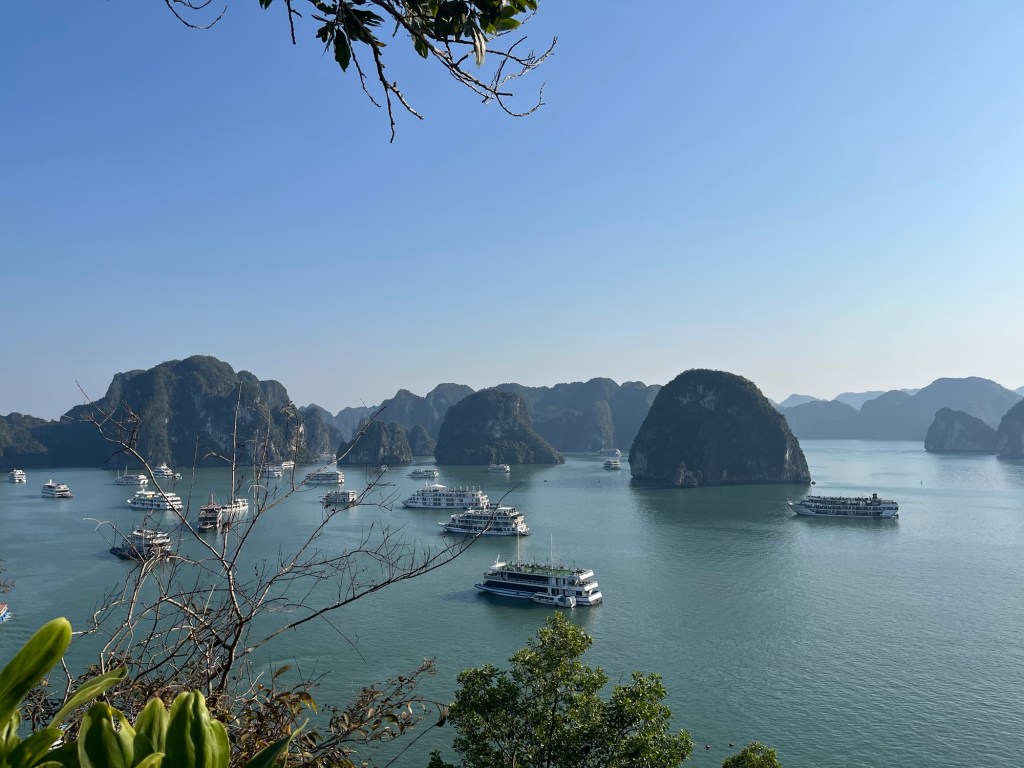
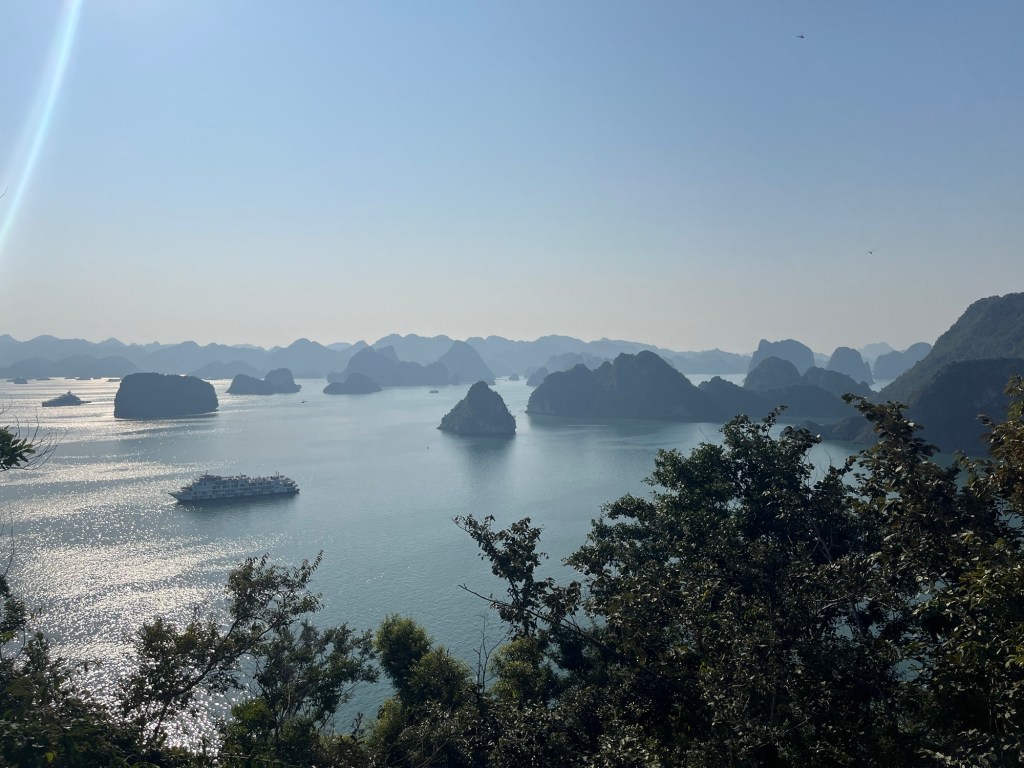
We arrived in Halong Bay (the city is increasingly resembling Gold Coast with high rises and hotels) around midday and got on our junk boat which would be home for the next 24 hours. The weather was perfect, blue sky (unlike last time) and pleasantly warm. As we set sail we were served a delicious lunch which ended up being many different dishes being brought out for us to eat – more food than we could all manage.

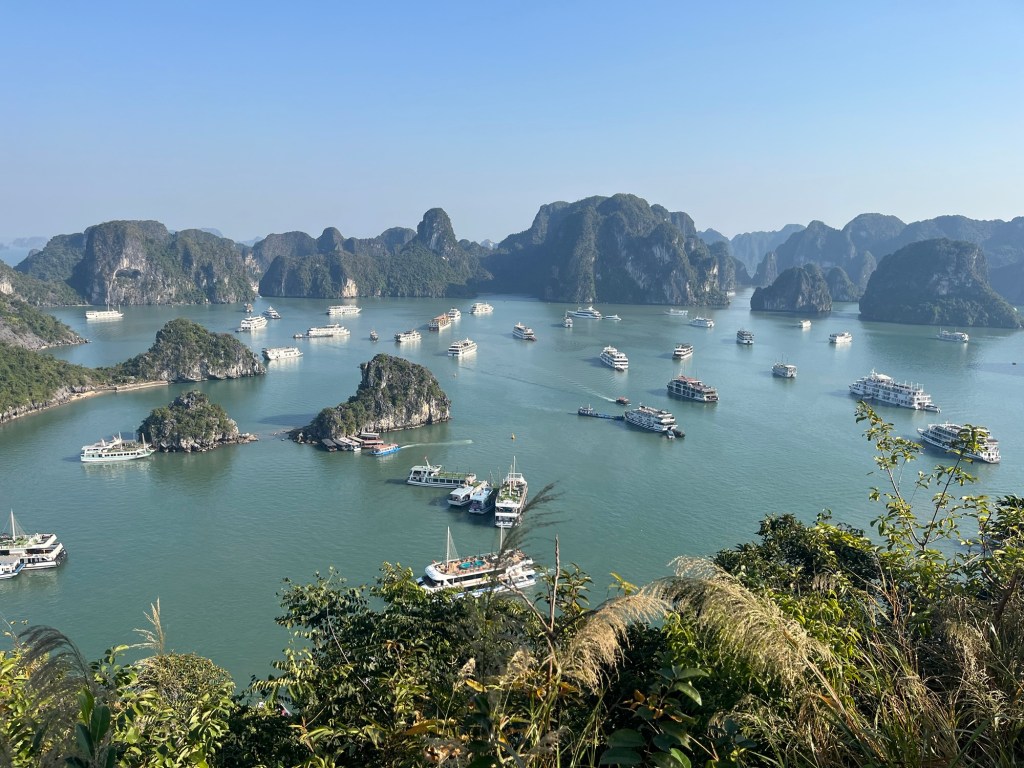
We sailed through the bay and past soaring limestone karsts on our way to Ti Top, an island with a viewpoint some 400 or so steps upwards. Much much busier than last time but still worth the views

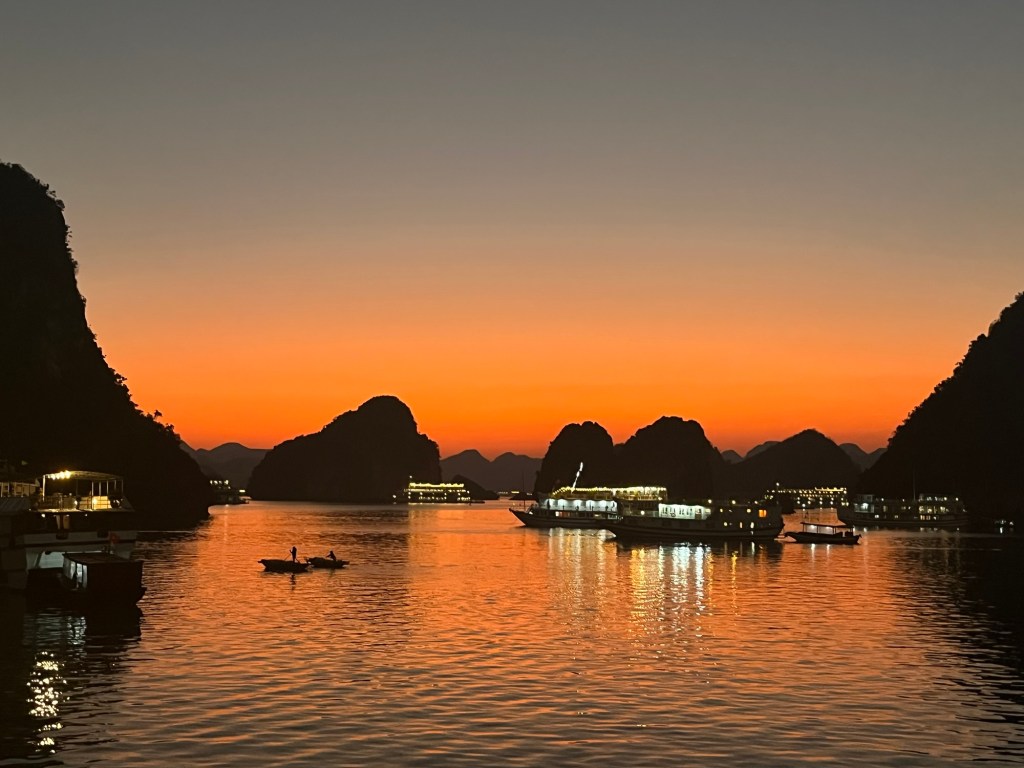
After a gentle row around a bit of a lagoon, it was back to the boat for an incredible sunset, and more delicious food for dinner.

The following morning was a fairly early start to go to the caves, and then afterwards we had brunch whilst sailing back to land.

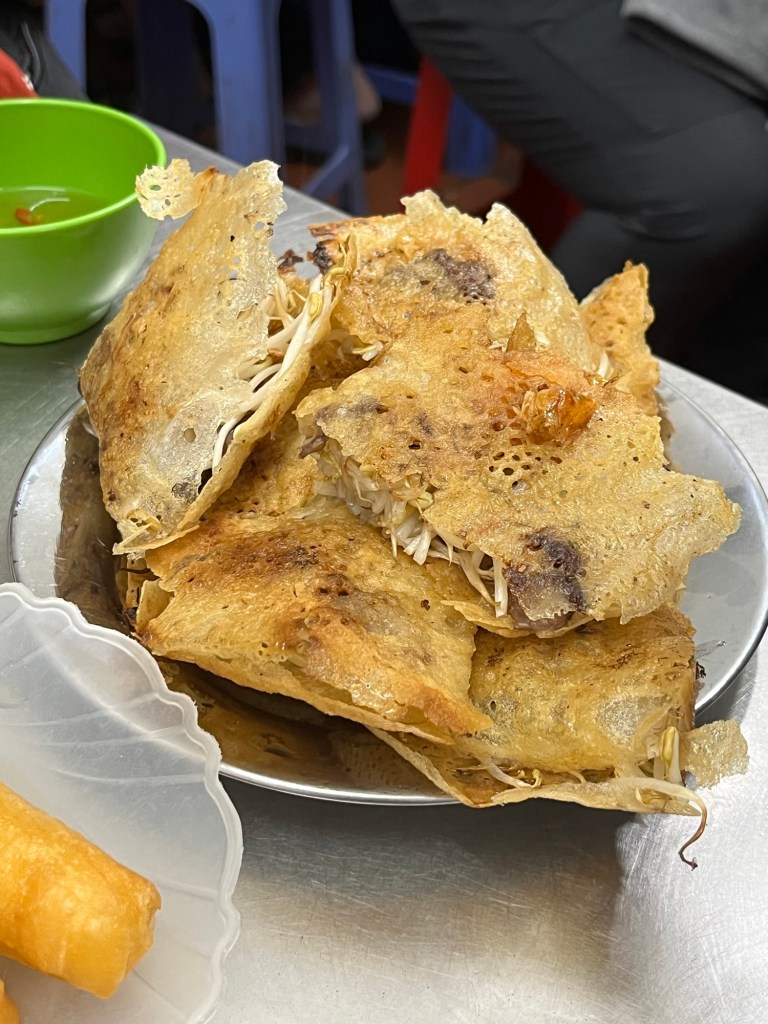
We drove back to Hanoi and arrived mid afternoon. I opted to do a food tour for the few hours before our overnight train south to Hue. Lots more delicious food and finished off with an egg coffee with an added shot of rum!!

I hugely enjoyed revisiting both these places. I really like the hustle and bustle of Hanoi’s old town even if it is completely exhausting trying to cross the road! And it was very special to see Halong Bay with beautiful clear blue sky.

Onwards on the night train to Hue…

Darwin and Townsville

There is slightly over a week between each of the first 3 test matches so I am taking the opportunity to see some other bits of Australia that I’ve not been to before. First up was a 3 hour 40 minute flight from Perth to Darwin. After struggling at the bag drop alongside Mike Atherton and Steven Finn, the flight was uneventful and I even had a spare seat beside me – result!

I arrived in a sticky Darwin in the early evening, and after a brief wait for the Uber pricing to reduce slightly, I arrived at my hotel, which is the biggest bargain accommodation so far. Outside of the cricket and my side trips in Perth, I have been staying in hostels to keep the cost down. I am being a little picky but have generally been paying slightly over £30 per night for shared accommodation. This place (DCH on Mitchell) was £38 per night for my own en suite room. Not too many frills at the hotel but the room was clean and had a fridge and TV, the AC worked, and there were toiletries in the bathroom so all in all, a very good deal.

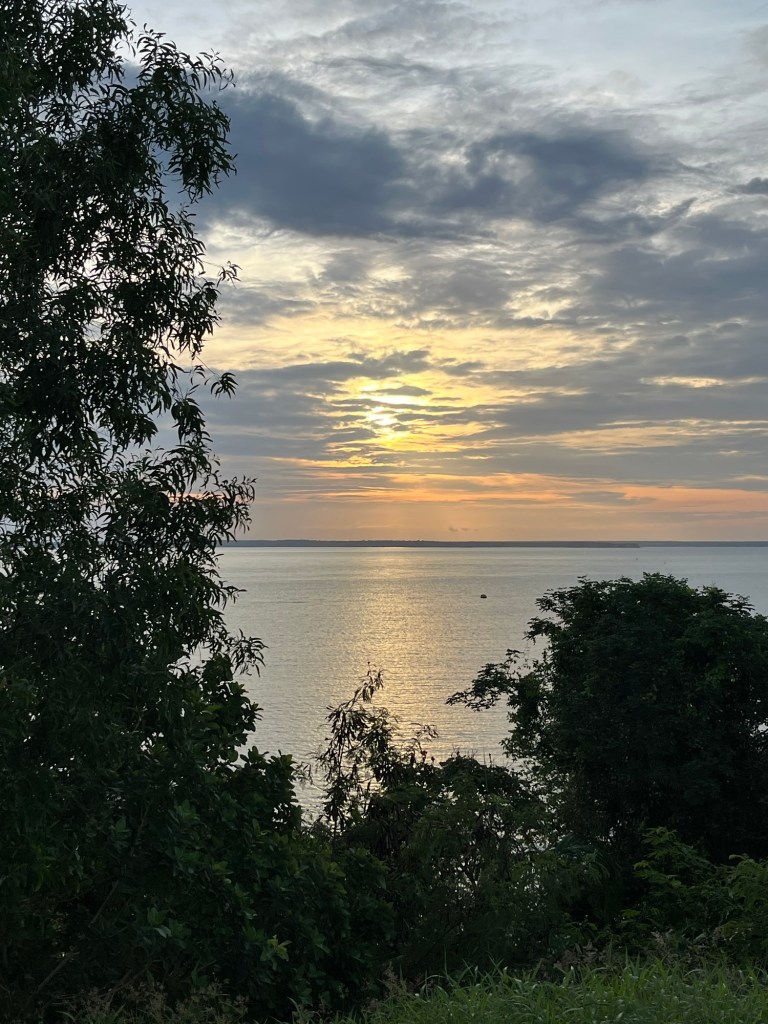
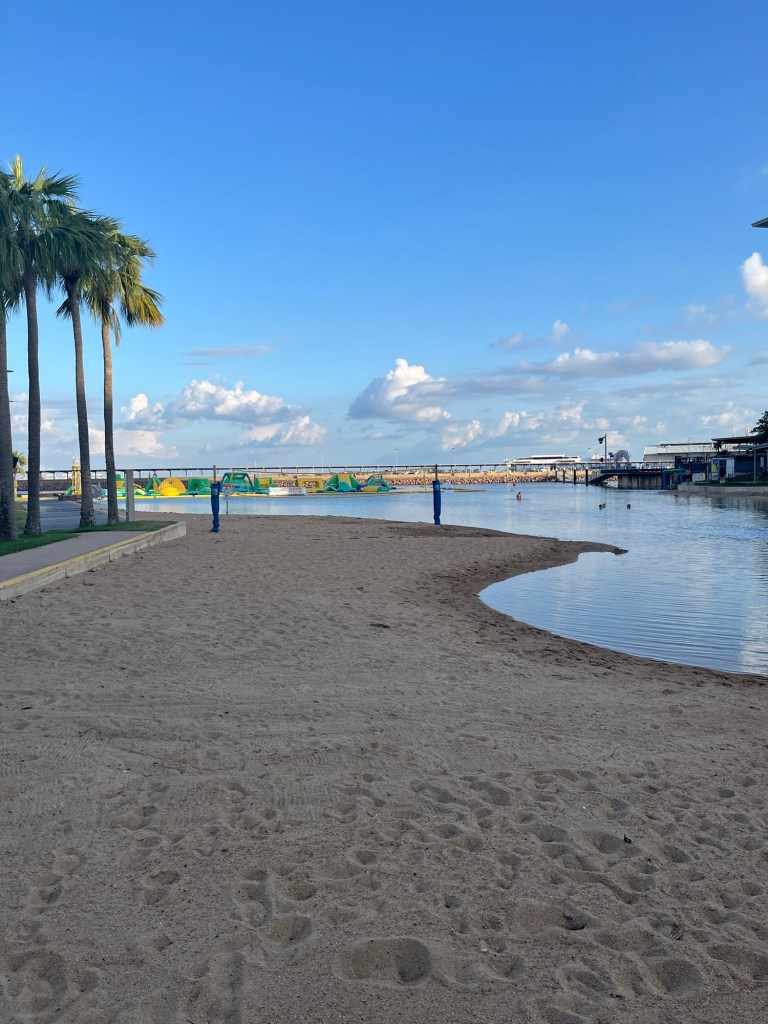
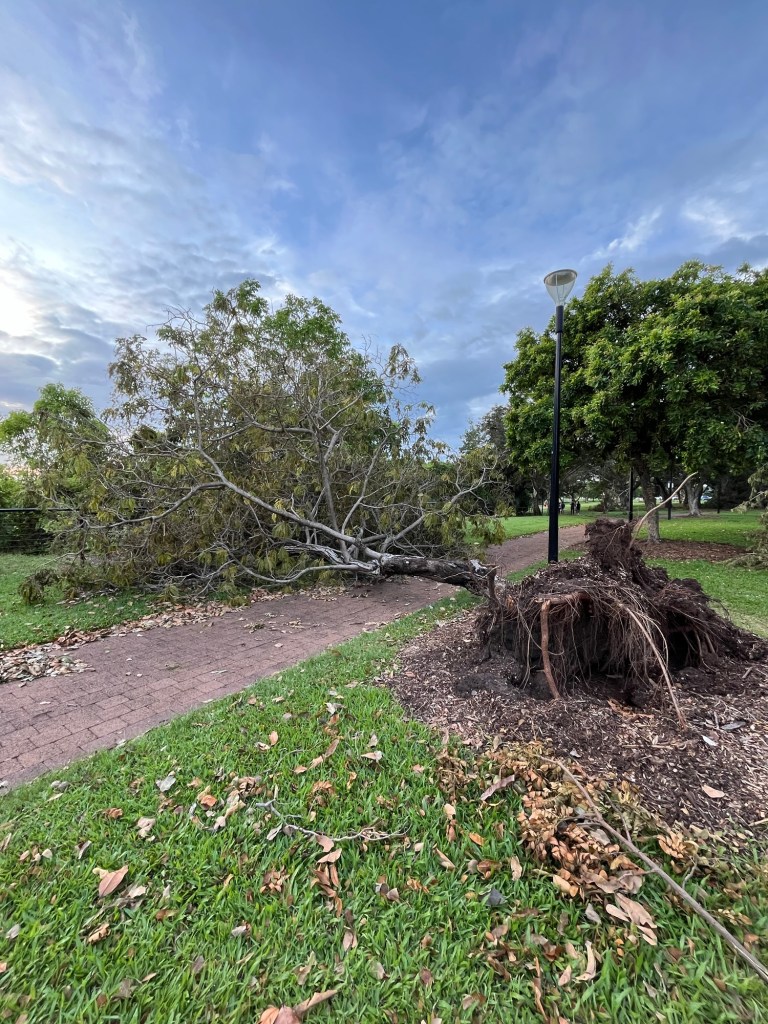
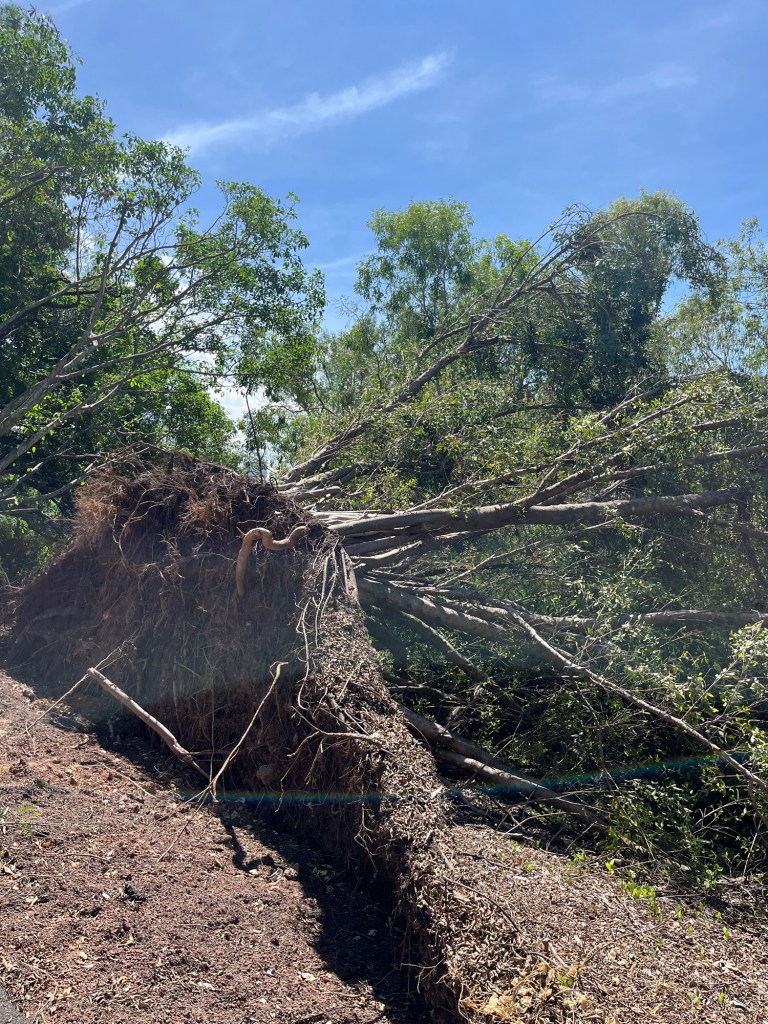
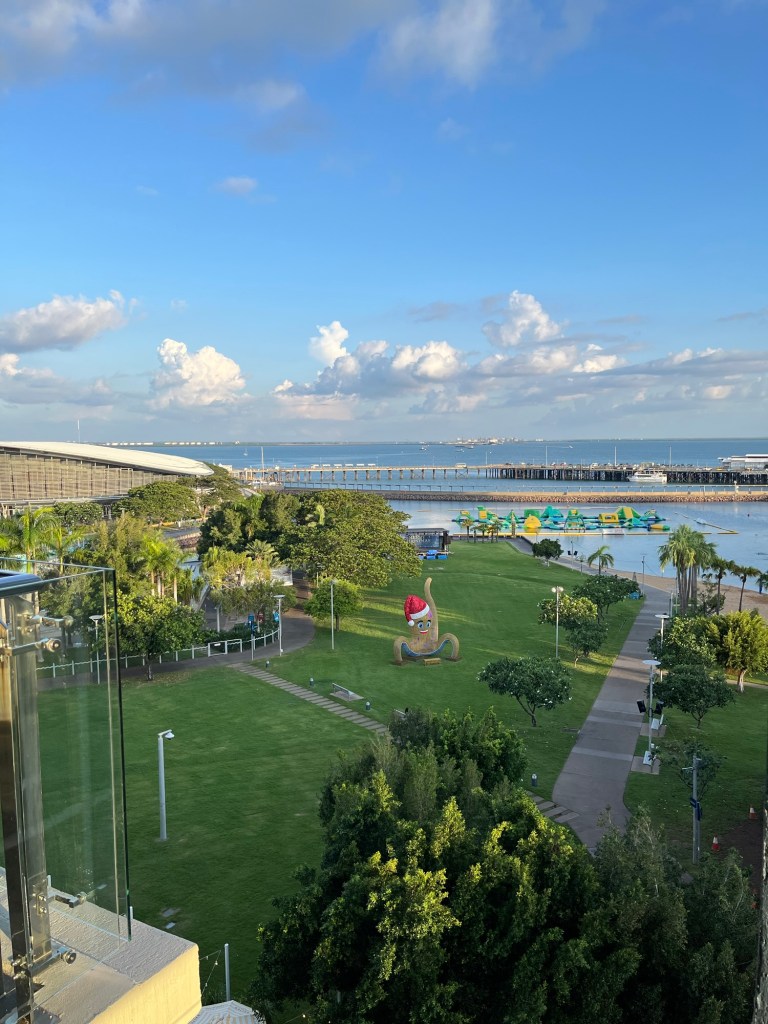
The sun was setting by the time I’d arrived, so I had a brief walk around Darwin and its waterfront. The city centre is pretty small and easy to walk around. I was expecting humidity here and I was not wrong, but it possibly wasn’t quite as bad as I’d feared. A cyclone had blown through only a few days beforehand which may have tempered the heat and humidity a little bit. There were several trees across the city that had been uprooted by the winds.

I only had 1 full day in Darwin, which I think is plenty to see the city. But you can easily spend longer in the region with a car, enabling easier access to the national parks.

I took an Uber to the Museum and Art Gallery of the Northern Territory – probably only a 10 minute drive but humidity. An interesting (and free) museum with a number of thought-provoking exhibits including some Aboriginal Art, an exhibition on the 1974 Christmas Day cyclone which essentially destroyed Darwin, and maritime exhibits with examples of different types of boats used in this part of the world, including Indonesia and SE Asia which are much closer to Darwin than other Australian state capitals.

I was particularly struck by the introduction to the Aboriginal art exhibits which started with the words ‘in so-called Australia…’. The other very noticeable thing almost everywhere I’ve been so far is the acknowledgement of the traditional owners of the land and their ancestors. I don’t recall so much of this in my previous visits to Australia, or maybe I wasn’t paying so much attention…

After a very good lunch at the museum cafe, I walked back to the hotel, via the Botanical Gardens which were, unfortunately, closed due to the impacts of the cyclone. I did, however, manage to sneak in to some bits, which helped make the hot and humid walk slightly more direct!

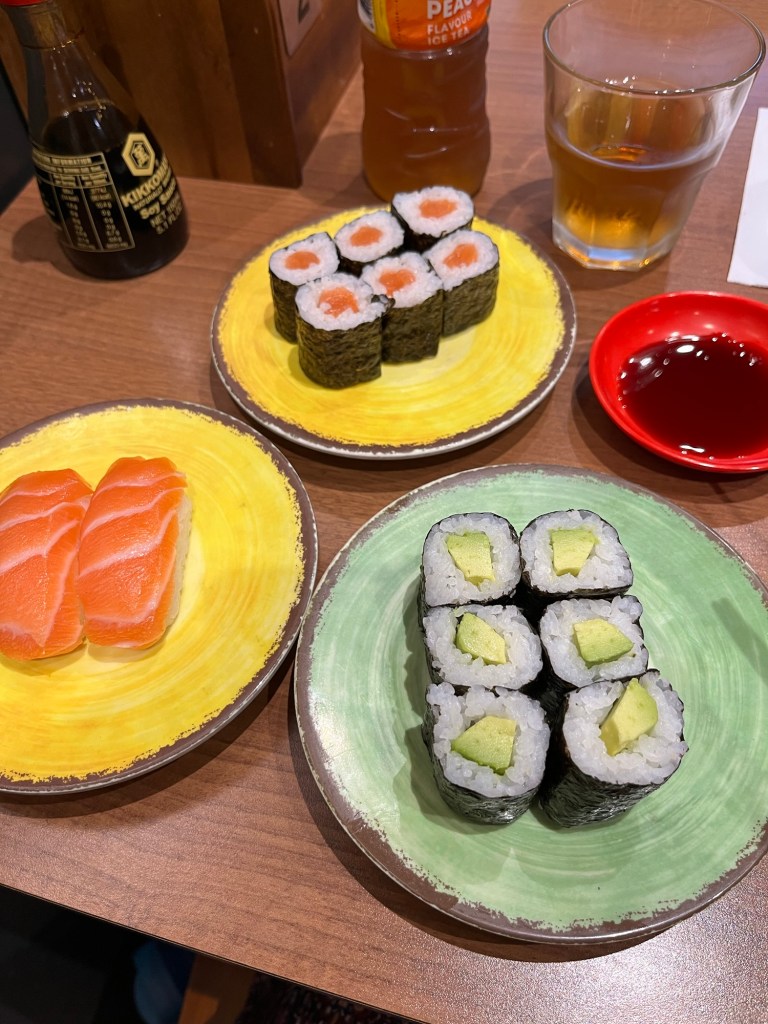
After making it back to the hotel and some AC, I spent the afternoon chilling out before another walk to the waterfront and then a very reasonably priced (and good) sushi dinner.

My very brief visit to Darwin was over the next morning as I headed back to the airport for my flight to Townsville.

I was at the airport way too early, partly as a result of basically only ever taking international flights. You’d be fine rocking up about 90 minutes before a domestic flight here, no one has yet looked at my ID on the 2 internal flights I’ve taken so far, and there are no liquid restrictions in hand luggage.

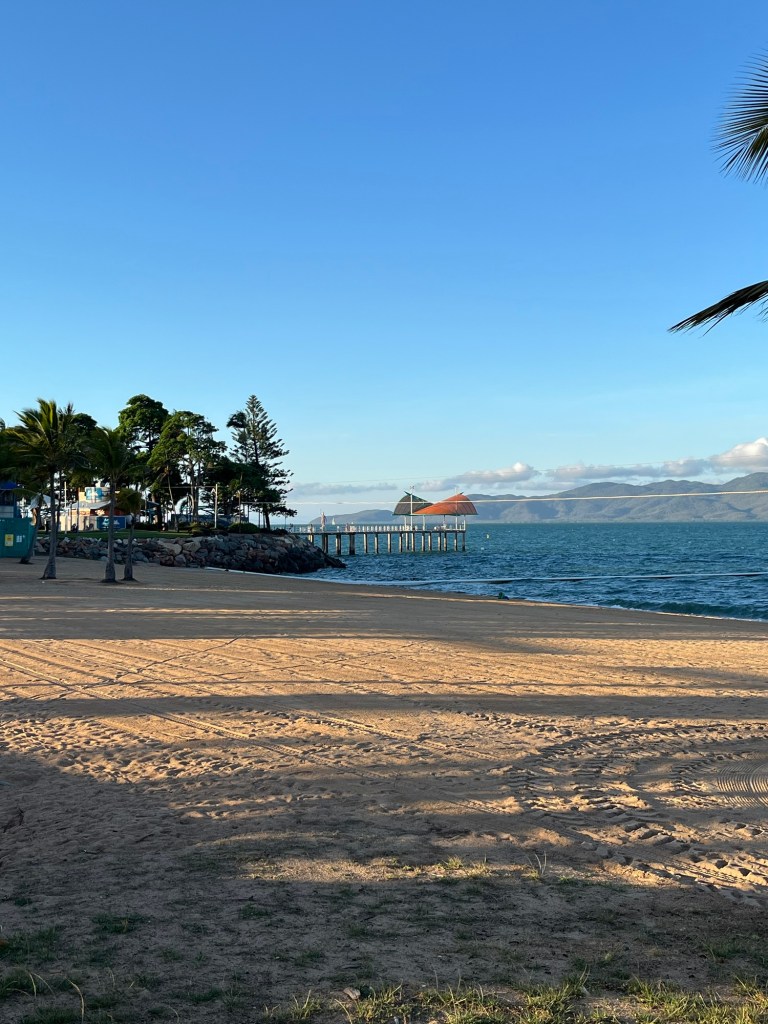
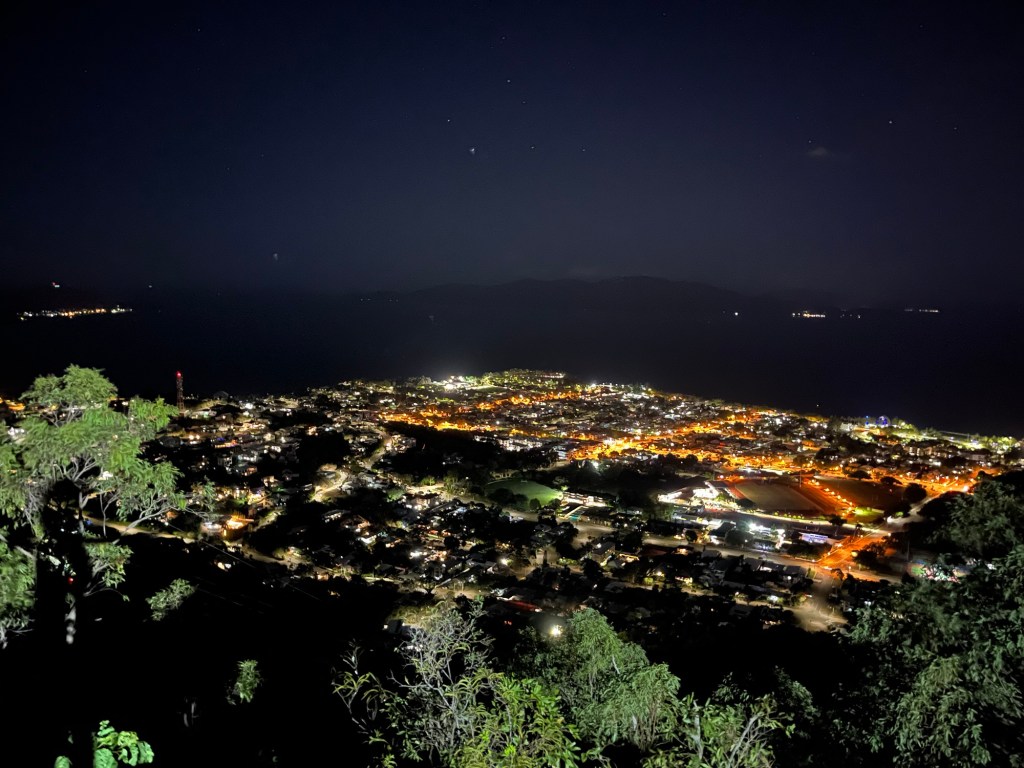
I arrived in Townsville mid afternoon after a 2 and a half hour flight. As I was staying with a friend in Townsville, she came to pick me up from the airport, and after dropping my bags at her place, we went for a late lunch on the Strand. After lunch (by now late afternoon), we had a lovely walk along the Strand, which is fairly well shaded so the heat and humidity wasn’t too bad for me at this point. In the evening, we drove up Castle Hill for views of the city.

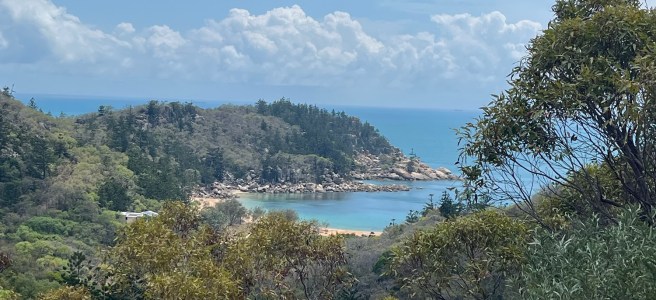
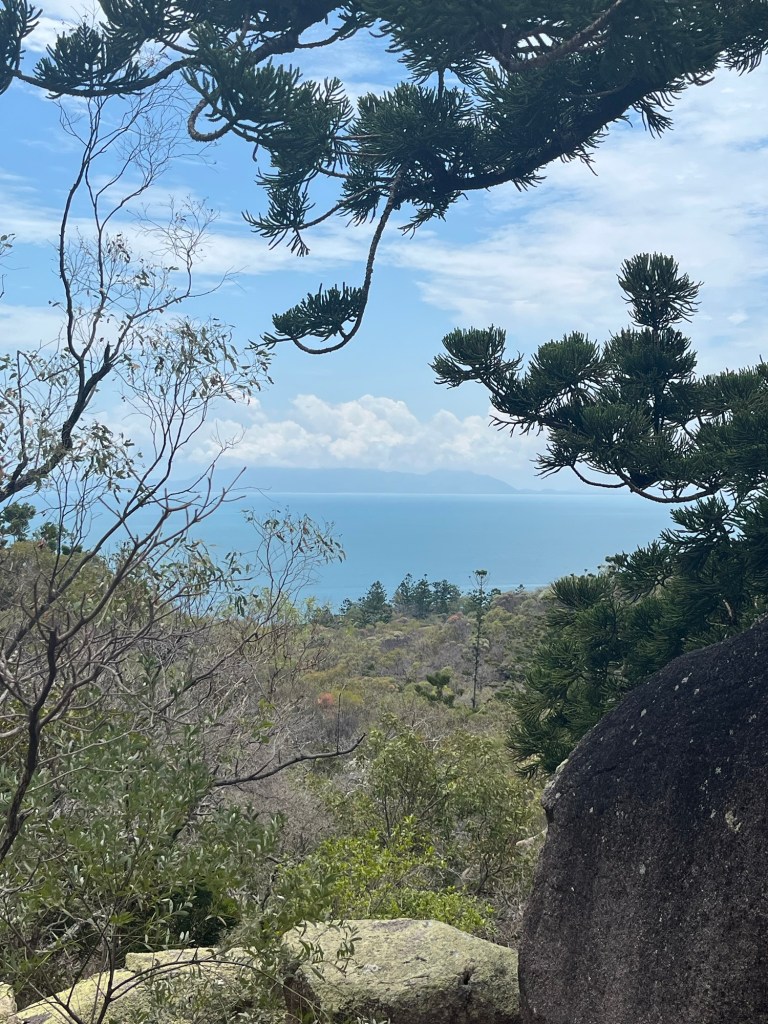
We went to Magnetic Island the next day which is just a 15 minute ferry ride from Townsville. Maggie Island, as the locals call it, is a beautiful little island off the coast with some great beaches and hiking trails. There is a hop on hop off bus (for something ridiculous like $1 each for a day ticket) which runs between the ferry terminal and Horseshoe Bay and allows easy access to the main sights. We did the Forts Walk, along with quite a few other people. This is an approximately 2km hike up to some WW2 fortifications. It was very humid so it was a hot and sticky walk but well worth it for the views.

After lunch we headed back on a mid afternoon ferry to some cool and refreshing air conditioning. The AC is absolutely vital here, I’d dread to have to deal with the heat and humidity without it. Apparently I’ve visited at a less than ideal time for the humidity, next time I shall visit in the winter!

The next morning I met up with an old school friend who lives out here and had been in touch when I’d posted on Facebook that I was in Australia. It must be more than 20 years since we saw each other and it was great to catch up and hear how he’s settled into life over here. Just slightly different to Colne!!

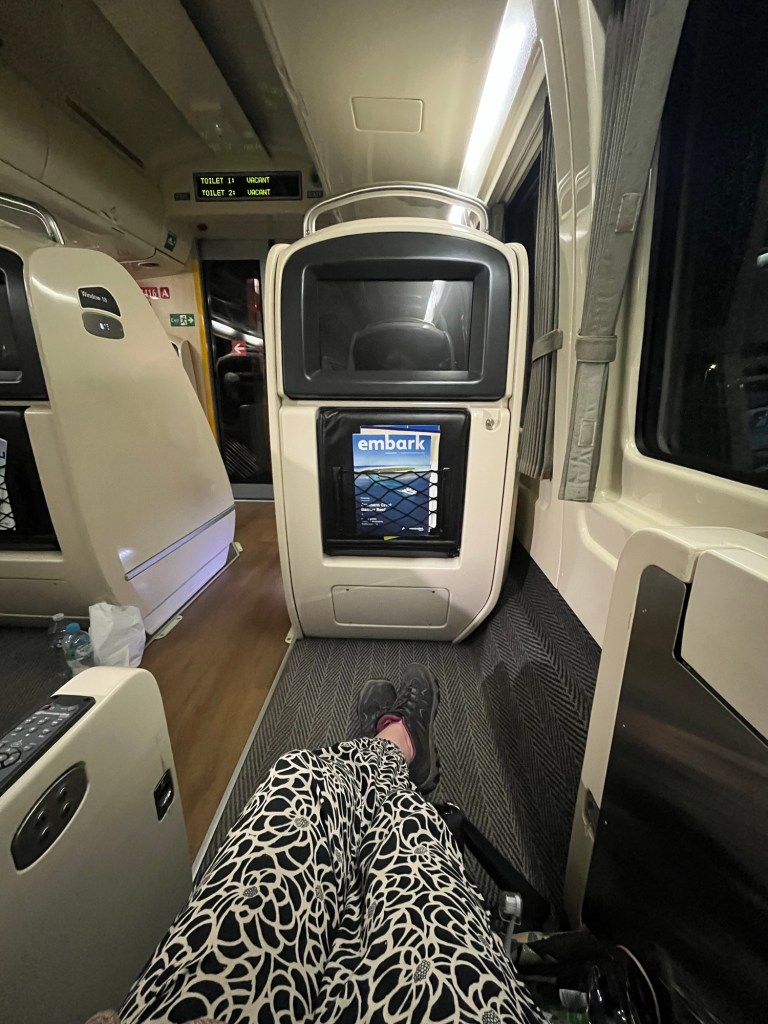
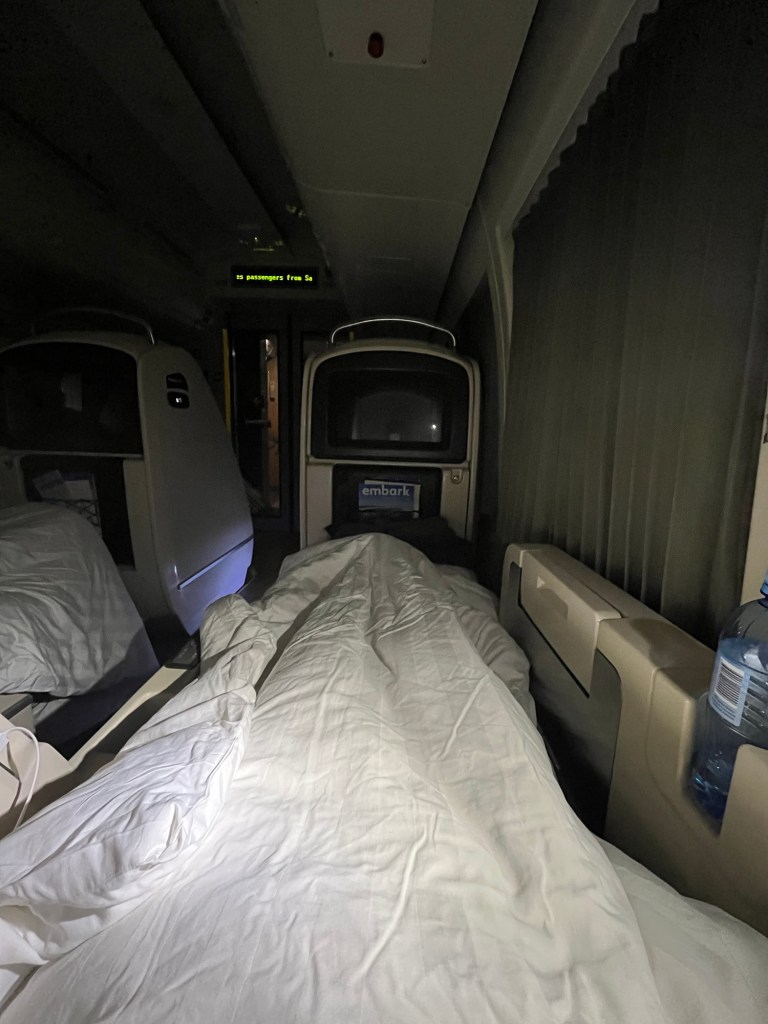
My brief visit to Townsville was over that afternoon, and I boarded the Spirit of Queensland, a long distance train which runs 3 times a week in both directions between Cairns and Brisbane. It was running an hour late by the time it arrived into Townsville, but we eventually boarded and I settled into my Railbed seat and enjoyed watching the scenery pass by. The weather got more moody as we headed south and there were the occasional flashes of lightning. Dinner was served in the early evening (complete with gratis alcoholic beverage) and then the staff came through to change the seats into beds at 8pm (for those wanting an early night) and at 9pm (also for those wanting an early night…). The train makes stops probably every 90 minutes or so through the night before its scheduled arrival into Brisbane at 9am so I wasn’t worried about having to wake up in the middle of the night for my stop. By the time we were awoken at 6am to return the beds to seats for those of us still on board, we were running nearly 3 hours behind schedule. Breakfast was served at around 7.30am and we eventually trundled into Brisbane at 11.20am. Thankfully for me, the delay wasn’t a problem and was actually an advantage as I was able to check in to the hostel when I arrived.

It might sound odd but the train was genuinely one of the things I was most looking forward to in Australia. A 20 hour (well 22 hour) train ride, with plenty of legroom, bed, entertainment, dinner and breakfast cost me about £155. I really enjoyed watching the scenery pass, being able to lie flat (even if I didn’t really get that much sleep), and arriving at my destination without the various stresses of air travel. There wasn’t much phone signal outside of the stations so not being able to look at my phone every few minutes was also quite refreshing!! Trains will feature again at various points in my travels and I’m already looking forward to them.

After a couple of hot and humid destinations, I was glad to arrive into a slightly more manageable Brisbane for the next week or so…stay tuned for my next post to hear all about that!

Kalbarri, Monkey Mia, Geraldton and a lot of flies

My second side trip from Perth, and this time I headed north. This was a 4 day / 3 night trip with Autopia Tours (found through tourradar), and there were 10 of us in total on this trip, including 1 other Brit over here for the Ashes!

A slightly later start (8.15am pickup) compared to the Margaret River trip, I was the last pickup and then we headed north out of Perth. We stopped at Jurian Bay for an early lunch and a very windy (I was soon to learn that wind is very normal in these parts) walk along the front.

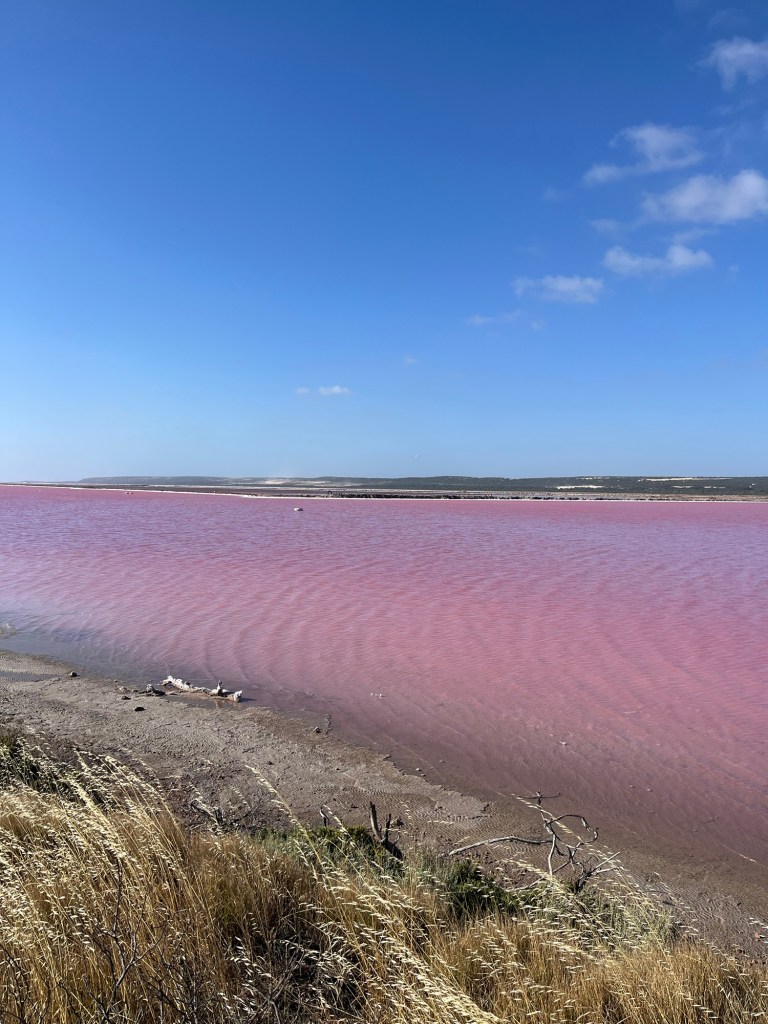
Then we carried on to the highlight of the first day, a visit to Hutt Lagoon which is naturally pink because of algae in the water. I’ve not altered the photo, it really is that colour!! It takes your breath away the first time you see it.

I have a vague recollection of perhaps seeing another pink lake in my previous Aussie travels, somewhere in the outback in South Australia. However I can find no photographic evidence of this, and if it is when I was thinking, I was incredibly hungover that day so could well have been seeing things. If anyone else from that G Adventures trip in January 2016 is reading this, did we see a pink lake? After the William Creek stop? Or have I made it up?!

Hutt Lagoon aka Pink Lake

We then continued to our overnight stop in Kalbarri. As it was a Saturday night, we struggled to find anywhere with space to accommodate us for food so after a drink in the local tavern ($15 / £7.50 for a pint of cider!!) we ended up with takeaway pizza.

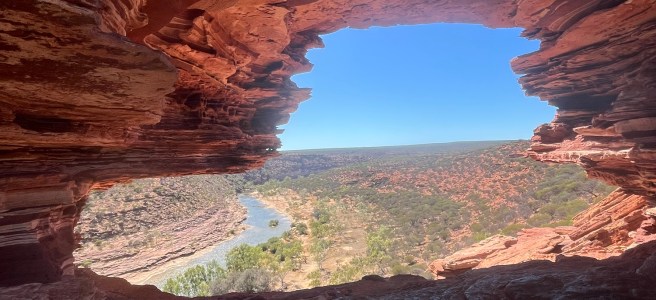
We started the next day with a visit to nearby Kalbarri National Park, to see Nature’s Window and the Kalbarri Skywalk views. Both of these overlook the Murchison River Gorge and have some amazing views. Unfortunately they also have a lot of flies so we were all very glad to have bought fly nets in the morning!! The flies will be a recurring theme…

The landscape here reminded me a little bit of Zion in the southwest USA. Perhaps not the scale, but certainly the colours.

We continued to head north and had a lunch stop at the Billabong Roadhouse where it was a cool 38C. With the wind, it felt like standing in front of a hairdryer!! And yet more flies…

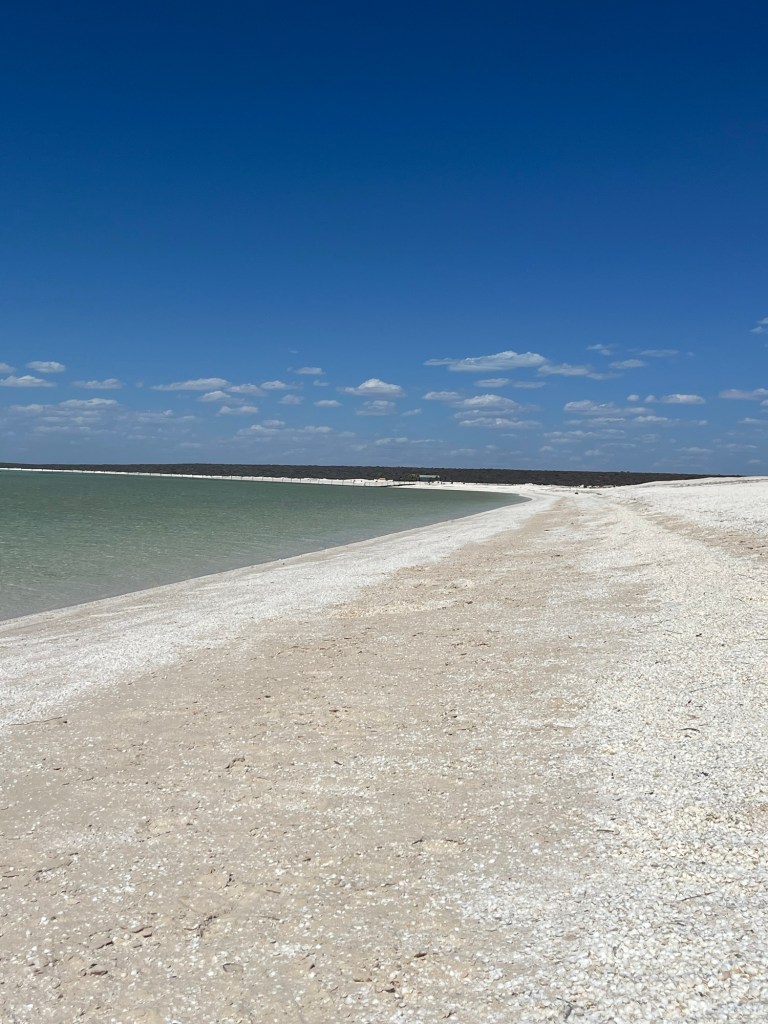
After lunch we continued north and arrived at Shell Beach. The shells all come from cockles which live in the waters and, as with every other beach I’ve seen in WA, the water is an incredible shade of blue

Shell Beach. On the right, you can see the tiny cockle shells

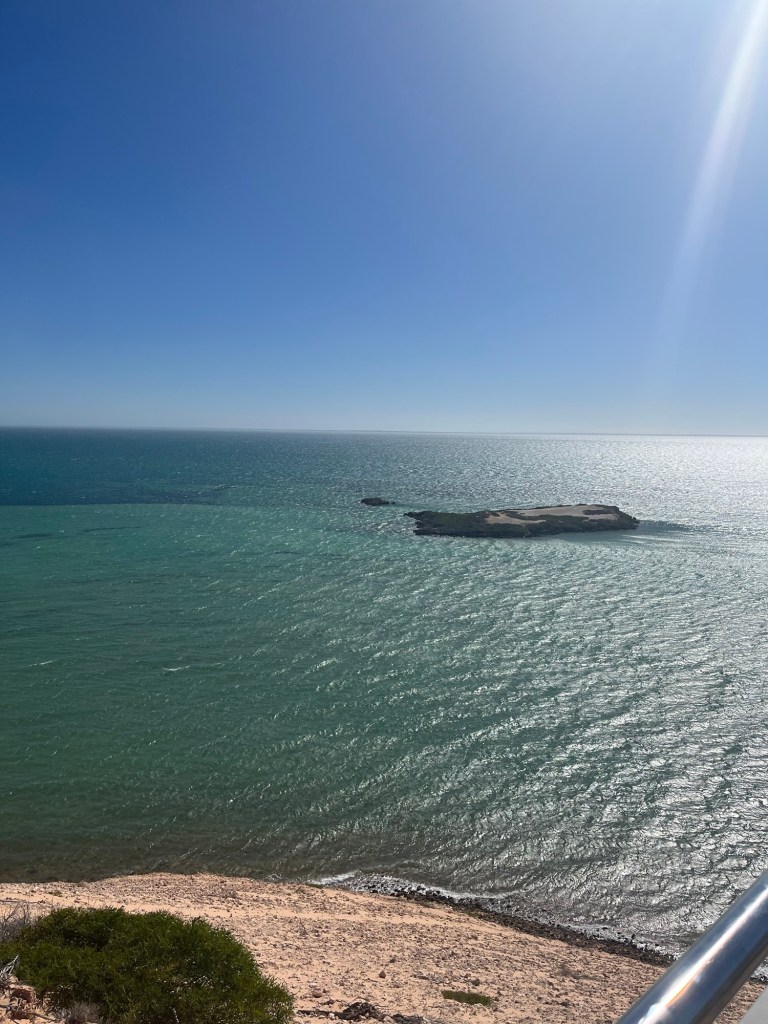
We then continued towards our overnight destination of Monkey Mia (pronounced my-a) with a stop at Eagle Bluff for another opportunity to be blown away. I had no idea that it would be so windy here, though I suppose the wind has the whole of the Indian Ocean to build up a head of steam, and it certainly does.

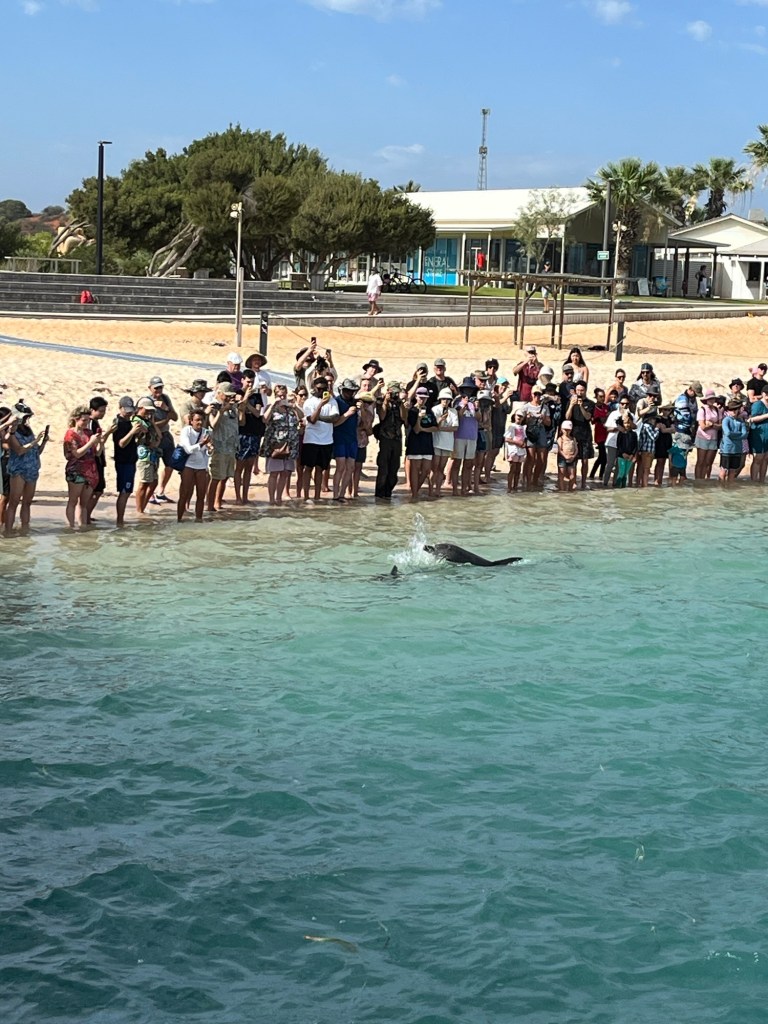
The main draw at Monkey Mia is the wildlife, and each morning from around 7.45am, the dolphins that live in these waters come into the bay to see all the tourists (I think that’s the right way round…!). Until very recently I’ve never really been an animal person, but there’s something about seeing them in the wild that really changed my mind. We also saw turtles swimming in the bay too

Dolphins at Monkey Mia

Some of the group went on a boat cruise in the morning but I opted to stay on dry land and had a relaxed morning in some shade which was welcome after several days on the go (this trip started the day after my Margaret River trip ended). We set off back south after lunch and this was essentially an exercise in getting to Geraldton, some 4 and a half hours away, before sunset. We had another pit stop at a roadhouse where the flies were perhaps the worst they’d been. Just absolutely everywhere. The only positive thing I can say is at least they don’t bite!

Monday evening in Geraldton isn’t the most lively place in the world. We ate at The Murchison Tavern and were pretty much the only punters in there.

On our final day we started with a visit to the HMAS Sydney II memorial in Geraldton which remembers the 645 men who lost their lives when the HMAS Sydney II was sunk in 1941, which was the greatest single tragedy in the Australian navy. Actually the anniversary of the sinking was the day after our visit. Not something I was previously aware of but I found the memorial very moving.

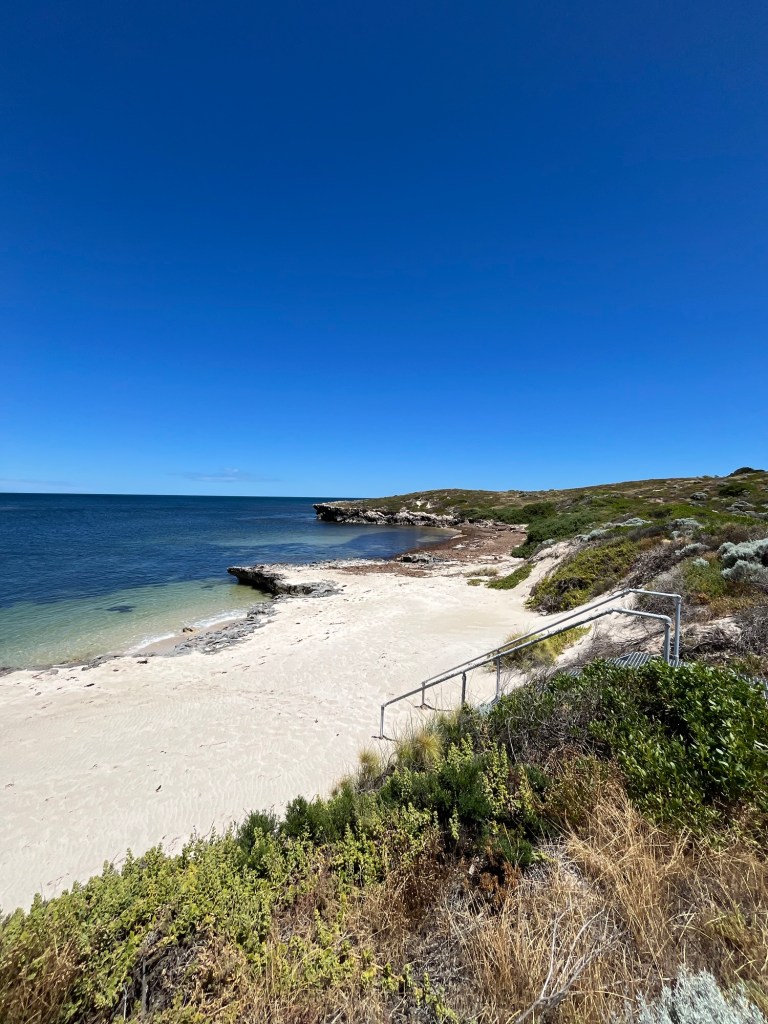
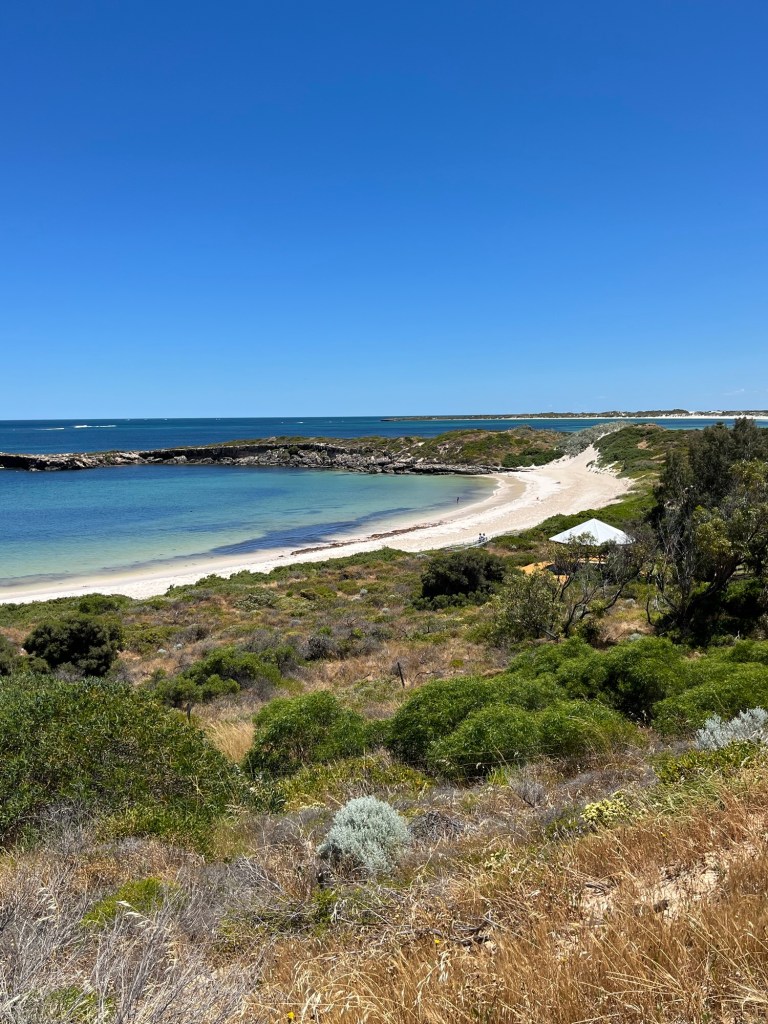
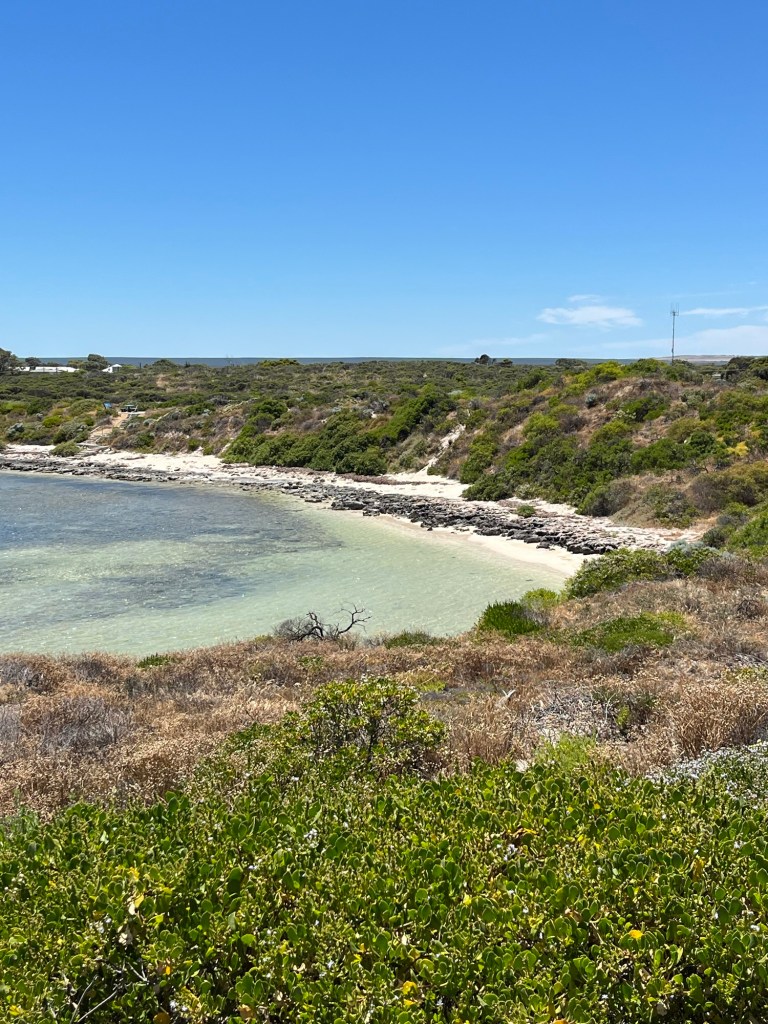
We then continued to head south back towards Perth. Our next stop was at the 3 Bays Walk at Green Bay, for some more ridiculously beautiful WA beaches. Fly net still a necessity though.

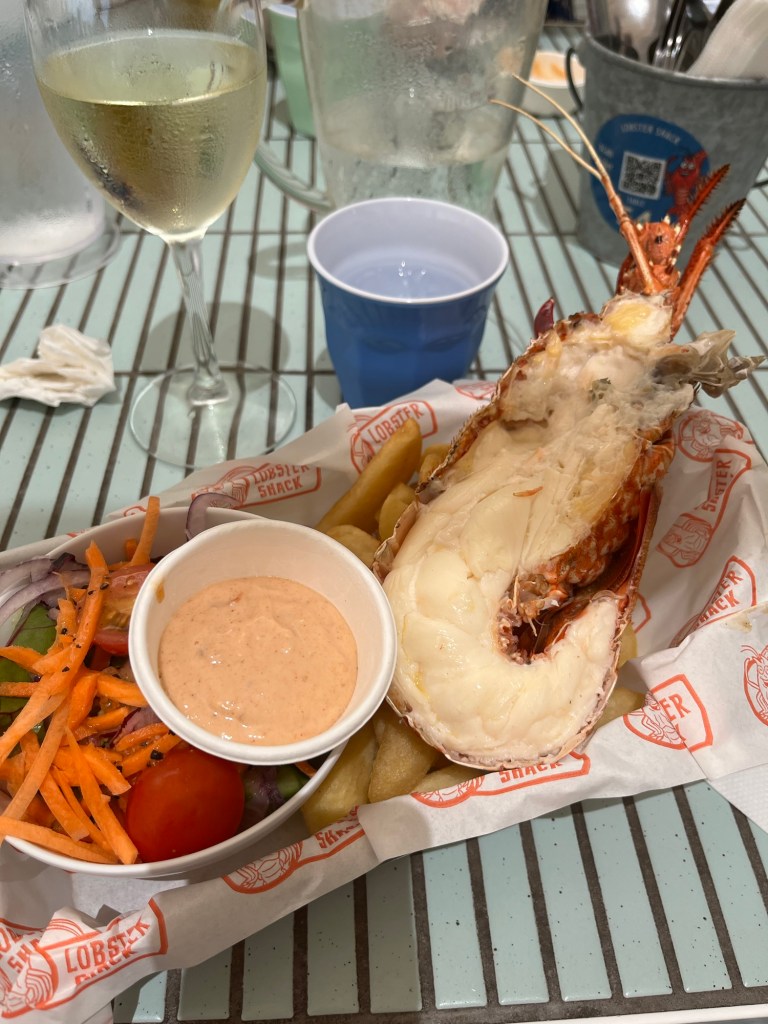
Our lunch stop was at the Lobster Shack in Cervantes where we had some Australian Rock Lobster for lunch, absolutely delicious

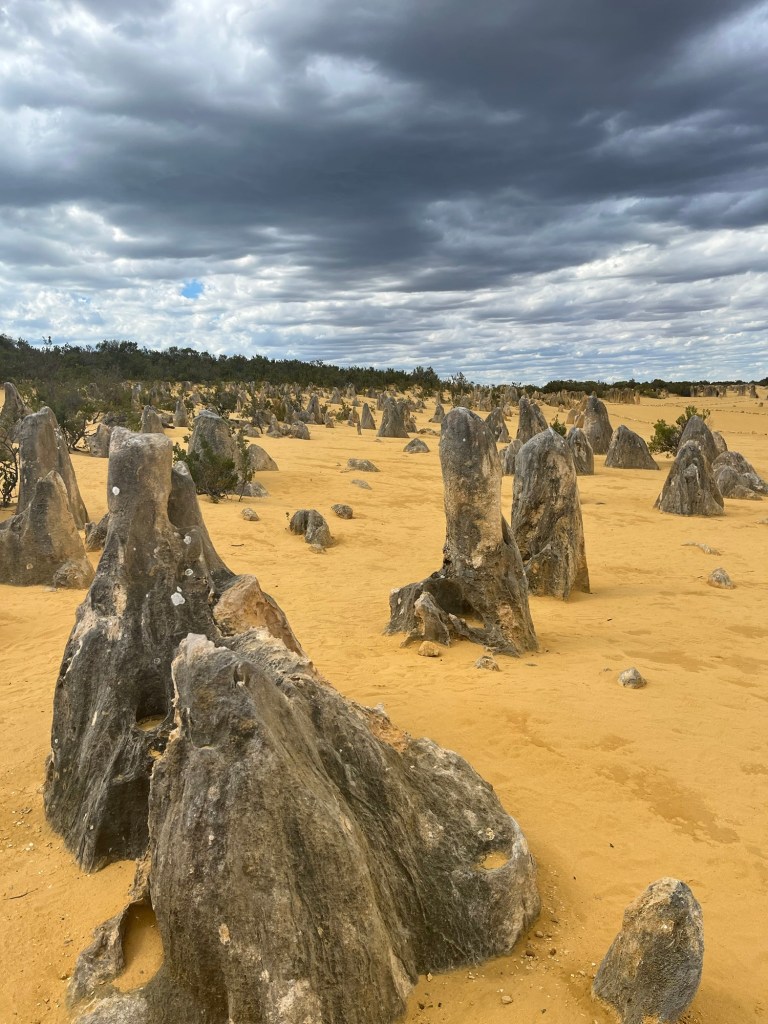
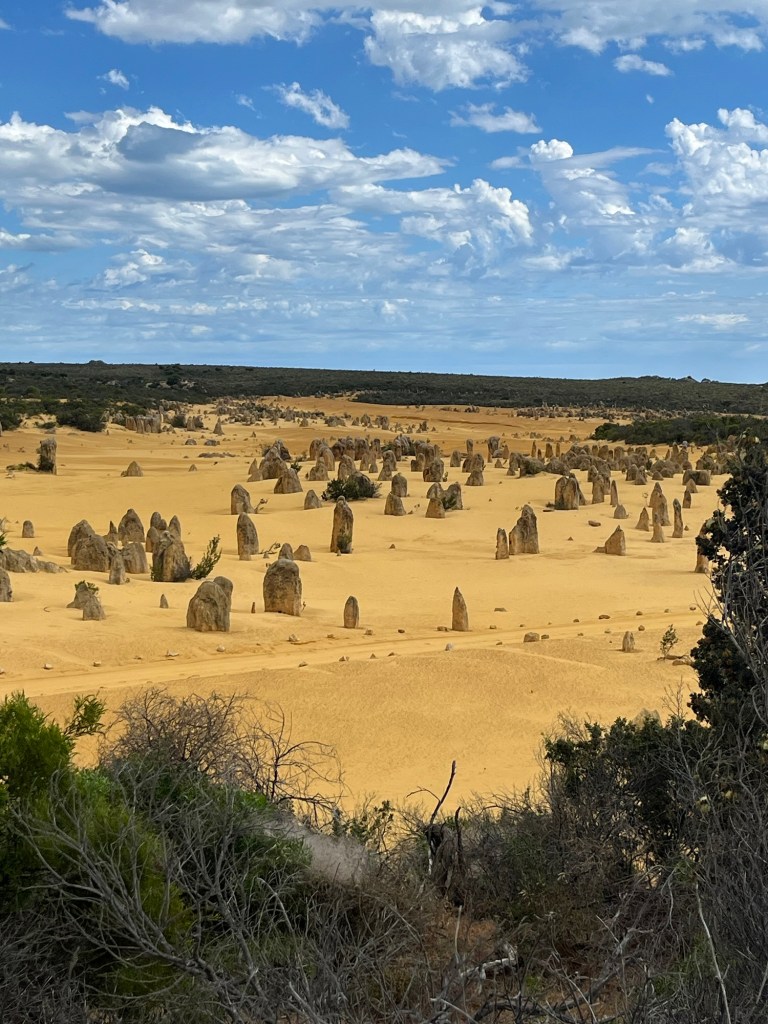
Our final stop on this trip was at The Pinnacles in Nambung National Park. Possibly one of the weirdest landscapes I’ve ever seen. With yet more flies and a few hailstones for good measure

We then headed back to Perth and arrived around 6pm. This tour was a really good way to see this region. I think it would be pretty difficult to do independently as a solo traveller without my own car. We covered some pretty large distances – around 500km drives on some days – and there isn’t a whole heap of public transport in these parts. I would definitely recommend this trip, and route, to anyone coming to Western Australia!

Cuba

In March 2019 I went to Cuba, having been inspired by seeing some amazing photos from someone I met on previous travels.

A short indulgent interlude before I get into the trip. I’d decided a few years ago that if I was on a long haul flight over 7 hours, that I would try and go ‘not economy’ if the price was not completely outrageous. By and large, this meant going premium economy, which I did when I went to Seattle and Alaska in 2018 and Utah and Arizona later in 2019. When looking for flights, I will always have a look and see what’s available price-wise. Usually, business class is prohibitively expensive (£4k+), but I’d spotted a deal via Skyscanner from Heathrow to Havana via Mexico City with Aeromexico for £1900 return. Obviously still expensive, but very reasonable by business class standards, plus as the UK-Mexico leg was 11+ hours overnight, and long time readers will recall my inability to sleep on aeroplanes, plus with a 3-4 hour stretch between Mexico City and Havana, I was eager to grab the deal before it disappeared.

One of the many advantages of travelling business class is the swift journey through the airport – priority check-in, fast track through security and relaxing in the lounge. I did get a slightly odd look at check-in as I was travelling with a backpack and was in my smartest ‘comfy’ pants. After relaxing in the lounge with a glass of vino, the flight departed at approx 10.30pm. We were then fed an evening meal before I then spent 7 hours lying horizontal in the lovely flatbeds on the Dreamliner. I know I’m rubbing it in but it was utter bliss, and definitely helped me cope with the 6 hour layover in Mexico City which was between the hours of 4am-10am local time. Another advantage of flying business class was that I could spend that time in the business class lounge at Mexico City Airport instead of trying to find somewhere to sit in the not-enormous departure lounge..

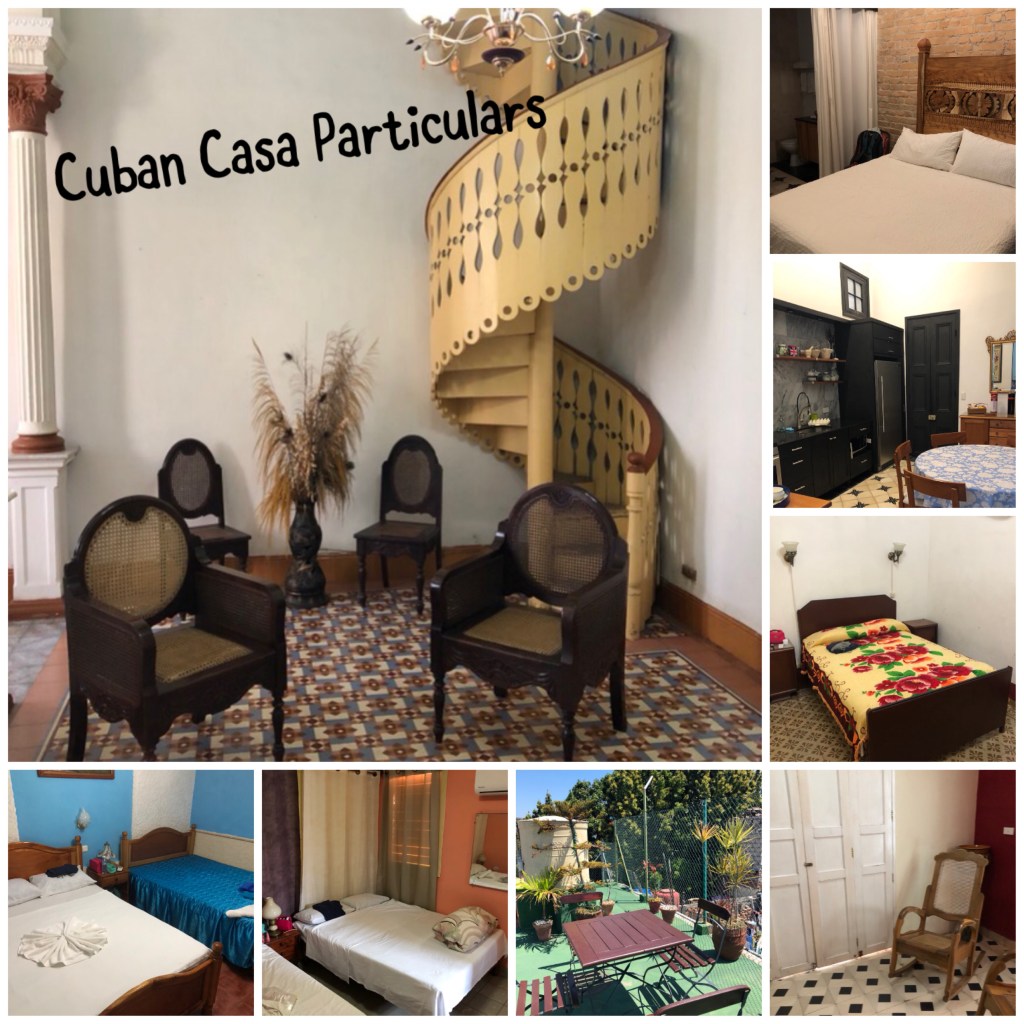
I arrived at the airport in Havana (actually a reasonable distance out of Havana) in the middle of the afternoon, and negotiated immigration successfully (I was ready to produce all the documentation that I’d been warned about but needed none of it). After changing approximately £300 for CUC (Cuban convertible currency, mainly used by foreigners, there is a second currency CUP used by the locals) I then had my organised transfer to the casa particular in old Havana. A lot of the accommodation in Cuba is in casa particulars which are nominally rooms in people’s houses, but in most of the cases that I experienced, are analogous to boutique hotels.

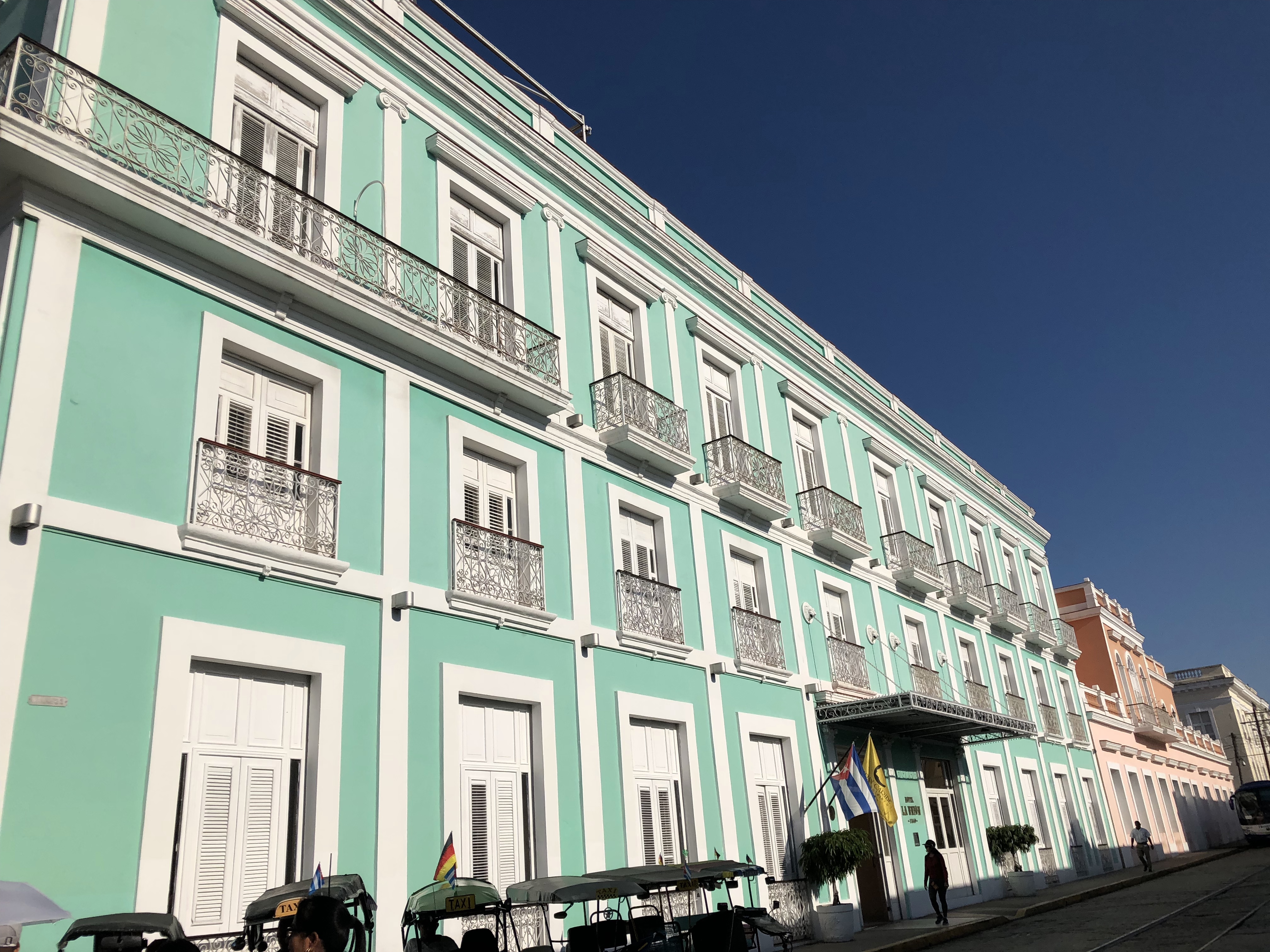
Some of the casa particulars we stayed in

After meeting the group in the evening and going out for our first meal (roast pork with salad and the first of many Cuba Libres), we bonded over rum on the casa terrace. I caved in at 11.30pm having had a very long day.

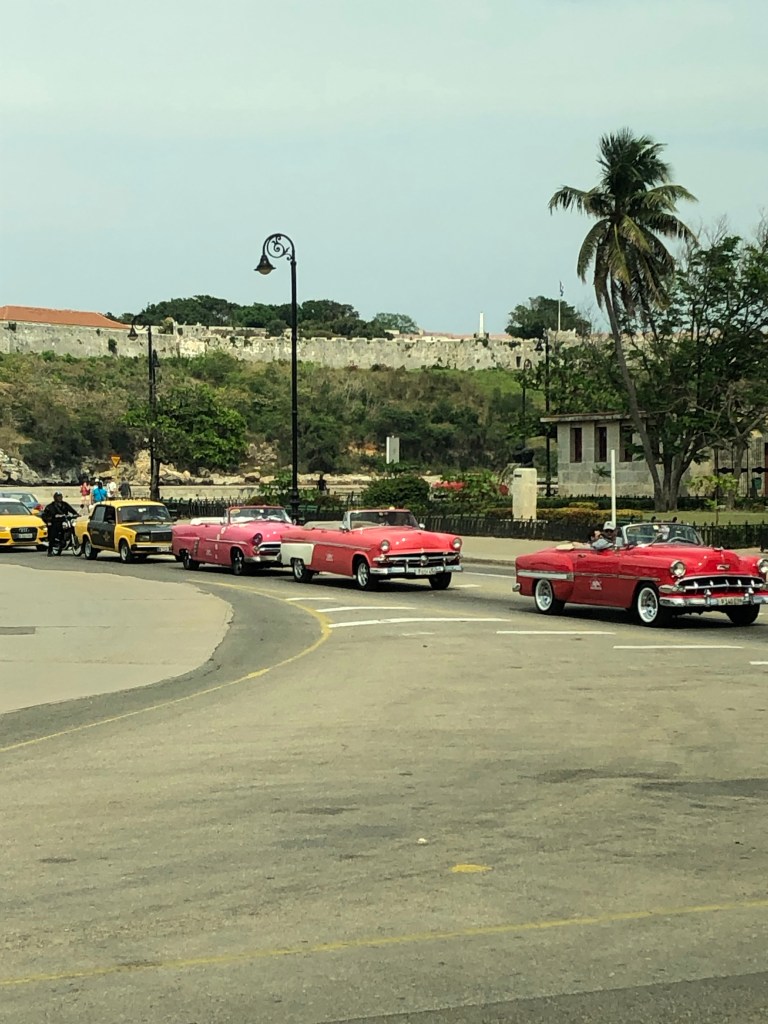
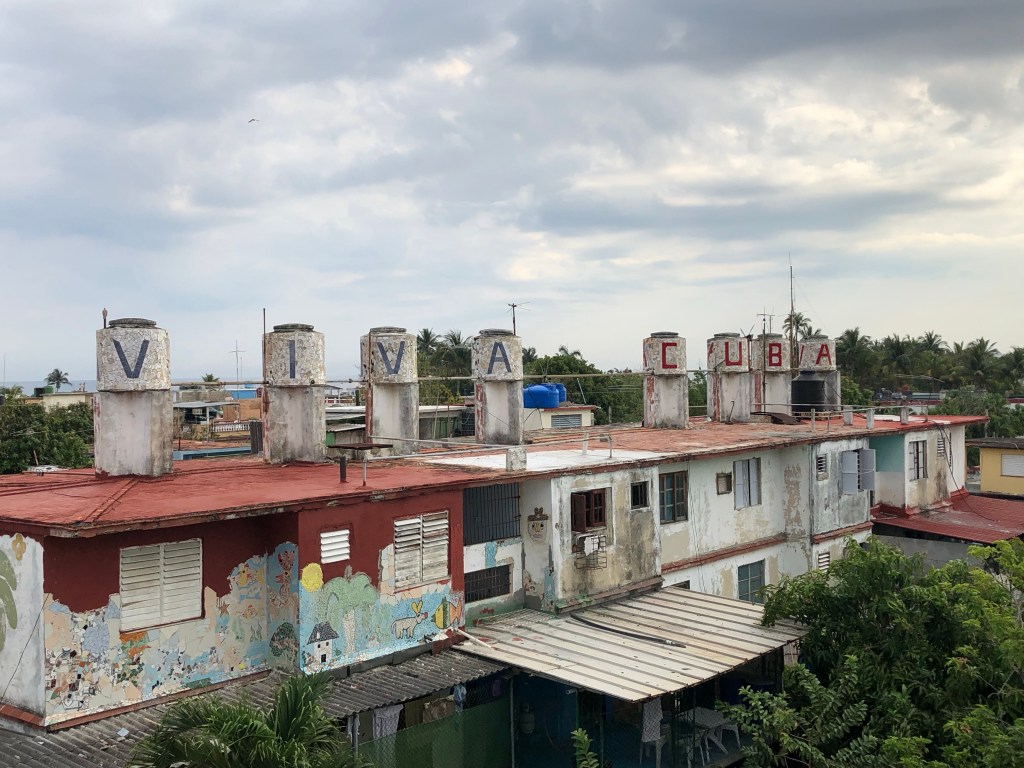
The next morning we had a vintage car tour around Havana – definitely a must-do. The vintage cars are an iconic part of Cuba and it’s so cool to be riding around in one. We went to Revolution Square, drove around some neighbourhoods and down the Malecon before ending in Old Havana where our tour guide then gave us a guided walking tour around some of the beautiful squares in Old Havana. The architecture is amazing – crumbling facades and buildings alongside some brilliant, bold, colourful ones.

Then we were treated to normal Cuban service for lunch. The longest lunch ever – we waited over an hour and a quarter from arriving to getting food – the food was good once it arrived, but it just took forever to do so!

We had what was left of the afternoon to ourselves, so I continued wandering around the streets of Havana Viejo. In the evening we went for dinner and then went to the Buena Vista Social Club to listen to some fabulous Cuban music – very enjoyable.

The next day we headed west, and after stopping at Fusterlandia in the outskirts of Havana (inspired by Picasso and Gaudí), we continued our drive out. After a baños stop and a morning Piña Colada (when in Cuba…), we carried on to a tobacco plantation for lunch (roast pork, pumpkin, rice, beans and salad). Cuba is world-famous for its cigars and it was interesting firstly to see how tobacco leaves are grown and then dried, and then to see Cuban cigars being rolled.

Looking out at Fusterlandia

Afterwards we continued our journey west towards Viñales. We stopped off to watch more cigars being rolled, and they were passed around the group. I’m not a smoker and so didn’t partake. The one thing I did notice was that Cuban cigar smoke does not linger on clothes and fabric like cigarettes do, and I actually quite liked the smell of the cigar smoke.

We arrived at the casa in Viñales in the afternoon and after a brief wander which was cut short by rain, we went for dinner (and got absolutely soaked on the way there). Tapas and cocktails, followed by a bar with Cuban dancing.

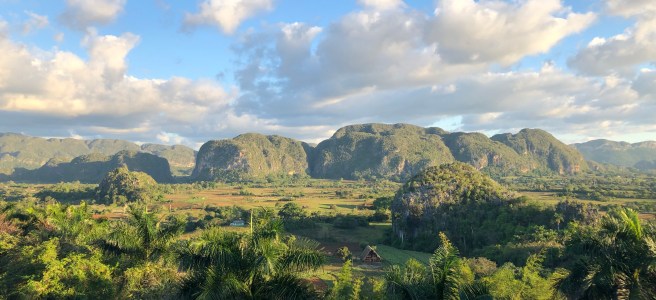
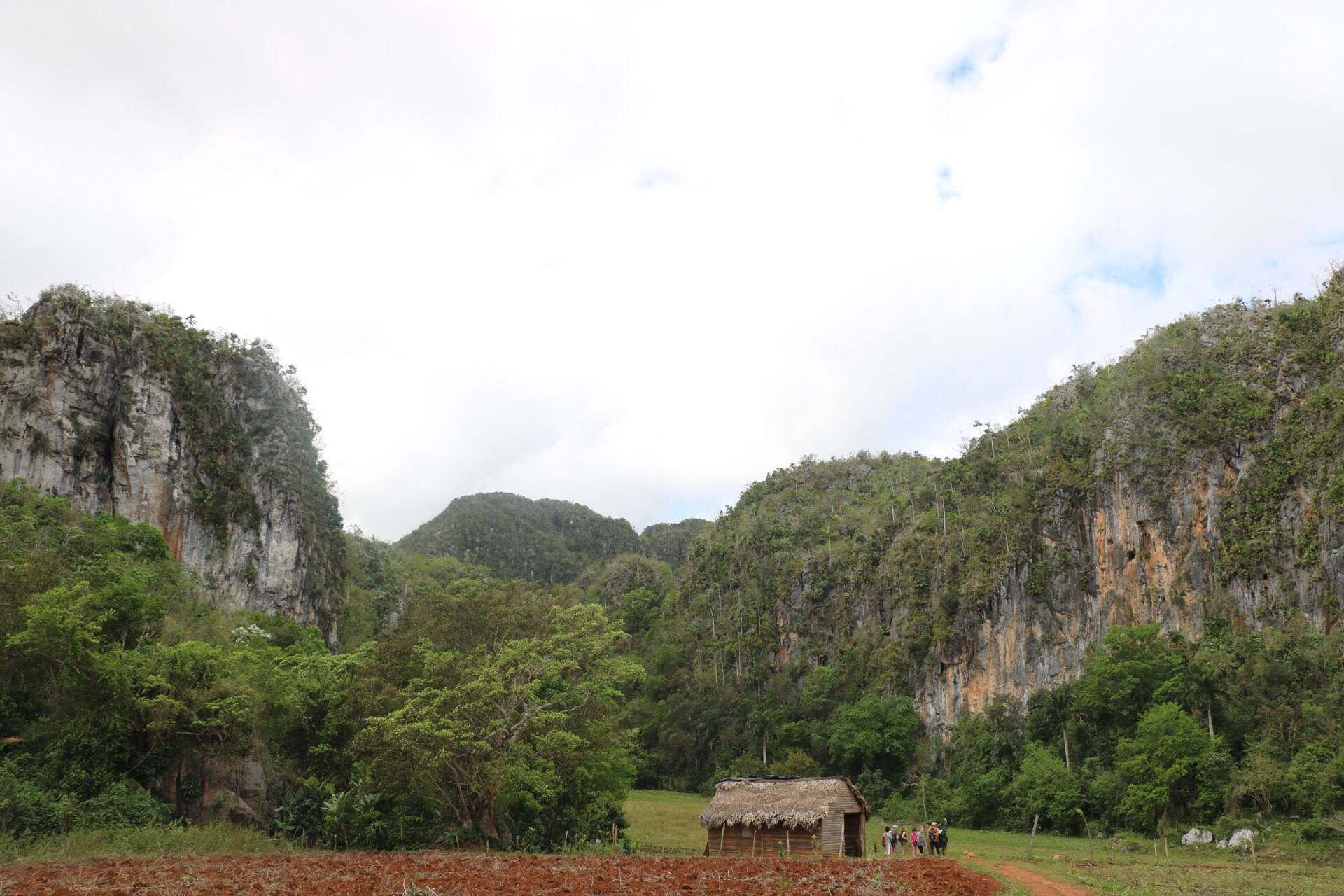
The next morning we went for a hike through Viñales Valley. It was a little cloudy and it briefly rained but the scenery is insane – like Jurassic Park. In the afternoon we had a salsa lesson which was fun (and involved more drinking) and then we played dominos – a massively popular pastime here – with more drinks.

In the evening we went to a restaurant a little way out of the town which had a great view over the valley. We then went to a bar for a dance show, and carried on drinking.

The next morning was an early start as we had a long travel day from Viñales in the west of the country, to Cienfuegos on the southern coast, towards the centre of the island. On the way out of Viñales valley, we stopped off at a wonderful viewpoint. With the blue skies it really looked like a landscape out of pre-history.

After one too many Cuba Libres the previous evening, it was a quiet journey. After lunch, we stopped at the Bay of Pigs for a refreshing swim in the sea – definitely a recommended hangover cure!!

We arrived in Cienfuegos in the early evening and went for dinner. After dinner we walked along the Malecon, which had a wifi spot and therefore large groups of people using the internet! The notion of mobile phone data hadn’t made it to Cuba, and very few of the casas had internet.

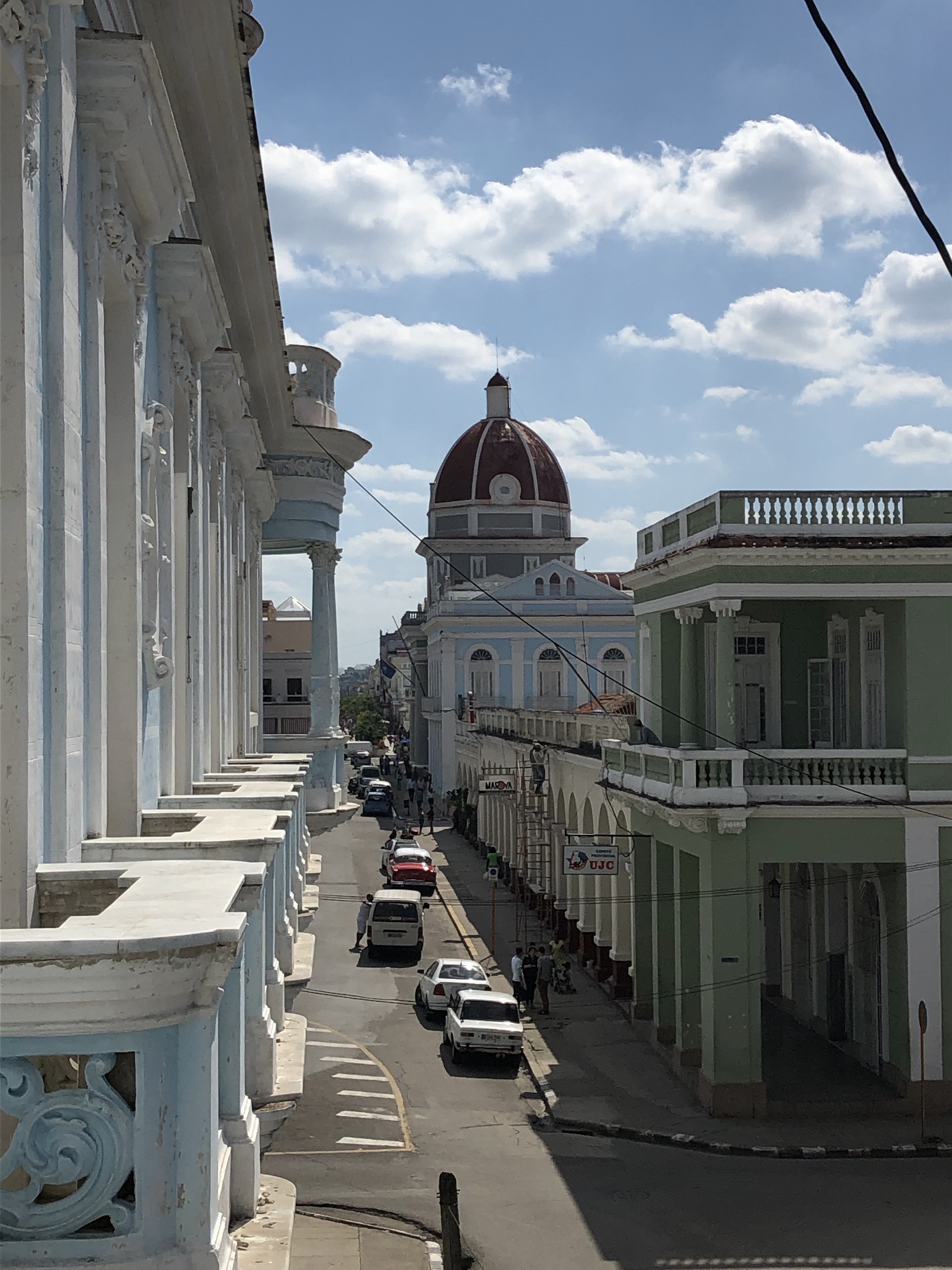
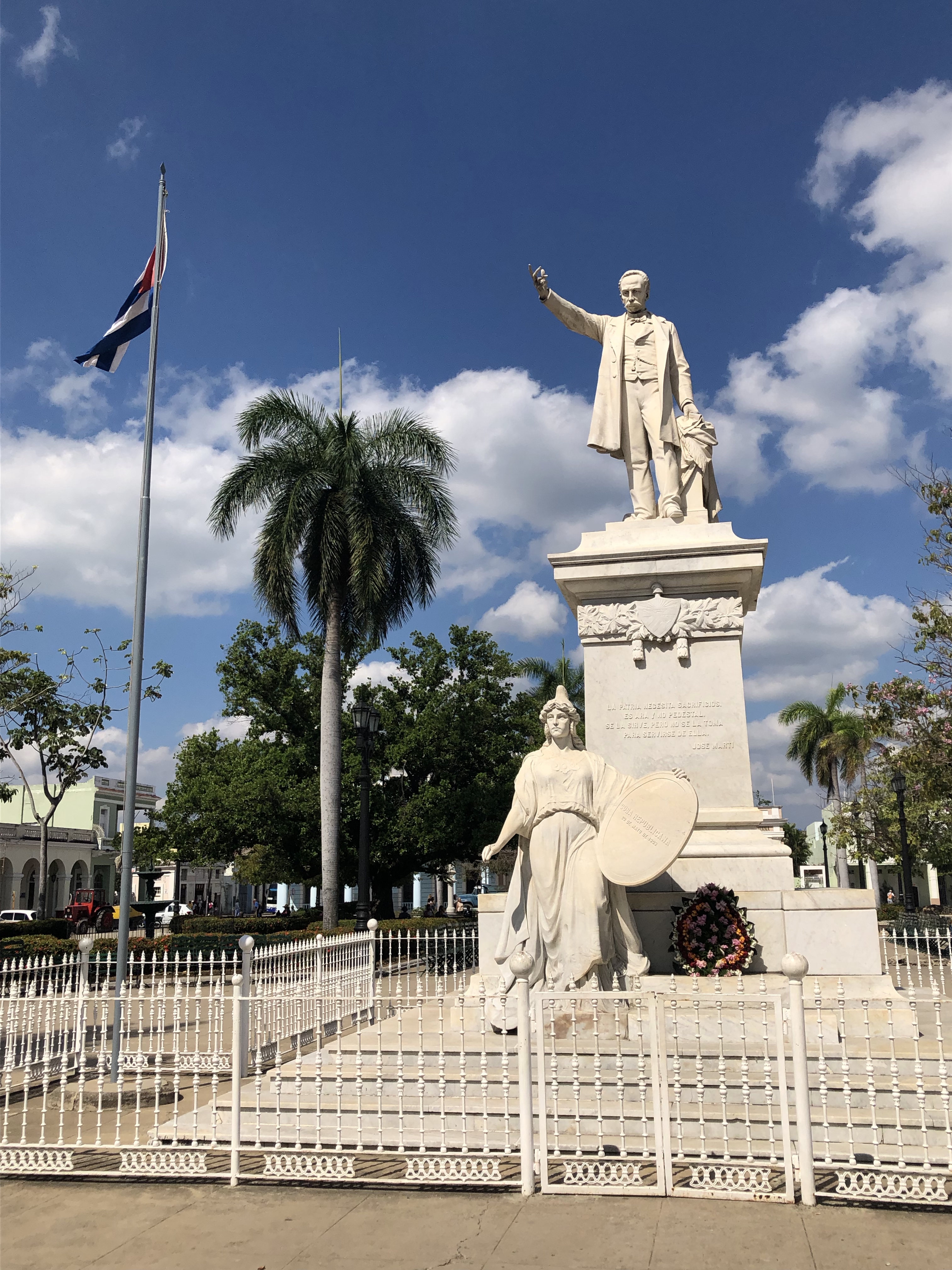
The next morning we had a walk around Cienfuegos including to the plaza major, and also went up a casa tower for a great view over the town. Cienfuegos felt much more well-maintained than other areas of Cuba and the architecture had a different feel from other areas we had already seen.

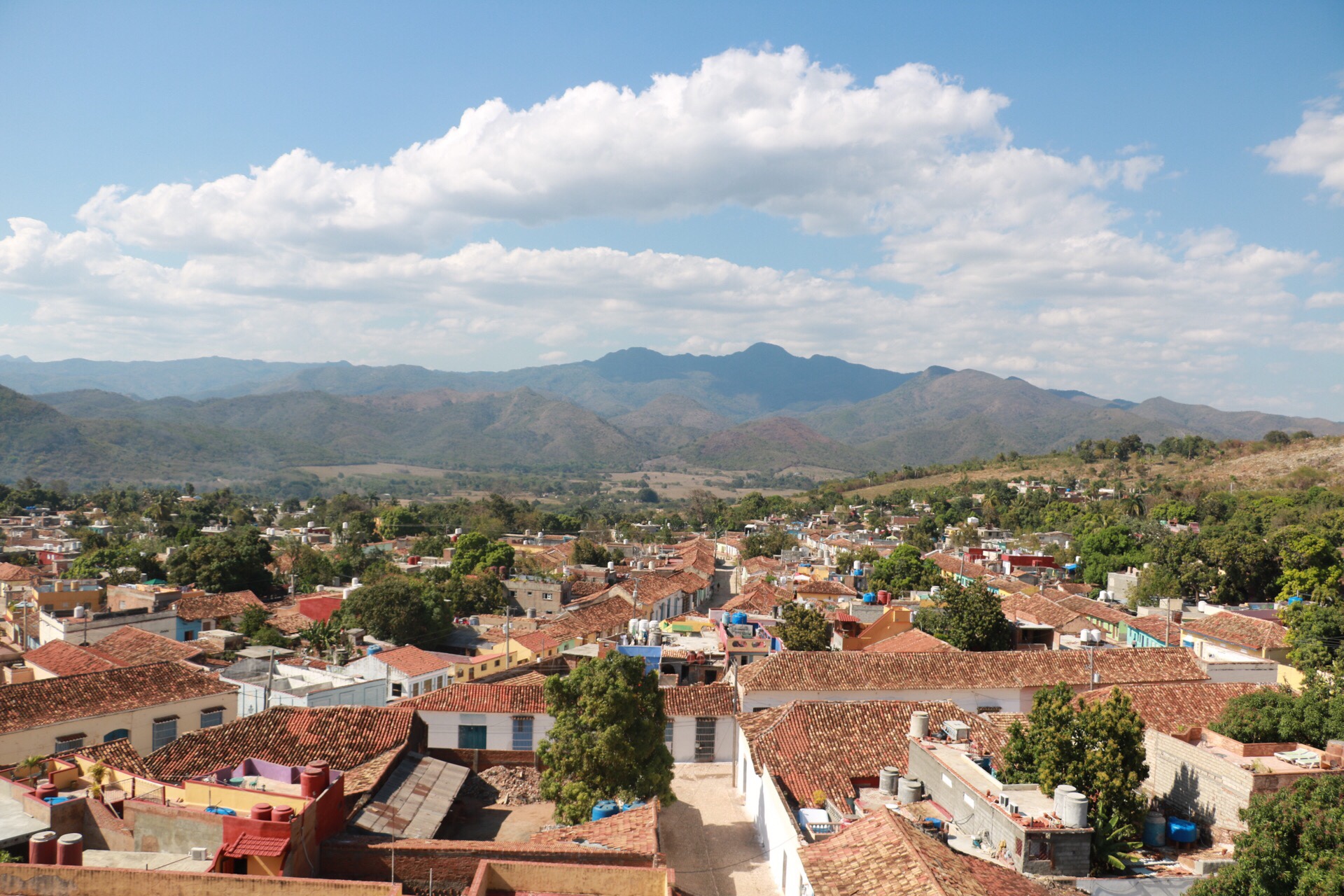
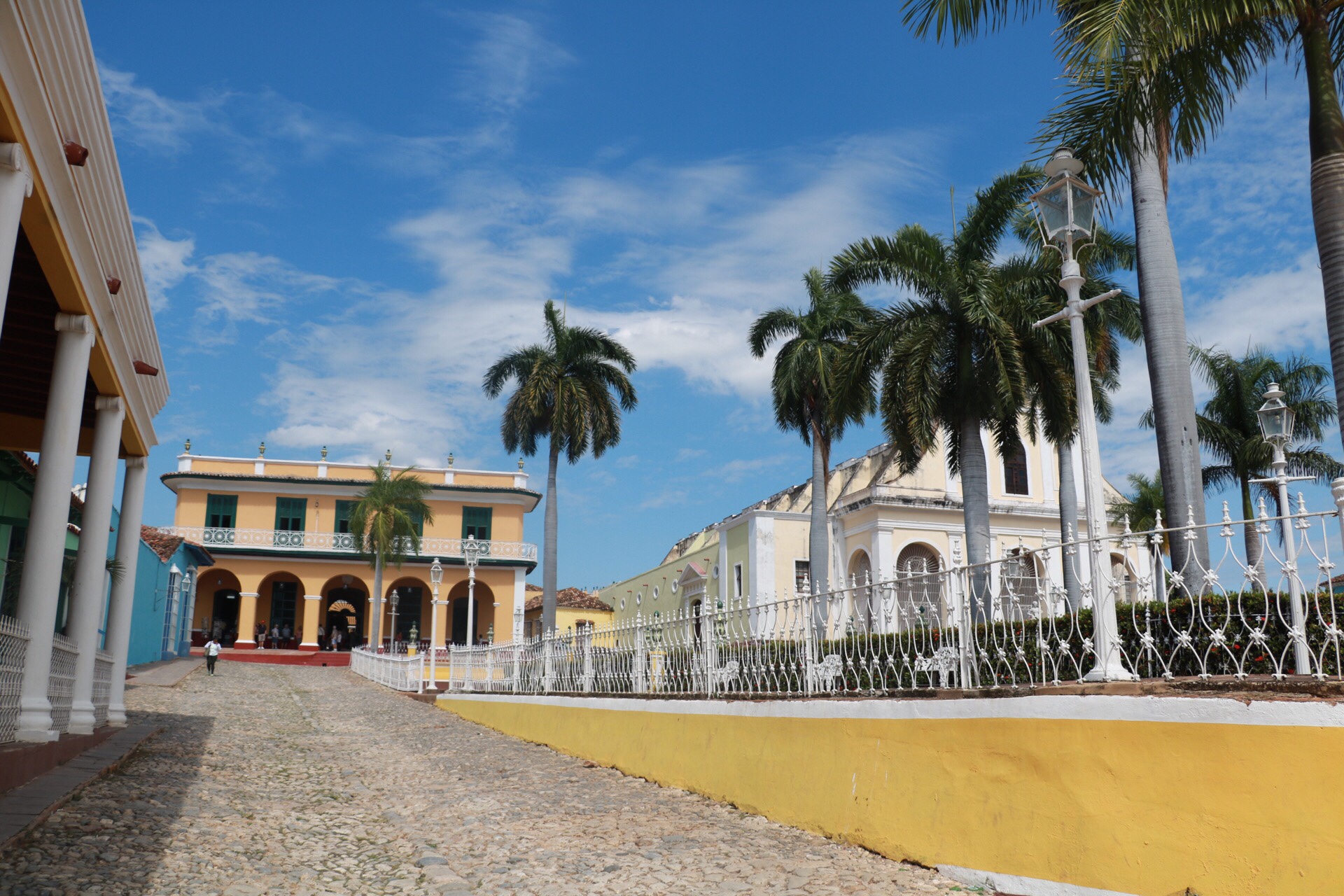
We then carried on travelling east for a couple of hours to the town of Trinidad. The heat was more intense here than the other places we had been. In the afternoon we had a wander around the old town – very colonial and Spanish-influenced. Another good view from the top of a monastery tower.

In the evening, after dinner we went to watch salsa by the steps, and then went to the Cave for some Cuban raving.

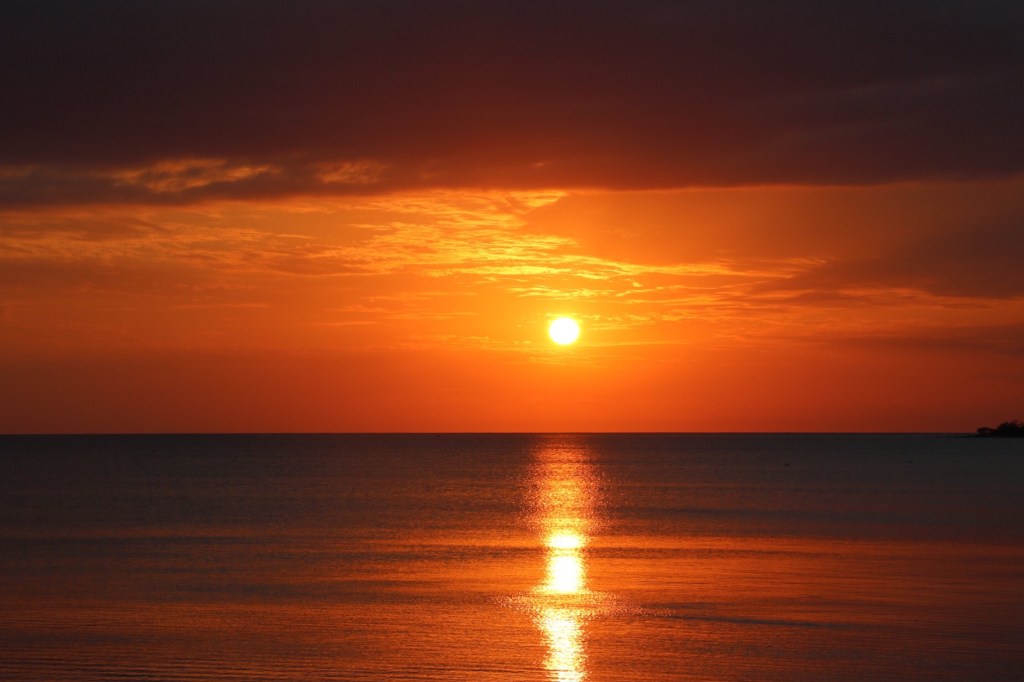
After a 2am finish, we went for a walk the next morning to a waterfall, and then went to the beach at Playa Ancon in the afternoon. A beautiful blue Caribbean Sea to swim in and some palm trees providing me with some shade to sit in. We stayed for sunset which had beautiful orangey red skies. After dinner I had an early night for a change as I was full of rum and sugar at this point!

The next day we headed back to Havana, via Santa Clara and a visit to the Che Guevara museum and memorial – an enormous statue of the revolutionist.

Back in Havana we had our final dinner of the trip at an Asian Fusion restaurant and a couple of enormous cocktails to finish me off.

So, my impressions of Cuba – a fascinating country, loved the architecture especially in Havana and Trinidad, the scenery in Viñales was spectacular. The food was ok, be prepared for menu items to not be available. There were signs that capitalism is encroaching. I didn’t go to Varaderos, which is the main ‘resort’ part of the island where the all-inclusive hotels are, but there was a lot of building going on in Havana, especially on the waterfront. I’m glad I went when I did as I can imagine it might be very different in 5-10 years.

Cambrian Mountains

With the current state of the world, I think 2021 is the year I finally explore the UK.

I’d booked a Wigwam Holiday at their Hafren site, near Llanidloes in mid Wales, for 3 nights in the middle of the wettest May in recent history. It’s about a 2 and a half hour drive from Cardiff, up the A470, which once you get past Merthyr Tydfil is a very scenic drive.

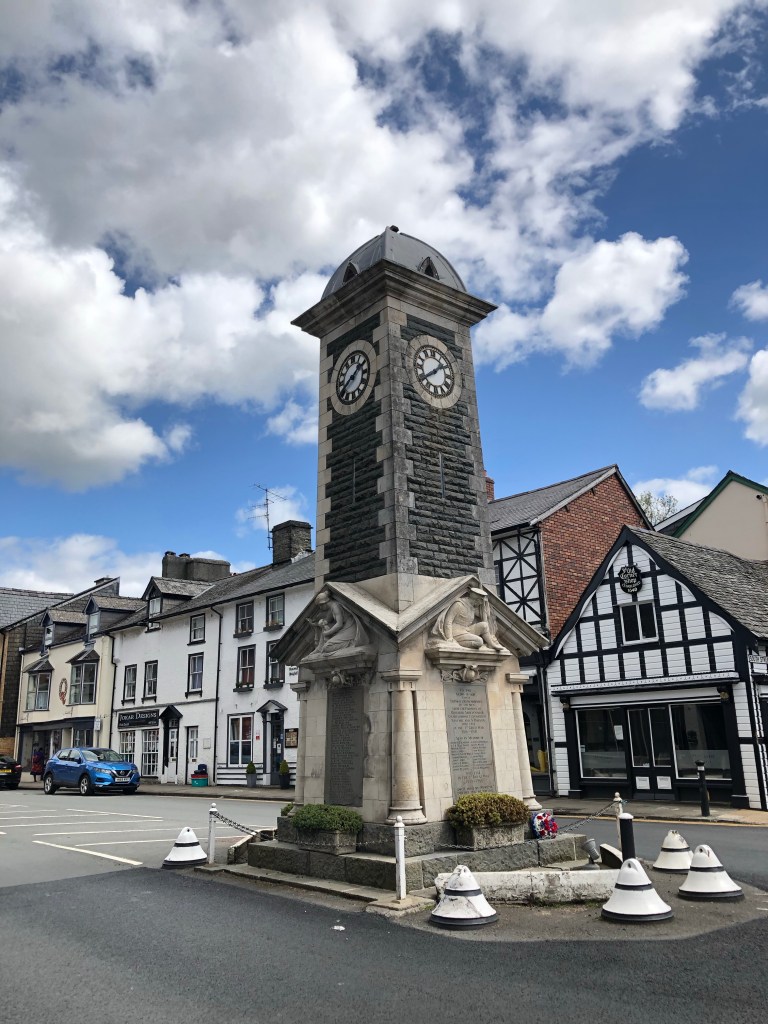
I’d planned a couple of pit stops on the way, and after 2 hours I stopped for lunch in the pretty town of Rhayader.

Rhayader

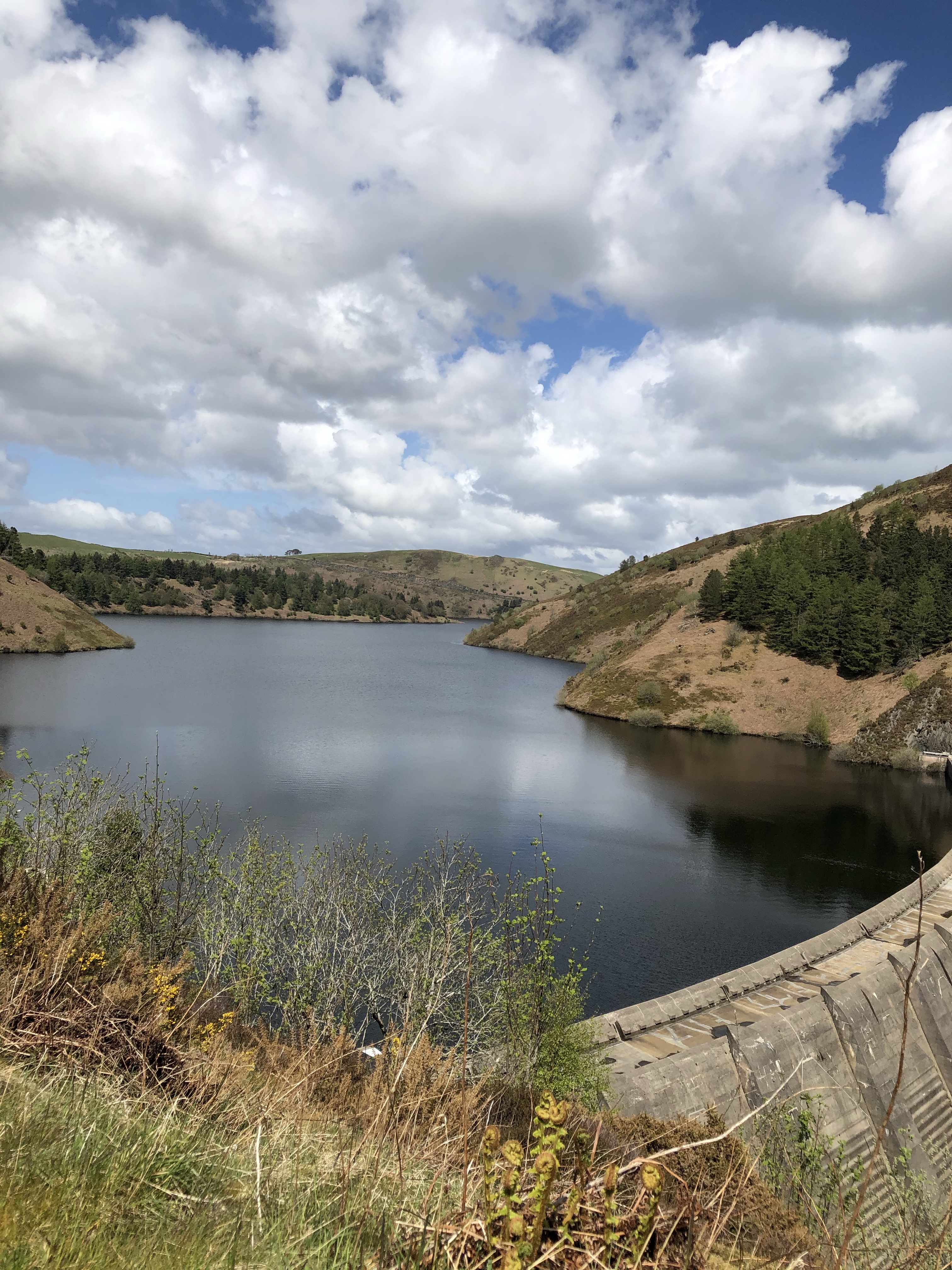
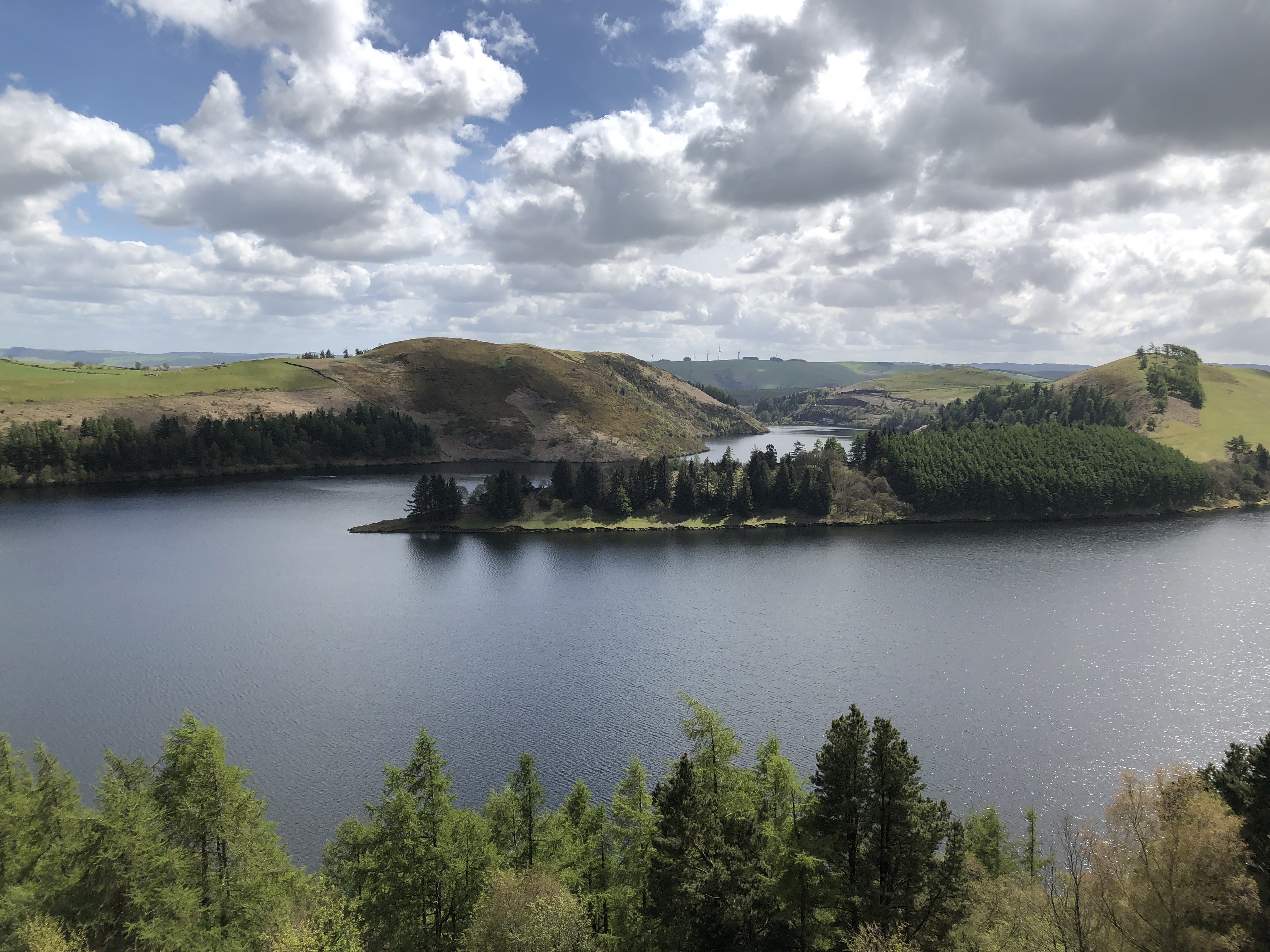
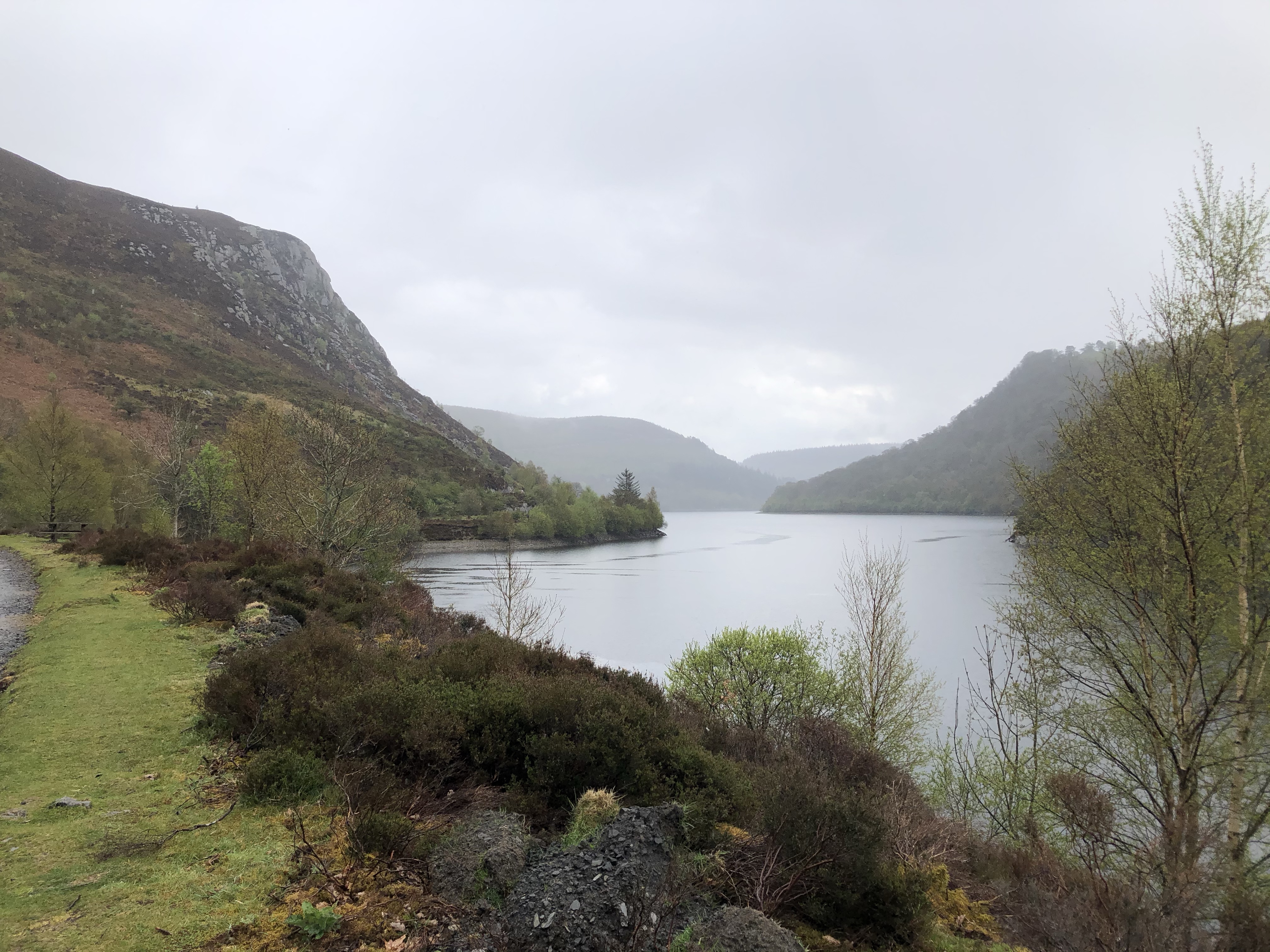
After a quick walk around the town and down to the River Wye, I hopped back in the car for the short drive to Llyn Clywedog, which has some lovely views

After that it was a 10 minute drive to my home for the next 3 days, a Wigwam cabin just outside of Staylittle. There are 6 cabins on site, all of which have a double bed, kitchenette, and an en-suite bathroom, and 3 of the cabins also have wood-fired hot tubs. It’s owned by very friendly farmers who made me feel very welcome.

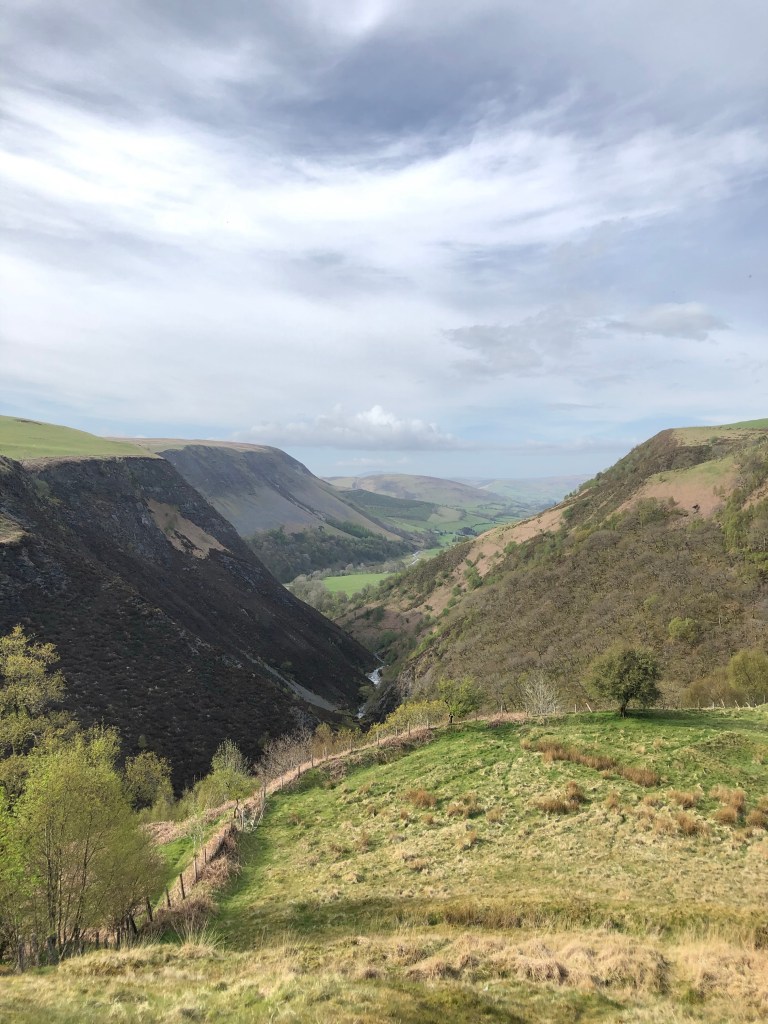
After settling myself in, I decided to go for a short drive to the nearby Dylife Gorge, with this fabulous view:

Dylife Gorge

After an evening spent hoping the clouds would part to experience the Dark Skies that this region is famous for, I retreated unsatisfied to bed.

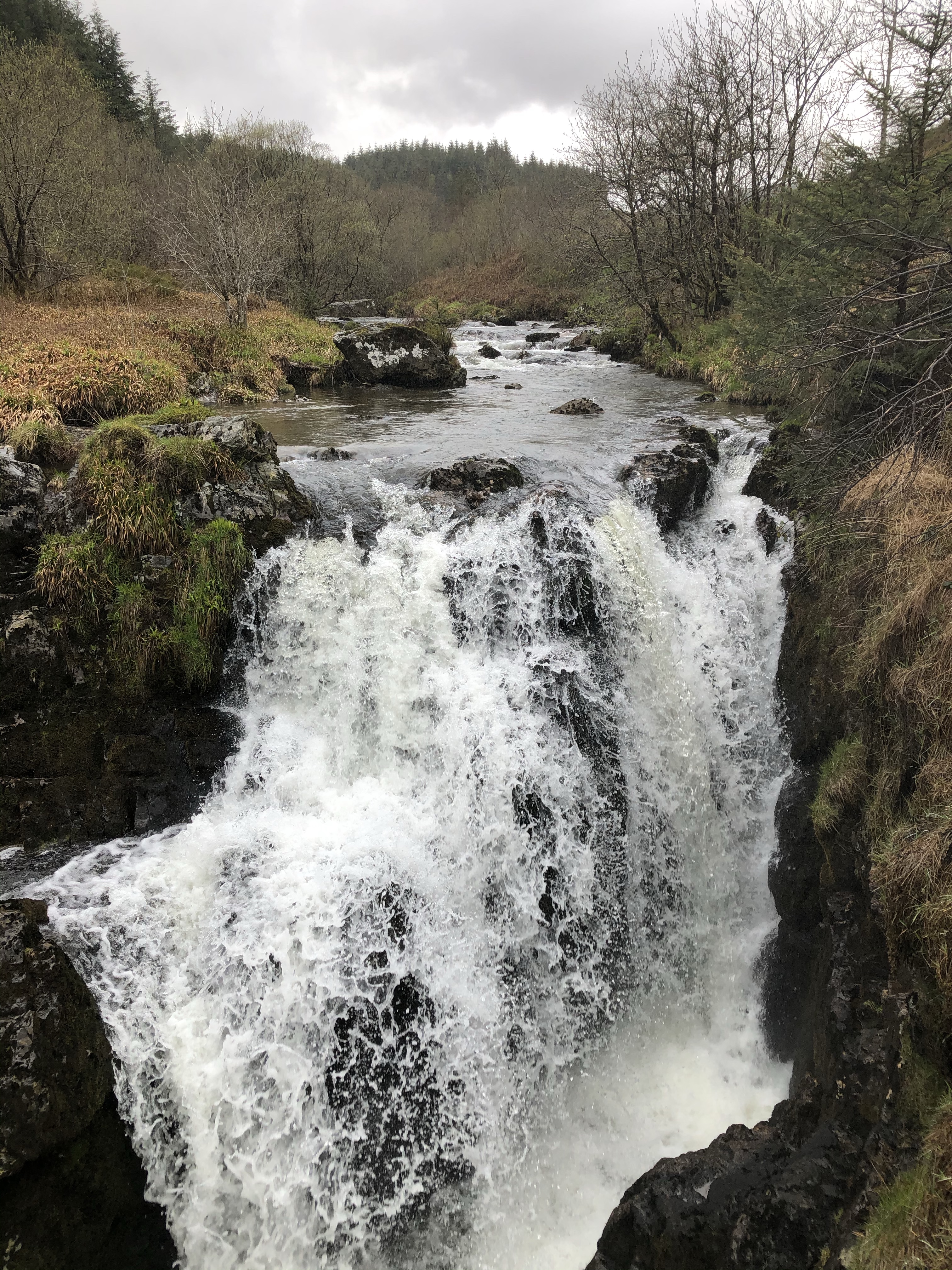
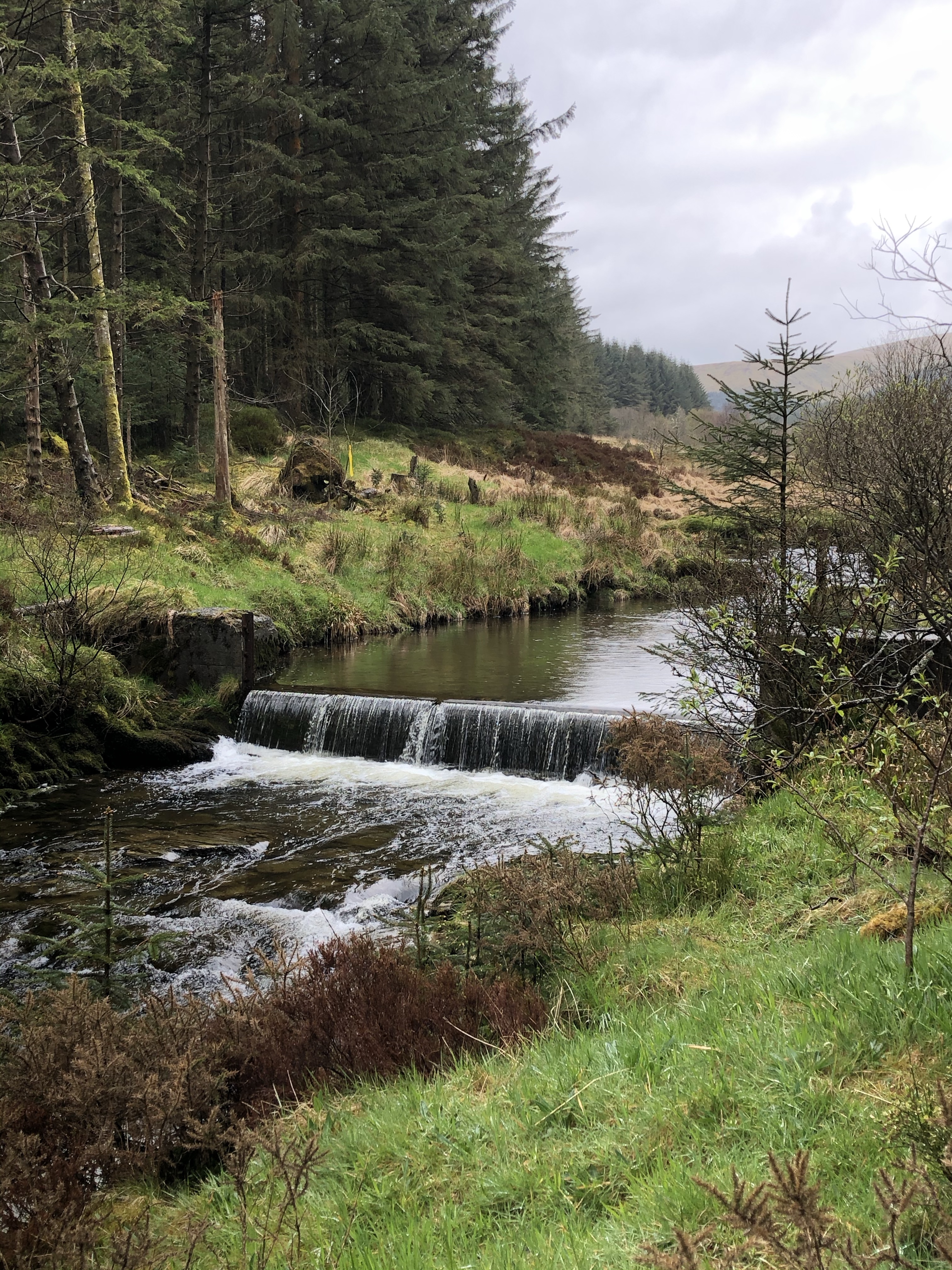
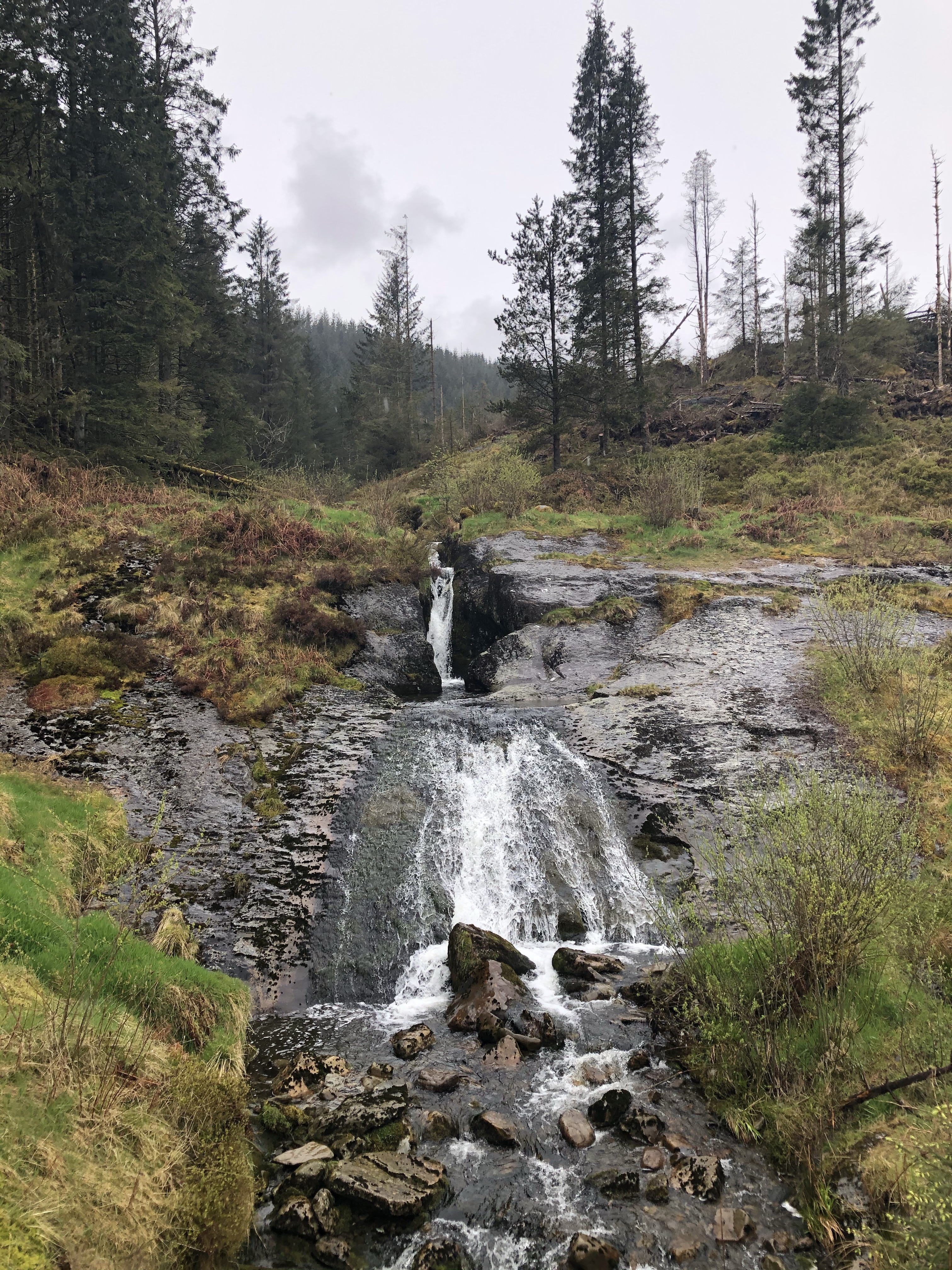
The next morning after a slowish start hoping for the rain to stop, I headed off on the short drive to the Hafren Forest. This is a working forest, with several trails, some on short loops and a longer one, approximately 8 miles round, to the source of the River Severn. There is a small car park with toilets, and from there, all the trails are very well signposted. I started off doing the 1.5 mile loop to Severn-Breaks-Its-Neck, a waterfall. After stopping for my packed lunch at the picnic benches on the Cascades Trail, I continued on to the Blaenhafren falls, which was approximately 2 miles from the start. Originally I’d intended to turn around at this point, but I felt good (despite the rain) and as the Source of the Severn was only another mile and a half, I decided to carry on.

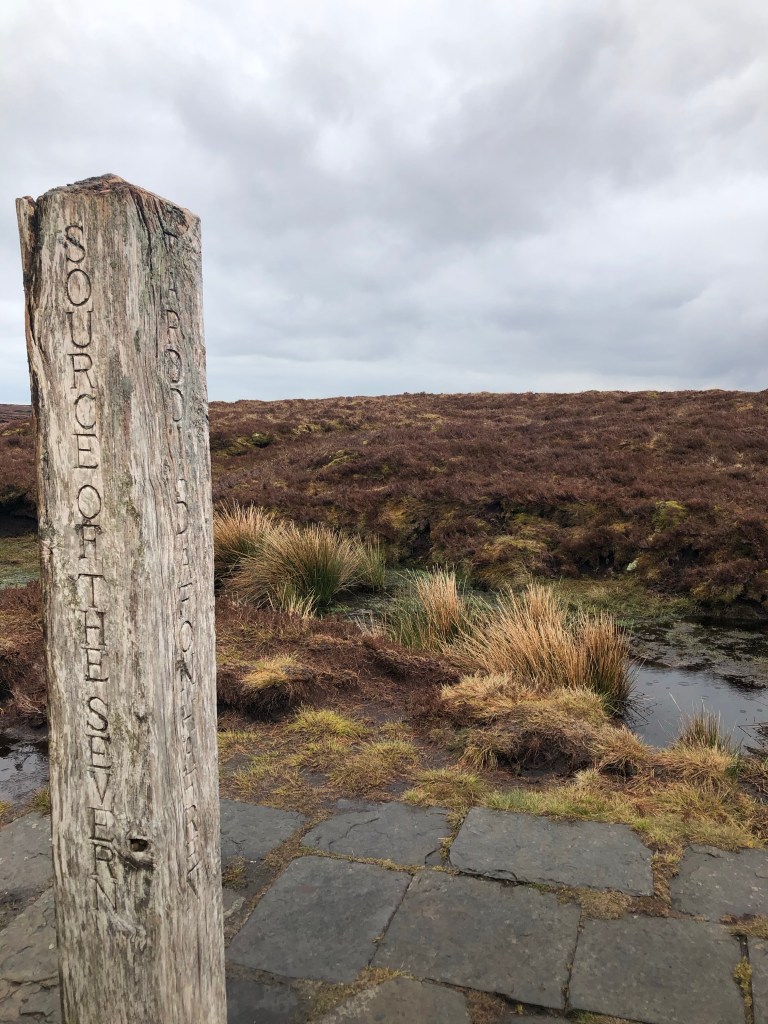
This part of the walk is described as ‘strenuous’, and it does get quite steep in parts, rising to over 2000 feet. It is, however, a very peaceful walk, following the Severn as you wind your way up onto the open moorland. The source itself is marked by a wooden pole. All the paths are well maintained and well marked. It was quite cold and still raining so I didn’t hang around for too long before retracing my steps back to where I’d started.

All in all, it was just over 9 miles in just shy of 4 hours, and a great way to spend a day in the outdoors, despite the rain.

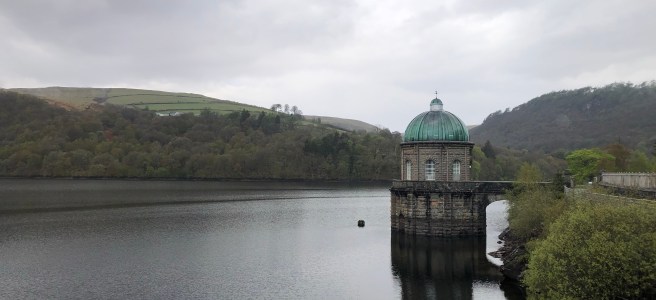
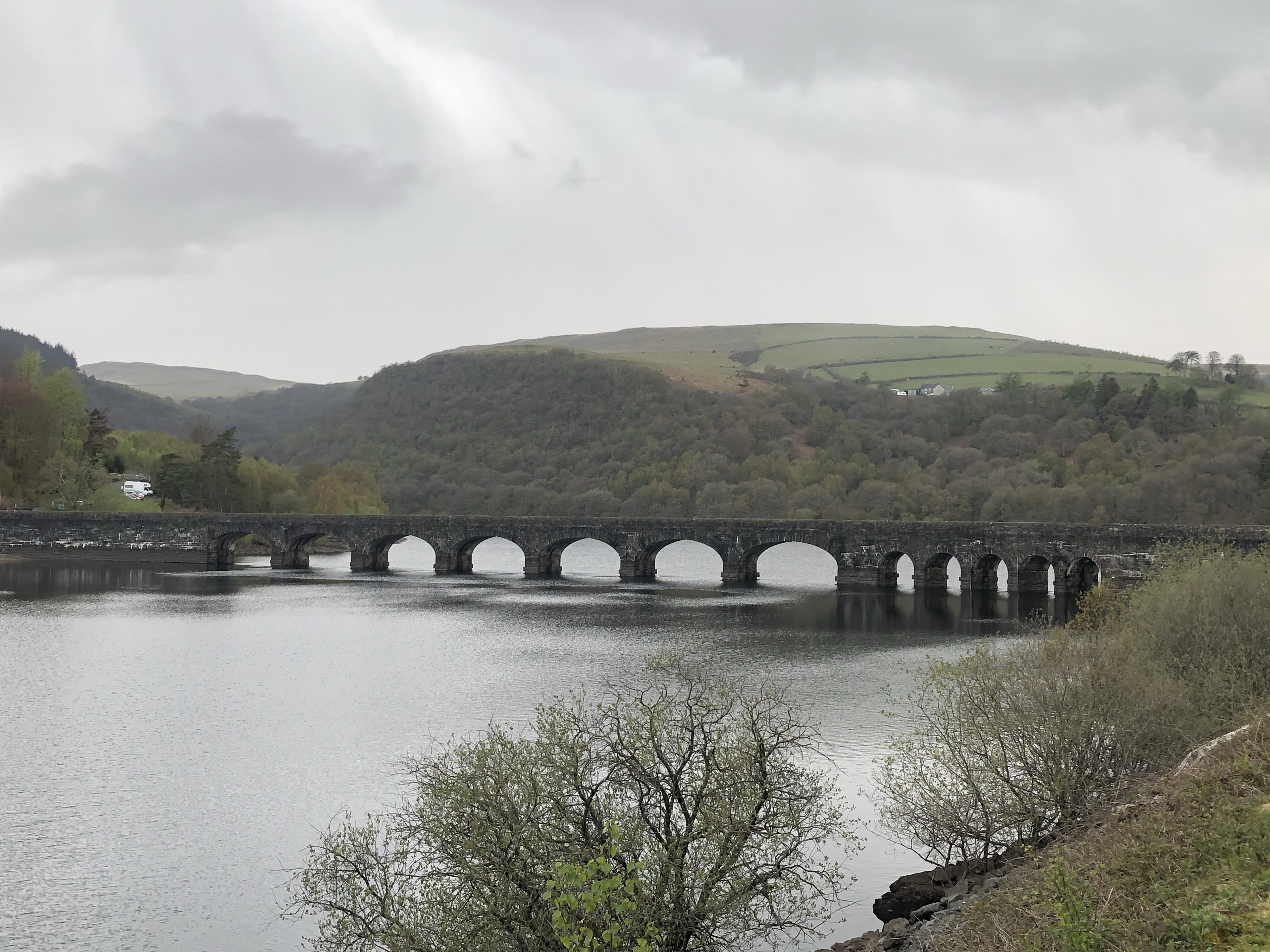
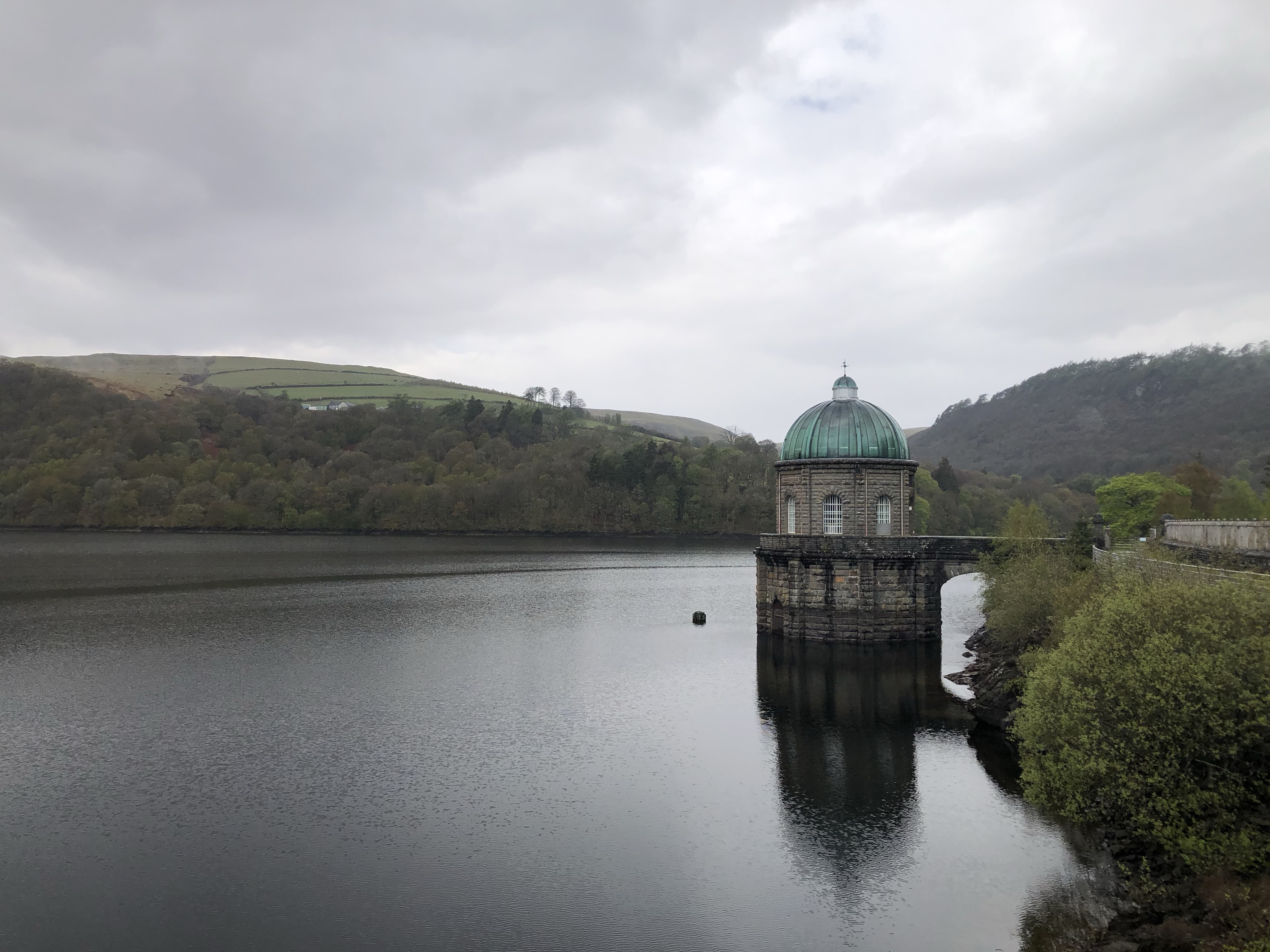
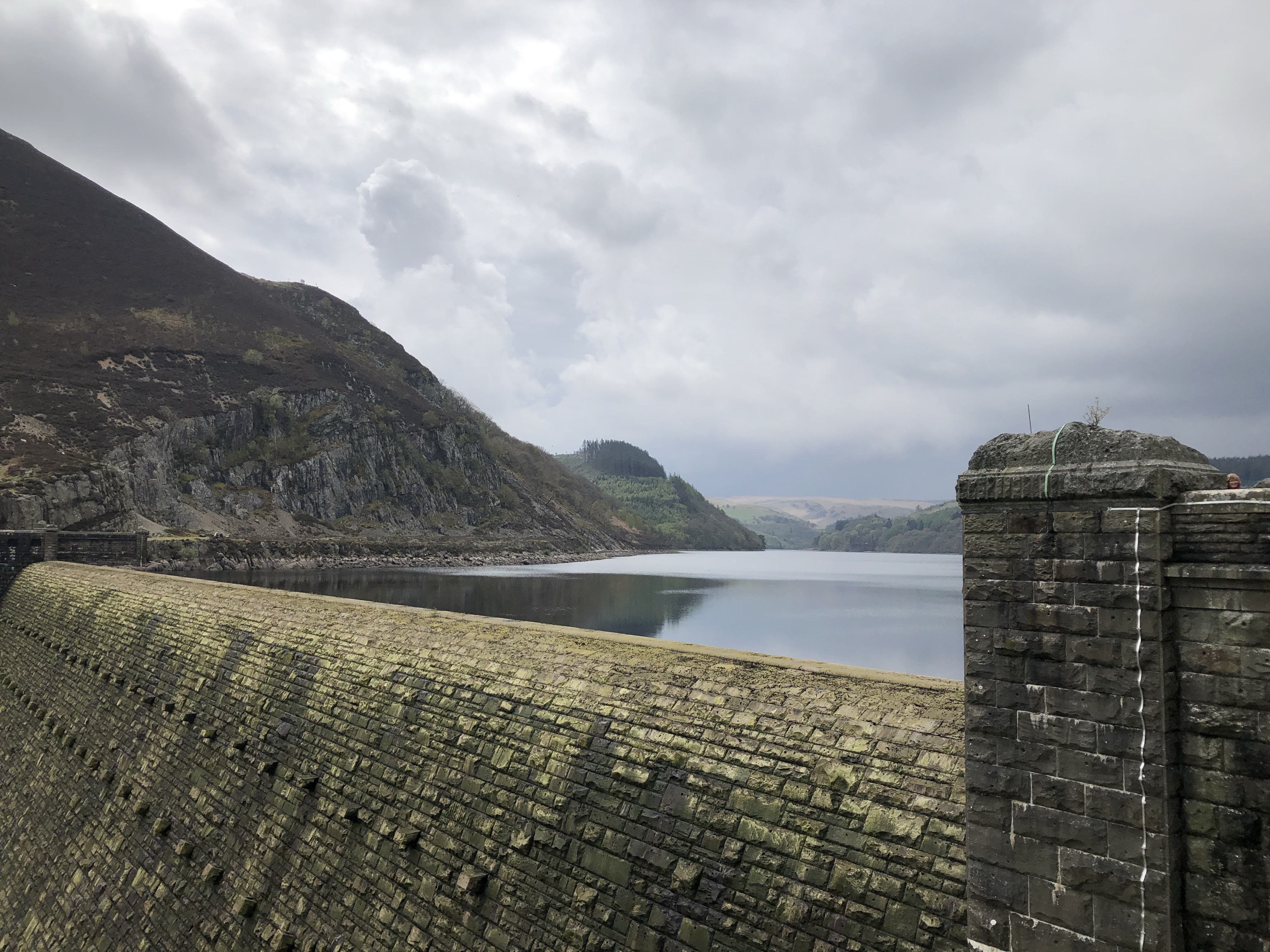
The next day, after another slow start, I headed 40 minutes south, back towards Rhayader, and out to the Elan Valley. I parked up at the Visitor Centre and paid for parking (£2.50 all day), and then set off walking along the well-maintained trail which runs alongside the reservoir. It was quite pleasant as I approached the first dam, but the weather quicker turned and I steadily got wetter and wetter. I kept wandering through the rain, hoping for it to brighten, but turned around after 3 miles and retraced my steps. I had a short detour across the Garreg Ddu Dam to see the Nantgwyllt Church. Obviously as I approached the end of my walk, the weather cheered up enormously. All in all I walked 6 miles in 2 and a half hours.

I then got in the car and decided to drive along the road which hugs the shores of the lakes and made it to Pen y Garreg Dam.

Pen y Garreg dam

After that, I retreated back to my cabin, where apparently the weather had been pretty reasonable all day – typical!!

I returned home through the rain the following day. Even though this was only a short break, I was so thankful for the change in scenery and to spend some time outdoors instead of being glued to my laptop. I think that UK-based breaks are likely to be the norm for a little while, and you could definitely do worse than spend a few days in this beautiful and peaceful part of Wales.

Peru

This one was a long time ago – 5 years now, back in November 2015.

This was my first real solo foray into a non-western country, and one which I didn’t speak the language. I’d actually taken some informal Spanish lessons for a couple of months in the run up to this trip which proved invaluable, and useful for a few trips to Spain since then.

At the time I went, there were no direct flights between the UK and Peru. I had 2 viable options – via Madrid or via the US. I choose to go via the US to extend the amount of time on my trip that I could speak English, but having done this and transited through the US, I would not generally recommend this. Whilst I had booked connecting flights from London to Lima, via Dallas Forth Worth on the way out and via Miami on the way back, you always have to clear immigration in the US even when transitting which made for some slightly stressful connections and BA leaving my bag in Miami on the way back.

I don’t remember much about immigration into Peru – I didn’t need a visa, and I don’t remember it taking particularly long. I’d arrived early morning after an overnight leg from Dallas, the one thing I do remember is the hustle, bustle and chaos of the arrivals hall, finding my transfer (and another group member), and the traffic en route to the hotel being utterly insane.

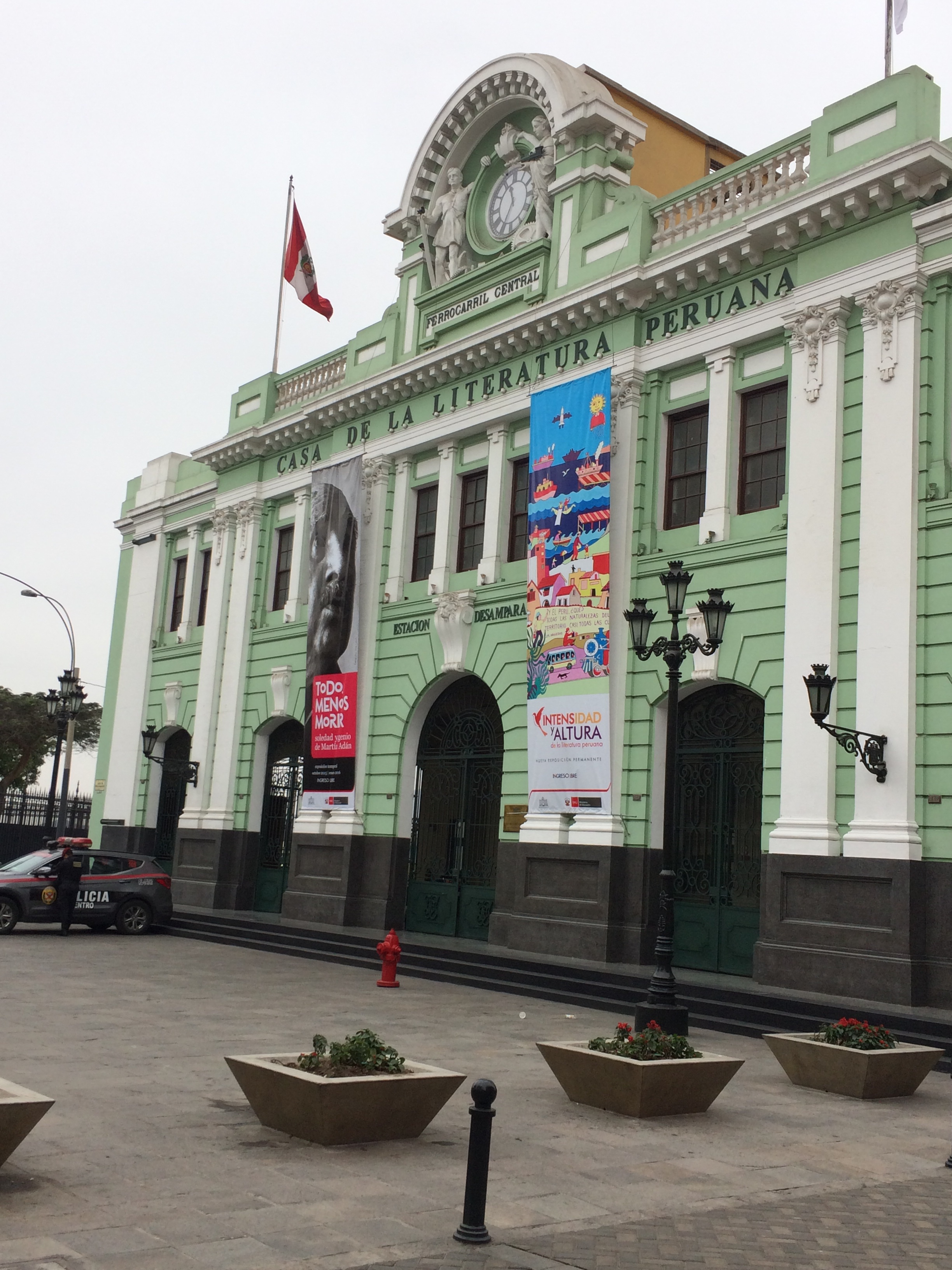
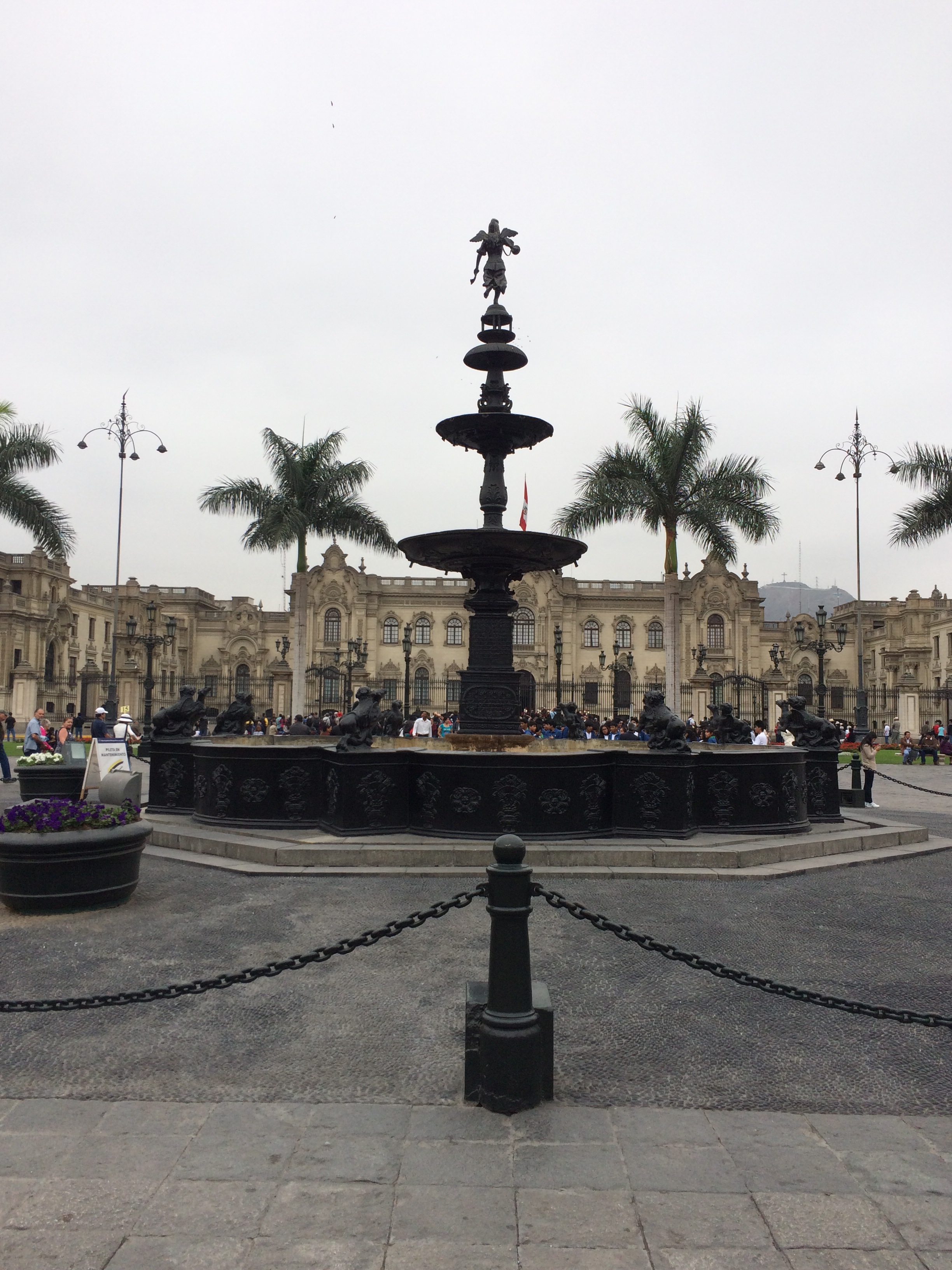
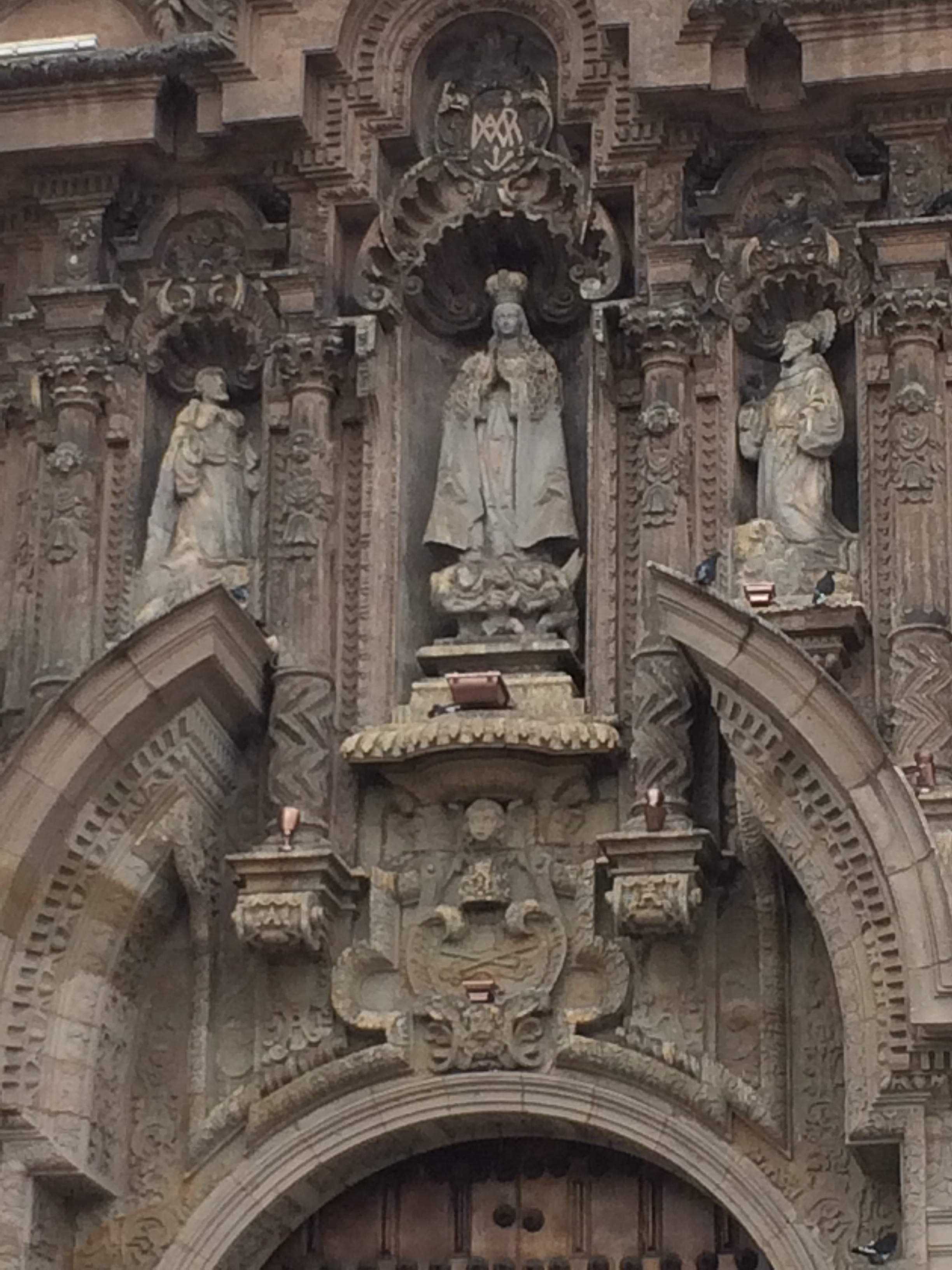
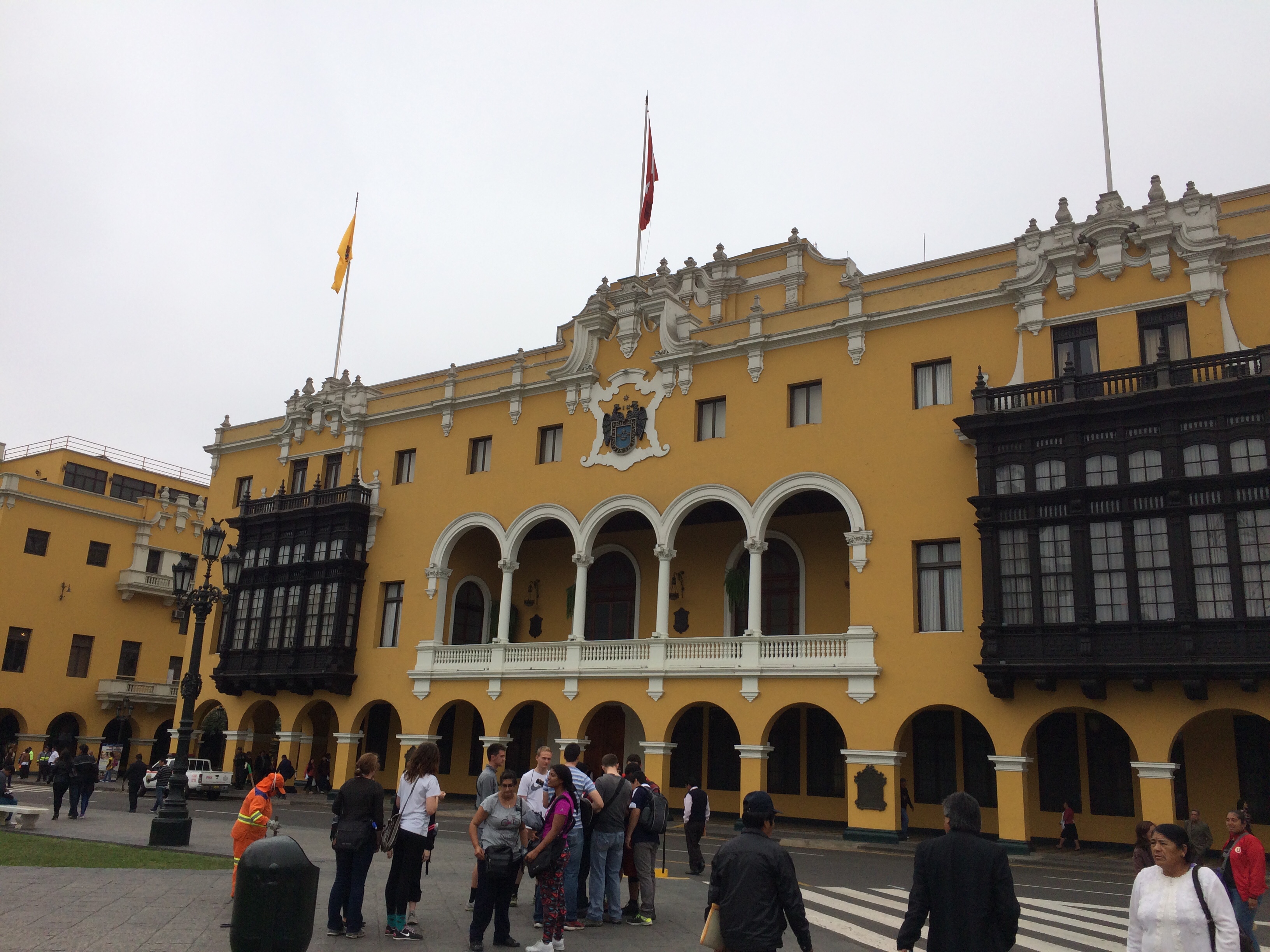
This was my second trip with G Adventures. We were staying in a hotel in the Miraflores district of Lima. Having arrived in the morning we weren’t yet able to check in. However, having arrived with someone else who was on my trip, we hatched a plan to go to the downtown area and got a taxi/paid a guy at the hotel to drive us. I’d read beforehand that whilst Miraflores was a relatively safe area, the centre of Lima was a little more dangerous and you needed to have your wits about you. I think it’s fair to say that I wouldn’t have ventured there on my own so was glad for the company. There is some amazing architecture in downtown Lima, and loads of churches and the cathedral with unbelievably ornate decoration.

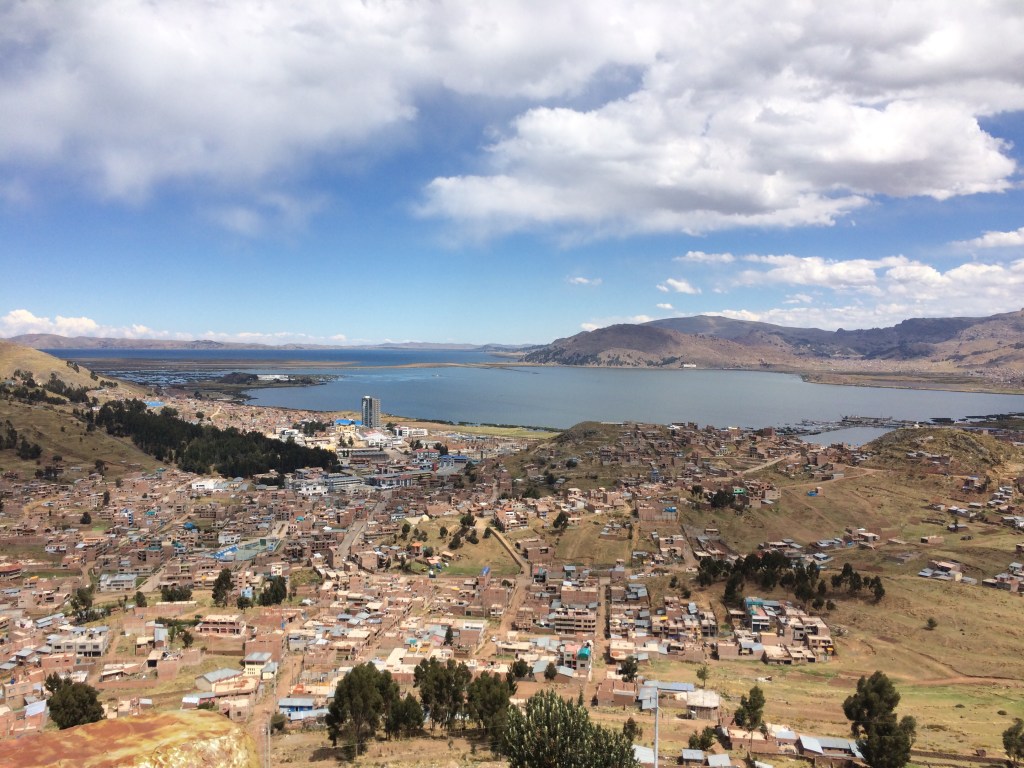
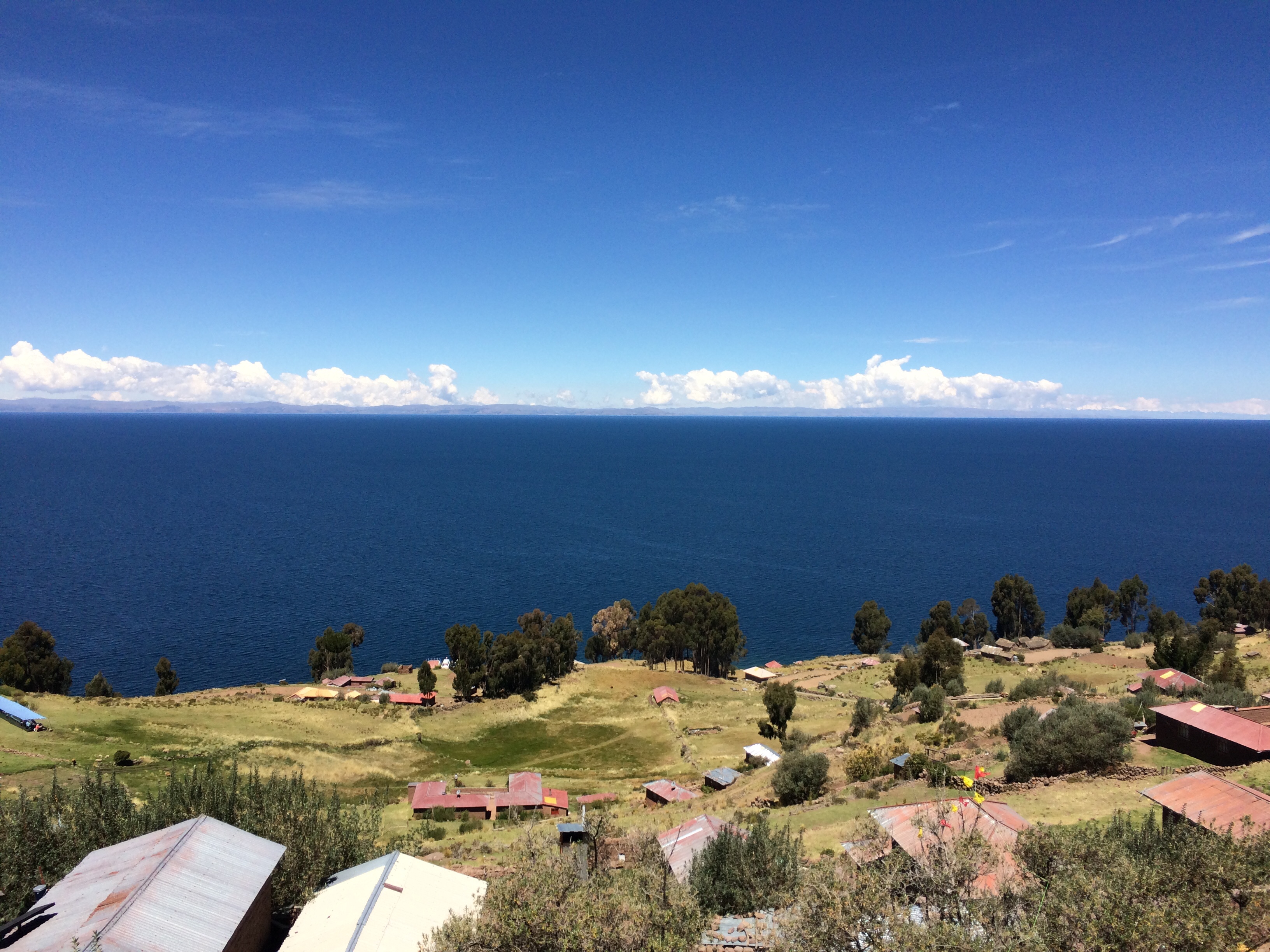
In the evening we met up as a group – there were 8 of us and we became a really close group – and went for our first dinner together. It wasn’t a late one as most of us were jet-lagged from travelling and we had an early start the next day to catch a flight inland to Juliaca. We arrived in Juliaca at altitude and travelled towards Lake Titicaca, the highest navigable lake in the world at over 12,000 feet above sea level, and the start of our acclimatisation ahead of the Inca Trail hike which would start in a few days.

Lake Titicaca

This was the first time I’d ever been at real altitude. Living in the UK doesn’t expose you to these heights, and whilst I’d done some exercise and preparation at home ahead of a 4 day hike, there was no way I could replicate the altitude. I was even more worried when we arrived at our hotel for a couple of days in Puno and got absolutely knackered walking up one flight of stairs!

We had a brief walk around Puno before dinner and drinks – though at this stage I was avoiding alcohol (unusual for me on holiday!) in preparation for our hike in a few days.

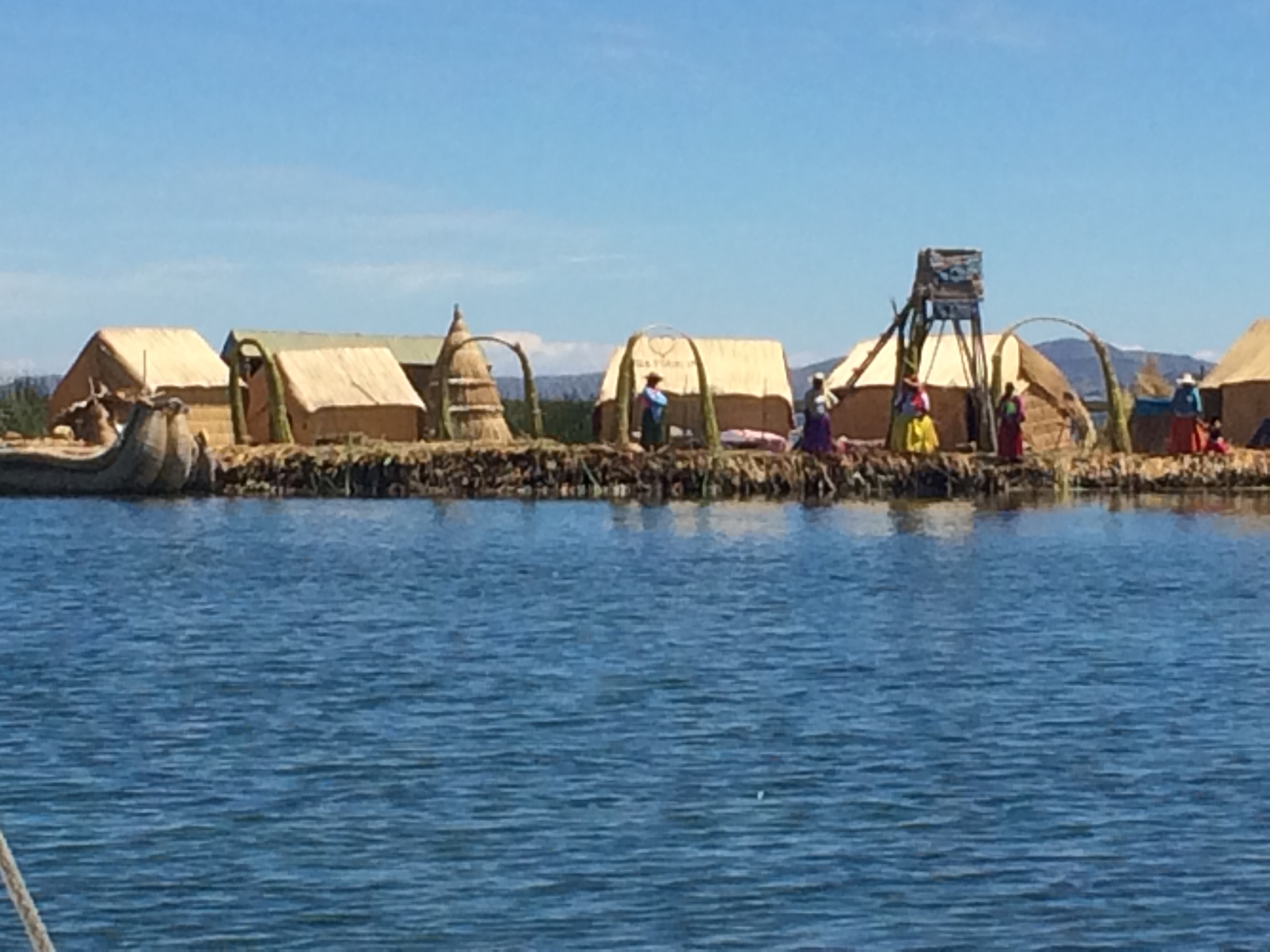
The next day we had a boat trip on Lake Titicaca and visited the Floating Islands of Uros on the lake, made of reeds, and people live here year-round. We had lunch on Taquile Island (grilled trout according to my diary!), and then in the afternoon and evening we were introduced to our homestay families where we would spend the night with local families, learning about their way of life and being welcomed into their homes. This was where it was advantageous to have learned some Spanish, though my roommate was way more fluent than I was. After a delicious dinner of quinoa soup, rice and vegetables, we turned in for the night. The next morning we helped the family with their daily farm chores (taking the sheep out to graze) and watched on as the mother soaked and prepared the quinoa (now a western health food, but a staple in Peru).

In the afternoon we sailed back across the lake and back to Puno for a final night before heading to Cusco on a local bus the next day. I was very impressed with the local bus – it was a double decker and we had lots of legroom and reclining seats. It was pretty much an all-day ride to Cusco, but it was super-interesting to watch the scenery go by. I had no idea what to expect from the landscape beforehand.

On the bus between Puno and Cusco

When we arrived into Cusco, the first thing we did was head to G Adventures’ hiking depot to get kitted out with sleeping bags, hiking poles and other kit for the Inca Trail hike. We would be leaving our main bags in storage at the hotel in Cusco as we’d be returning here in a few days.

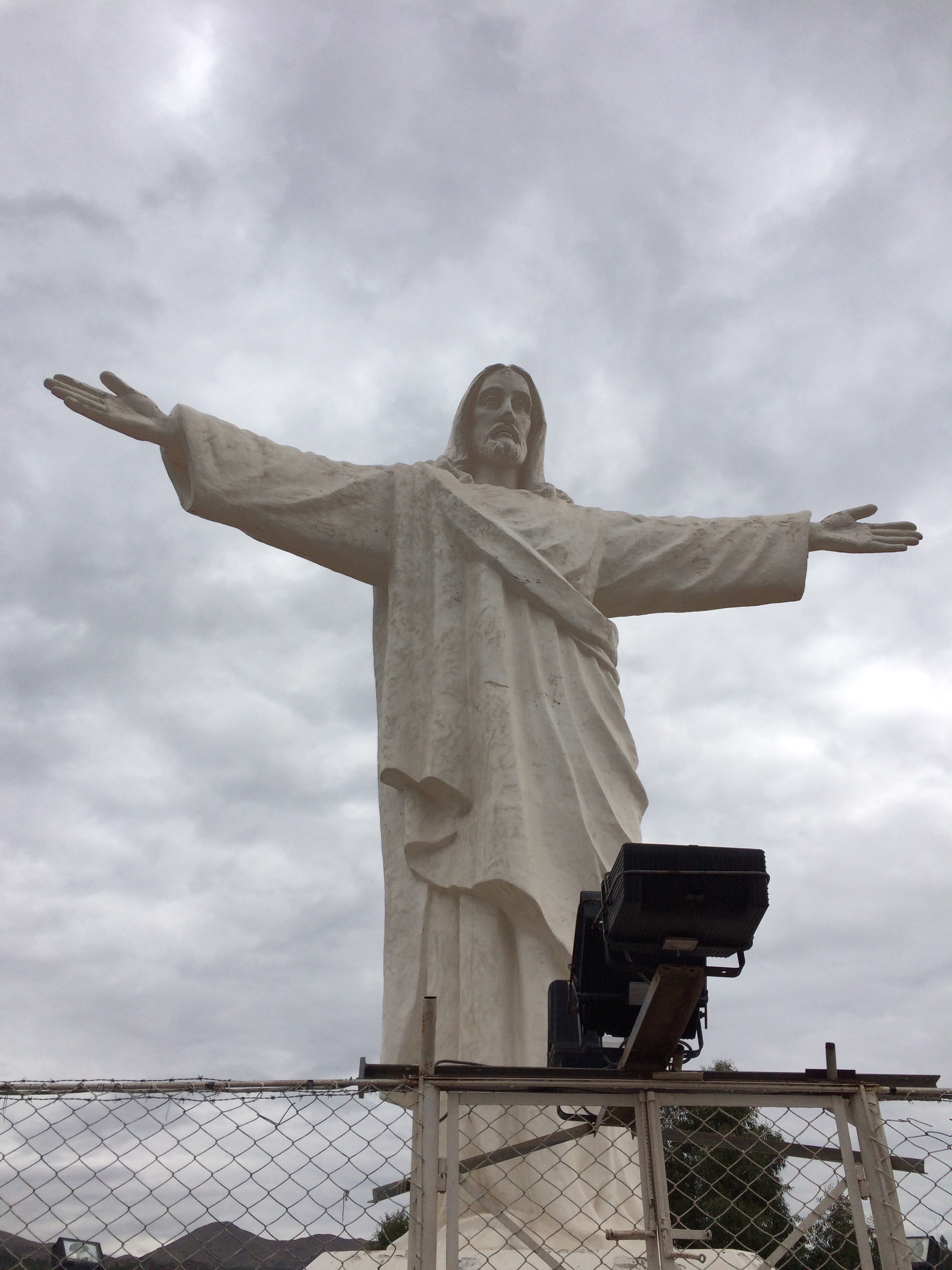
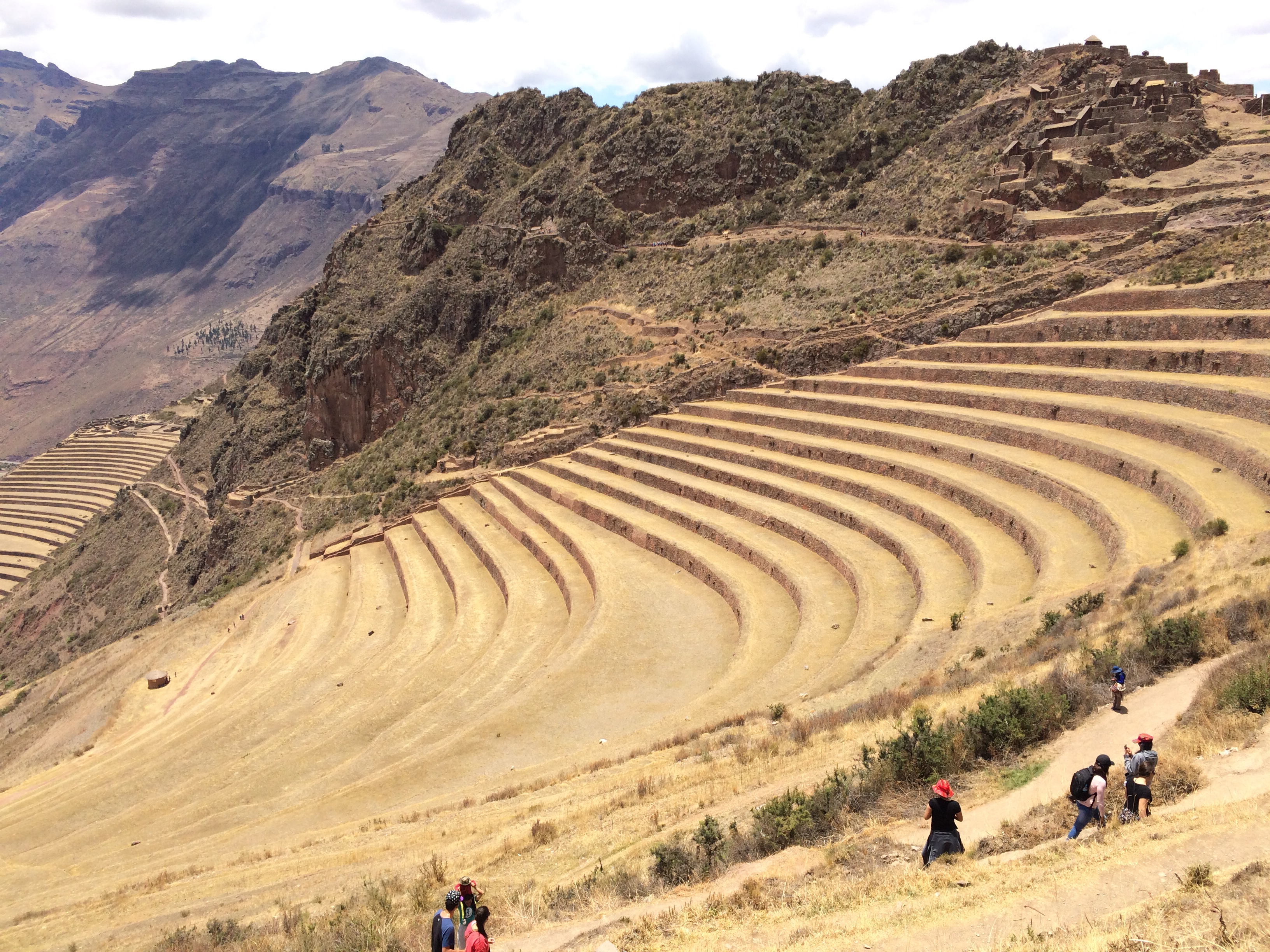
The next day on the way out of Cusco, we stopped at the Cristo Blanco statue high in the hills on the way out of Cusco. We were heading through the Sacred Valley and stopped off at various spots, including at a women’s weaving co-operative, at Pisac which has some great Incan terraces, and at a wonderful restaurant which is supported by G Adventures for some more delicious food.

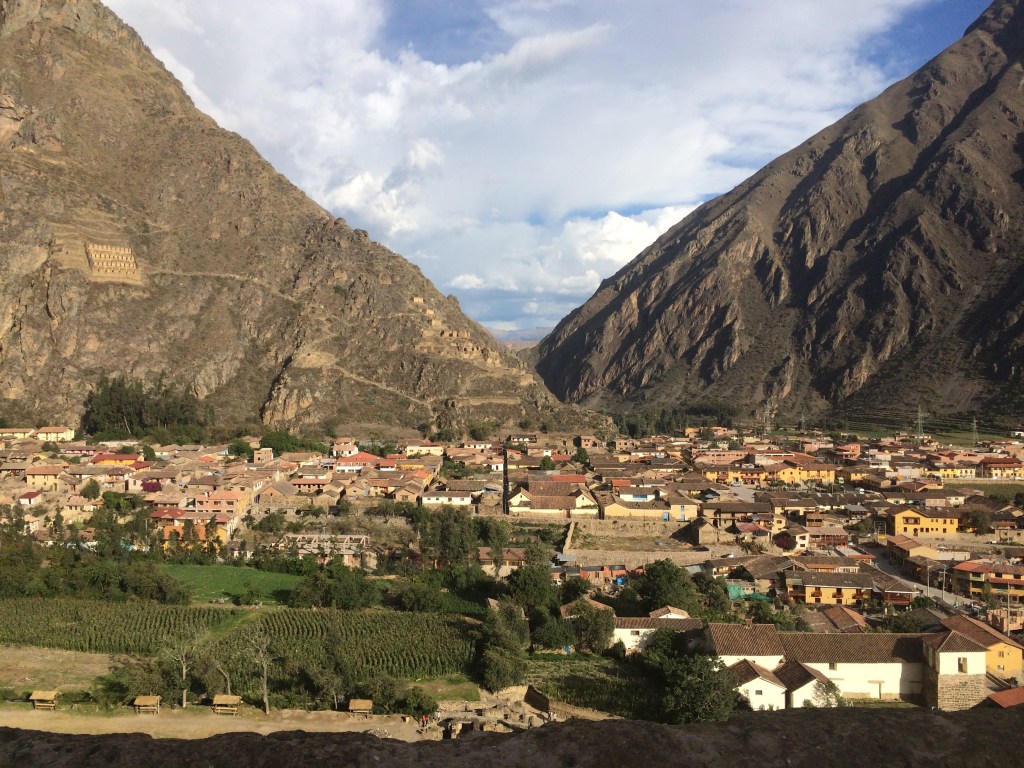
We ended the day in Ollantaytambo where we hiked briefly into the ruins – a spectacular view over the town and mountains from the ruins. After carbing up with a pasta dinner, it was an early night and an early start the next day to Kilometre 82 and the start of our 4 day hike to Machu Picchu. We got all our gear, met our porters who would be carrying food, tents, most of our stuff. We were also given snack packs to sustain us through the hike.

Ollantaytambo

The first day of the hike is relatively gentle (certainly compared to what was to come on day 2), and it was absolutely beautiful. We also really lucked out with the weather. After a couple of hours we stopped for lunch. Again I had no real idea what to expect with the food but it was beyond anything I could have imagined – we had asparagus soup, fried trout, and jelly for dessert – all ideal for sustaining hiking, and the jelly was a very welcome surprise. At every meal stop we were also able to fill up with water which was obtained from nearby streams and boiled for sterilisation.

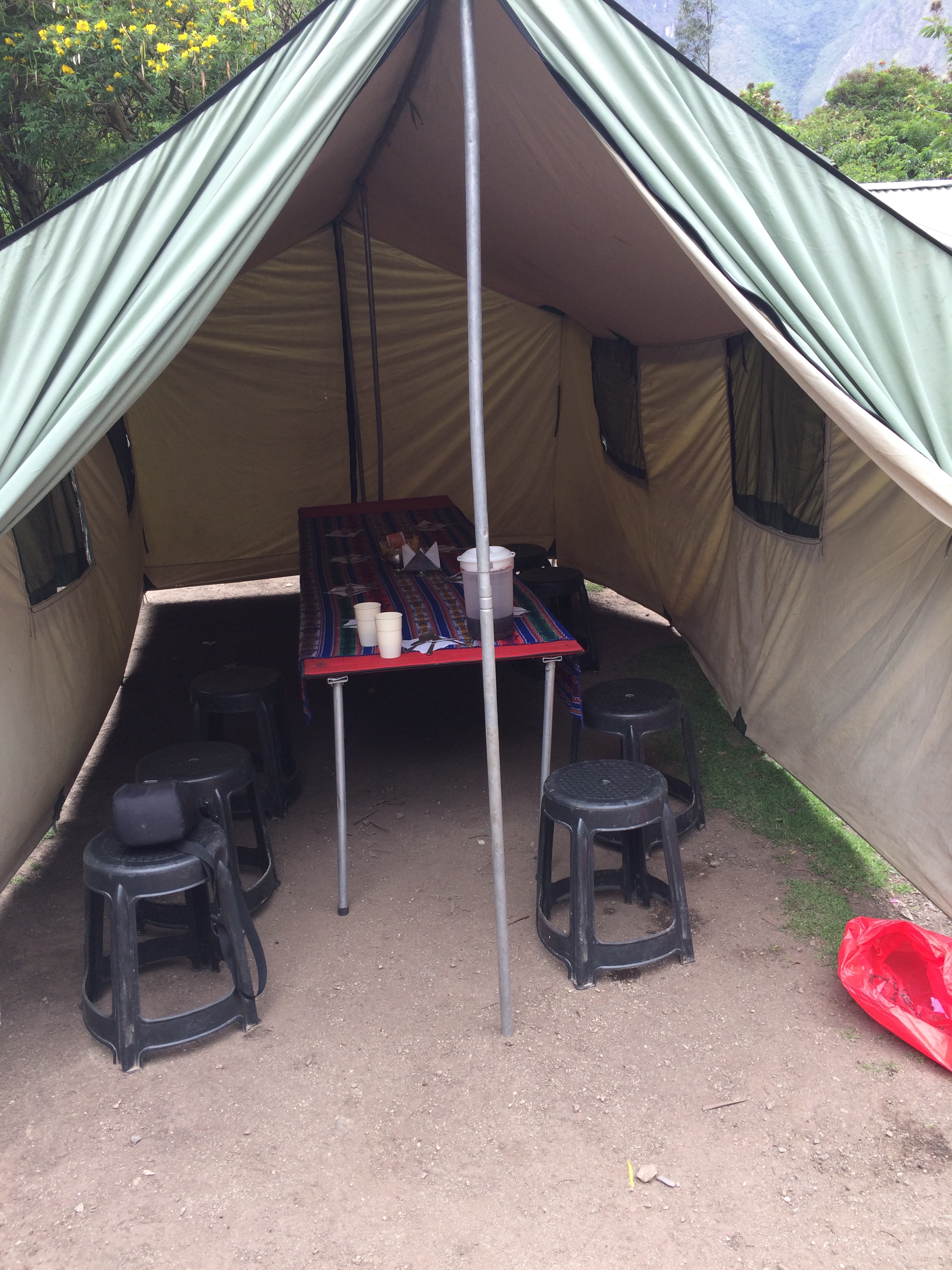
After lunch we headed off hiking again. You have to have a permit to hike the Inca Trail, which manages the numbers of people on there at any one time. This was arranged for me with the trip I’d booked. As you can imagine, this is a very popular hike so you would need to book well in advance. I’d booked this trip in February 2015 for a late November departure. We arrived into our first camp in the late afternoon. Our tents had already been set up by the porters so I took off my hiking boots and relaxed for a while before dinner.

Day 2 involved walking up hill for about 5 hours as we reached the highest point of the hike at Dead Woman’s Pass (13,800 feet above sea level). There were times during the hike uphill where I could only make it literally 10 steps before needing a break due to the thin air. And whilst munching on coca leaves helped slightly, it was still very hard, but very rewarding work.

After a 3 hour walk downhill we arrived at the campsite for the second night where again our tents had already been erected and we were able to relax before another delicious and nourishing dinner. In the evenings we would sit out chatting and stargazing. It was approaching a full moon whilst we were there, you do get amazing views of the night sky here.

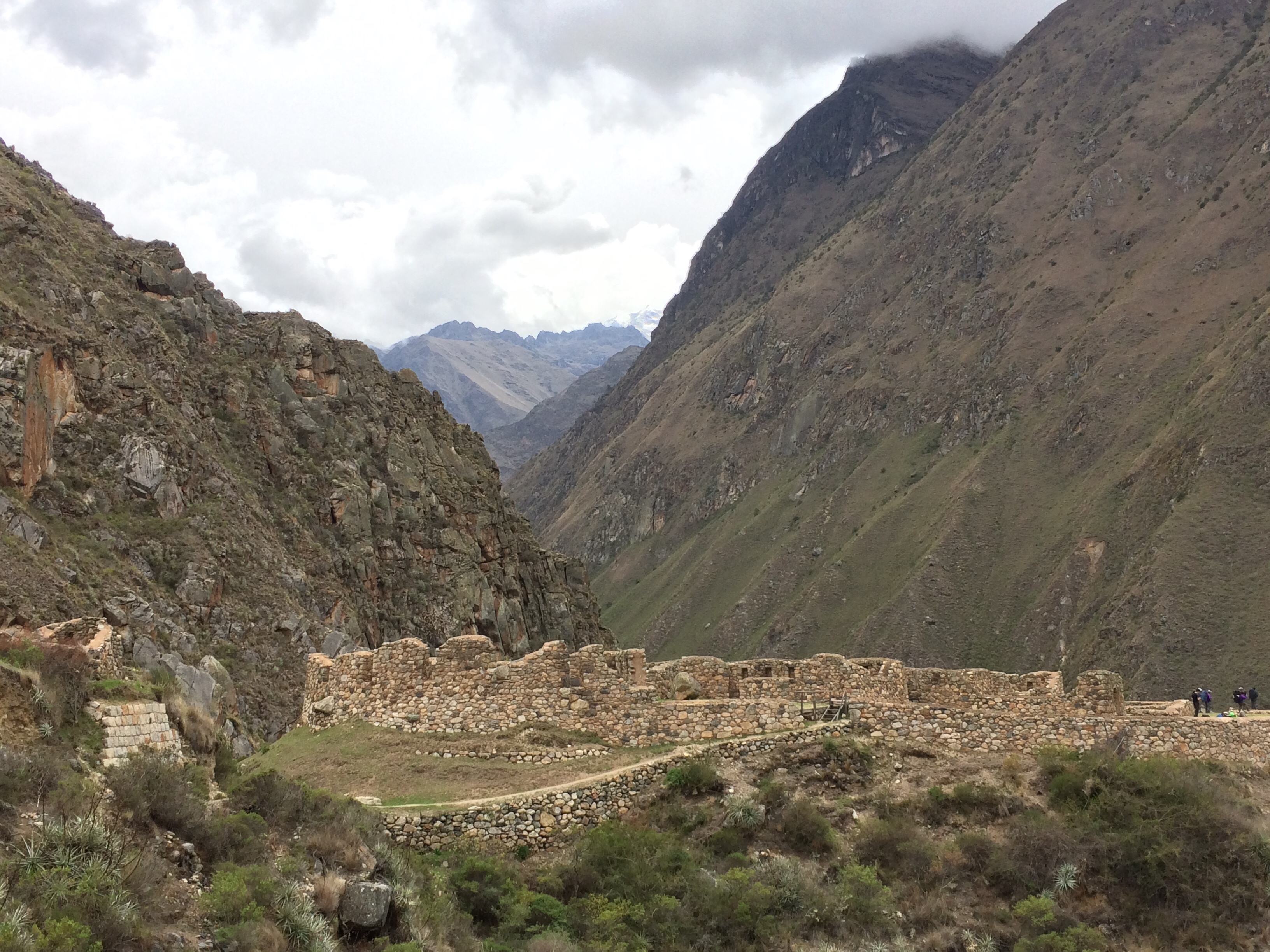
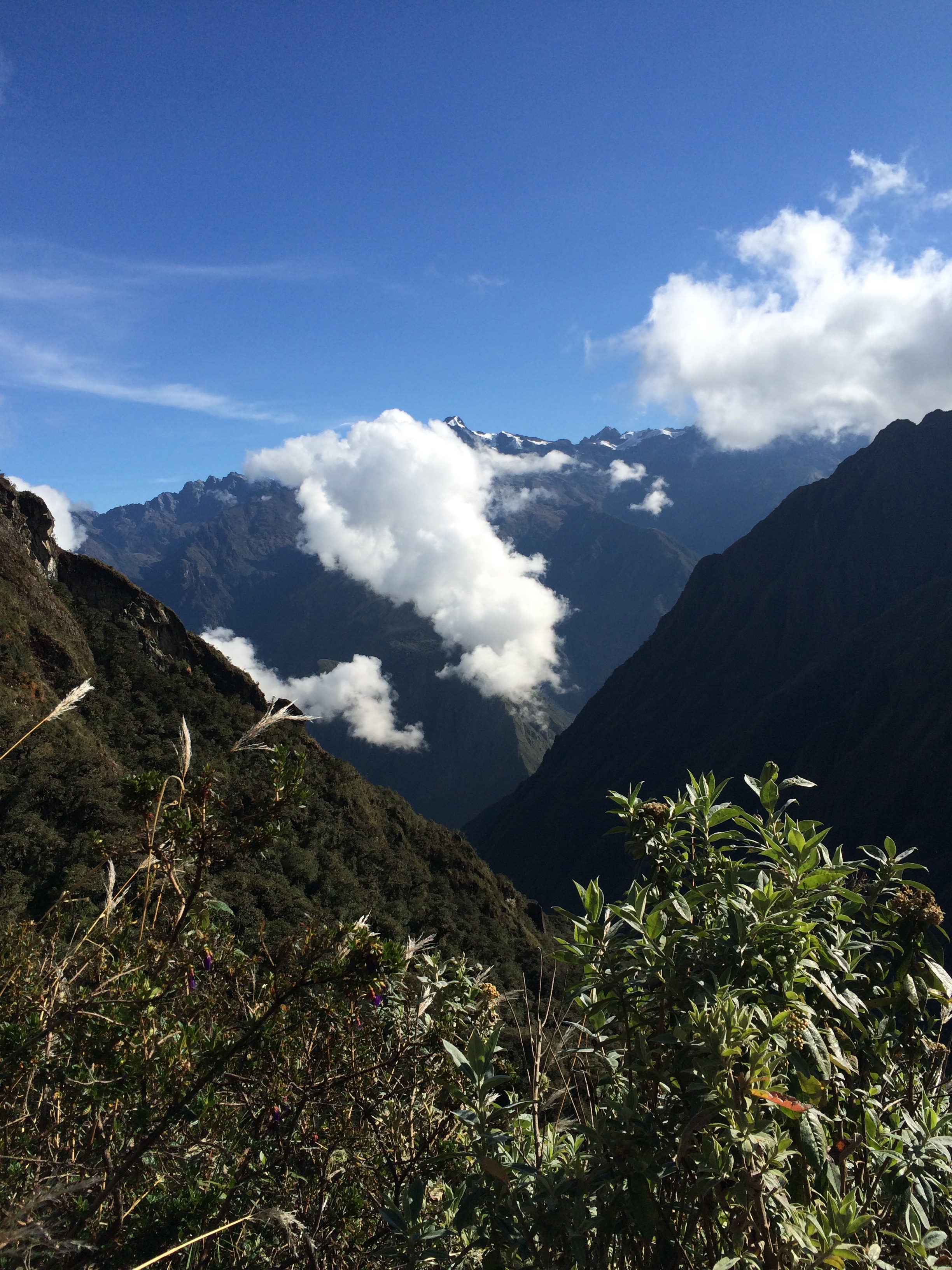
Day 3 was a long day of hiking – around 9 hours in total, but not quite as steep as day 2. We passed several Incan ruins which we were able to explore. We were also walking above the clouds at several points which was really awesome.

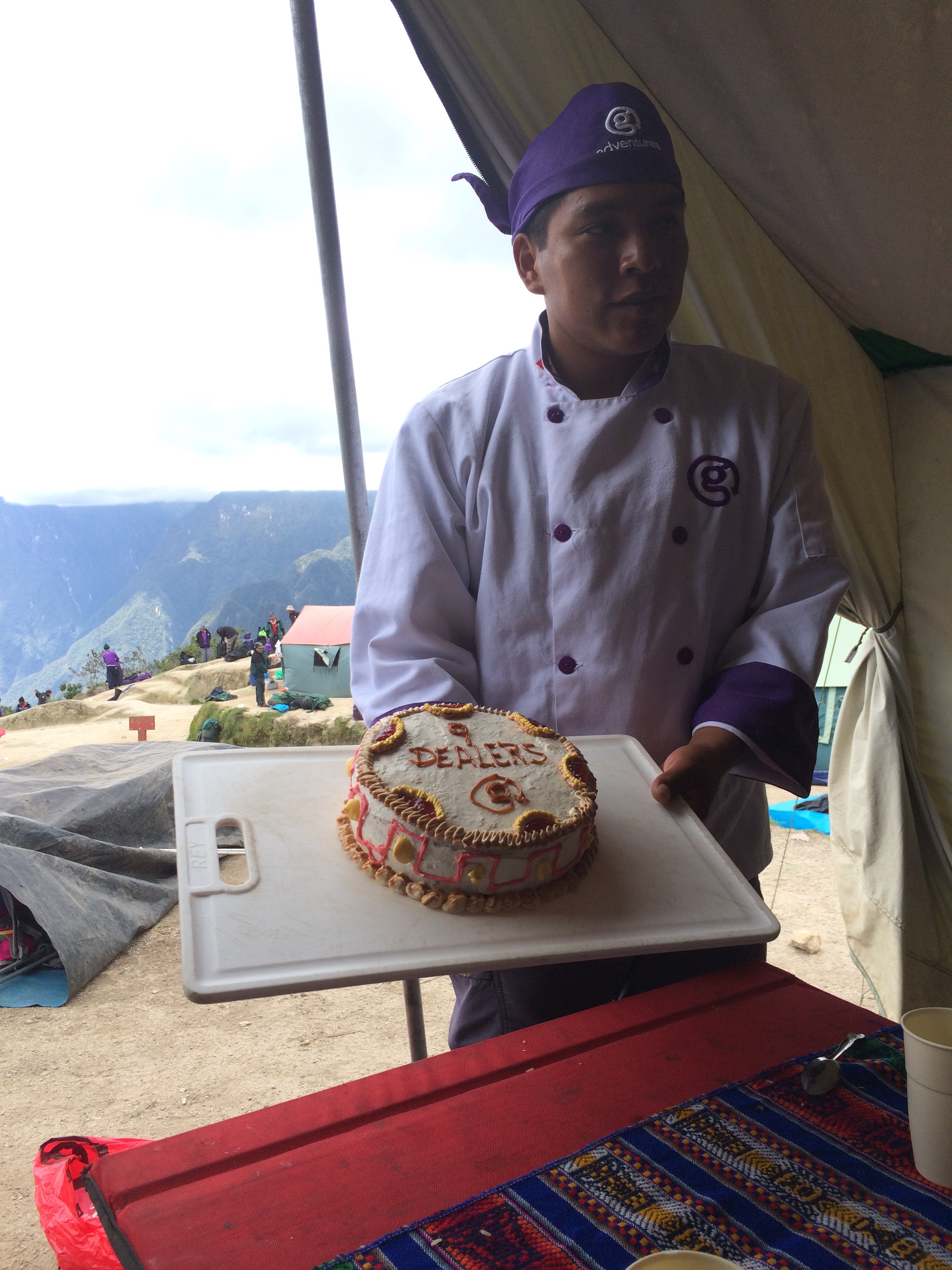
At lunch on day 3, our chefs had prepared a cake for us which was a huge surprise. the porters are truly amazing people who do this trip several times a month.

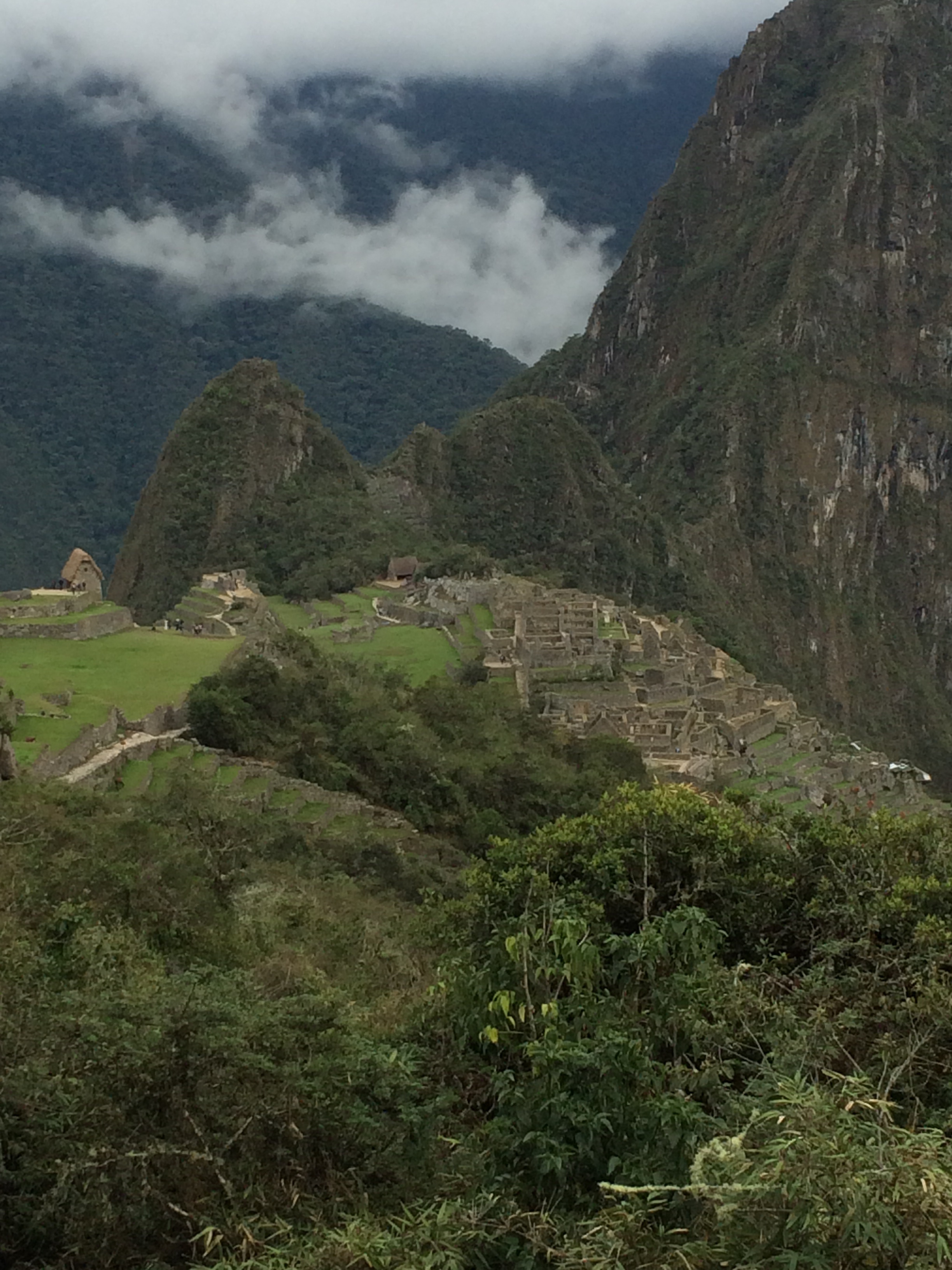
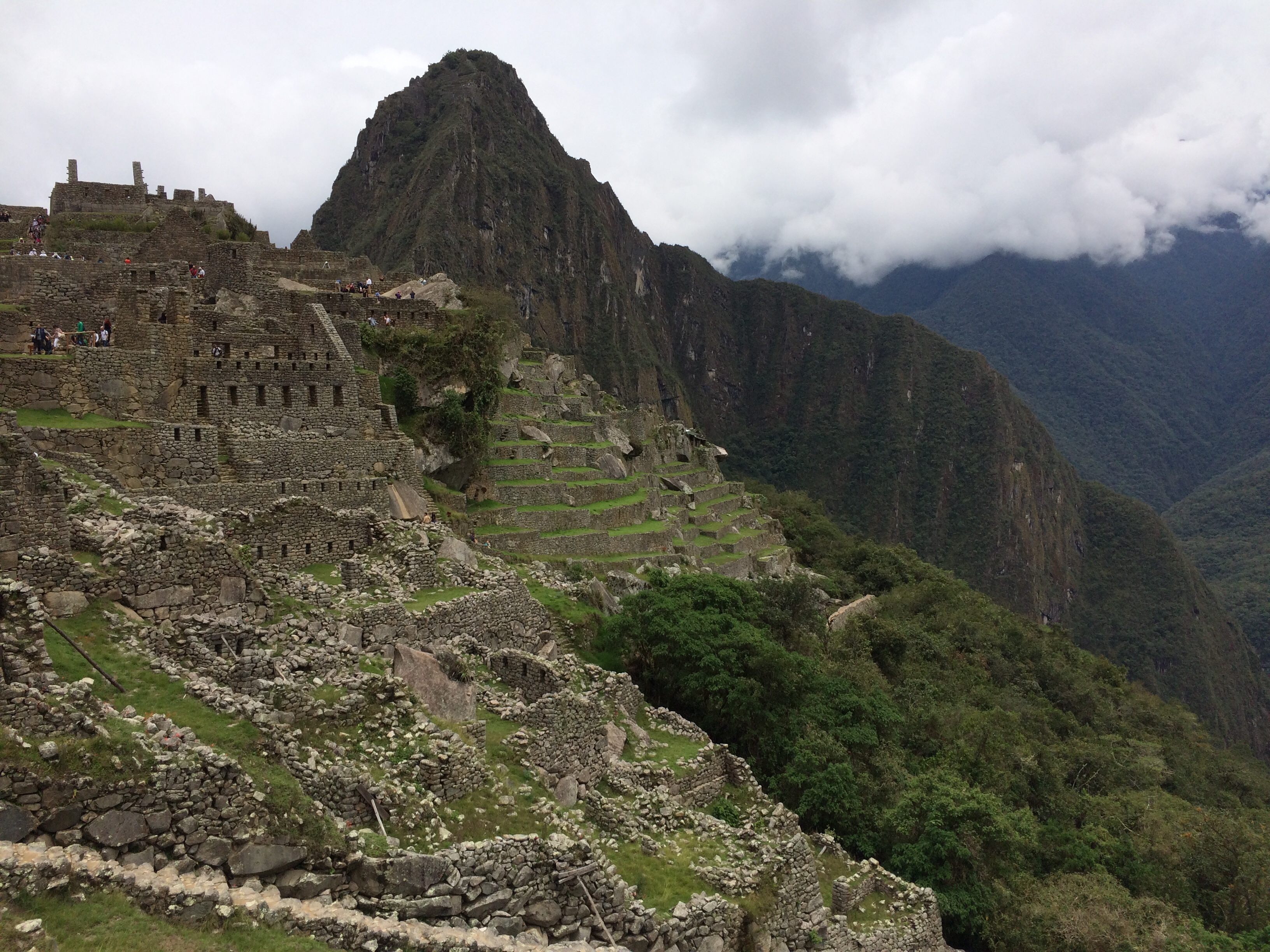
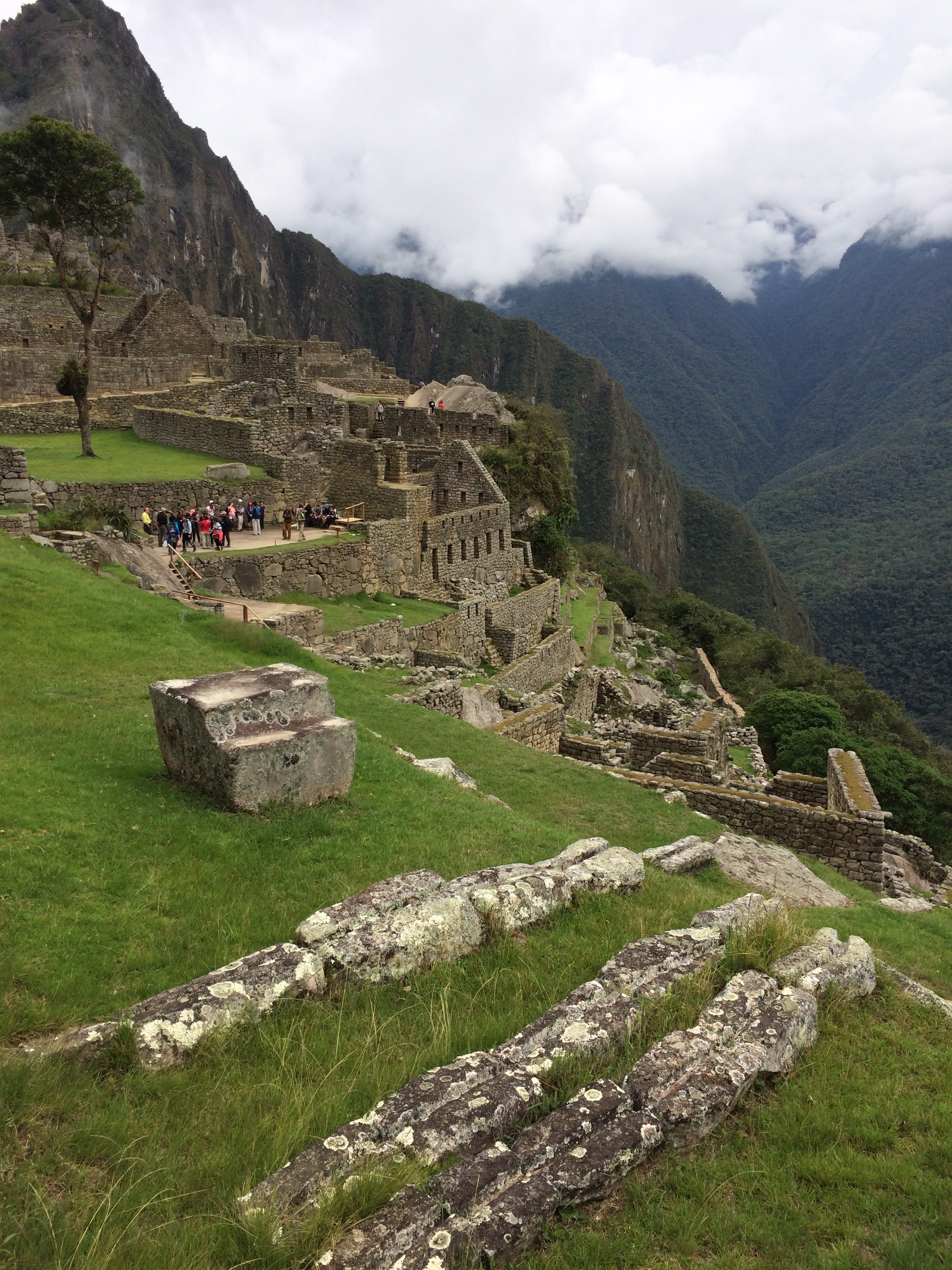
After an early night on day 3, it was an early morning for the final 5km into Machu Picchu. We were woken at 3.30am and headed out in the dark at around 5.30am. After climbing up a near-vertical wall, we arrived at the Sun Gate at around 7am and after getting down to the main citadel, we almost had the place to ourselves as only the early day-trippers from Aguas Calientes were arriving.

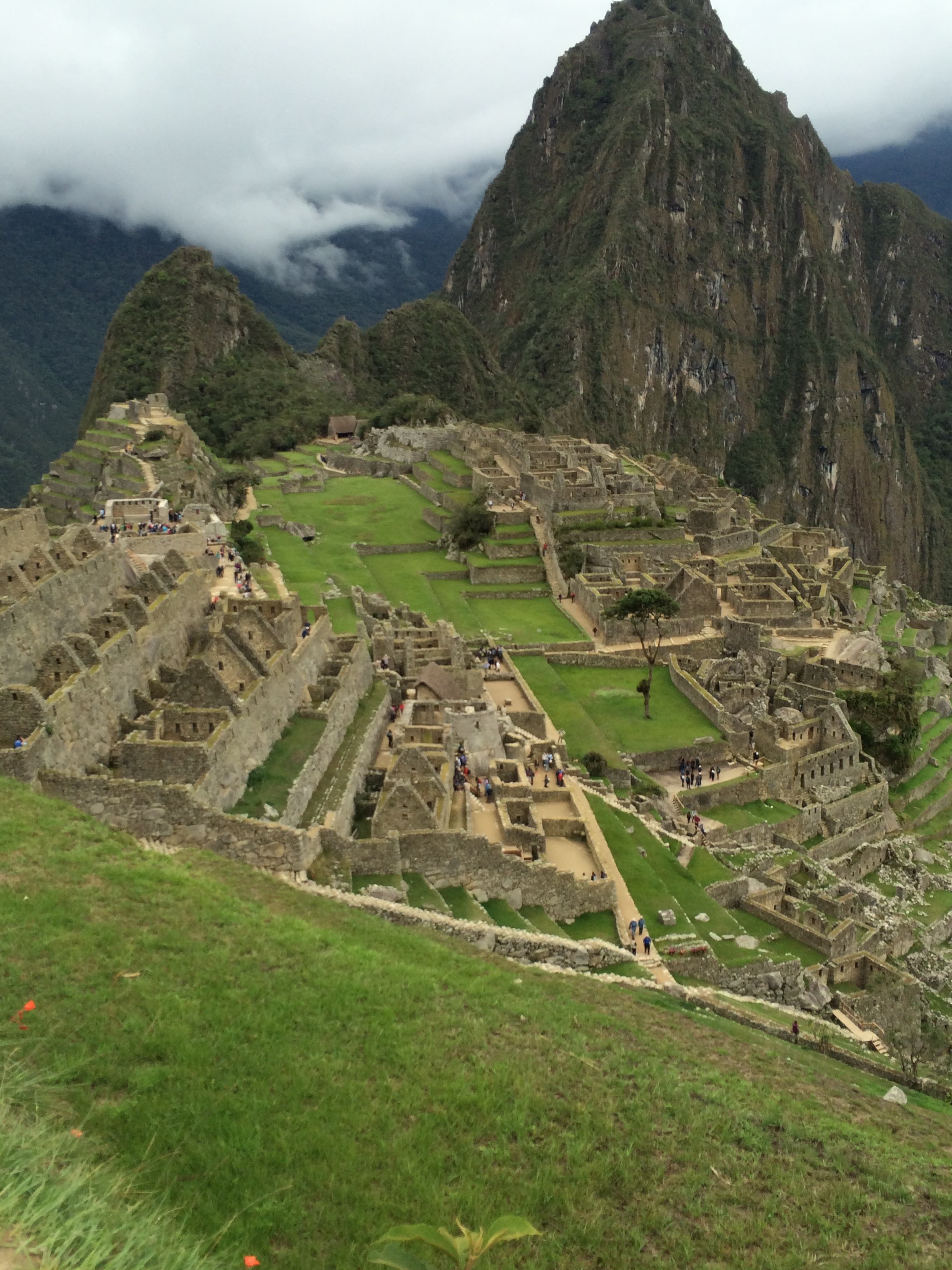
After reuniting with others in the group who didn’t do the Inca Trail hike, we briefly freshened up in the bathrooms (actual flushing toilets after a couple of days of squats and holes in the ground) and then had a guided tour of Machu Picchu. It’s so awesome to walk amongst the ruins, and large parts of it are very well preserved.

After the tour, we took the bus down the winding road to the town of Aguas Calientes where we had lunch, wifi and a well-deserved beer before heading on the panoramic train back to Ollantaytambo, and then a bus back to Cusco.

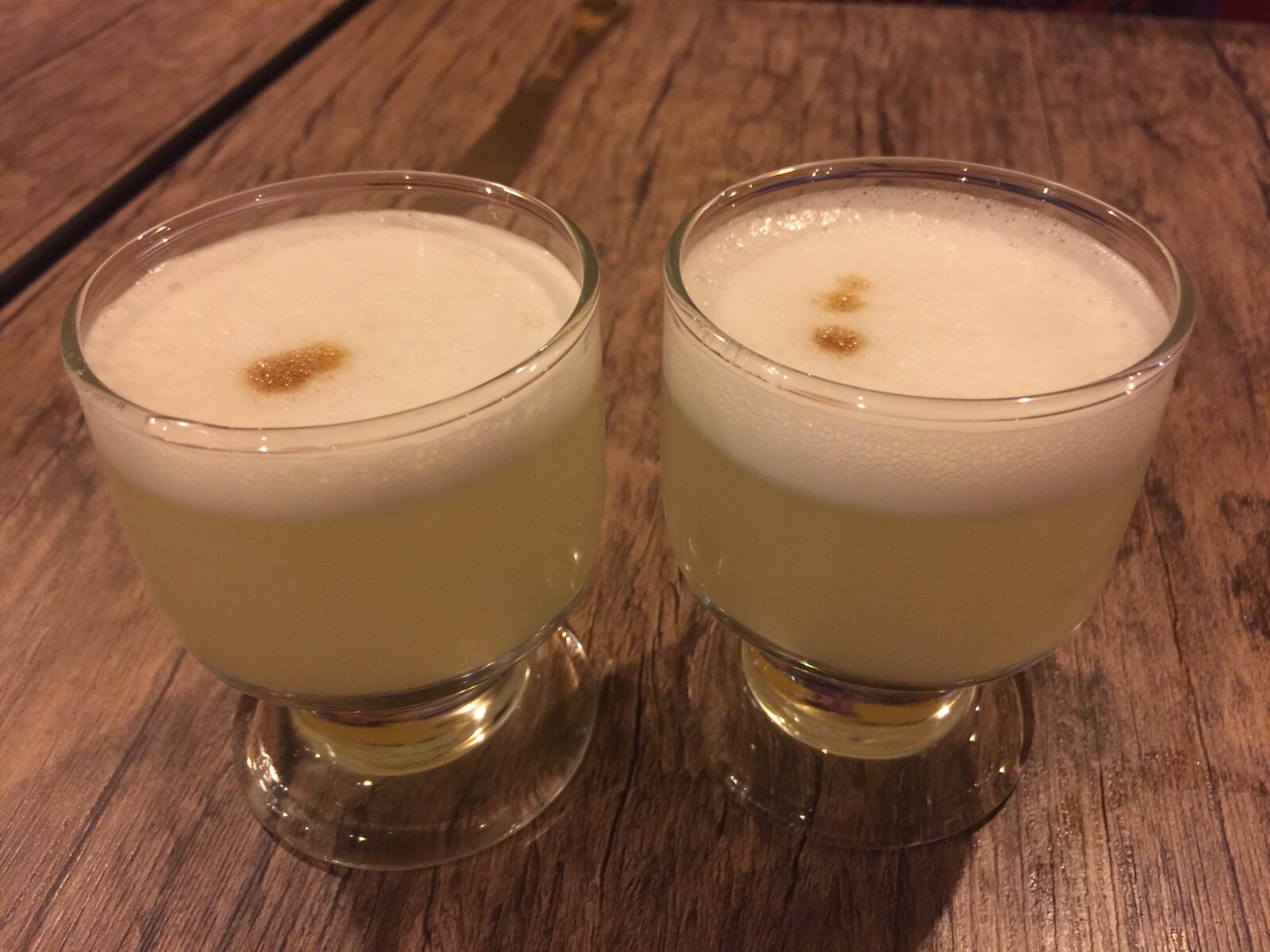
Back in Cusco I had the longest shower I was able to take in the intermittently hot/cold/dribble/gush of the shower head, as is usual in Peru. We then headed out for a celebratory dinner and Pisco Sours in Cusco. Definitely a night to let your hair down and celebrate a great hike.

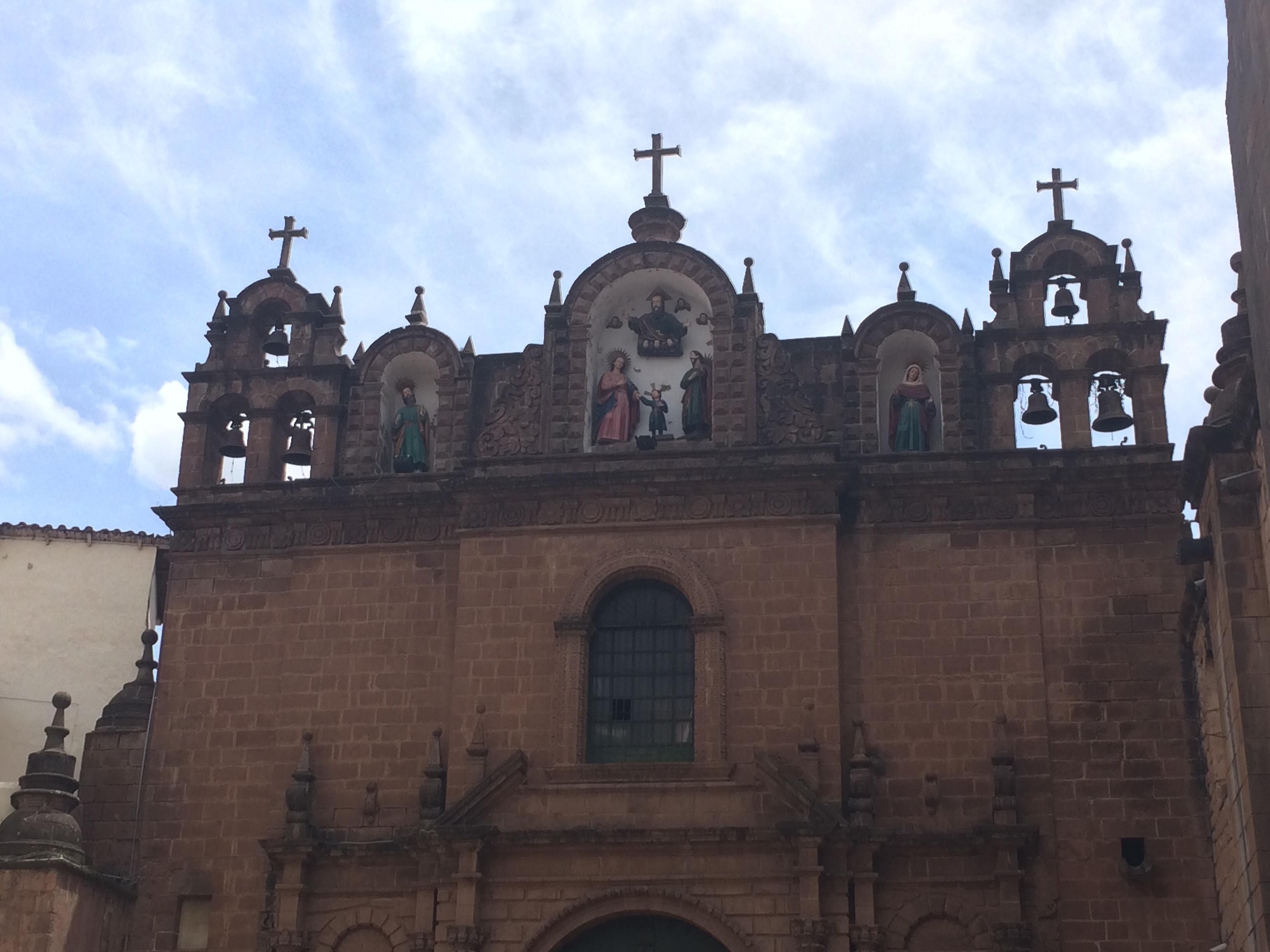
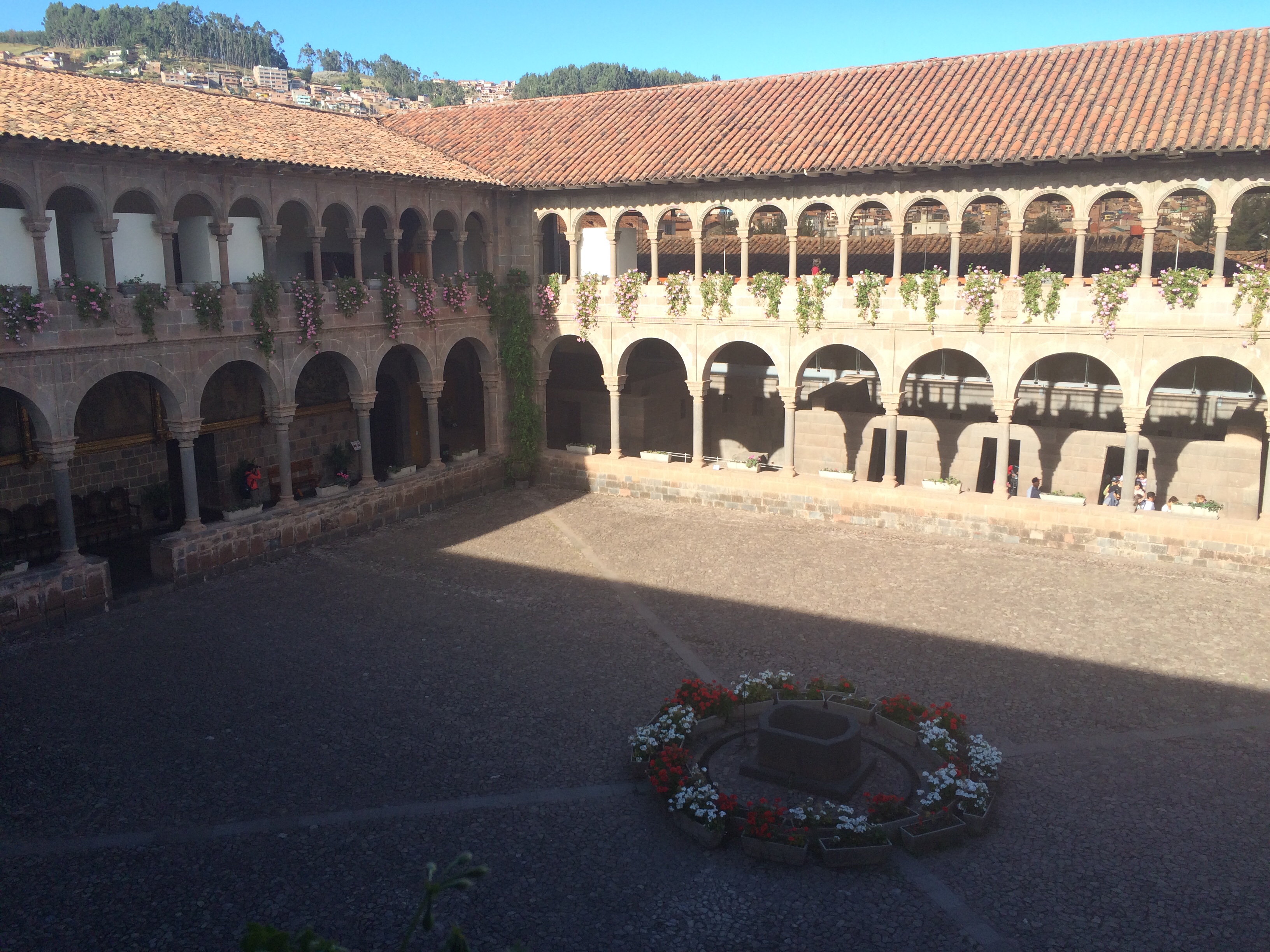
The final part of the trip had meant to be a trip into the rainforest. However at the time of our trip there was some unrest in Puerto Maldonado and so we ended up staying in Cusco for a couple of extra days. Cusco has a lot of history, a lovely cathedral, and we enjoyed a cooking class including sampling the Peruvian delicacy of ceviche (cured raw fish).

We flew back to Lima for a final night before I flew home to a rainy UK (sans my bag which eventually made it a couple of days later). This was one of my favourite trips for many reasons. My first real time in a different culture, the food was so delicious (I think Peru and Vietnam are tied first in my favourite food experiences), the scenery was epic, the people on my trip were so lovely and to have the opportunity to hike the Inca Trail is something I will never forget.

Iceland

In March 2018 I took a short trip with a friend to Iceland. Flight time is approx 2 and a half hours from the UK – we flew from Manchester and arrived into some low cloud at Reykjavik’s Keflavik airport mid afternoon. After getting to the hotel, we had a bit of a wander around the local area to orientate ourselves, before having dinner and an expensive drink.

The next morning, the weather was much better and we could see some of the beautiful scenery that surrounds Reykjavik.

We had a long walk around Reykjavik, along the waterfront which has some interesting sculptures, and we visited the Aurora Northern Lights museum to learn about the Northern Lights, which we were hoping we’d be able to see in the evening.

After an expensive burger for lunch, we visited the Hallgrimskirka, which is the main church in Reykjavik. You can also climb up the bell tower and see some great 360o views of Reykjavik – I definitely recommend doing this if you visit Reykjavik. And I also recommend trying to get up high in any new place you visit – it gives such a great perspective on wherever you’re visiting.

We continued our wandering and ended up visiting the Icelandic Phallological Museum (ahem…)

After that, we meandered back to our hotel for a bit of a break and snooze, as we were heading out later in search of the Northern Lights. We were quite fortunate with a break in the weather on the day we were booked on the Northern Lights trip, the previous day’s trips were all cancelled due to the weather. We were picked up at around 10pm and were driven out of Reykjavik for around an hour towards Thingvellir National Park. We were looking for dark, clear skies, and we were so fortunate to get them. To the naked eye, you could see the sky shimmering a silver-ish colour, but when I cranked up to the right settings on my DSLR, it captured the greens and purples amazingly (if a little shakily as I didn’t have a tripod). I still reckon the Northern Lights are one of the greatest things I’ve ever seen, such an awe-inspiring sight.

We were out until around 12.30am watching the skies, and then with an hour’s drive back to Reykjavik, it was a late night. Followed by an early morning as we were doing a full day Golden Circle tour – an absolute must do when you go to Iceland.

The first stop was at Geysir, which does exactly what it says on the tin. Not the most impressive geyser I’ve been to (humble brag…), but if you’ve not seen one before, it’s certainly a sight to behold. There were also some wonderfully blue pools in the area, and lots of steam coming from the ground, as you’d expect in a place with lots of geothermal activity.

The next stop was a Gullfoss Waterfall – an amazing sight, though it was absolutely freezing and blowing an absolute gale.

The final stop of the day was back to Thingvellir National Park, which we were unable to fully appreciate when hunting for the Northern Lights. This is an important place in Iceland, it’s where the first parliament was held, and is also where 2 tectonic plates are moving away from each other, and you can literally see the crack in the earth.

After some more expensive drinks in the evening, we had an early night followed by an early morning as we had a very early flight back to the UK. Iceland makes for a great, if expensive, short break destination from the UK. If you’re going to see the Northern Lights, choose your dates wisely – the sky needs to be dark so better to go around the time of a new moon rather than a full moon, and also bear in mind the daylight hours in Iceland. It’s the furthest north I’ve been and especially in summer, there will be near-constant daylight. We went in March which has approx 12 hours of daylight and does mean it is dark enough in the late evening for viewing the Northern Lights. Do your research if seeing the Northern Lights is an important part of your visit. There are also some wonderful natural phenomenon to see here, it’s on a plate boundary so heaps of geothermal activity and barrenly beautiful scenery in and around Reykjavik. Definitely recommend!