Road Trip

After a short and slightly dull stay in the Peel Forest so that people could ‘enjoy’ rafting on the Rangitata river, we had an early start (6.40am departure) to drive to Christchurch. Stray only stop at the airport, and don’t stay overnight in Christchurch (which is a shame, more on this in a separate blog post), so we arrived at Christchurch airport shortly after 9am. The reason for the early start is that the final destination for the day on the Stray Bus is Kaikoura, and they need to be in Kaikoura by midday for whale watching.

Anyway, Kaikoura is for another day. When we got to Christchurch airport, I gathered all my belongings (4 bags of varying sizes at this point) and found the car rental desk. After wincing at the $3,000 excess and paying for the rental, I got the keys for my wheels for the next couple of days – a 5 door Toyota Yaris (automatic).


It was clean when I got it – this is a picture from day 2.

My plan for day 1 was to head out to the Banks Peninsula, about 90 minutes southeast of Christchurch. A few people had mentioned that it was really pretty, and my Lonely Planet describes the scenic drive as ‘absurdly beautiful’. Sadly the weather was not good. The Banks Peninsula was formed by 2 volcanoes, and when I was driving along the top of the crater, I was driving in the clouds. I almost had to stop the car to figure out where the fog lights were!
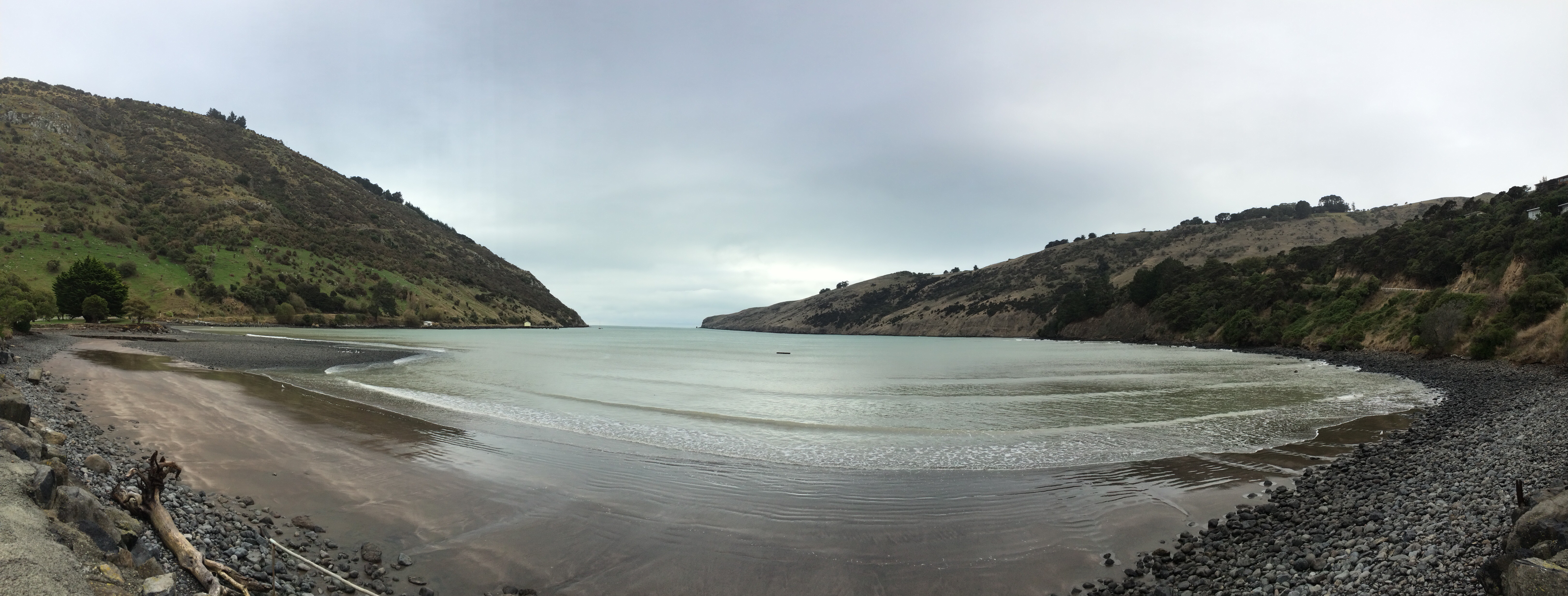
Nevertheless, I ploughed on, and followed the scenic drive to several bays, including Pigeon Bay:

 
Little Akaloa:

  
And Le Bons Bay:

  
The car got very dirty when I decided to try to get to the Lighthouse, but after a slightly hairy drive down a dirt road, I chickened out about halfway to the lighthouse. It was raining quite hard, and the dirt road was turning very muddy. The poor little automatic was struggling so I figured it would be better to turnaround while I had the opportunity.

After that little escapade, I decided to head to Akaroa and find the hostel. This shouldn’t have been hard as Akaroa is basically one main road, but I drove straight past the hostel to start with!

Akaroa has a lot of French heritage (for example, the roads are all Rue…). I went to the little museum where there was a short video explaining how there came to be such a French connection here. After a short and cold stroll along the front, I bid a hasty retreat to the hostel. Akaroa seemed fairly sleepy, despite there being a cruise ship in the harbour.

The hostel I stayed at was the quietest one so far. I only saw 3 other people there, and had a dorm room all to myself.

I had an early night as I wanted to be off early in the morning as I had a lot of driving planned for day 2.

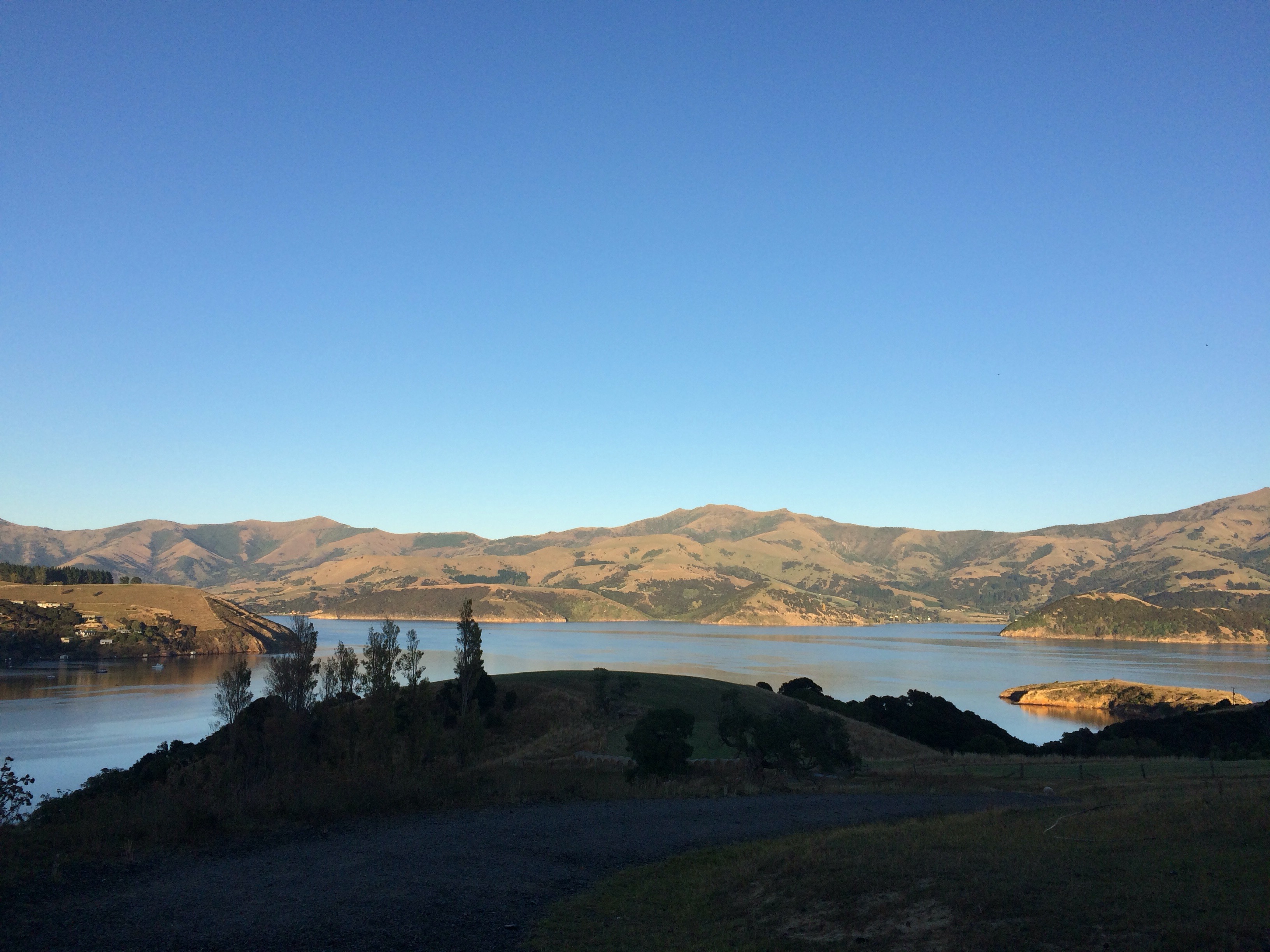
Obviously the weather in Akaroa was absolutely stunning the following day. As I drove out of the Banks Peninsula towards SH1 I stopped for a quick photo op:

  
If only the weather had been like this the previous day!

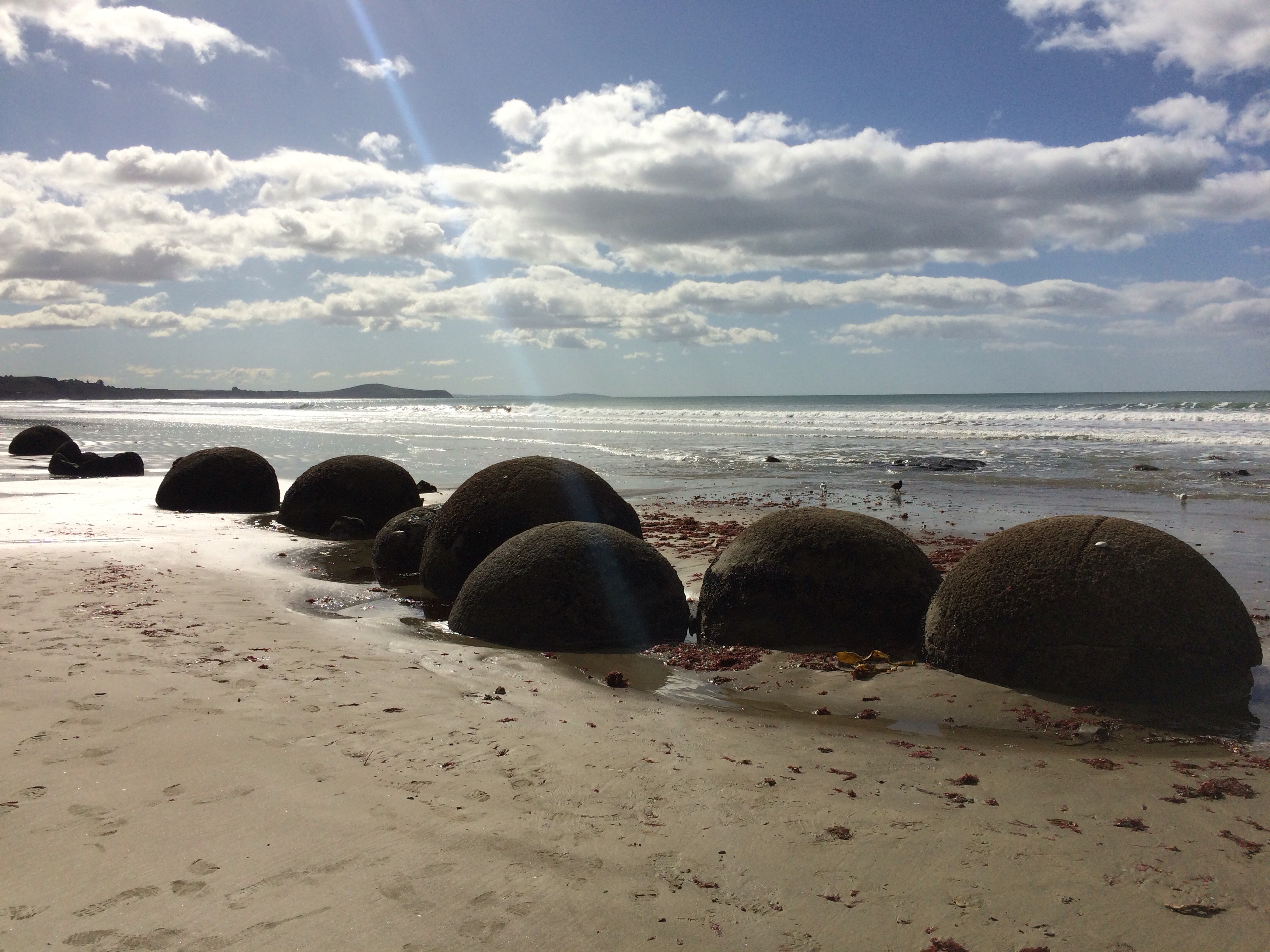
My first destination on day 2 was (were?) the Moeraki Boulders which are 4 and a half hours’ drive from Akaroa (hence the early start). They are practically in Dunedin and it might have made slightly more sense to have visited them whilst I was in Dunedin, but nevermind. I enjoyed being back behind the wheel, even if the lack of acceleration in the automatic was annoying.

The Moeraki Boulders are surprisingly smooth, round stones on the beach at Moeraki:


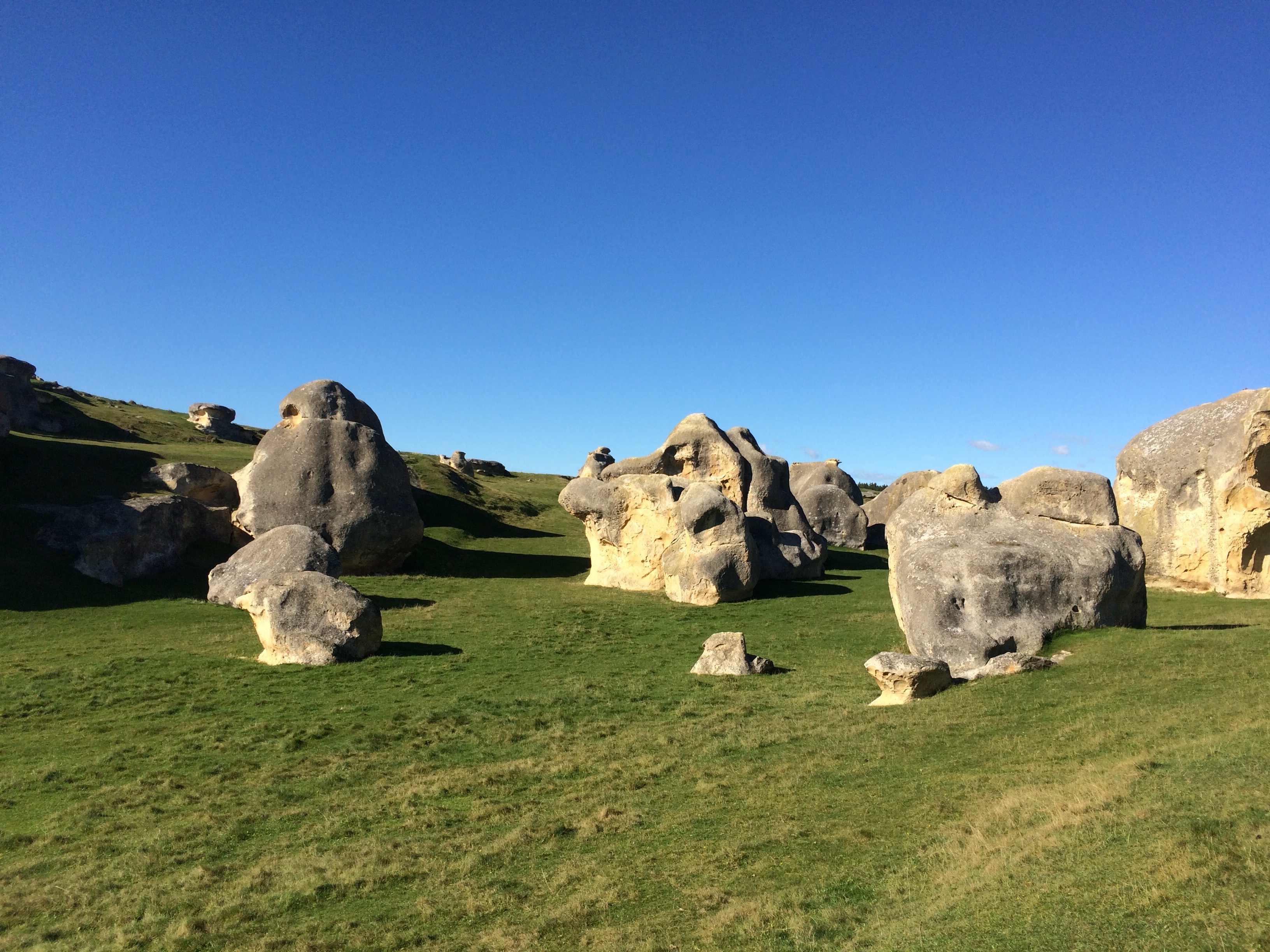
After a nice walk on the beach among the boulders, and my picnic lunch, it was time to head to my next stop, about an hour back north from Moeraki. When I was in Dunedin, I met a German girl who recommended that I should go to the Elephant Rocks as well as the Moeraki Boulders. The Elephant Rocks are near Oamaru, but are inland. They aren’t particularly well signposted and as I was navigating purely by road signs, I was quite pleased to find them.


I’m not entirely sure where the ‘elephant’ name comes from, but they are an interesting geological formation.

After this, it was a long drive back to Christchurch. I arrived at the hostel in Christchurch just after 7pm. It only took 3 drives around the block to find the entrance! Weirdly though I had been here before with G Adventures in November 2014. The place has had much-needed spruce up in the intervening period.

Over the 2 days, I covered about 850km. I really enjoy driving, and after almost 4 months of not driving, it was really nice to get back behind the wheel. I will definitely never buy an automatic though – I need to have more control over my speed!
Aoraki Mount Cook

I’ve just spent 2 and a half glorious days in Aoraki Mount Cook village and national park. The weather could not have been more perfect.

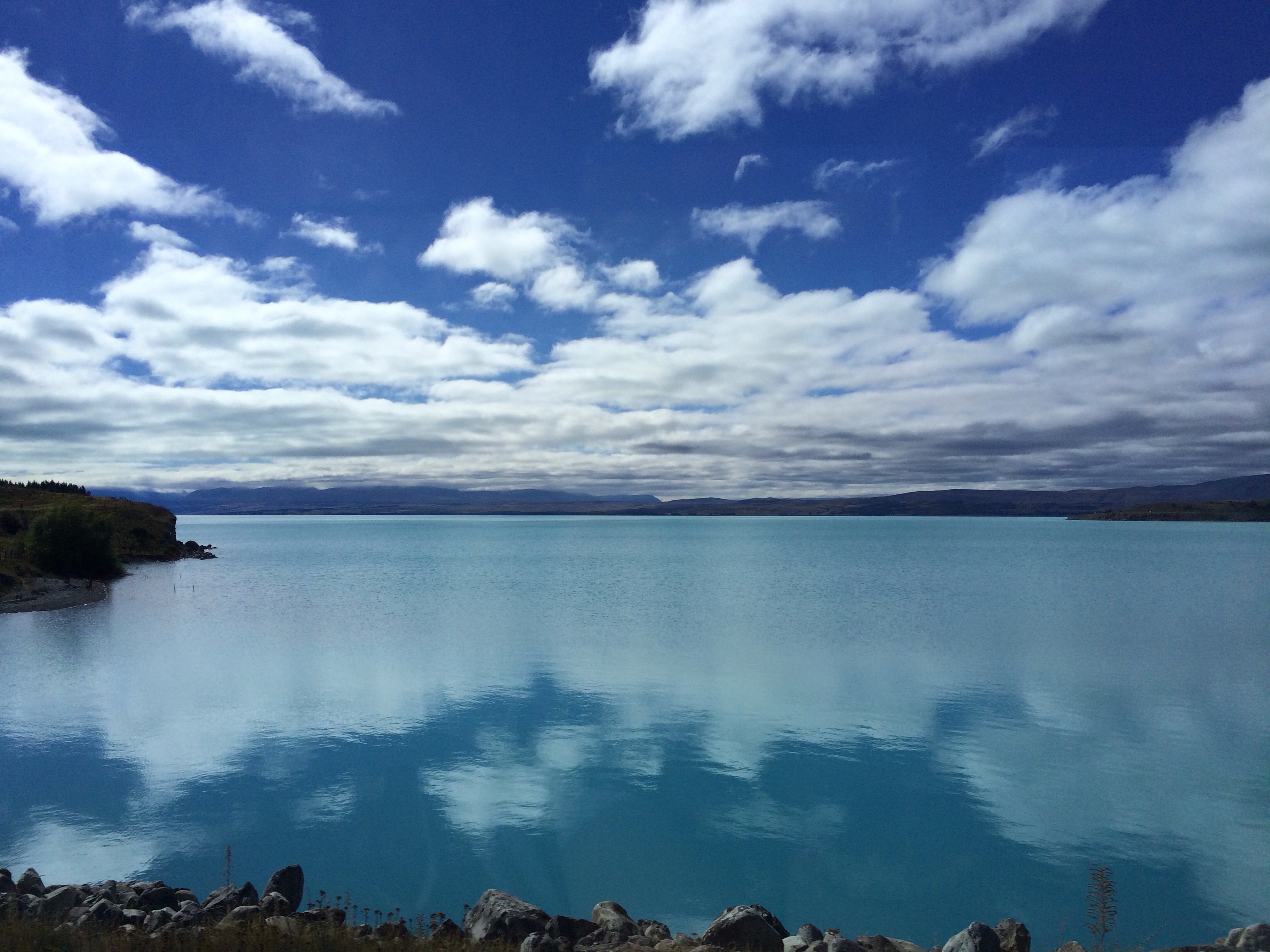
We left Queenstown early on Friday morning. The Remarkables mountain range had a dusting of snow overnight – it’s definitely Autumn now! After a stop in Cromwell for supplies (there are no shops in Mt Cook village), we stopped for lunch overlooking Lake Pukaki. The blueness of the lake is amazing.

 
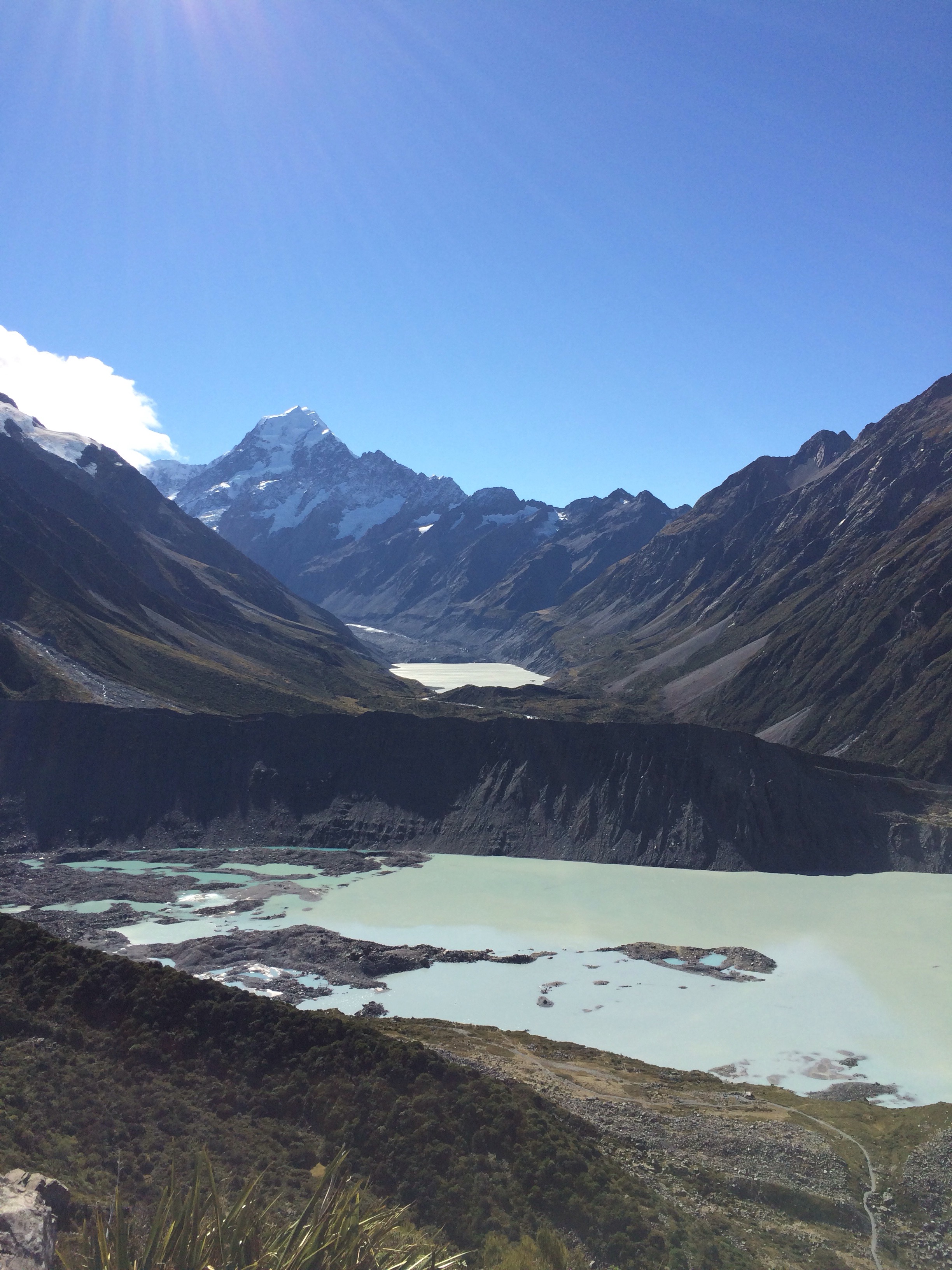
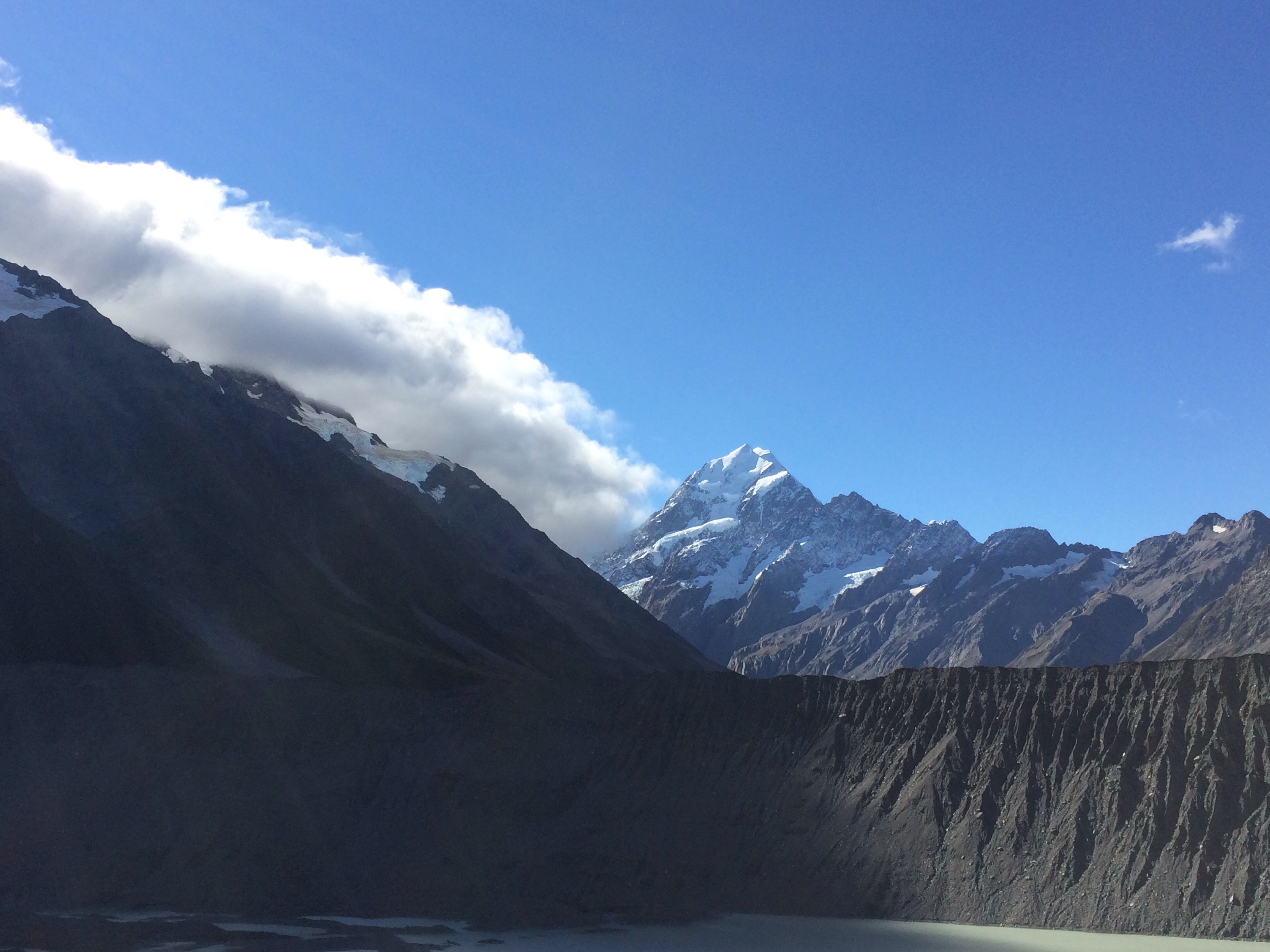
We arrived at our accommodation in Aoraki Mount Cook village at around 2pm. Aoraki is the Maori name for Mount Cook, and means ‘cloud piercer’. In the afternoon we went for a walk along the Hooker Valley Track, which is a walk I’d done when I was here back in 2014. The weather was much better this time, and we got some awesome views of Mt Cook on the walk, which we couldn’t even see in 2014.


As the sky was so clear, we were treated to a fabulous view of the night sky in the evening. It’s probably the clearest I’ve ever seen the Milky Way, and we could also see Jupiter and Mars really clearly. The views of the night sky that I’ve seen on my travels really have been something else.
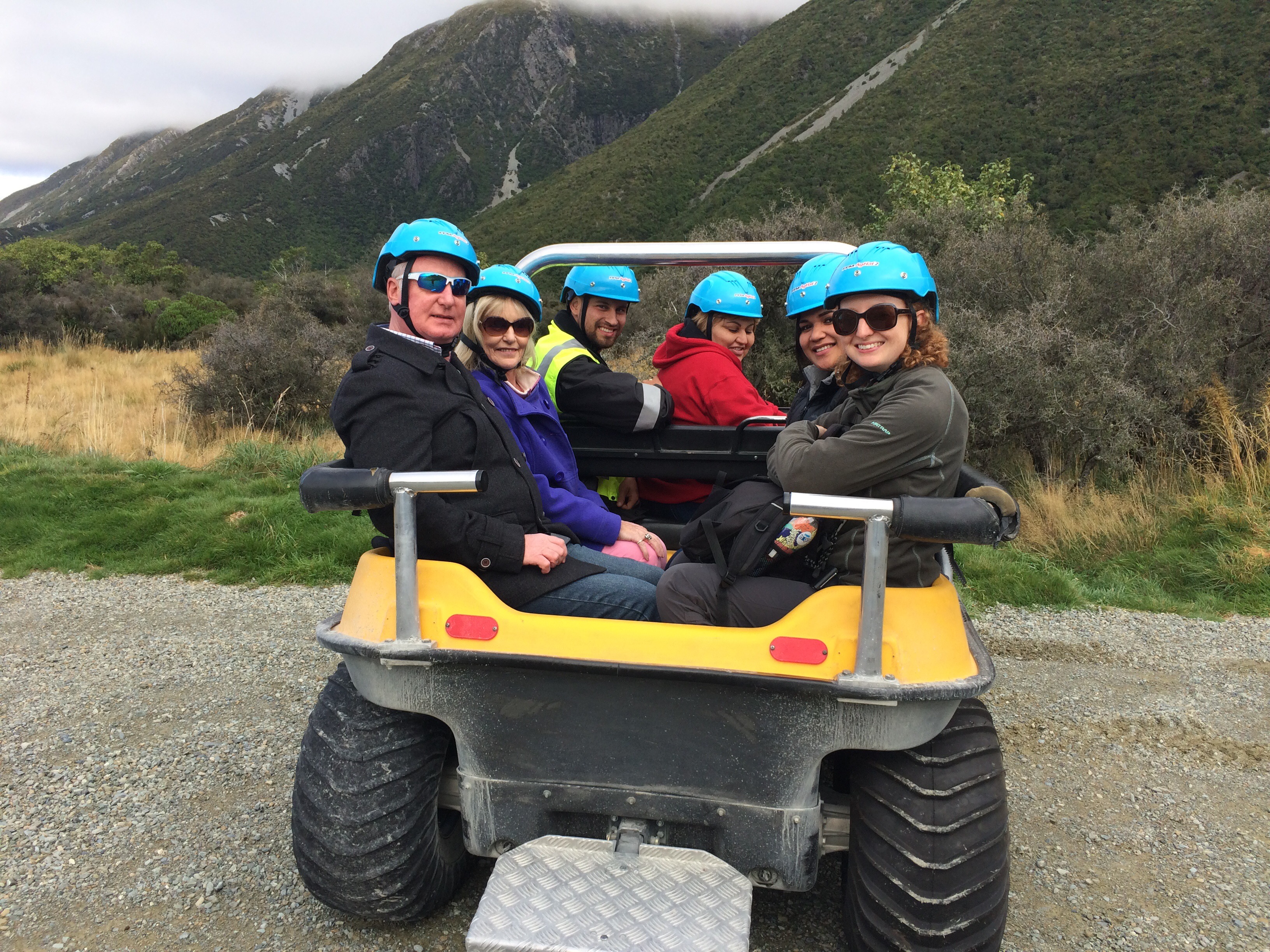
On Saturday I took a 4WD ‘Argo’ trip to the terminal of the Tasman Glacier.

  
I have to say that this was one of the most uncomfortable journeys I’ve ever had, 5km up a boulder-strewn gravel track, but it was an awesome view when we got to the glacier.

  
I then spent the rest of the afternoon at the Sir Edmund Hillary Alpine Centre, learning about the first people to ascend various peaks in the Southern Alps, along with watching a 3D short film on Mount Cook, and an interesting documentary on Sir Edmund Hillary’s ascent of Everest in 1953.

In the evening i had a vastly overpriced pint of cider from the bar at the backpackers. It was $11 – £5.50 – basically London prices. I won’t be making that mistake again!!

Today (Sunday) was another beautiful day. I walked up the Sealy Tarns track. This was quite challenging. Roughly 90 minutes of walking up steps, though I suspect fitter people could do it in around an hour. The views on the way up, and at Sealy Tarns lookout, were amazing.


It only took me 45 minutes to get back down, and even with about half an hour for lunch at the top, I was still within the suggested 3 hour time frame for the walk.

I also walked to Kea Point, which was 10 minutes from the start/end of the Sealy Tarns track, and gave another great view of Aoraki Mount Cook.

  
After my long walk, I treated myself to a bath. Yes, that’s right, this hostel has baths! I love a bath, and it feels like forever since I had one, though in reality it was about 5 weeks ago in Rotorua.

Tomorrow we move on to Rangitata, where I will not be partaking in white water rafting (which is basically the only thing to do in Rangitata). The day after that we head to Christchurch where I will be renting a car for a little road trip…

The Deep South

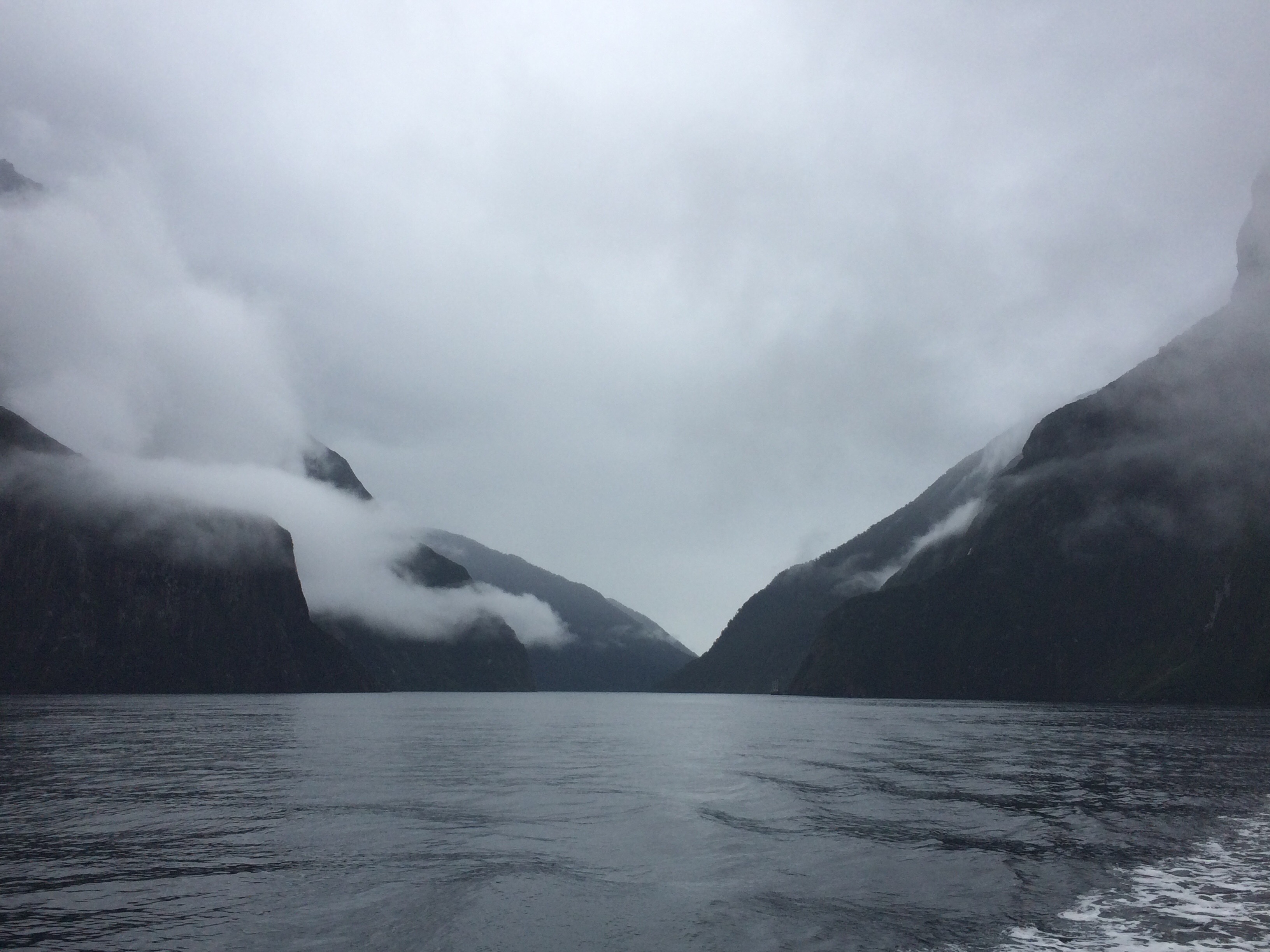
After a quick overnighter in Queenstown, it was yet again early on the road as we headed to Milford Sound. After a stop in Te Anau for Milford Sound cruise tickets and Stewart Island ferry tickets, we drove through part of the Fiordland National Park to Milford Sound. The weather wasn’t great, but they get up to 9m of rain a year here so you’ll be lucky if the weather is good.

  
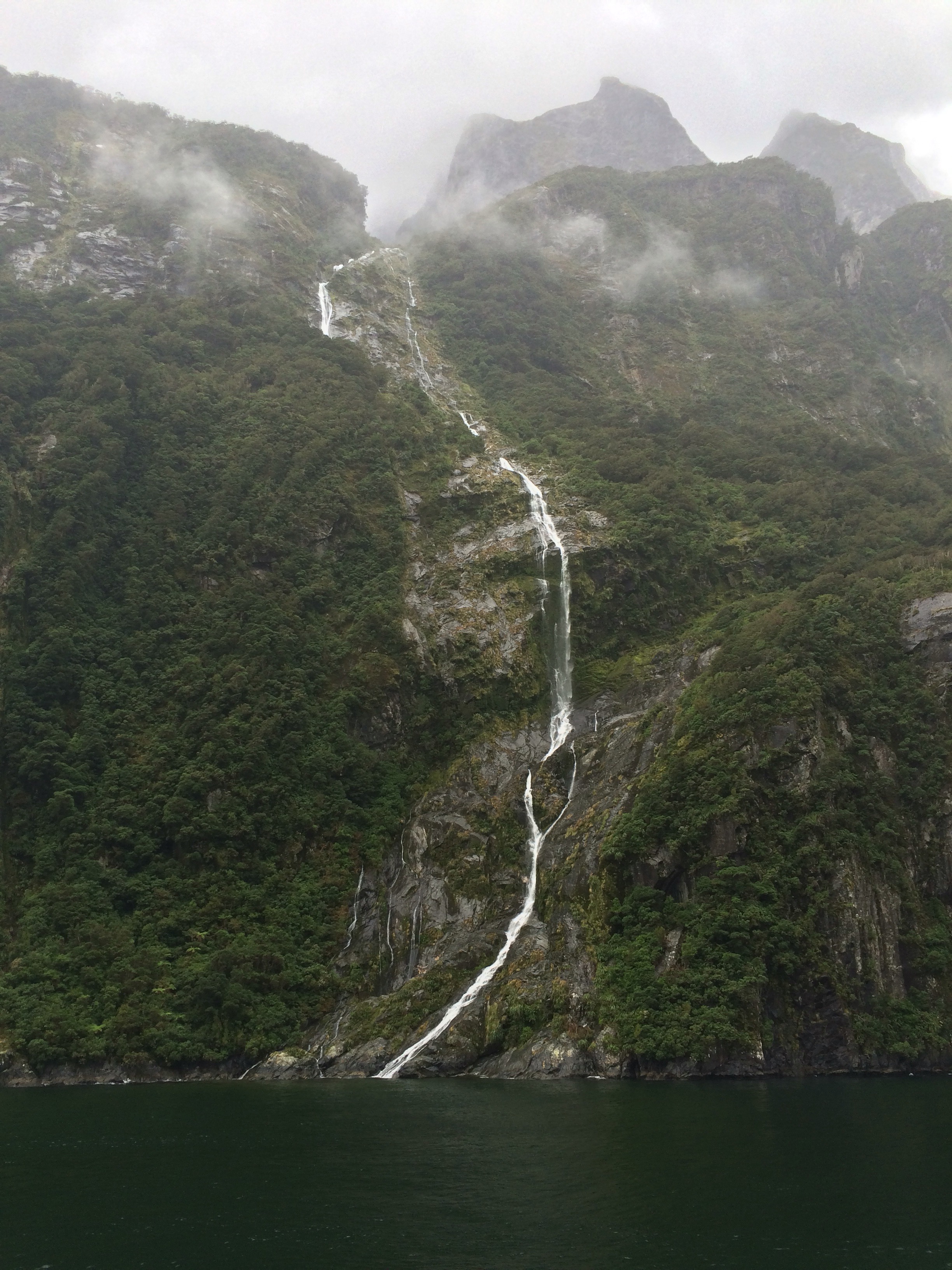
At Milford Sound we went on a scenic cruise for about an hour and a half. I have to say that this was the most disappointing part of my trip so far. It was raining and the clouds were really low. Now, when I was here in November 2014, the weather wasn’t great either. However, it must have been even more rainy then because there were hundreds of waterfalls on Milford Sound, and it looked amazing. This time there weren’t as many waterfalls, and it was difficult to see the surrounding landscape because of the low clouds.


I wasn’t the only one who found it disappointing (although I guess a lot of that disappointment was in comparison to last time), others on the bus also found it underwhelming.

We spent the night at nearby Gunn’s Camp. This was originally built as accommodation for the men who built a tunnel through the mountain so that you could access Milford Sound by road. It isn’t your usual type of accommodation. The cabins were heated by wood burners, and electricity was available from a generator between 6pm and 10pm only. The hot water for the showers was also heated by wood burner, and I have to say it was one of the hottest showers I’ve ever had.

The next day was quite a leisurely drive from Gunn’s Camp, back through Te Anau where we stocked up at the supermarket, and onto Bluff for the ferry to Stewart Island. We made a few stops along the way for photos, and this is one of my favourites on the way out of Fiordland:

  
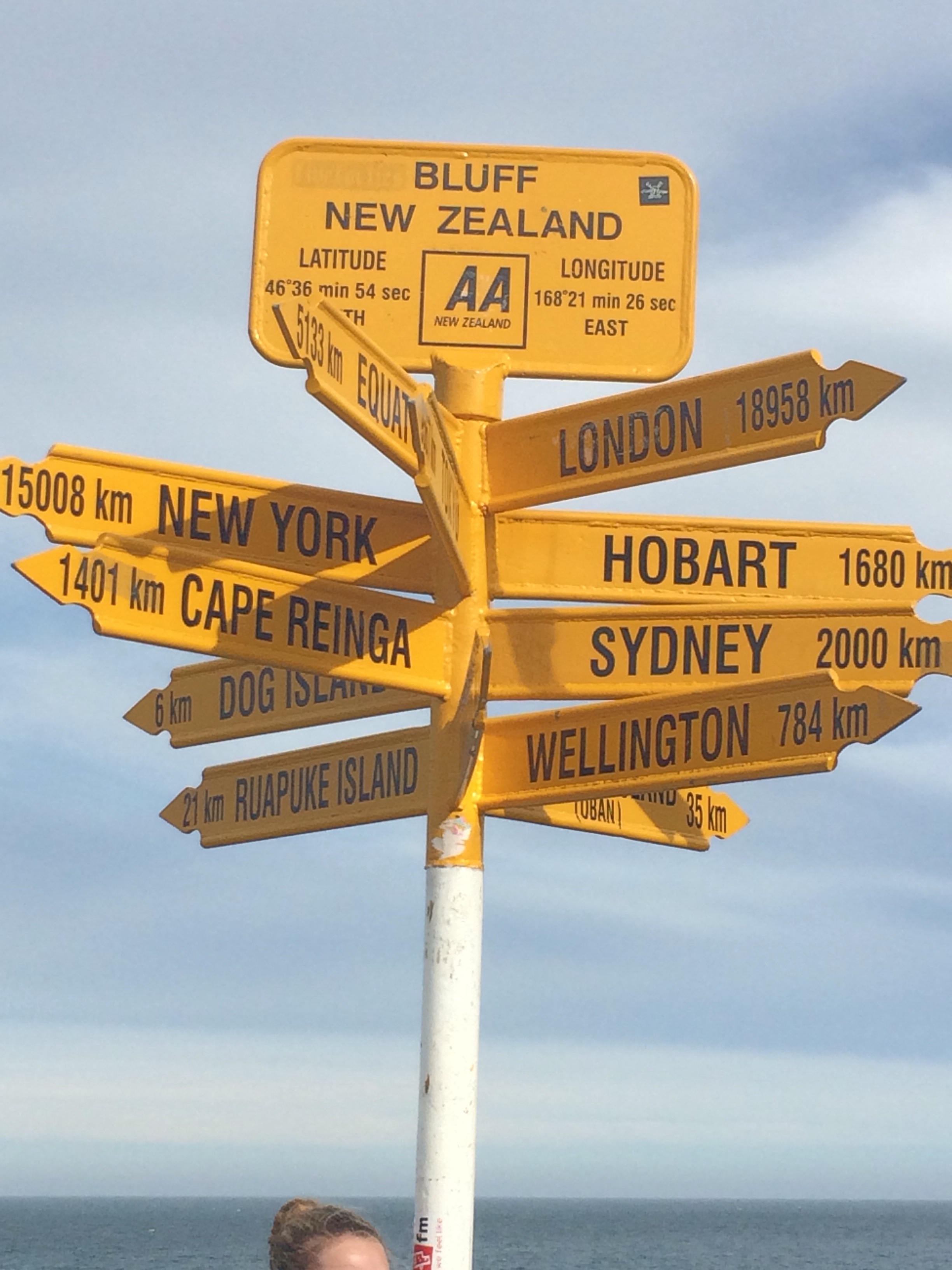
We arrived in Bluff just after 4pm, and after a quick stop at the signposts, it was time to board the ferry to Stewart Island.

  
The crossing takes about an hour, and was apparently a relatively smooth crossing. I wasn’t taking any changes and had already had my sea sickness tablets.

Stewart Island is the 3rd largest island in New Zealand, and is home to a lot of wildlife. It’s also your best chance in NZ of seeing a kiwi in the wild, as well as the aurora australis (southern lights). Unfortunately I saw neither whilst I was there.

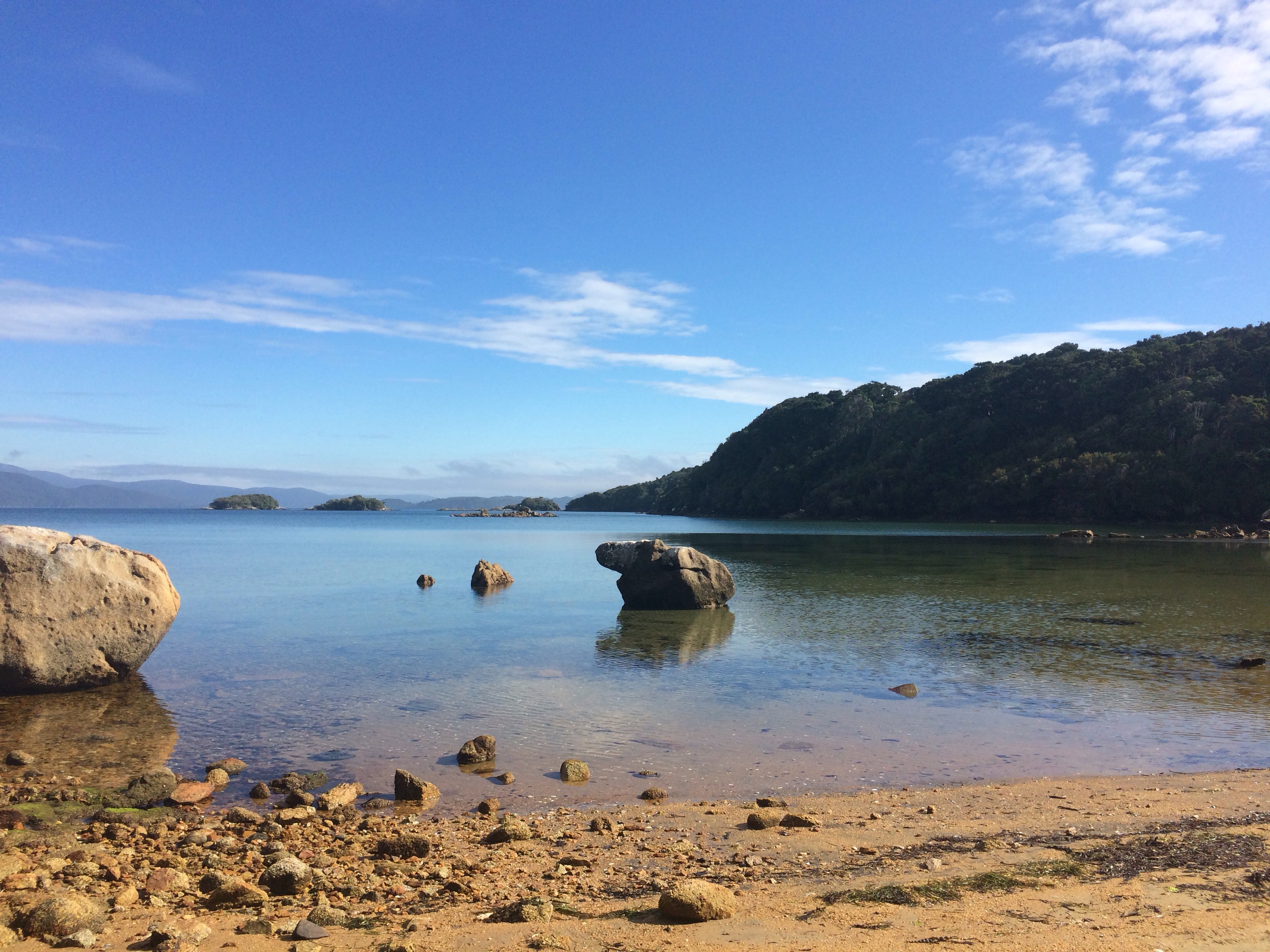
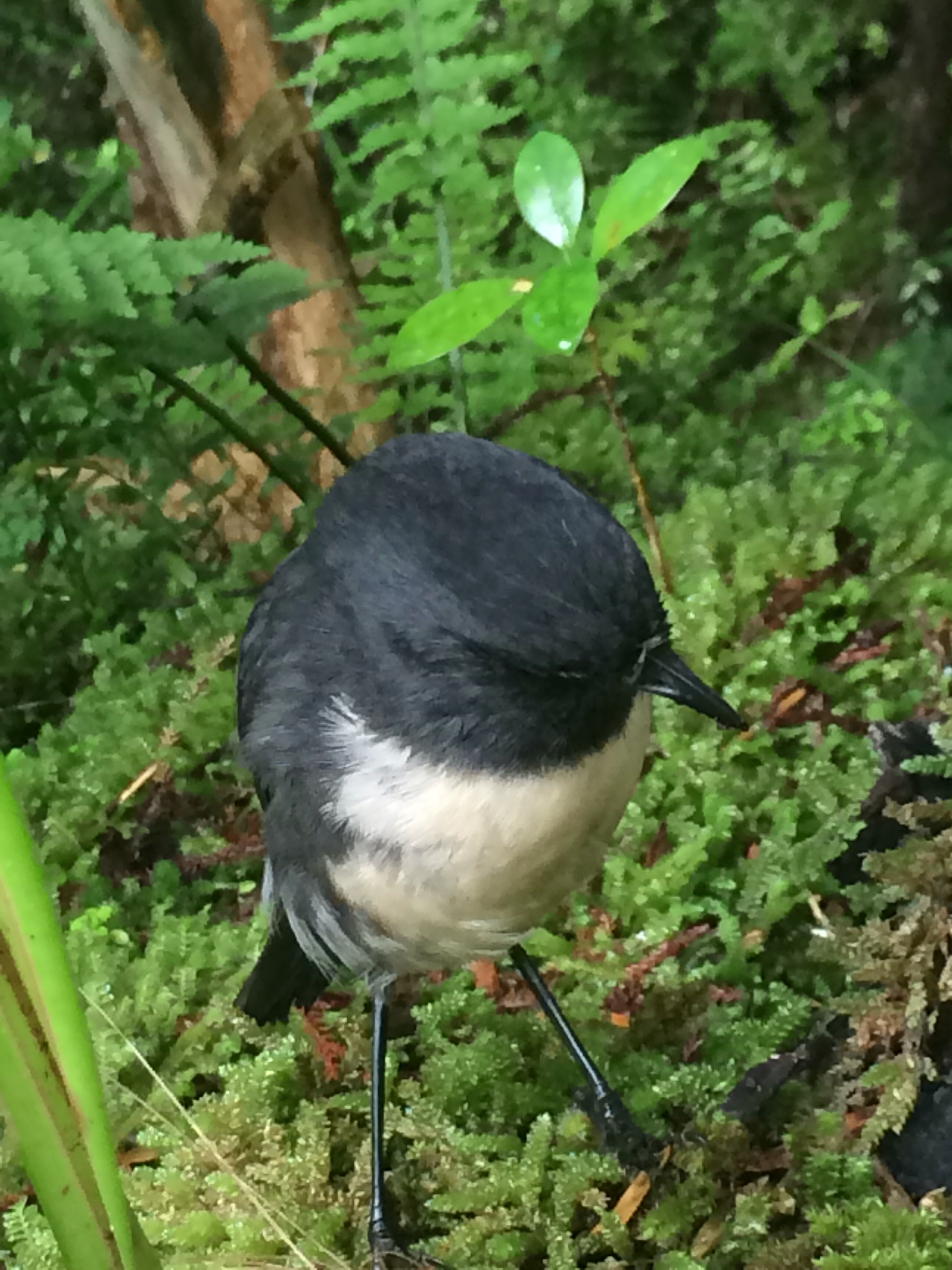
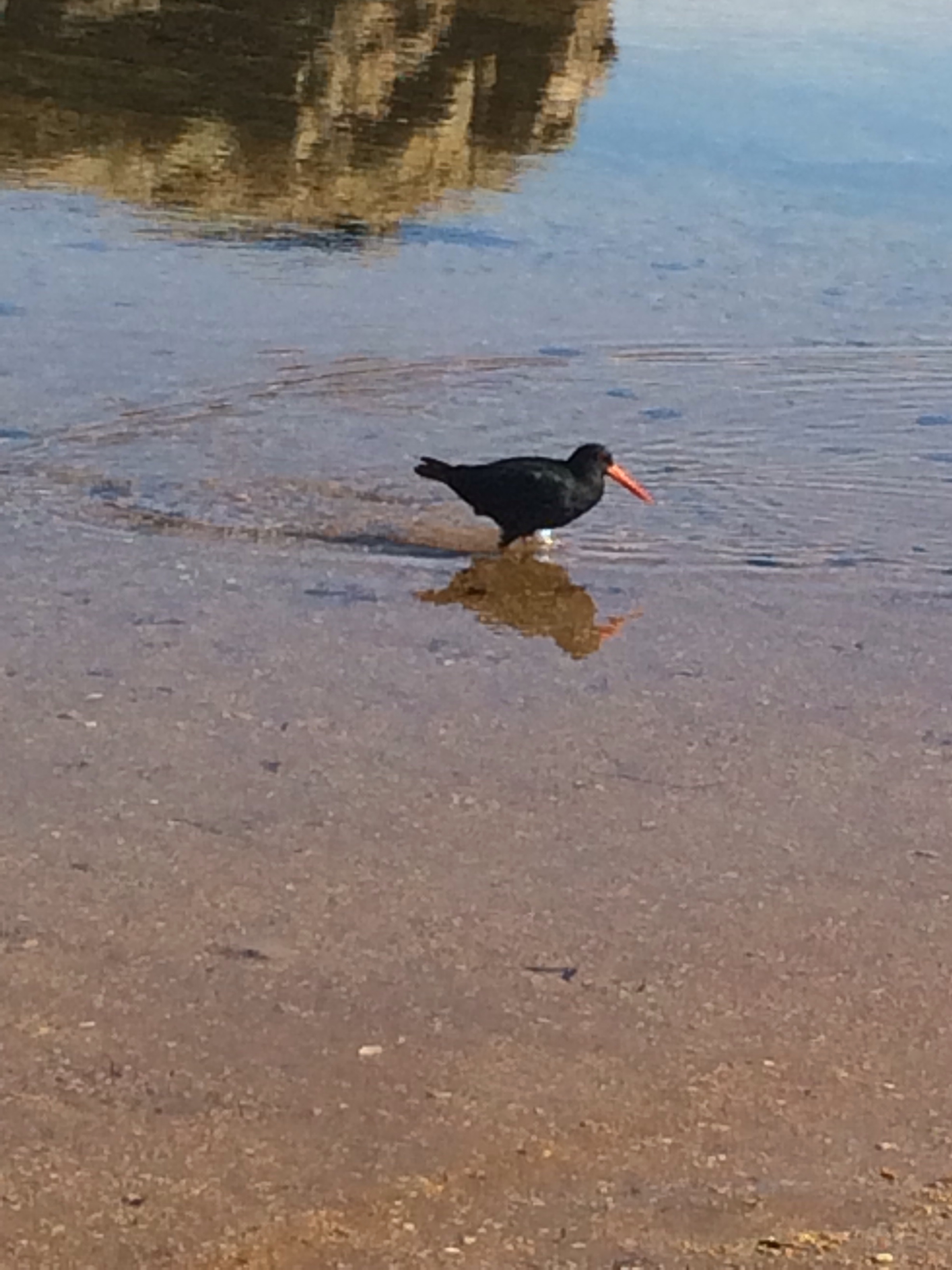
I was staying 2 nights, and the ferry back wasn’t until 3.30pm so I had 1 and half days to explore. On the first day I took a water taxi to Ulva Island, which is only a 10 minute journey from Stewart Island. Ulva Island is pest free and home to a lot of bird life. There are a few walking tracks around the island and I spent about 4 hours there walking, trying to spot wildlife, and enjoying the solitude. It was so quiet and peaceful (aside from the birds chirping away) that it felt like I was the only person in the world.


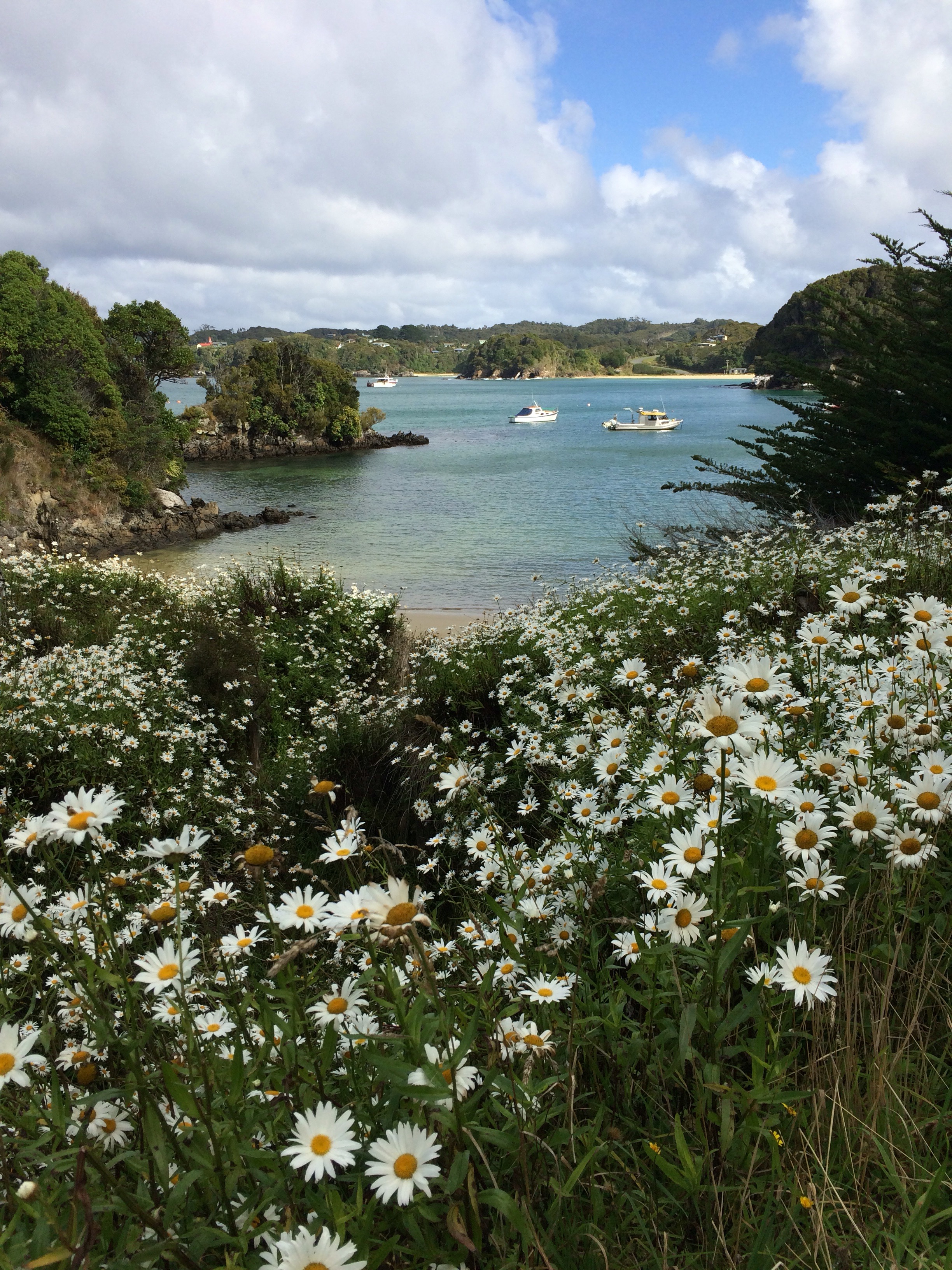
After getting the water taxi back to Stewart Island, I walked back to the hostel in Oban around the coast from Golden Bay. 

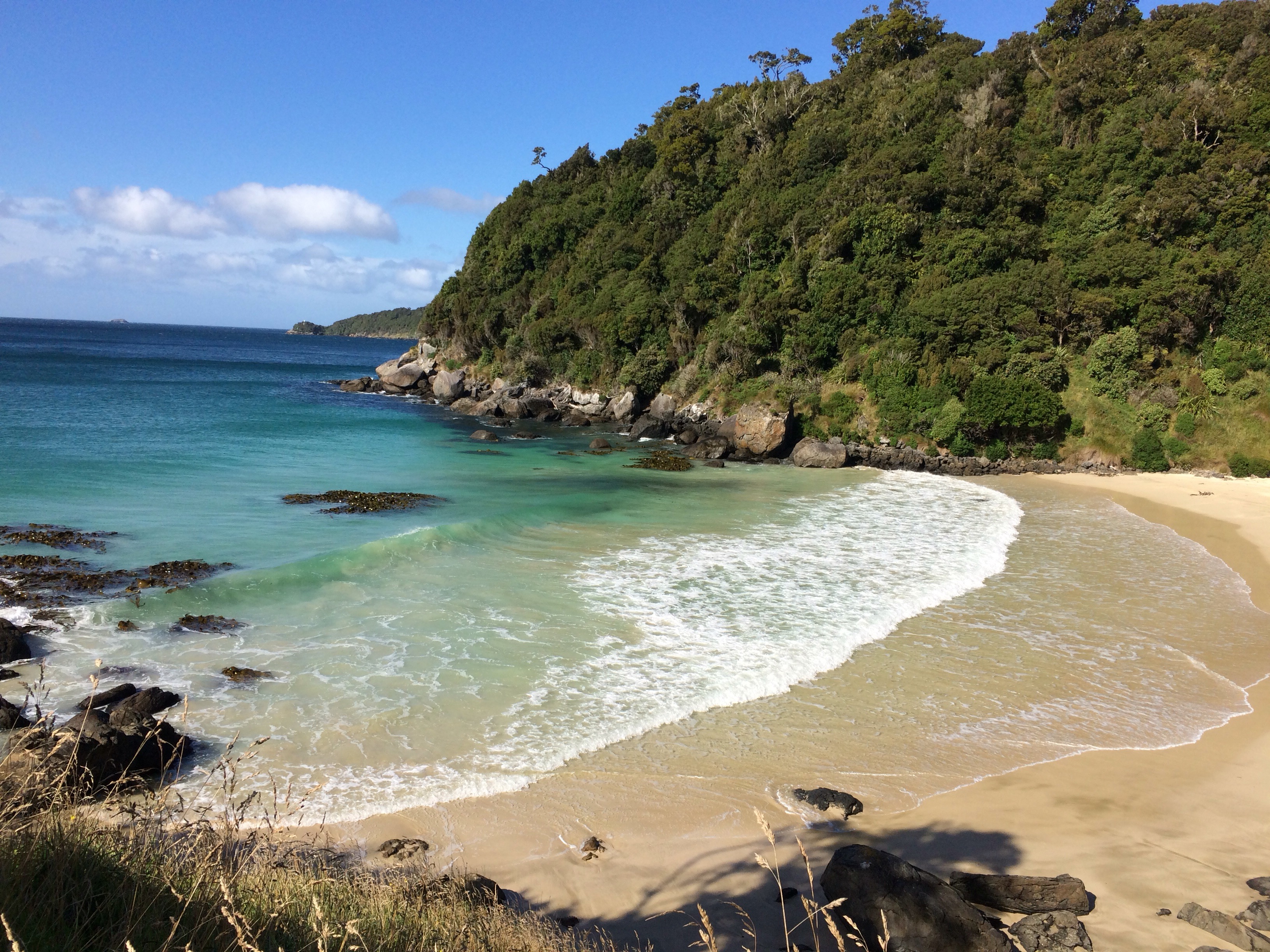
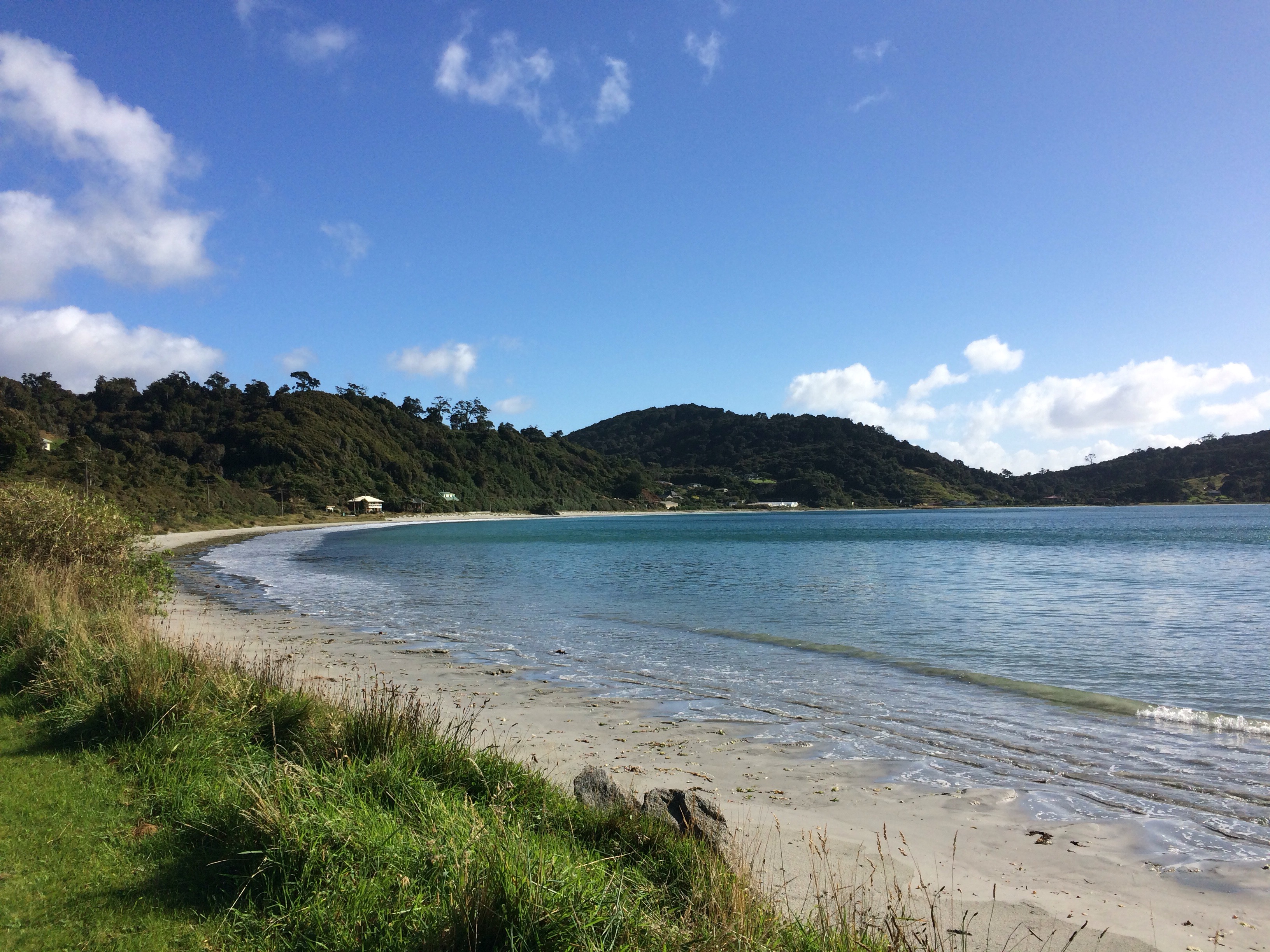
The next day I decided to walk in the opposite direction, to Horseshoe Bay, and then back to Oban.


The weather turned a bit in the afternoon and the crossing back to Bluff was rather choppy. I was even more glad for my sea sickness tablets on the way back. A couple of young kids seated in front of me did not enjoy it at all.

We arrived back in Bluff and then I caught the shuttle bus to Invercargill, where I was staying the next 2 nights. Thankfully only 1 day though as there is not a lot to do in Invercargill. It is not a beautiful town by any stretch of the imagination, and has a certain Wild West (Deep South) feel to it.

I went to the museum, which had an interesting exhibition on sub-Antarctic islands which, to be honest, are part of the world I didn’t even know existed.

After a long walk around the park and a slightly disappointing chai latte in a local coffee shop, I headed back to the hostel to start writing this. (It’s several days later when I finish it!)

In the evening I went to the cinema (again). This time I tried out a kiwi film – The Hunt For The Wilderpeople. It’s got Sam Neill in it, and the kid who plays the lead is great. I can’t imagine it will get a wide release in the UK. Maybe in an arts cinema (maybe Chapter in Cardiff), but if you come across it, it’s well worth a watch.

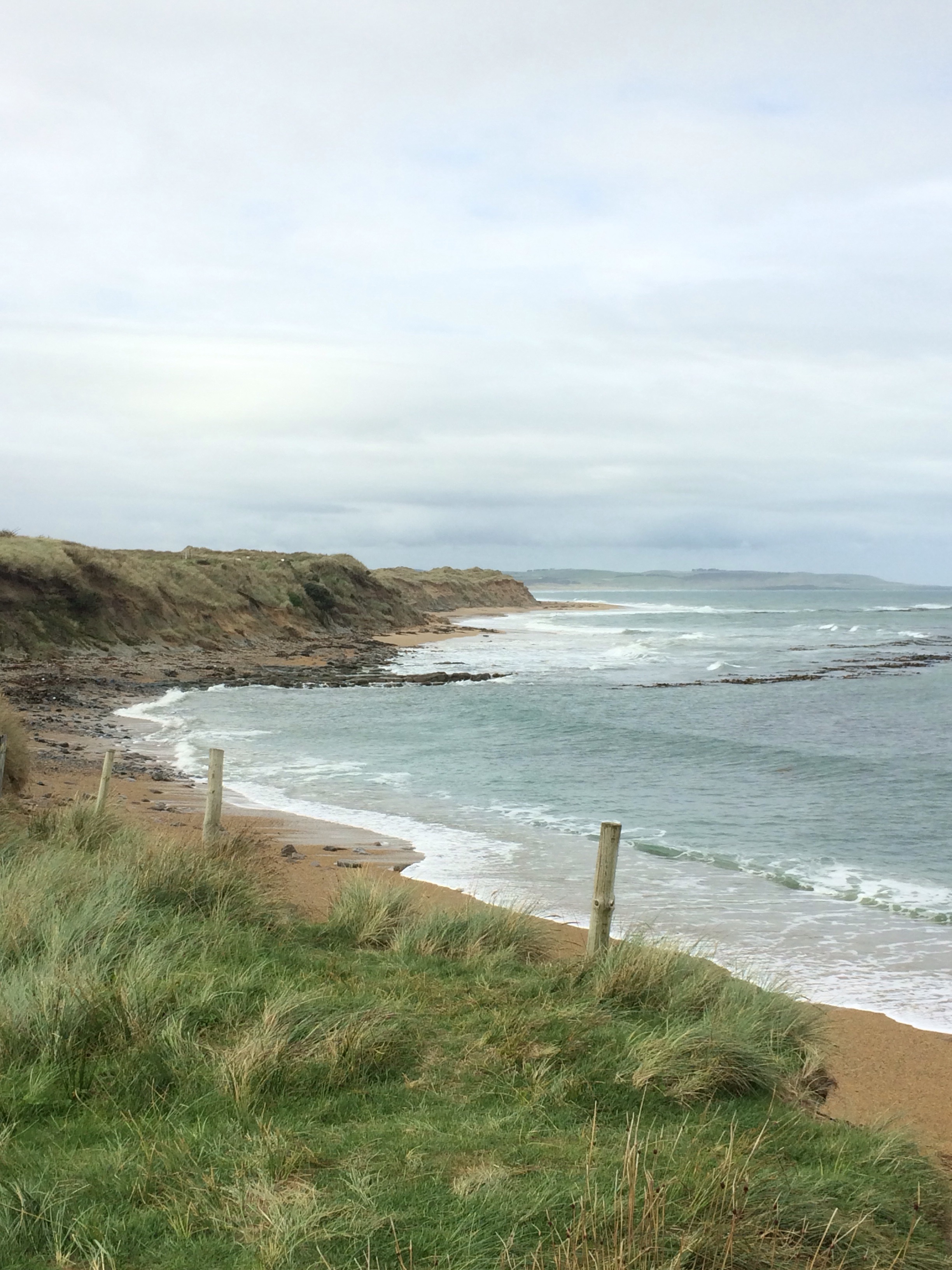
The next day we went to The Catlins, which is an area on the south coast about 70km east of Invercargill. We spied some dolphins but sadly no sea lions, even though they are quite common in this area.

   After picking up some people from the Stewart Island ferry, we hot-footed it back to Queenstown.

The next day I headed south again, on a day trip to Doubtful Sound. Doubtful Sound is much bigger than Milford Sound, and is more difficult to access. We drove to Manapouri before taking a boat trip across Lake Manapouri. We then drove over Wilmot Pass (which is not connected to any other roads in NZ) before arriving at Doubtful Sound for a 3 hour cruise.


I really enjoyed this cruise, we saw bottle-nosed dolphins, and although it was raining a bit, the clouds were much higher than they had been at Milford Sound, so we were able to enjoy the waterfalls and the scenery.

  
We had an eventful journey back to Queenstown. Our bus broke down so we all had wait a short while for a couple of the other buses in the area to pick us up. We got back to Queenstown at 8.30pm, after a 7am start, so it was a long day. And after a long day, there’s only one way to finish it off in Queenstown – with a Fergburger. The best burgers in the world. Also, with it being quite late on, there was no queue!

Time to head north tomorrow, to the Mt Cook region. Fingers crossed for decent weather so I can get out walking.

Easter Weekend

We arrived in Wanaka on Good Friday. It was extremely busy as there was an air show on in addition to it being a long weekend.

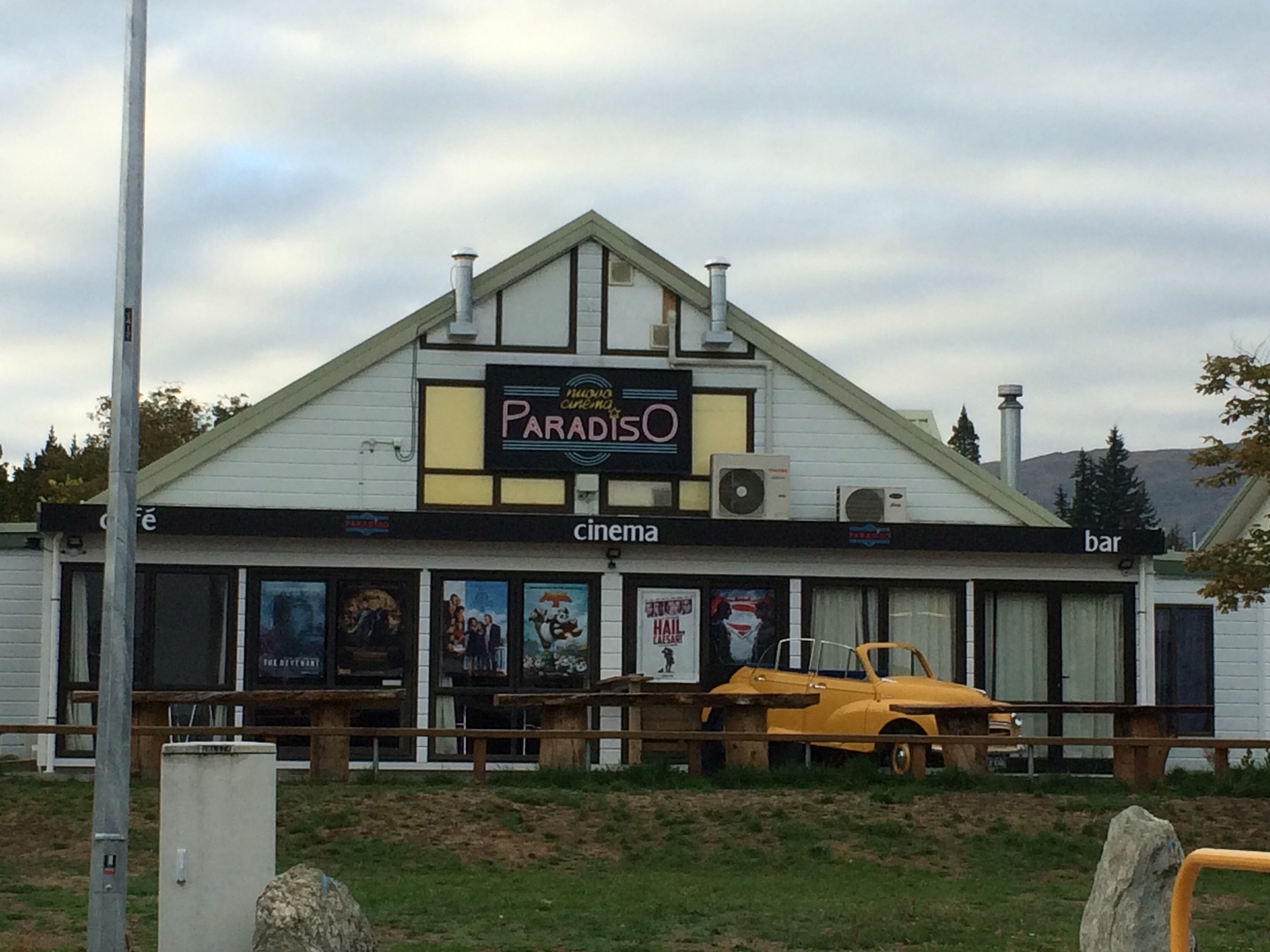
We arrived late afternoon, and after sitting on the lake with an ice cream, enjoying the sunset and a few planes flying by, I went to the cinema. You may think it’s a bit odd to go to the cinema on my one night in Wanaka, and on a Friday night as well, but this isn’t any old cinema. This is Cinema Paradiso, which gets a decent mention in my Lonely Planet. The cinema has sofas, and there is an intermission about an hour into the film where you can buy freshly baked cookies. 

  
I went to see Batman v Superman – a bit confusing, and loads of CGI.

Another reason for going to the cinema instead of sampling the local nightlife is that you basically cannot buy alcohol in New Zealand on Good Friday or Easter Sunday (there are some loopholes along the lines of staying in a hotel and buying a meal at the hotel restaurant allows you to buy one drink). Not that I’m an alcoholic or anything, but being away from home gets me in the holiday spirit, and being on holiday means drinking most day. I’ve been on ‘holiday’ for 3 months now so probably could do with a few days off the booze.

Anyway, the next morning I woke early and was out of the hostel and wandering around town at 8.30am. Wanaka is a really nice little town, kinda like Queenstown but with a more laid back vibe. Probably should have spent another night here in hindsight, but nevermind. The bus left at 9.45am to take us to Puzzling World, just outside Wanaka. Puzzling World has loads of illusions and a giant maze, and is kinda cool. They had a wall of hollow Einstein masks, but your eyes trick you into thinking you are looking at the outside of the mask instead of the inside. I promise you that all these are the hollow inside.

  
We left Puzzling World at about 11.30am and set off for Queenstown, self styled ‘adventure capital of the world’. We stopped off at Kawarau Bridge, home of the world’s first commercial bungy jump. We watched a few people jump, but no one from our bus did it. We also watched a short film on how bungy jumping was invented and became commercialised.

  
We arrived in Queenstown mid-afternoon, and my first task was to go in search of a new pair of walking boots after mine started taking on water from underneath in Franz Josef. With my new boots acquired, I had a walk around the lakefront, and through a local craft market. In the evening we had a boat trip on Lake Wakatipu with a burger and a free drink whilst watching the sunset. It was pretty spectacular to say the least:  


After a couple of drinks in the hostel bar, it was a pretty early night as I had an early bus in the morning to Dunedin.

I arrived in Dunedin around lunchtime on Easter Sunday, and to say it was quiet was a bit of an understatement. Not a lot was open and there were very few people about. After a little walk around to get my bearings, I retreated back to the hostel to do some much needed laundry. Cheapest so far, only $2 for a wash.

As it was so quiet, and there was little else to do in the evening, I went to the only thing open – the cinema. I’ll be turning into a film buff at this rate! This time it was My Big Fat Greek Wedding 2, which I found surprisingly poignant.

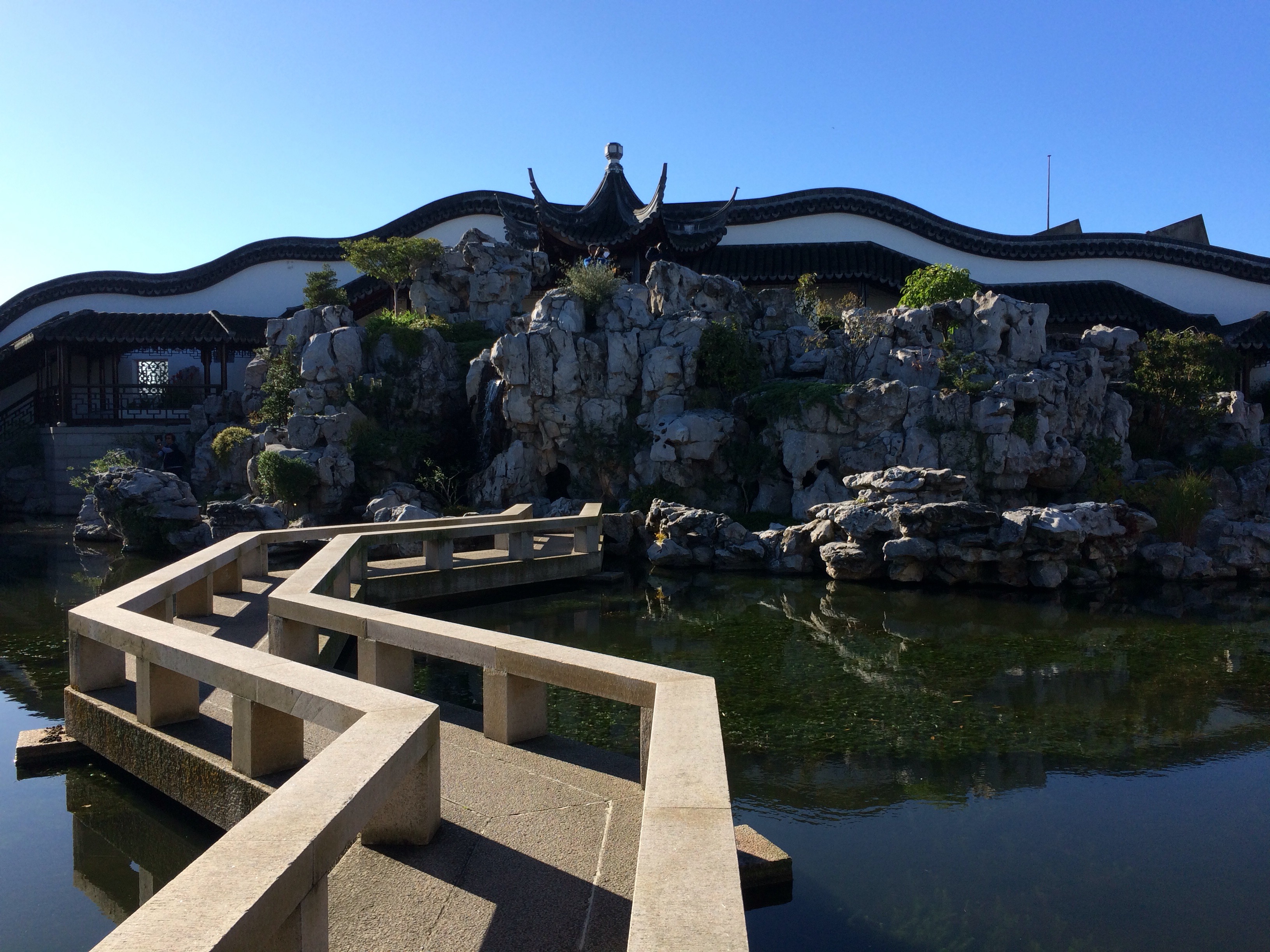
Easter Monday was back to something approaching normality. Things were open so I was out of the hostel mid morning to see what Dunedin had to offer. First up, the Chinese Gardens. It turns out that the Chinese have a longish history with Dunedin following the gold rush in the 1800s, and there is a decent sized Chinese population in this area.

The gardens were opened in 2008 (i think, I don’t remember them being here in 2004), and are very tranquil and peaceful.

  
Next, I went to the Otago Settlers Museum, which was an interesting look at how various peoples settled in Dunedin and Otago, including the Maori, and the Scottish. Dunedin has a strong Scottish heritage, which is patently evident from walking around the city. It definitely felt like I was in a city in northern Britain. They even have a statue of Robert Burns in the city centre.

  
Next up was a tour around Cadbury World, and more free chocolate than I could shake a stick at. British people – be warned that Cadburys chocolate tastes weird in Oz and NZ. They put extra ingredients in to stop it melting in the heat.

  
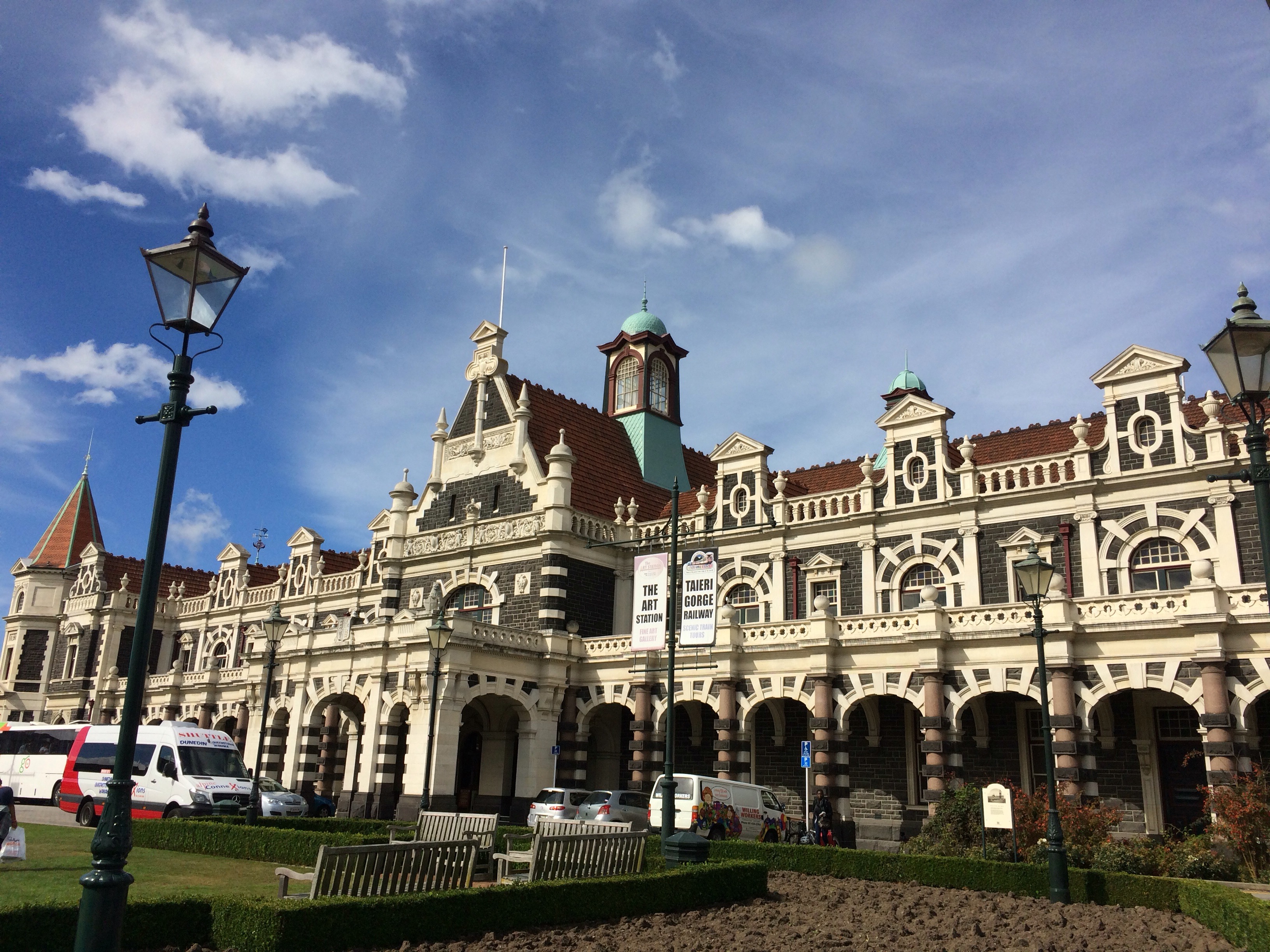
Finally on Easter Monday I had a quick walk around Dunedin Railway Station, apparently the second most photographed building in the Southern Hemisphere. Guess what’s first?

  
After a hectic day I had a quiet evening in the hostel.

The next day I went to the Botanical Gardens, and had a nice long walk around there.

In the afternoon I went to the Otago Museum, which had quite a few exhibits including some personal possessions belonging to Sir Edmund Hillary from the first successful ascent of Everest.

I then had a quick look around Dunedin Art Gallery in the hope that the more I look at art, the more I might ‘get’ it.

After a long day walking around in my new boots, it was time to put my feet up in the evening.

I had one final morning in Dunedin before getting the bus back to Queenstown. I spent most of the morning searching for eye cream and consuming vast quantities of my new favourite drink – chai latte.

After a seemingly never-ending bus journey back to Queenstown, I arrived back at around 7pm, and am bracing myself for another early start as we head to Milford Sound.

Wellington and the West Coast of the South Island

It’s been a while so strap in for a long-ish update.

After 2 days of rain in National Park village (where I caught up on my previous blog posts), we headed south to Wellington (or Wellie-bobs as mum called it 😄). It was still raining when we arrived in Wellington. I went on a tour around the parliament building in the afternoon. The NZ parliament building is known as the Beehive:

  
It continued to rain after I’d finished the tour so then it was a quick dash to the supermarket and then an evening of reading and watching Dawson’s Creek on my iPad. The dialogue is as wordy as I remembered, Dawson’s hair is terrible, I would totally still wear Joey’s wardrobe, and the soundtrack is awesome.

The next day I visited the Te Papa national museum. It is a massive museum over 6 floors with lots of different exhibits including lots of stuff on plate tectonics (you’ll remember from an earlier blog post that I like all that kind of stuff), wildlife in NZ (lots of which is only found in NZ), and an interesting exhibit on Gallipoli. I spent a good chunk of the day there before heading to the Wellington Museum later in the afternoon.

After being a bit museumed out, I went for a long walk around the botanical gardens the following day. You can take a cable car from the city centre up to the botanical gardens, where you get a great view of the city.

    
After a nice walk around the gardens I headed back to the centre for a wander round, followed by a nice pint of cider. Although it should probably have been a Guinness as it was St Patrick’s Day.

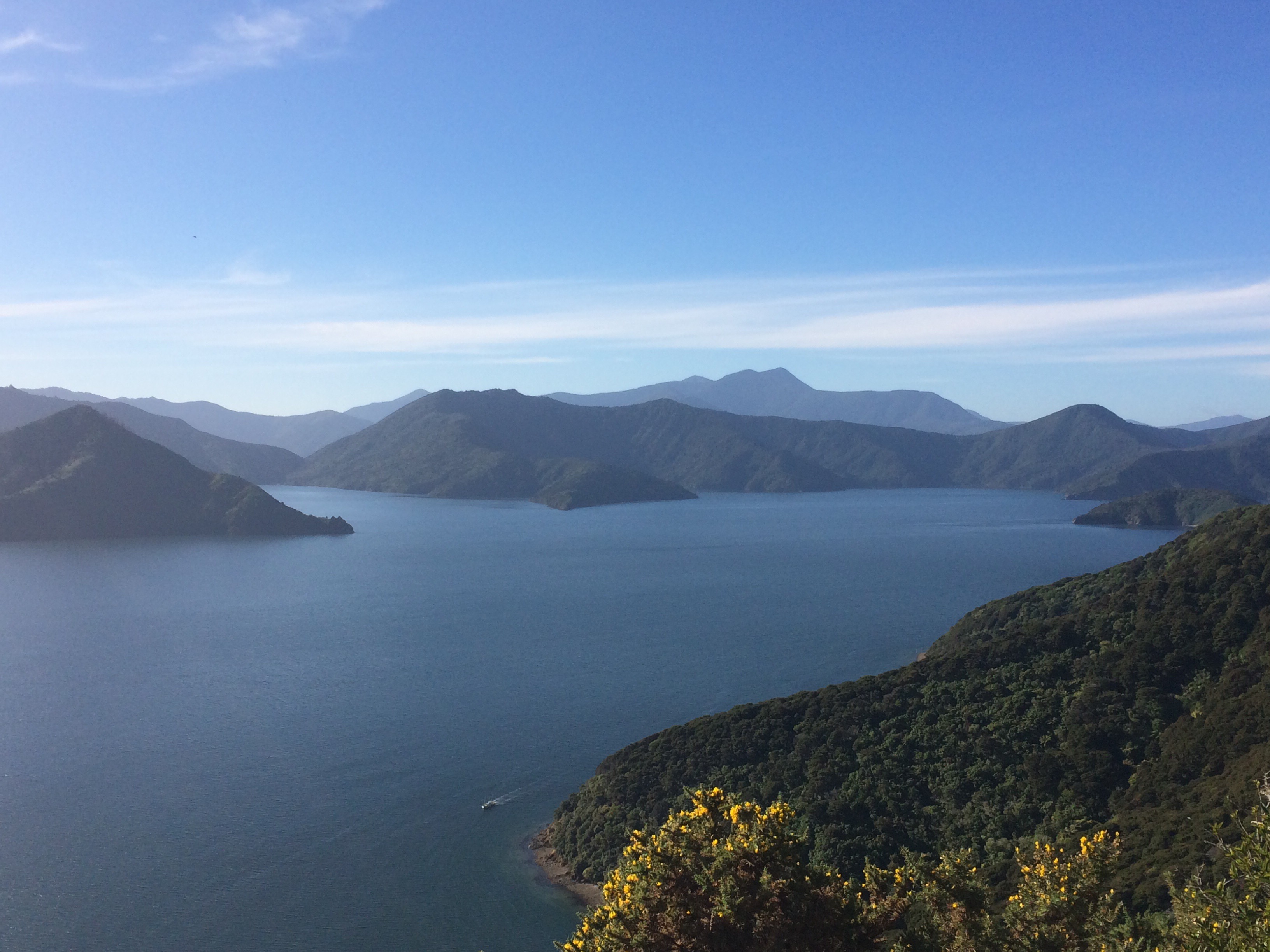
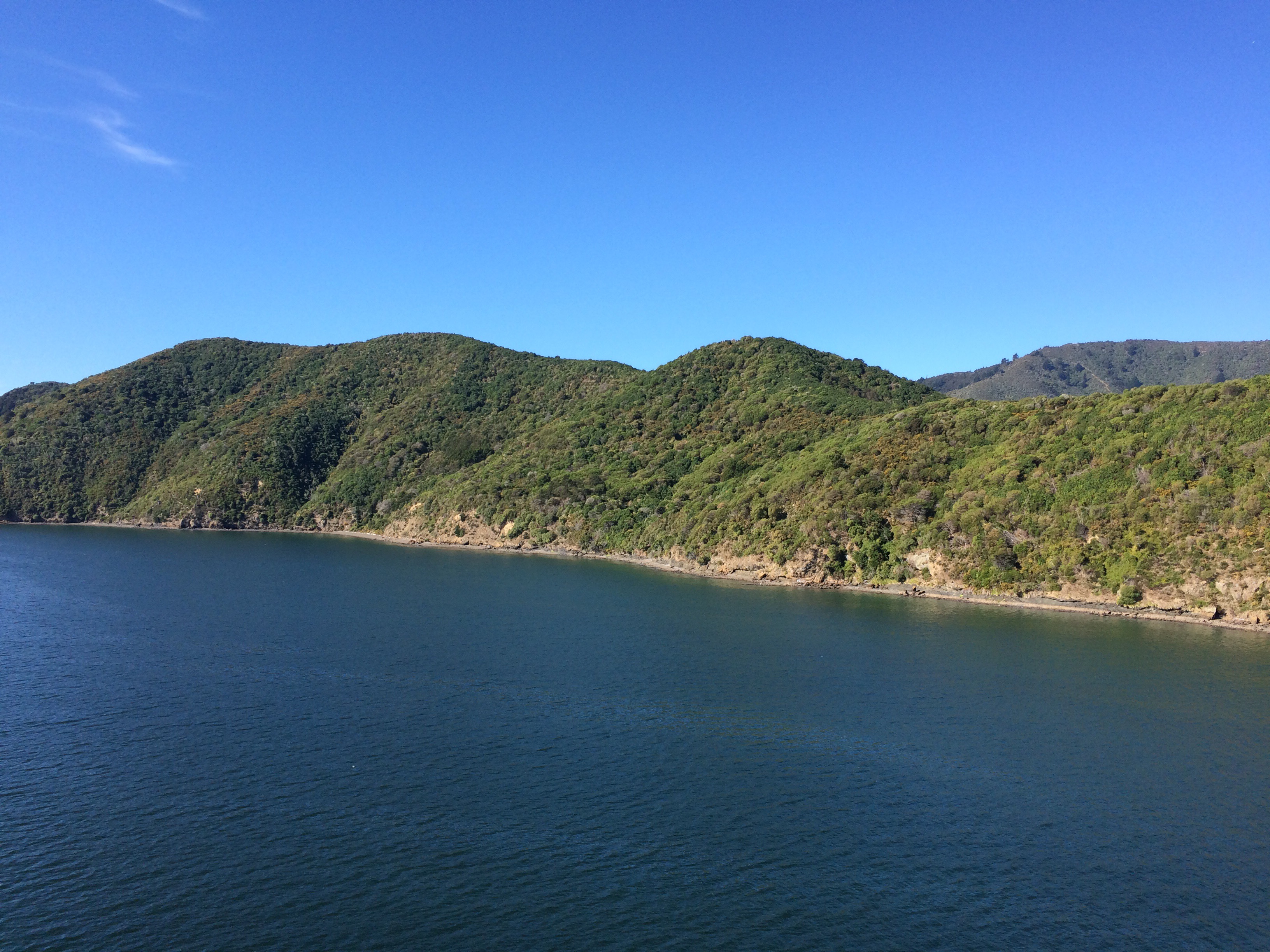
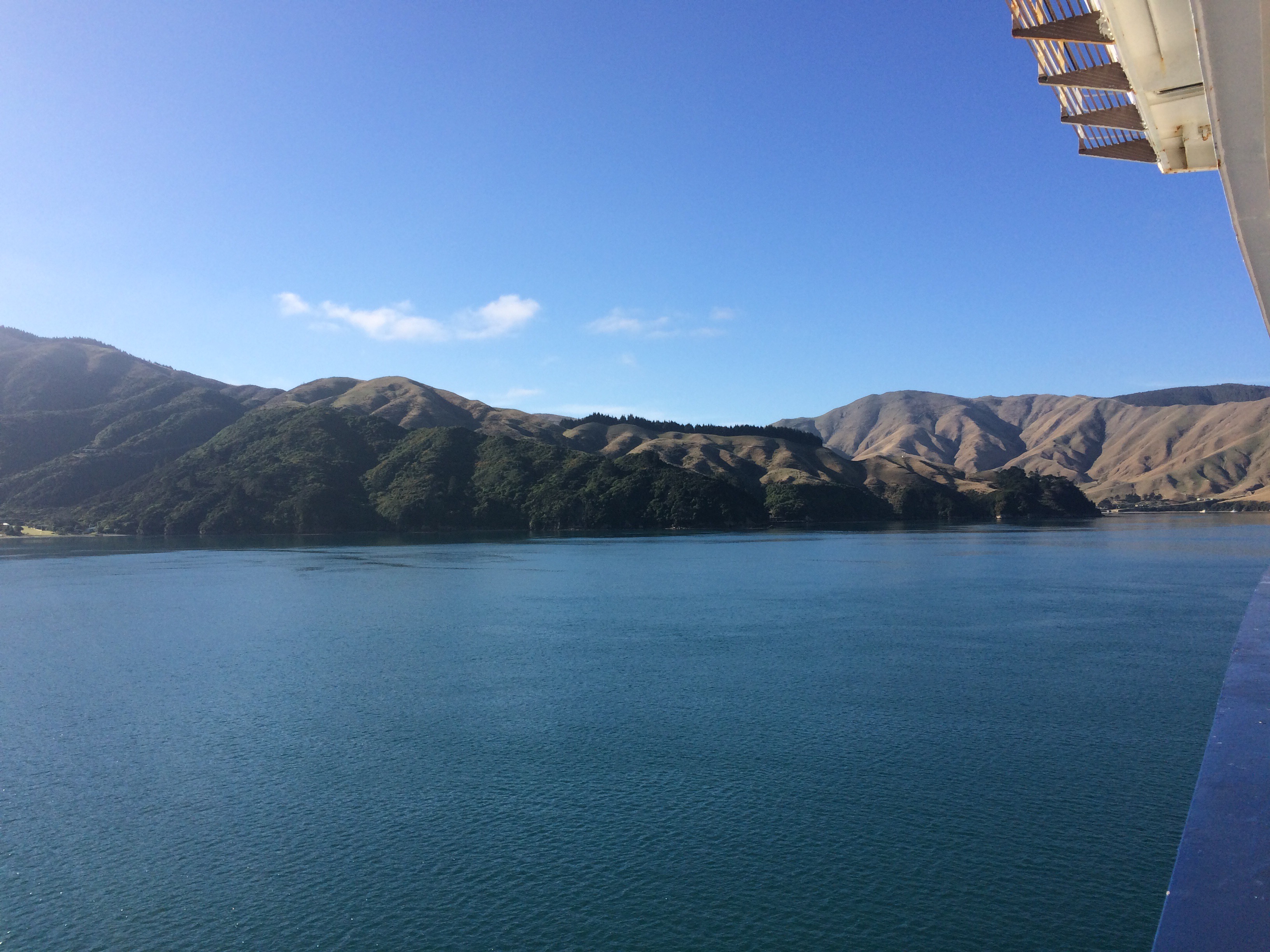
The following day was an early start to catch the ferry to the South Island. The Cook Strait (which separates the 2 main islands) is a narrow stretch of water, but the ferry journey is 3 and a half hours as the ferry has to negotiate its way through the Marlborough Sounds. We arrived in Picton at lunchtime and then drove through Nelson (doesn’t bear much resemblance to either the one in Lancashire or the one in south Wales) before heading to the next stop in Marahou. Marahou is on the edge of Abel Tasman National Park, and it’s not somewhere I’ve been on either of my previous 2 trips to NZ. 

I stayed 3 nights (2 full days) in Marahou. On the first day I did a trip which involved about 3 hours of kayaking in the morning, out from Marahou to Watering Cove, and then a 4 hour (12km) hike back to Marahou on the Abel Tasman Coastal Path. It was absolutely stunning.


The following day I walked back along the coastal path for about 90 minutes and fell asleep on a beach for most of the afternoon.

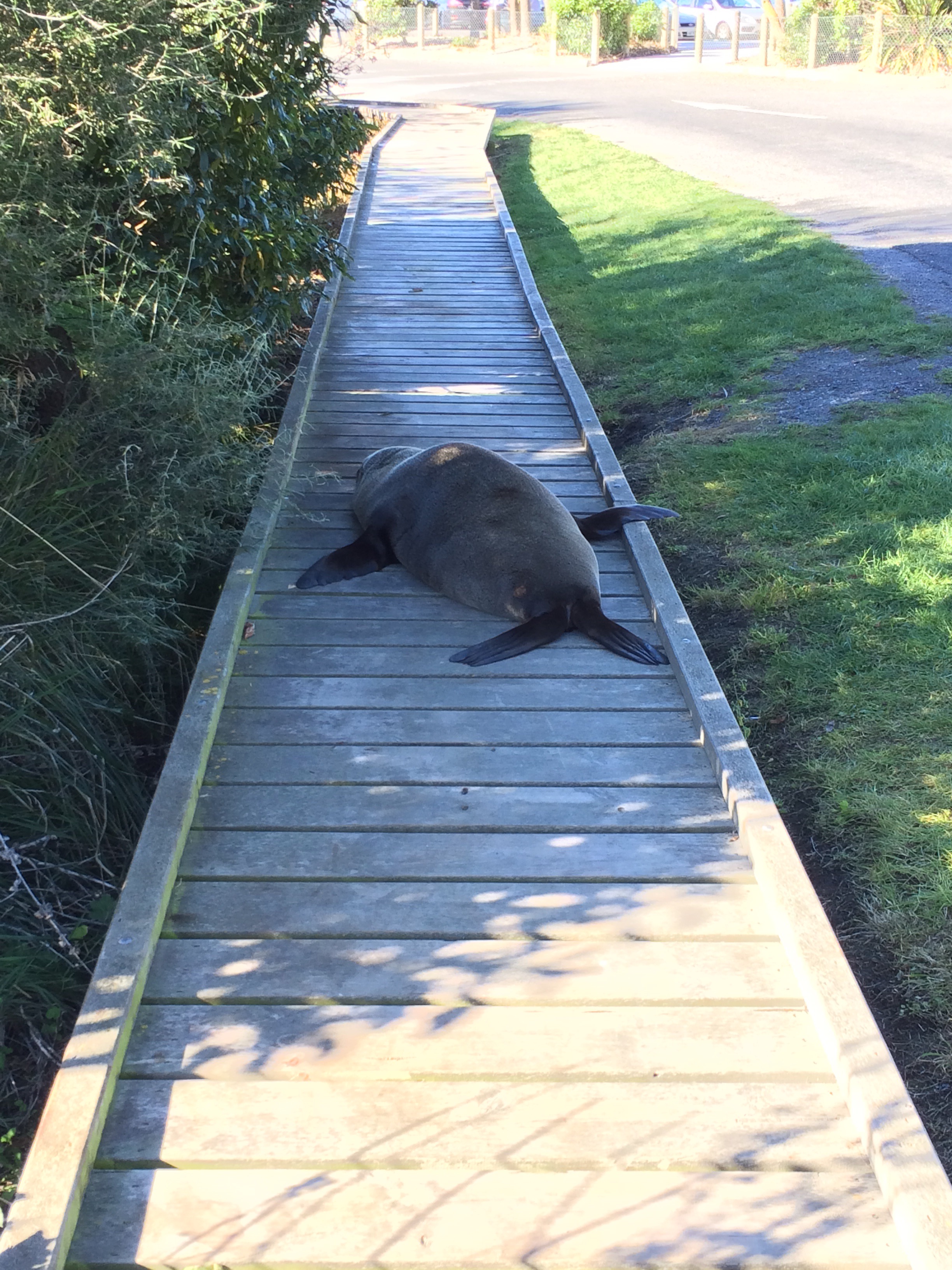
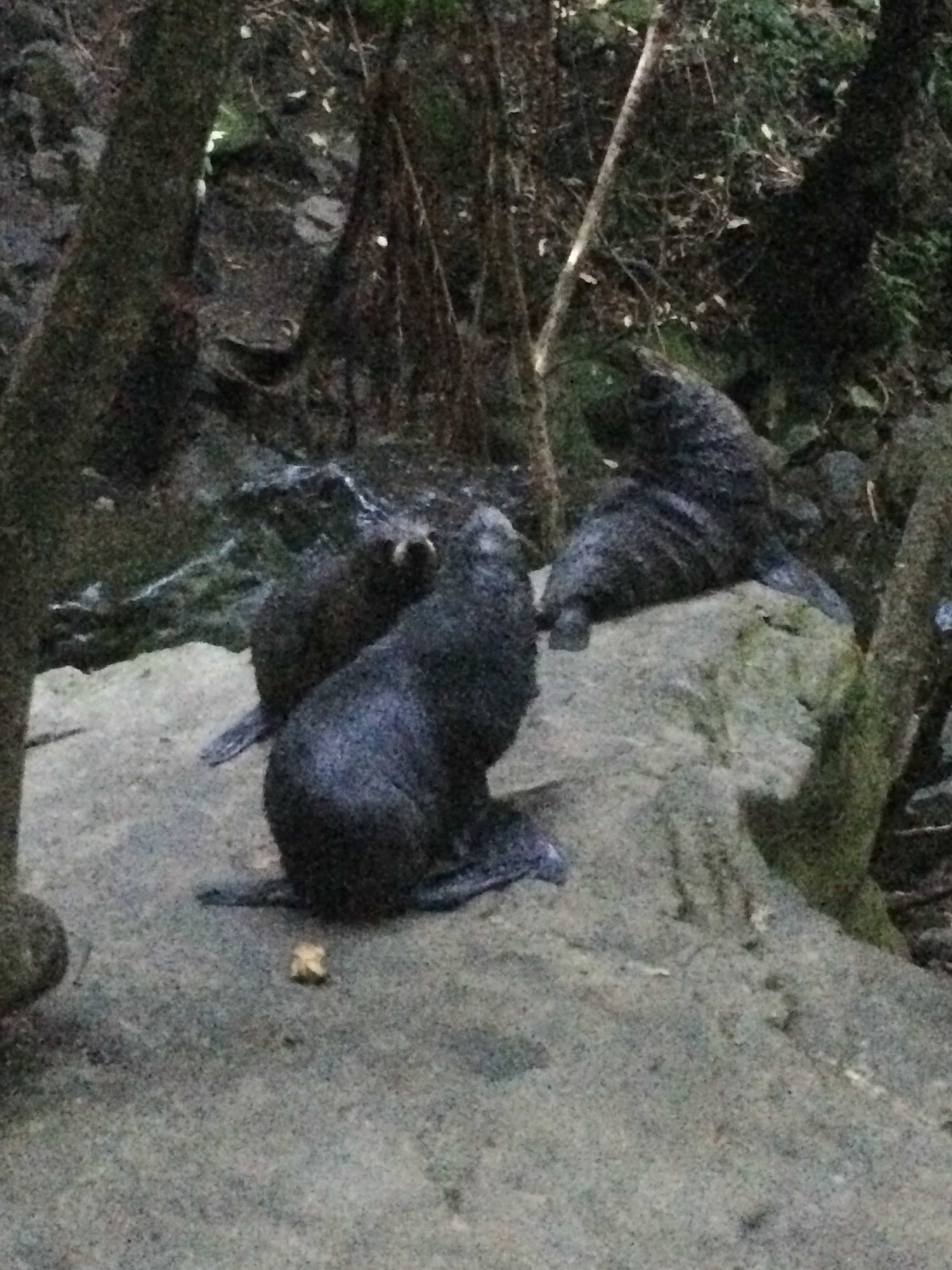
The next day we continued our journey down the West Coast to Westport. There’s not much to see in Westport itself, but nearby is Cape Foulwind where there is a sea colony (spot the seals!)

  
In the evening we had a scavenger hunt around Westport. It’s a town where you have to make your own entertainment.

We continued our journey down the west coast the next day. The first stop of the day was at the pancake rocks. Guess how they got their name:

  
After stopping in a rainy Greymouth for supplies, we headed to Franz Josef Glacier where we were staying for 2 nights. One of the best things I’ve done previously in NZ was take a helicopter flight to the glacier and then spent a few hours walking on the glacier. Having done this before, I couldn’t really justify doing it again, and it turned out to be just as well because for the 2 nights we were in Franz Josef it absolutely poured down. Part of the town was flooded when the river burst its banks, and the whole town was issued with a ‘boil water’ notice. It made the national news here.

As the weather was fairly miserable, I had several glasses of wine on our first evening there whilst watching England produce another fine batting collapse against Afghanistan. The satellite signal couldn’t cope with the weather and gave up when we were 85-7.

After a slightly slow start the next day (and with the weather, there was no need to rush!), I went jade carving with one of the girls on the bus, and then we walked to a glacier viewpoint:

  
The glacier is somewhere in the clouds!

Typically, the day we left Franz Josef was a beautiful day. We stopped to look at Fox Glacier (seeing as we were unable to see Franz Josef Glacier):

  
And we also had a short walk to Lake Matheson, which is a mirror lake:

  
Mount Cook and Mount Tasman are the 2 peaks on the right, though I forget which way round they are.

As we drove towards Wanaka, we passed lots more stunning scenery. I will never get tired of looking at these views.


As Wanaka is inland, I’ll talk about that on my next post. Hopefully I’ll get myself organised and post it in the next couple of days.

Tongariro Alpine Crossing

We awoke at some ungodly hour (5am) in Whakahoro so that we could drive to National Park to do the Tongariro Alpine Crossing, one of the best one-day walks in the world according to Lonely Planet. It would be hard to disagree with that statement.

We arrived in National Park Village at around 7.45am, and I hired myself some walking poles as I’d found them invaluable on the Inca Trail last November. After a warming cup of hot chocolate we set off for the start of the crossing at Mangatepopo car park. It was a beautifully clear day and we had 19.4km of hiking ahead of us.

  
The first hour or so of the hike was relatively flat, but we started to climb in the second hour. The track is well marked out, but the terrain wasn’t always easy to walk on. This is a live volcanic area and there is a lot of loose rock around.

After the first ascent we arrived at the south crater and had a rather glorious view of Mt Ngauruhoe (now-roo-ho-ey), probably better known these days as Mt Doom in the Lord of the Rings films.

 
The volcano has such a wonderful, conical shape. It’s really something to behold.

We then walked through the south crater:


There was the option, if you were particularly fit and a speedy walker, to climb Mt Ngauruhoe, but that was never an option for me in the timeframe that we had.

There was then another ascent to the Red Crater:


Then there was a final ascent to view the Emerald Lakes before what I can only describe as a terrifying descent down a narrow path with lots of very loose volcanic sand and rocks.


This next picture doesn’t really capture the magnitude or scariness of the descent. It makes it look like a gentle walk downhill, but I assure you it wasn’t!


We stopped at the Emerald Lakes for lunch. We’d been walking for about 3hrs and 45 minutes at this point.

After lunch we headed on to the Blue Lake


And after this, we continued the long descent to the finish point at Ketetahi car park. There were some glorious view of Lake Taupo in the distance (behind the hills) on the way down:

 
As well as a reminder that this is an active volcanic zone with steam coming out of the mountain:


In the end it took me 7 hours and 15 minutes including breaks. We were given 8 hours to complete it (that’s when the bus would pick us up from the finishing point). Big thanks to my walking buddy Tamsin for keeping me going despite numerous breaks.

After coming here with G Adventures in November 2014 and not being able to attempt the crossing due to the poor weather, I’m so glad I was able to complete it this time round. I highly recommend doing this if you are ever in New Zealand, but don’t take it lightly. This was a tough walk and if you don’t have some level of fitness, it will be a massive challenge.


A few days off the grid

After hopping back on the Stray bus, we headed about an hour out of Rotorua to Lake Aniwhenua. Definitely not on most tourists/backpackers hitlist. 

We stayed in a lodge on the edge of the lake run by a local Maori family who are trying to regenerate the area through tourism. The nearby town of Murupara was very prosperous due to the forestry industry around 30-40 years ago. One of the largest man made forests in the Southern Hemisphere, Kaingaroa Forest, is close by, and was the centre of the local industry. Unfortunately in the intervening years, there have been changes in the forestry industry which means that Murupara is now a very poor area with lots of poverty, which was evident as we drove through the town.

The family who run the lodge recognise that the local area has lots of features which would be ideal to attract tourists – lakes, rivers, forests, waterfalls and other awesome scenery and are trying to encourage the tourist industry to grow.

We had a stop at some stone carvings which pre-date the supposed arrival of the Maori in NZ by around 400 years. The Maori arrived in the 1400s and these carvings have been dated to around 1050:

  
We then went to see a waterfall near to the lake before heading to the lodge on the lake itself.


The lodge offered several activities including kayaking, cooking and eeling. I opted for some traditional Maori weaving and created this ‘unique’ bracelet:

  
I may have been drinking whilst doing it…

We had a traditional hangi feast for dinner. A hangi is when the food is cooked on hot stones underground. Huge joints of pork and whole chickens, along with kumara (sweet potato) cook in around 2 and a half hours. The food was delicious.

  
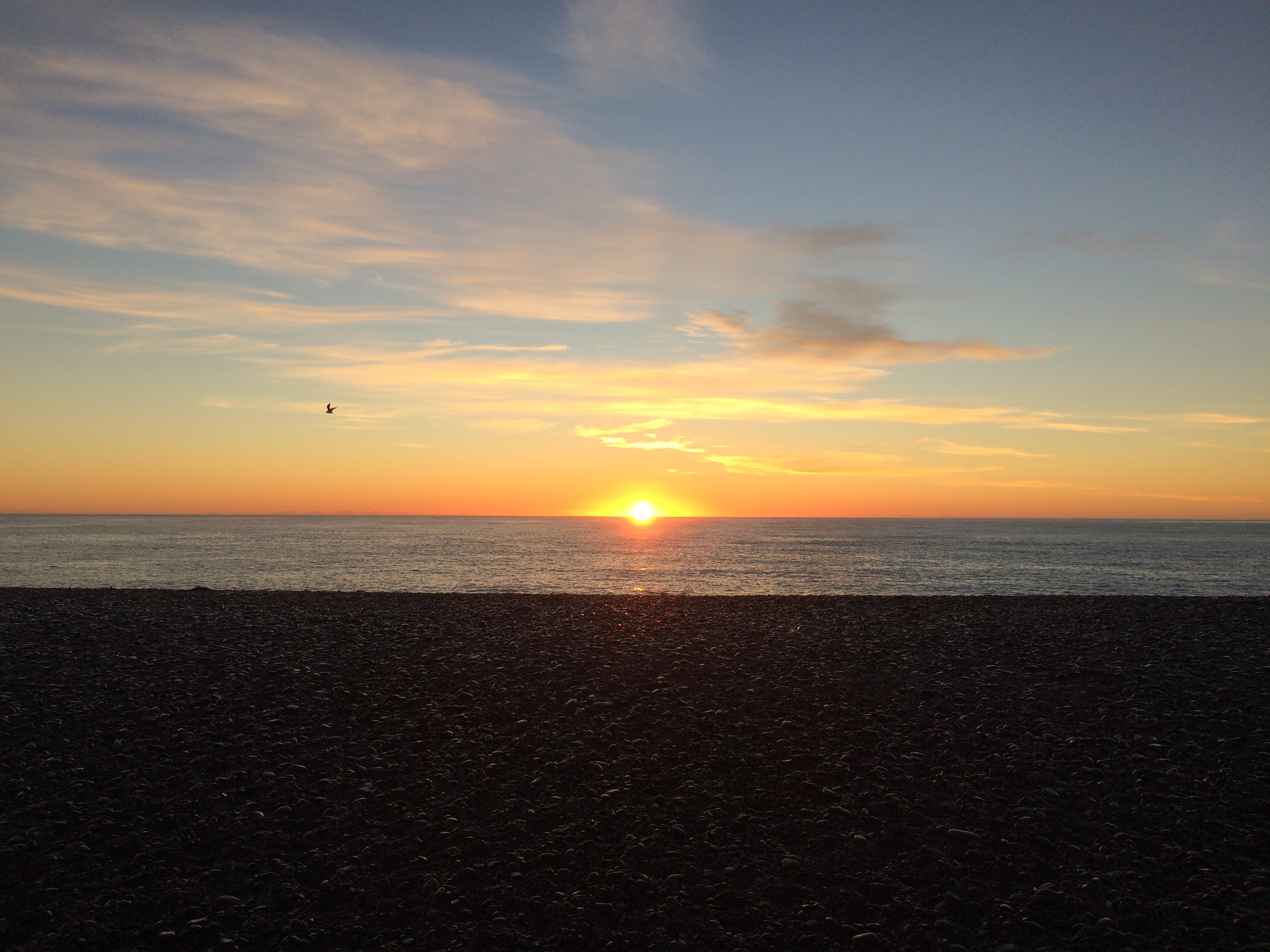
The evening saw yet another spectacular sunset. I’ve lost count of how many of these I’ve seen.

  
The next day we stopped by the local school in Murupara to drop off leftovers from our hangi. A lot of the kids here come to school without breakfast and may not eat when they get home so the food that is provided from the lodge is invaluable. There were about 100 5-9 year olds who we met. They did a (really cute) haka for us, and sang some songs, and then we got to join in with play time. Just like the kids I met at the school in Fiji, these kids have loads of energy and are so happy and smiley. It really gives you a warm feeling inside.

After we left the school, we headed for a brief stop in Taupo. On the way we stopped at the Huka Falls. There is a tremendous amount of water flowing through here as it exits Lake Taupo into the Waikato River.

  
We then headed towards Whakahoro, where we were spending 2 nights. Again, this is not on most backpackers’ itineraries. There is no phone coverage and expensive wifi, so I was cut off from the rest of the world for a day and a half. It was quite nice not to have any internet, and as we all sat around in the accommodation in the evening, it was noted that it was nice that we were talking to each other rather than being glued to our phones.

There were opportunities for horse riding, hunting and jet boating at Whakahoro, but I opted for the gentler option of a walk to a(nother) waterfall.

  
After another ridiculous sunset, it was relatively early to bed before the 5am alarm call before tackling the Tongariro Alpine Crossing.

East Bro

For the last few days I’ve been travelling around the eastern part of the north island – lesser travelled by the backpacker, and as a result, much quieter and more chilled out.

The first day was from Rotorua to Gisborne. When we headed towards Whakatane (pronounced faka-tar-ney, ‘wh’ is ‘f’ in Maori), I got a little worried. Consult your map – Whakatane is in the opposite direction! It soon transpired though that in order to be on the main road to Gisborne, you do in fact need to go this way.

I have been to Whakatane before. In the dim and distant past on my first trip to New Zealand, I stayed for a few days in Whakatane with friends of my grandparents (hello Grandma *waves* – I know you’re reading this). This time we didn’t stay long in Whakatane, just long enough to stock up at the supermarket. We then headed along the coast to Opotiki before heading south towards Gisborne. Some beautiful coastline on the northern coast:

  
I stayed in Gisborne for 3 nights – essentially 2 days as it was the evening by the time we arrived. This area is famous for being where Captain Cook first sighted land and came ashore. His crew promptly shot and killed several Maori who were performing their traditional welcome – killing the indigenous population seems to be something of a calling card… This memorial marks the area where Cook came ashore:

  
Gisborne is quite a cute little town with some great beaches and lots of wine. Thought it would be rude not to give both of these a go:


Bit of a palaver trying to catch the bus out of Gisborne. In New Zealand I’m largely travelling on a ‘hop on – hop off’ backpacker bus. You can either do the circuit just spending 1 night in each place, or you can ‘hop off’ and spend a few days in each place. I’ve booked everything in to hop off and then hop back on the bus so that I know I can get back to Auckland in time for my flight out in May, and so I was booked back on a bus out of Gisborne on Monday morning. I had 2 different pick up times given to me – 10.30am and 11am – only slightly confusing. When the bus hadn’t appeared at 11.15am I was a little worried. After ringing the office I was told they would be along just after 12 – basically if I hadn’t have rung I’d have been left behind 😳

Once I got picked up we headed north up the coast from Gisborne, and stopped at Tolaga Bay. Despite having glorious weather in Gisborne, the rain arrived in force today and stayed with us for the rest of the trip around the east. 

Tolaga Bay has a very long wharf, which we walked along in the rain.

  
After this we headed to the overnight stop at Tokomaru Bay, another gorgeous bay, even in the rain.

  
The following day we carried on our journey round the coast, stopping off at a church which had a nice mixture of Maori and Christian themes

  
We then headed to East Cape and to the most easterly lighthouse in New Zealand. After climbing 785 steps up to it, this was the view:


We stopped in a cute bay for lunch before heading to Maraehako Bay for the night. The hostel was really quirky, nestled into the bay:

  
Some of the interior was a little dated, but the bed was the comfiest one yet.

This morning after the obligatory group photo we headed back to Rotorua, where the weather has cheered up. I’d forgotten about the smell though…

  
Tomorrow I’m off to Napier for a couple of days before coming back to Rotorua once again.

Bits between Auckland and Rotorua

The hop-on-hop-off bus that I’m using in New Zealand doesn’t go everywhere that I want to go, so I’m taking a few side trips. The first of which was to the Coromandel Peninsula. I had booked a ferry ticket but due to some slightly dodgy weather the ferry was cancelled and a replacement bus service was put on.

When I arrived in Coromandel Town I had lunch and then had a trip on the Driving Creek Railway. This is a narrow gauge railway and was built pretty much single-handedly. It’s an impressive feat of engineering:


I met a chap who must have been in his 80s and he told me that he’d started backpacking when he was 70 and had visited 46 countries so far. His last trip was to India a couple of years ago and he had been planning on going to west Africa last year but Ebola put paid to that. An inspiring gentleman, and proof that you are never too old!

As the weather for the rest of the day was a bit damp, I just had a wander around Coromandel Town itself. 

Overnight there was torrential rain and it hadn’t  improved by the morning so I wasn’t holding out much hope for Hot Water Beach and Cathedral Cove. However, by the time we had driven over to the other side of the peninsula, the rain and eased off, and after a cafe stop the weather had cheered up a lot.

Hot Water Beach draws crowds of people for a couple of hours either side of low tide who starts digging pools. The water under the sand is hot. And by hot I mean burning. If you dig in the right place, you can dig yourself a very nice spa pool:

  
After spending about 90 minutes here we drove the short distance to the Cathedral Cove walk. I’d been here 15 months since on the G tour and it was just as spectacular as I remember it:


We got back to Coromandel Town in the late afternoon and I went to see some more kauri trees before getting the ferry back to Auckland.

After a laundry day in Auckland, the following day I hopped back on the Stray bus and headed south to Raglan, and laid back surf town that is how I imagine Byron Bay would have been 30 years ago. No surfing for me this time though, just a chilled afternoon admiring the views

  
The hostel that Stray usually use in Raglan couldn’t take the whole bus so some of us ended up at a different hostel about 5 minutes up the road. Definitely lucked out with this as I had my own cabin with a double bed – result!! And my best nights’ sleep in almost 2 months.

The next day we went to Waitomo Caves to see some caves and glow worms. I’d been to Waitomo when I was here in 2004 but I went in some different caves this time and we were allowed to take pictures of the glow worms (last time I was here we weren’t allowed to take pictures inside the caves). My camera is a bit rubbish, but you can just about see them here:

  
My eyes could see a whole lot more than this.

After Waitomo, we headed to our overnight stop at a Maori marae in Mourea, on the shores of Lake Rotorua. A marae is a meeting house. We were welcomed into the family and then had dinner (slightly disappointingly not a hangi) before watching a show of traditional dancing and singing. After this the guys in our group learned the haka and the girls learned the art of pui dancing.

  
Sleeping was interesting as we all bedded down in the meeting house. As there were 37 of us it was certainly cosy!

The next morning was an early start as we had to be in Rotorua by 8am so that people could go to Hobbiton. As I was staying in Rotorua for a couple of days, I went to Hobbiton the following day.

We arrived far too early for me to check into my hostel so I dumped my bags and wandered around Rotorua for the rest of the morning. It smells of rotten eggs here due to the sulphur in all the geothermal activity, but it’s not too bad. In fact the smell isn’t there all the time, and it’s easy to forget about it until you get a sudden whiff of it.

I’ve had 3 days in Rotorua and enjoyed not rushing around. I went to the museum on the first day, Hobbiton on the second day, and yesterday I went to Te Puia geothermal park to see the Pohutu geyser, apparently the tallest geyser in the Southern Hemisphere. It erupts a couple of times an hour (compared to Lady Knox geyser, also near Rotorua, which goes off with some assistance as 10am each day), and while I was there it was erupting pretty much all the time.


Today I’m going onto Gisborne for a couple of days before going around the eastern cape.

The Bay Of Islands

I’ve had a week of relaxation in Paihia in the Bay of Islands. Paihia holds a special place in my heart as I spent around 3 weeks here back in 2004, and I really, really love it. This is the longest I will be in one place on this trip and it was always my intention to spend a good chunk of time here. Although my intention was to relax and take it easy this week, I still managed to get quite a lot done.

I went to the Waitangi Treaty Grounds on my first day here. It had just been Waitangi Day (on the 6th February) which celebrates the signing of the treaty between the British and the Maori. Both the New Zealand and British flags are flown here:

  
The next day I took the short ferry ride over to Russell. Russell was the first capital of New Zealand, and had something of a reputation back in the day…its nickname was ‘the hellhole of the Pacific’. These days it has a much more genteel pace of life.

I went to the Pompallier Mission which was a tannery and printworks in the 1800s. The guided tour was very informative and gave a fascinating insight into how books were printed in those days. The majority of the books were printed in Maori, and it sounds like this helped relations between the Europeans (the printers had come over from France) and the Maori.

  
There is a gorgeous beach in Russell which I sat and spent a while at in the afternoon:

  
In the evening I went river kayaking up to the Haruru Falls. This was really good fun. We went part way up the river in a boat before getting into the kayaks and kayaking the rest of the way up the river to the waterfalls. After getting a bit damp under the falls, we kayaked back downstream and enjoyed the sunset and the stars. When it gets dark, the water in the river glows which is really cool.

The next day was an early start for a day trip up to Cape Reinga at the top of New Zealand. We drove up 90 Mile Beach:

  
And went sand boarding down some enormous sand dunes:

  
We went from the highest point on the right – don’t forget to keep your mouth closed or you get a mouthful of sand!!

After lunch we made it to Cape Reinga. This is the most northerly point you can drive to to NZ, but is not quite the most northerly point.

At Cape Reinga you can see where the Pacific Ocean meets the Tasman Sea:


On the way back we stopped off for some ‘fush & chups’:

  
The following day I had a proper chilled out day following 2 fairly hectic days. I only left the hostel to go to the supermarket. Every now and then you need a day when you do nothing, even when you’re travelling!

On Monday I walked along the coastal walkway to Opua. Opua has a marina and not much else but the walk was nice and long and gave me lots of time to think.


Yesterday I went on a boat tour to the Hole In The Rock. The weather has been beautiful for most of the time I’ve been here but has just started to turn as the remnants of a cyclone are on their way. Because of this the sea was very choppy and the captain wasn’t confident that we’d be able to get all the way out to see the Hole in the Rock. Thankfully, even thought the sea was choppy, we were able to make it out to Cape Brett to see the hole:

  
We also stopped off at Urupukapuka Island, the largest island in the bay, to admire the views:

  
I’m going back to Auckland this afternoon and then onto Coromandel for a couple of days. I’ve had a lovely time in Paihia. Possibly had built it up in my head to be more than it was, after all, almost 12 years have passed since I was last here, but it’s still been good, and it’s been nice not to have to cram everything into my bag every day.