Istanbul and Cappadocia

My 6th time through Istanbul airport (and 5th time this year), and I am finally leaving it to explore a new country, Türkiye. A mid afternoon flight from Tashkent arrived in Istanbul in the early evening and after clearing the border and collecting my bags, I got a transfer to the hotel in the old town which was about a 50 minute journey.

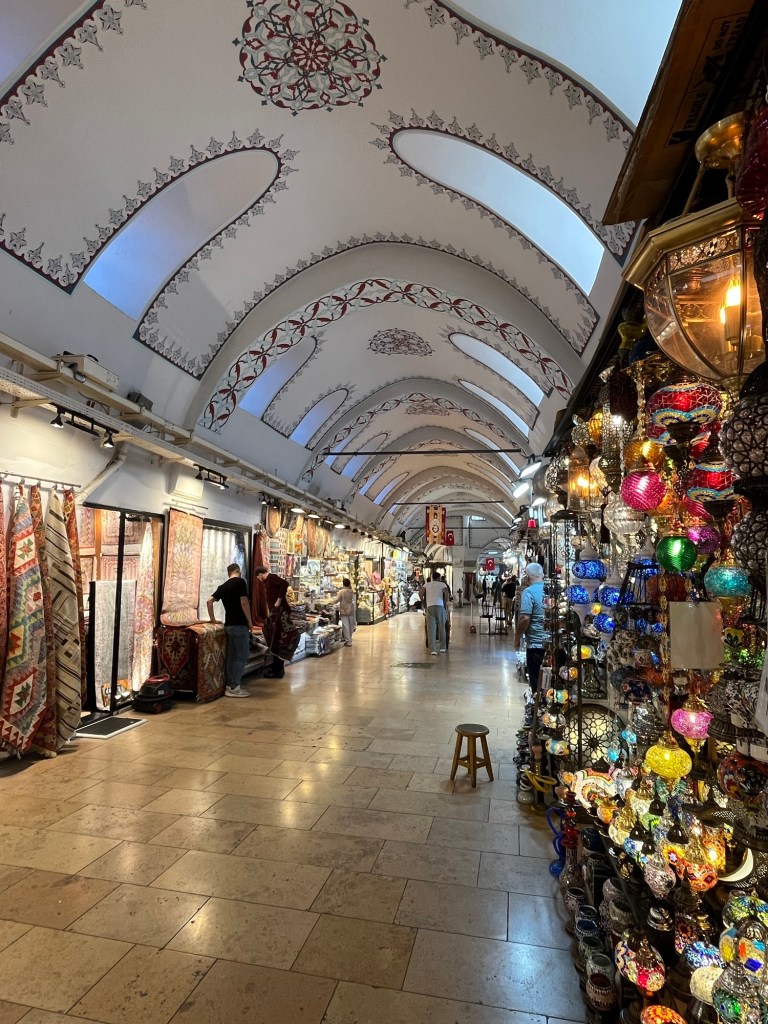
I was ready to start exploring Istanbul the next morning as I had a couple of days before my next trip started. I began with a walk uphill (hard to avoid in the old town), towards the Grand Bazaar. I have to say it was nothing like I expected it to be. I expected more of a bustling market selling everything, but it felt more of a tourist trap and the same things being sold on repeat.

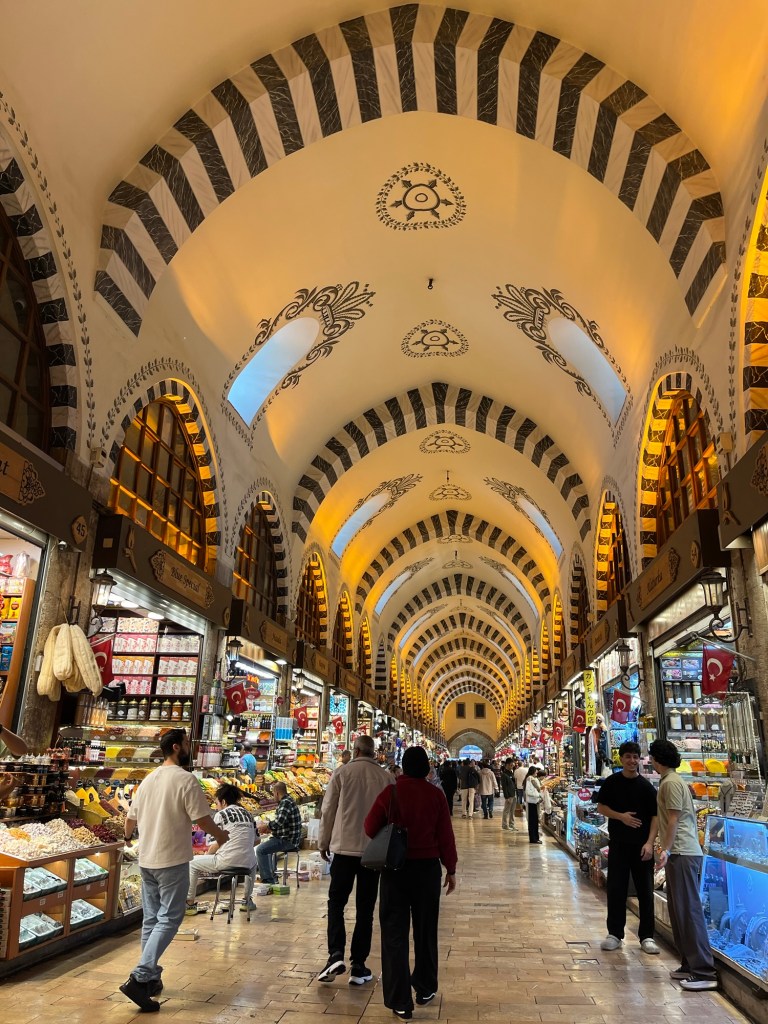
Afterwards I walked to the Spice (Egyptian) market which felt slightly less of a tourist trap, and had a bit more atmosphere with the spices and Turkish Delight being sold.
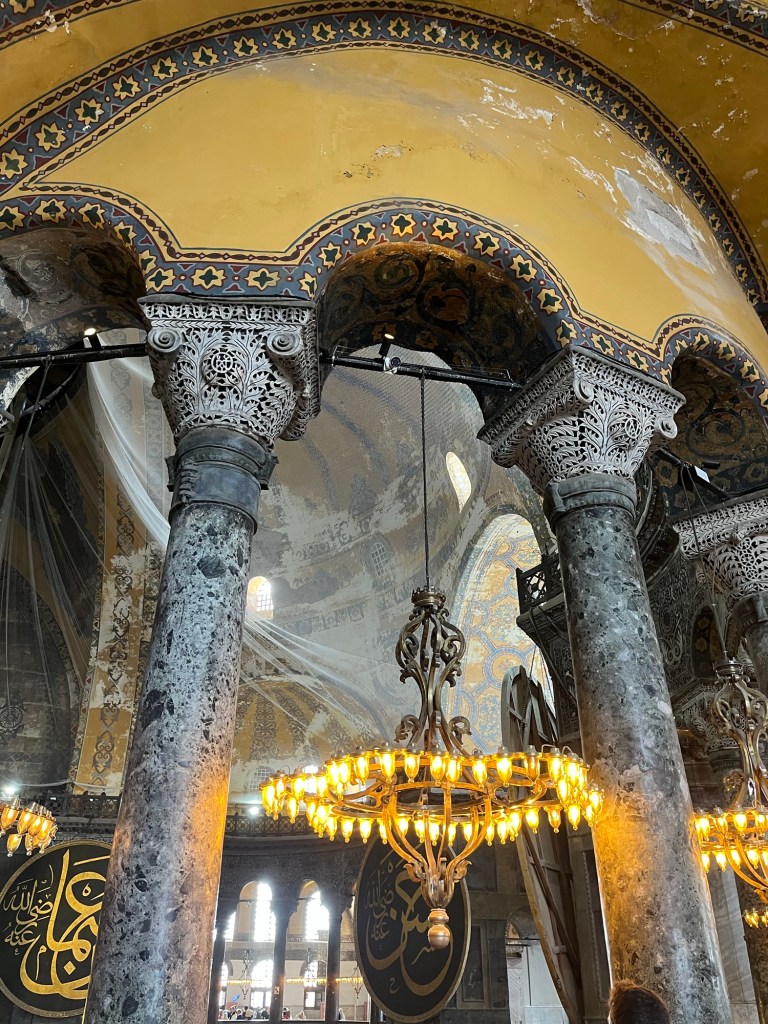
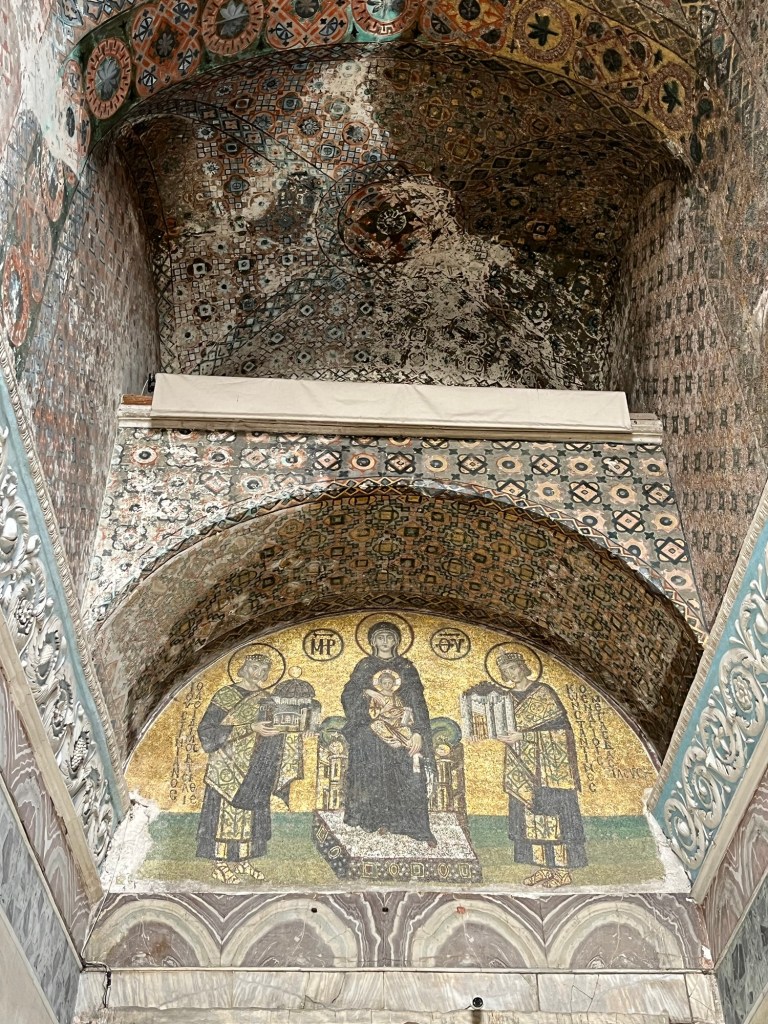
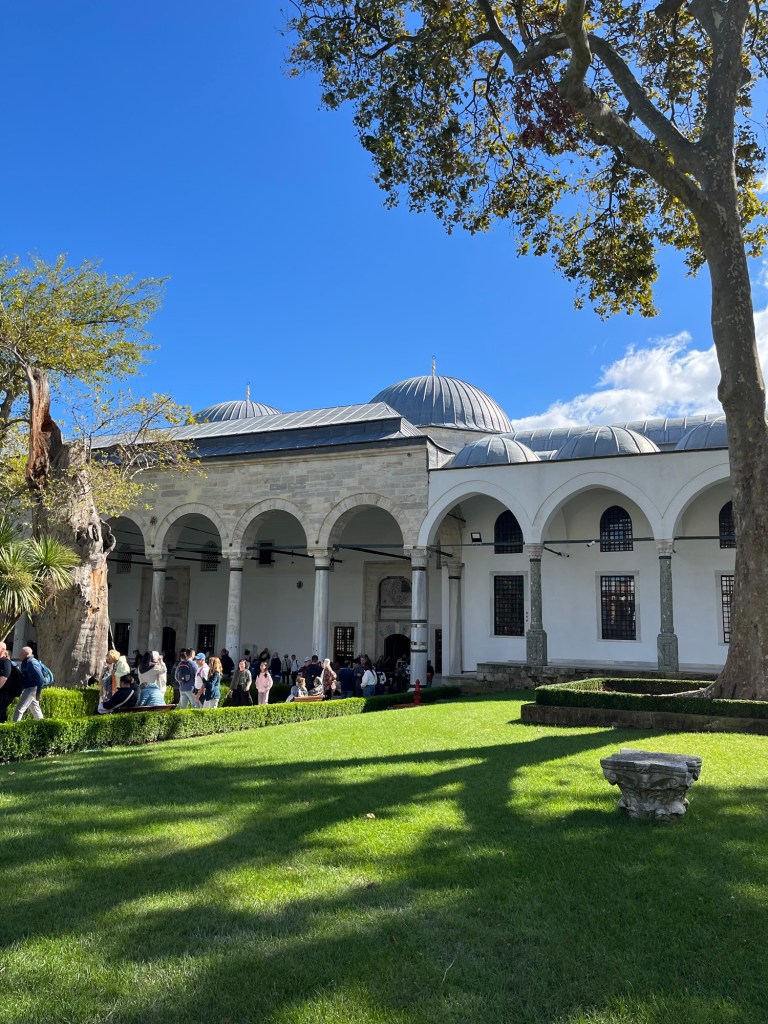
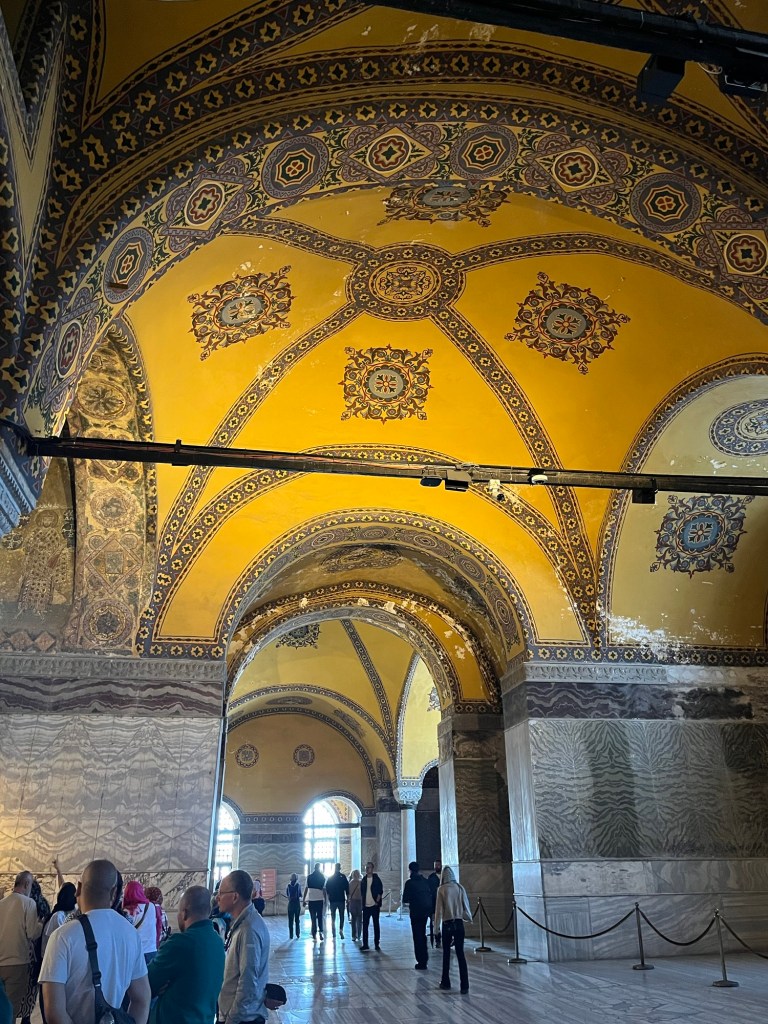
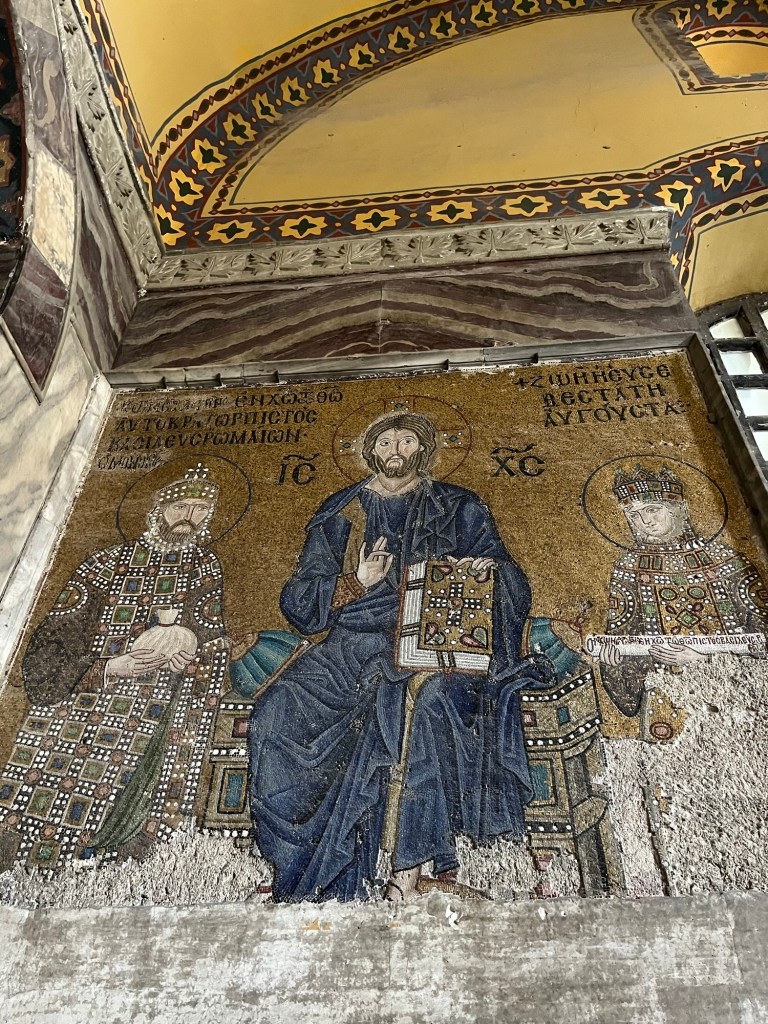
I walked across Galata bridge, and passed many people fishing off the bridge into the waters of the Bosphorus. After an enormous croissant and an hibiscus tea, it was back to the old town for a walking tour I’d booked, to the Aya Sofia (formerly Hagia Sofia), the Blue Mosque and the Basilica Cistern. The Aya Sofia is currently undergoing renovations so not quite at her best but has an interesting history having been both a church and a mosque. There are some incredible frescos depicting Christ and the Virgin Mary.
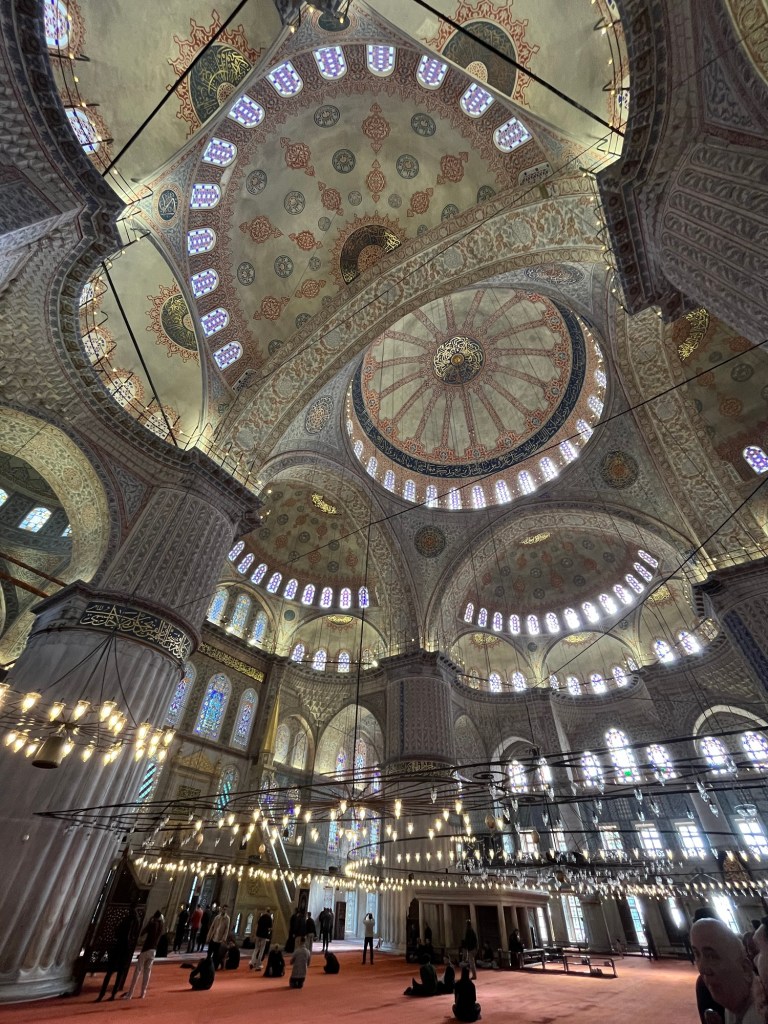
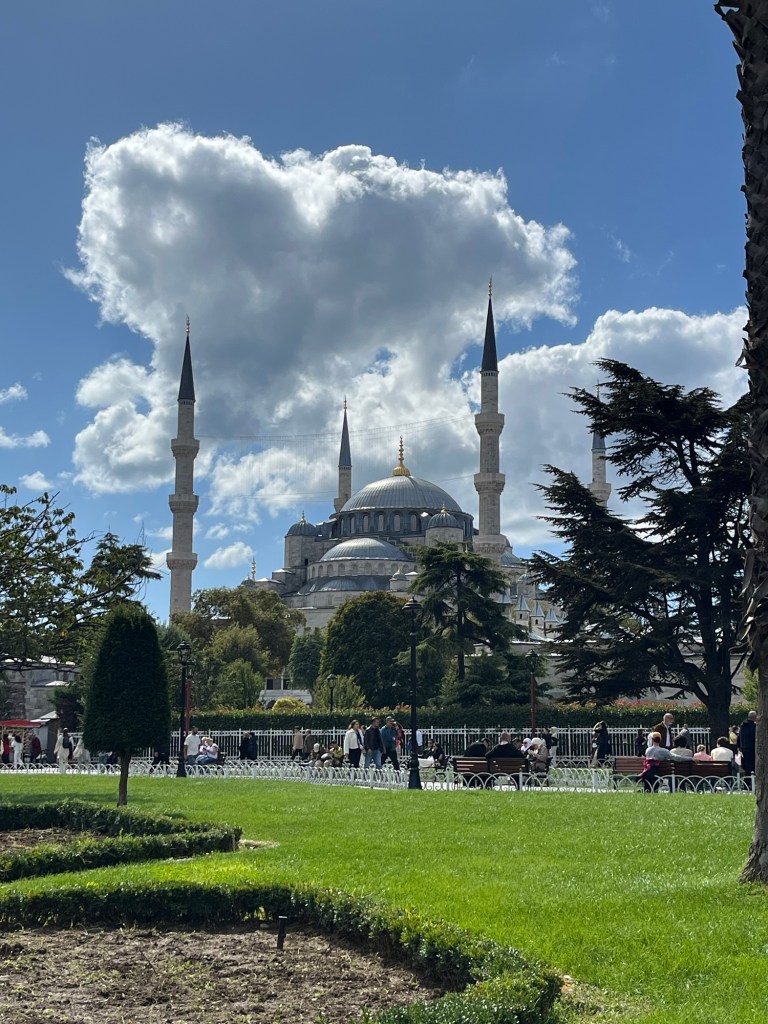
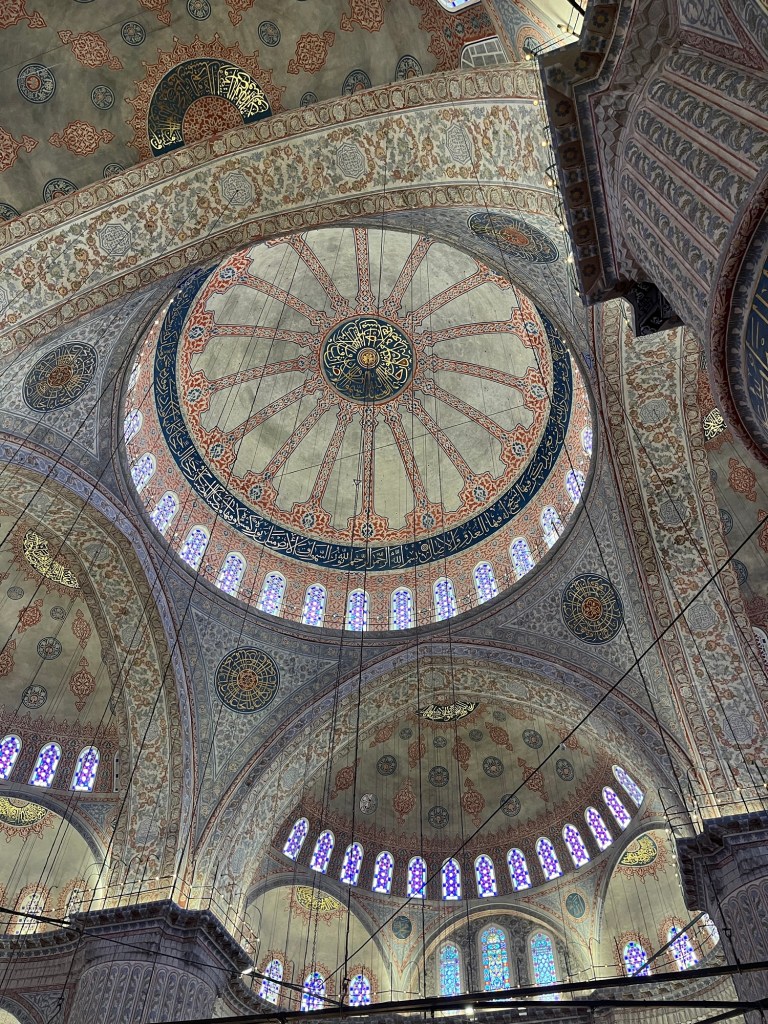
The Blue Mosque was absolutely stunning inside. The most incredible tilework, and you can certainly see where it gets its name from!
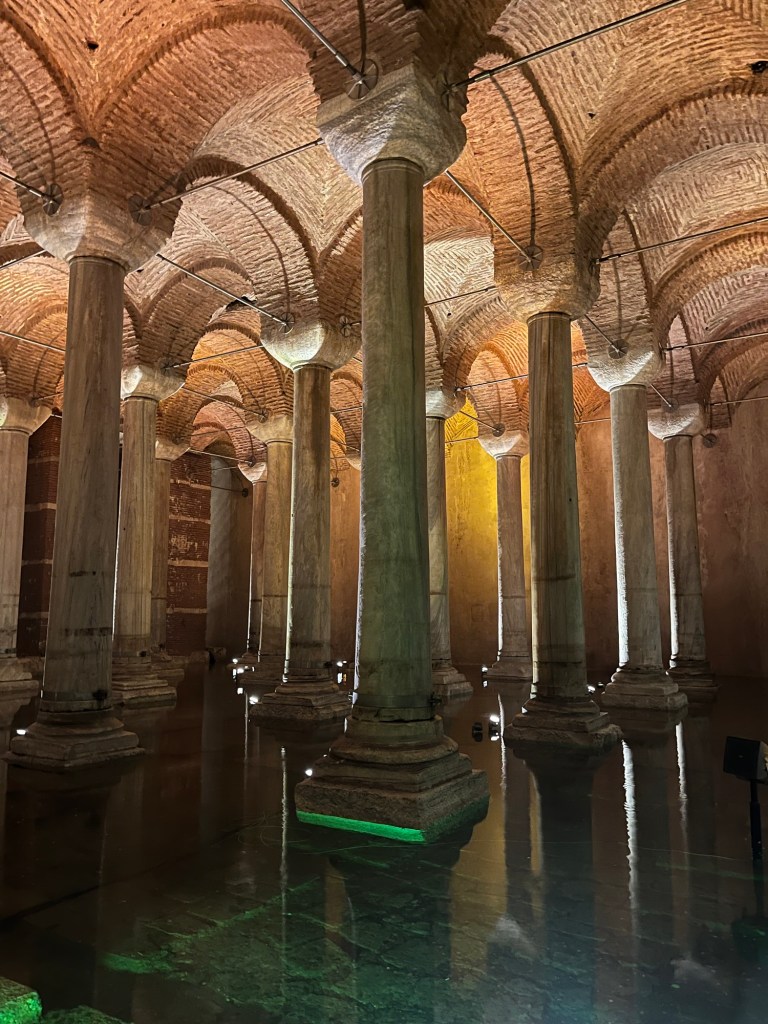
Basilica cistern was the final part of the walking tour, and is a huge cavernous cistern under the streets of the old town. It reminded me of the Roman Baths in Bath, though the architecture isn’t Roman.
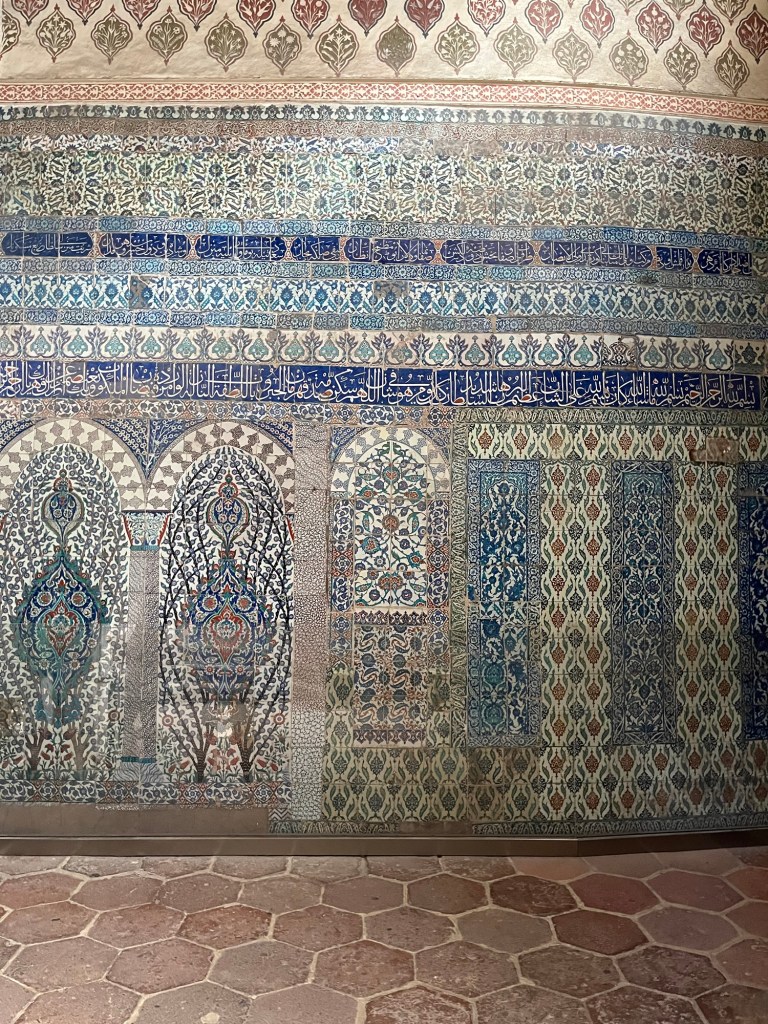
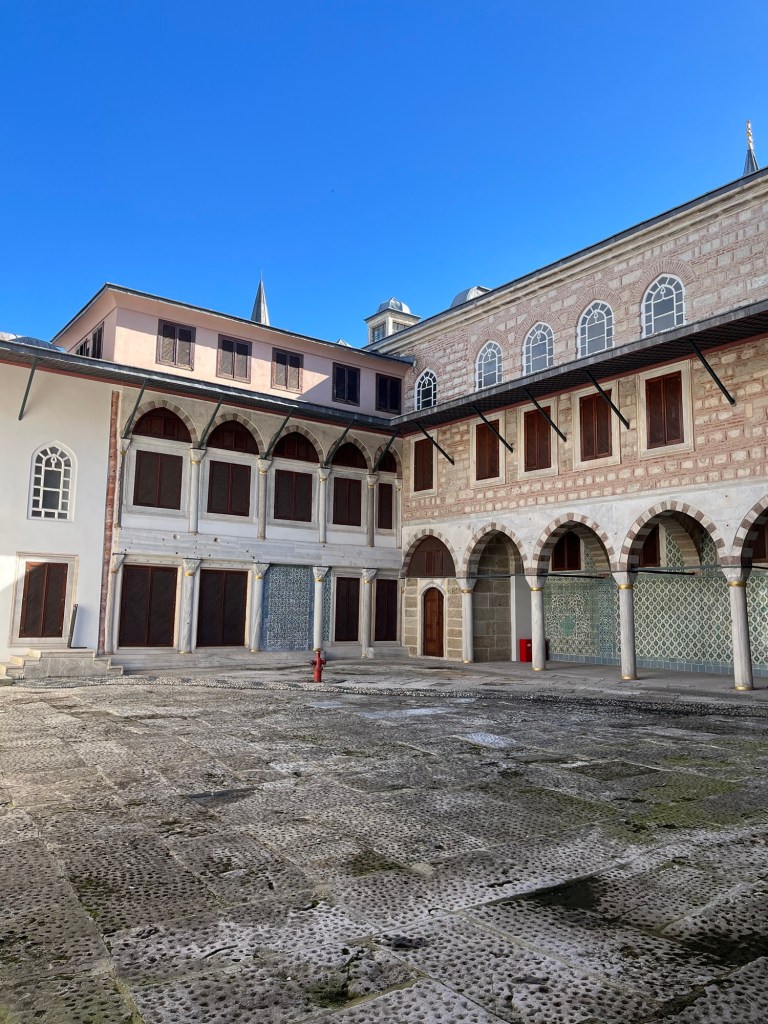
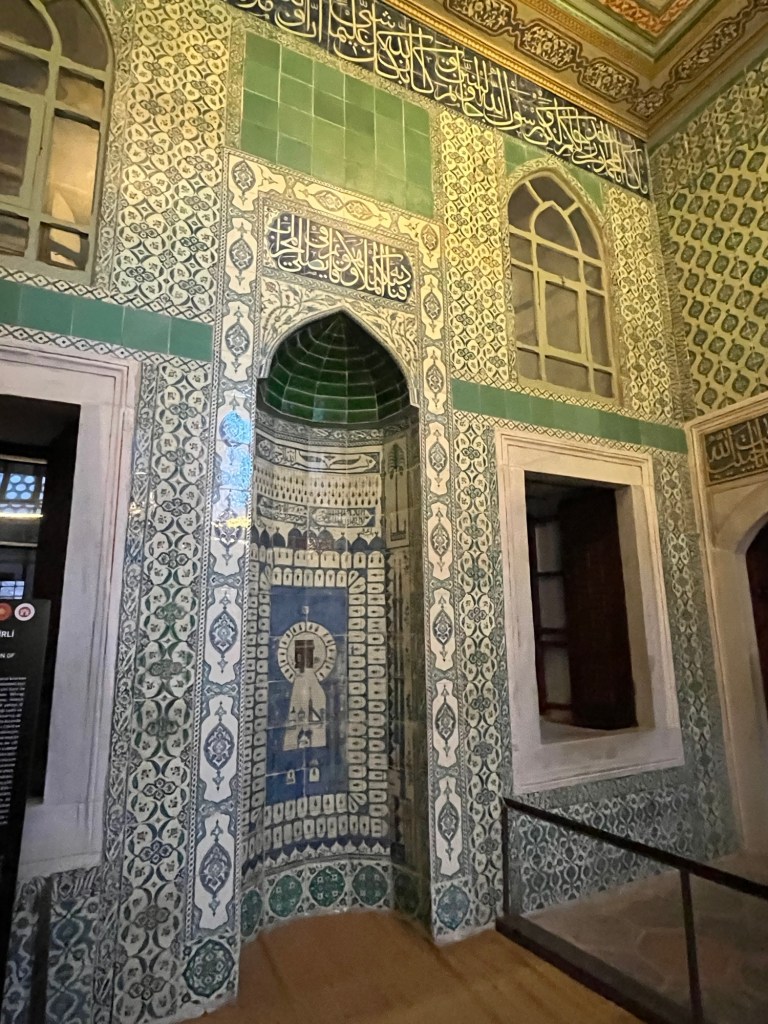
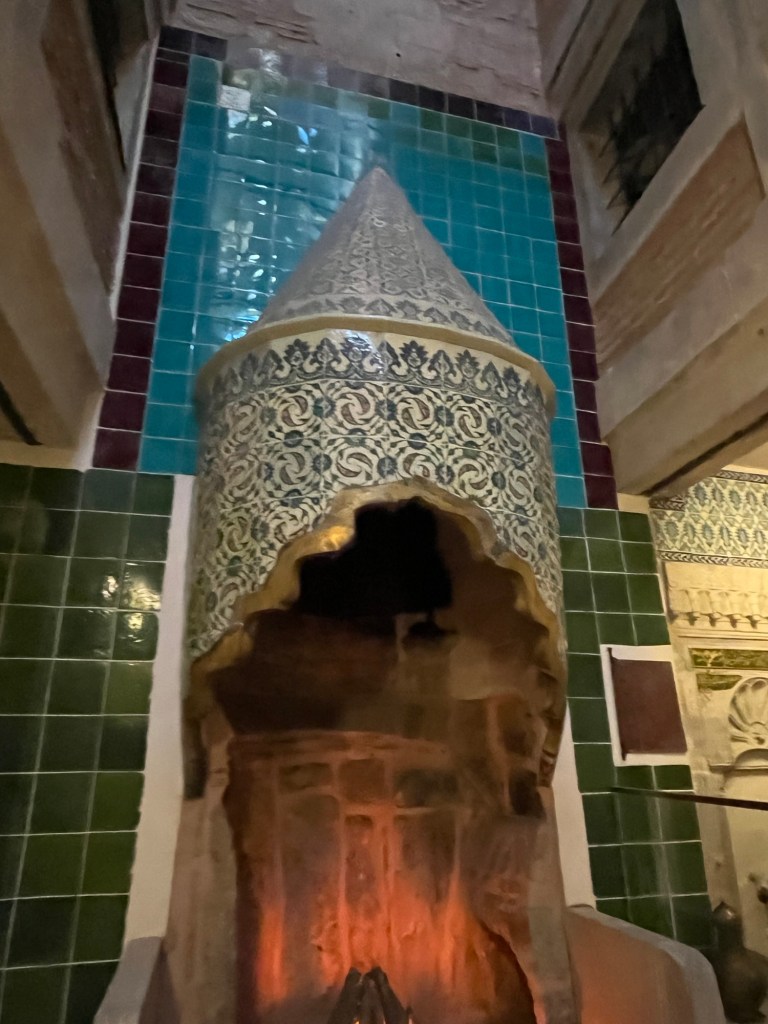
The next day I went to Topkapi Palace early, and went straight to the Harem before too many of the crowds arrived, which was definitely a good decision. Beautiful tilework, interesting exhibits, I spent a good 3 hours there and the queues were somewhat larger by the time I’d finished.
That evening I met the group for my final tour of my midlife crisis gap year. We went for dinner at a restaurant overlooking the Blue Mosque which was a pretty cool vantage point.

We still had some time in Istanbul the next morning before heading out of the city so I had a relatively leisurely morning of wandering around Gülhane Park and enjoying some excellent chocolate baklava. After some pretty average baklava in the Uzbekistan it was nice to have some really good Turkish baklava.

We headed east out of the city in the afternoon, ultimately heading to Cappadocia though we would have an overnight stop in Bolu along the way. The hotel was surprisingly busy for a Monday night, with a teachers conference and dinner/dance going on.

We started the next day heading to Ankara, the capital of Türkiye, and to the mausoleum of Mustafa Kemal Atatürk. This is an impressively grand structure and plaza which was busy with visiting schoolchildren and tourists. There was also a very interesting museum within the mausoleum about how Ataturk defined modern Türkiye after the fall of the Ottoman Empire.
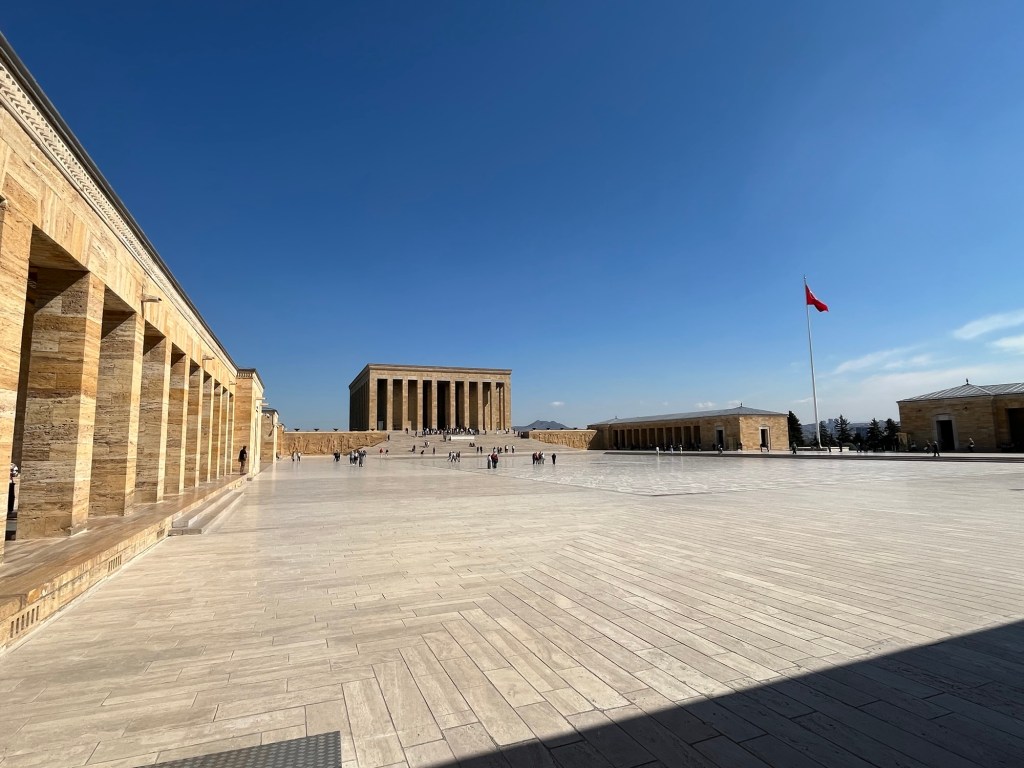
Atatürk mausoleum

Lunch and then onwards to Cappadocia. We made a stop at Tuz Golu salt lake, a quite incredible glimmering sight where you could walk out on the salt flats for miles before reaching the water.
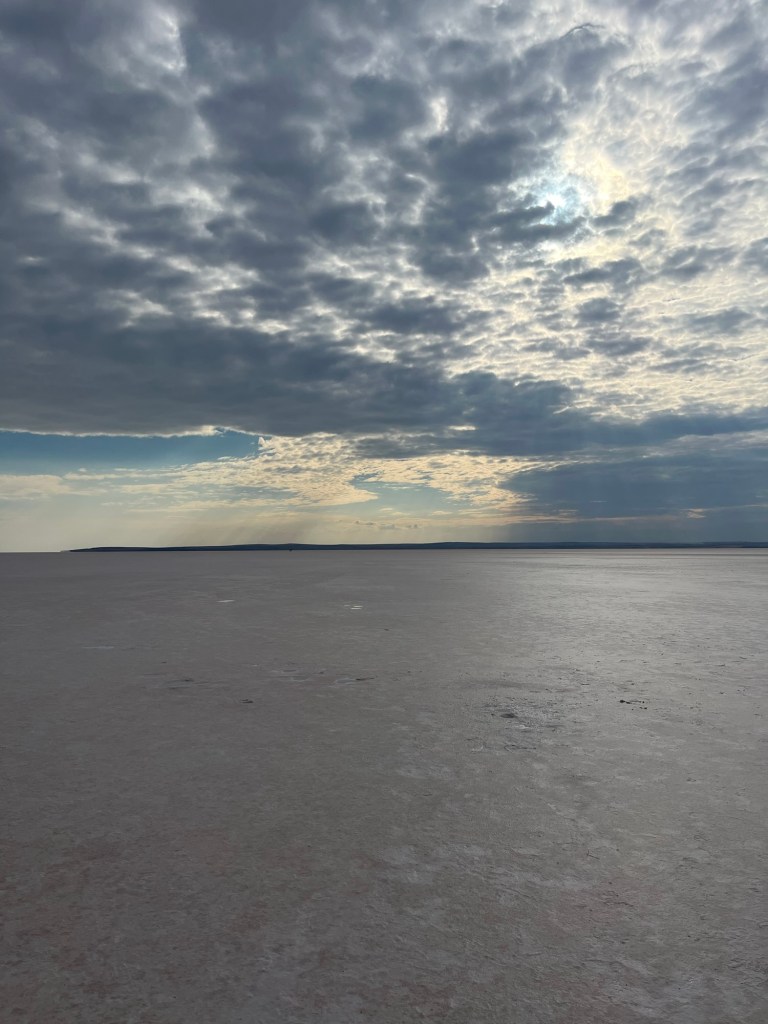
Tuz Golu salt lake

We arrived at our accommodation in the village of Mustafapaşa in Cappadocia in the evening. We stayed in a ‘cave’ hotel built into a steep hillside which was quite cool, though some people were struggling with the 100+ steps to the rooms with their luggage.

We had dinner with a family who had relocated to this region after the huge earthquake in southern Türkiye a few years ago. It was quite nice to have some home cooked food rather than the various versions of kebabs I’ve been eating in this part of the world.

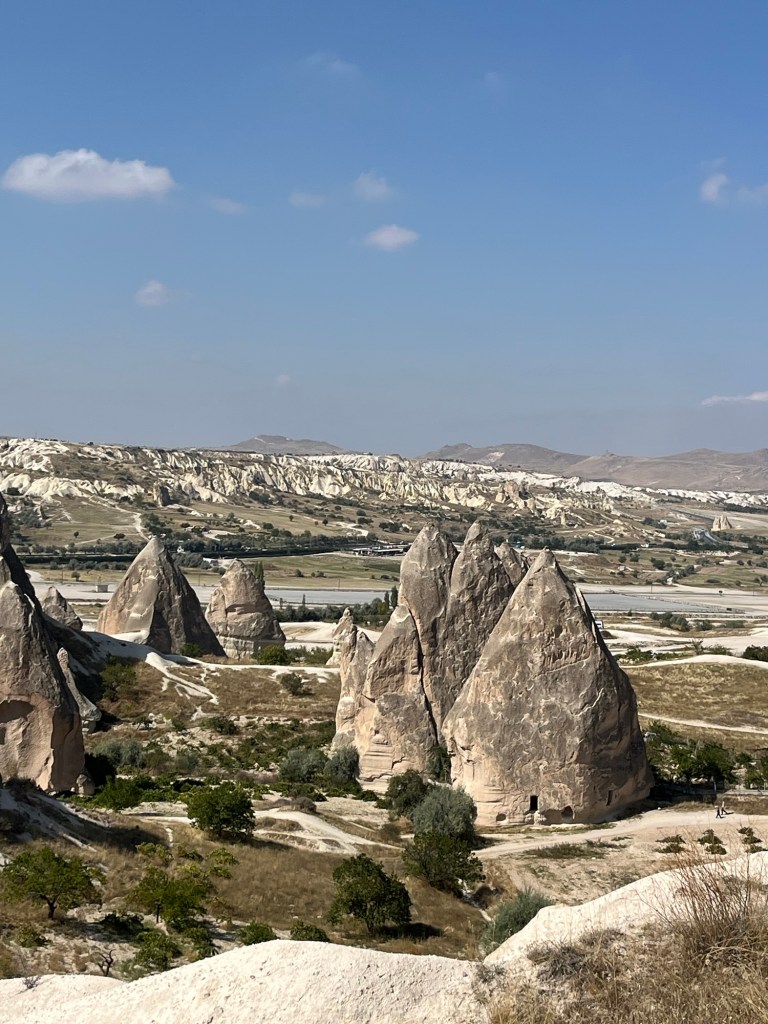
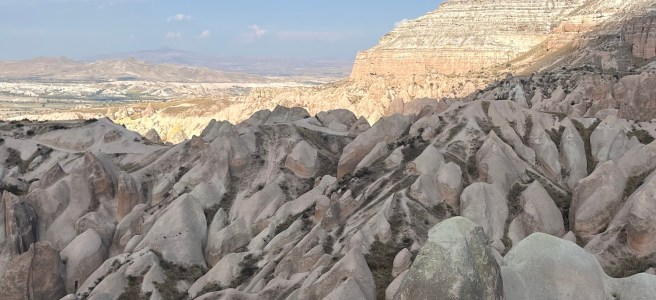
The next morning we had our first proper look at the ‘fairy chimneys’ that Cappadocia is famous for, walking among them. They really are quite strange geological features, which people use as houses and storage.
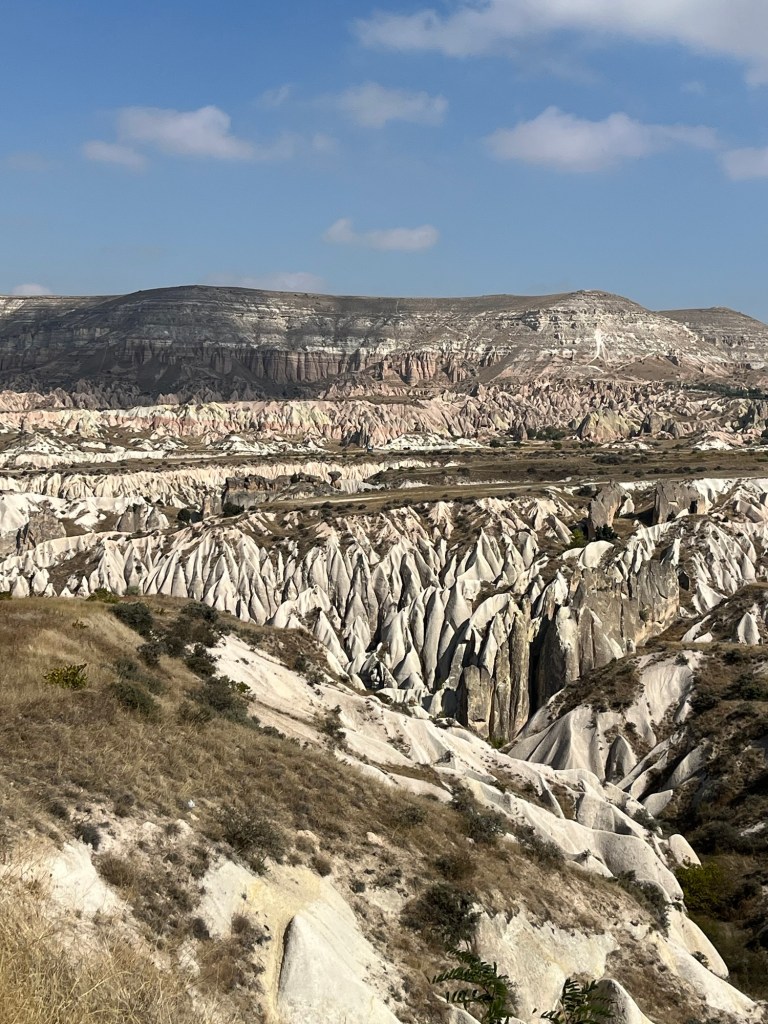
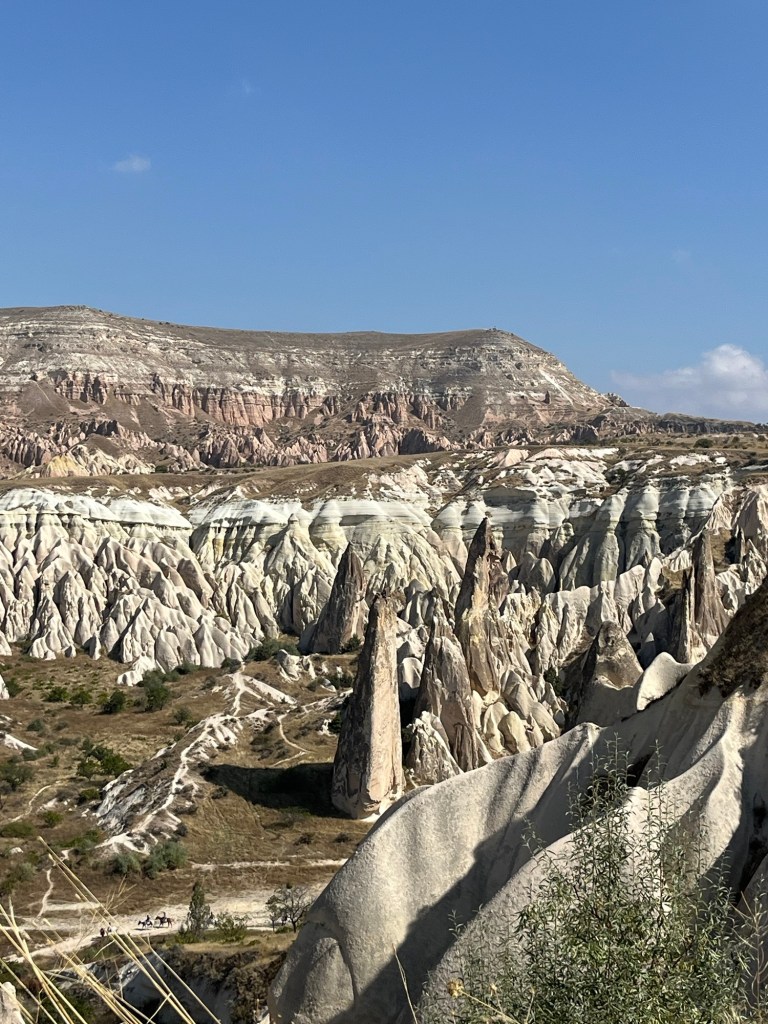
Lunch in Göreme followed by a free afternoon before a folk show dinner and dancing in the evening which was very enjoyable.

We started the next day at Derinkuyu underground city, an ancient city burrowed into the earth in layers, which apparently housed up to 20,000 people at its peak. There are several underground cities in this region and this is the largest excavated to date. It’s absolutely incredible to think about the work that went into creating this many centuries ago.
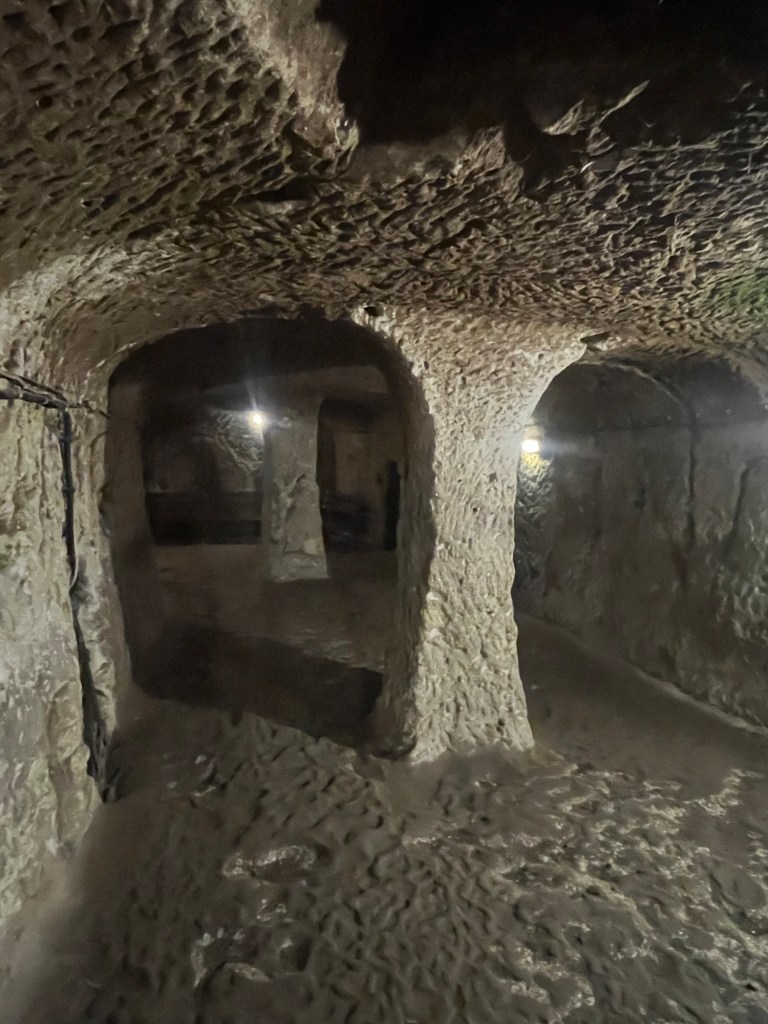
Derinkuyu underground city

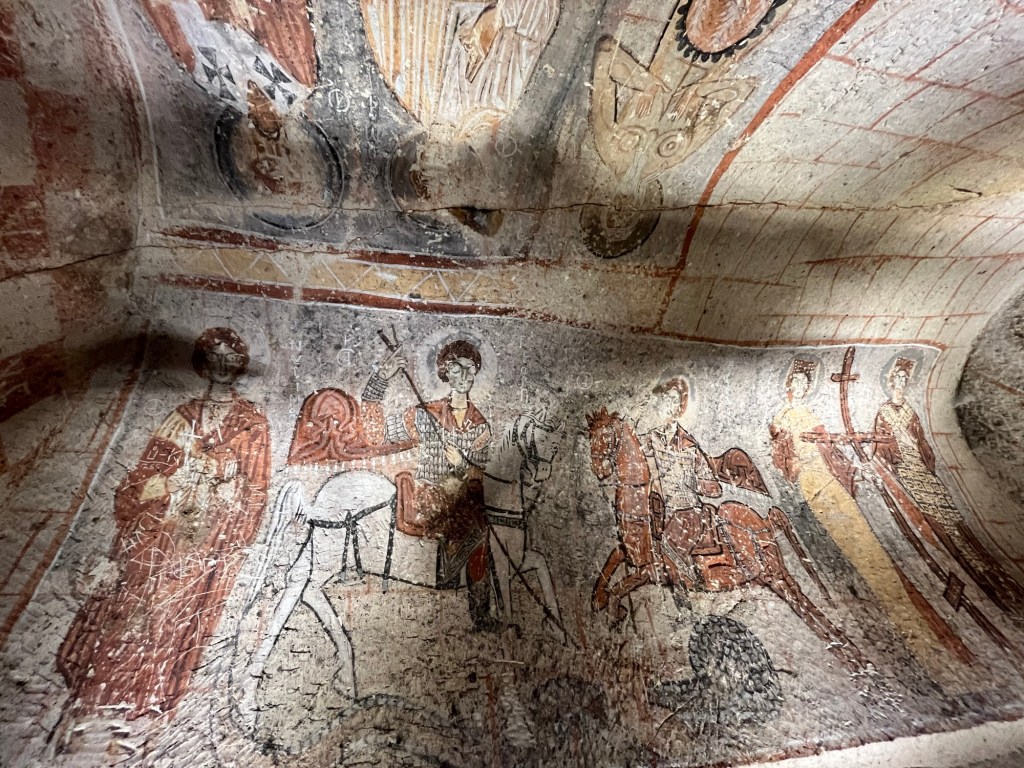
Afterwards we went to Göreme Open Air museum which showcases churches and dwellings carved out of the rocks and fairy chimneys in Cappadocia. The churches have some incredible frescos in them.
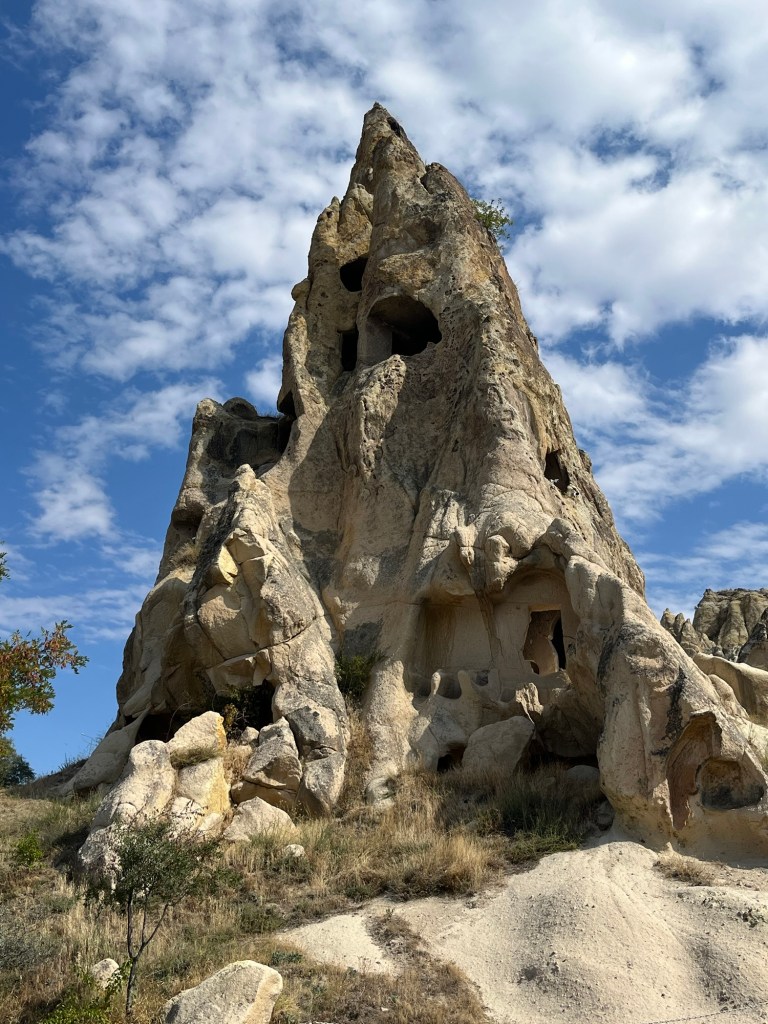
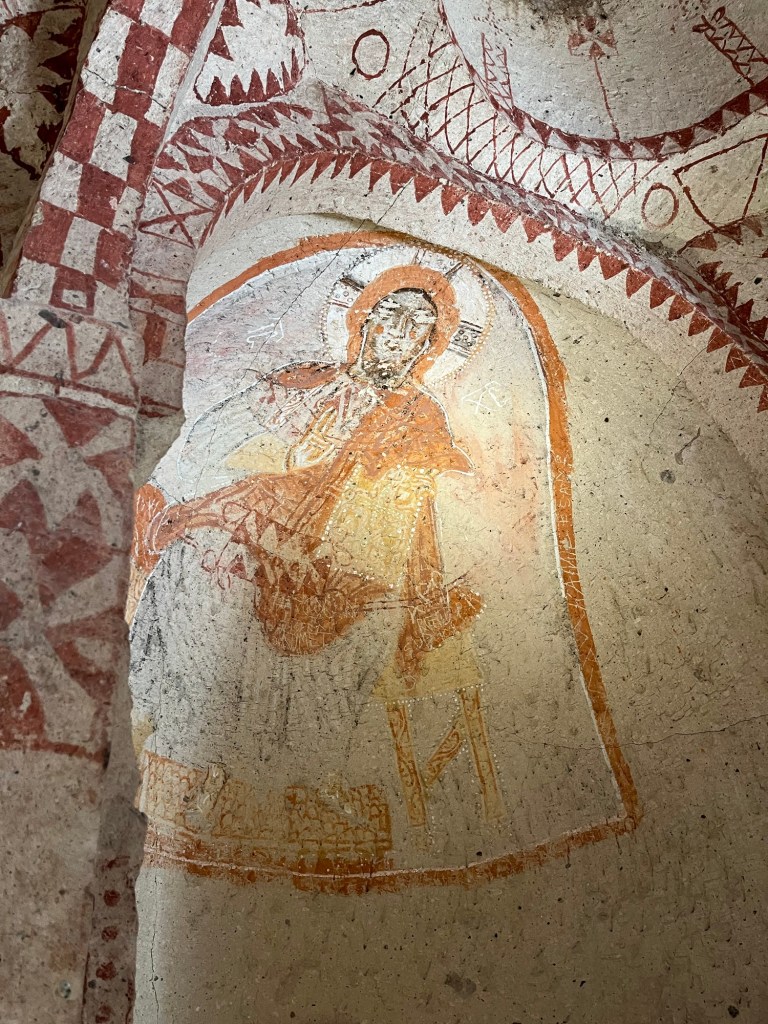
We had a few photo stops on the way back to Mustafapaşan and then in the evening I went to a Whirling Dervish observation. It wasn’t a show or a performance, but part of their ritual. It lasted about 50 minutes and it was quite mesmerising to watch. Those of us from the group who went to the observance all agreed it was quite powerful.
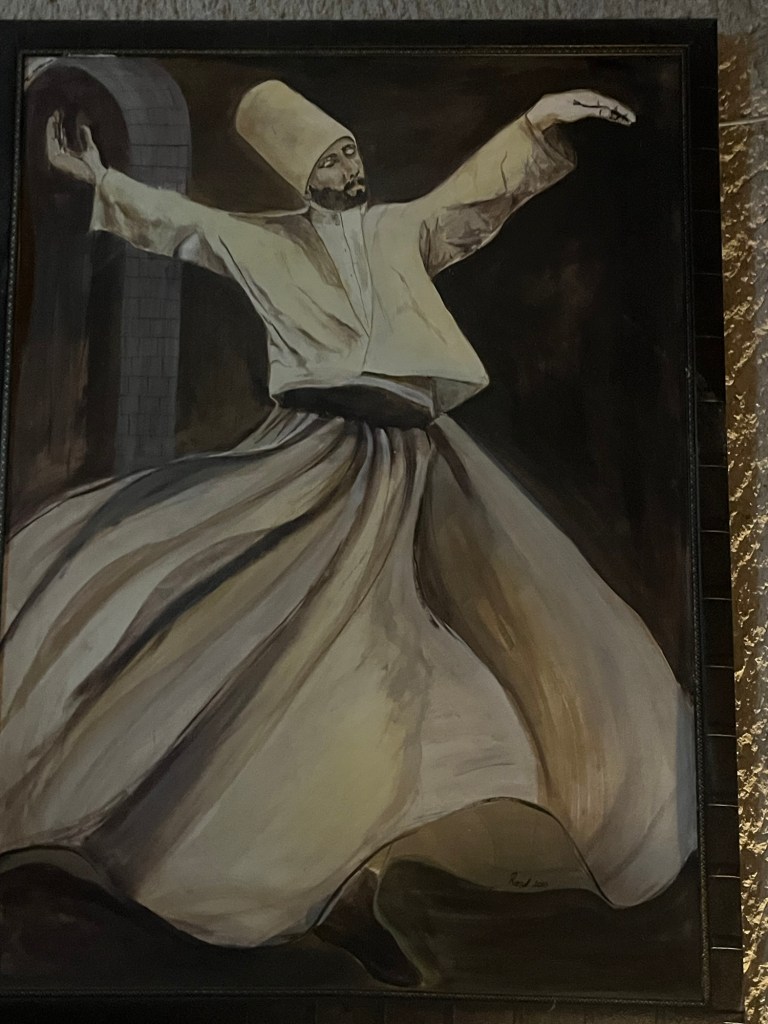
Our short stay in Cappadocia was over the next day and we started heading south, towards the Mediterranean coast.
Bukhara and Khiva

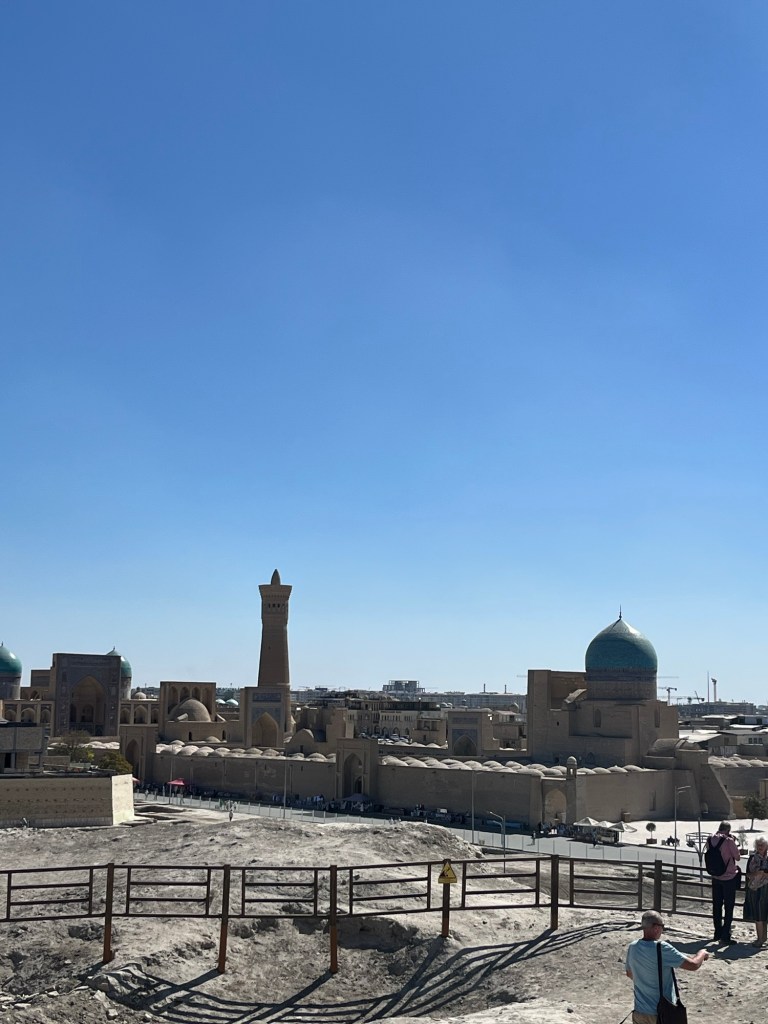
Bukhara, possibly my favourite city in Uzbekistan. I can’t quite put my finger on why, perhaps it’s the atmosphere here, the buildings and old town are more concentrated than in Samarkand and it doesn’t feel quite as Disney-fied as Khiva.

We arrived at our hotel, about a 20 minute walk from the old town, in the early afternoon, and after lunch we had a free afternoon until we were meeting in the early evening for an orientation walk and dinner. Because we were staying a little way out from the main sites, I decided to have a chilled afternoon at the hotel, which wasn’t a bad idea considering I was almost 3 weeks into this trip with not a lot of free time so far.

In the evening we were bussed into the old town and had a brief orientation around Labi Hovuz square and a couple of handcraft shops before dinner.

We had a much more thorough city tour the next day which again differed slightly from my previous trip here.

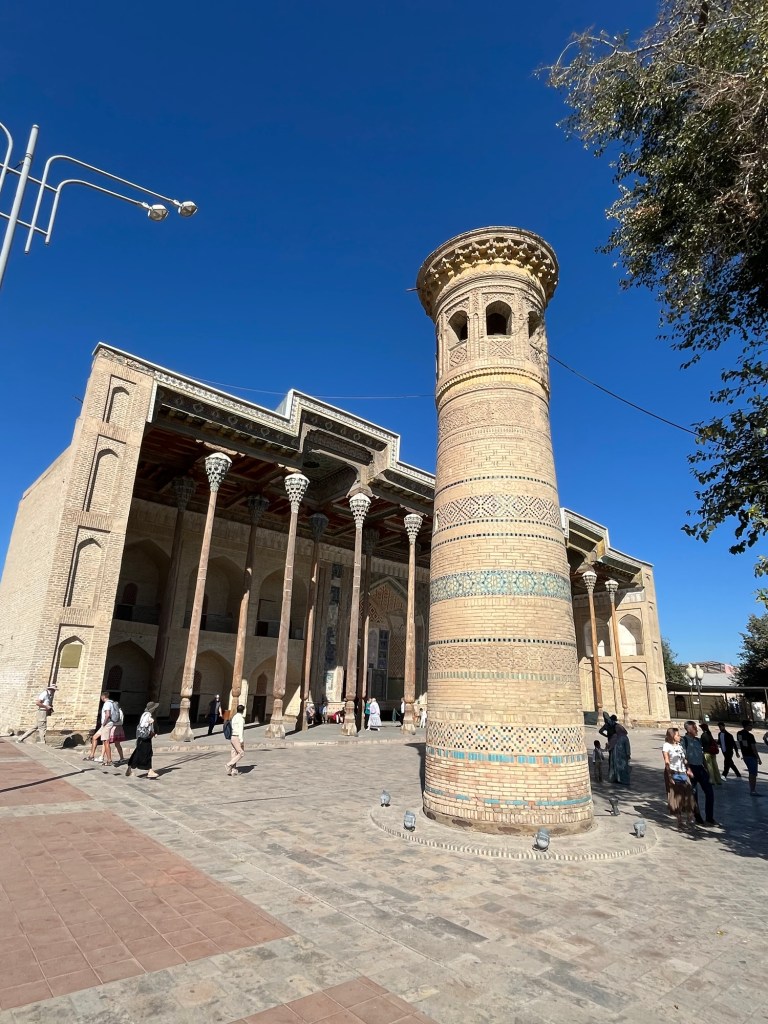
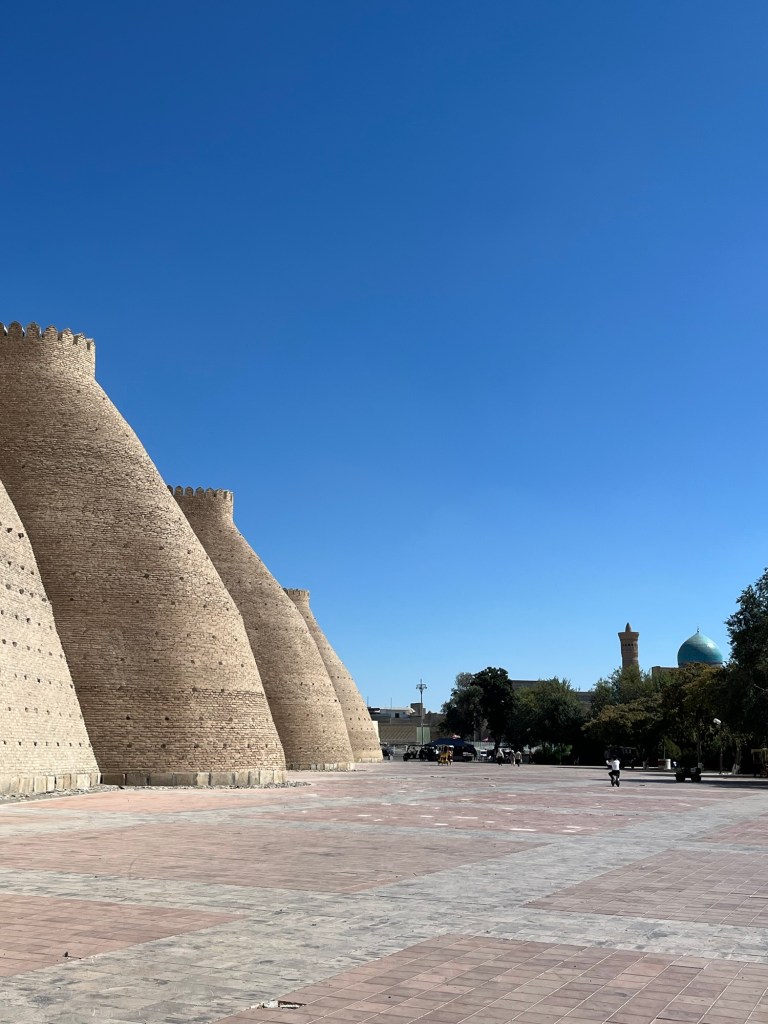
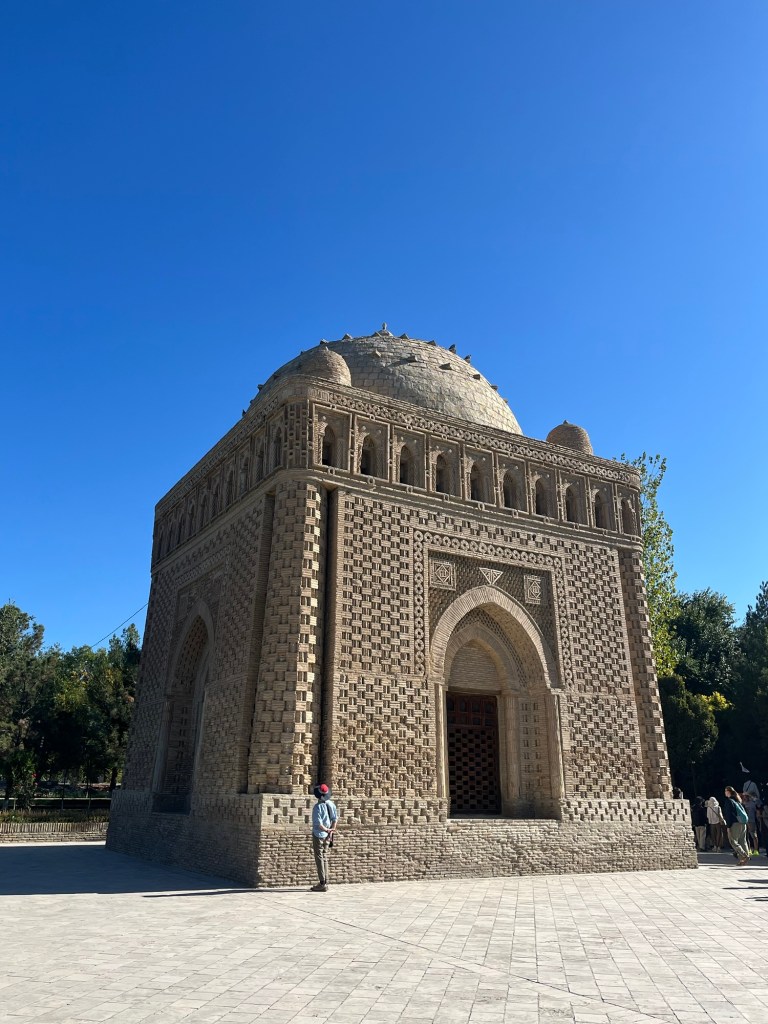
It did start off the same at the Ismail Somani mausoleum, a truly incredible building from the 9th century that has been extremely well preserved. We also visited Bola House mosque before a new inclusion this time, the Ark of Bukhara. The Ark looms over one side of the city, and only about a quarter of the original site has been reconstructed though you can walk through the archeological remains of the remaining site.

I’d planned to go to the Ark anyway this time so was pleased it was included.

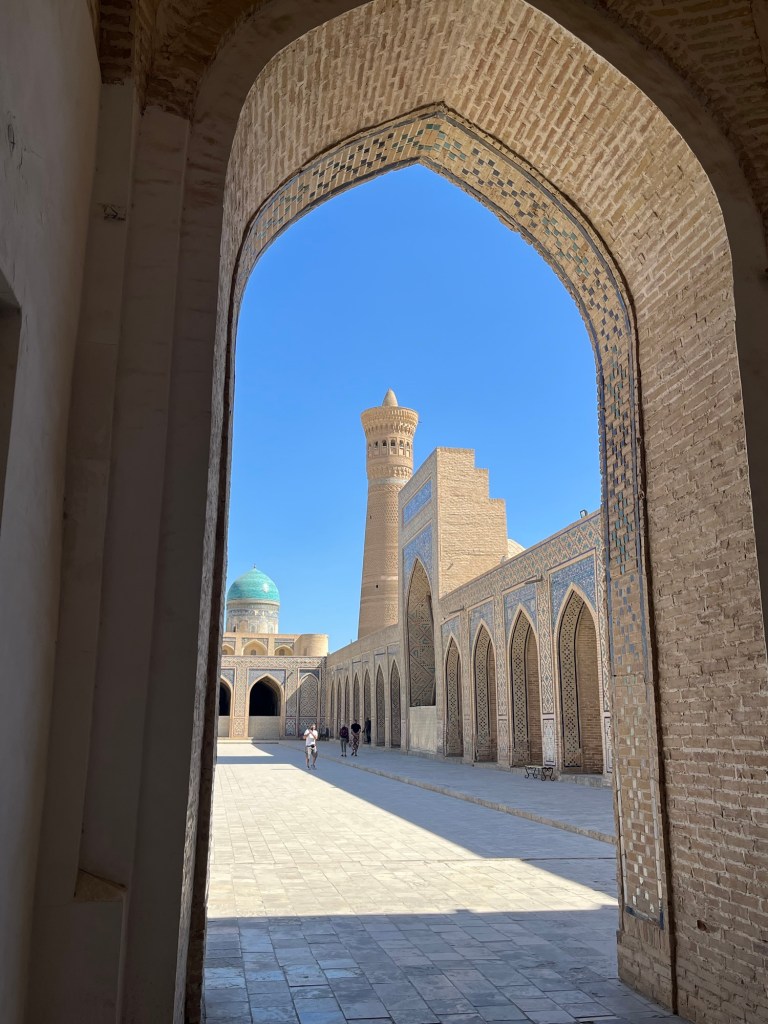
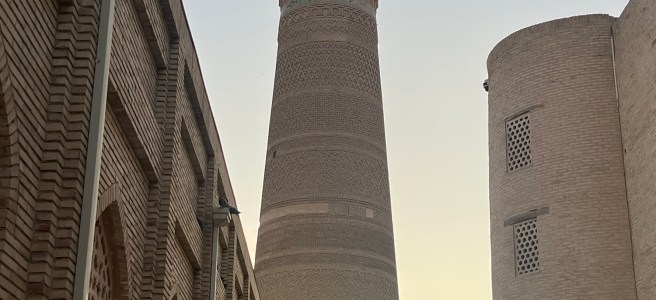
We then went to the Kalyan mosque and minaret. The minaret really dominates the old town at about 150 feet tall.

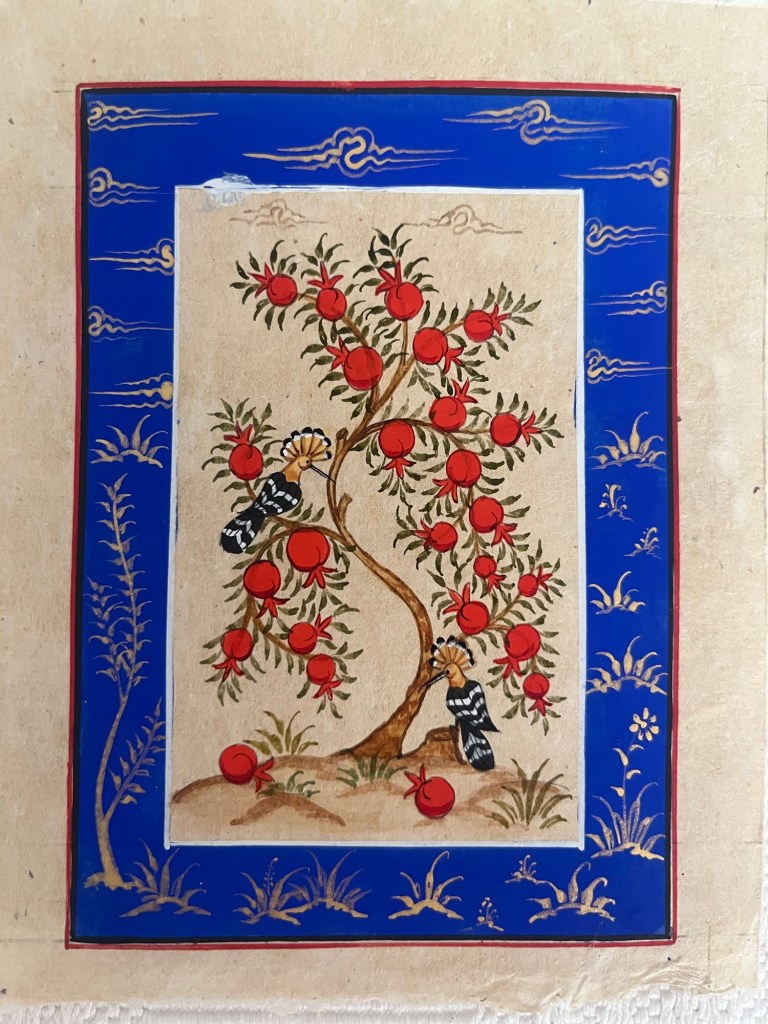
We then traipsed through a carpet workshop where the staff did their best to sell us some very expensive carpets, and finally to a blacksmith’s workshop. Afterwards we had some free time and after a tea and baklava break I went in search of a miniature painting which Bukhara is famous for.

Dinner for one in the evening and a chilled night before a long drive to Khiva the next day.

It’s about 7 hours on the road and includes getting within spitting distance of Turkmenistan, just the other side of the river. So near and yet so far!

The journey was mostly through desert which did change from hard rocks to softer sand and eventually to something more green as we approached Khiva and Urgench.

We rolled into Khiva in the late afternoon and to our accommodation in a converted madrassa in the heart of the old town, ichan kala.

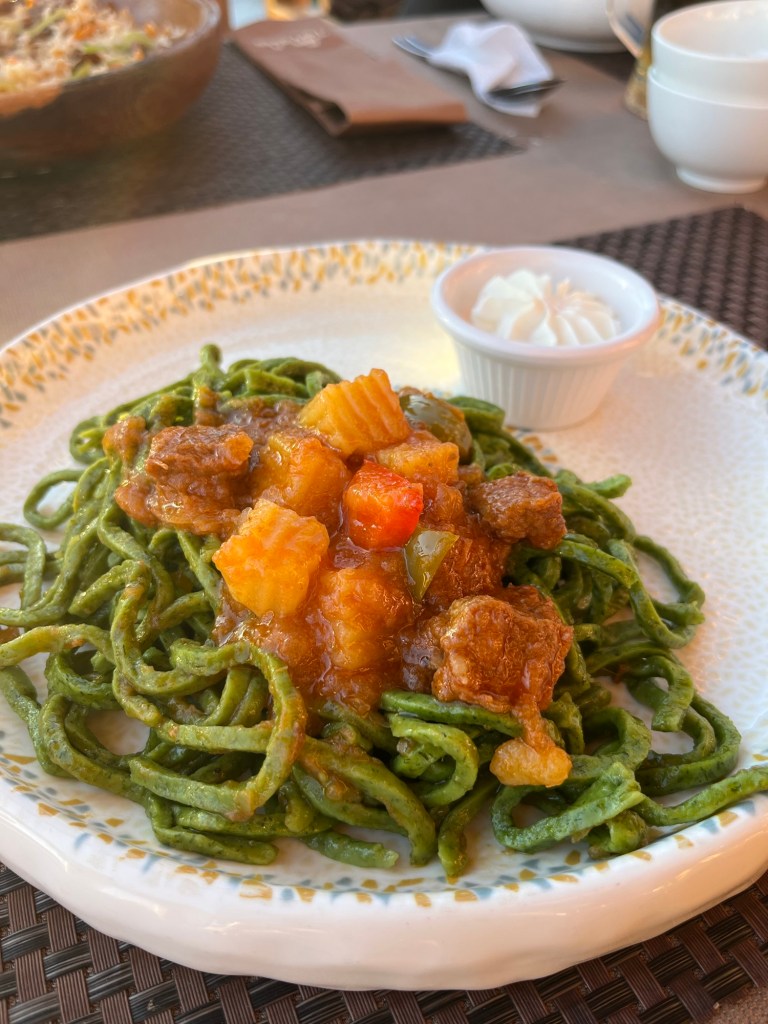
A short orientation walk in the evening before an early dinner at a terrace restaurant with great sunset views. I had the local speciality of shivit oshi, green noodles – definitely a must-try when in Khiva.

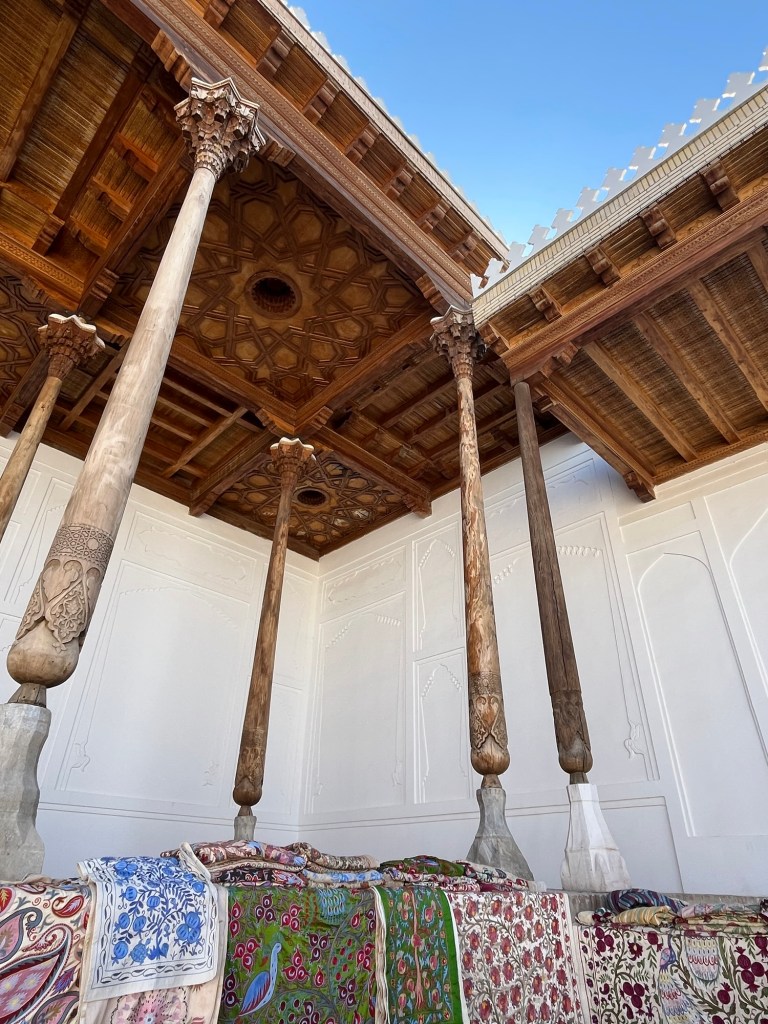
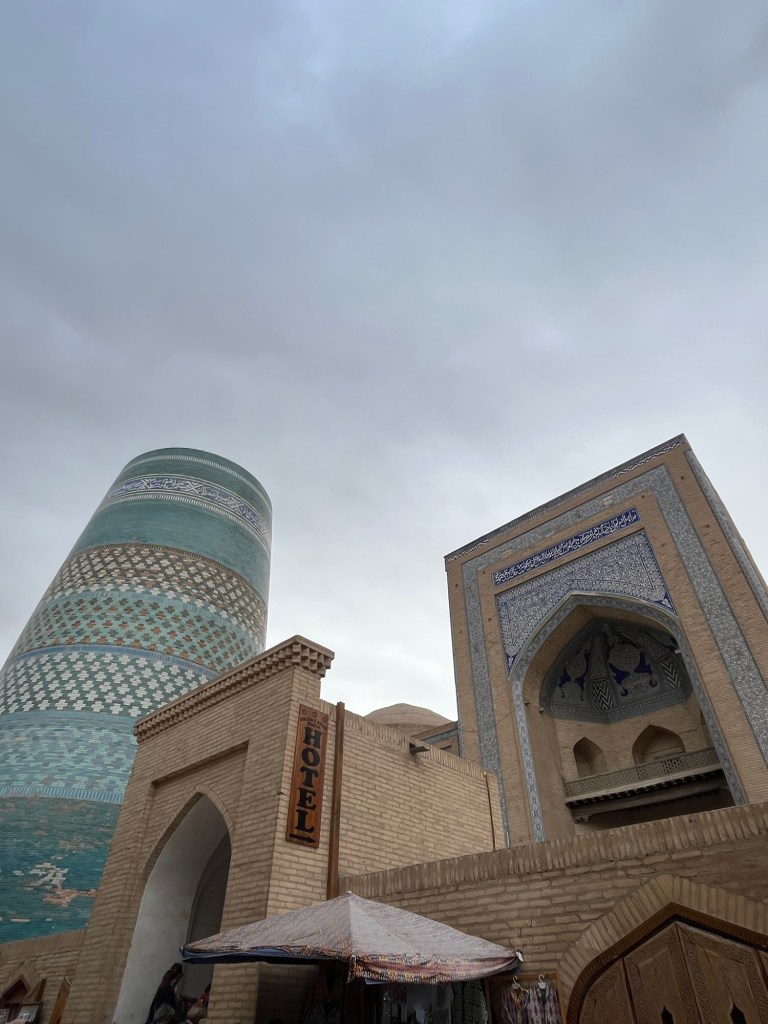
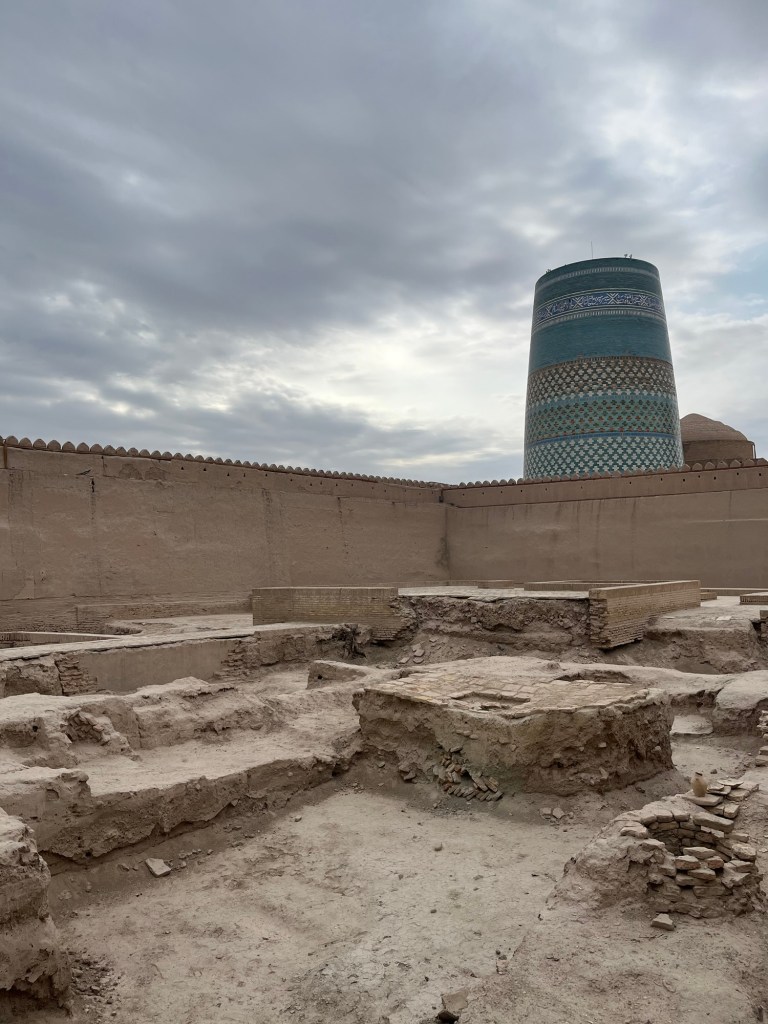
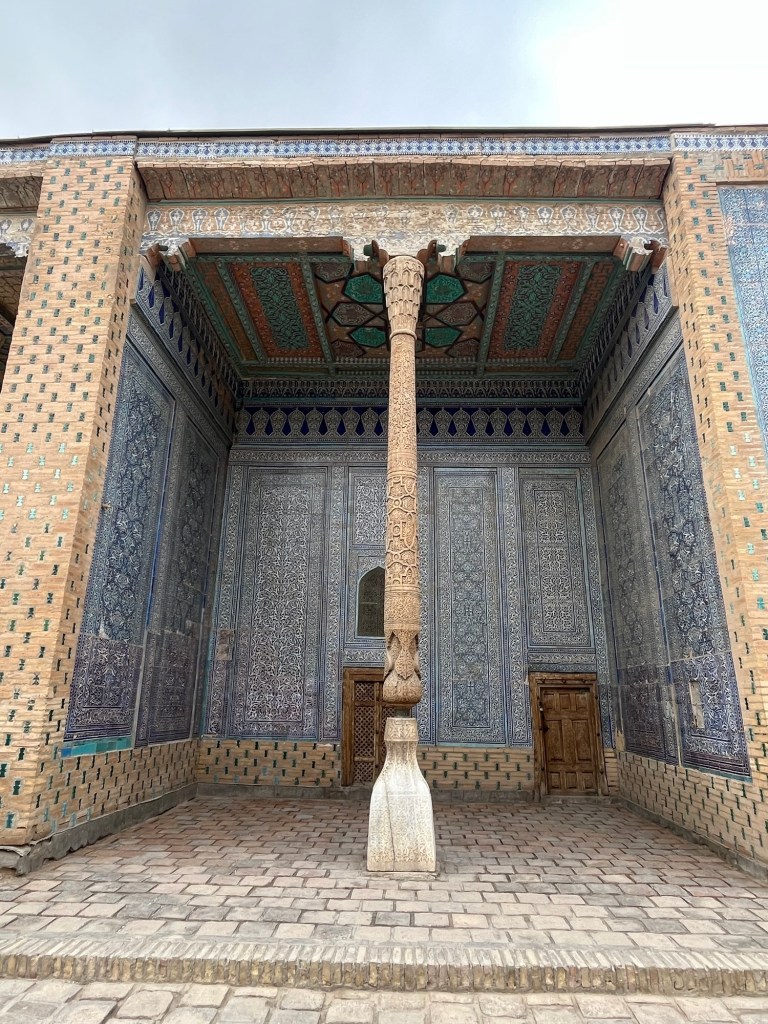
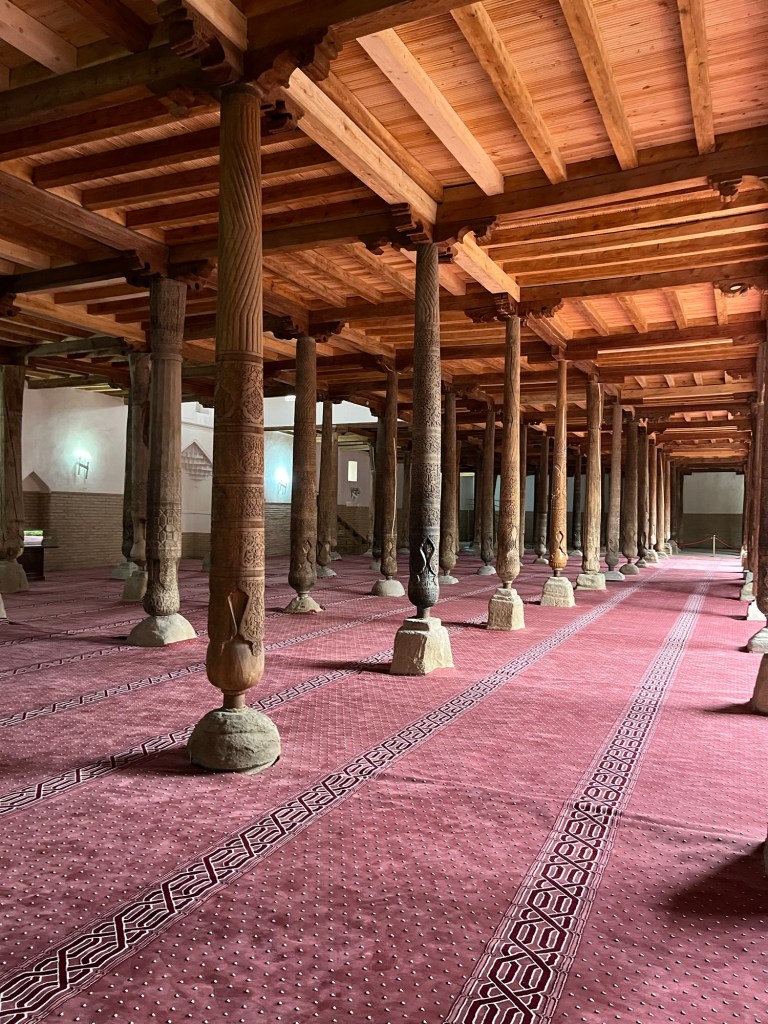
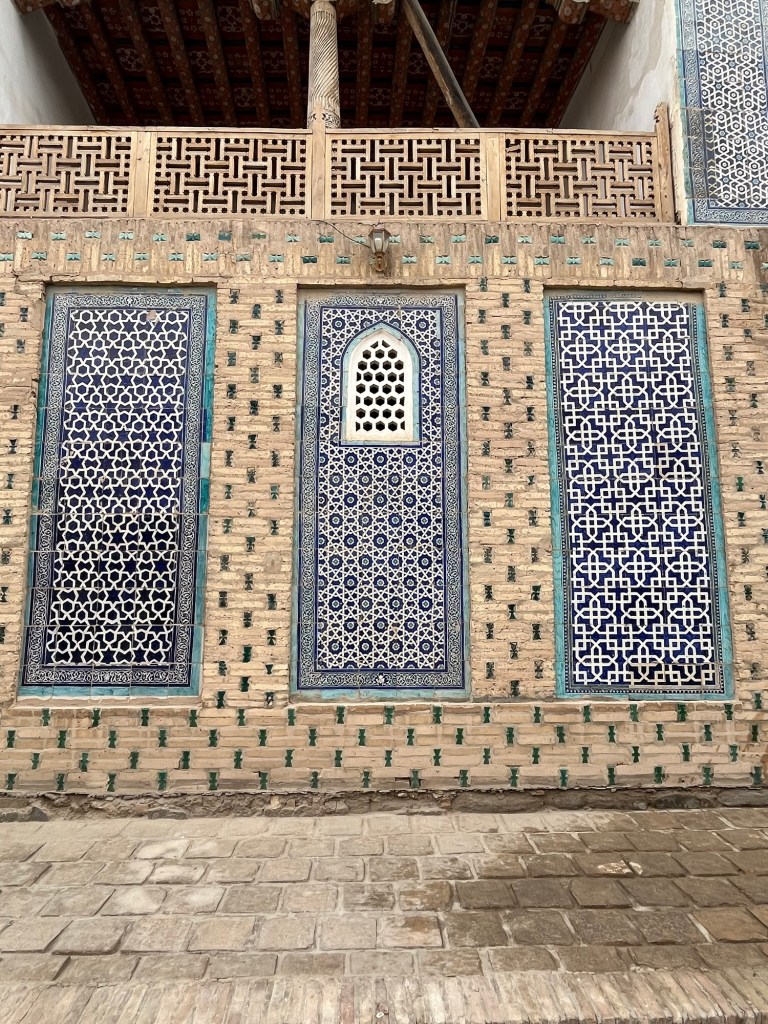
The following day we had a tour around the old town, starting at the Kalta Minor minaret, which is an iconic view in Khiva. We also went to the Toshhovli Palace which has lots of beautiful blue tilework, the Juma mosque which has around 200 wooden pillars holding up the building, some dating back centuries, and also to the Masjid-I-Ark where there was a performance ongoing depicting a parade and crowning.

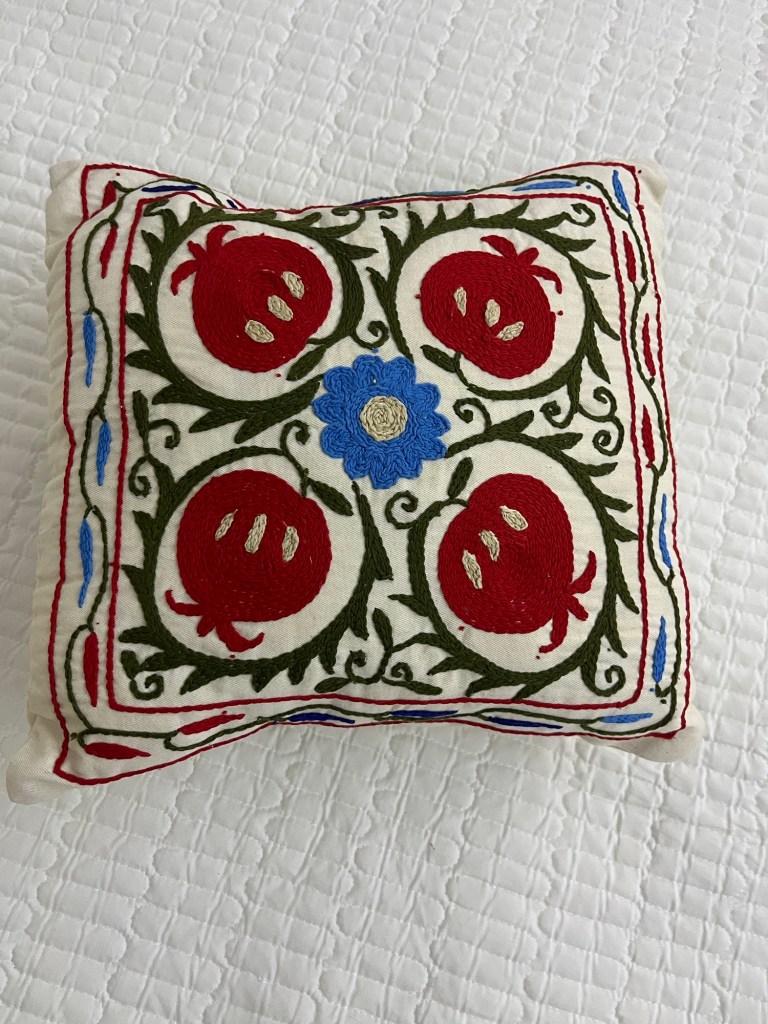
Afterwards we had free time for the rest of the day and I enjoyed wandering around the old town, in some of the shops, and an old caravanserai which had been turned into a market. I bought a blue silk scarf and a suzani cushion cover. Suzani is the traditional embroidery from Uzbekistan which often depicts pomegranates.

Not the style I bought but this was a suzani embroidered cushion in the hotel in Khiva

I said earlier that Khiva is a bit Disney-fied. What I mean by this is that it has been very well preserved and reconstructed, and that most of the old mosques, madrassas and caravanserais have been converted into hotels, restaurants and shops. It’s pretty but somehow lacks some of the authenticity (to me) of Bukhara.

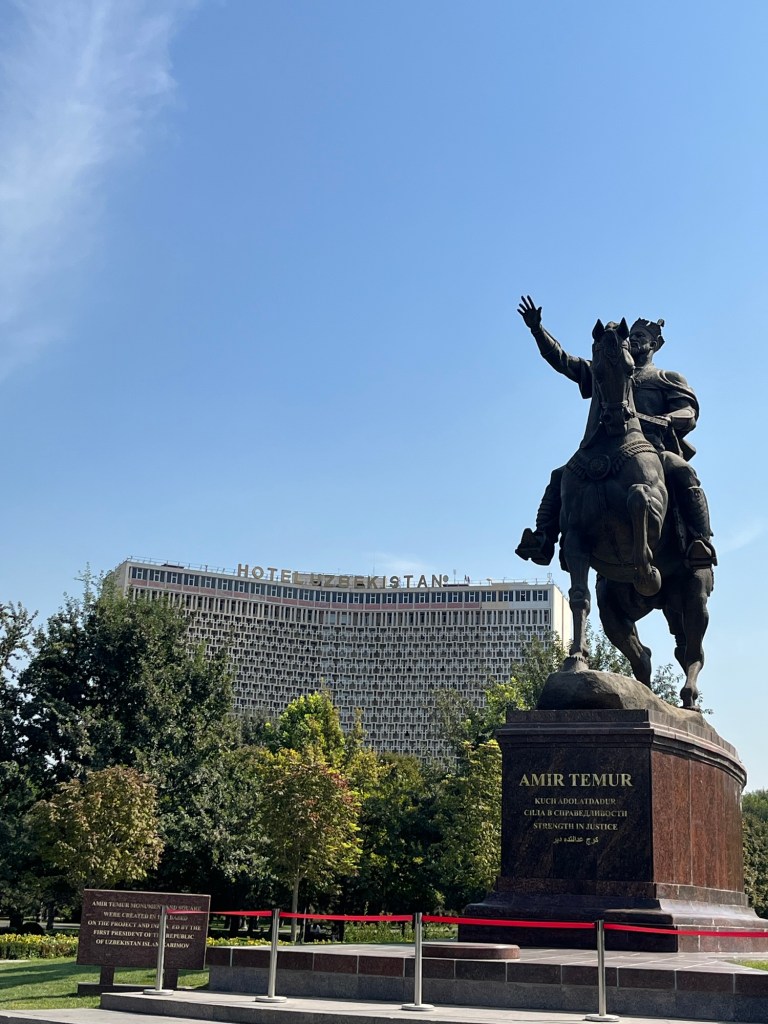
Another rooftop dinner and another cracking sunset before an early start for the flight back to Tashkent. After going back to a restaurant we’d gone to on the first night which served the most delicious ginger and mint tea, we had a brief tour in Tashkent in the afternoon before our final dinner at a Georgian restaurant close to Amir Temur square. It was very interesting to revisit Uzbekistan. Certainly from my point of view, the country in the Stans with the most Silk Road culture. Definitely more touristy than Kyrgyzstan, Kazakhstan and Tajikistan, and much more city based. A really fascinating place and I would recommend anyone with even a vague interest in the Silk Road to go.

Now, back to Istanbul airport and, at my 6th visit, I’m actually going to leave it and see what Türkiye is like.

Tashkent, Samarkand and Aidar Kul

We crossed the border from Tajikistan to Uzbekistan at Oybek, north of Khojand. It took a while, and there was a reasonably long walk in the midday sun between the 2 border posts. But eventually we were through (no visa needed) and then all crammed into a minibus for the remaining drive to Tashkent.

We arrived in the late afternoon, and this would be the final night for around half the people on this trip. We went out for a farewell dinner to mark the occasion. Those of us continuing then had a free day in Tashkent before we would meet the new people joining us for the Uzbekistan part of the trip.

I’ve been to Uzbekistan before, in 2023. People have asked why I’m doing it again. Firstly I really enjoyed it last time, secondly I wanted to cover as many Stans as possible on this trip (quite gutted that I couldn’t find dates including Turkmenistan which worked for me), and finally I was intrigued to see how tourism was developing here as when I was here before, it felt like it was on the cusp of becoming really popular.

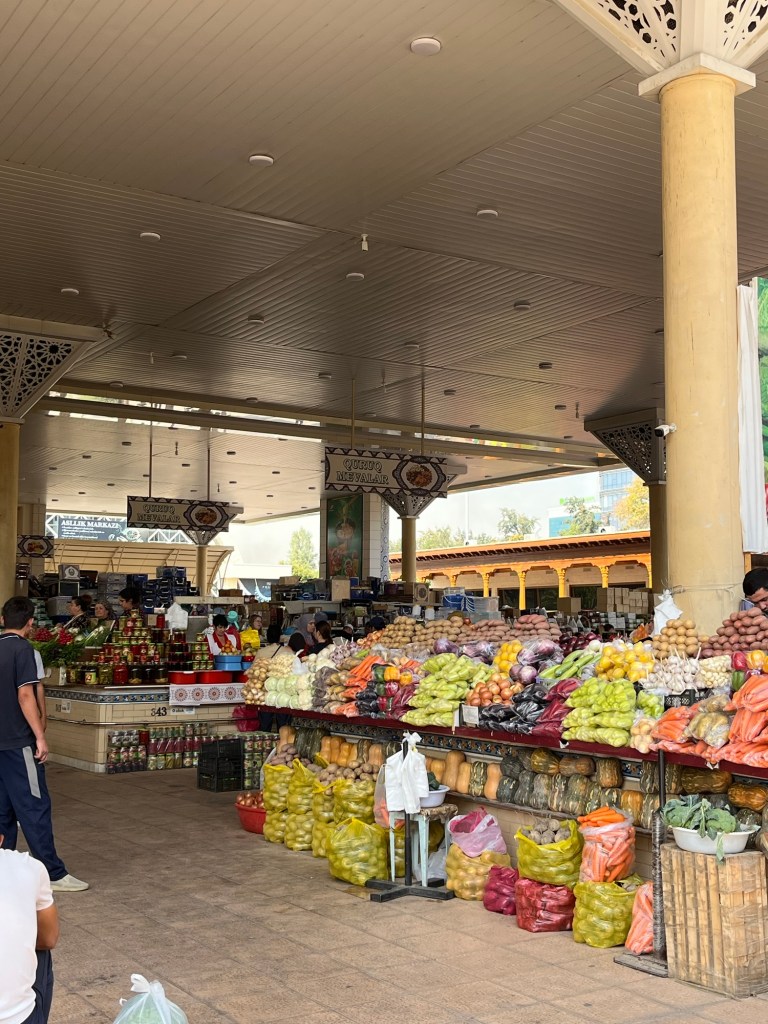
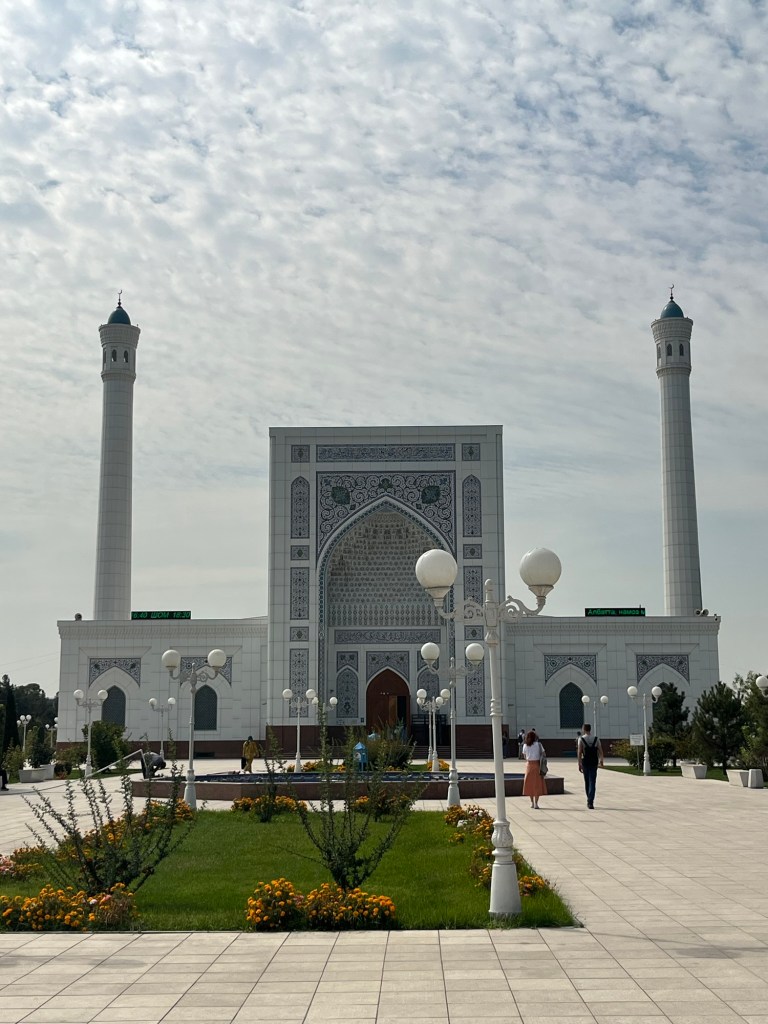
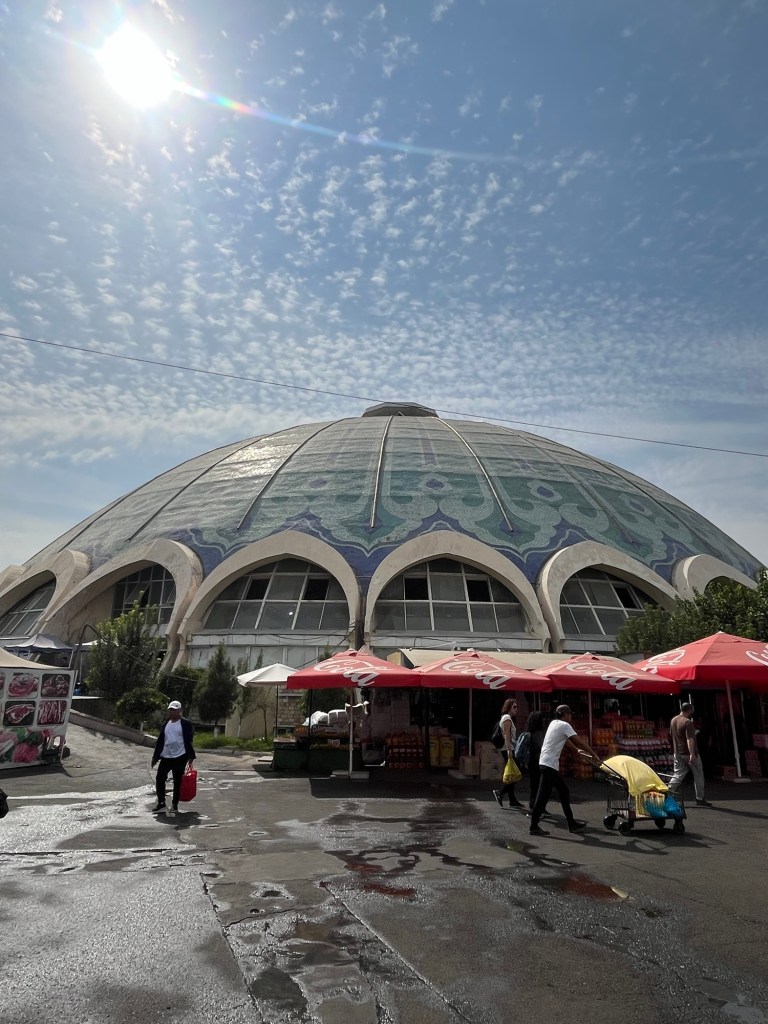
I spent my free day in Tashkent going to some new places (Amir Timur park, Abay bazaar) and some places I went before (Minor Mosque, Chorsu bazaar). One thing that has changed since last time is that you can now pay for the metro by tapping your card at the gate. The fare is still ridiculously cheap though, £0.11 per journey according to my bank account!

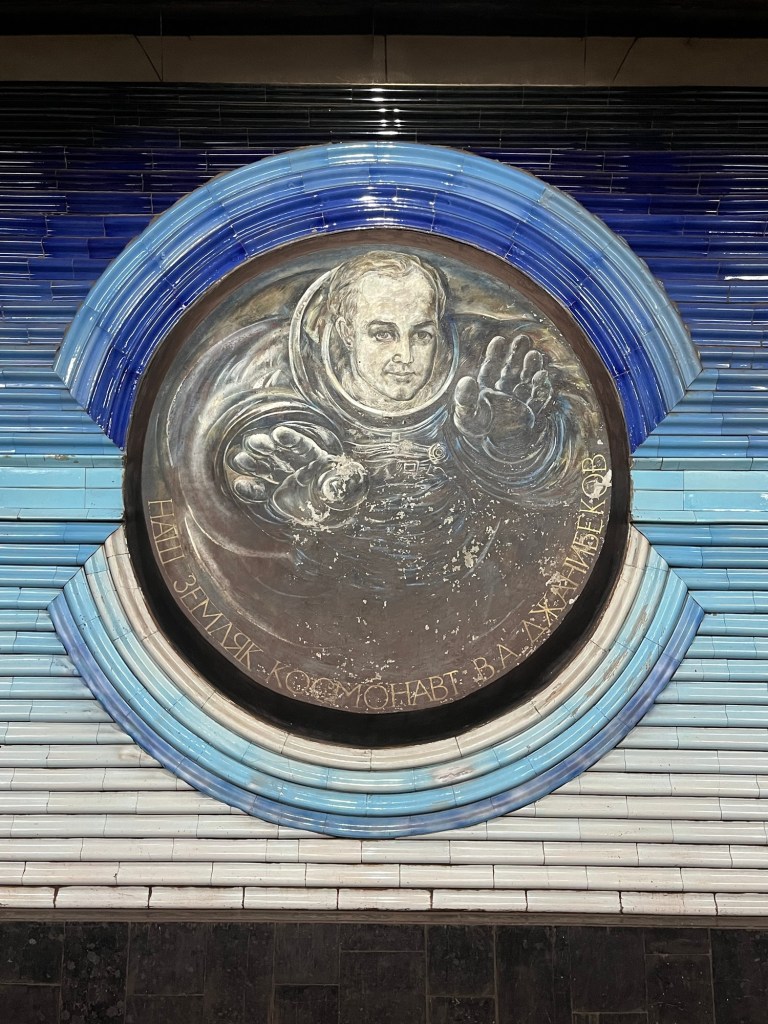
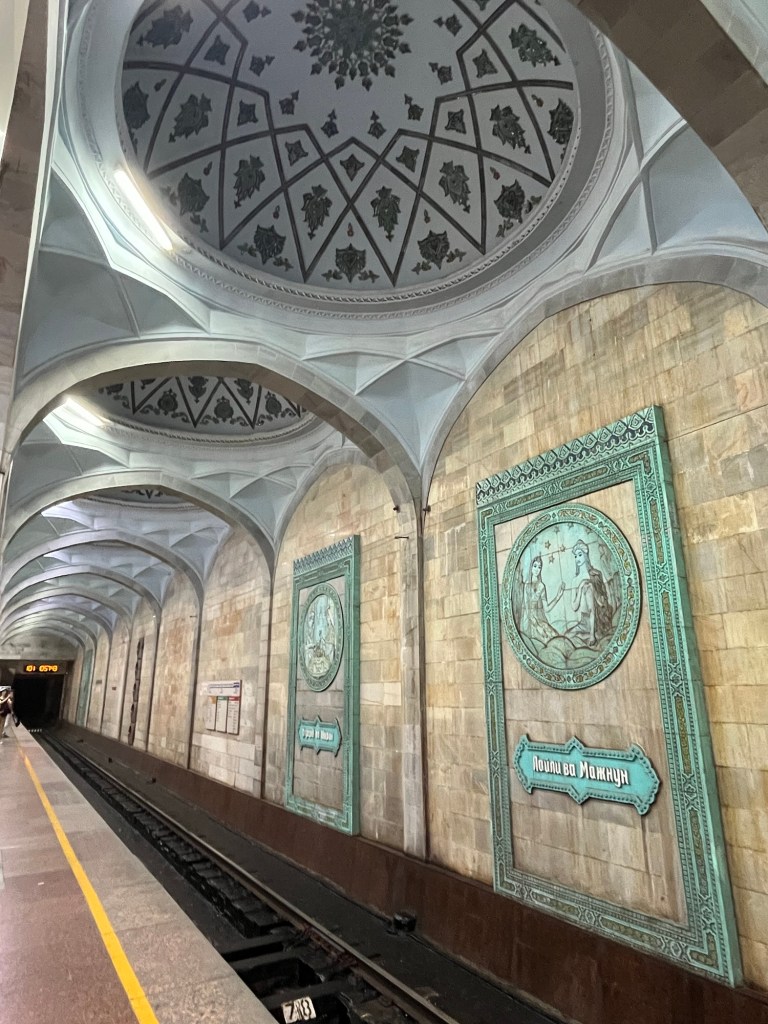
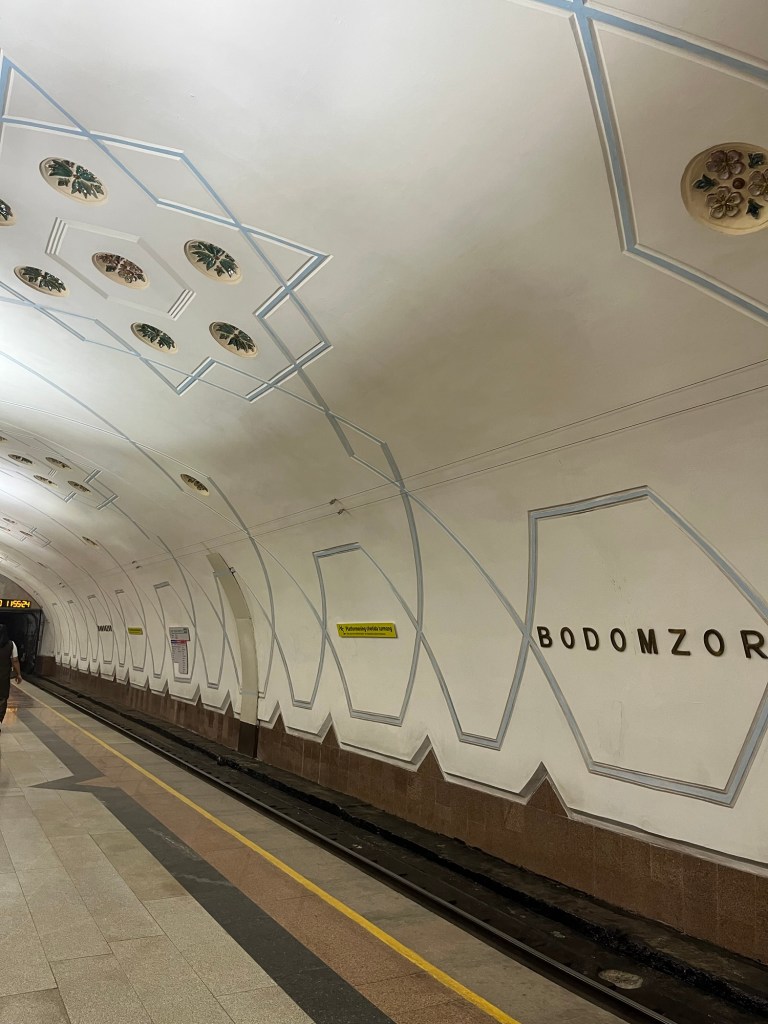
Tashkent metro also has some really interestingly decorated stations, built mostly during the Soviet era, so worth jumping off at a few to take a look.

After meeting the new group and going for dinner in the evening (I’m surprised to find I am the youngest person on this section of the trip, certainly not the case last time), we left Tashkent the following morning on a train bound for Samarkand. A reasonably comfortable journey in what looked like a Soviet era carriage, this wasn’t one of the high speed trains so took around 3 hours to get to Samarkand. We did get a free cup of tea though!

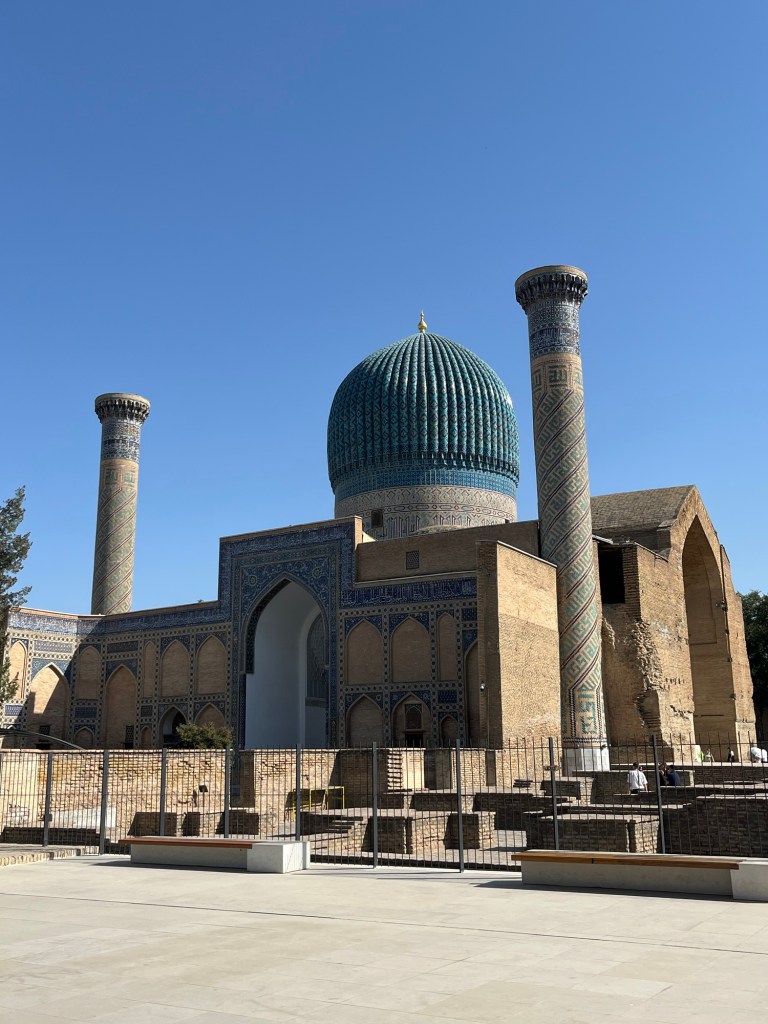
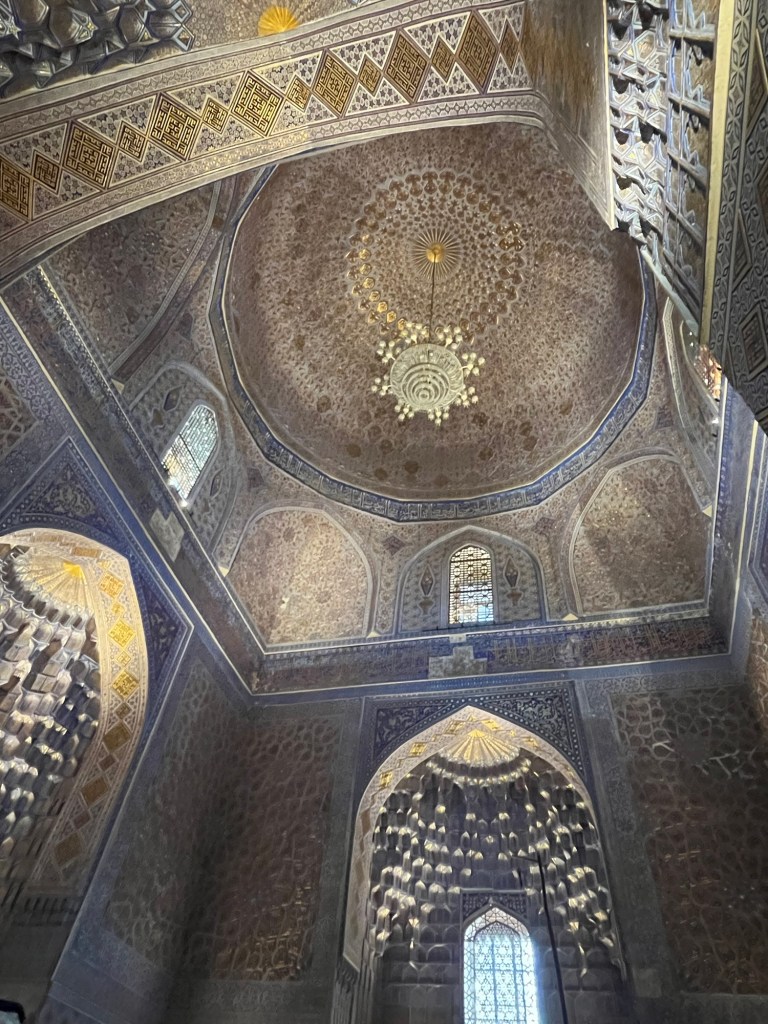
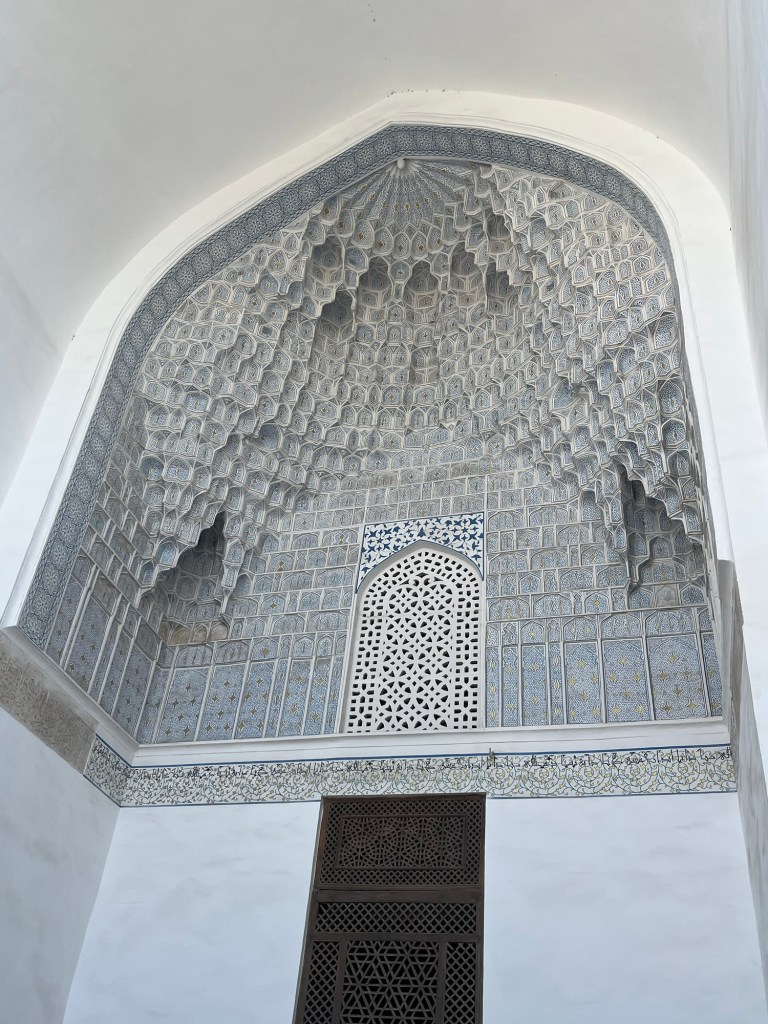
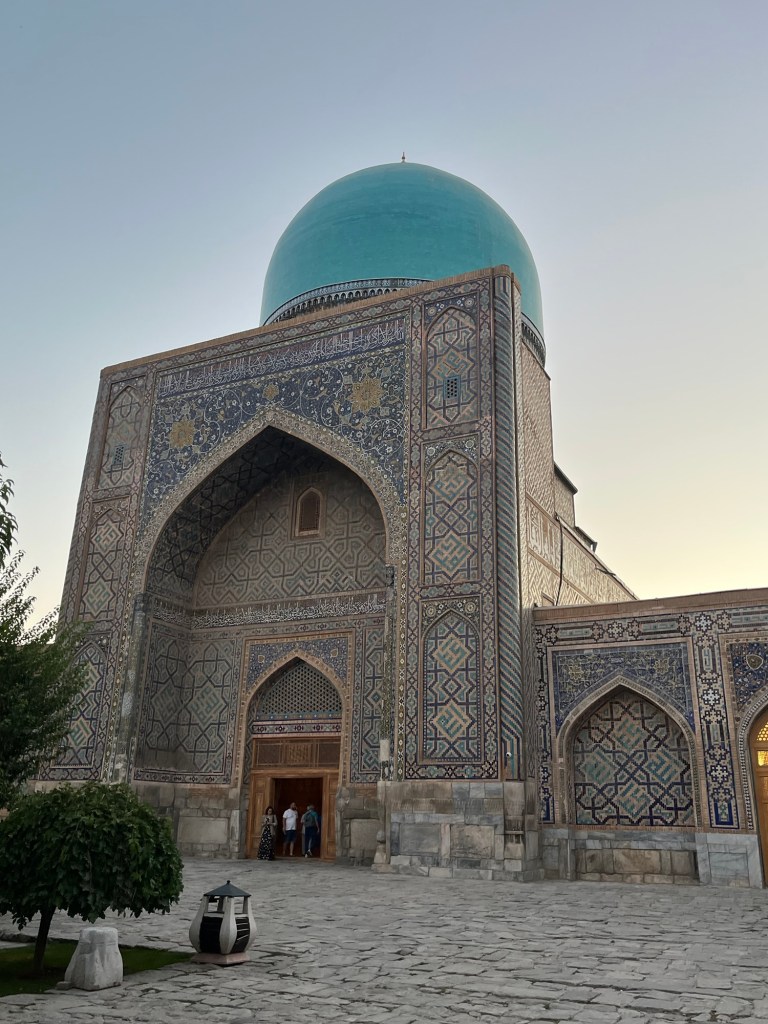
We arrived in Samarkand in time for lunch. And then after lunch we had a tour of some of the main sights which lasted for the rest of the afternoon. First up we went to the Gur-I-Amir mausoleum, in a beautifully decorated complex.

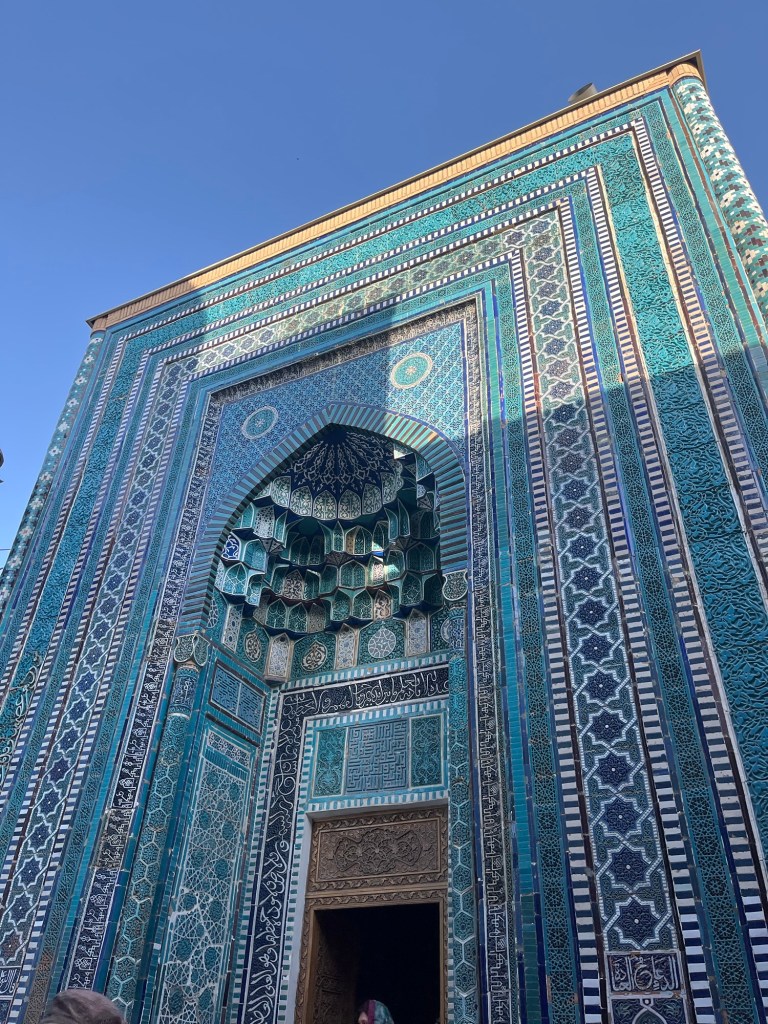
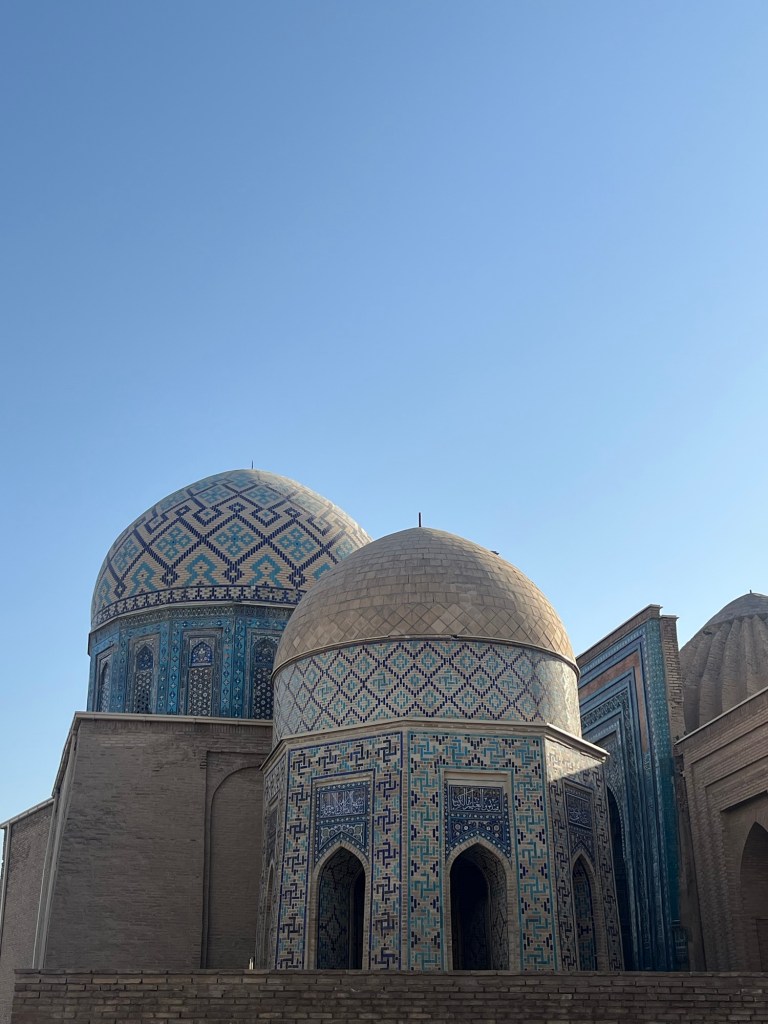
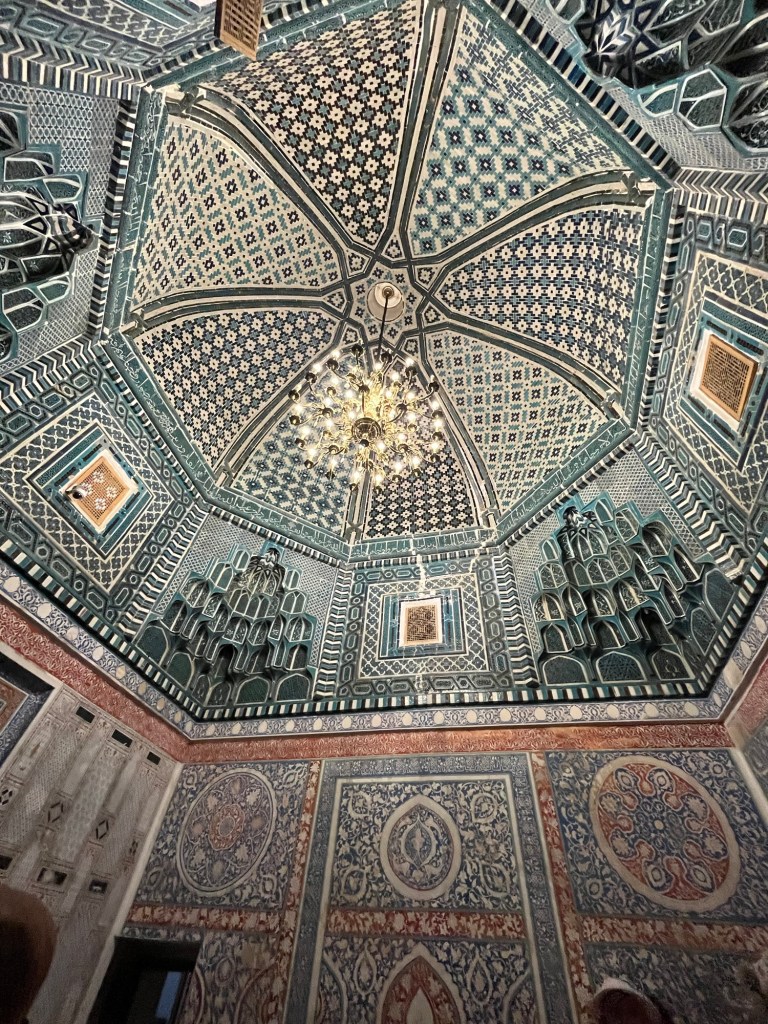
Then we headed to the Shah-i-zinda necropolis complex. The buildings here are stunning, and apparently similar in design to those in Iran. It’s a very atmospheric and contemplative place, even among the throngs of tourists.

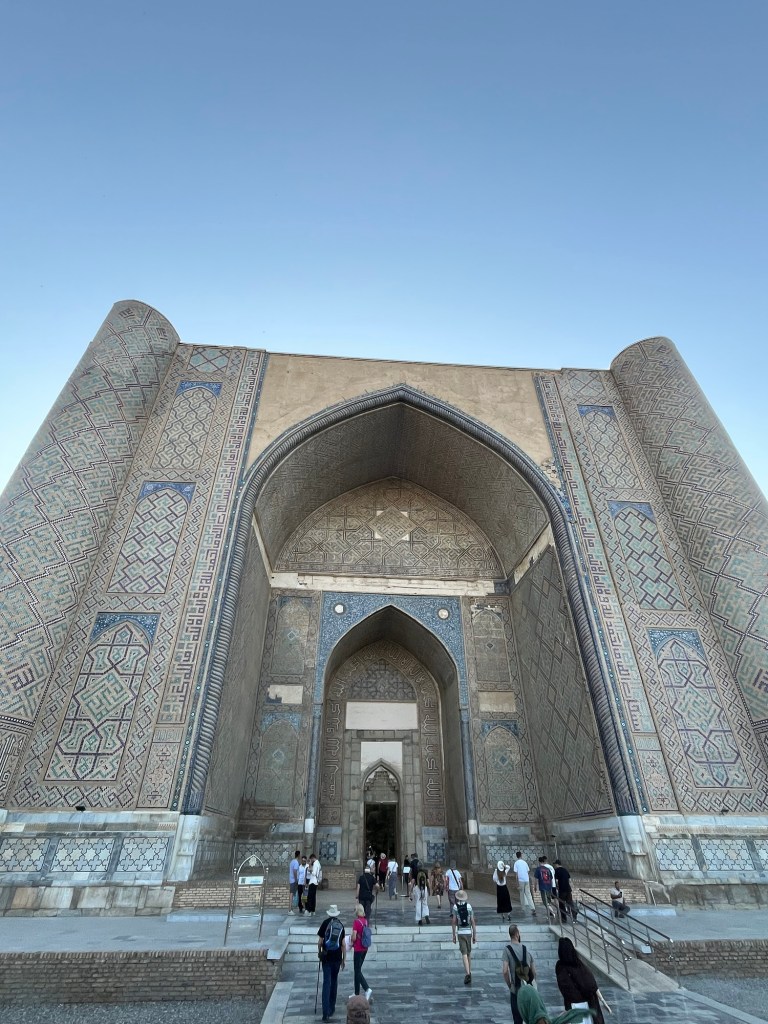
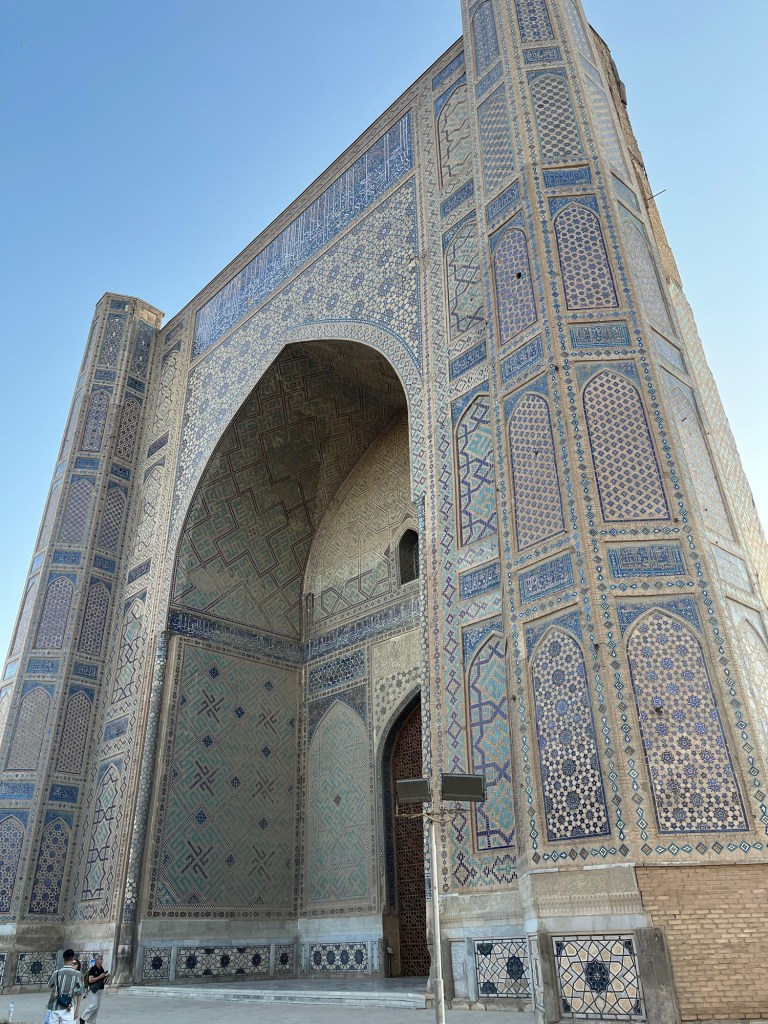
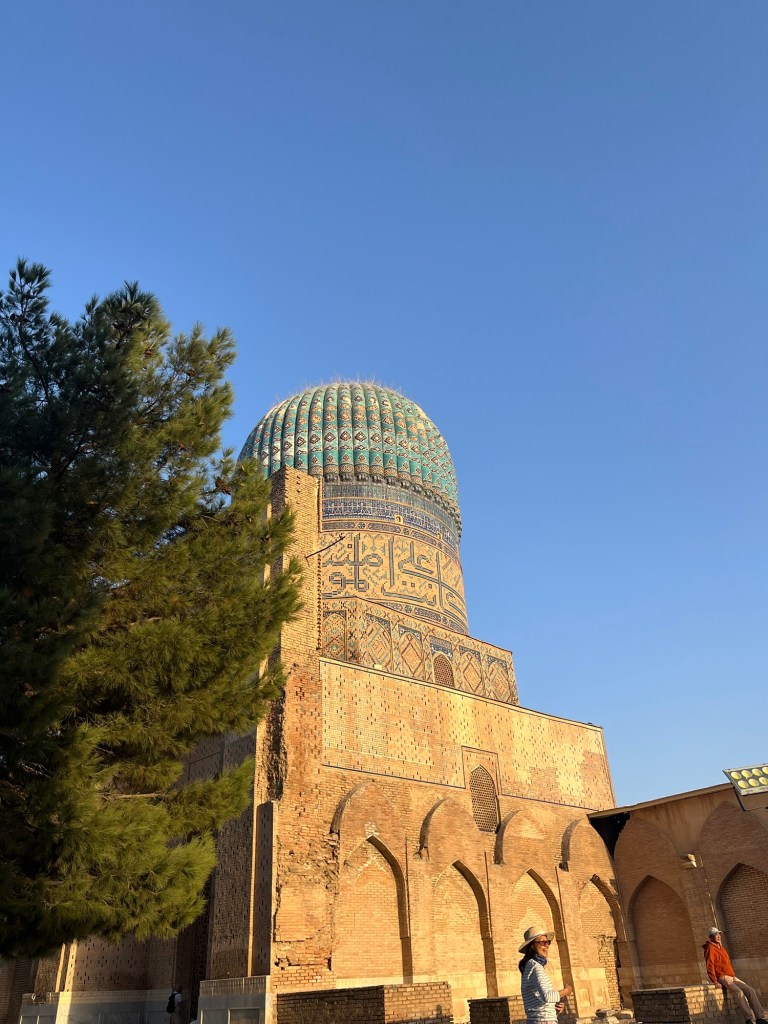
Next up was the Bibi Khanym mosque, a building which is absolutely enormous, and the photos as usual don’t quite do it justice.

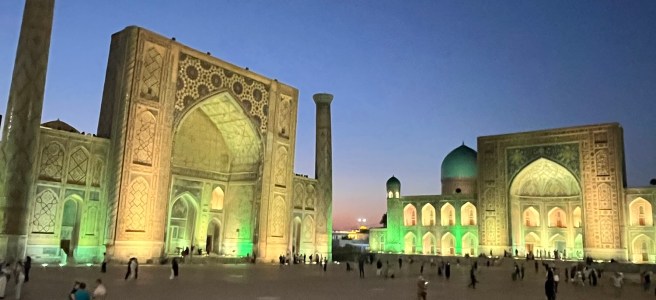
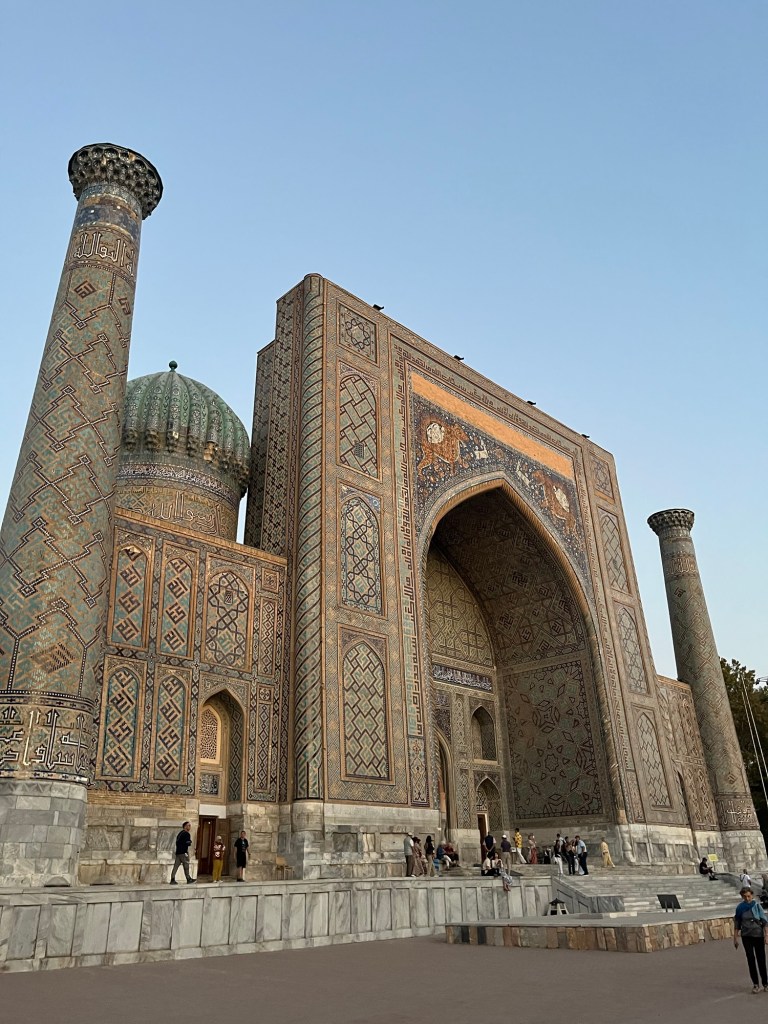
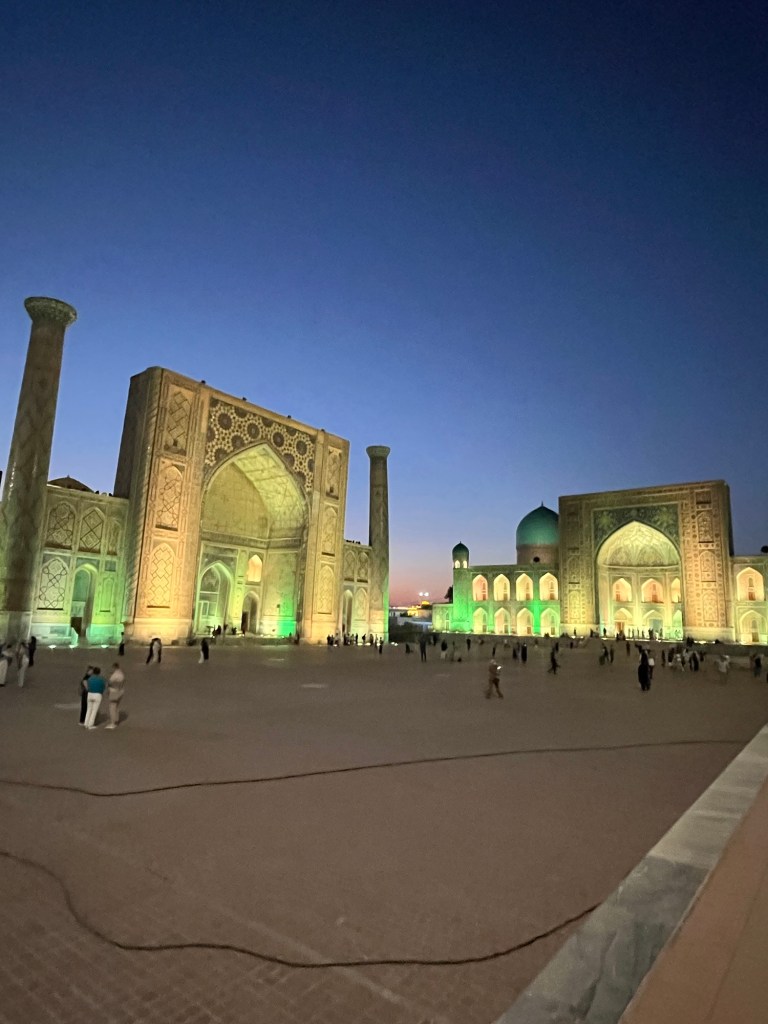
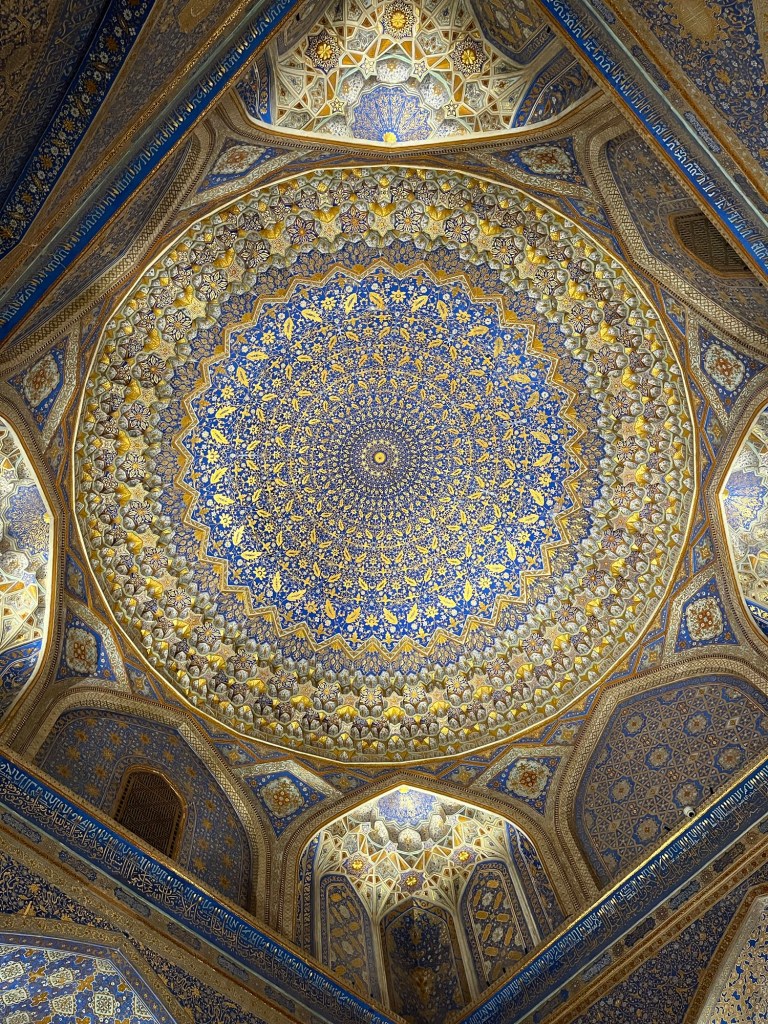
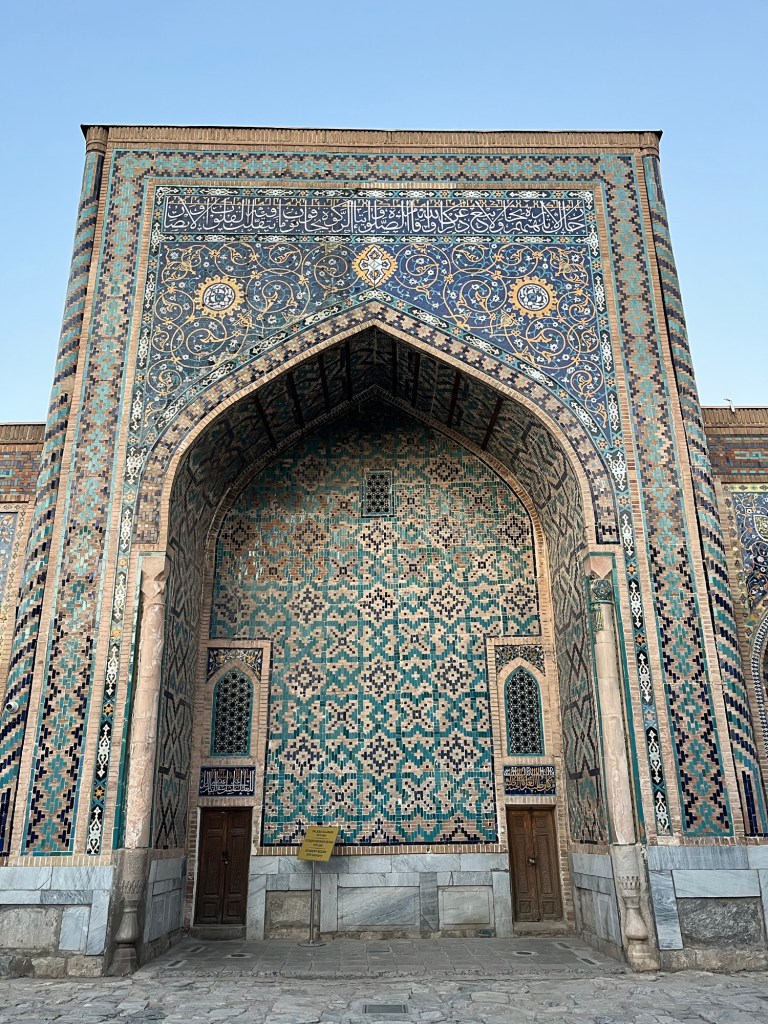
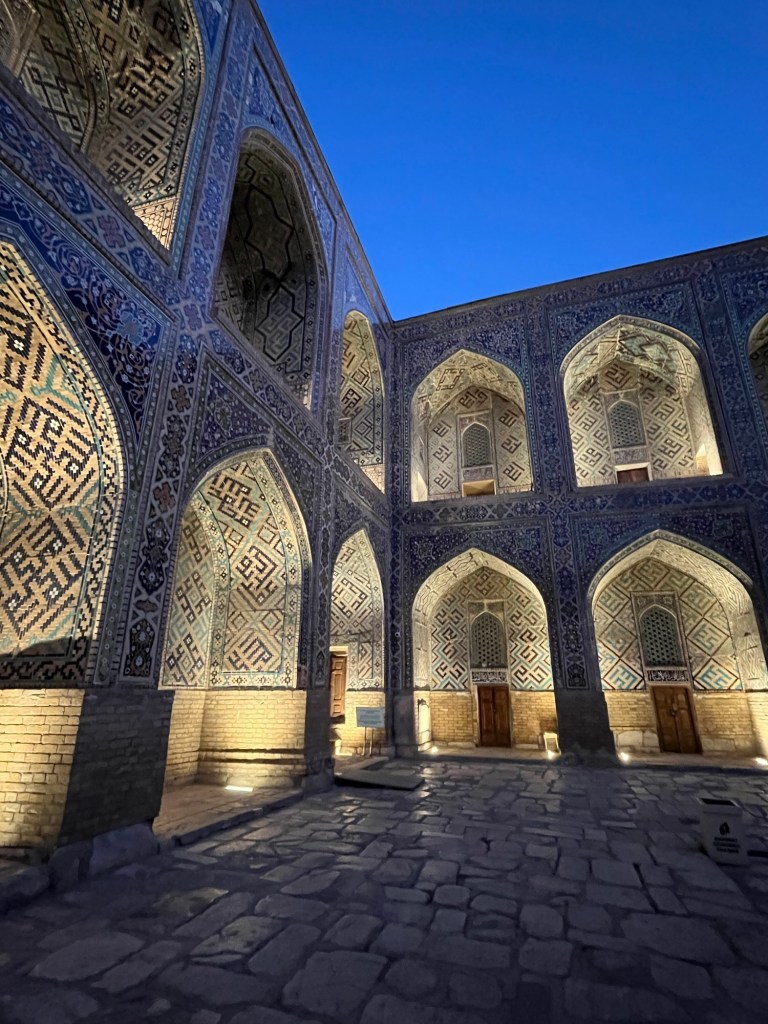
And finally that evening, the Registan. If people think of Samarkand, they are most likely thinking about the Registan, with its 3 enormous madrassas forming 3 sides of a square. Each madrassa has courtyards sitting behind, surrounded by what would have been the students rooms. It’s is a stunningly preserved complex, the decoration and tile work is mesmerising. And being there in the early evening as the sun was setting added to the atmosphere as the colours were constantly changing. As part of our tour we only had a short time in the complex but I’d decided to come back the next day when we had more free time to properly immerse myself in it. I could have sat for hours within the courtyards, admiring the colours, buildings and people watching.

Dinner that night in a restaurant near the Registan and this was really my first tell that tourism has increased in the last 3 years. I haven’t really felt that the sights were much busier, but I’d been to this rooftop restaurant 3 years ago and we’d had no trouble in getting a table on the roof terrace without a booking. This time, no chance. We did manage to get seated inside on the ground floor but all the rooftop tables were fully booked out.

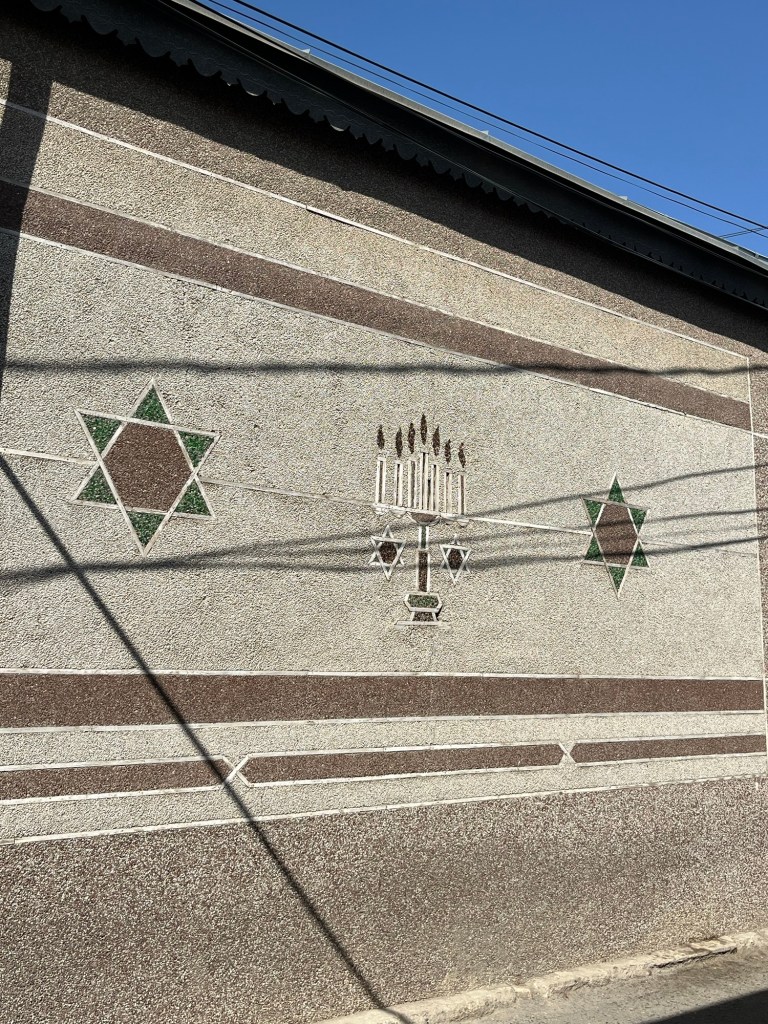
The following day was a free day, the first day fully to myself since I arrived in Kyrgyzstan 2 weeks ago. I had a leisurely breakfast and then wandered to the Jewish quarter, through local neighbourhoods where the locals greeted us with smiling faces and ‘hellos’ and ‘saloms’. The Jewish quarter is quite small and there is only a very small population (in the hundreds) of Jews remaining in Samarkand.

After a tea and baklava break, I headed to the Siyob bazaar for a wander and then looped around the back of the Bibi Khanym mosque before heading back to the hotel for an afternoon rest. In the late afternoon I headed back to the Registan to soak up the atmosphere at my own pace.
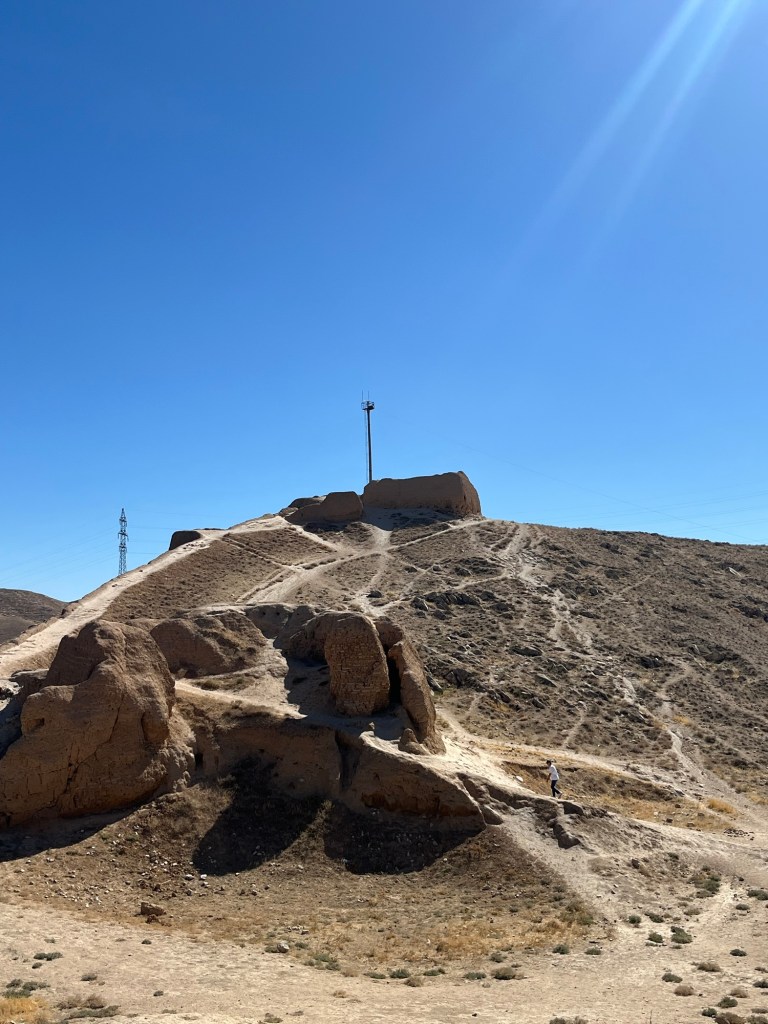
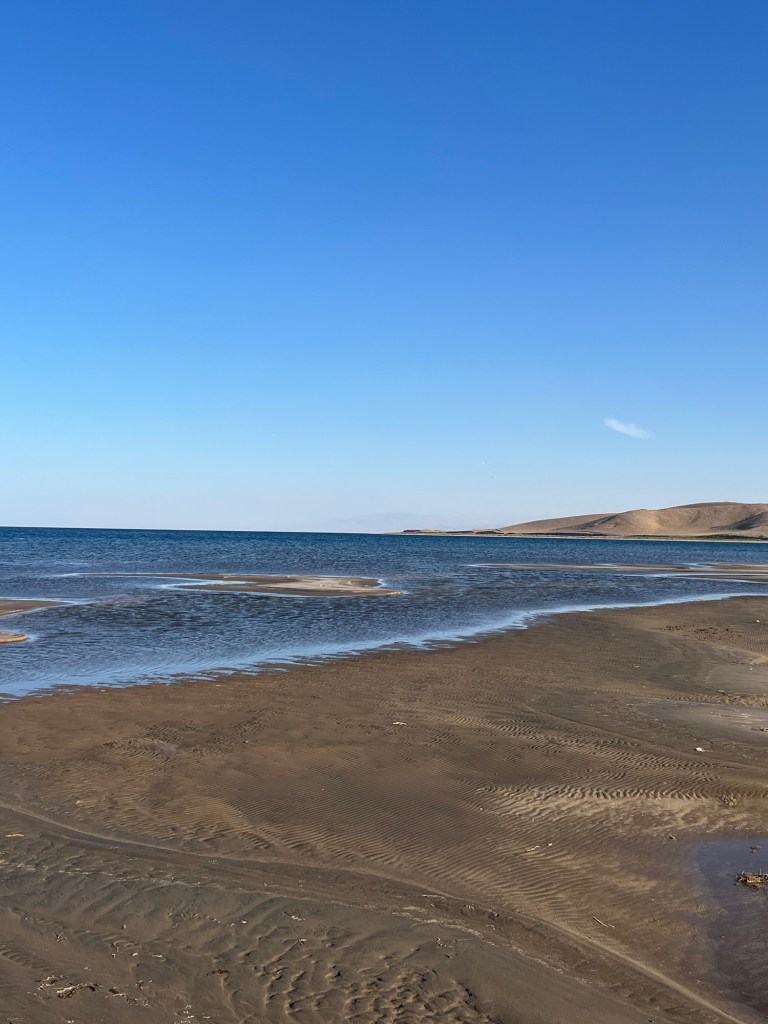
The next morning we headed out of the city, firstly to Nurata where Alexander the Great built a fortress up on the hillside. We then continued on to Aidar Kul lake and the beach. In a landlocked country, you’ve got to take what you can get! I’d been here 3 years ago and it definitely looked like a bit of development had happened. There was a boardwalk out to the water, and a hotel and restaurant were operating. I don’t hugely remember this being the case before. But in late September it wasn’t busy.

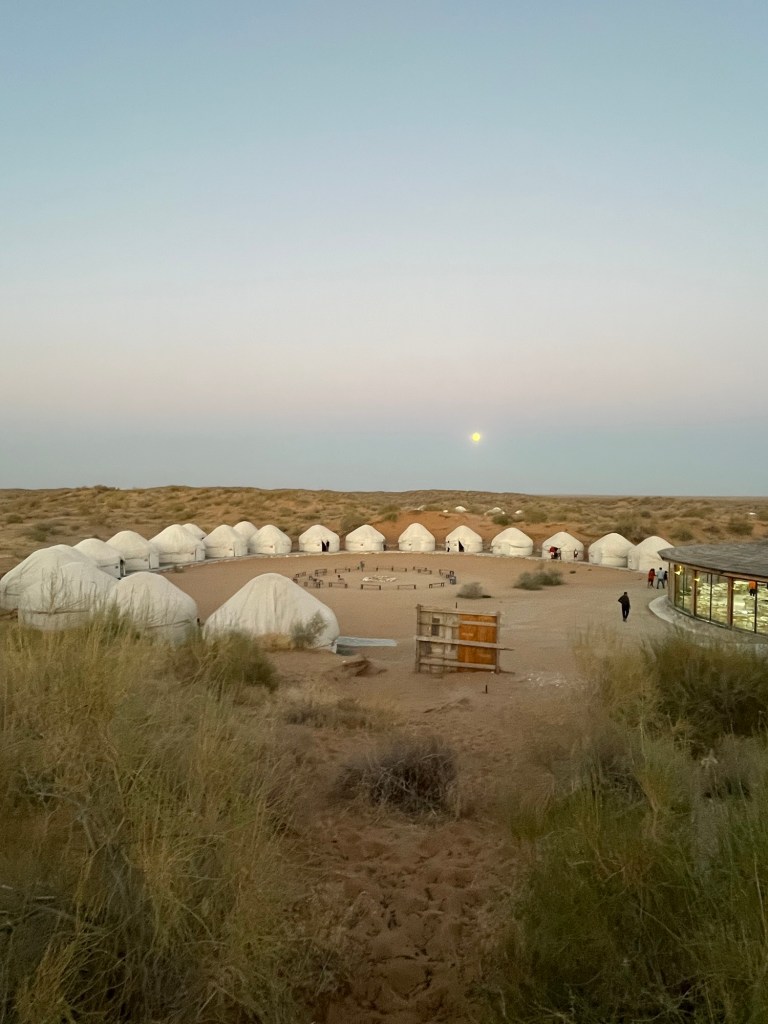
We made it to our home for the night, at a yurt camp, just as the sun was setting. I think it was the same camp as last time, though it too had undergone some renovations with a more substantial dining building and permanent walkway around the yurts. It was a bit of a shame the sun had dipped down by the time we got there as I remember the sunset being pretty spectacular last time.

We had a local dinner with salads, soup and a meat and veg dish before listening to some Kazakh music. The camp is relatively close to the Kazakhstan border and historically, central Asian peoples are nomadic peoples so it’s not surprising that you have such a mixture of cultures in this area.

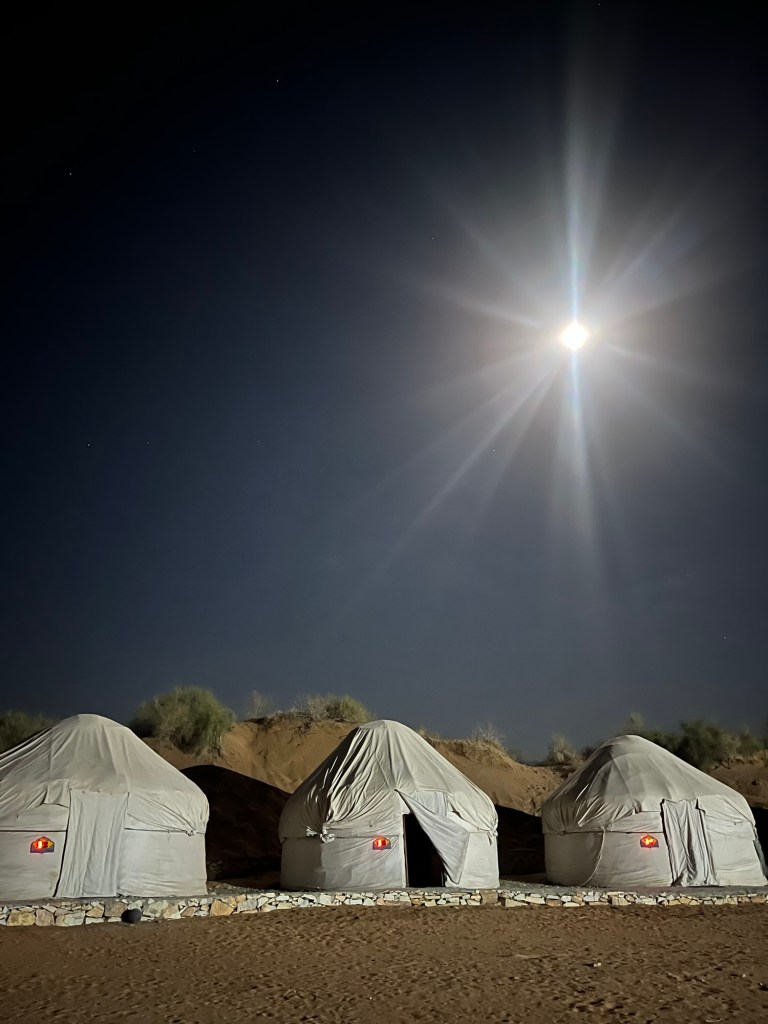
A bit of stargazing (with a near-full moon) to end the day before a not-too-bad nights sleep in the yurt. It wasn’t as cold as the one in Kyrgyzstan though it was still fairly fresh in the morning.
Yurts and a bright moon

After breakfast it was back on the road to my favourite Uzbek city, Bukhara…